
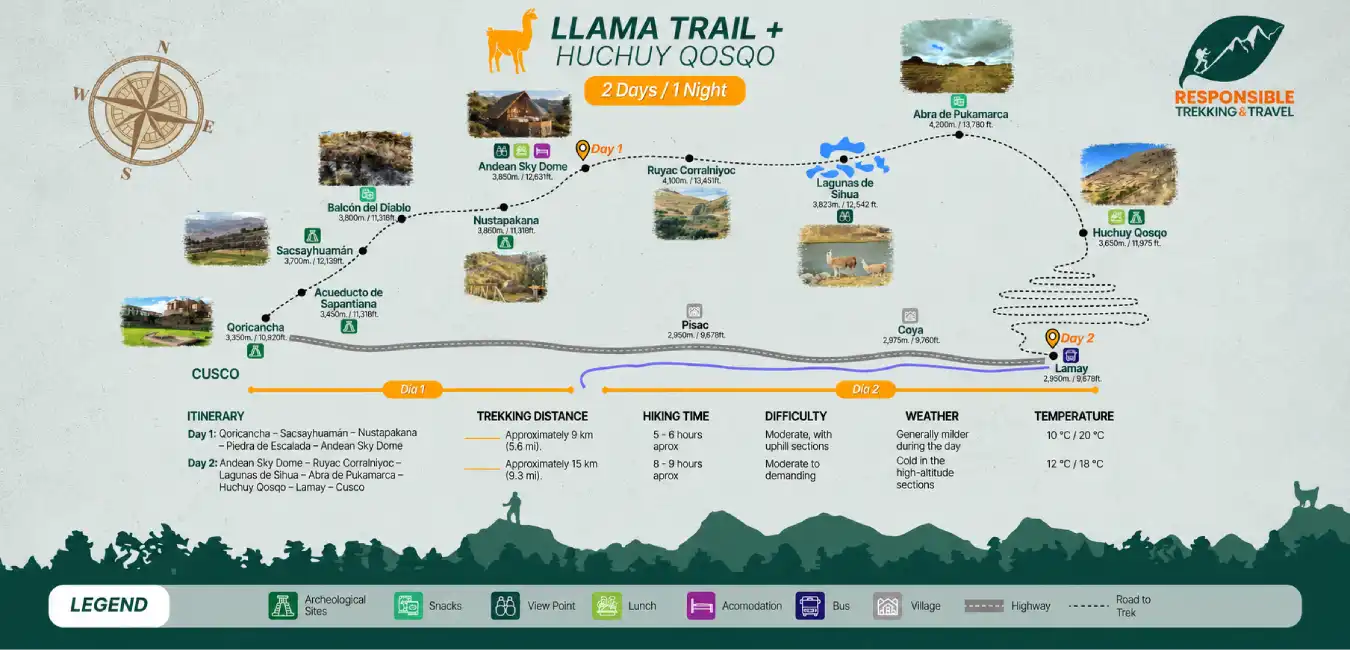
The Llama Trail to Huchuy Qosqo featuring overnight stays in domes is a 2 day, 1 night trekking route that begins at the Qoricancha in Cusco and ends in Lamay. Spanning approximately 24 km (14.9 mi), the trek takes you along ancient Inca paths, past archaeological sites, and through mountain landscapes, reaching an altitude of 4,200 m (13,780 ft). Here, you will learn about the route, its main highlights, its level of difficulty, and how to prepare.
How is the Huchuy Qosqo Trek with Llama Trail?
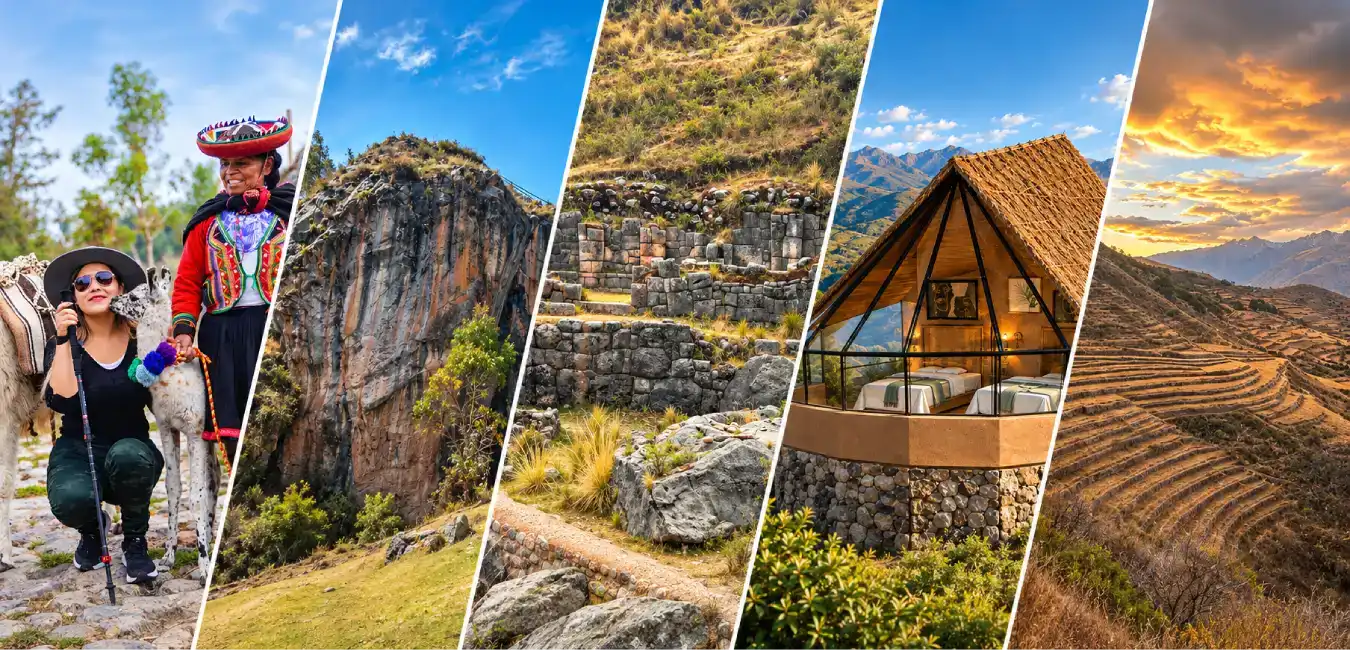
Unlike conventional routes starting from Tambomachay or Tauca, this route begins right on the cobblestone streets of Cusco. The trail climbs through high altitude grasslands and along Inca stone stairways before descending into the Sacred Valley, giving you the opportunity to explore ceremonial sites, agricultural terraces, and glacial lakes. Plus, it includes an unforgettable night of glamping at Andean Sky Dome.
Key facts about the Huchuy Qosqo Trek from Cusco
Feature | Information |
|---|---|
| Duration | 2 days and 1 night |
| Total Distance | Approximately 24 km (14.9 mi) |
| Starting Point | Qoricancha, Cusco's Historic Center |
| Day 1 | 9 km (5.6 mi), approximately 8-9 hours |
| Day 2 | 15 km (9.3 mi), approximately 7-9 hours |
| Starting Elevation | Cusco, approximately 3,399 m (11,152 ft) |
| Campsite Elevation | 3,850 m (12,631 ft) |
| Maximum Elevation | Pukamarca Pass, approximately 4,200 m (13,780 ft) |
| Difficulty Level | Easy to Moderate |
| Accommodation | Andean Sky Dome, Piedra Resbalada |
| Ending Point | Lamay, Sacred Valley |
| Return Transportation | Tourist transportation back to Cusco |
Llama Trail Route to Huchuy Qosqo in 2 days
Day 1: Huchuy Qosqo Trek with Llama Trail
The first day begins at 6:00 a.m. in downtown Cusco. Along the way, you'll hike approximately 9 km (5.6 mi) through ancient Inca streets and mountain trails, accompanied by llamas and local llama herders for part of the journey. You'll reach Piedra Resbalada, located at 3,850 m (12,631 ft), around 2:30 p.m., where you'll enjoy cultural activities that wrap up at 5:00 p.m.
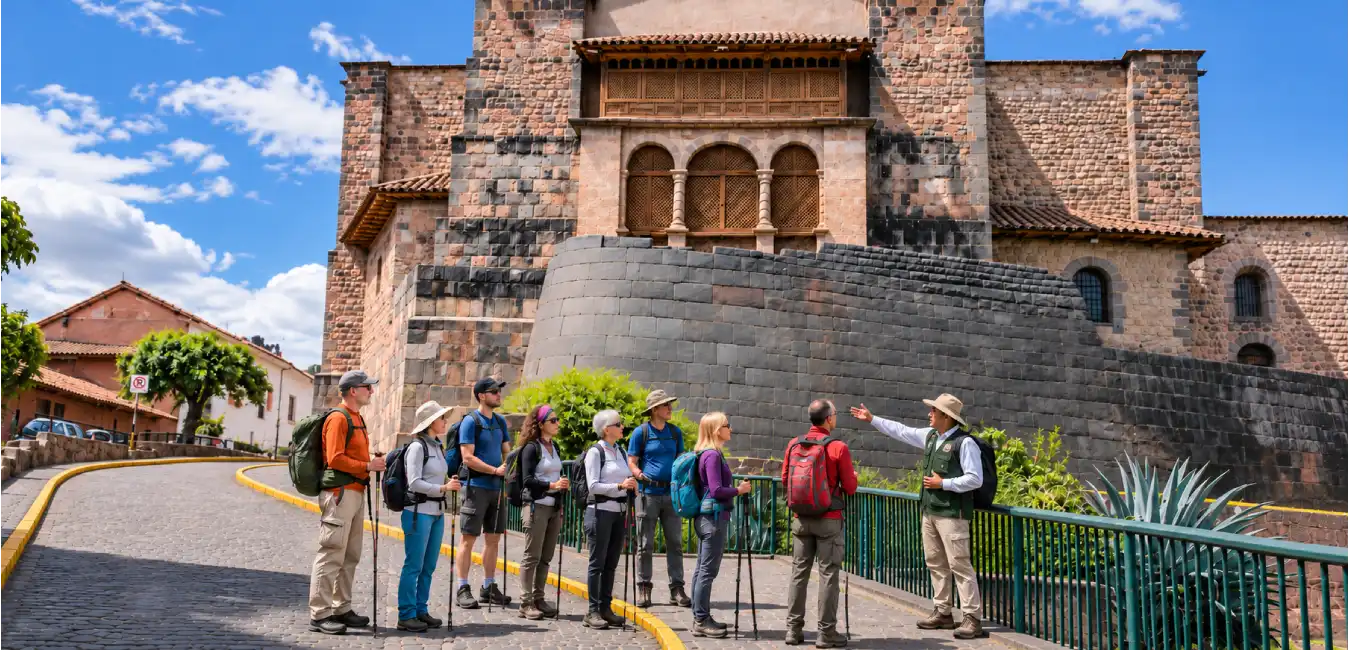
From Qoricancha to Andean Sky Dome
Location or trail section | Approximate distance | What you'll see |
|---|---|---|
| Qoricancha | Km 0 · Starting Point | Temple of the Sun and an introduction to the Inca ceque system and sacred sites known as wak'as. |
| Loreto Street, Plaza de Armas, and Hatun Rumiyoc | Approx. 700 m | Original Inca stone walls, historic streets, and the Twelve Angled Stone. |
| Sapantiana, Siete Borreguitos, and San Cristóbal | Approx. 300 m | Sapantiana Aqueduct, a cobblestone street, and a panoramic viewpoint overlooking Cusco. |
| Sacsayhuamán | Approx. 600 m (From the San Cristóbal viewpoint via the Sapantiana checkpoint) | Zigzag stone walls, massive stone blocks, and ceremonial Inca architecture. |
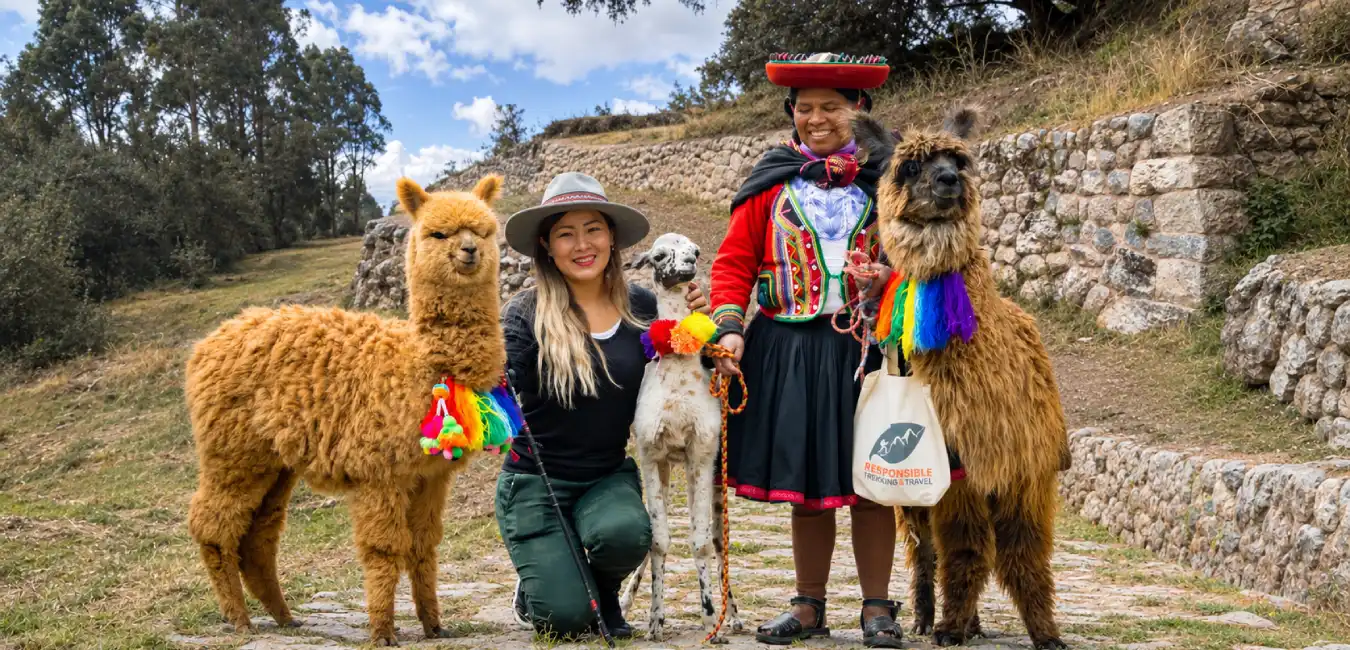
| Llaullipata | Approx. 40 m (From Sacsayhuamán to the Llaullipata entrance) | Meet llamas and local llama herders, and see native Queuña, Chachacomo, and tara trees. |
| Chakan (Balcón del Diablo) | Approx. 1.88 km from Llaullipata. | A natural rock formation, the Chakan River, and an ancient ceremonial site. |
| Pukara Agricultural Terraces | Approx. 50 m (Snack stop). | Agricultural terraces, water channels, and Inca stone walls. |
| Negruyoc and Salomniyoc | Approx. 70 m from the Pukara terraces. | A structure featuring five niches, finely crafted stone walls, and a double-jamb doorway. |
| Ñusta Pacana | Approx. 90 m from Salomniyoc. | A limestone rock formation featuring eight ceremonial niches. |
| Piedra Resbalada | Approx. 800 m Final ascent. | Views of Cusco and arrival at Andean Sky Dome, located at 3,850 m (12,631 ft). |
| Total Distance for Day 1 9 km (5.6 mi). | Total Duration 8 hours |
The 8 hour duration on the first day includes detailed explanations and extended guided visits to all the archaeological sites along the route, not just the time spent hiking.
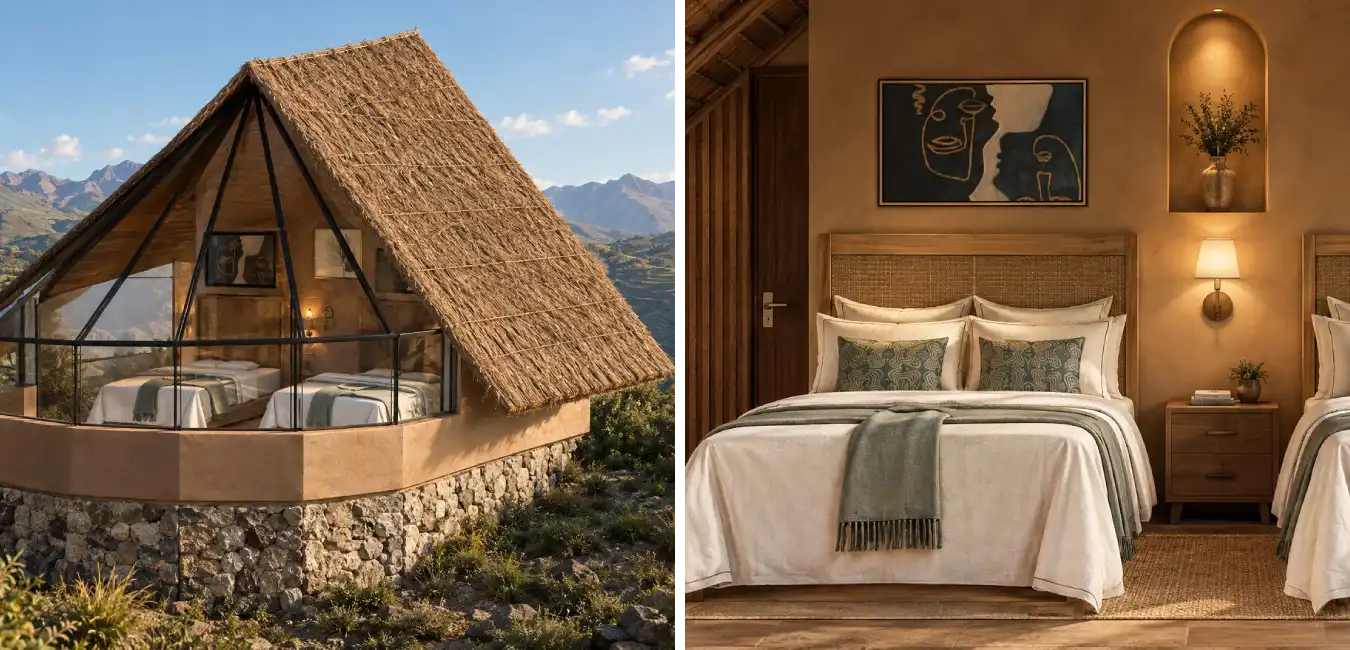
Glamping experience: Sleeping at Andean Sky Dome
When you reach Piedra Resbalada, at an elevation of 3,850 m (12,631 ft), you'll find Andean Sky Dome, a mountain campsite developed by Responsible Trekking. From this natural viewpoint, you'll enjoy sweeping views of the entire city of Cusco and the surrounding Apus (sacred mountains).
What is it like to spend the night in the Domes?
This glamping experience in Cusco combines the comfort of warm, cozy beds with an immersive introduction to Andean culture. The geodesic domes are named after sacred mountains: Mama Simona, Viva el Perú, and Ausangate. The program includes a hot dinner, an overnight stay, and an energizing breakfast before continuing toward Huchuy Qosqo.
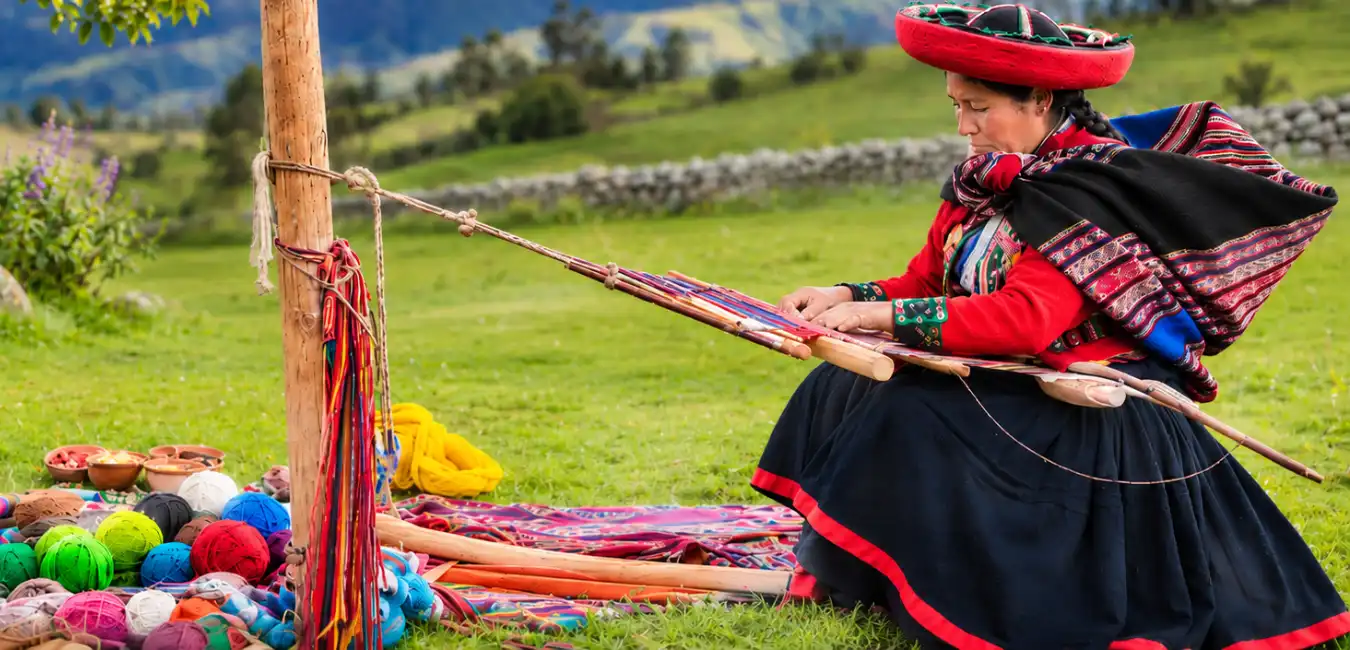
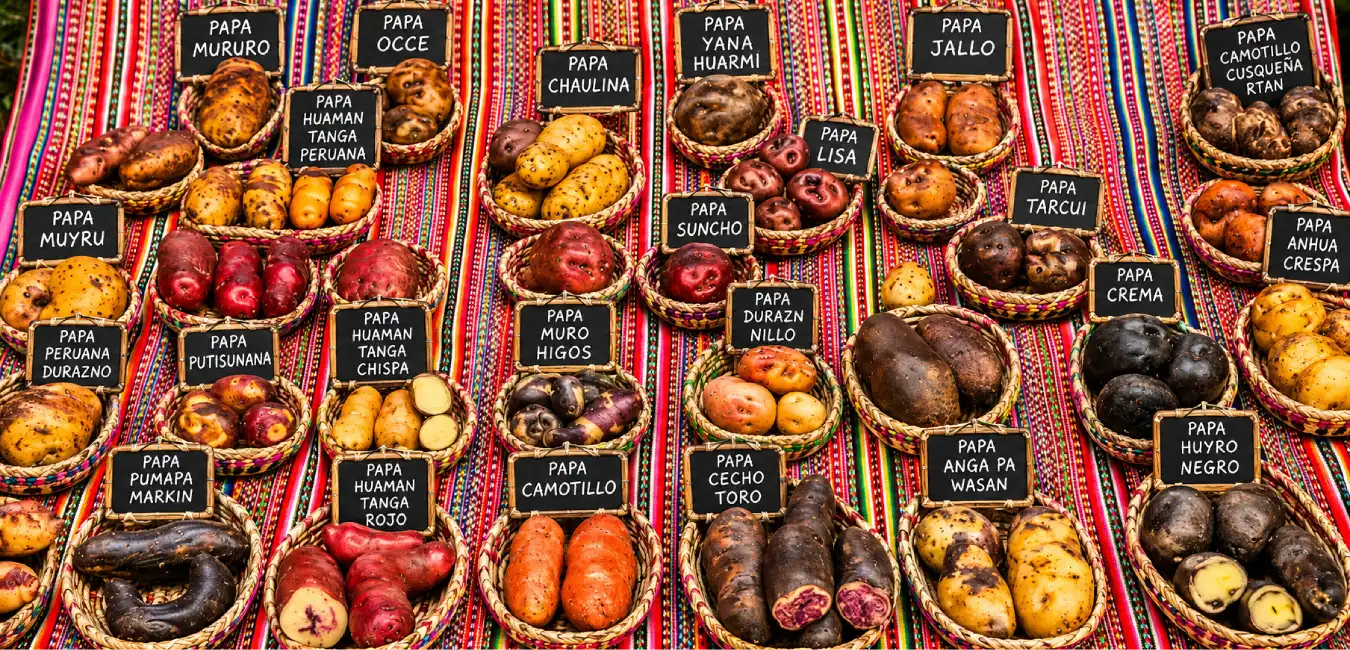
Cultural activities and Astronomy at the Campsite
During the afternoon, you'll take part in a light rock climbing session and several hands on cultural workshops:
- Offering to Mother Earth: An ancestral ceremony led by an Andean "Paqo" (traditional spiritual practitioner) to express gratitude to Pachamama (Mother Earth) and learn about the local Andean worldview.
- Andean Textile Weaving: A demonstration of traditional alpaca fiber spinning using a pushka (hand spindle), natural dyeing with plants and cochineal, and an introduction to the symbolism of Andean textile patterns.
- Agrobiodiversity and Native Potatoes: Learn about ancestral potato varieties (Huayro, Peruanita, Qompis, and yellow potatoes), traditional storage techniques using taques, the process of making chuño (freeze dried potatoes), and sacred corn varieties such as Mamasara.
- Inca Astronomy: If the night sky is clear, you'll observe the dark constellations of the Milky Way, including Yacana (the celestial llama), and the stars Alpha and Beta Centauri.
If the sky is clear, you'll learn the story of Yacana, a figure in Andean astronomy recognized in the dark regions of the Milky Way and associated with the stars Alpha and Beta Centauri. From April through September, conditions are generally better for observing the night sky.
Day 2: From Andean Sky Dome to Huchuy Qosqo via the Sihua Lakes
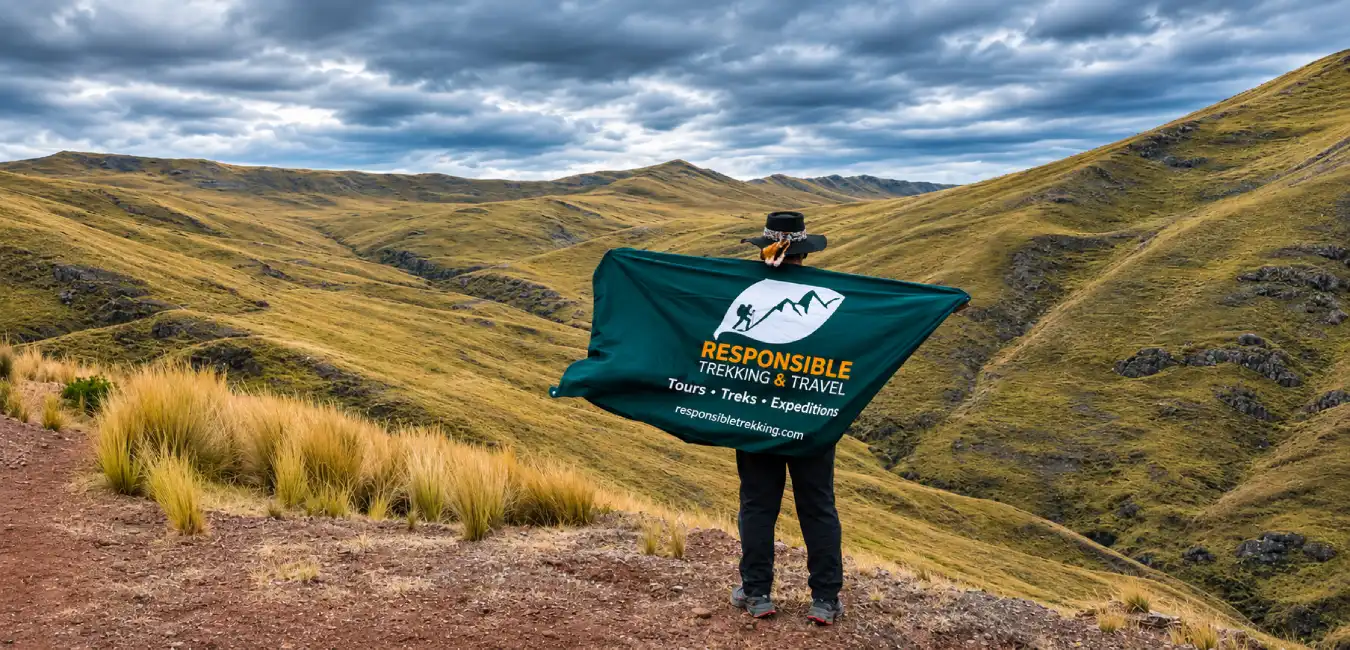
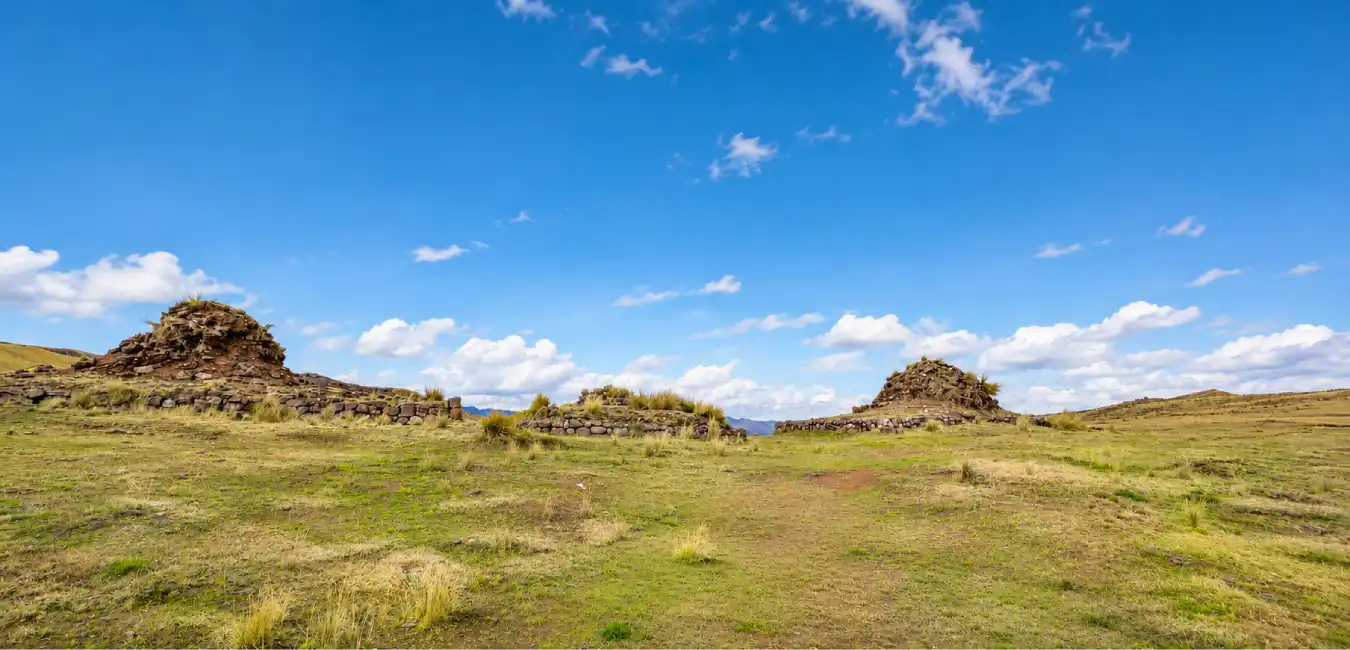
After breakfast, you'll begin the second day of hiking, covering approximately 15 km (9.3 mi). You'll climb from the campsite at 3,850 m to Pukamarca Pass at 4,200 m (13,780 ft), the highest point of the route, before descending toward the Huchuy Qosqo archaeological complex and finishing in the village of Lamay.
Detailed breakdown of the hiking stages to Huchuy Qosqo
Stage / location | Elevation | Distance and time | Terrain and surroundings | Highlights and key facts |
|---|---|---|---|---|
| Ascent to Yurac Cancha | ~4,100 m (13,451 ft) | ~2.5 km / 1 hr 30 min to 2 hrs. | Steady uphill climb along an original Inca trail with stone retaining walls. | Open high altitude grasslands (puna) overlooking the Apu Katunki mountain massif in the Urubamba Range. |
| Sihua Lakes | ~4,100–4,150 m | ~2 km / 45 min to 1 hr. | Flat to gently sloping terrain between glacial lakes and high altitude ichu grasslands. | Opportunities to spot Andean geese (huallatas), Andean ducks, llamas, and alpacas. A common stop for a break and a snack. |
| Pukamarca Pass | ~4,200 m (13,780 ft) | ~1 km / 30 to 45 min. | Final uphill section to the watershed divide. | The highest point of the entire route. Marks the beginning of the continuous descent toward the Sacred Valley. |
| Pukamarca and Kallanka | ~3,950–4,050 m | ~1.5 km / 45 min. | Initial descent through the remains of an ancient Inca tambo (waystation) or rural settlement. | Animal enclosures, stone structures, and dry stone walls. Four door kallanka: a long rectangular building used as communal lodging or an administrative center. |
| Puma Punku Canyon | ~3,800 m | ~2 km / 45 min to 1 hr. | Narrow gorge featuring carved stone stairways and wooden bridges. | Double jamb doorway, traditionally associated with high status entrances. A more humid environment with native Queuña trees and Chachacomo trees. Caution: Slippery surfaces and narrow edges. |
| Sacred Valley Viewpoint | ~3,700 m | ~1.5 km 30 min. | Open trail after leaving the canyon. | Panoramic views of the Vilcanota River, the agricultural fields of Lamay and Calca, and the first outlying Inca terraces. |
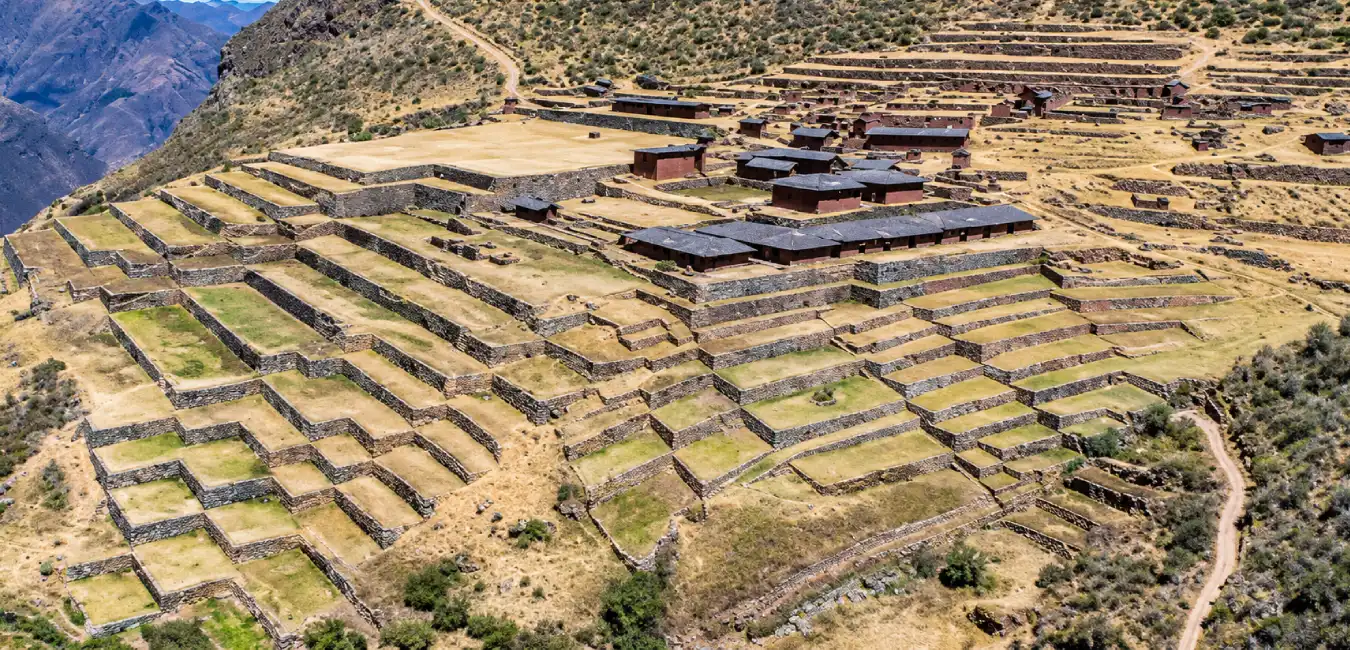
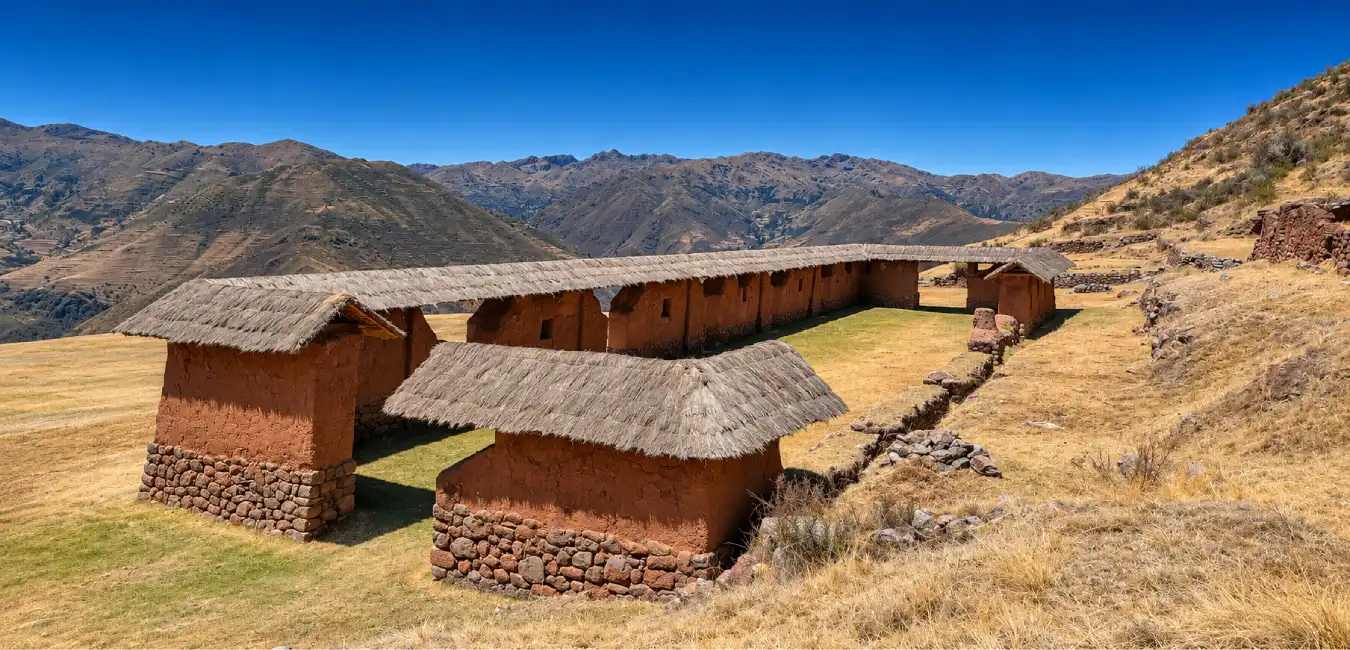
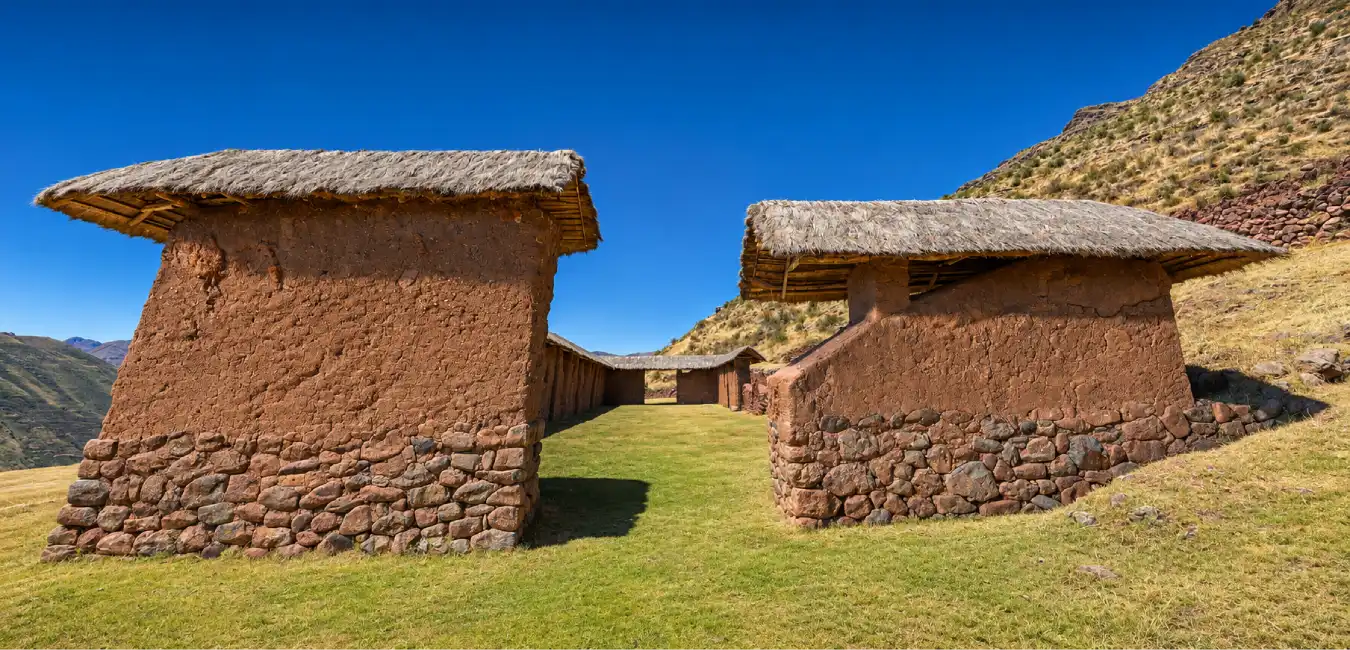
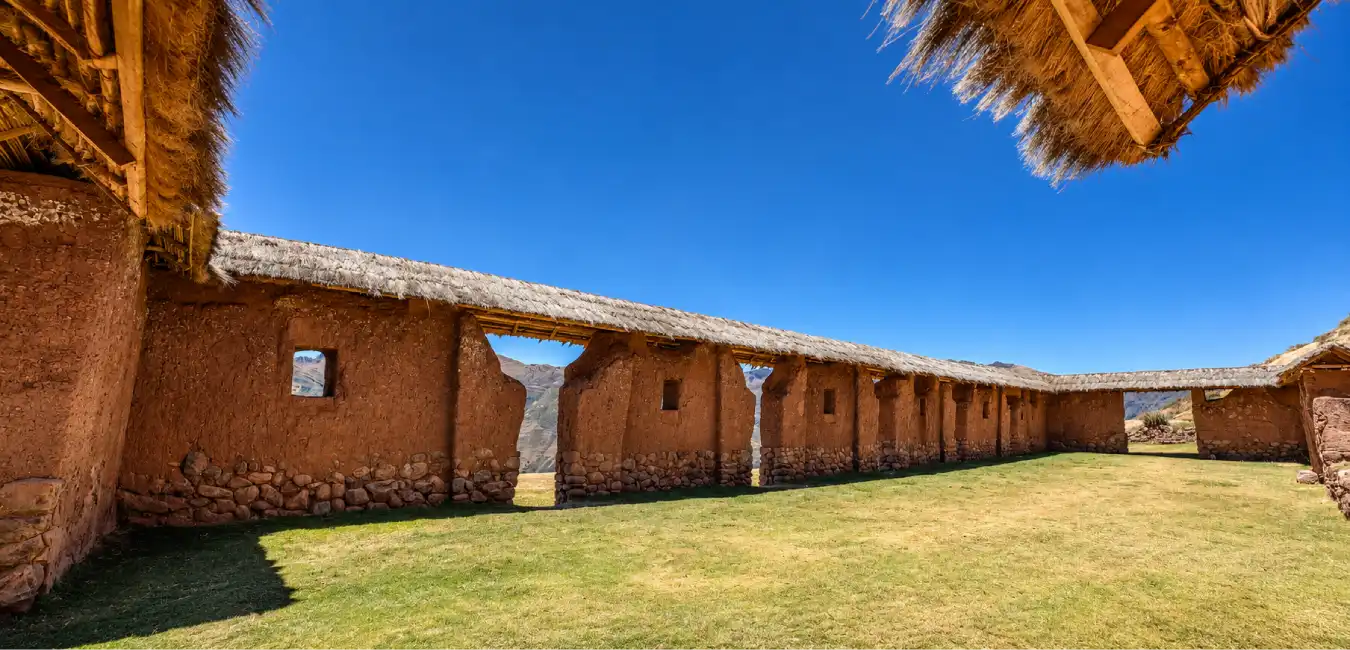
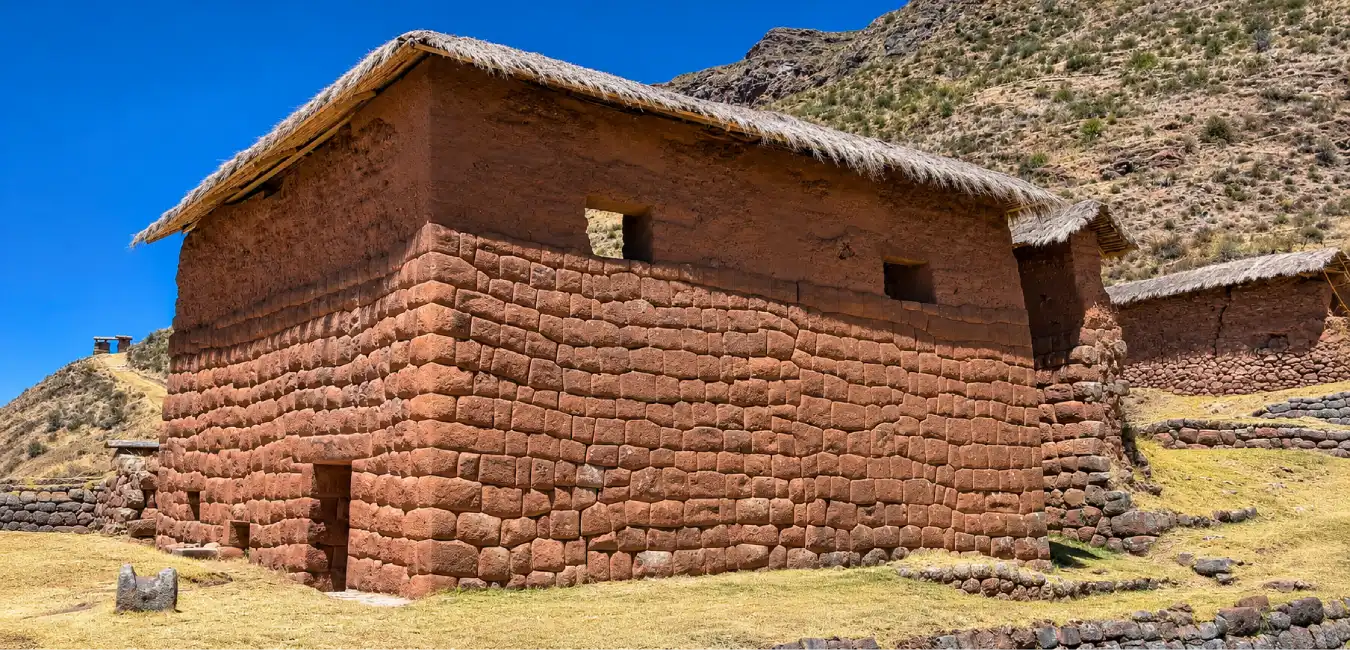
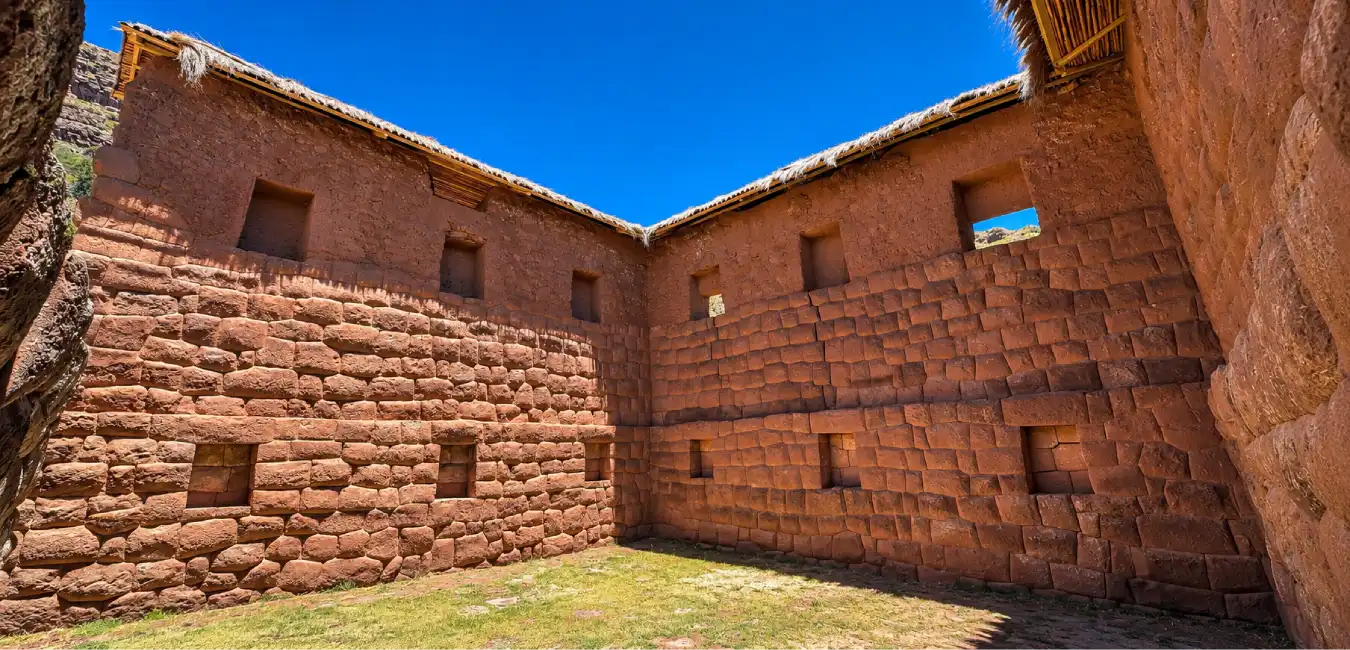
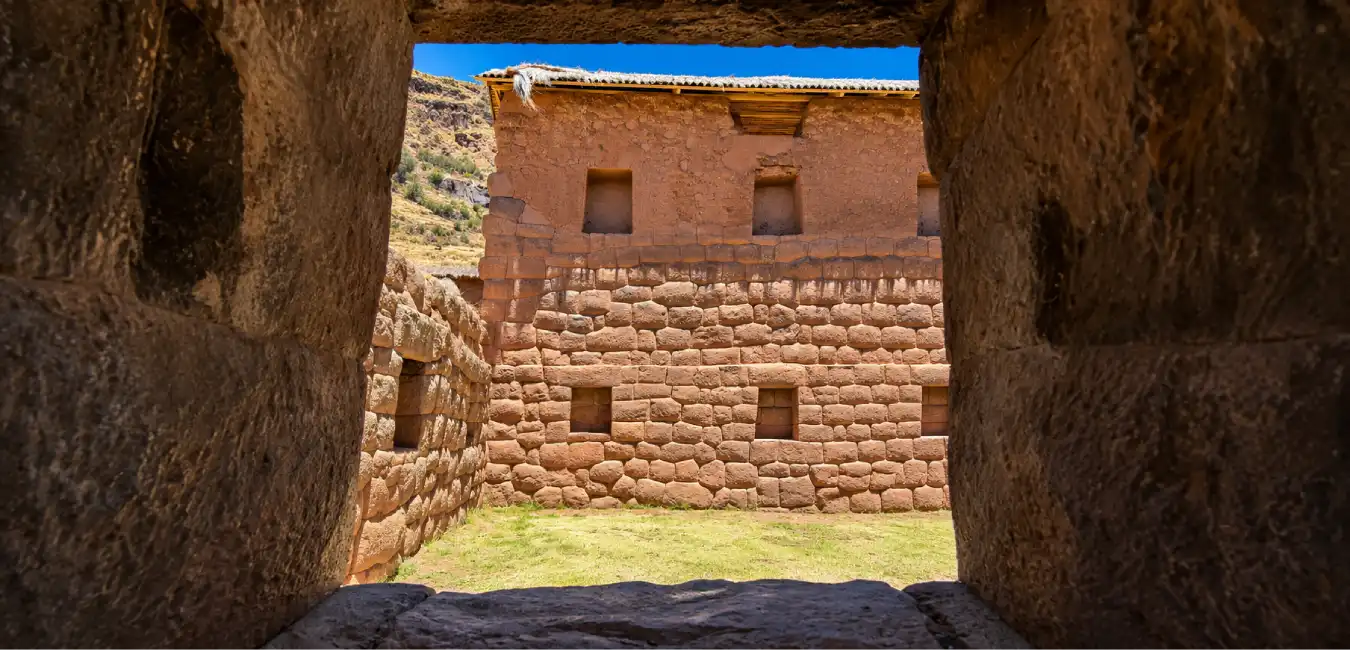
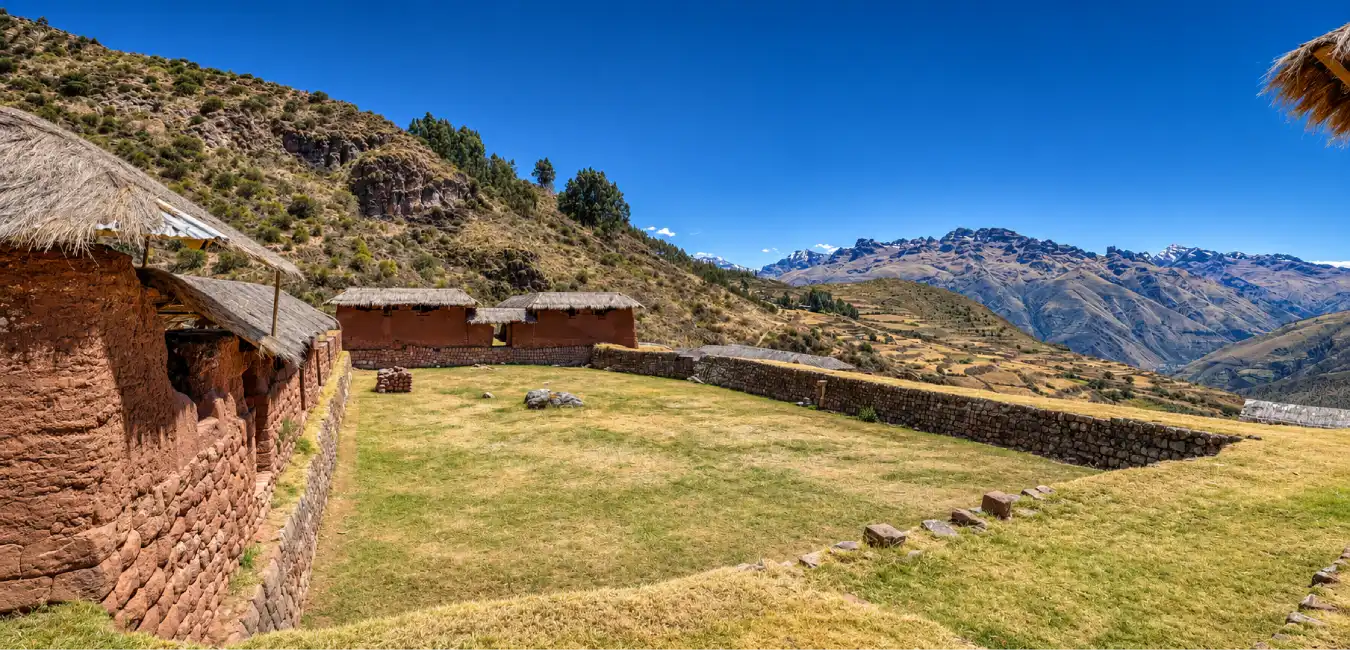
| Huchuy Qosqo | ~3,600–3,650 m (11,811–11,975 ft). | ~1 km / 30 min. | Final section through agricultural terraces and the residential areas of the archaeological complex. | Its name means "Little Cusco" (formerly known as Qaqyaqawana). A royal estate of Inca Wiracocha (15th century). Highlights include three-story buildings constructed with finely cut stone and adobe. |
What to see at the Huchuy Qosqo Archaeological site
Huchuy Qosqo, formerly known as "Qaqyaqawana," was an important royal residence built during the reign of Inca Wiracocha. During your guided tour, you'll explore its main architectural areas:
Admire the Agricultural Terraces
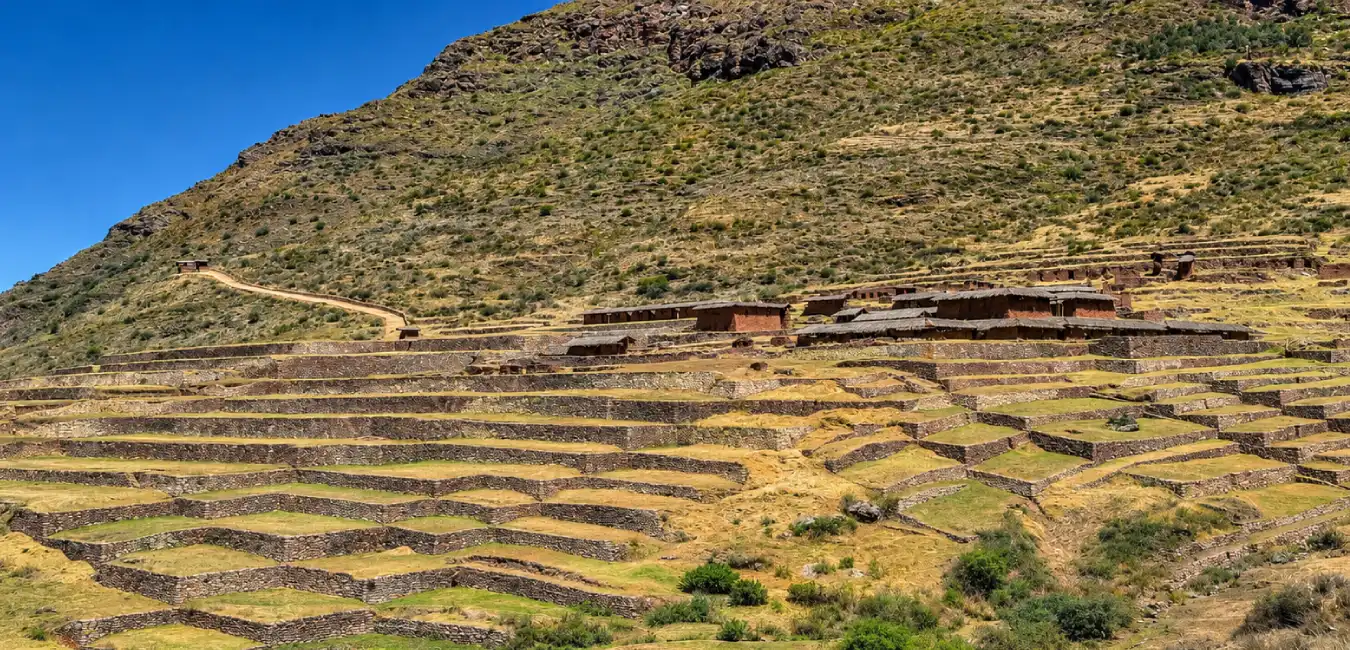
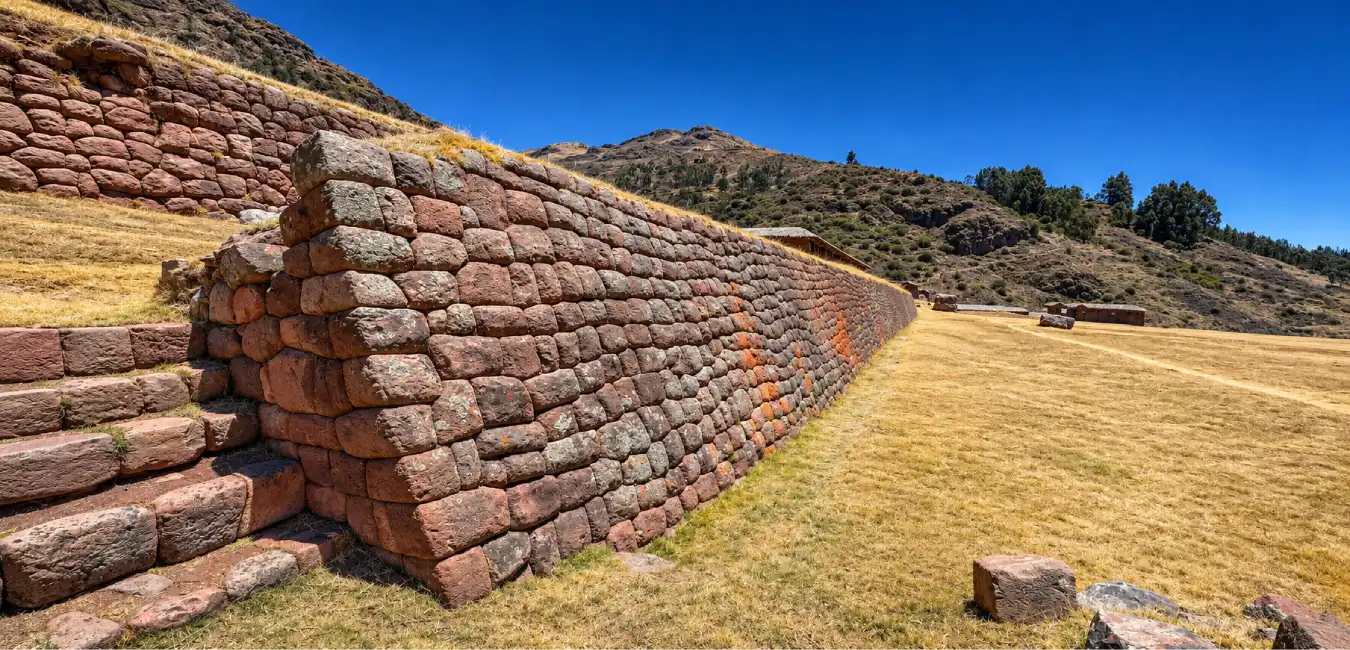
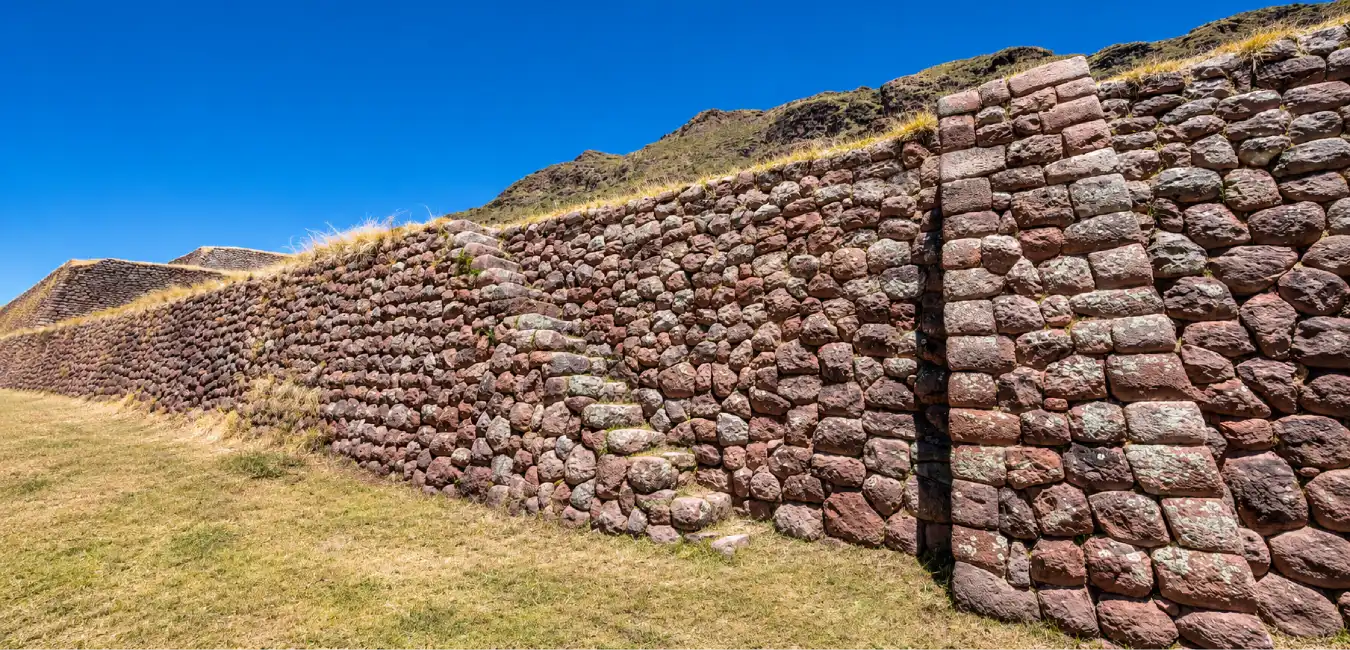
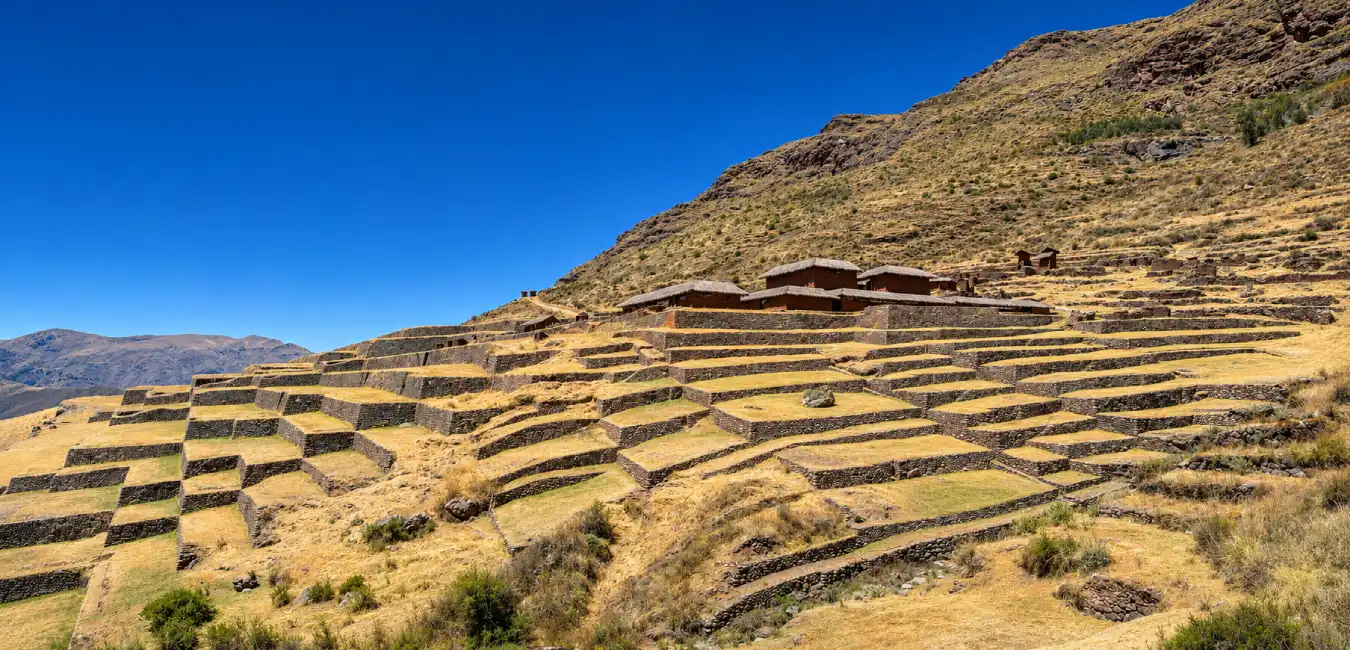
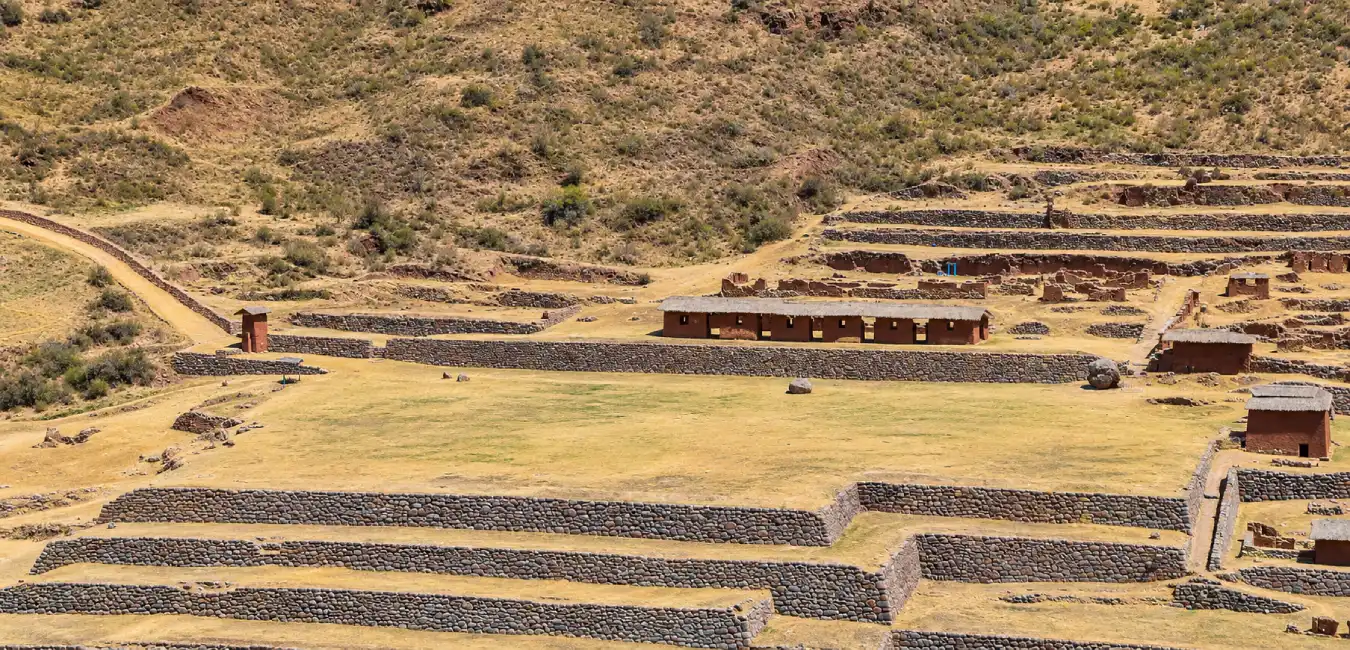
Extensive agricultural terraces stretching to the north and west, featuring irrigation channels and projecting stone stairways, were designed for growing corn, potatoes, quinoa, and tarwi (Andean lupine).
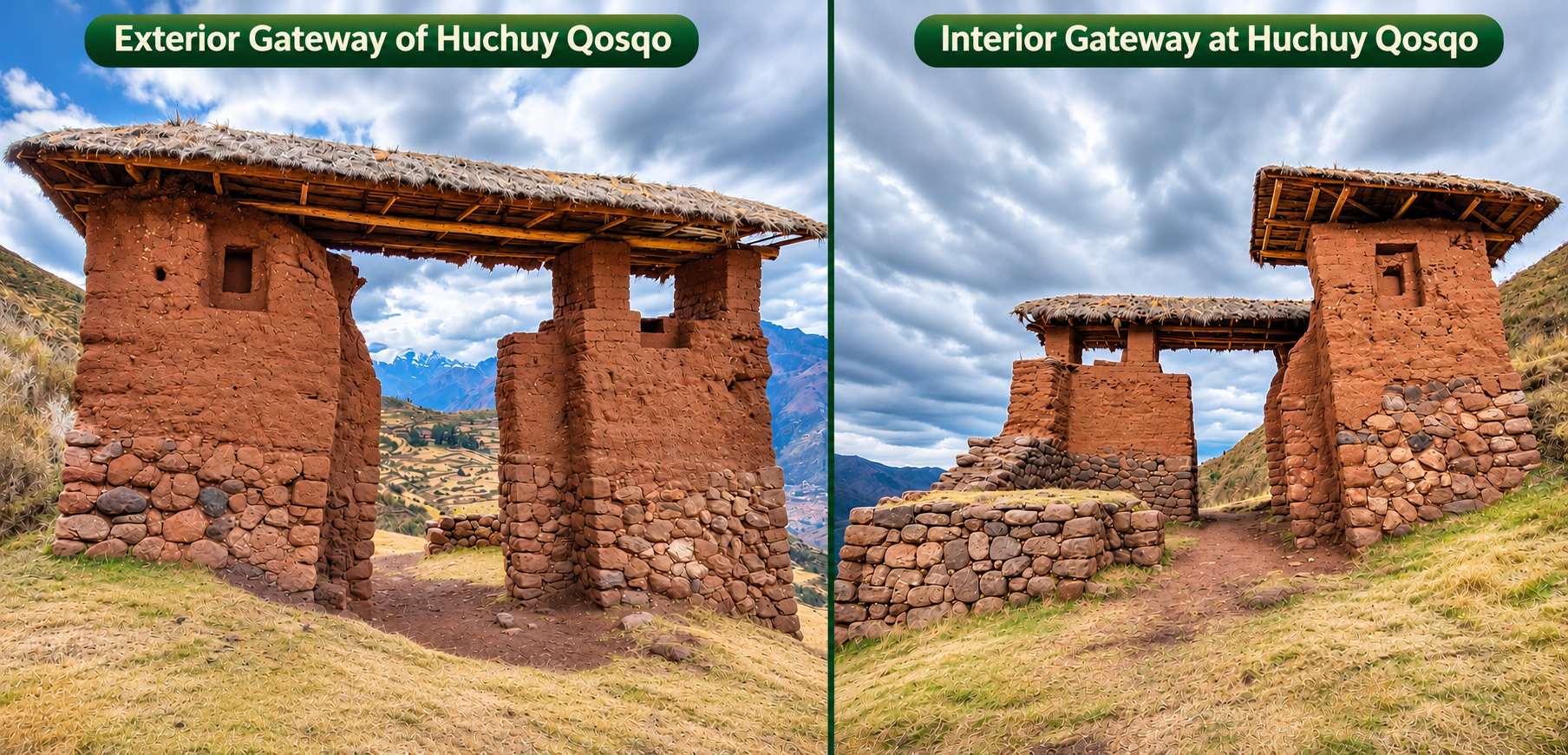
Walk through the main entrance gateway
A monumental double jamb gateway built from stone and adobe that controlled access to the royal palace area.
Discover the Kallankas
Large rectangular buildings used to accommodate visitors and host celebrations. One notable kallanka measures 30 meters in length and features five entrance doors.
Admire the Inca elite residence
A three story royal residence located west of the main plaza, built with finely dressed, pillow faced stone blocks on the lower levels and adobe on the upper floor.
Explore the main plaza of Huchuy Qosqo
An open space above the agricultural terraces used for ceremonies and offerings, whose name recalls the main plaza of imperial Cusco.
Follow the ancient water channels
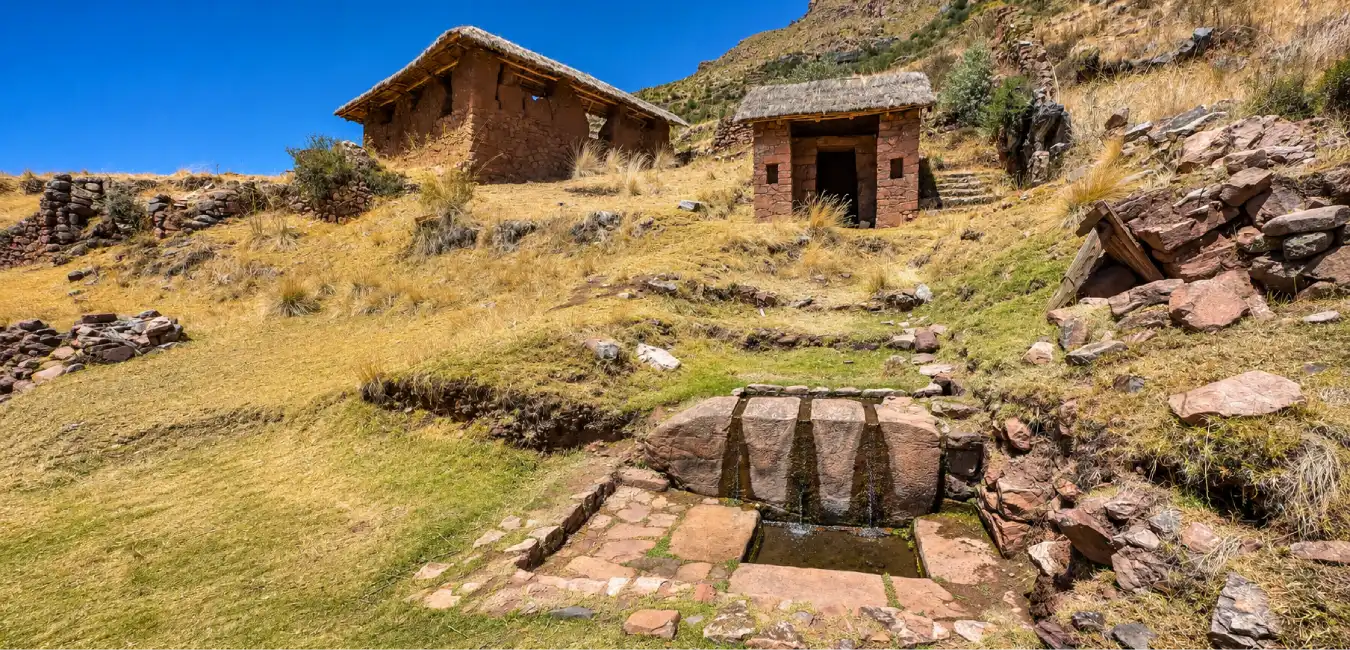
A system of stone water channels stretching approximately 800 meters, where crystal clear water from the upper mountain ravines still flows today.
Discover the Qolqas, or Inca storehouses
Storage buildings strategically positioned to take advantage of cool air currents and preserve foods such as corn and quinoa.
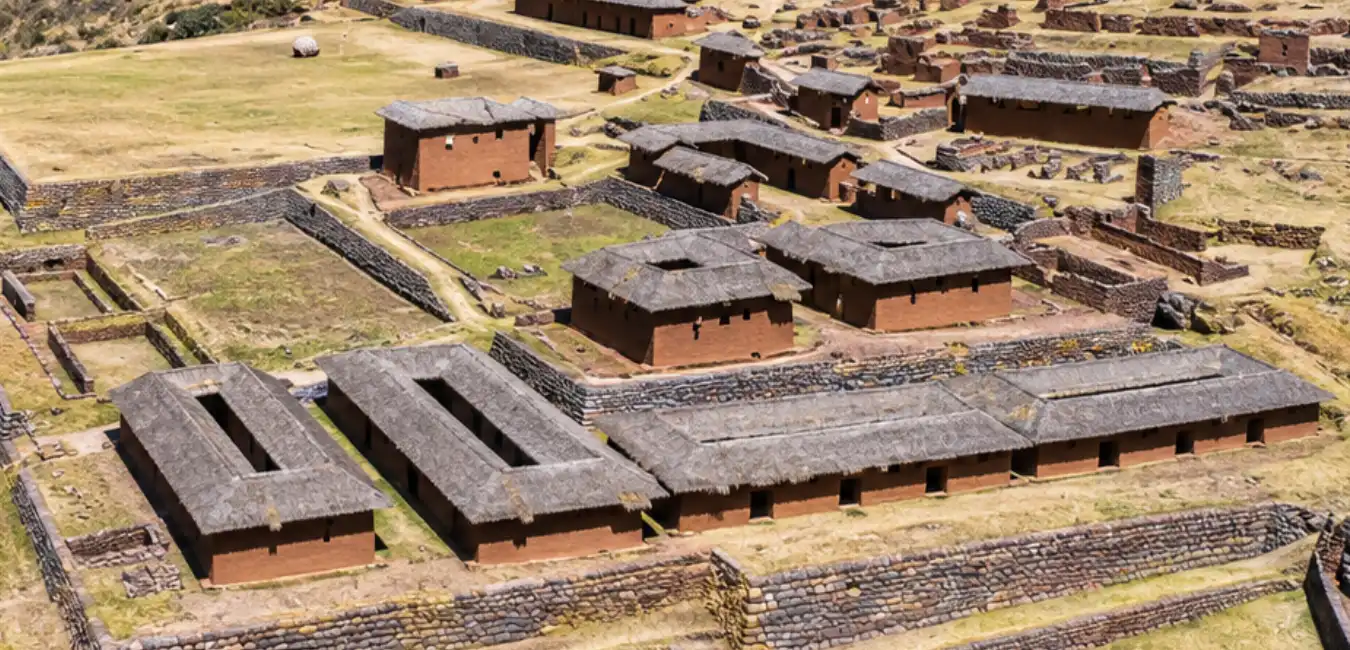
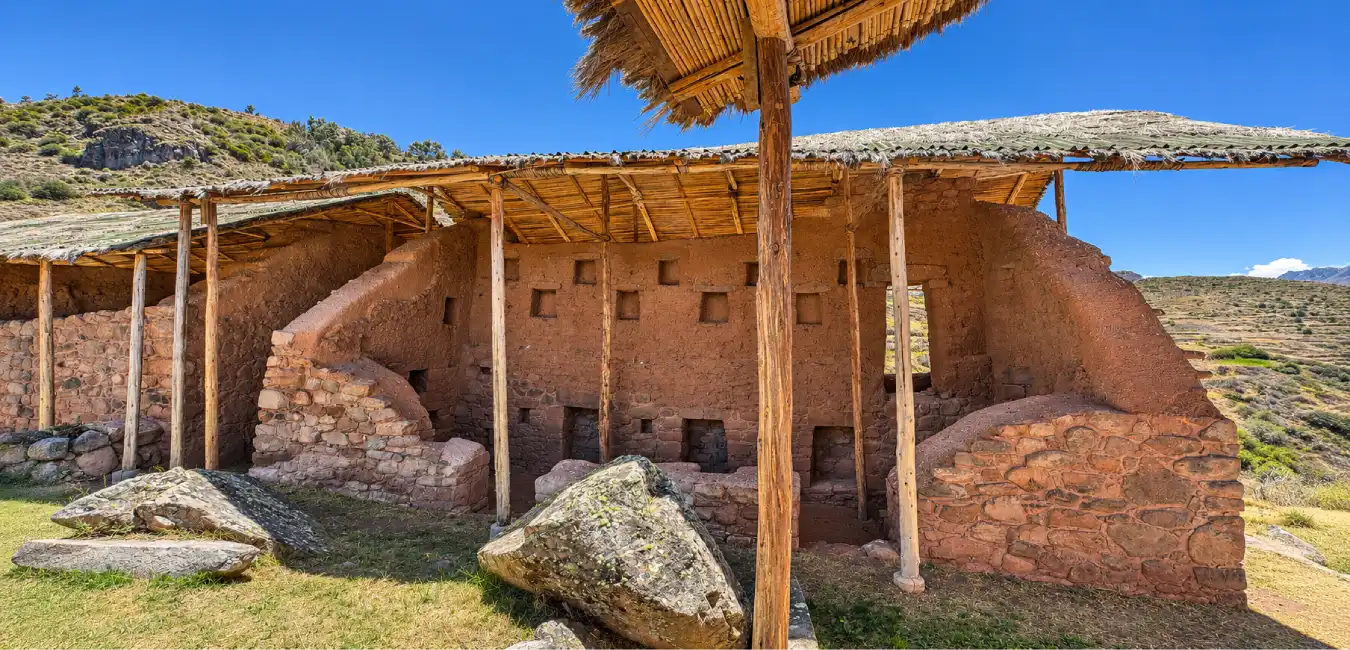
Walk through the common residences and along the Inca Trail
Rectangular residential structures and original stone paved trail sections that once connected this archaeological complex to the capital of the Tahuantinsuyo (Inca Empire).
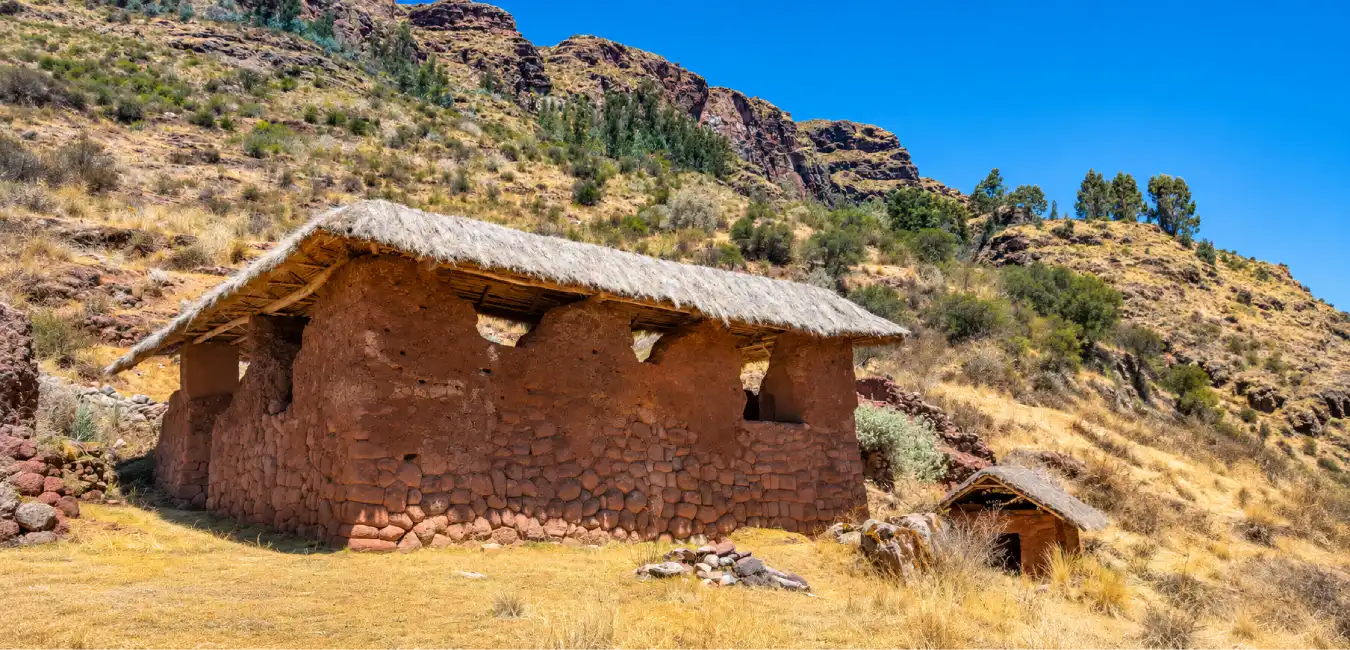
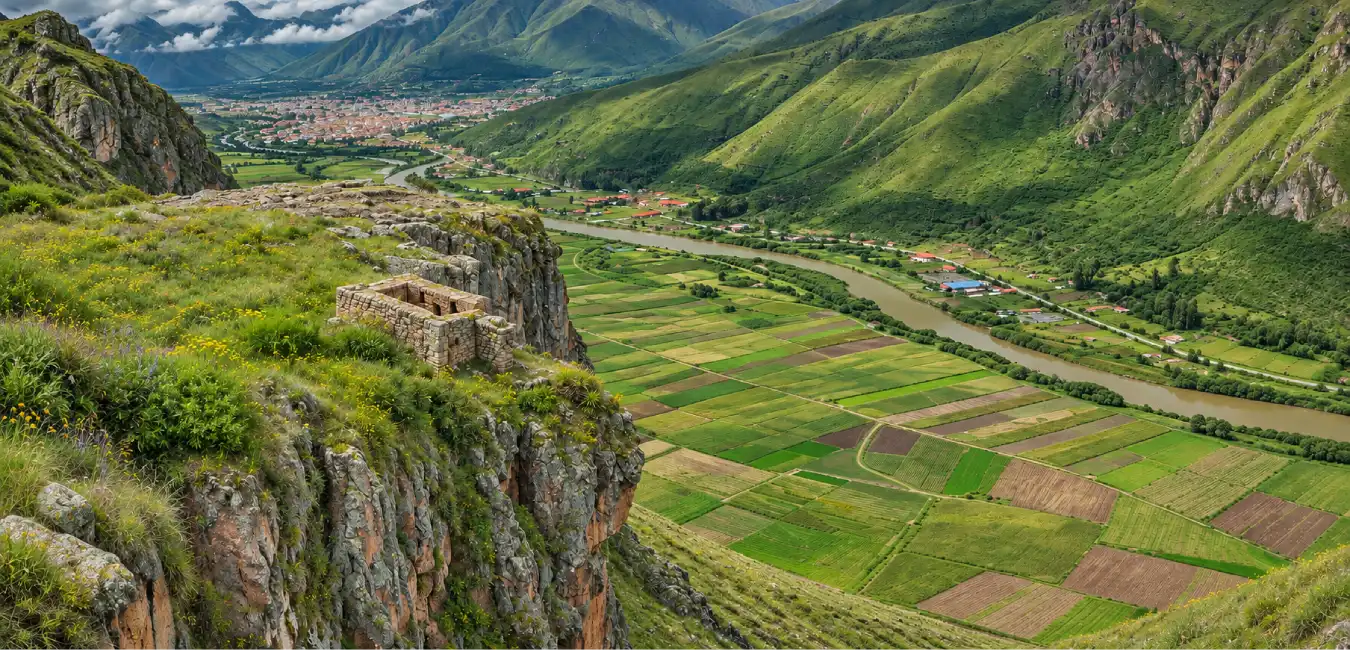
Visit the viewpoint known as the Inca prison
A rectangular structure built with finely crafted stone at the edge of a cliff, offering spectacular views of the Vilcanota River and Lamay (keep a safe distance from the edge).
Explore the Colonial era reservoir
Among the central structures of Huchuy Qosqo, you'll find an ancient reservoir built during the colonial period. Stones from earlier buildings were reused in its construction and joined together with lime mortar. Although it is no longer in use, the reservoir remains one of the historical structures preserved at the archaeological site.
Descent to Lamay andreturn to Cusco
After exploring the archaeological site, you'll continue descending along agricultural trails to the district of Lamay, in the heart of the Sacred Valley, at 2,950 m (9,678 ft). There, you'll board our private tourist transportation for the return trip to your hotel in Cusco.
Practical tips for your Huchuy Qosqo trek with Llama Trail
How difficult is the Llama Trail to Huchuy Qosqo?
The trek has a moderate difficulty level due to the hiking hours, uphill and downhill sections, and high elevation. You don't need technical mountaineering skills, but you should be in reasonably good physical shape and comfortable walking for several hours over uneven terrain.
- On Day 1, you'll hike approximately 9 km (5.6 mi), gaining elevation as you make your way from downtown Cusco to the domes.
- On Day 2, you'll hike approximately 15 km (9.3 mi), reach an elevation of 4,200 m (13,780 ft), and then descend toward Lamay.
Which sections of the trek are the most challenging?
- Day 1: The uphill hike from downtown Cusco toward Sacsayhuamán and the northern mountains requires you to maintain a steady pace as you gain elevation.
- Day 2: The ascent toward the highlands and Pukamarca Pass is physically demanding because of the elevation. Afterward, the long descent can be tough on your knees, especially along the stone paved sections and stairways.
Best time of year to hike the Llama Trail to Huchuy Qosqo
- Dry season (April to October): This is the best time to go. You can expect sunny days, firmer trails, and clear skies, making it ideal for nighttime stargazing.
- Rainy season (November to March): The route remains open, and the landscapes turn lush green. However, you'll need full waterproof gear due to frequent rainfall and fog around Pukamarca Pass.
Should you hike independently or join an organized tour?
Aspect / Criteria | Independent hiking | Organized tour |
|---|---|---|
| Transportation | Outbound: A private taxi is required to reach the high altitude area (no public bus service is available). Return: Descend to Lamay and take a shared minivan back to Cusco. | Door to door service: Pickup and return transportation in a private vehicle directly to your hotel in Cusco. |
| Navigation and Trail Markings | Limited trail signs in the high altitude grasslands; offline GPS is essential (especially when visibility is poor due to fog). | An experienced guide leads the hike, manages the schedule, and keeps you on the correct trail. |
| Food Along the Trail | You must carry all your food from Cusco (there are no stores along the route). | Includes snacks and lunch along the trail, prepared by the support team. |
| Historical and Cultural Information | There are no detailed information panels at Pukamarca, the kallanka, Puma Punku, or several areas of Huchuy Qosqo. You'll need to do your own research before the hike. | On site archaeological and historical interpretation covering the Inca Trail, double jamb architecture, and the history of Inca Wiracocha. |
| Entrance Fees / Tickets | Pay directly in cash (Peruvian soles) at the Huchuy Qosqo entrance checkpoint (not included in the Cusco Tourist Ticket, or BTC). | Entrance tickets are arranged and included in the agency's tour package. |
| Safety and Support | No cell phone signal along much of the route and no immediate medical assistance. | Includes a first aid kit, supplemental oxygen, and continuous support at high elevations. |
| Ideal Traveler Profile | Experienced hikers who are acclimatized to the altitude and know how to navigate using GPS. | Travelers who prefer hassle free logistics, a knowledgeable historical guide, and support at high elevations. |
What to pack for a two day trek?
During the hike, you'll go from the streets of Cusco to high altitude grasslands and then descend into the warmer areas of the Sacred Valley. That's why we recommend bringing:
- A comfortable daypack with adjustable straps.
- A waterproof jacket or rain poncho.
- Hiking boots or trail shoes with good traction.
- Trekking poles for uphill and downhill sections.
What should you carry in your backpack?
- Identification documents and cash in Peruvian soles.
- Personal medications and toiletries.
- A headlamp and portable power bank.
- A camera or smartphone.
- Warm clothing for mornings and evenings.
- A long-sleeved shirt and breathable clothing.
- A warm hat for cold weather and a sun hat.
- Sunglasses and sunscreen.
- A reusable water bottle and enough water for each section of the hike.
- Personal energy snacks.
Safety tips
- Hike at your own pace.
- Stay hydrated.
- Follow trail signs and your guide's instructions.
Who is this trek recommended for?
This trek is ideal for active travelers, nature lovers, and photography enthusiasts looking for alternatives to Machu Picchu or the traditional Inca Trail, away from the crowds. It also offers the unique opportunity to spend time with local llama herders and sleep in mountain domes.
What animals can you see along the trail?
The high altitude Andean regions are home to Andean geese (huallatas), wild ducks, other bird species, camelids, and birds of prey. Wildlife sightings depend on conditions along the trail and are not guaranteed. To observe animals without disturbing their natural habitat, keep a safe distance, avoid feeding them, and stay on the trail when taking photos. You can use a camera with a zoom lens and walk quietly near the lakes.
The hike from Cusco to Huchuy Qosqo is part of the Llama Trail, a route developed by Responsible Trekking and Travel that combines ancient Inca trails, high altitude Andean landscapes, hiking with llamas, and an overnight stay at Andean Sky Dome. If you'd like to learn more about prices, departure dates, and available services, explore our 2 Day, 1 Night Llama Trail with Domes and contact the Responsible Trekking team to plan your adventure.
Frequently asked questions about the Huchuy Qosqo trek
Can you hike from Qoricancha to Huchuy Qosqo?
Absolutely! Your adventure begins right at Qoricancha, climbs past Sacsayhuamán, and follows ancient Inca trails to our Andean Sky Dome. The next day, you'll cross Pukamarca Pass to explore Huchuy Qosqo before descending to Lamay in the Sacred Valley.
Do the Llamas accompany thegroup for both days?
Not for the entire trek, only on the first day. Our llamas and local llama herders join the group at Llaullipata and accompany you to the Andean Sky Dome campsite. On the second day, you'll continue hiking toward the high altitude lakes and Huchuy Qosqo without them.
What fitness level do I need, and how should I prepare for altitude sickness?
You should be in moderately good physical shape to hike for several hours on mountain trails, but no technical hiking experience is required. Since you'll reach an elevation of 4,200 m (13,780 ft) at Pukamarca Pass, we recommend spending at least 1 or 2 days acclimatizing in Cusco before your trek, staying well hydrated, and hiking at your own pace.
What is it like to stay overnight at Andean Sky Dome?
It's a unique glamping experience in the mountains at 3,850 m (12,631 ft), where you'll sleep in warm, cozy beds while enjoying panoramic views of Cusco. Along with dinner and breakfast, you'll enjoy an afternoon of cultural activities, including a traditional offering to Mother Earth, Andean weaving demonstrations, and stargazing.
Is this trek suitable for children or complete beginners?
It's a great option if you're looking to escape the crowds, but we don't recommend it as your first hike immediately after arriving in Cusco without acclimatizing. The second day involves hiking approximately 15 km (9.3 mi) through high altitude terrain and along stone stairways, so you'll need good leg endurance and some experience with long walks.
Can you do this trek during the rainy season?
Yes! The route is open year round. Just keep in mind that from November through March, the trails are wetter, and fog can develop at higher elevations. Make sure you come prepared with a good rain poncho and hiking shoes with excellent traction.