
The chachacomo is a native tree that has been growing in the Andes for centuries. Although it's rarely noticed, it plays a vital role in keeping the high altitude Andean forests healthy and thriving. In this guide, you'll learn how to identify a chachacomo tree, where it grows, and why it's so important for modern reforestation efforts. The next time you come across one, you'll know exactly what you're looking at.
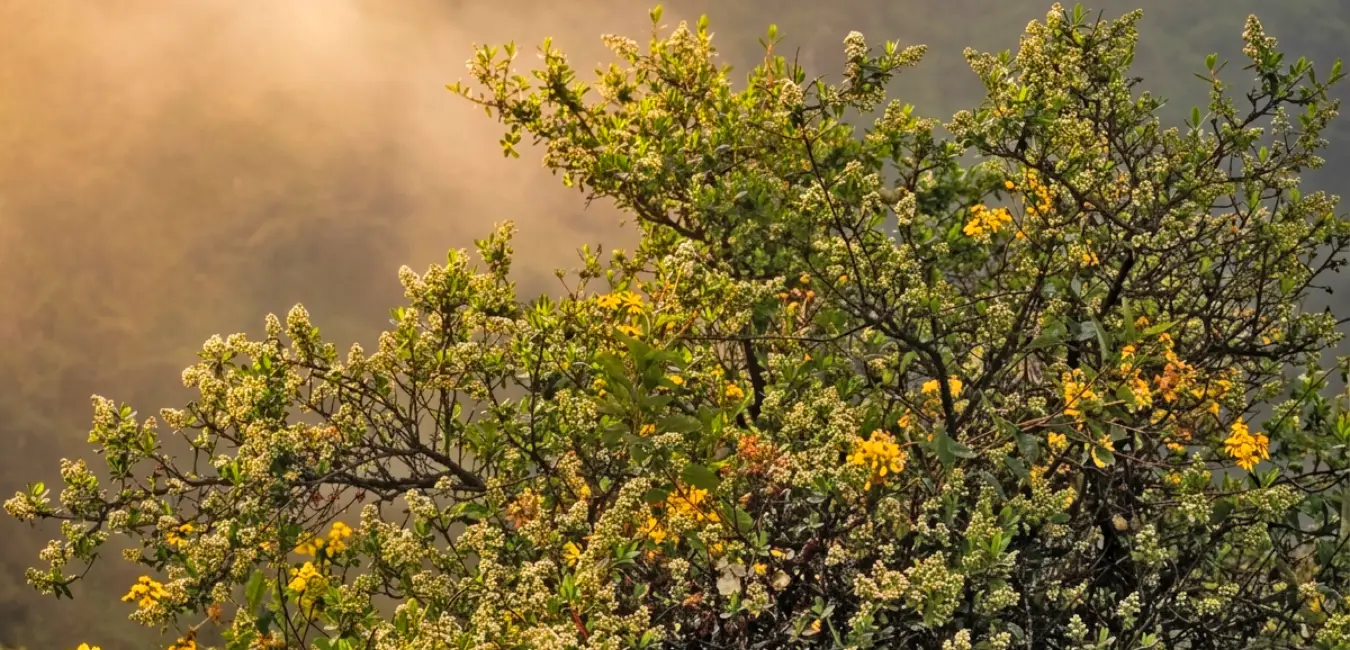
Chachacomo a unique tree of the andes
The chachacomo (Escallonia resinosa) is a native andean tree that belongs to the Escalloniaceae family. It is known for keeping its leaves green year round, even during cold and dry seasons. Naturally, it grows in the montane and high andean forests of Perú, Bolivia, Ecuador, and northern Chile.
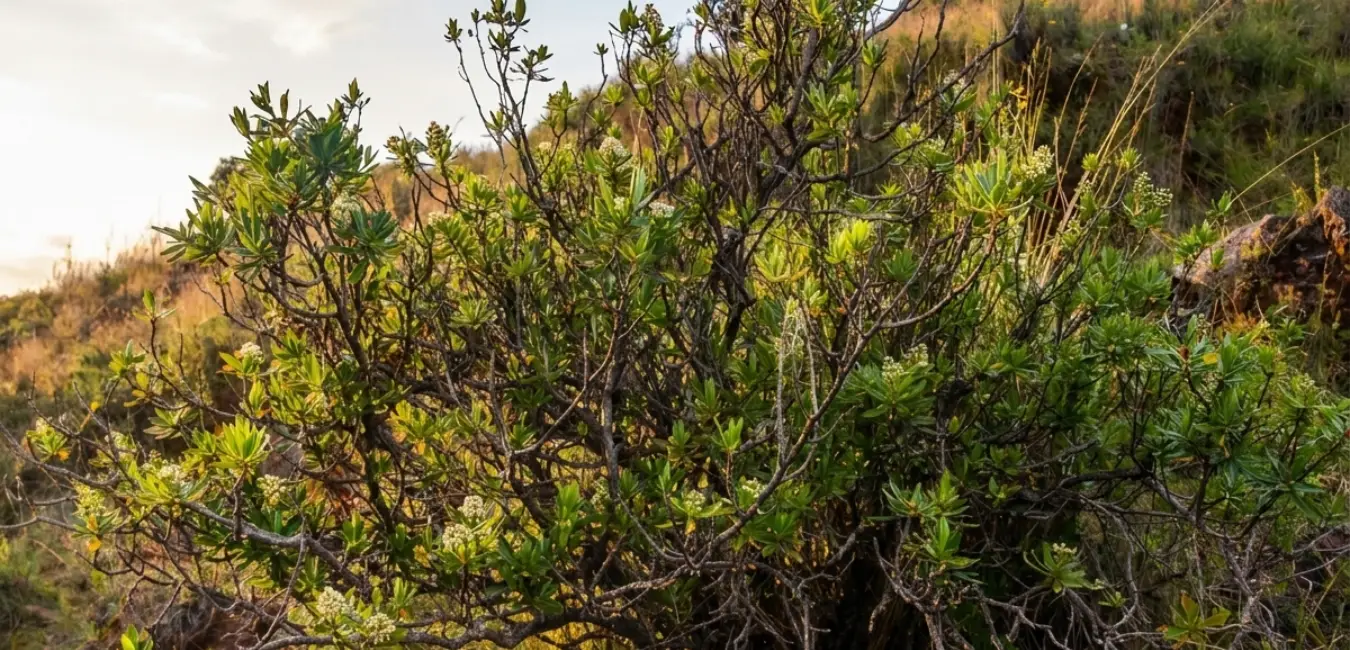
Where can you find chachacomo trees in Peru?
In Peru, chachacomo trees are mainly found in the regions of Cajamarca, Ancash, Junín, Ayacucho, Cusco, and Arequipa.
How to identify a chachacomo tree
During your hikes, you can easily identify a chachacomo tree by looking for these seven distinctive features. In fact, spotting just two or three of them is usually enough to tell it apart from other native Andean trees.
The reddish bark the most distinctive feature
At first glance, the chachacomo stands out because of its reddish or reddish brown bark, which naturally peels away in thin, paper like layers. Beneath it, you'll notice a light cream colored inner layer. This unique characteristic makes the tree easy to recognize within seconds.
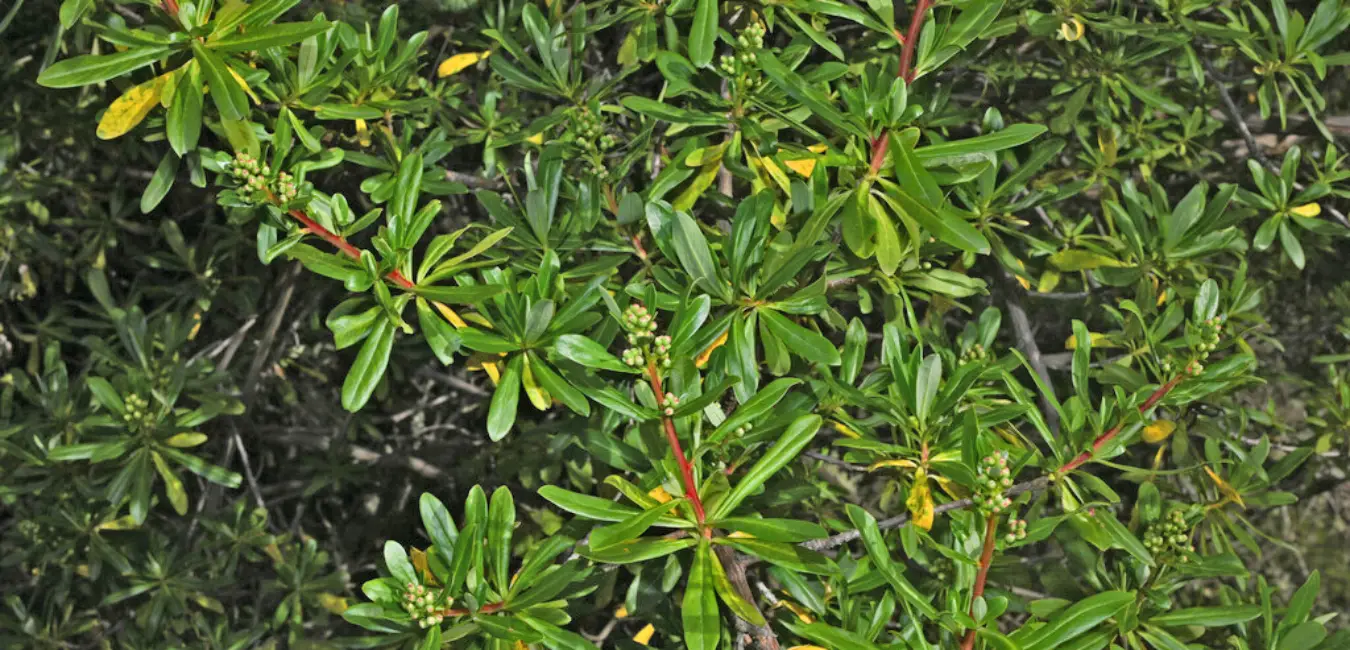
Chachacomo plant showing its red stems The leaves
Chachacomo leaves are small, simple, and remain evergreen throughout the year. They are also thick and firm. Most leaves measure between 2 and 5 centimeters long, with a glossy dark green upper surface and a lighter underside. Their shape ranges from elliptical to obovate, with slightly serrated edges.
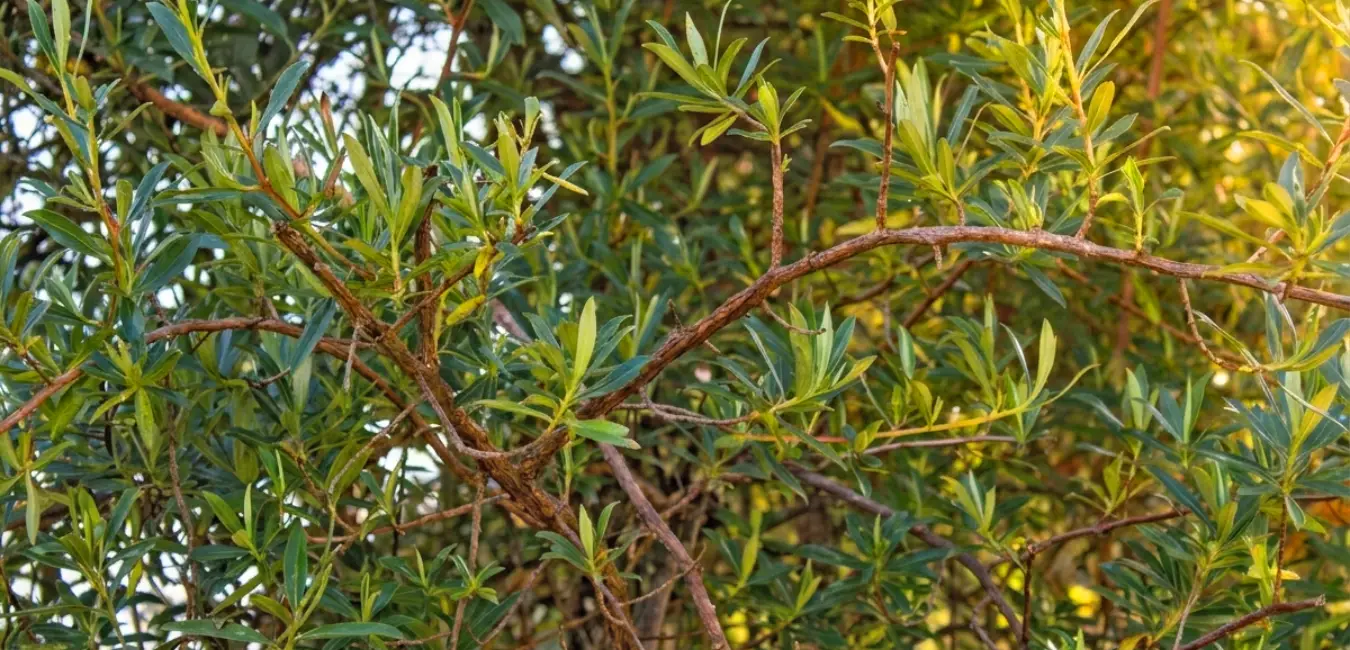
Chachacomo tree leaves The flowers
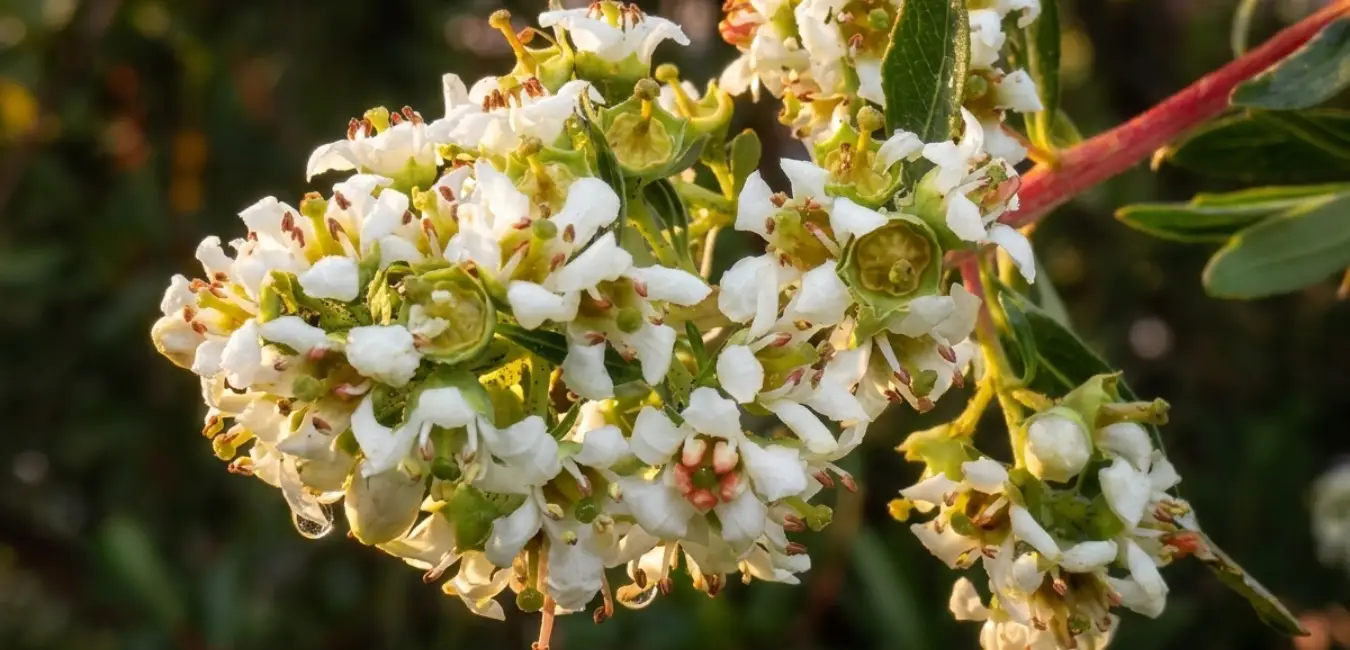
During its flowering season, the chachacomo produces clusters of small white or creamy white flowers at the ends of its branches. Each flower has five petals and numerous stamens that extend slightly beyond the petals.
The fruit
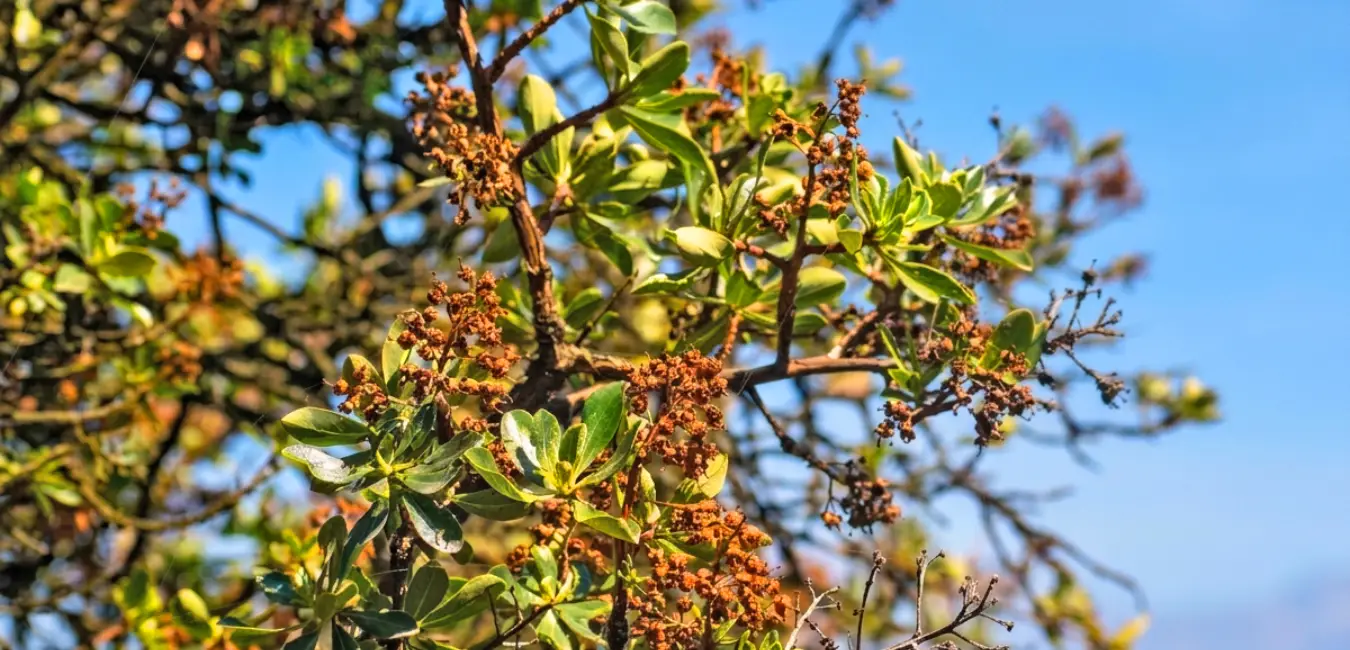
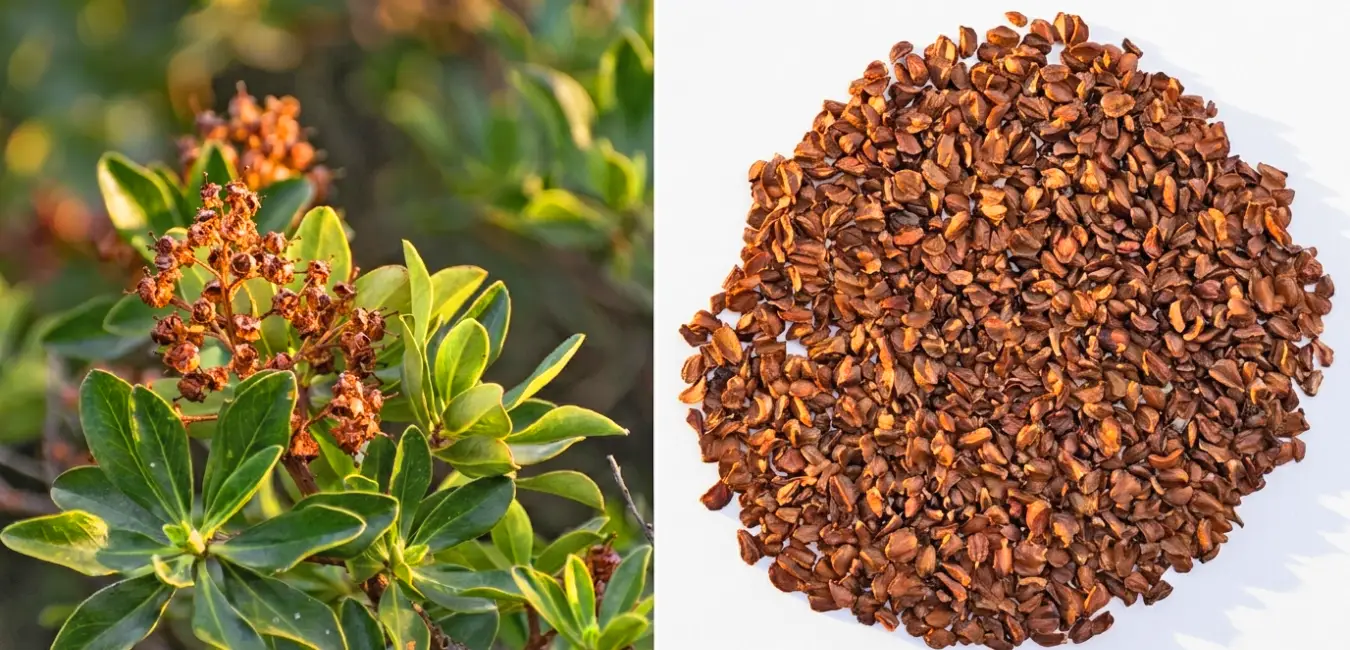
After flowering, the chachacomo produces small, nearly round dry fruits. These typically ripen between september and november. Once mature, they naturally split open to release their tiny seeds.
Chachacomo fruit The seeds
Each fruit contains numerous tiny, lightweight seeds. Once the fruit opens, the wind carries them to new locations, allowing the species to spread naturally.
Fruit and seeds of the chachacomo tree The tree crown
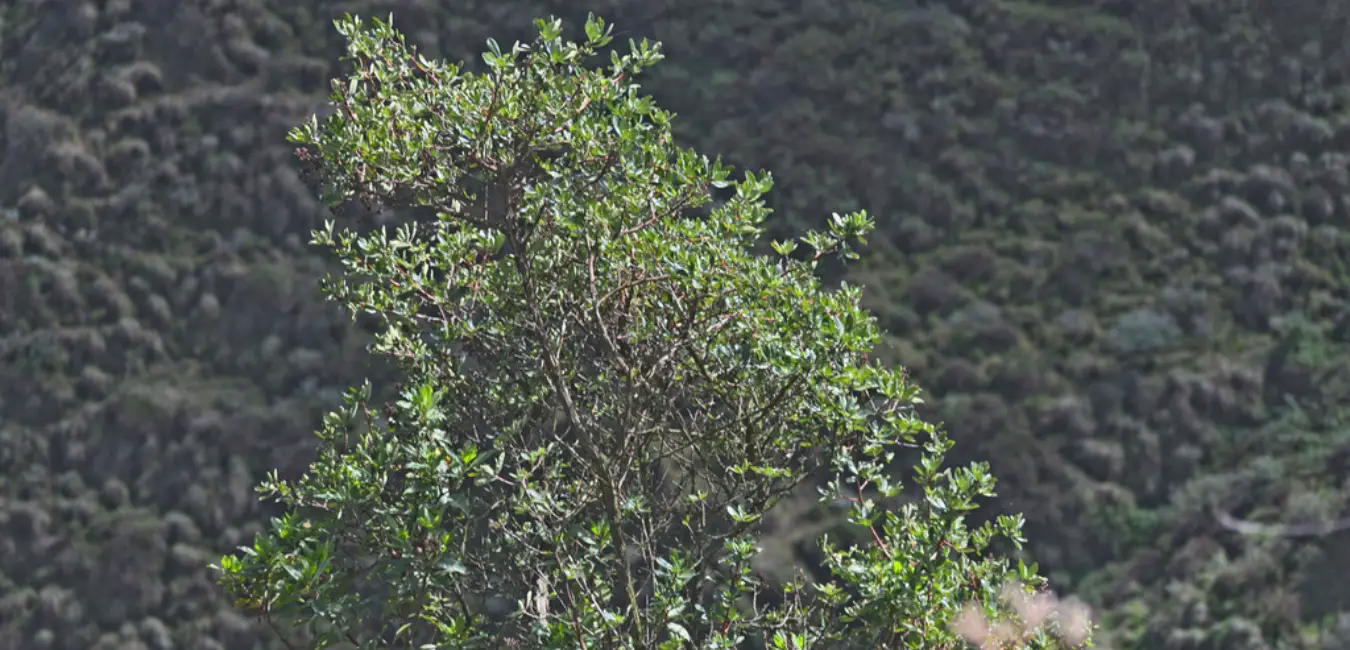
The chachacomo has a rounded, lush, and highly branched crown. However, trees growing in the windy high Andes often develop irregularly shaped branches as a natural adaptation to withstand harsh mountain conditions.
Native chachacomo tree Its distinctive resinous aroma
If you ever have the chance to get close to a chachacomo tree, gently rub one of its leaves or a young branch. You'll notice a subtle resin like fragrance, a defining characteristic that inspired its scientific name, Escallonia resinosa.
Chachacomo tree size and growth
Although the chachacomo is not an especially tall tree, it stands out for its remarkable resilience and longevity. It typically grows between 2 and 10 meters (6.5 - 33 feet) tall, although some specimens may grow slightly taller. It is also a very slow growing species, taking approximately 20 to 40 years to reach full maturity. Thanks to its slow growth, many chachacomo trees live for more than 100 years, becoming true guardians of the high andean forests.
Guide's tip
Never remove leaves or peel the bark to identify a chachacomo tree. Instead, observe it, take photos, and continue your hike. Remember that this species takes decades to mature, and many of its native forests are already disappearing.
Chachacomo habitat and elevation
Chachacomo trees grow throughout the Andes at elevations between 2,600 and 4,200 meters (8,530 - 13,780 feet) above sea level. However, they thrive best between 3,200 and 3,800 meters (10,500 - 12,470 feet). For this reason, they are commonly found in destinations such as Cusco, the sacred valley, and many hiking trails across the Peruvian Andes.
Conditions the chachacomo tree can withstand
- Frequent frost during the dry season.
- Intense solar radiation at high elevations.
- Extended periods of drought.
- Rocky, nutrient-poor soils.
- Extreme temperature fluctuations between day and night.
When does the chachacomo bloom?
Chachacomo trees typically bloom during the dry season, from july through september across much of the Peruvian Andes. However, flowering times may begin slightly earlier or later depending on elevation, climate, and local conditions. In some areas, flowers can be seen from late june through october.
What do chachacomo flowers look like?
- White to creamy white in color.
- Small, measuring approximately 5 to 8 millimeters.
- Arranged in terminal flower clusters.
- Lightly fragrant and rich in nectar.
Chachacomo pollinators
Its primary pollinators include:
- Native bees.
- European honey bees (Apis mellifera), where present.
- Flower flies.
- Small wasps.
Wildlife found in chachacomo forests
A chachacomo forest serves as a small biodiversity refuge. These forests provide habitat for hummingbirds, a wide variety of insects, native bees, andean birds, and small mammals.
Where to find chachacomo trees in Peru
If you'd like to see these plants during your trip, visit these locations. You can also learn more about Cusco's native plants and discover why they play such an essential role in the Andean ecosystem.
Cusco region
- Cusco City and its surrounding areas.
- The Inca trail to Machu Picchu.
- The sacred valley of the Incas.
- Sacsayhuamán archaeological park.
- Manu national park, particularly its high andean zones.
Arequipa region
- Pampa Cañahuas on the road to Colca Canyon.
- Salinas and Aguada Blanca National Reserve.
Chachacomo throughout history
The chachacomo has been part of the andean landscape for thousands of years, supporting the communities that have lived in these mountains for generations. In this section, you'll learn about its origins, its importance to pre columbian cultures, and the role it played during the Inca empire.
The origins of the Chachacomo
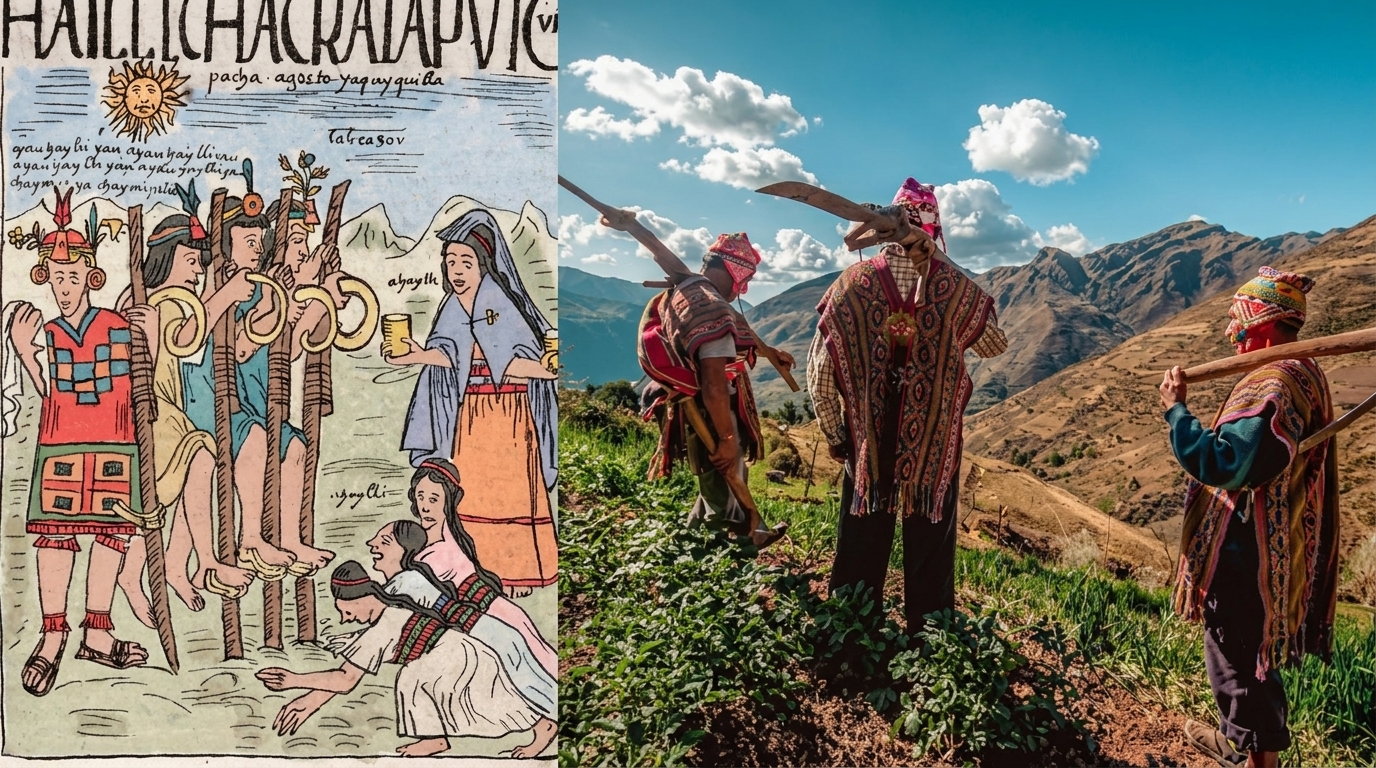
Chachacomo trees have been growing in the andes for thousands of years. Long before the rise of the Inca empire, ancient civilizations recognized the value of this remarkable tree. Thanks to its strong, durable wood, they used it to make tools and build a variety of structures.
How the Incas used the chachacomo
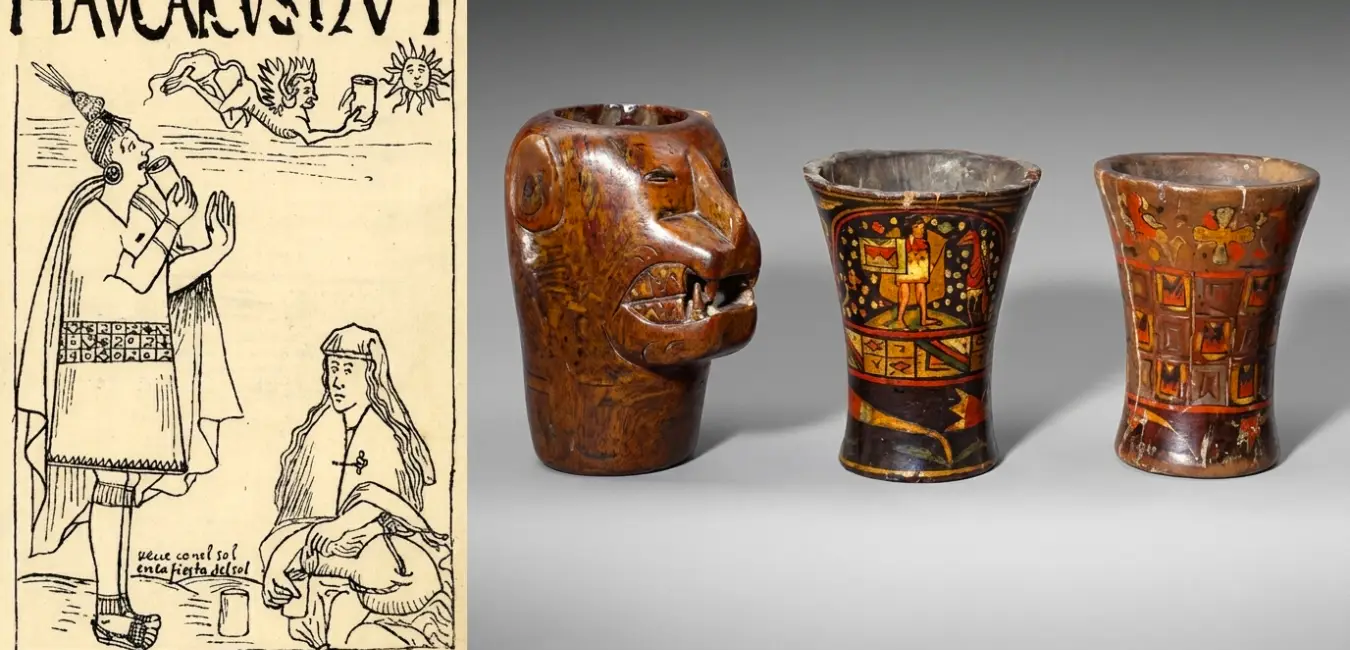
During the Inca empire, the chachacomo became even more valuable. Its hard, durable wood was widely used to make farming tools, wooden posts, and many other everyday items. Some researchers also believe it may have been used to craft queros, the ceremonial wooden drinking cups used during important rituals. In addition, chachacomo was prized as firewood because it produced intense heat, an essential resource in the high andes where large trees were scarce.
Chachacomo during the spanish colonial period
After the arrival of the spanish, intensive harvesting for firewood and timber drastically reduced many native chachacomo forests. Today, however, conservation organizations and environmental programs are working to restore these native populations through ecological reforestation initiatives.
Traditional uses of the chachacomo
Andean communities have relied on this native tree for generations, and many of its traditional uses continue to this day.
Timber
Chachacomo wood is known for being extremely hard, fine grained, and highly durable. These qualities make it ideal for manufacturing farming tools, tool handles, household utensils, wooden posts, and rural fences.
Firewood
Chachacomo also produces high quality firewood thanks to its excellent heat output. For this reason, high andean communities have valued it as a dependable fuel source for centuries.
Natural dyes
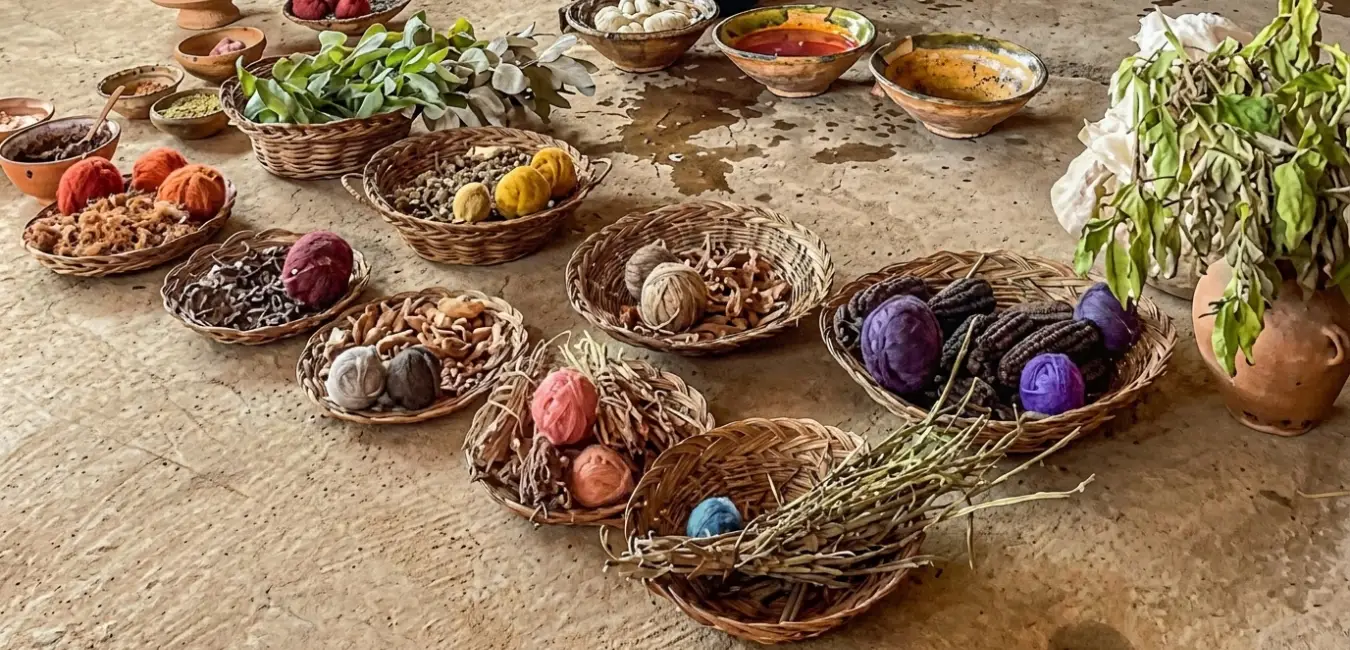
When crushed, the leaves and young branches produce a beige colored dye traditionally used to color cotton and wool.
Traditional medicinal uses
In traditional andean medicine, chachacomo leaves are primarily used externally. Recorded uses include relieving rheumatic pain, easing joint discomfort, and reducing muscle aches by gently rubbing the leaves on the affected area.
Chachacomo tree characteristics
Now let's explore what makes this remarkable andean tree so unique. Below, you'll learn about its defining characteristics, the strength of its wood, its slow growth, and the important role it plays in nature. Understanding these qualities will help you see why protecting this native species is so important today.
What makes the chachacomo unique?
The chachacomo stands out for its exceptional resilience, long lifespan, and vital role in andean forests. Here are the characteristics that make this native tree truly special.
Main characteristics
- It keeps its leaves year round.
- It develops a dense canopy that protects the soil beneath it.
- Its deep root system helps stabilize the ground.
- It can withstand long periods of drought.
- It tolerates severe frost.
- It produces small white flowers rich in nectar.
- It produces extremely lightweight seeds that are easily dispersed by the wind.
How long does a chachacomo tree take to grow?
The chachacomo is a slow growing tree, a common characteristic of high elevation mountain species. Although its growth rate depends on climate, soil conditions, and water availability, it generally develops at a steady but slow pace.
- During its first years, growth is relatively slow.
- It may take between 20 and 40 years to reach full maturity.
- Some specimens live for many decades and can even surpass 100 years under favorable conditions.
Is chachacomo wood resistant to pests?
Yes. Chachacomo wood is naturally resistant to certain pests, especially insects that commonly damage wood in dry climates. However, if it's intended for outdoor use or construction, it should be properly dried and treated with a protective finish. With the right care, it can remain in excellent condition for many years.
Why Is the chachacomo important to high andean forests?
- It is a key structural species in high andean forests.
- It provides shelter for a wide variety of wildlife.
- It helps protect natural water sources.
- It reduces erosion on steep mountain slopes.
- It improves soil fertility by adding organic matter.
- It helps reconnect fragmented forest ecosystems.
Current threats to the chachacomo
- Illegal logging.
- Excessive firewood harvesting.
- Agricultural expansion.
- Overgrazing.
- Wildfires.
- Forest fragmentation.
- Climate change.
Interesting facts about the chachacomo
- It is one of the toughest native tree species in the high andean forests.
- Andean civilizations relied on its wood for hundreds of years.
- It thrives in rocky terrain where very few tree species can survive.
- It shares its habitat with the queuña, a tree that forms some of the highest forests on earth.
Chachacomo in reforestation projects
- Restoring degraded ecosystems.
- Reconnecting wildlife corridors.
- Reducing erosion on mountain slopes.
- Protecting watershed headwaters.
- Improving water infiltration.
- Increasing local biodiversity.
- Enhancing long-term carbon sequestration.
Why should we protect the chachacomo tree?
Protecting the chachacomo means preserving one of the Andes' most valuable native trees. This remarkable species not only helps stabilize soils and conserve water but also supports biodiversity, stores carbon, and safeguards an ecological and cultural legacy that has endured for centuries.
Environmental benefits of planting chachacomo trees
Here are some of its most important environmental benefits.
Protects the soil
First and foremost, its deep root system stabilizes mountain slopes and significantly reduces soil erosion caused by heavy rainfall.
Conserves water
In addition, it improves water infiltration into the soil and helps retain moisture during the dry season. As a result, it protects the headwaters that supply water to surrounding communities.
Restores degraded forests
It also plays an important role in restoring ecosystems damaged by illegal logging, overgrazing, and wildfires.
Stores carbon
As a long lived tree, the chachacomo stores carbon in its biomass for decades, helping reduce the amount of carbon dioxide in the atmosphere.
Supports biodiversity
Chachacomo forests provide food, shelter, and breeding habitats for birds, insects, and many other native Andean species.
Increases climate resilience
Finally, native forests are far more resilient to harsh mountain conditions than many introduced tree species. As a result, they strengthen entire ecosystems and help them adapt to the effects of climate change.
Chachacomo compared with other native trees of Peru
To better understand where the chachacomo fits among Peru's native tree species, compare its characteristics with those of other well known trees.
Species | Main characteristic | Habitat |
| Chachacomo (Escallonia resinosa) | Extremely hard, durable wood adapted to high elevations | 2,600 - 4,200 m (8,530 - 13,780 ft) |
| Queuña (Polylepis spp.) | Rarely harvested for timber but highly valuable for conservation | 3,500 - 5,000 m (11,480 - 16,400 ft) |
| Quishuar (Buddleja coriacea) | Durable wood commonly used for firewood and fence posts | High andes |
| Alder (Alnus acuminata) | Lightweight wood that is easy to work with | Humid andean forests |
| Spanish Cedar (Cedrela odorata) | Lightweight timber prized for fine woodworking and furniture | Tropical rainforest |
Chachacomo vs. Chachacoma what's the difference?
Although their names sound almost identical, the chachacomo and the chachacoma are completely different species. In fact, many travelers confuse them because both are found in the andean highlands. However, this comparison makes it easy to tell them apart.
| Chachacomo | Chachacoma |
| Scientific Name | Escallonia resinosa | Senecio nutans (the scientific name may vary by region) |
| Family | Escalloniaceae | Asteraceae |
| Plant Type | Native Andean tree | Small herbaceous plant or shrub |
| Size | Up to 10 meters (33 feet) tall | Low growing plant |
| Main Use | Timber and ecological importance | Traditional herbal medicine, commonly used in infusions to help relieve altitude sickness, digestive discomfort, and respiratory issues |
Frequently asked questions about the chachacomo tree
What is a chachacomo tree?
The chachacomo (Escallonia resinosa) is a native tree of the andes that belongs to the Escalloniaceae family. It grows at elevations between 2,600 and 4,200 meters (8,530 - 13,780 feet) above sea level and plays a vital role in protecting soil, conserving water, and maintaining the health of high andean forests.
Is the chachacomo tree endangered?
The species faces significant threats, including illegal logging, excessive firewood harvesting, wildfires, and agricultural expansion. Because it grows very slowly, natural recovery of chachacomo forests can take several decades.
Does chachacomo help with altitude sickness?
No. In traditional andean medicine, the plant commonly used to help relieve altitude sickness is chachacoma (Senecio nutans), a completely different species belonging to the asteraceae family. Despite their similar names, chachacomo and chachacoma are unrelated plants.
Can i grow a Chachacomo tree in my garden?
Yes, provided you live within its natural elevation range and can offer full sun, well drained soil, and plenty of patience. Since the chachacomo is a slow growing tree, it may take many years before it reaches its mature size.
Can i grow a Chachacomo tree in my garden?
Yes, provided you live within its natural elevation range and can offer full sun, well drained soil, and plenty of patience. Since the chachacomo is a slow growing tree, it may take many years before it reaches its mature size.