Salkantay Trek – 5 Days / 4 Nights
- Duration
- 5 Days / 4 Nights
- Difficulty
- Moderate / Challenging
- Altitude
- 4,630 m / 15,190 ft
- Group Size
- 10 people
Explore one of the most surprising routes to Machu Picchu, where the landscape changes each day and every step brings you closer to the history of the Andes. The Salkantay Trek – 5 Days is an ideal experience for travelers looking for adventure, nature, and a different way to reach the Inca citadel.
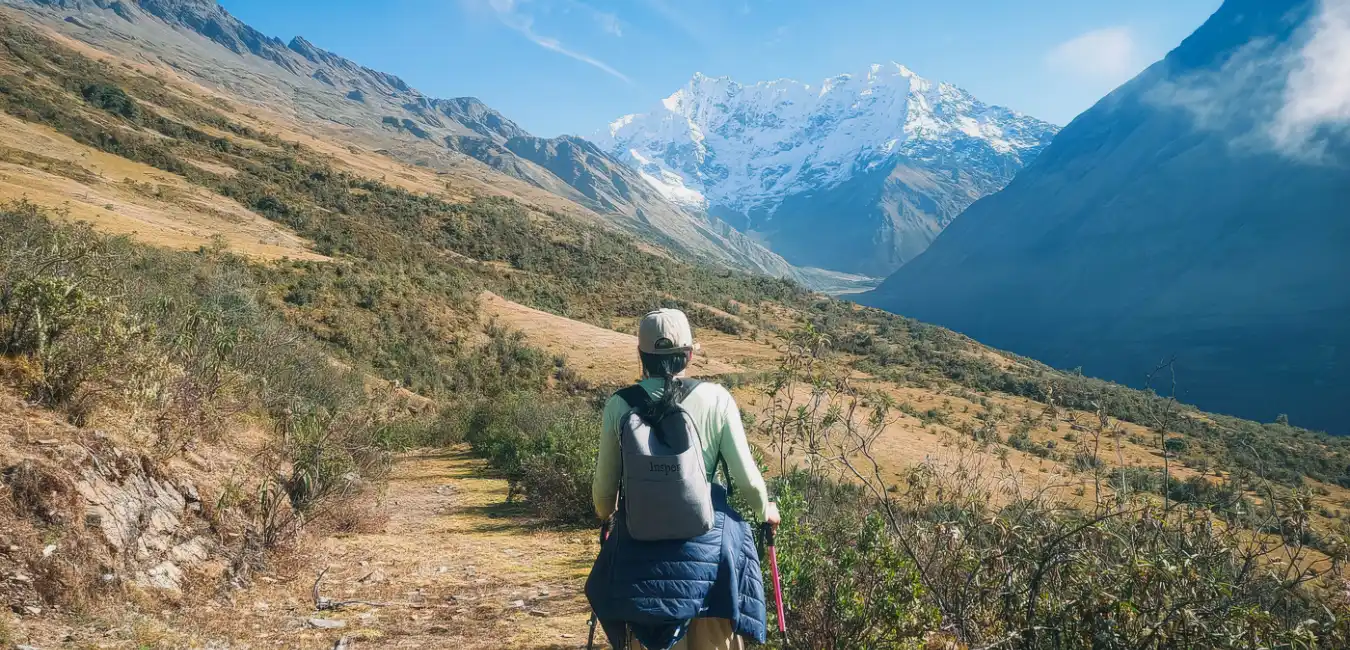
Over five days, you will hike through a route full of contrasts. You will begin in a high Andean area near the snow capped Salkantay Mountain, one of the most important apus in the Cusco region, and gradually descend toward warmer landscapes with lush vegetation, rivers, plantations, and trails that connect with the route to Machu Picchu.
This tour is operated with regular camping tents, a simple, comfortable, and nature connected option. It does not include lodges, but it does include organized logistics with a guide, transportation, meals during the route, camping equipment, and assistance throughout the hike.
On the final day, you will visit Machu Picchu with your guide after arriving through one of Peru’s most famous alternative trekking routes. This experience is perfect for active travelers looking for adventure, nature, photography, and a different way to reach the Inca citadel.
Important Information
- Tour type: Trekking, nature, adventure, mountains, camping, and Machu Picchu.
- Ideal for: Active travelers, backpackers, couples, friends, small groups, and people looking for an authentic trekking experience.
- Duration: 5 days / 4 nights.
- Start and end point: Cusco / Cusco.
- Difficulty: Moderate to challenging.
- Total hiking distance: Approximately 60 km / 37 mi, depending on the route and service organization.
- Maximum altitude: Approximately 4,630 m / 15,190 ft at the Salkantay Pass.
- Accommodation: Regular tent campsites and 1 night in Aguas Calientes, according to the confirmed program.
- Languages: English and Spanish.
- Meals included: According to the confirmed program.
- Season: Available year round, subject to weather conditions and local operation.
- Machu Picchu: Entrance and guided tour according to availability and confirmed circuit.
Tour Highlights
- Hike one of the most famous alternative routes to Machu Picchu.
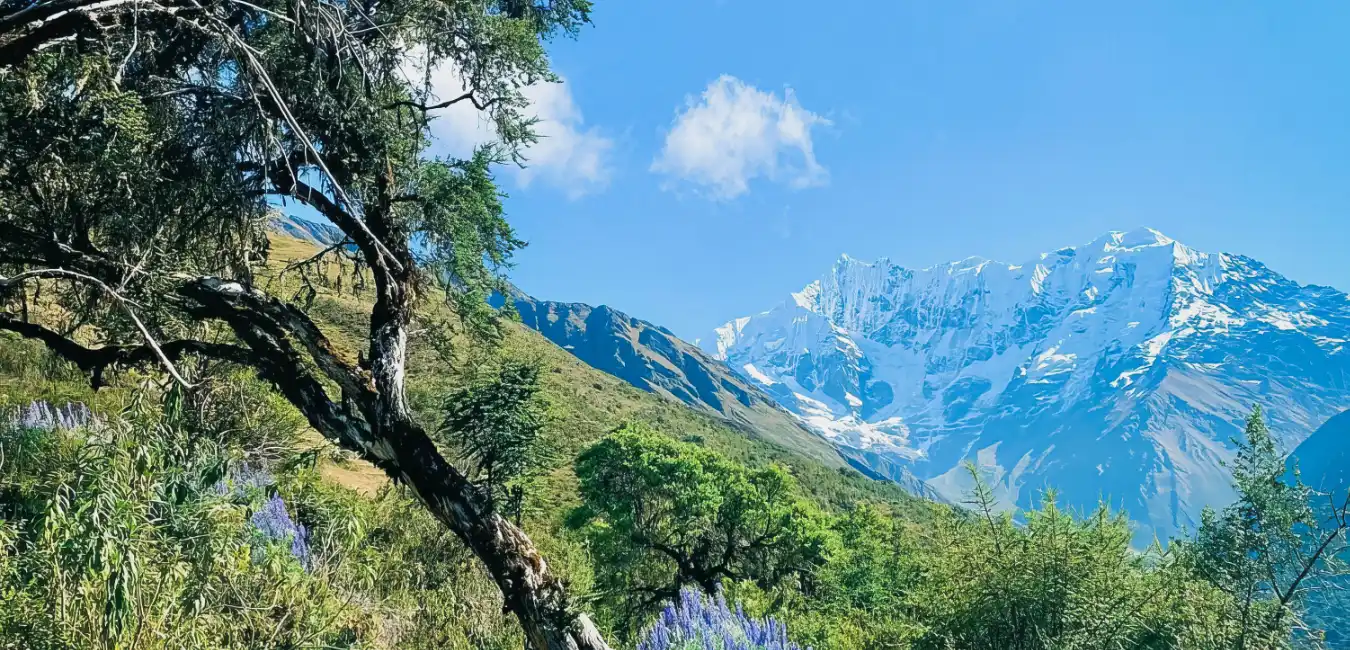
- Enjoy views of the snow capped Salkantay Mountain, one of the most important mountains in Cusco.
- Cross the Salkantay Pass, the highest point of the trek.
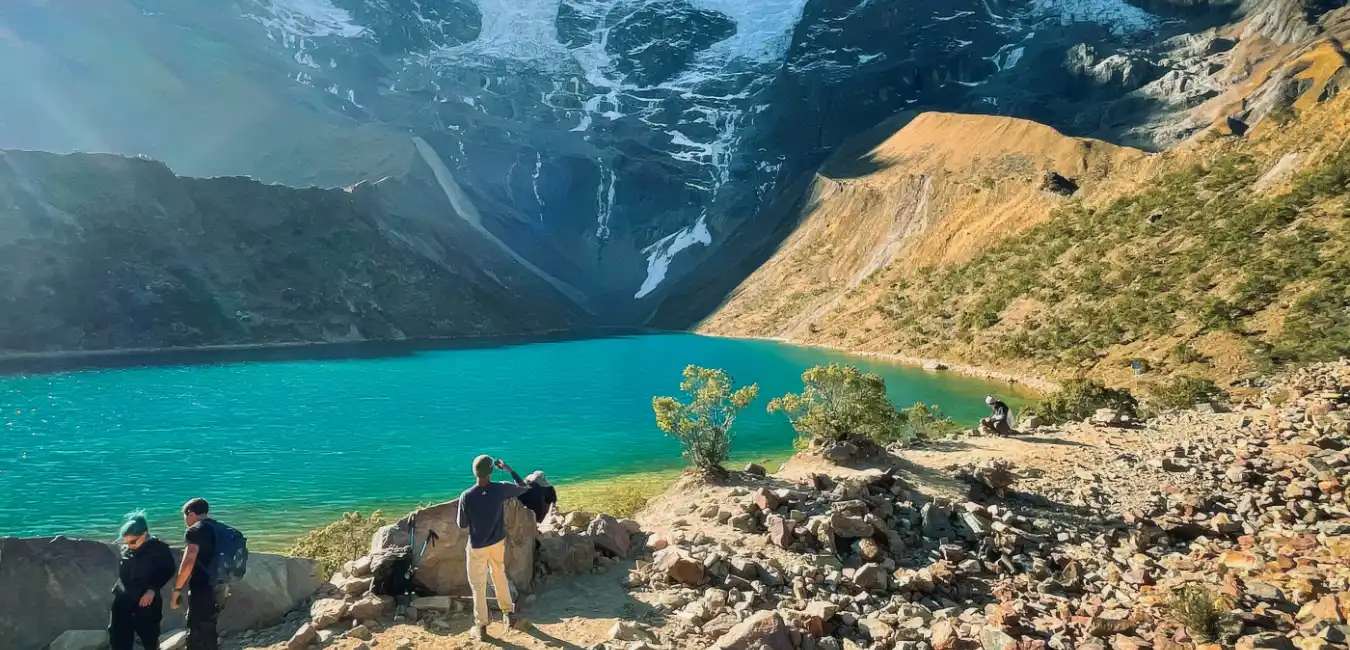
- Visit the beautiful Humantay Lake, according to the confirmed program.
- Walk through high mountain landscapes, Andean valleys, and cloud forest areas.
- Enjoy an authentic camping experience with regular tents.
- Enjoy meals prepared during the route, according to the confirmed service.
- Arrive in Aguas Calientes before visiting Machu Picchu.
- Explore Machu Picchu with a professional guide.
- Ideal for travelers looking for adventure, nature, and a different route.
- Reply within 24 hours
- Flexible cancellation
- Locally operated in cusco, Peru
Included
Professional Guide
You will be accompanied by a professional bilingual guide with experience in trekking, group management, and mountain routes. Your guide will be with you throughout the journey, sharing information about nature, the mountains, local communities, and the importance of Machu Picchu.
Your guide will also pay attention to the group’s pace, safety, acclimatization, and any needs that may arise during the hike.
Tourist Transportation
The tour includes tourist transportation from Cusco to the starting point of the hike, according to the confirmed program. At the end of the tour, return transportation from Ollantaytambo to Cusco is also included after the train ride.
Camping Equipment
The service includes basic camping equipment during the route, such as regular sleeping tents, a dining tent or meal area depending on logistics, kitchen utensils, and the equipment needed to prepare meals.
Tents are usually shared by two people. If you would like a single tent, availability and additional cost can be checked.
Meals During the Route
The tour includes meals during the hiking days, according to the confirmed program. These meals are designed to provide energy during the trek and usually include breakfasts, lunches, and dinners prepared by the team along the route.
Dietary restrictions such as vegetarian options or other special needs can be considered, as long as they are informed in advance.
Horsemen and Pack Horses
During part of the route, the team may include horsemen and pack horses to transport camping equipment, food, and part of the logistics, according to the confirmed program.
The use of pack horses allows travelers to hike with a small daypack, carrying only the essentials for the day’s hike.
Machu Picchu Entrance
The tour includes entrance to Machu Picchu, subject to availability and the confirmed circuit at the time of booking. Circuits may vary according to current regulations and ticket availability.
Bus and Return Train
The program includes the bus between Machu Picchu and Aguas Calientes, according to the confirmed service, as well as the return train to Ollantaytambo and final transportation to Cusco.
The train type may vary depending on the confirmed category. If you would like a train upgrade, it can be quoted according to availability.
First Aid and Emergency Oxygen
Safety will always be a priority. The guide will carry a first aid kit and emergency oxygen to assist with common situations during the trek, such as fatigue, altitude discomfort, minor injuries, or sudden weather changes.
Not Included
- Lunch and dinner on the last day.
- Sleeping bag, unless listed as included.
- Trekking poles, unless listed as included.
- Entrance to hot springs, if visited as an optional activity.
- Personal horse for riding during the hike.
- Tips for the guide, cook, horsemen, and support staff.
- Services not mentioned in the program.
Day 1: Cusco – Mollepata – Challacancha – Soraypampa – Humantay Lake – Campsite
Your adventure will begin early with pickup from your hotel in Cusco. Then, we will travel by tourist transport toward the Mollepata area and continue to Challacancha, where we will begin the hike, according to the service organization.
The first section will be a good introduction to the trek. We will hike through Andean landscapes with views of mountains, valleys, and rural areas until we reach Soraypampa, one of the most well-known areas of the route. From here, if the program and weather allow, we will hike to Humantay Lake, a turquoise lake located at the foot of snow-capped mountains.
The hike to Humantay can feel challenging because of the altitude and uphill section, but the scenery makes it worth the effort. You will have time to rest, take photos, and enjoy the view before returning to the campsite area.
In the afternoon, the team will have the campsite ready so you can rest, have dinner, and prepare for the second day, which will be the most challenging day of the trek.
- Hiking distance: Approximately 10 km / 6.2 mi, including Humantay Lake.
- Hiking duration: Approximately 5 to 6 hours.
- Trailhead elevation: Approximately 3,600 m / 11,811 ft.
- Maximum altitude: Approximately 4,200 m / 13,780 ft at Humantay Lake.
- Campsite elevation: Approximately 3,900 m / 12,795 ft.
- Difficulty: Moderate.
- Weather: Cold in the afternoon and at night, with possible wind.
- Places visited: Soraypampa and Humantay Lake.
- Meals: Breakfast, lunch, and dinner.
- Accommodation: Campsite with regular tents.
Day 2: Soraypampa – Salkantay Pass – Wayracmachay – Chaullay
After breakfast, we will begin the most challenging day and one of the most impressive parts of the Salkantay Trek. The hike starts with a steady ascent toward the Salkantay Pass, the highest point of the route.
This section requires patience, steady breathing, and a consistent pace. We will walk calmly, taking breaks when needed to rest, hydrate, and enjoy the landscape. As we continue, the views of the snow-capped Salkantay Mountain will become closer and more impressive.
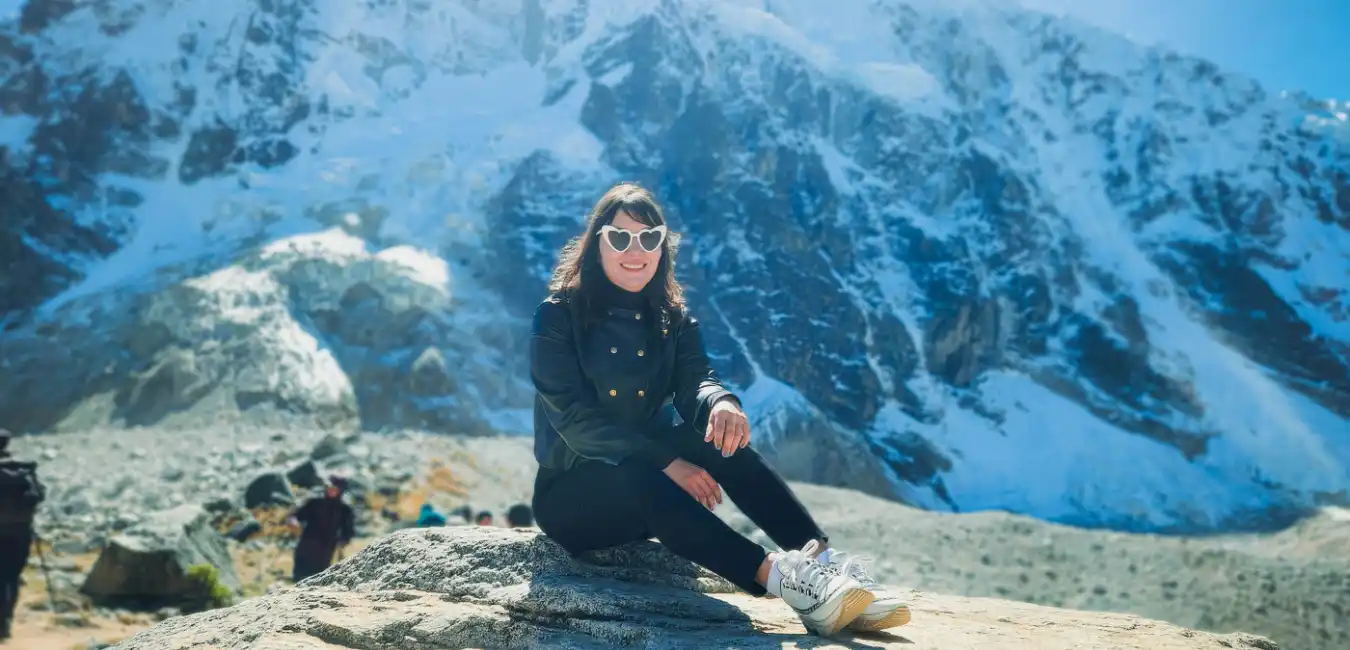
Once we reach the pass, located at approximately 4,630 m / 15,190 ft, you will have time to rest, take photos, and feel the excitement of reaching one of the most important points of the trek. From here, we will begin the descent toward Wayracmachay and then continue toward lower areas, where the landscape gradually begins to change.
Later, we will arrive in the Chaullay area or a nearby campsite, depending on the service organization. This day is demanding, but also very special because of the variety of landscapes and the closeness to Salkantay Mountain.
- Hiking distance: Approximately 22 km / 13.7 mi.
- Hiking duration: Approximately 8 to 9 hours.
- Trailhead elevation: Approximately 3,900 m / 12,795 ft.
- Maximum altitude: Approximately 4,630 m / 15,190 ft at the Salkantay Pass.
- Campsite elevation: Approximately 2,900 m / 9,514 ft.
- Difficulty: Challenging.
- Weather: Cold in the morning and at the mountain pass; milder during the descent.
- Places visited: Salkantay Pass, Wayracmachay, and Chaullay.
- Meals: Breakfast, lunch, and dinner.
- Accommodation: Campsite with regular tents.
Day 3: Chaullay – Collpapampa – Lucmabamba / Santa Teresa Valley
After breakfast, we will continue hiking toward a completely different area. We will leave behind the cold high-mountain landscapes and gradually enter a warmer, greener environment with lush vegetation, rivers, small bridges, and trails surrounded by nature.
This day usually feels more relaxed than the previous one, although you will still be walking for several hours. Along the route, you may see plantations, rural areas, and cloud forest landscapes. The change in climate and vegetation makes this day very interesting and different from the first days of the trek.
Depending on the service organization, we will arrive in the Lucmabamba, La Playa, or a nearby campsite in the Santa Teresa Valley. Upon arrival, you will have time to rest and enjoy the warmer atmosphere of the area.
- Hiking distance: Approximately 16 km / 10 mi.
- Hiking duration: Approximately 5 to 6 hours.
- Trailhead elevation: Approximately 2,900 m / 9,514 ft.
- Campsite elevation: Approximately 2,000 m / 6,562 ft.
- Difficulty: Moderate.
- Weather: Warmer and more humid.
- Places visited: Collpapampa, Santa Teresa Valley, and cloud forest areas.
- Meals: Breakfast, lunch, and dinner.
- Accommodation: Campsite with regular tents.
Day 4: Lucmabamba – Llactapata – Hidroelectrica – Aguas Calientes
After breakfast, we will begin the hike toward one of the most interesting areas of the route. We will hike up along an ancient Inca path toward Llactapata, an archaeological site located in a privileged mountain area, from where, if the weather allows, you may have a distant view of Machu Picchu and the surrounding mountains.
This part of the trek combines history, nature, and very special views. Your guide will explain the importance of Llactapata and its connection with Machu Picchu and other ancient paths in the area.
After the visit, we will descend toward Hidroelectrica, where we will take a break before continuing the final hike to Aguas Calientes, also known as Machu Picchu Pueblo. This last section follows the route along the train tracks, surrounded by vegetation, mountains, and the river.
Upon arrival in Aguas Calientes, you will go to the confirmed accommodation to rest before visiting Machu Picchu the next day.
- Hiking distance: Approximately 22 km / 13.7 mi.
- Hiking duration: Approximately 7 to 8 hours.
- Trailhead elevation: Approximately 2,000 m / 6,562 ft.
- Aguas Calientes elevation: Approximately 2,040 m / 6,693 ft.
- Difficulty: Moderate to challenging.
- Weather: Warm and humid.
- Places visited: Llactapata, Hidroelectrica, and Aguas Calientes.
- Meals: Breakfast and lunch, according to the confirmed program.
- Accommodation: 3 start Hotel in Aguas Calientes
Day 5: Aguas Calientes – Machu Picchu – Ollantaytambo – Cusco
Early in the morning, you will take the bus from Aguas Calientes to the entrance of Machu Picchu, according to the confirmed entrance time. This will be one of the most anticipated moments of the trip, after several days hiking through mountains, valleys, and forests.
You will enter Machu Picchu with your guide for a guided tour according to the confirmed circuit. During the visit, you will explore the areas allowed by your ticket and learn about the history, architecture, and meaning of the citadel within the Andean world.
After the visit, you will return by bus to Aguas Calientes, where you will have time to have lunch on your own or walk around the town before boarding the return train to Ollantaytambo. Upon arrival, our transportation will be waiting to take you back to Cusco.
Arrival in Cusco will be in the afternoon or evening, depending on the confirmed train schedule.
- Hiking distance: Light walking inside Machu Picchu.
- Machu Picchu elevation: Approximately 2,430 m / 7,972 ft.
- Difficulty: Easy to moderate.
- Weather: Mild and humid.
- Sites visited: Machu Picchu.
- Meals: Breakfast.
- Accommodation: Not applicable. Return to Cusco.
Packing List
Preparing your gear well will make the Salkantay Trek much more comfortable. We recommend bringing only what you need for the hike and organizing your clothing in layers, as the weather changes a lot throughout the route.
Essentials
- Original passport, required to enter Machu Picchu.
- Small daypack, comfortable for walking several hours.
- Trekking shoes with good traction and already broken in before the trip.
- Comfortable hiking clothes.
- Waterproof jacket or rain poncho.
- Warm layered clothing for the cold areas.
- Hat or cap for the sun.
- Gloves and warm hat for cold mornings.
- Sunglasses.
- Sunscreen.
- Insect repellent.
- Reusable water bottle or hydration system.
- Headlamp with charged or spare batteries.
- Personal medication.
- Cash in Peruvian soles for drinks, snacks, tips, hot springs, or personal expenses.
For Your Main Luggage
These items will go in your main bag or luggage and will be available when you arrive at the campsite or accommodation, according to the service organization.
- Sleeping bag, your own or rented.
- Change of clothes for the hiking days.
- Trekking pants or comfortable leggings.
- Breathable shirts or T-shirts.
- Light thermal clothing for sleeping.
- Warm jacket for cold nights.
- Extra trekking socks.
- Enough underwear for the trek.
- Sandals or light shoes for resting.
- Small quick dry towel.
- Swimsuit, if you would like to visit hot springs.
- Plastic or waterproof bag for wet or dirty clothes.
Toiletries
- Toothbrush and toothpaste.
- Toilet paper.
- Wet wipes.
- Hand sanitizer.
- Small deodorant.
- Lip balm.
- Moisturizer, optional.
- Personal medication.
- Feminine hygiene products, if needed.
- Small bag for personal trash.
- Biodegradable soap, if you consider it necessary.
Inside Your Daypack
Your daypack should include everything you may need while hiking.
- Original passport.
- Water, at least 2 liters to hike comfortably.
- Personal snacks, such as energy bars, dried fruit, or chocolate.
- Waterproof jacket or rain poncho.
- Light warm layer.
- Sunscreen.
- Insect repellent.
- Sunglasses.
- Hat or cap.
- Camera or phone with enough battery.
- Portable charger.
- Personal medication.
- Toilet paper or tissues.
- Hand sanitizer.
- Cash in Peruvian soles.
- Trekking poles, if you use them.
- Backpack cover, especially during the rainy season.
Price from: USD 550 per person.
The price may vary depending on the date, availability, number of travelers, type of service, train category, accommodation in Aguas Calientes, and additional services included.
Private service: Available upon request.
The price will depend on the group size and the level of customization required.
Is the Salkantay Trek difficult?
Yes, it is a moderate to challenging hike. It is not a technical route, but it requires good physical condition, as you will hike for several days with uphill sections, downhill sections, altitude, and changing weather.
Do we sleep in lodges?
No. This program uses regular camping tents at campsites. It is a simple, authentic experience connected with nature.
Do I need previous trekking experience?
You do not need to be an expert, but you should be used to walking for several hours and have good general health.
What is the highest point of the tour?
The highest point is the Salkantay Pass, at approximately 4,630 m / 15,190 ft.
Is the entrance to Machu Picchu included?
Yes, it is normally included according to availability and the confirmed circuit at the time of booking.
Can I visit Humantay Lake during the tour?
Yes, it can usually be visited on the first day, according to the confirmed program, weather, and group pace.