Useful Travel Tips for the Llama Trail
Acclimatization and Altitude
We recommend arriving in Cusco at least one or two days before your Llama Trail with Domes trek to give your body time to adjust to the altitude. Although this is a two-day hike, the route reaches approximately 4,200 m (13,780 ft) above sea level.
Walking at high altitude can be more demanding than expected, even for experienced hikers. Take your time, stay hydrated, and follow your guide's recommendations throughout the journey.
Weather and Clothing
Mountain weather can change quickly throughout the day. Mornings and high-altitude sections are often cold and windy, while lower areas of the Sacred Valley are generally warmer.
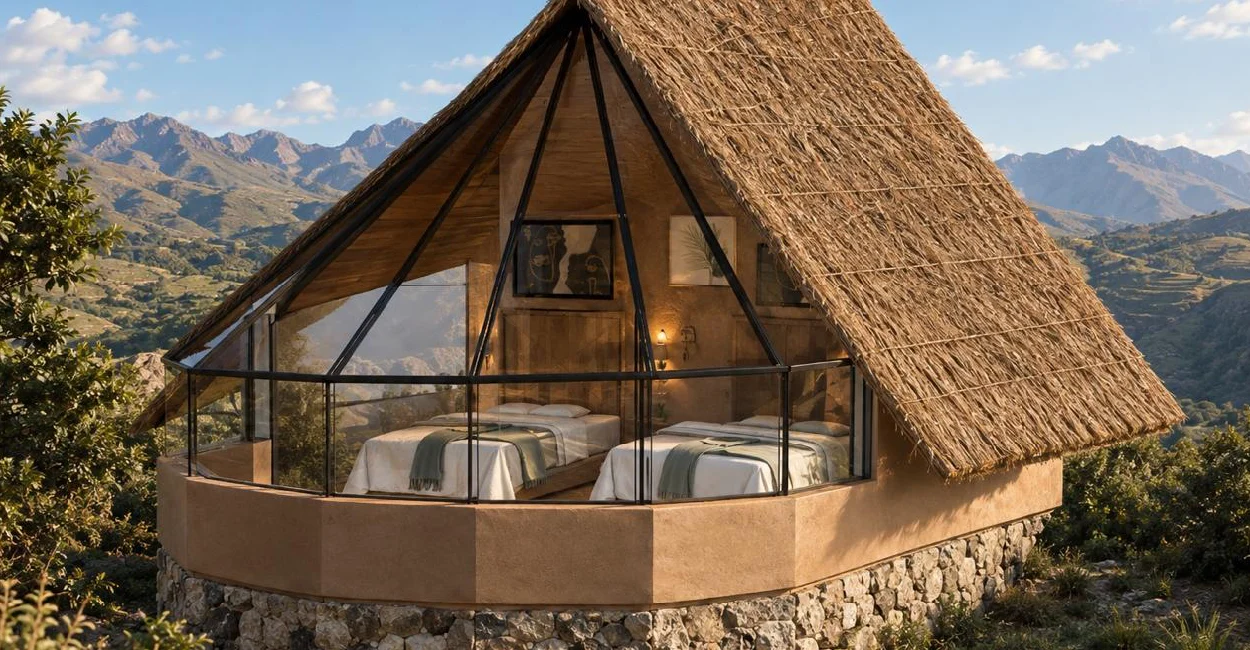
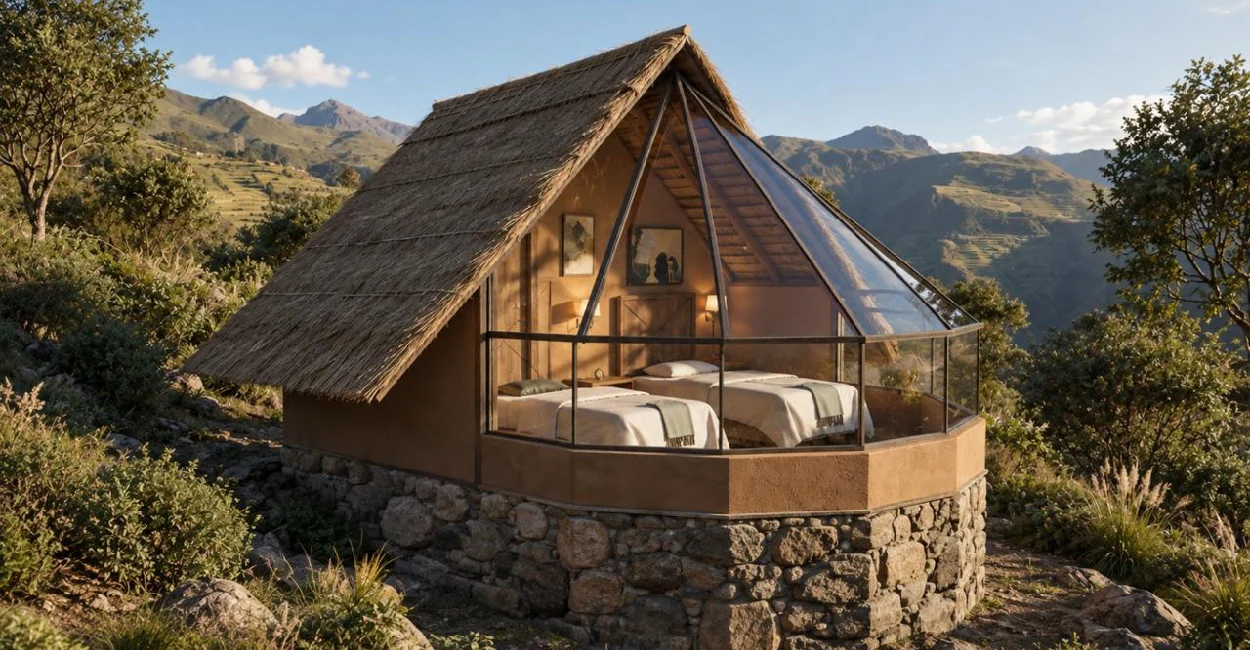
Dress in layers and carry a waterproof jacket or rain poncho. Warm clothing is especially important for your overnight stay at the Andean Sky Domes, located at approximately 3,850 m (12,631 ft).
Health and Personal Requirements
If you have any medical conditions, allergies, dietary restrictions, or take prescription medication, please inform our team before your departure so we can review your needs and make appropriate arrangements whenever possible.
If you experience symptoms of altitude sickness during the trek, inform your guide immediately. Do not continue ascending if your symptoms worsen.
Respect for the Andean Environment
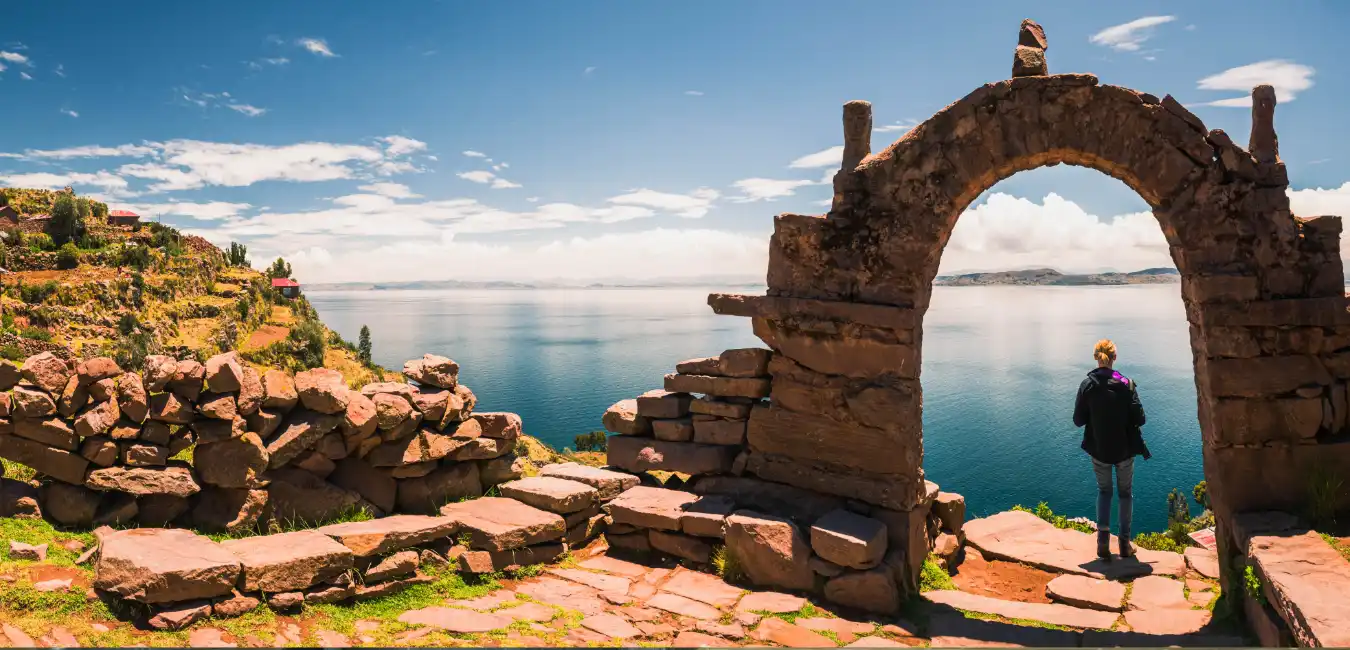
The Llama Trail passes through mountain landscapes, traditional paths, and areas of cultural and archaeological importance. Please stay on designated trails, avoid disturbing wildlife, and carry your waste until it can be disposed of properly.
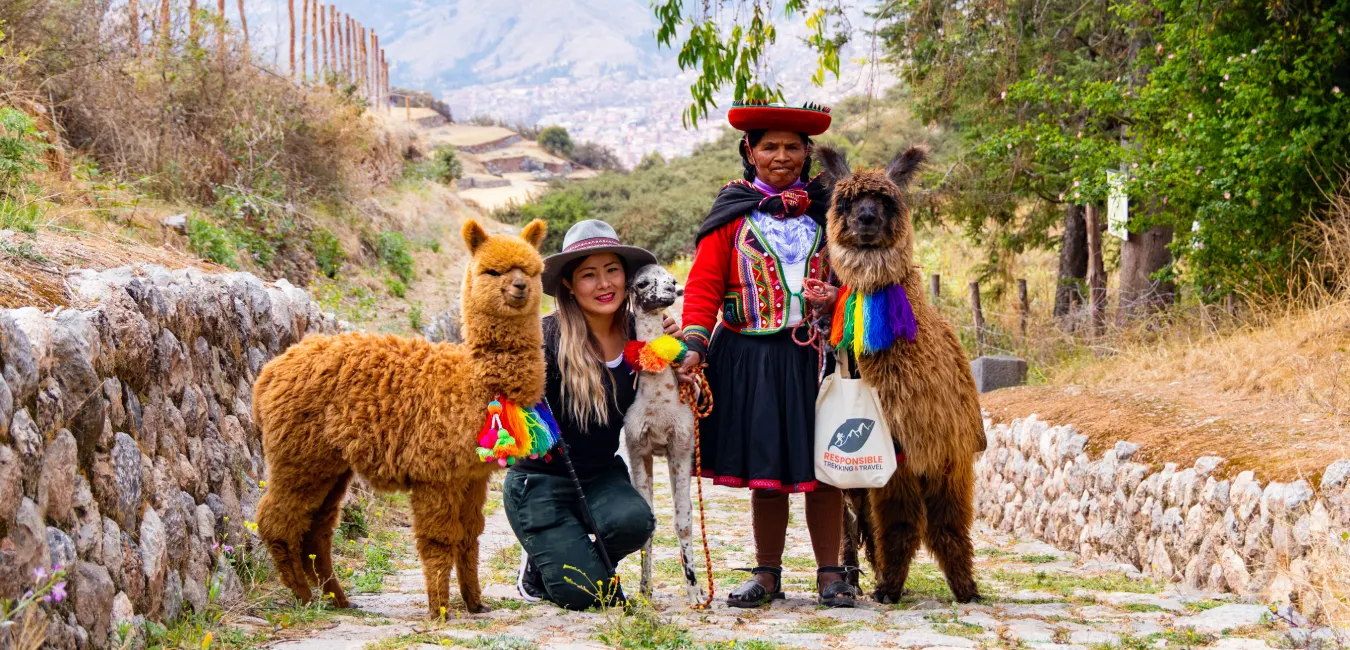
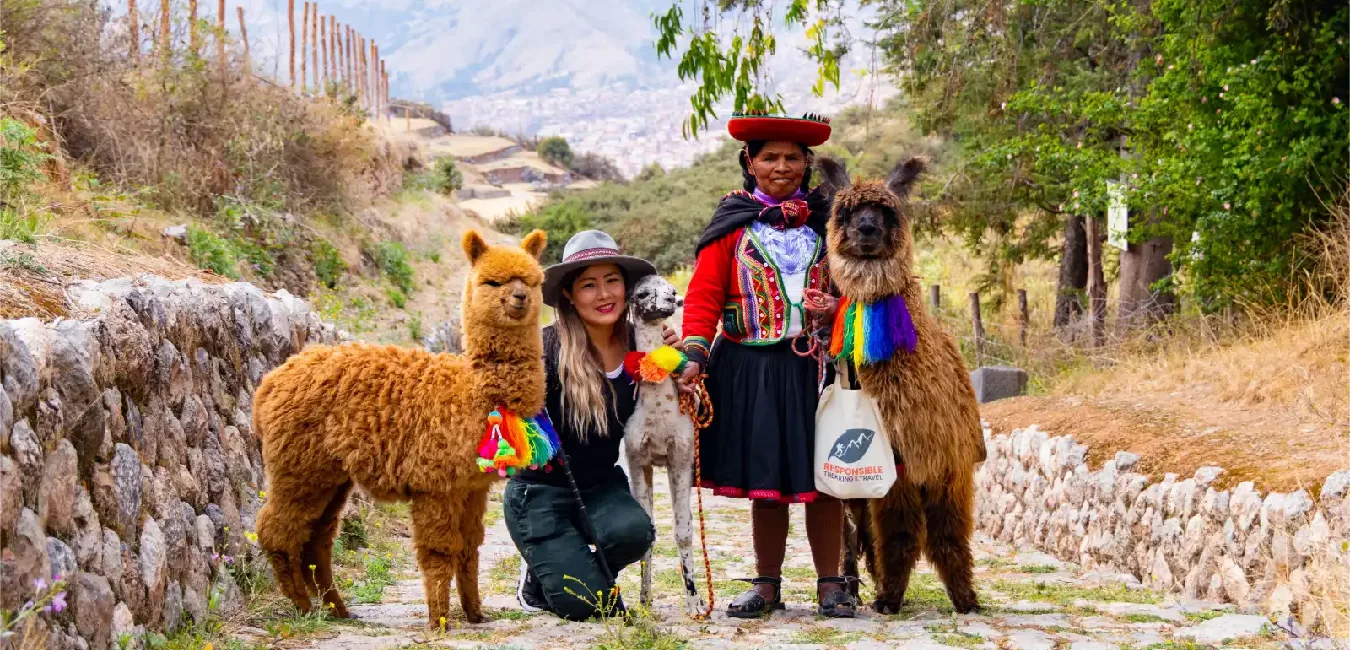
When walking alongside llamas and local herders, follow your guide's instructions and respect the animals and the communities connected to this route.
Best Time to Hike the Llama Trail
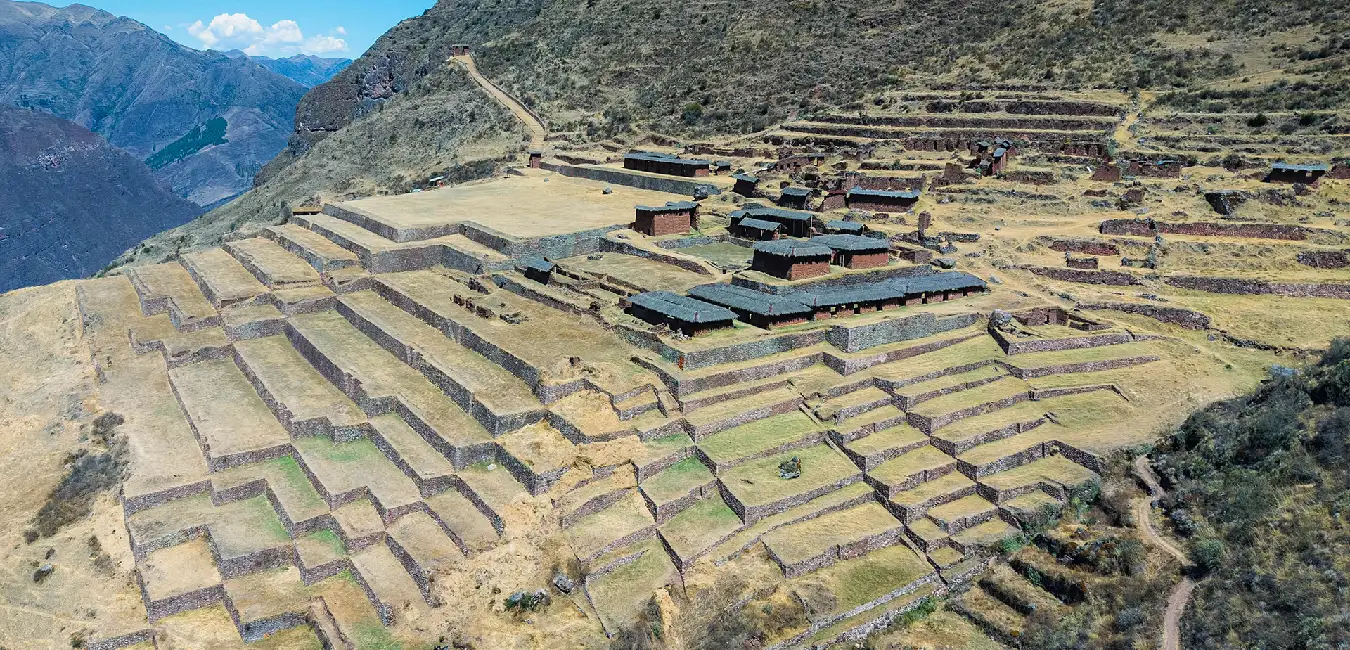
The dry season, generally from April to October, is a popular time to experience the Llama Trail with Domes. These months usually bring clearer skies, less rainfall and good opportunities to enjoy the views of the Andean mountains, Sihua lagoons and Huchuy Qosqo.
From November to March, the rainy season brings greener landscapes but also more frequent showers, muddy trails and potentially slippery sections. A waterproof jacket, suitable trekking footwear and flexible expectations about the weather are particularly important during these months.
Conditions can change quickly at higher elevations, regardless of the season. Nights near the Andean Sky Domes, at approximately 3,850 m (12,631 ft), can be cold, so warm layers are recommended throughout the year.