
In this guide, you'll discover Cusco's most iconic native plants, including their common and scientific names, the elevations where they grow, their traditional medicinal uses, and fascinating facts that will help you experience the Andes from a whole new perspective. Let's get started!
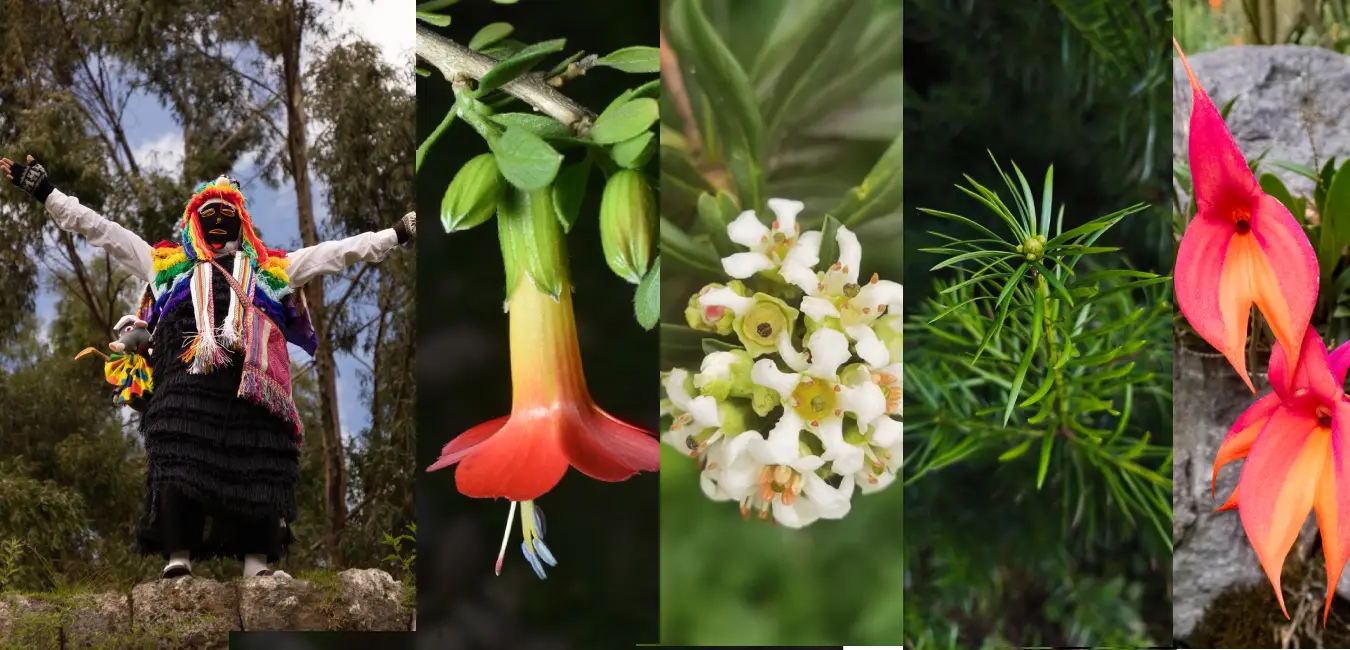
Why It's important to learn about Cusco's native flora
Learning about Cusco's native plants is important because they are an essential part of the Andes' natural, cultural, and historical heritage. For thousands of years, these species have provided food, medicine, and raw materials for local communities. Let's start by exploring some of the region's best-known native plants.
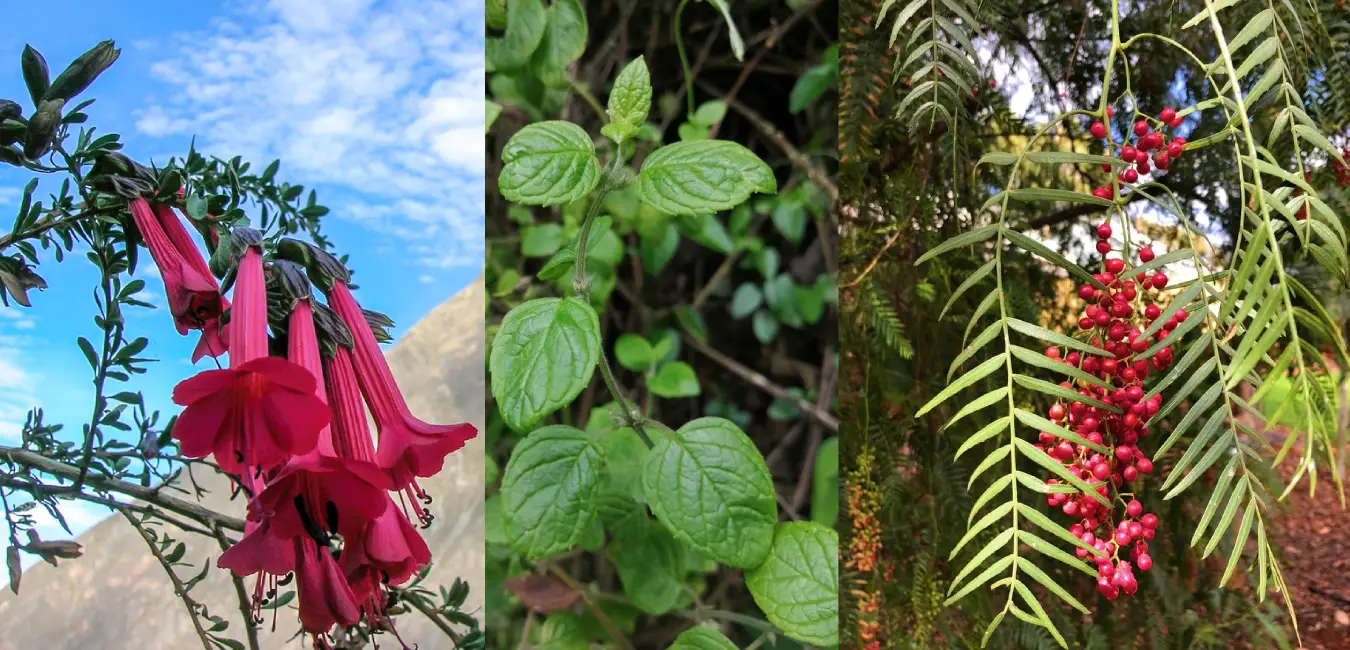
List of native plants from the Cusco region and their scientific names
Did you know that the most representative species of Cusco's native flora evolved over thousands of years to adapt to high altitude conditions? Today, they play a vital role in protecting soils, regulating water resources, and preserving biodiversity. Many of these plants also possess medicinal, nutritional, and ceremonial properties that continue to be valued by local Andean communities.
Common Name | Scientific name | Family | Elevation (m.a.s.l.) | Primary use |
| Kantuta / Qantu | Cantua buxifolia | Polemoniaceae | 2,800 - 3,800 | Ornamental, ceremonial, medicinal |
| Queñua / Quiñual | Polylepis spp. | Rosaceae | 3,600 - 5,000 | Water regulation, firewood, medicinal |
| Ichu / Andean bunchgrass | Stipa ichu (Jarava ichu) | Poaceae | 3,500 - 4,800 | Livestock forage, roofing, fuel |
| Chachacomo | Escallonia resinosa | Escalloniaceae | 2,600 - 4,200 | Medicinal, timber, reforestation |
| Muña | Minthostachys mollis | Lamiaceae | 2,800 - 3,500 | Medicinal, digestive aid, aromatic |
| Quishuar | Buddleja coriacea | Scrophulariaceae | 3,200 - 4,200 | Reforestation, living fences, medicinal |
| Peruvian Pepper Tree (Molle) | Schinus molle | Anacardiaceae | 0 - 3,350 | Medicinal, living fences, spice |
| Andean Elderberry | Sambucus peruviana | Adoxaceae | 2,800 - 3,900 | Edible fruit, medicinal, timber |
| Tara | Caesalpinia spinosa / Tara spinosa | Fabaceae | 1,000 - 3,100 | Tannins, leather tanning, medicinal |
| Pisonay | Erythrina falcata | Fabaceae | Up to ~3,000 (valley towns) | Ornamental, cultural significance |
| Intimpa | Podocarpus glomeratus | Podocarpaceae | ~2,900 - 3,800 | Conservation, timber (historically) |
| Andean Cedar | Cedrela montana | Meliaceae | 1,800 - 3,000 | Fine timber, cabinetmaking |
| Huaranhuay | Tecoma sambucifolia | Bignoniaceae | Up to 2,500 | Ornamental, pollinator-friendly |
| Unca | Myrcianthes oreophila | Myrtaceae | 2,500 - 4,000 | Endemic species, conservation |
| Waqanki (Orchid) | Masdevallia veitchiana | Orchidaceae | 2,400 - 3,200 | Ornamental, cultural significance |
Biologist's Note
- The Polylepis genus includes approximately 19 species in Peru, five of which are endemic, making Peru the country with the greatest diversity of these remarkable Andean trees.
- Queñua forests growing above 4,000 meters (13,123 ft) are among the highest elevation forests anywhere on Earth.
Cusco's most representative native plants
Next, we'll explore Cusco's most important native plant species. You'll learn how to identify them, discover the ecosystems where they thrive, and understand why many continue to play a vital role in Andean culture and traditional medicine.
Iconic trees of plazas and gardens
Kantuta or Qantu (Cantua buxifolia)
The kantuta is Peru's national flower and one of the Andes' most beloved native plants. This flowering shrub grows between two and three meters (6.5 - 10 ft) tall and produces striking tubular blossoms in shades of red, yellow, and purple, the same colors the Incas associated with their imperial banner. It blooms mainly between 2,800 and 3,800 meters (9,186 - 12,467 ft) above sea level and is commonly found in plazas, gardens, and traditional homes throughout Cusco.
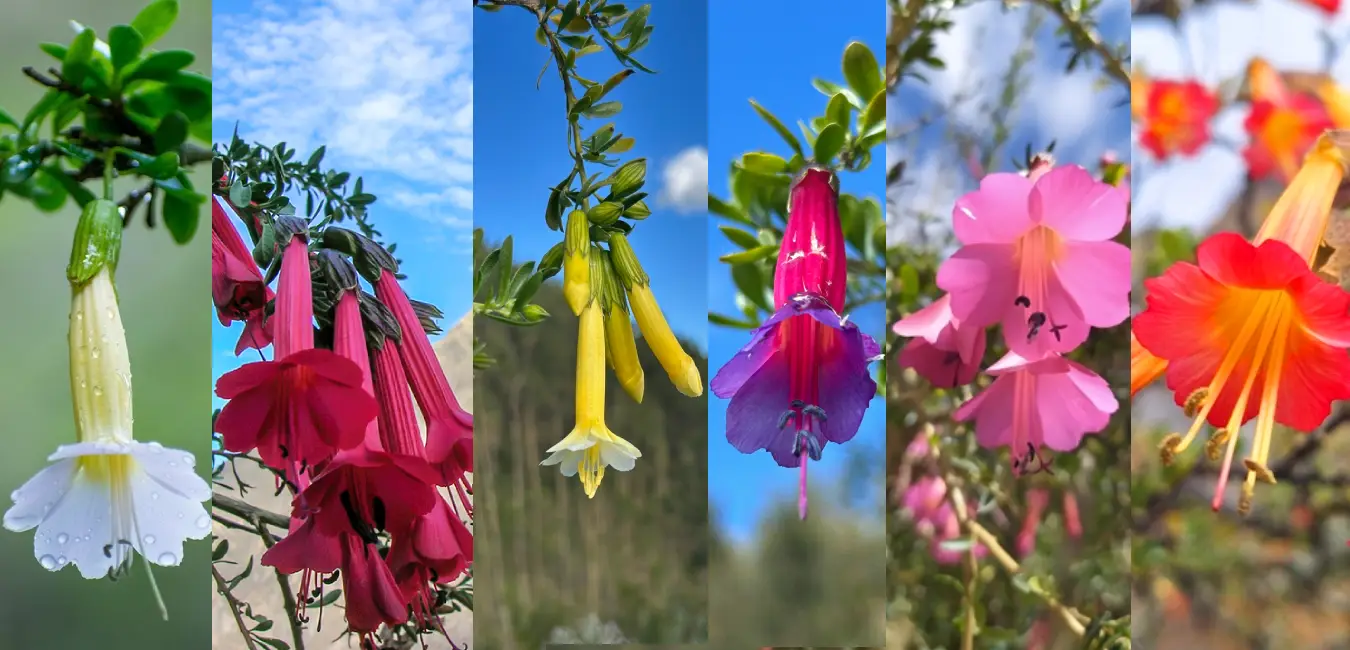
- Traditional uses: In Andean folk medicine, its flowers are brewed as an herbal tea to help relieve digestive discomfort and mild inflammation.
- Where to see it: The Sacred Valley, the outskirts of Cusco, and traditional high altitude gardens.
Pisonay (Erythrina falcata)
The pisonay, also known as pajuro or pashuro, is a majestic tree that can reach up to 30 meters (98 ft) in height under favorable conditions. According to historical tradition, it is not native to the high Andes but was brought from Peru's cloud forest by the Inca nobility, who regarded it as a sacred tree. Its most distinctive feature is its spectacular bloom: clusters of brilliant scarlet-red flowers that cover its branches, usually after the tree sheds part of its foliage.
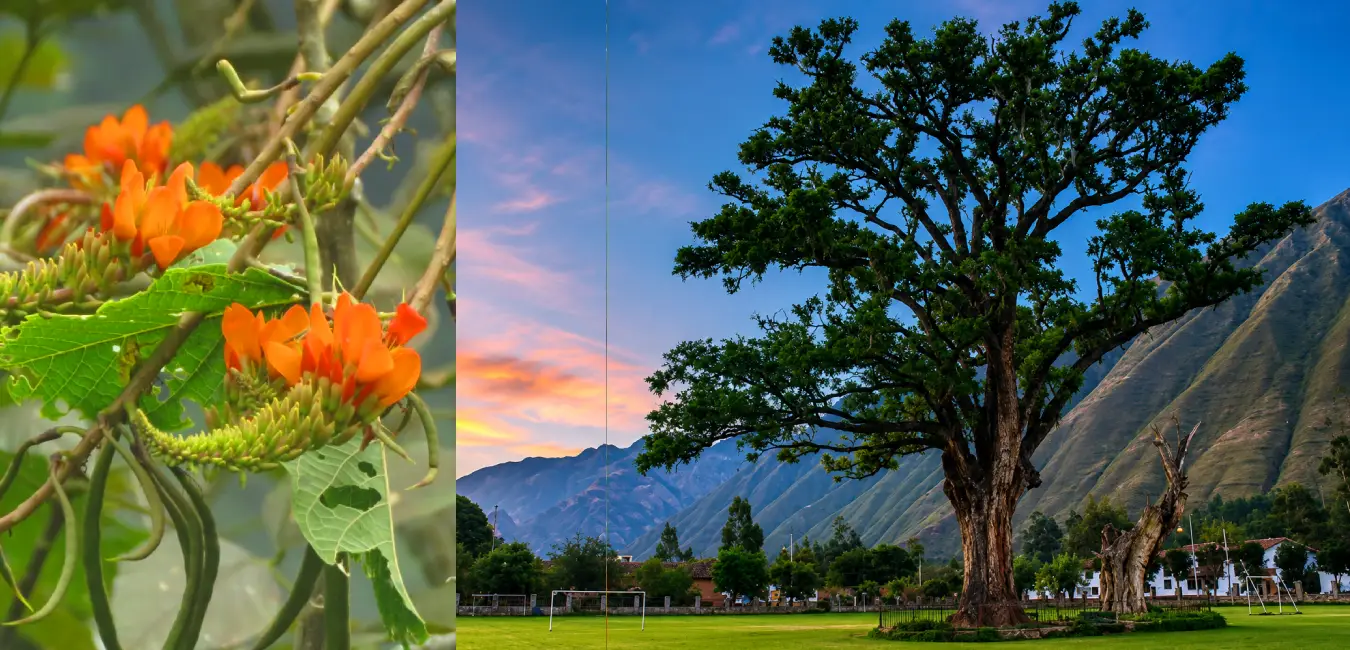
- Cultural significance: It graces the main plazas of Sacred Valley towns such as Yucay, Andahuaylillas, and Urquillos. The nearly 200 year old specimen in Manco Cápac II Square in Yucay has been officially recognized as a Heritage Tree.
- Where to see it: Town squares throughout the Sacred Valley and the main plaza of the Machu Picchu citadel.
High andean forest species
Queñua or Quiñual (Polylepis spp.)
If there's one tree that symbolizes the high Andes, it's the queñua. Its reddish bark naturally peels away in thin, paper like layers, an adaptation that protects it from freezing temperatures. It forms dense forests between 3,600 and 5,000 meters (11,811 - 16,404 ft) above sea level, making it one of the highest growing tree species on earth. Its roots anchor firmly even in rocky terrain, helping retain water and prevent soil erosion.
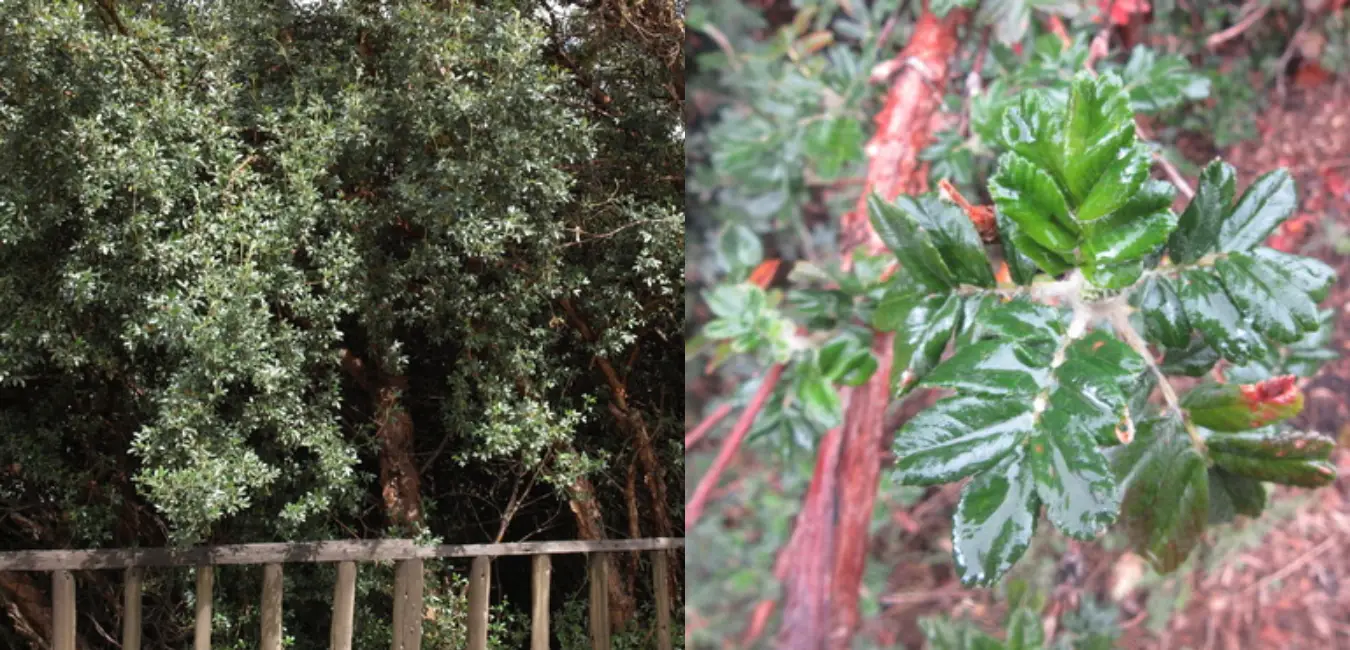
- Traditional uses: Its bark has long been brewed into herbal infusions to help treat respiratory and kidney ailments.
- Where to see it: The Vilcanota Mountain Range, the upper sections of the Inca Trail, and the Ausangate region.
Chachacomo (Escallonia resinosa)
Also known as chacha cumo or "soldier's root," this native tree is recognized by its twisted trunk and reddish bark that peels away in thin strips. It grows between 2,600 and 4,200 meters (8,530 - 13,780 ft) above sea level. Century old specimens can still be found in the city of Cusco and on historic valley estates, where they are considered part of the region's living natural heritage. Its exceptionally hard wood has been used since pre hispanic times to craft chaquitacllas, the traditional Andean foot plow.
- Traditional uses: Its bark is prepared as an herbal infusion or decoction to help relieve respiratory and kidney ailments.
- Inca keros: According to the Inca Museum in Cusco, ceremonial Inca drinking vessels known as keros were carved from chachacomo (Escallonia resinosa) or lambrán (alder) wood and decorated with geometric engravings filled with resin based pigments.
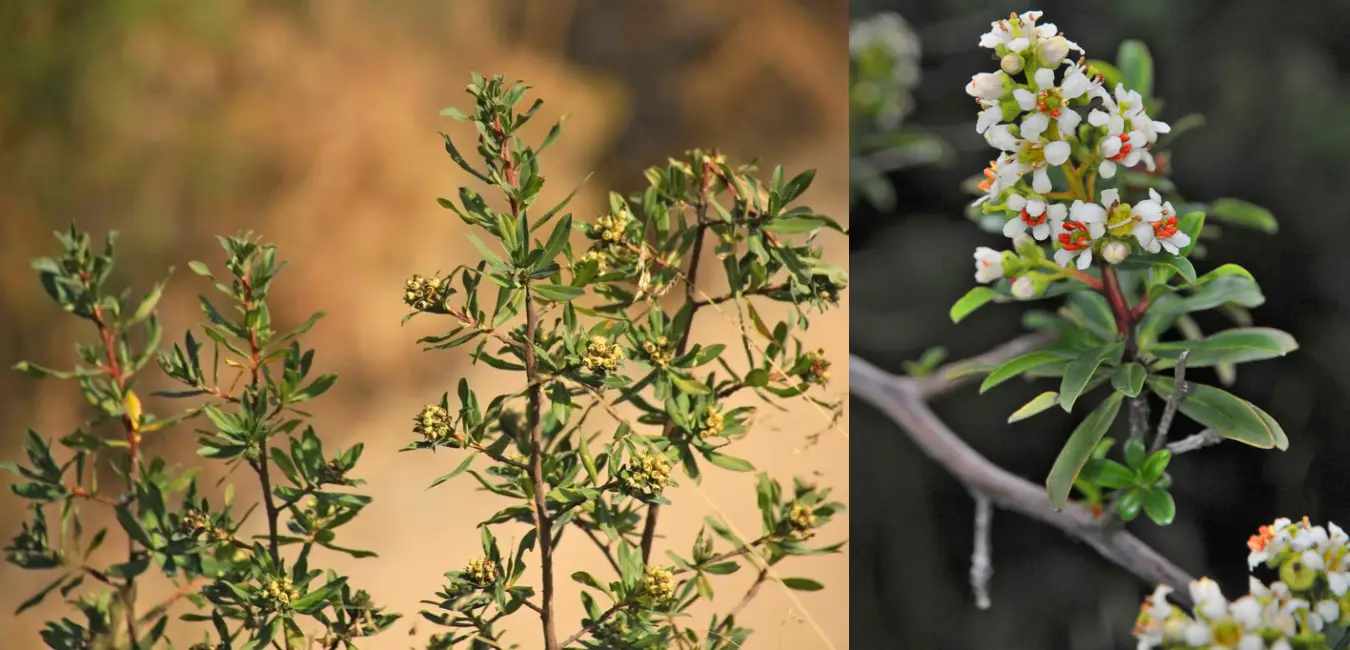
Chachacomo vs. Chachacoma
- Chachacomo (ending in "o") is the hardwood tree (Escallonia resinosa) featured throughout this guide.
- Chachacoma (ending in "a") is a small alpine herb (Senecio graveolens) traditionally brewed as a tea to help relieve altitude sickness.
- Its remarkable ability to quickly regenerate after pruning or cutting makes it an exceptionally resilient species despite centuries of use for timber and firewood.
Quishuar (Buddleja coriacea)
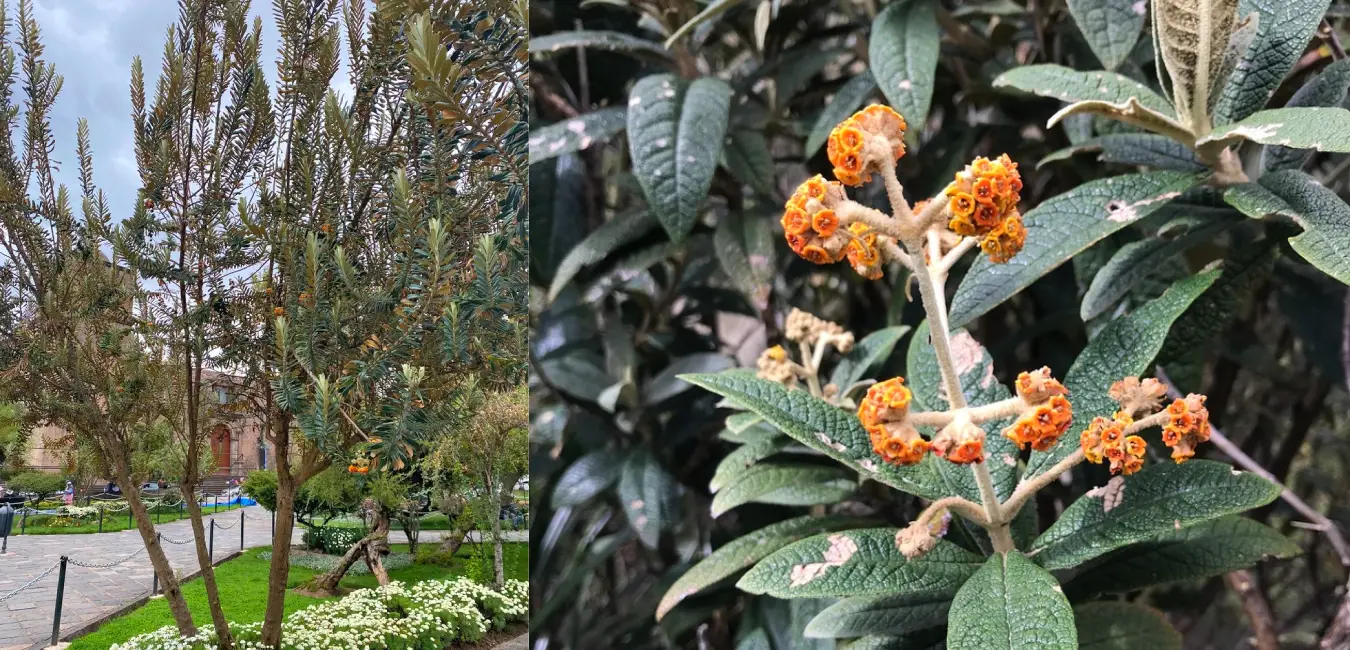
The quishuar is another iconic tree widely used in Andean reforestation projects. It grows between 3,200 and 4,200 meters (10,499 - 13,780 ft) above sea level, tolerates freezing temperatures exceptionally well, and quickly recovers after pruning. For this reason, Andean communities commonly plant it as a living fence and windbreak around agricultural fields.
- Traditional uses: Its leaves have long been used to help relieve joint and muscle pain. Historically, they were also used to produce natural beige dyes for coloring camelid wool.
Intimpa (Podocarpus glomeratus)
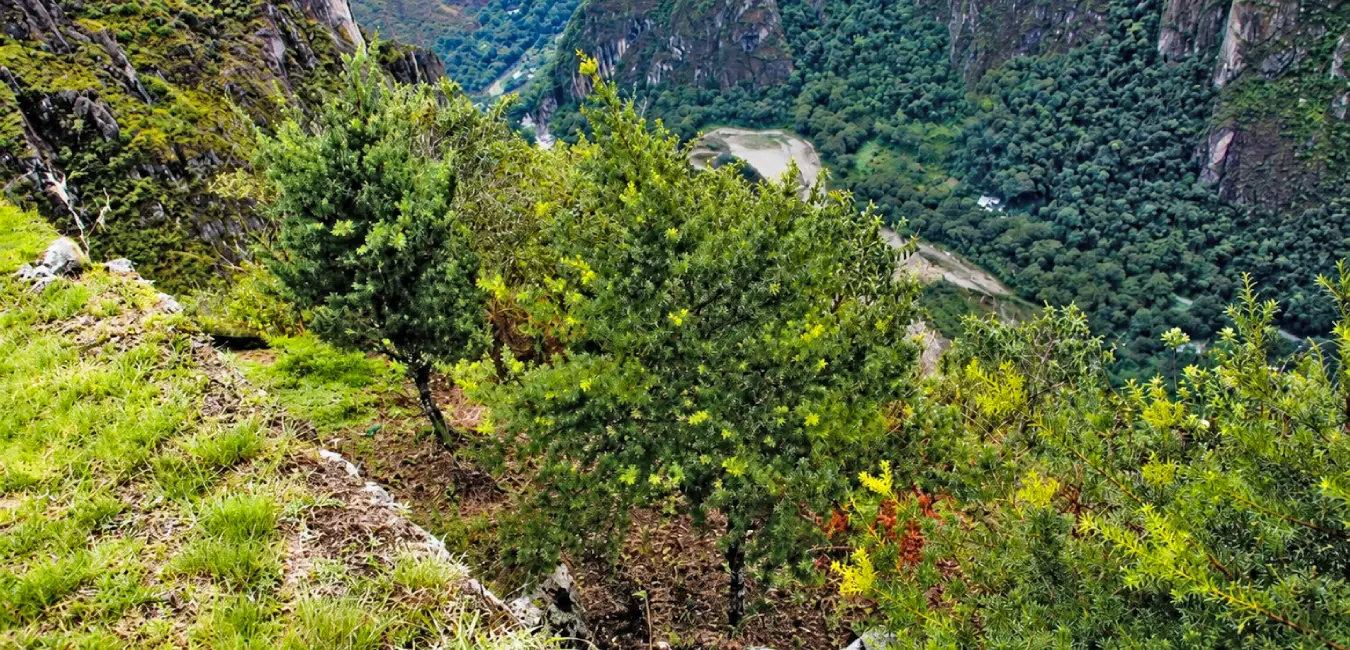
The intimpa, whose Quechua name means "Tree of the Sun," is one of Peru's few native conifer species. The country's most important protected forest is located within the Ampay National Sanctuary, established in 1987 specifically to conserve this remarkable tree. These forests are also home to as many as 70 orchid species growing on their branches.
- Where to see it: Ampay National Sanctuary (Abancay, Apurímac) and small forest stands in the Paucartambo River basin in Cusco.
Native grasses and aromatic shrubs
Ichu or andean bunchgrass (Stipa ichu)
Without exaggeration, ichu is the grass that sustains life across the high-altitude puna ecosystem. This golden bunchgrass blankets much of the Andean Altiplano, growing between 3,500 and 4,800 meters (11,483 - 15,748 ft) above sea level while withstanding freezing nights and nutrient poor soils. For centuries, it has been used as fodder for llamas and alpacas, as roofing material for rural homes, and as an important source of fuel.
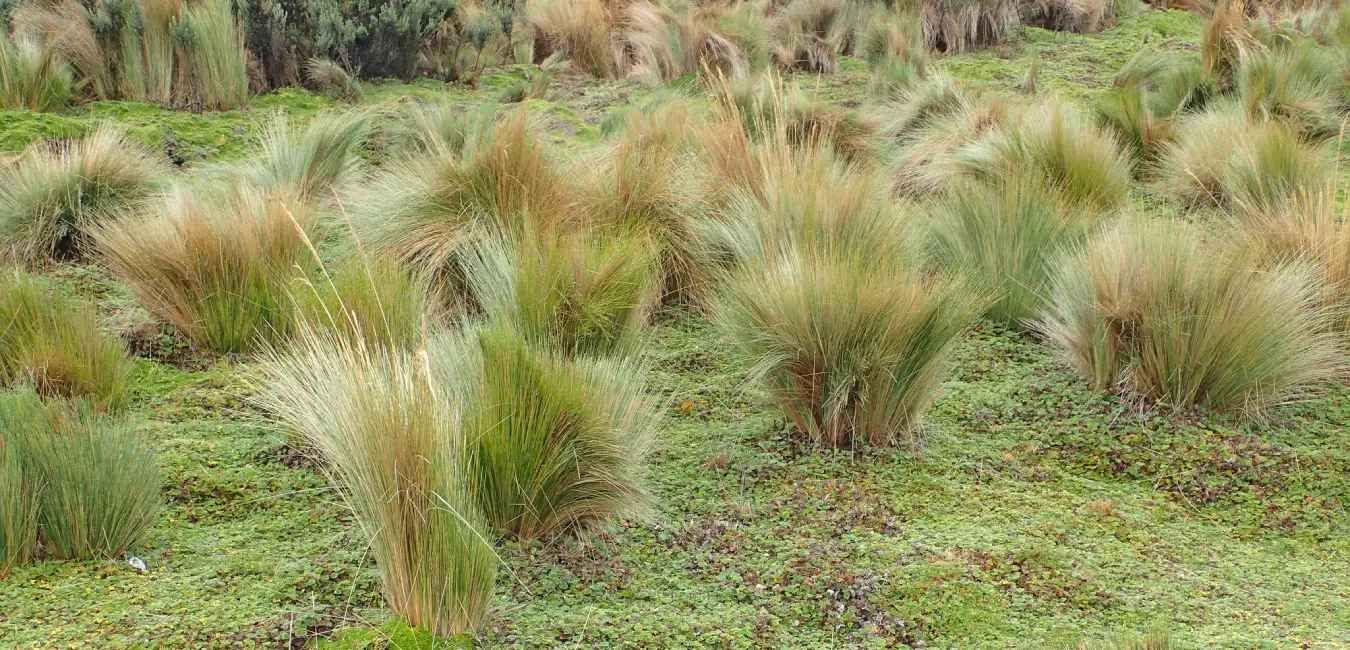
- Fun fact: When the wind sweeps across vast ichu grasslands, it creates the rolling golden waves that have become one of the most iconic landscapes of the Cusco highlands.
Muña (Minthostachys mollis)
Closely related to mint, muña is an aromatic shrub that grows between 2,800 and 3,500 meters (9,186 - 11,483 ft) above sea level, typically on dry, rocky hillsides. Its small leaves release a refreshing minty aroma with subtle camphor notes the moment you rub them between your fingers.
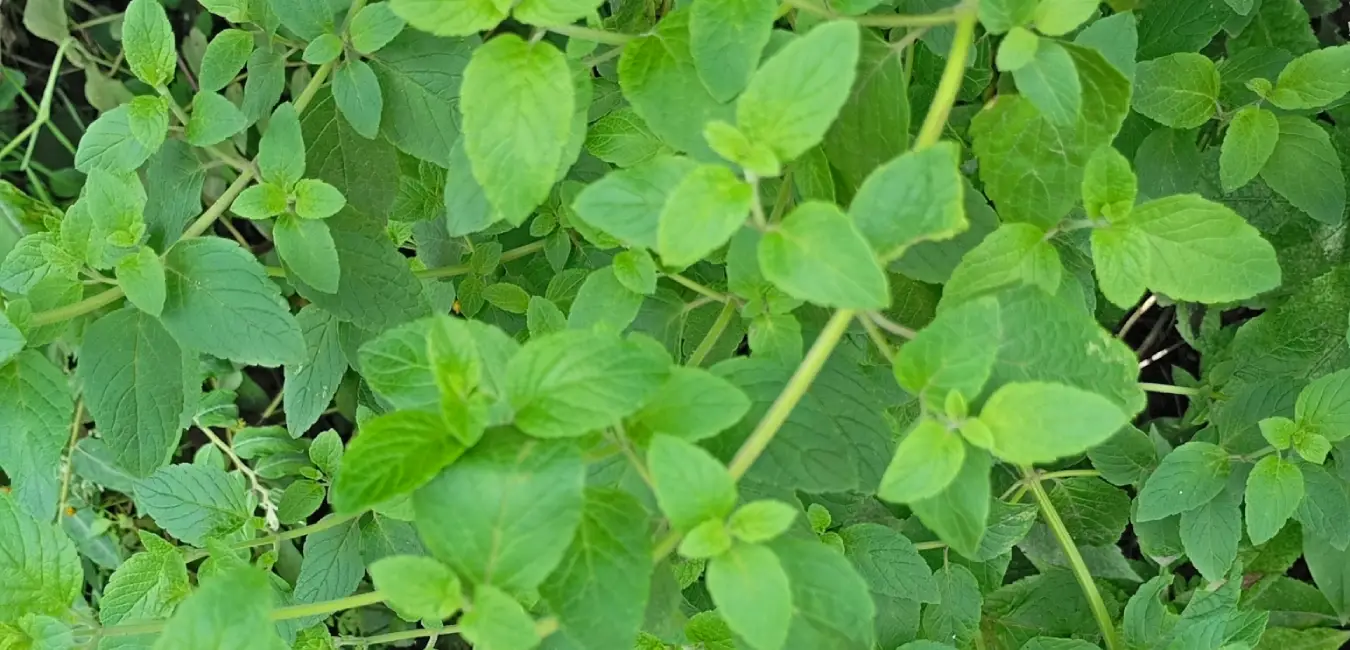
- Traditional uses: Muña tea is one of Cusco's most popular herbal remedies, traditionally enjoyed to relieve digestive discomfort and support altitude acclimatization. It's common for hotels and locals to offer visitors a cup shortly after they arrive in the city.
Trees used in industry and agroforestry
Peruvian pepper tree (Schinus molle)
With its dense canopy, gracefully drooping branches, and unmistakable turpentine like aroma released whenever you rub one of its leaves, the Peruvian pepper tree (molle) is one of the Andes' most versatile native trees. The Incas referred to it as the "Tree of Life" and even used it in the mummification of their dead. Today, it is internationally recognized for its berries, which are marketed worldwide as pink peppercorns. It naturally grows from sea level up to approximately 3,350 meters (10,990 ft) above sea level.
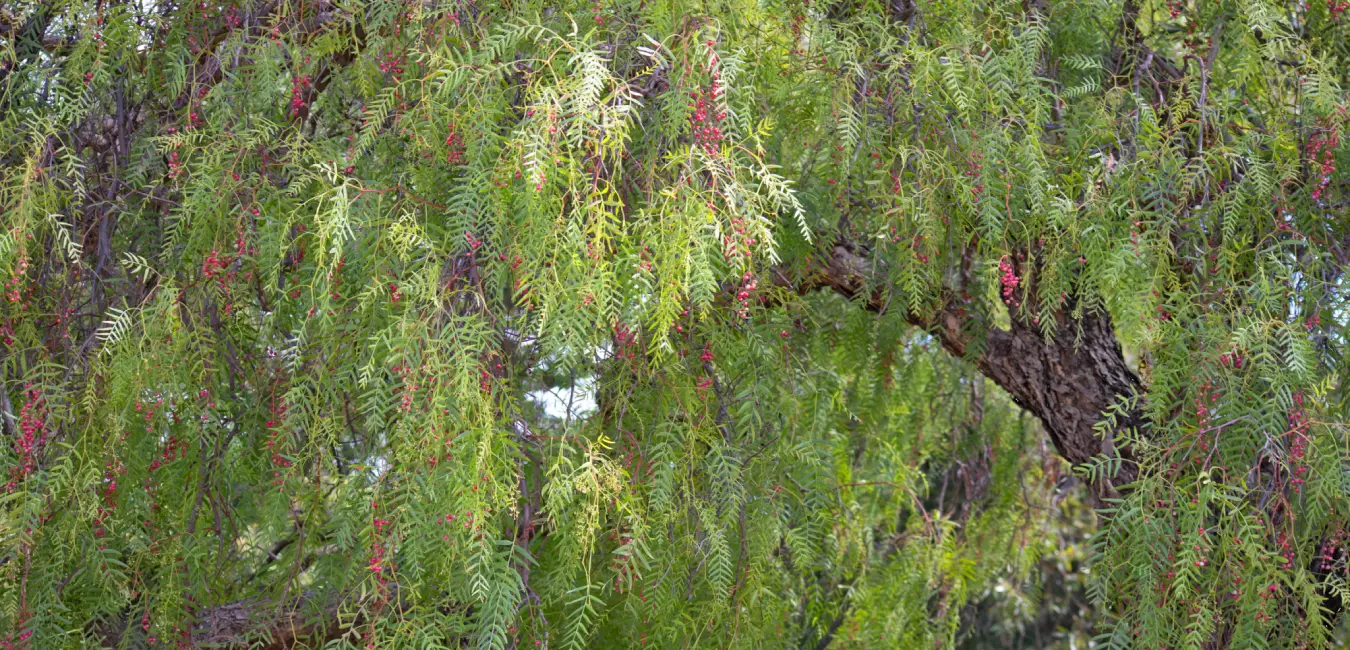
- Traditional uses: Leaf infusions have long been used to relieve digestive discomfort, while bark decoctions are traditionally added to baths to help soothe rheumatic pain.
- Landscaping value: Thanks to its exceptional drought tolerance, it is one of the most popular native trees for living fences, windbreaks, and shade in parks and public plazas.
Andean elderberry (Sambucus peruviana)
The Andean elderberry is a generous shrub commonly found along farm fences and irrigation canals between 2,800 and 3,900 meters (9,186 - 12,795 ft) above sea level. Its clusters of dark berries are traditionally made into jellies and jams, while its flowers, leaves, and roots have long been part of the natural medicine cabinet of Andean families.
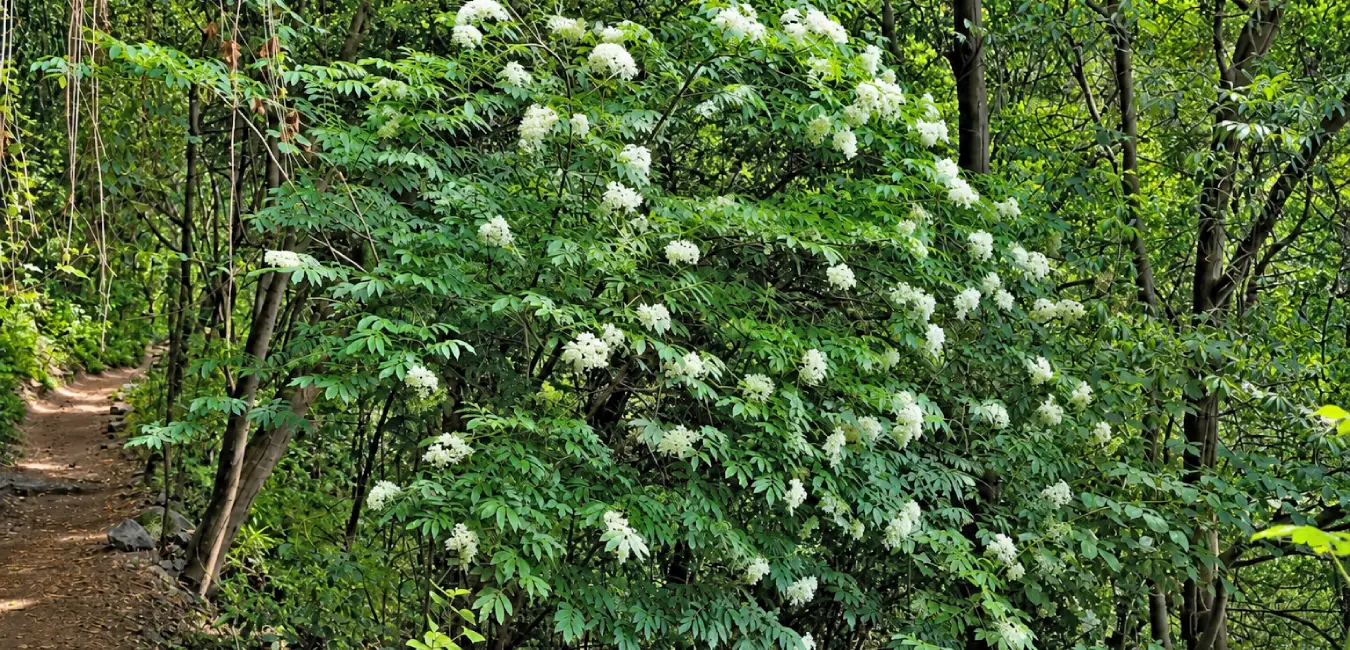
- Traditional uses: The flowers are brewed into herbal tea to help relieve respiratory illnesses and sore throats. They have also traditionally been used to promote sweating during fever.
- Agroforestry: Frequently planted as a living fence while also providing durable timber and occasional livestock forage.
Tara (Caesalpinia spinosa / Tara spinosa)
Known as the "Green Gold of the Incas," tara connects traditional Andean medicine with today's global leather industry. Its seed pods contain between 40% and 60% tannins, making them one of the world's most sought after plant based alternatives to synthetic tanning agents. Tara naturally grows in dry inter Andean valleys between 1,000 and 3,100 meters (3,281 - 10,171 ft) above sea level.
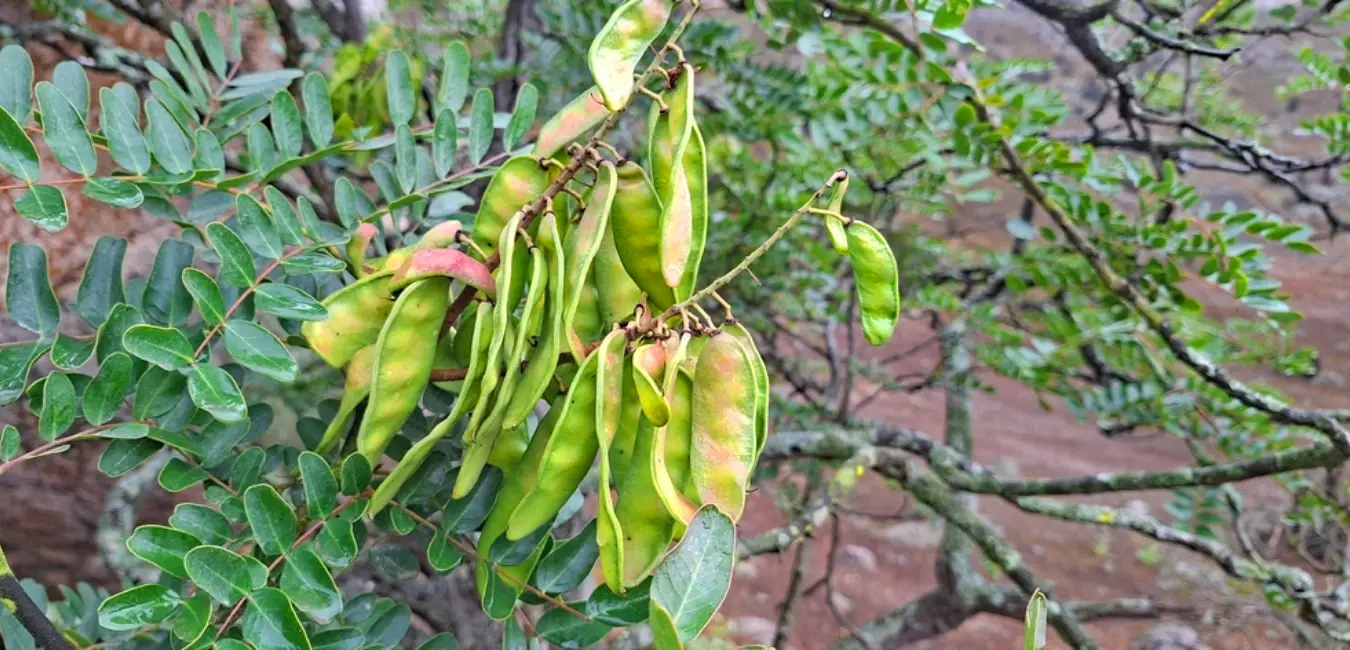
- Traditional uses: An infusion made from mature seed pods has traditionally been used as a gargle for tonsillitis and as a natural wash to promote wound healing.
- Industrial value: Its tannins are widely used in leather tanning, while the seed endosperm produces a natural gum used worldwide as a food stabilizer.
Representative orchids of the Cusco region
Waqanki and Wiñay Wayna
If you're planning to hike the Inca Trail, you'll almost certainly come across one of Cusco's spectacular native orchids. Masdevallia veitchiana, known in Quechua as waqanki ("you will cry"), stands out for its striking bright orange triangular flowers and grows as an epiphyte between 2,400 and 3,200 meters (7,874 - 10,499 ft) above sea level. Meanwhile, Epidendrum secundum, commonly called Wiñay Wayna ("Forever Young"), produces clusters of vibrant pink and red flowers and gives its name to one of the most photographed archaeological sites along the Inca Trail.
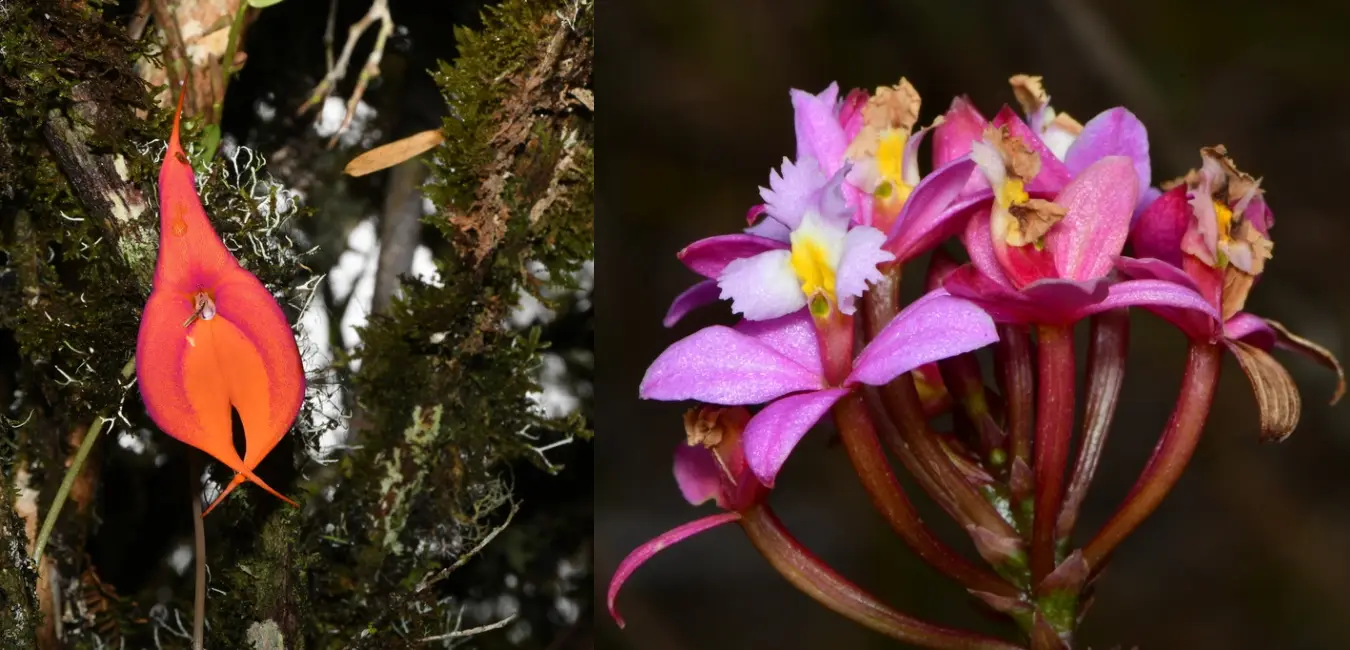
- Recommendation: The Historic Sanctuary of Machu Picchu is home to more than 400 orchid species, many of which are threatened by illegal collection. Admire them, photograph them, but never remove them from their natural habitat.
Other remarkable native species
Andean cedar (Cedrela montana)
One of the tallest trees found in the cloud forests on Cusco's eastern slopes, the Andean cedar is commonly seen along the lower sections of the Inca Trail as it descends toward the Amazon rainforest. Its straight trunk and broad canopy often support miniature gardens of bromeliads, ferns, and orchids, while its timber is considered one of the finest hardwoods in South America's montane forests.
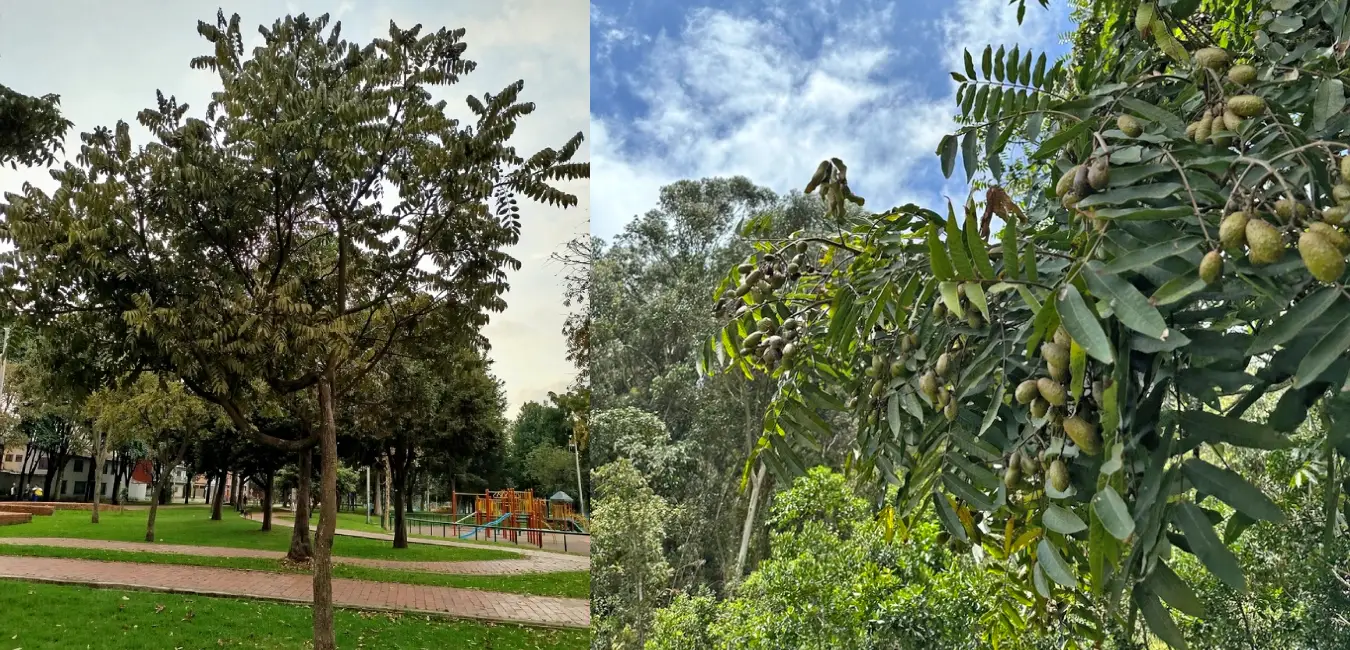
- Height: Under ideal conditions, it can reach between 25 and 50 meters (82 - 164 ft) tall.
Huaranhuay (Tecoma sambucifolia)
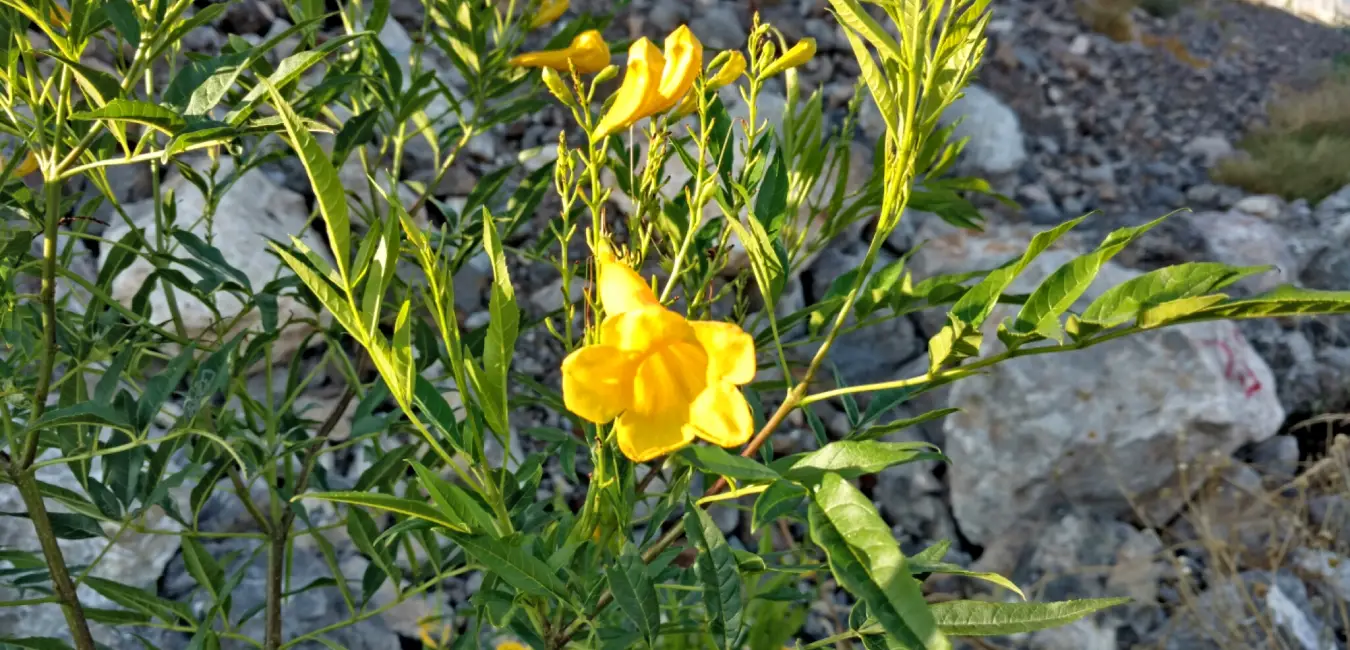
This shrub or small tree is covered with showy bright yellow tubular flowers and is commonly found along roadsides and farmland throughout Cusco up to approximately 2,500 meters (8,202 ft) above sea level. Its blossoms regularly attract hummingbirds and butterflies, making it an essential part of the region's pollinator network.
Unca (Myrcianthes oreophila)
One of the rarest native plants in southern Peru, unca is an endemic species whose natural distribution is almost entirely limited to the departments of Cusco and Apurímac. It grows in humid and semi humid Andean forests between 2,500 and 4,000 meters (8,202 - 13,123 ft) above sea level, and is seeds remain viable for only a few days, making it extremely uncommon in commercial nurseries.
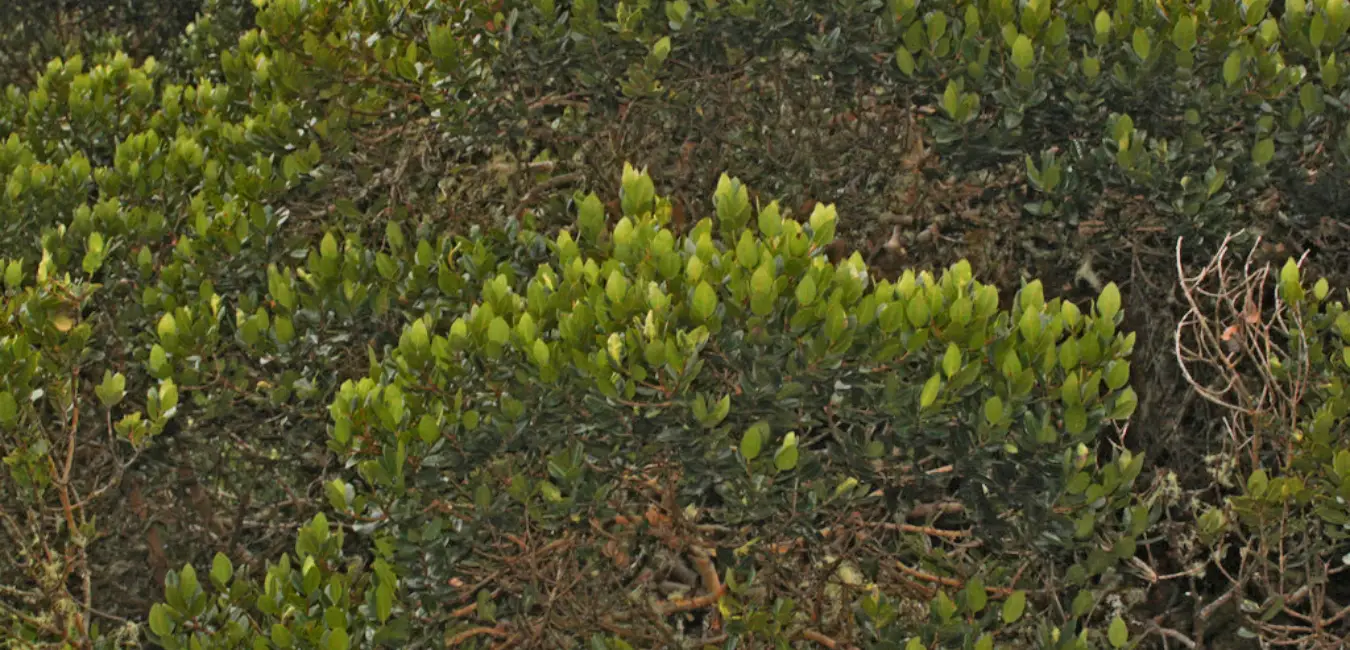
- Conservation: Because this species is endemic to only two Peruvian regions, its survival depends directly on protecting the Andean forests where it naturally grows.
Traditional medicinal properties of Cusco's native herbs
For centuries, Andean communities have relied on native plants to treat common ailments, especially those related to high altitude, cold weather, and digestive issues. Below is a summary of the most widely documented traditional uses according to Andean ethnobotanical knowledge.
Native medicinal plants of Cusco
- Muña (Minthostachys mollis): Traditionally brewed as an herbal tea to relieve stomach discomfort, reduce gas, and support altitude acclimatization.
- Chachacomo (Escallonia resinosa): Its bark is boiled into a decoction traditionally used for respiratory and kidney ailments.
- Queñua (Polylepis spp.): Experimental studies suggest that extracts from its bark and leaves may have mild diuretic properties.
- Kantuta (Cantua buxifolia): Its flowers are traditionally brewed into an herbal infusion to help relieve mild inflammation and digestive discomfort.
- Quishuar (Buddleja coriacea): Its leaves have traditionally been prepared in decoctions to help soothe muscle and joint pain.
- Peruvian Pepper Tree (Schinus molle): Leaf infusions are commonly used for digestive discomfort, while bark decoctions are traditionally added to baths to help relieve rheumatic pain.
- Andean Elderberry (Sambucus peruviana): The flowers are brewed into tea for colds and sore throats, while the roots have traditionally been used to help reduce fluid retention.
- Tara (Caesalpinia spinosa): An infusion made from mature seed pods has traditionally been used as a gargle for tonsillitis and as a natural wound-healing rinse.
Before using these plants
- This information summarizes documented traditional uses and should never replace professional medical advice.
- If you have a medical condition or take prescription medications, consult your healthcare provider before using herbal remedies, especially concentrated infusions.
- Always purchase Andean medicinal herbs from licensed markets or reputable herbal shops. Never collect them yourself from protected natural areas.
Environmental benefits of growing native plants in Cusco
Growing native plants does much more than beautify gardens, parks, and green spaces, it also helps protect the fragile ecosys ems of the Andes. Because these species are naturally adapted to Cusco's climate, they require less maintenance while playing an essential role in preserving local biodiversity.
Main environmental benefits of native plants
- They regulate the water cycle: Queñua forests capture moisture from clouds and fog, helping maintain a steady flow of water to springs and streams throughout the year.
- They prevent soil erosion: The deep root systems of species such as queñua and quishuar stabilize even steep, rocky slopes, reducing soil loss caused by rainfall and runoff.
- They require less water and maintenance: Because they evolved under local environmental conditions, native plants generally need far less irrigation than introduced ornamental species.
- They support biodiversity: Native plants provide food and shelter for birds, pollinators, insects, and countless other species that have coexisted with them for thousands of years.
- They capture and store carbon: Polylepis forests are internationally recognized for their exceptional ability to store carbon in high-elevation ecosystems.
Did You Know?
Several organizations and sustainable landscaping companies in Peru now specialize in designing gardens using only native Andean species, creating beautiful landscapes while helping conserve local biodiversity.
How to care for native high andean plants at home
If you'd like to bring a piece of the Andes into your own garden, remember that most native high altitude plants naturally thrive in poor soils, intense sunlight, and cold nights. Because of these adaptations, many are easier to care for than people expect.
Tips for growing native plants successfully
- Use well draining soil: Mix garden soil with coarse sand, gravel, or pumice. Excess moisture around the roots is one of the most common reasons these plants fail.
- Provide plenty of direct sunlight: Species such as kantuta, muña, and quishuar require several hours of full sun each day to bloom properly and develop their characteristic aromas.
- Water moderately: In most cases, watering once a week is sufficient. These species naturally withstand long periods of seasonal drought. The Peruvian pepper tree becomes especially drought tolerant once established.
- Allow enough space for large trees: Species such as the Peruvian pepper tree, Andean elderberry, and pisonay require plenty of room for both their canopy and root systems, making them unsuitable for small containers.
- Be patient with slow growing species: Trees such as queñua and intimpa grow slowly in nature and will develop just as gradually in cultivation.
- Start with beginner-friendly species: Kantuta, muña, the Peruvian pepper tree, and huaranhuay are excellent choices for home gardens. Queñua, quishuar, and intimpa are better suited for ecological restoration projects within their natural habitats.
Reforestation with native species in Cusco
If you'd like to do more than simply admire these plants, Cusco is home to internationally recognized reforestation initiatives where visitors can actively contribute to restoring Andean forests. Participating in one of these projects is a meaningful way to leave a positive impact on both your trip and the environment.
Organizations leading reforestation efforts
ECOAN (Andean ecosystems association)
Founded in Cusco by biologist Constantino Aucca, ECOAN has planted millions of native trees throughout the Vilcanota Mountain Range and other high Andean regions while working closely with local communities.
Acción andina
A regional initiative co-founded by ECOAN and Global Forest Generation that promotes the restoration of Polylepis forests across Peru, Bolivia, Ecuador, Argentina, Chile, and Colombia through community run native tree nurseries.
Queñua raymi
More than an organization, Queñua Raymi is an annual reforestation festival held in the Vilcanota Mountain Range, where local communities gather to plant thousands of native trees in a single day. The celebration combines Andean traditions, music, and collective work inspired by the ancient principle of ayni (reciprocal community cooperation).
Tips for reforesting with native plants
- Choose certified nurseries: Responsible reforestation projects obtain their plants from community or licensed nurseries instead of collecting them from protected natural habitats.
- Select species based on elevation: Native plants should always be matched to the altitude and environmental conditions where they naturally thrive.
- Prioritize sustainable landscaping: Gardens designed with native flora generally require less water, fertilizer, and long-term maintenance than those planted with introduced ornamental species.
- Visit botanical gardens: The Botanical Garden of the National University of San Antonio Abad of Cusco (UNSAAC) is an excellent place to learn about native flora and conservation projects.
How native plants support andean wildlife
Native plants do much more than beautify the landscape, they provide food, shelter, and nesting sites for hundreds of animal species that depend on them for survival. Many birds, mammals, insects, and pollinators found in the Andes cannot survive without these native ecosystems.
Creating habitat for pollinators and andean birds
- Kantuta, chachacomo, and pisonay attract hummingbirds: Their tubular, nectar rich flowers are perfectly adapted to the long bills of Andean hummingbirds, which pollinate the plants while feeding.
- Queñua and intimpa forests provide critical habitat: These forests shelter endemic birds such as the Royal Cinclodes (Cinclodes aricomae), one of the rarest birds in South America. Intimpa forests also support dozens of orchids, mosses, lichens, and bromeliads.
- Muña and huaranhuay benefit pollinators: Their flowers attract native bees, butterflies, and hummingbirds, helping maintain healthy ecosystems and improving pollination in nearby agricultural areas.
- Create layered vegetation: Combining native trees, shrubs, and groundcover plants creates diverse habitats that support significantly more wildlife than landscapes dominated by a single species.
Endangered native plants of Cusco
Cusco is home to some of the Andes' most extraordinary plant species, but many face serious threats. Deforestation, wildfires, climate change, agricultural expansion, and illegal harvesting continue to reduce their natural habitats and put their long-term survival at risk.
Threatened native plant species
The following native species are among the most important plants currently requiring conservation efforts to ensure they remain part of the Andean landscape for generations to come.
Plant | Main threat | Where you can find it |
| Queñua Polylepis spp. | Logging, wildfires, and overgrazing have destroyed large portions of its native forests. | Inca Trail, Ausangate, the Vilcanota Mountain Range, and Sacsayhuamán Archaeological Park. |
| Intimpa Podocarpus glomeratus | Deforestation and historical logging have dramatically reduced its natural populations. | Ampay National Sanctuary and the forests of Paucartambo. |
| Waqanki Masdevallia veitchiana | Illegal collection and habitat destruction threaten this iconic Andean orchid. | Historic Sanctuary of Machu Picchu and along the Inca Trail. |
| Andean Cedar Cedrela montana | Extensive logging due to its highly prized hardwood. | Cloud forests of La Convención and Cusco's Amazonian slopes. |
| Unca Myrcianthes oreophila | Endemic species with a very limited distribution that is highly vulnerable to habitat loss. | Humid forests of Cusco and Apurímac. |
| Lloque Kageneckia lanceolata | Logging and the historical use of its hardwood have drastically reduced its populations. | The Sacred Valley and the mountains surrounding Cusco. |
Native plants vs. Introduced plants
Native and introduced plants play very different roles in Andean ecosystems. Understanding these differences helps explain why conserving native flora is essential for protecting Cusco's biodiversity.
Comparison | Native species | Introduced species | Key difference |
| Queñua vs. Eucalyptus | Queñua protects water sources and supports native wildlife. | Eucalyptus grows quickly and is primarily cultivated for timber. | Queñua restores ecosystems, while eucalyptus consumes much more water and provides far less habitat for native species. |
| Ichu vs. Lawn Grass | Ichu naturally thrives in the harsh conditions of the high Andes. | Lawn grasses require irrigation and regular maintenance. | Ichu survives frost, drought, and poor soils with virtually no maintenance. |
| Kantuta vs. Ornamental Cantua | Peru's national flower with deep cultural and ecological significance. | Cultivated mainly for decorative landscaping. | Native kantuta supports local biodiversity and preserves centuries of Andean heritage. |
| Chachacomo vs. Chachacoma | A native hardwood tree. | A medicinal alpine herb. | Despite their similar names, they are completely different species. |
10 Fascinating facts about Cusco's native plants
- Queñua forests are the highest growing forests on Earth. Some grow at elevations close to 5,000 meters (16,400 ft), surviving conditions where very few trees can thrive.
- Machu Picchu is home to more than 400 orchid species. The Historic Sanctuary of Machu Picchu is considered one of Peru's richest orchid hotspots.
- Peru has the greatest diversity of Polylepis species in the world. Several of these remarkable trees are found in the Cusco region.
- Queñua forests help produce water. Their branches capture moisture from clouds and fog, naturally feeding springs and streams throughout the dry season.
- Pisonay trees bloom before producing new leaves. During flowering season, their branches become almost completely covered in brilliant scarlet blossoms.
- Muña is naturally rich in essential oils. Its refreshing aroma has made it one of the Andes' best known medicinal herbs for generations.
- Tara is known as the "Green Gold of the Incas." Today it remains one of the world's most valuable natural sources of tannins used by the leather industry.
- The Andean cedar can exceed 50 meters (164 ft) in height. It is among the tallest native trees found in Peru's cloud forests.
- Many hummingbirds depend on native flowers. Species such as kantuta and huaranhuay provide an essential food source through their abundant nectar.
- Intimpa forests support entire miniature ecosystems. Their branches host orchids, mosses, bromeliads, lichens, fungi, and countless insects.
Nature's Greatest Legacy
The Inca civilization understood that protecting nature meant protecting life itself. Every native plant played a role in maintaining the balance of the Andes, a lesson that remains just as relevant today.
Frequently asked questions about Cusco's native plants
What is Peru's national flower?
Peru's national flower is the kantuta (Cantua buxifolia), a beautiful flowering shrub native to the Andes that was considered sacred by the Incas. Today, it continues to bloom in gardens, plazas, and traditional communities throughout the Cusco region.
Is it legal to collect native plants while hiking in Cusco?
No. Most trekking routes pass through protected natural areas where removing native plants, especially orchids and other endangered species is strictly prohibited. The best way to enjoy them is to admire them, photograph them, and leave them undisturbed in their natural habitat.
Which native plant is the easiest to grow at home?
Muña, kantuta, and the Peruvian pepper tree (molle) are generally the easiest native species to grow. They adapt well to gardens and containers while requiring relatively little maintenance.
Why are queñua forests so important?
Queñua forests regulate the water cycle by capturing moisture from clouds and fog, improving groundwater infiltration, reducing erosion, and providing habitat for numerous endemic bird species.
Are chachacomo and chachacoma the same plant?
No. Chachacomo (Escallonia resinosa) is a native hardwood tree traditionally used for timber and toolmaking, while chachacoma (Senecio graveolens) is a small medicinal herb commonly prepared as an herbal tea to help relieve altitude sickness. Despite their similar names, they are completely different species.
Which tree produces pink peppercorns?
The Peruvian pepper tree (Schinus molle) produces the small pink berries marketed around the world as pink peppercorns. Although they resemble black pepper, they come from an entirely different botanical family.
Where can i see native plants during my trip to Cusco?
You can observe native flora in many places throughout the region, including the Historic Sanctuary of Machu Picchu, the Inca Trail, the Sacred Valley, the Vilcanota Mountain Range, Ausangate, Sacsayhuamán Archaeological Park, and the Ampay National Sanctuary.
What is the most important medicinal plant in Cusco?
Muña is one of Cusco's best known medicinal plants. For generations, local communities have prepared it as an herbal tea to ease digestive discomfort and support altitude acclimatization.
Which native tree is best for reforestation projects?
Queñua is considered the most important native tree for high Andean restoration projects because it protects water sources, prevents soil erosion, captures carbon, and creates habitat for countless native species.
Why should travelers learn about Cusco's native plants?
Understanding Cusco's native flora adds a deeper dimension to any trip. Beyond their beauty, these plants reveal the ecological balance of the Andes, the wisdom of Inca civilization, and the conservation efforts that continue to protect this extraordinary landscape for future generations.
Why should travelers learn about Cusco's native plants?
Understanding Cusco's native flora adds a deeper dimension to any trip. Beyond their beauty, these plants reveal the ecological balance of the Andes, the wisdom of Inca civilization, and the conservation efforts that continue to protect this extraordinary landscape for future generations.