
The molle is much more than a tree that grows in the andes. For centuries, it has provided food, medicine, shade, and even the ingredients for a ceremonial beverage used by andean communities. In this blog, you'll learn how to identify the molle, what it's used for, where to find it, and why it remains one of Peru's most important native tree species.
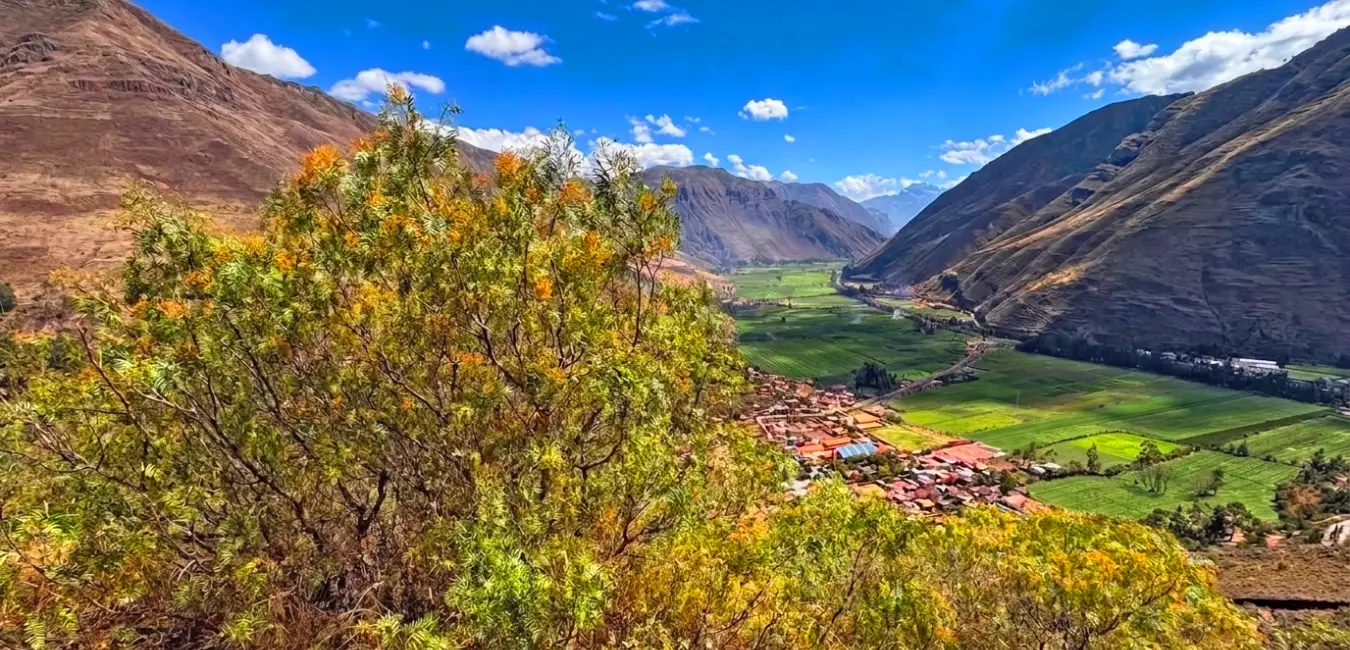
Molle tree: A native species with healing properties
The molle tree (Schinus molle) is an evergreen tree native to the central andes and belongs to the anacardiaceae family. It grows from sea level to elevations of over 3,000 meters (9,840 feet) and typically reaches between 20 and 50 feet (6 - 15 meters) in height, although some specimens can grow taller than 65 feet (20 meters). It is easily recognized by its broad, weeping canopy, fragrant leaves, and distinctive clusters of pink berries.
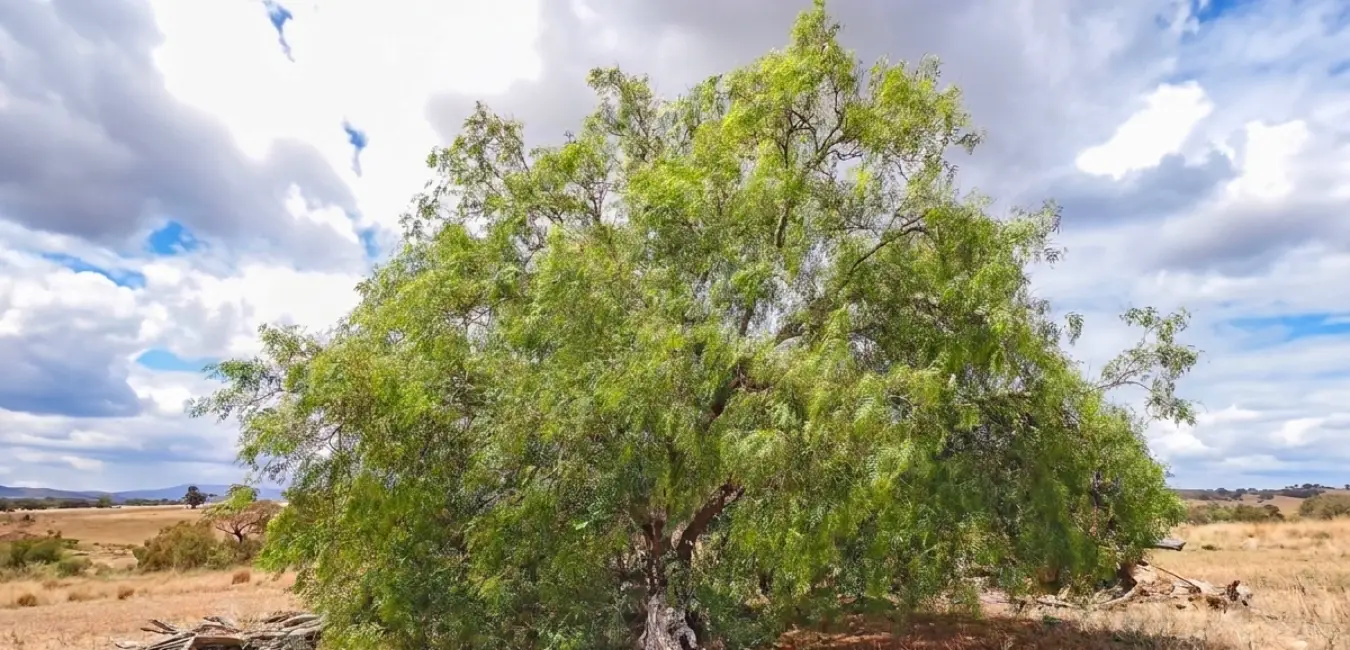
Where does the molle tree grow?
The molle tree grows naturally from Peru to Argentina. Today, it remains an important part of the landscape in places such as the Sacred Valley of the Incas, Arequipa, Moquegua, and many other andean regions, where it has supported local communities for centuries.
Why is it called molle?
The name molle comes directly from the Quechua word "mulli," as Andean communities had known and used this tree long before the arrival of the spanish. Years later, the french botanist Joseph Pitton de Tournefort adopted "Molle" as a generic botanical name. Later, Carl Linnaeus retained the term when he officially described the species in Species Plantarum in 1753.
How to identify a molle tree
Identifying a molle tree is fairly easy if you pay attention to these distinctive features.
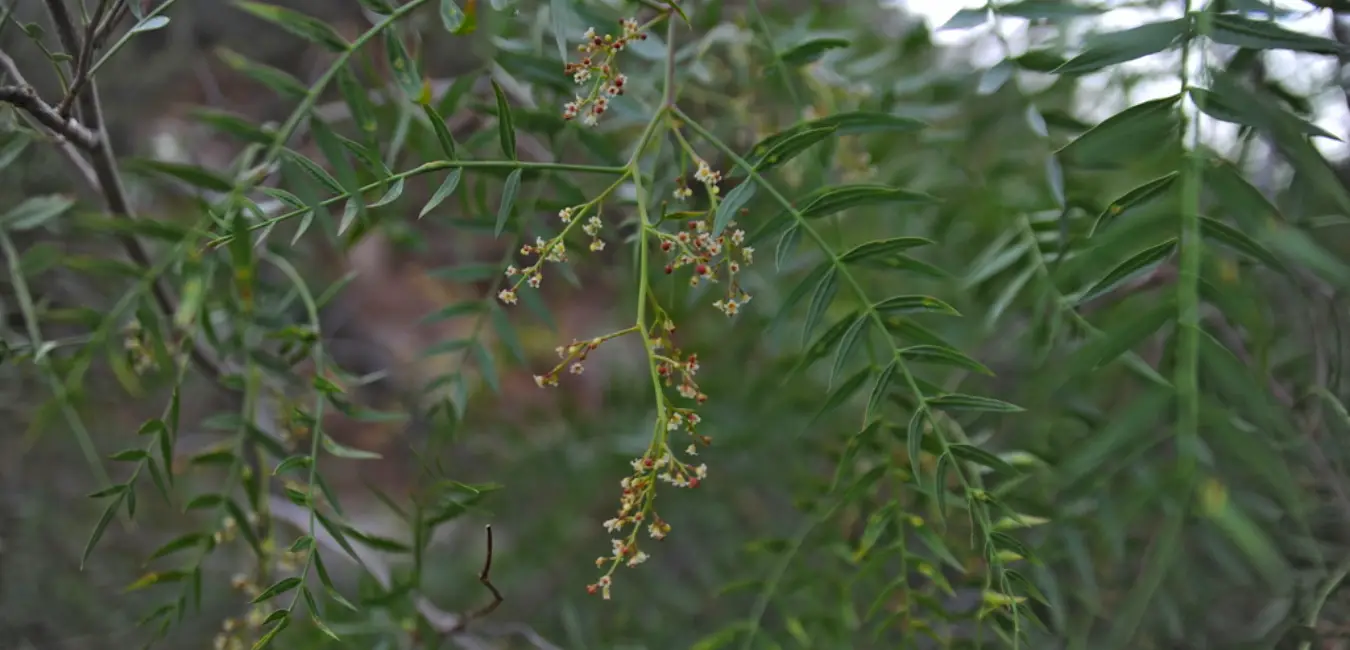
Leaves
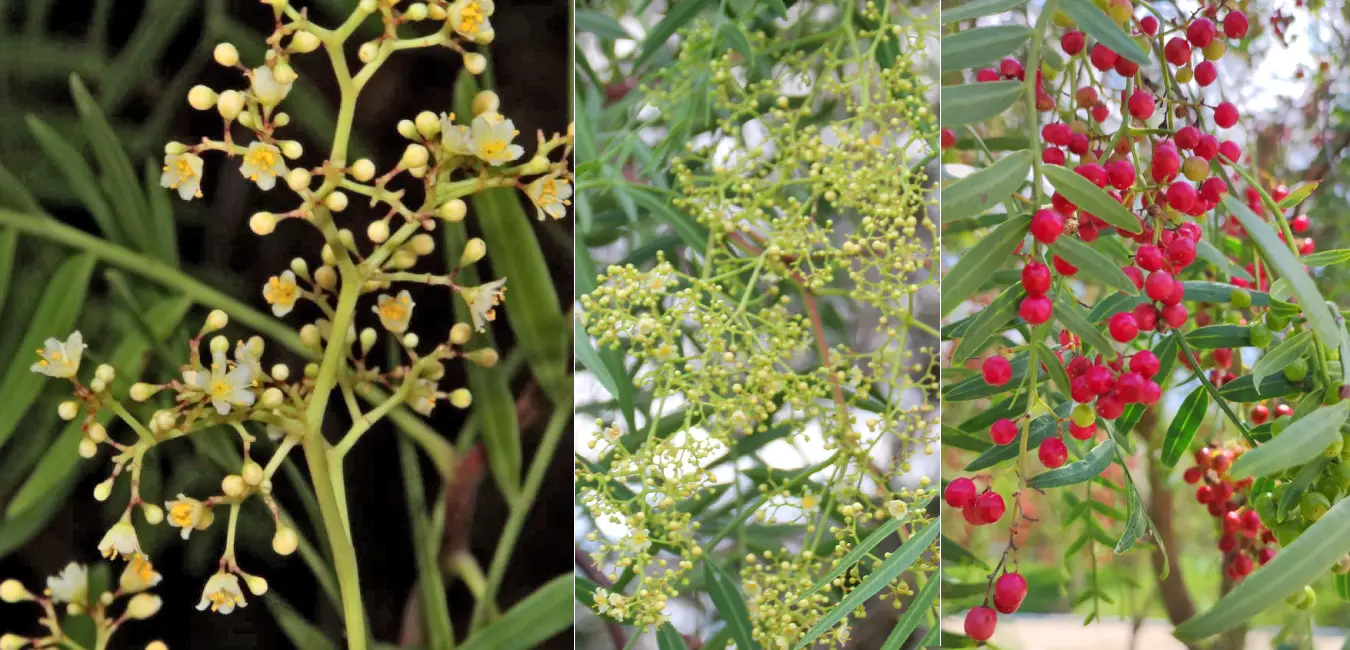
Its long, compound leaves release a strong fragrance with notes of pepper, resin, and citrus when rubbed between your fingers.
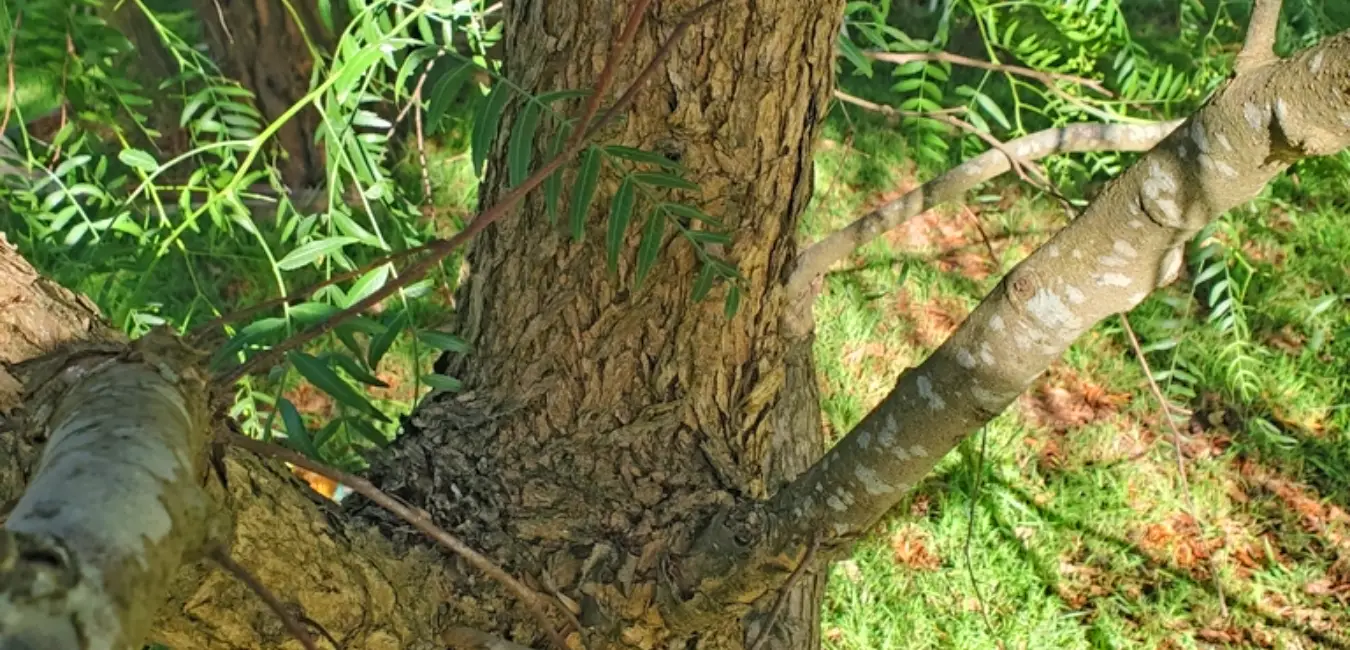
Bark and resin
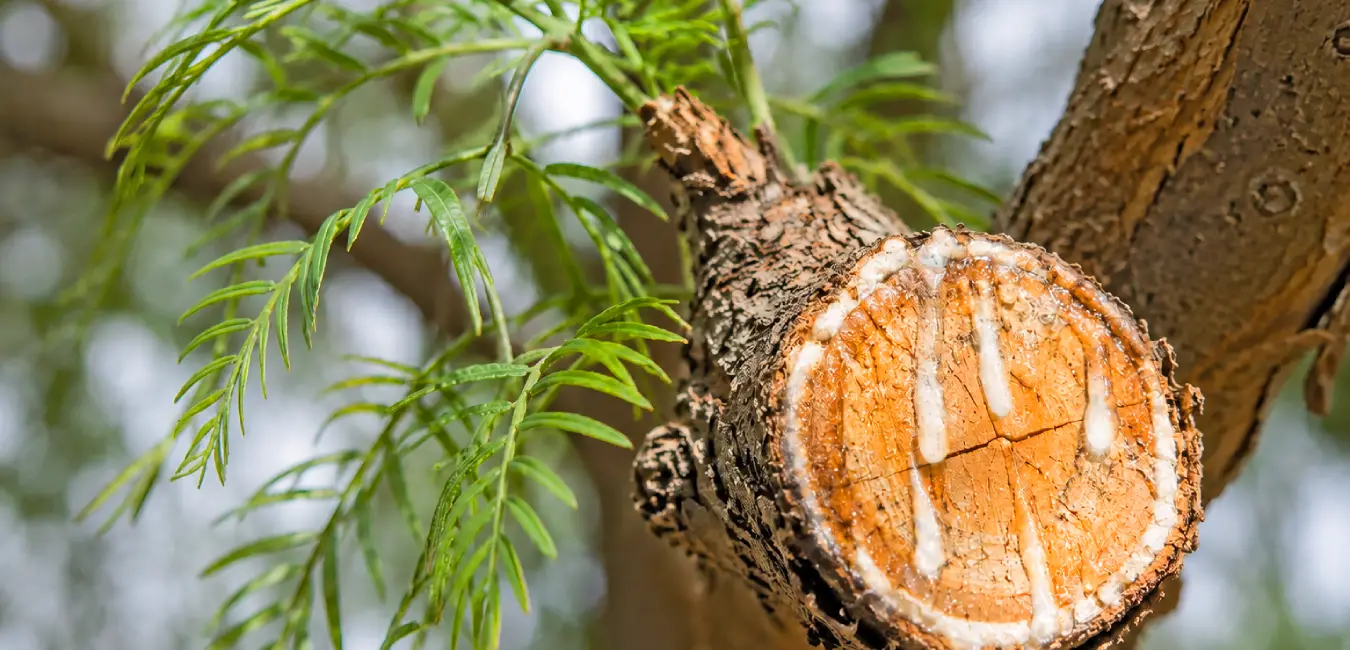
The trunk is covered with grayish brown, cracked, and scaly bark. If the bark is slightly damaged, the tree releases a sticky, translucent resin.
Flowers and fruit
Female trees produce abundant clusters of small pink berries, making them easy to recognize thanks to their vibrant color.
Why is the molle tree important?
The Incas referred to the molle as the "Tree of life" because it provided nearly everything they needed: food, beverages, medicine, resin, firewood, and shade. Its incredible versatility made it an essential resource. Over time, its importance never faded. Instead, the molle remained deeply rooted in andean traditions and even became part of local celebrations and religious practices during the colonial period.
What is the molle tree called in other countries?
Although it is the same species, the molle tree is known by different names depending on the country or region.
- Peru and Bolivia: Molle, mulli, cullash, huigan, and false pepper tree.
- Argentina and Uruguay: Aguaribay, gualeguay, and anacahuita.
- Mexico and Central America: Pirul, pirú, and Peruvian pepper tree.
- Spain: False pepper tree, American pepper tree, and pepper tree.
- English-speaking countries: Peruvian pepper tree, California pepper tree, and pink peppercorn tree.
Medicinal, culinary, and traditional uses of the molle tree
For centuries, the molle tree has played an essential role in andean communities thanks to its remarkable versatility. From traditional medicine to local cuisine and natural dyes, this native tree has been part of everyday life throughout the andes. Here's why the molle remains one of the region's most valuable native species.
Traditional and medicinal uses of the molle tree
Nearly every part of the molle tree has been used in traditional andean medicine for centuries. From its leaves to its resin, each part of the tree has served a unique purpose in different communities.
Leaves
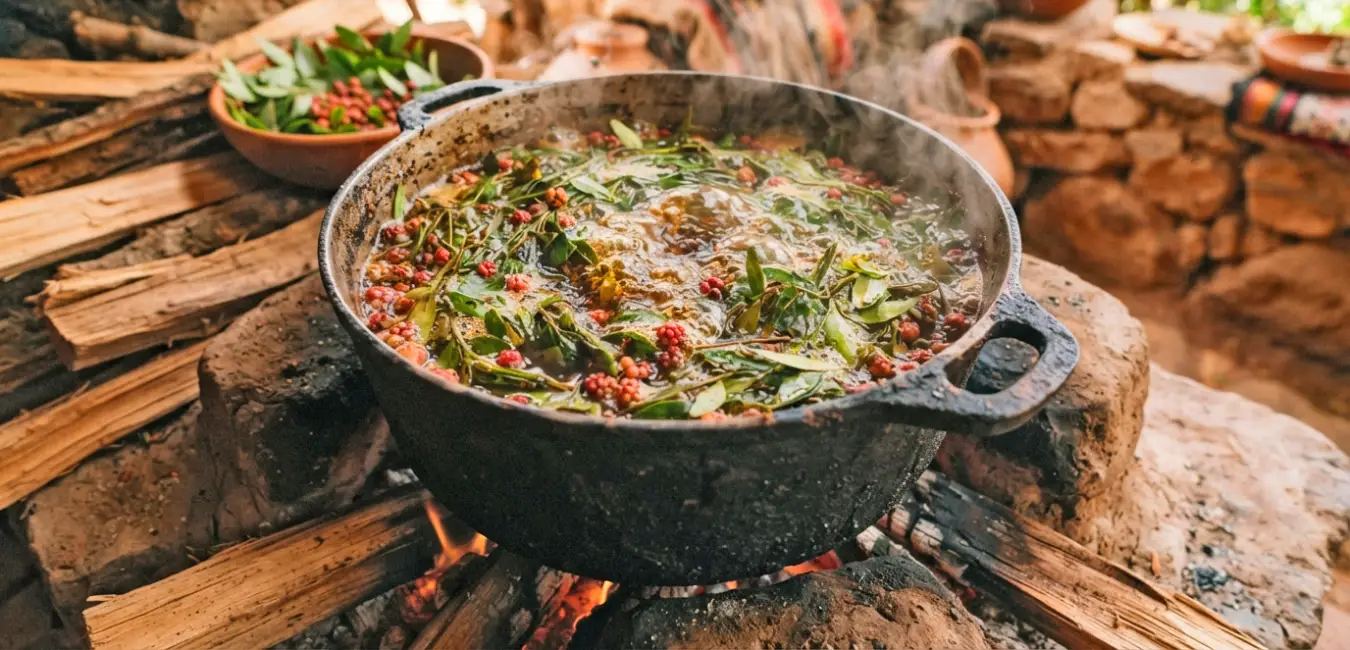
Andean communities prepare herbal baths with the leaves to relieve pain, promote wound healing, and reduce inflammation when applied externally. Once dried in the sun, the leaves are also made into poultices traditionally used to soothe rheumatic pain. In addition, herbal teas and steam infusions made from the leaves have long been used to ease headaches, sore throats, and certain respiratory conditions.
Bark and resin
Traditional medicine attributes tonic, antispasmodic, and healing properties to the bark. Likewise, andean communities traditionally applied the resin to cavities and gums to relieve toothaches. During pre - hispanic times, this resin also played an important role in ceremonial practices and helped preserve certain materials.
Fruit
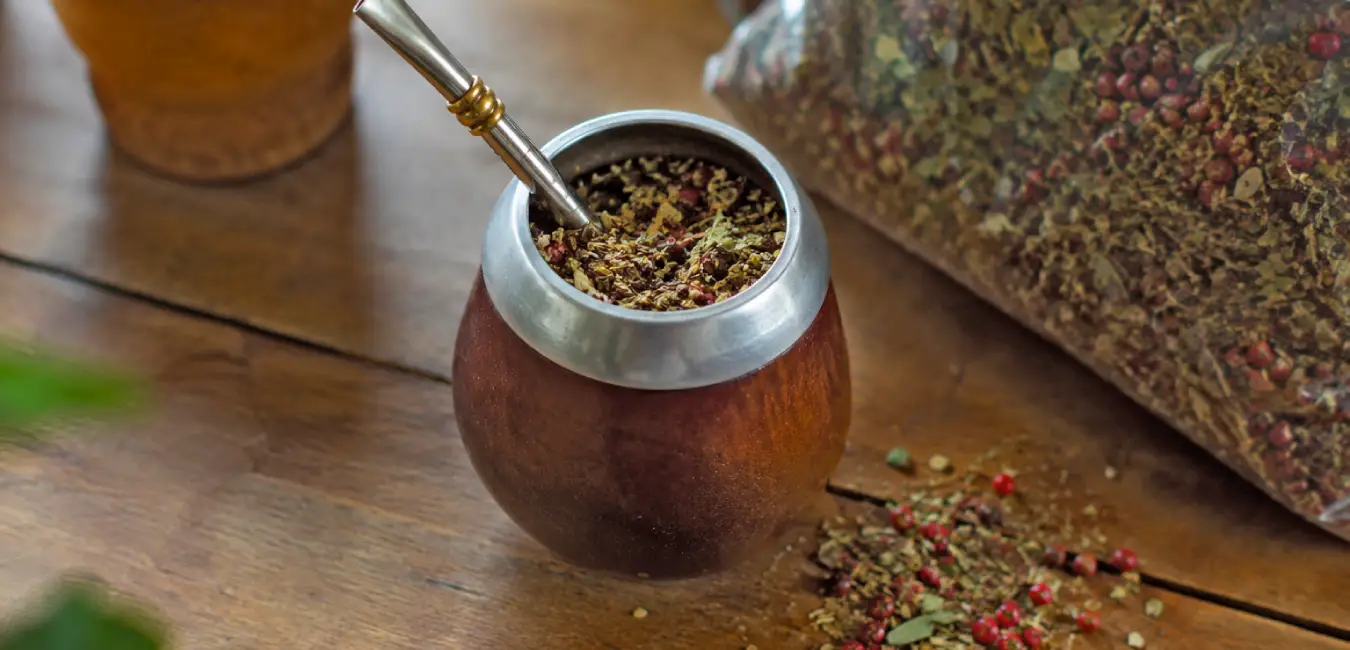
Traditionally, andean communities prepare an infusion from the fresh berries because of their natural diuretic properties, which may help reduce fluid retention. In addition, remedies made from the berries and bark have traditionally been used to relieve digestive discomfort, diarrhea, and rheumatic pain.
Other uses of the molle tree
The molle tree is valued for much more than its medicinal properties. Throughout history, it has also played an important role in cooking, agriculture, and traditional craftsmanship.
Pink peppercorn: The spice that isn't actually pepper
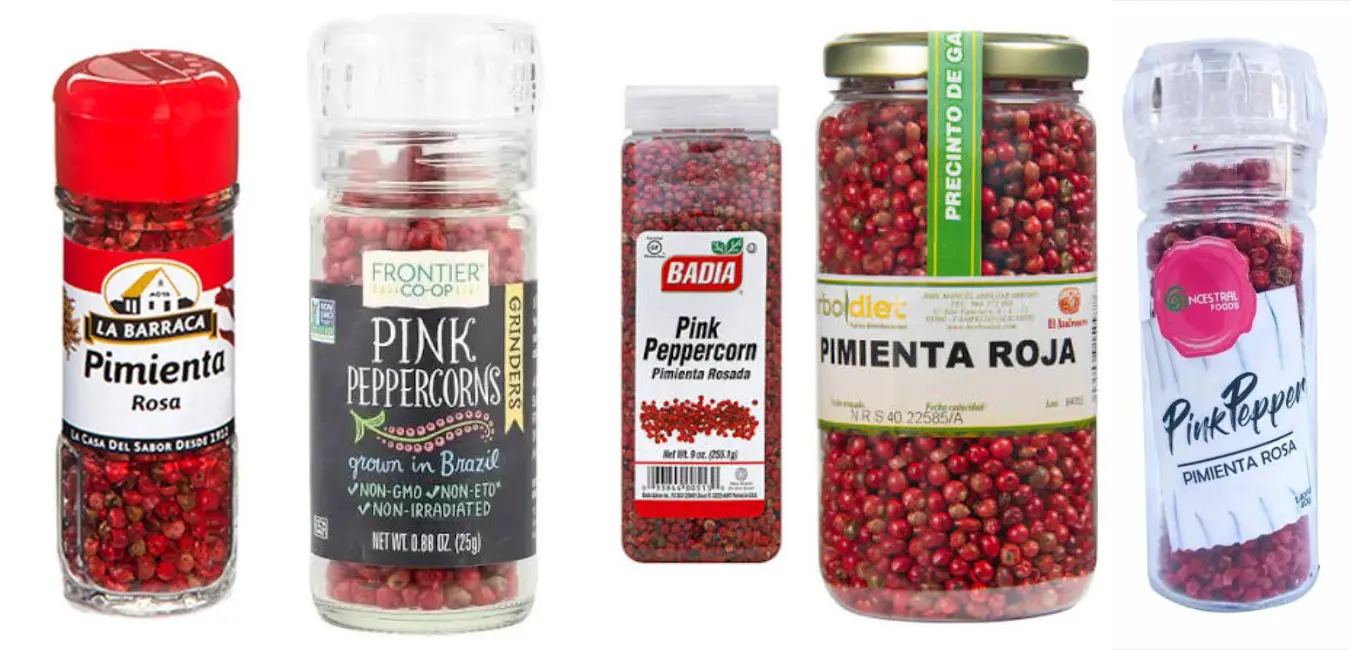
Today, gourmet chefs use dried molle berries as pink peppercorns because of their delicate flavor with citrus and resinous notes. However, despite their name and appearance, these berries do not belong to the same botanical family as black pepper.
Molle chicha: The ancient drink rediscovered by archaeologists
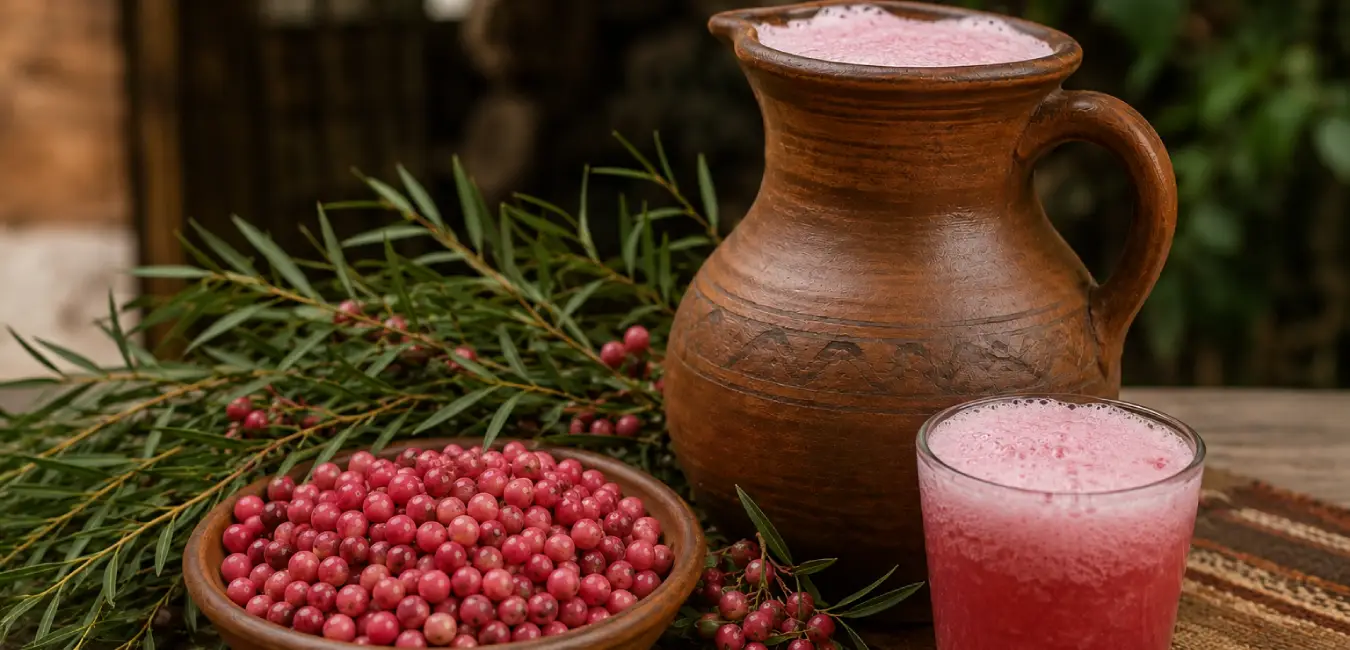
At the archaeological site of Cerro Baúl in Moquegua, archaeologists uncovered an ancient Wari brewery dating from A.D. 600 to 1000. They found thousands of molle seeds along with vessels used for grinding, cooking, and fermentation. Thanks to these discoveries, researchers now know that the berries were used to brew chicha for ceremonial events and large community feasts.
Natural insect repellent
Molle essential oil has demonstrated insecticidal and repellent properties, particularly against certain mosquito species. Even today, many andean families place branches of the tree inside grain storage areas and potato and corn warehouses to keep pests away. As a result, the molle tree continues to be valued as a traditional natural biopesticide in rural communities.
Natural dye for textiles
Boiling the bark and leaves produces a natural yellow dye. When alum is added as a mordant, the color permanently bonds to wool and other natural fibers. For this reason, many andean weaving workshops continue to use molle alongside other natural dyes such as cochineal, walnut, and chilca.
Comparison table: Pink peppercorn vs. Black pepper
Criteria | Molle (peruvian pink peppercorn) | Brazilian pink peppercorn | Black pepper |
| Scientific name | Schinus molle | Schinus terebinthifolius | Piper nigrum |
| Family | Anacardiaceae | Anacardiaceae | Piperaceae |
| Native range | Central andes (Peru and neighboring countries) | Brazil and eastern South America | Malabar Coast, India |
| Plant type | Evergreen tree with weeping branches | Evergreen tree or shrub | Tropical climbing vine |
| Part used | Dried pink drupe | Dried pink drupe | Green, black, or white berry |
| Flavor | Sweet, resinous, citrusy, and mildly spicy | Similar, but slightly sweeter | Bold, spicy flavor due to piperine |
| Is It true pepper? | No, only because of its resemblance | No, only because of its resemblance | Yes, it is true botanical pepper |
| Allergy risk | Higher: shares allergens with cashews and mangoes | Higher: belongs to the same botanical family | Low for the general population |
Interesting facts and benefits of the molle tree
The story of the molle tree goes far beyond its traditional uses. Discover where you can find it, why it plays such an important role in nature, and the fascinating facts that make it one of the andes' most remarkable native species.
Important precautions about the molle tree
Although the molle tree offers many benefits, it's important to be aware of a few precautions before using it.
- Skin contact: The sap may cause dermatitis or skin irritation in sensitive individuals.
- Pollen: During the flowering season, the tree's pollen and airborne particles may trigger allergic reactions or respiratory discomfort in some people.
- Excessive consumption: Eating large quantities of the berries may cause gastrointestinal discomfort, especially in children.
- Cross reactive allergies: If you are allergic to cashews, mangoes, or other members of the anacardiaceae family, you should avoid consuming pink peppercorns.
- Ecological impact: Within the Andes, the molle tree is a valuable native species. However, outside its natural range, it can become invasive, as has occurred in South Africa, Australia, Florida, and Hawaii.
Where can you see molle trees during your trip to Peru?
If you're traveling through the Peruvian Andes, you'll find molle trees growing in a variety of natural and historic landscapes.
- Sacred Valley of the Incas: The tree grows alongside farmland, ancient trails, and Inca terraces between Pisac and Ollantaytambo.
- Arequipa Countryside: The molle tree is part of the region's agricultural landscape, growing alongside irrigation canals, farmland, and centuries old trees.
- Colca Canyon: In the lower, warmer areas of the canyon, molle trees thrive alongside the region's famous agricultural terraces.
- Moquegua and Tacna: Besides growing throughout these valleys, the region preserves the history of the famous molle chicha once brewed by the Wari civilization.
- Historic plazas and parks: Many andean towns still preserve centuries-old molle trees that have provided shade for generations.
Fascinating facts about the molle tree
Beyond its historical and ecological importance, the molle tree has plenty of surprising characteristics.
- It can live for more than 100 years.
- It withstands long periods of drought thanks to its extensive root system.
- A single tree can produce thousands of berries during one growing season.
- In the past, andean communities used its wood to make farming tools.
- Its fragrance changes slightly during the dry season.
- It tolerates urban pollution exceptionally well, making it a popular choice for parks and city streets.
- It grows rapidly during its first years of life.
- It can even thrive in rocky, sandy, or nutrient-poor soils.
Ecological importance of the molle tree
The molle tree plays a vital role in andean ecosystems by supporting biodiversity and helping maintain ecological balance. It is also recognized as one of the native plants of Cusco.
- Protects the soil: Its roots stabilize dry hillsides and fragile terrain, helping reduce erosion.
- Supports pollinators: Its flowers attract bees, butterflies, and other insects that are essential for plant reproduction.
- Captures carbon: Throughout its lifetime, the tree absorbs carbon dioxide (CO₂), contributing to cleaner air.
- Provides shade: Its broad canopy creates small microhabitats that help retain soil moisture and support other plant species.
- Provides habitat for birds: Its branches offer safe nesting sites, while its berries provide food for a variety of bird species.
The molle tree is much more than an ornamental species. For centuries, it has supported andean communities by providing food, medicine, shade, and cultural value. Today, it continues to shape the landscapes of places like the Sacred Valley, Arequipa, and Moquegua, reminding us of the importance of protecting the native species that keep Peru's ecosystems thriving.
Frequently asked questions about the molle tree
Is it safe to drink molle tea every day?
We do not recommend drinking molle tea daily without guidance from a qualified healthcare professional. Although it has a long history of traditional use, there are no clinical studies confirming safe dosages for long term consumption, and the tree contains compounds that may trigger allergic reactions in sensitive individuals.
How long does a molle tree take to grow?
The molle tree grows relatively quickly and can live for well over a century. It is highly drought tolerant and adapts well to poor soils, making it an excellent choice for dry hillsides and environments where many other tree species struggle to survive.
Does the molle tree really work as a natural insect repellent?
Laboratory studies have shown that molle essential oil has insecticidal and insect repelling properties. Its traditional use in agricultural storage areas also supports these findings. However, it should not be considered a substitute for EPA approved insect repellents when protection against mosquito borne diseases such as dengue or malaria is needed.
Is the molle tree a good choice for reforestation?
Within its native Andean range, absolutely. The molle tree provides excellent ground cover, shade, and erosion control while requiring very little water. Outside its natural habitat, however, it can outcompete native vegetation and is considered an invasive species in several parts of the world.