
Andean elder tree is much more than a native tree of Peru. Its flowers, berries, and wood have supported andean communities for generations and continue to attract the attention of researchers, travelers, and nature enthusiasts alike. In this guide, you'll discover why the andean elder tree is so important, explore its traditional uses and benefits, and learn why it remains a vital part of andean ecosystems.
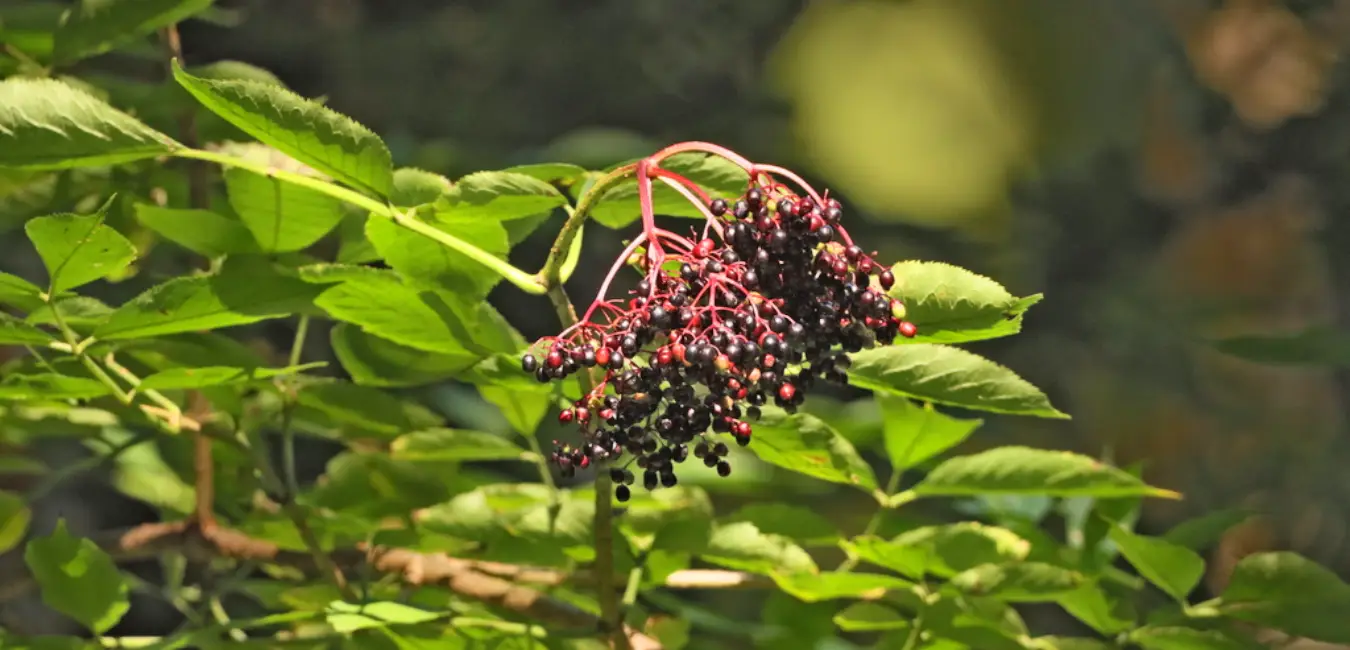
Andean elderberry, the medicinal tree of the andes you should know
Andean elderberry is much more than a medicinal tree. In this guide, you'll learn how to identify it, the best time to see it in bloom or covered with fruit, how to consume it safely, its traditional medicinal and culinary uses, and the important role it plays in ecological restoration and Andean culture.
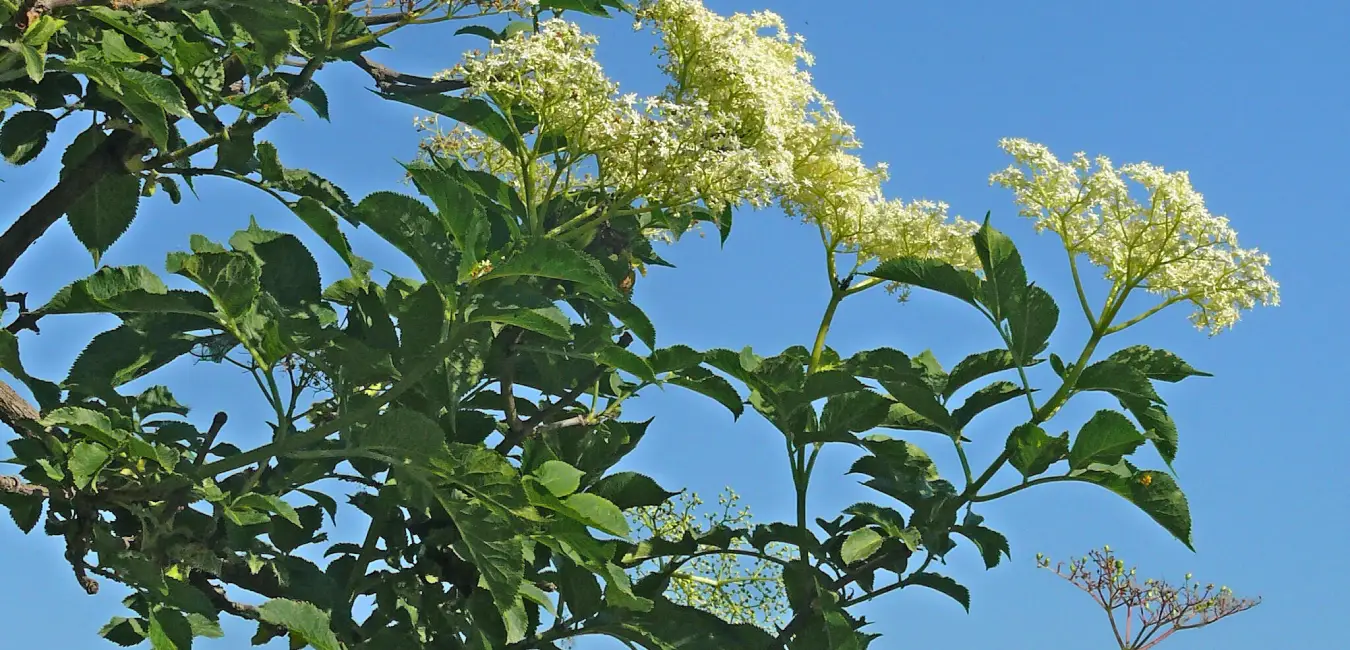
What is the andean elderberry and what is its scientific name?
This native andean tree or shrub is scientifically known as sambucus peruviana kunth. It belongs to the Viburnaceae family (formerly classified under Adoxaceae and, even earlier, Caprifoliaceae). In Quechua, it is called rayan or rayán, while in Argentina it is commonly known as kiola. In Peru, Bolivia, and Colombia, however, it is simply referred to as elderberry.
Key facts about the andean elderberry
Key fact | Andean elderberry |
| Scientific name | Sambucus peruviana Kunth |
| Botanical family | Viburnaceae (formerly Adoxaceae / Caprifoliaceae) |
| Common names | Elderberry, rayan (Quechua), tilo, kiola (Argentina) |
| Native range | Native to Central America and the Andean regions of South America |
| Distribution | From Costa Rica and Panama to northwestern Argentina |
| Tree height | Typically 3 - 8 m (10 - 26 ft); occasionally up to 10 - 12 m (33 - 39 ft) |
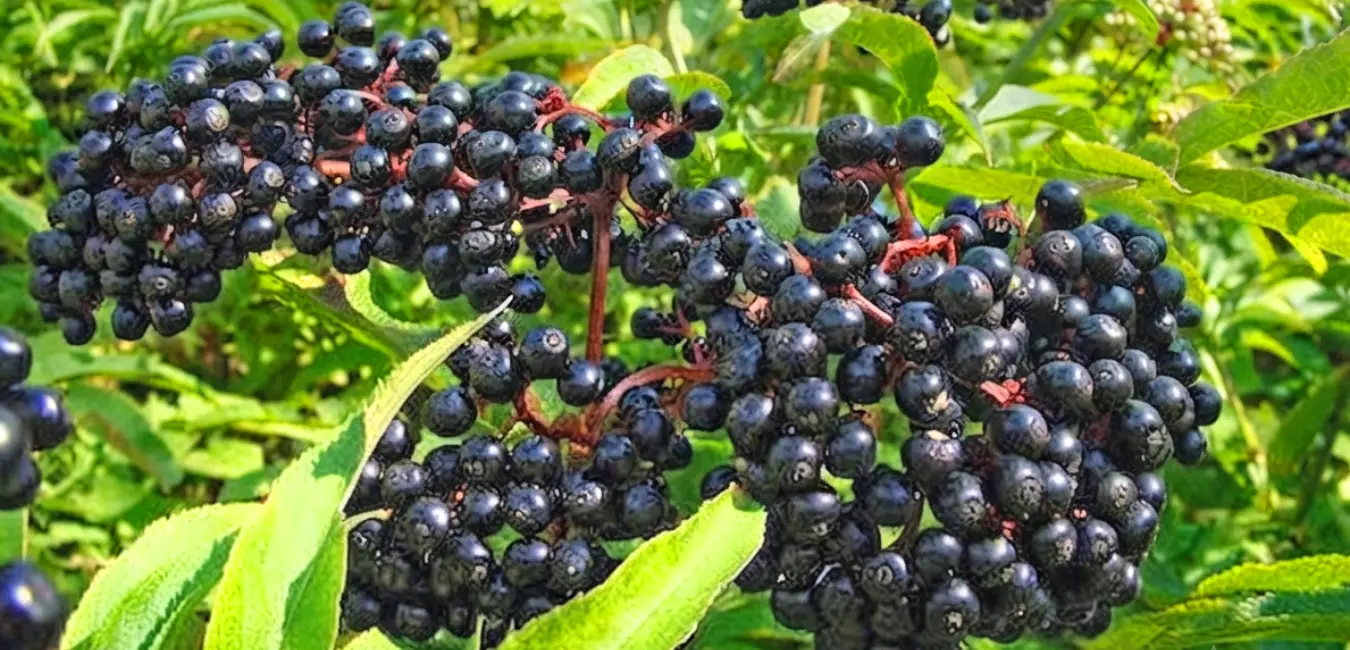
| Fruit type | Dark purple black berry, approximately 1.2 cm (0.5 in) in diameter |
Key characteristics for identification
The Andean elderberry is not the same species as the European elderberry (Sambucus nigra). Although they are closely related and share similar traditional uses, they differ in appearance, aroma, and natural habitat.
Differences between the andean and european elderberry
Feature | Andean elderberry (Sambucus peruviana) | European ederberry (Sambucus nigra) |
| Origin | Native to the Andes of the Americas | Europe, Western Asia, and North Africa |
| Distribution | From Central America to northwestern Argentina | Europe and temperate regions around the world |
| Elevation | Mainly between 2,800 and 3,900 m (9,186 - 12,795 ft) | Generally found in lowlands and temperate climates |
| Habitat | Inter-Andean valleys, irrigation canals, and orchards | Woodlands, hedgerows, and roadsides |
| Traditional uses | Andean traditional medicine, food, and agroforestry | European herbal medicine and culinary uses |
| Scientific name | Sambucus peruviana | Sambucus nigra |
What elevation does the andean elderberry grow at in Peru?
This species has been cultivated since pre Hispanic times in the same elevation range where many Quechua communities of Cusco, Ancash, and Junín have lived for centuries.
Elevation range of the andean elderberry
Elevation range | Growing conditions | Characteristics |
| 1,200 - 2,000 m (3,937 - 6,562 ft) | Cultivated in warm inter, Andean valleys | Fast growth but lower fruit production |
| 2,000 - 2,800 m (6,562 - 9,186 ft) | Common in small farms and home gardens | This is where you'll find the most productive elderberry trees |
| 2,800 - 3,900 m (9,186 - 12,795 ft) | Primary natural growing range | Typical elevation for trekking routes around Cusco and Arequipa |
| 3,900 - 4,000 m (12,795 - 13,123 ft) | Upper elevation limit; found only in protected cultivated areas | Scattered specimens with a smaller growth habit |
Things to know about the andean elderberry
The andean elderberry requires consistent moisture, which is why local communities traditionally plant it along farm boundaries, irrigation canals, and in family gardens. If you're hiking through an Andean valley and notice a row of elderberry trees, you're probably following the path of a pre Hispanic or colonial irrigation canal.
When does the andean elderberry bloom?
The flowering season varies depending on elevation, climate, and water availability. Across much of the Peruvian Andes, blooming typically begins in late November and continues through December.
When does the andean elderberry produce fruit?
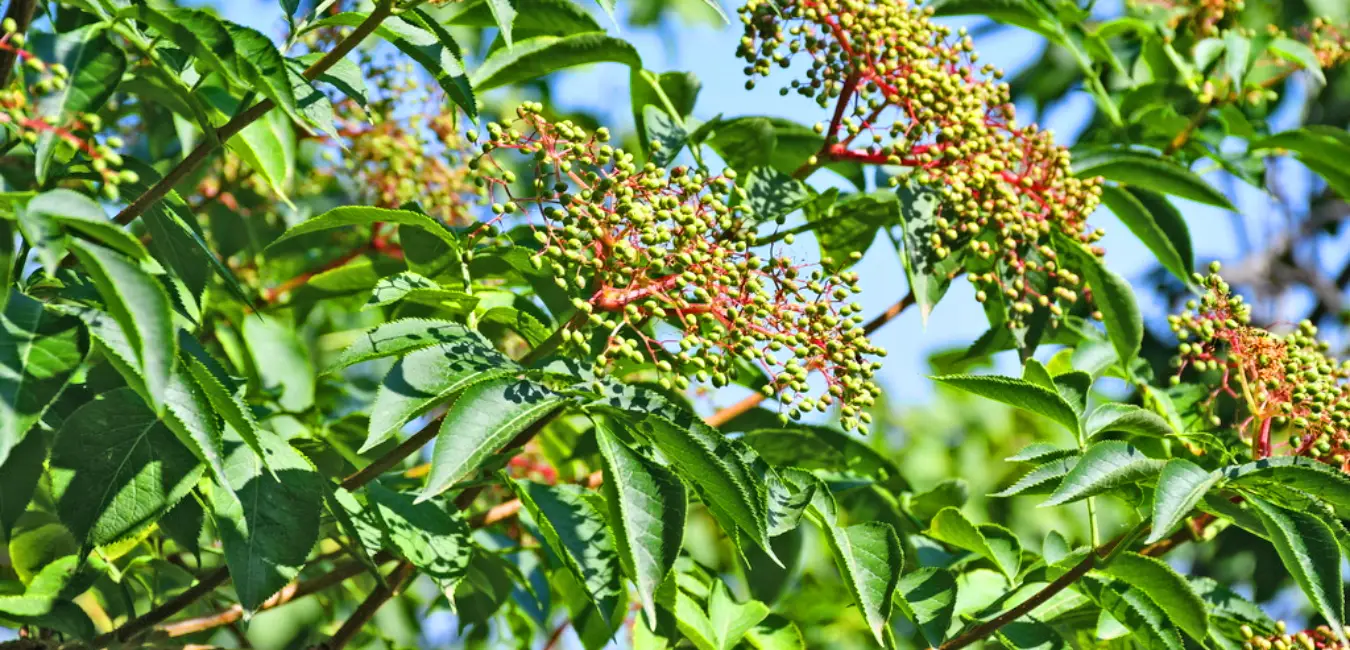
After flowering, the berries begin to develop and usually reach full ripeness between January and March.
What's the best time to see the andean elderberry?
If you'd like to see the tree covered in white blossoms, plan your visit between November and December. If you prefer to see branches loaded with ripe berries, the best time is between January and March. In inter, Andean valleys with year round irrigation, it's possible to find trees flowering or fruiting at other times of the year as well.
How long does an andean elderberry take to grow?
The Andean elderberry is considered a fast growing species. With adequate moisture, fertile soil, and plenty of sunlight, it can reach several meters in height within just a few years. Although its growth rate depends on climate, elevation, and cultivation practices, its rapid development makes it a popular choice for living fences, ecological restoration projects, and agroforestry systems.
Andean elderberry characteristics for easy identification
A skilled explorer doesn't memorize plant names they learn how to read the plant itself. The best way to tell one species from another is by recognizing its most distinctive features. That's why I recommend observing the Andean elderberry one part at a time.
How to quickly identify an andean elderberry tree
Forget about memorizing scientific names. The easiest way to identify an andean elderberry is by recognizing its leaves, flowers, berries, and other distinctive characteristics. Here's how to identify it step by step.
Growth habit and trunk
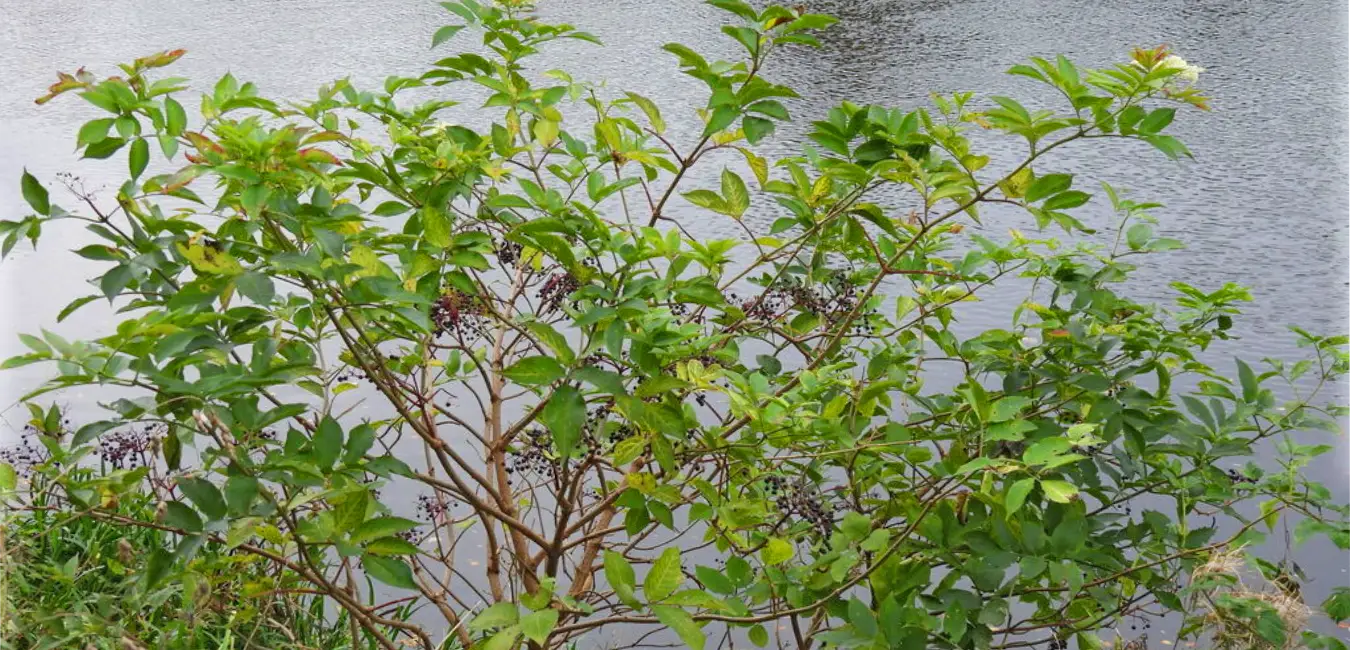
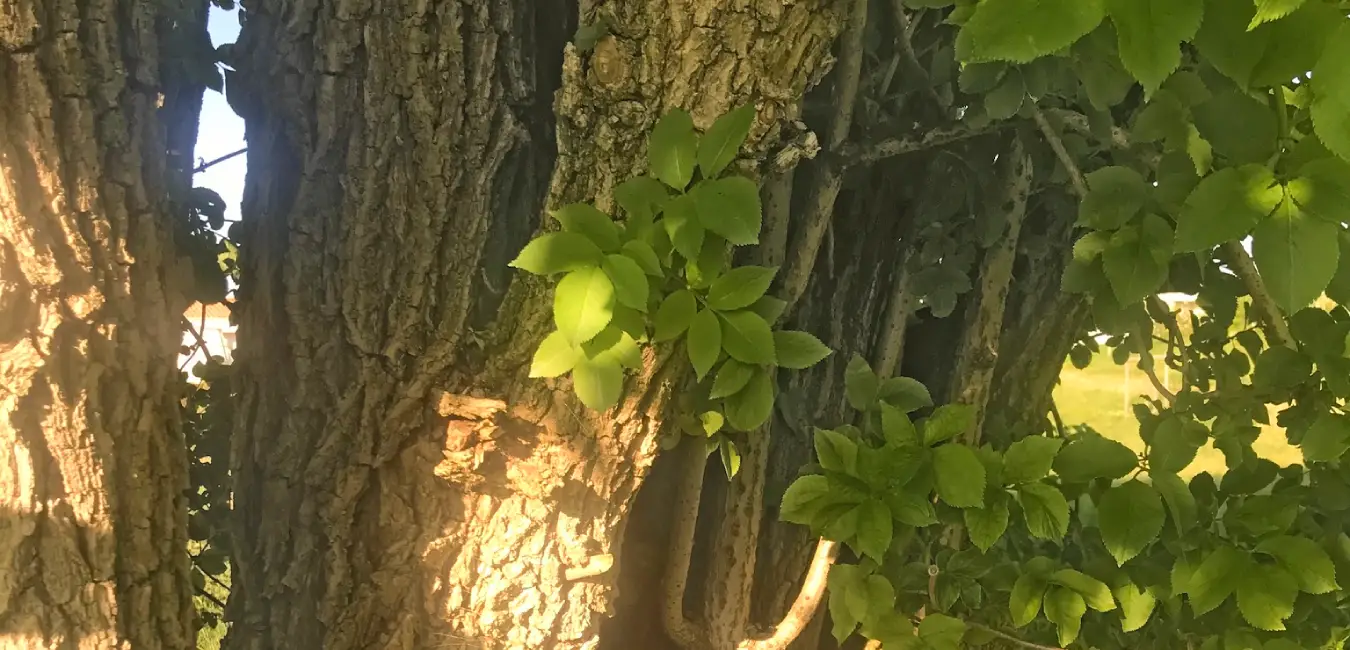
The andean elderberry grows as either a large shrub or a small, fast growing tree. It typically reaches 3 to 8 meters (10 - 26 ft) in height, although under ideal conditions it can grow up to 10 or even 12 meters (33 - 39 ft). Its trunk is irregular and often branches from the base, with grayish, cracked bark.
Leaves
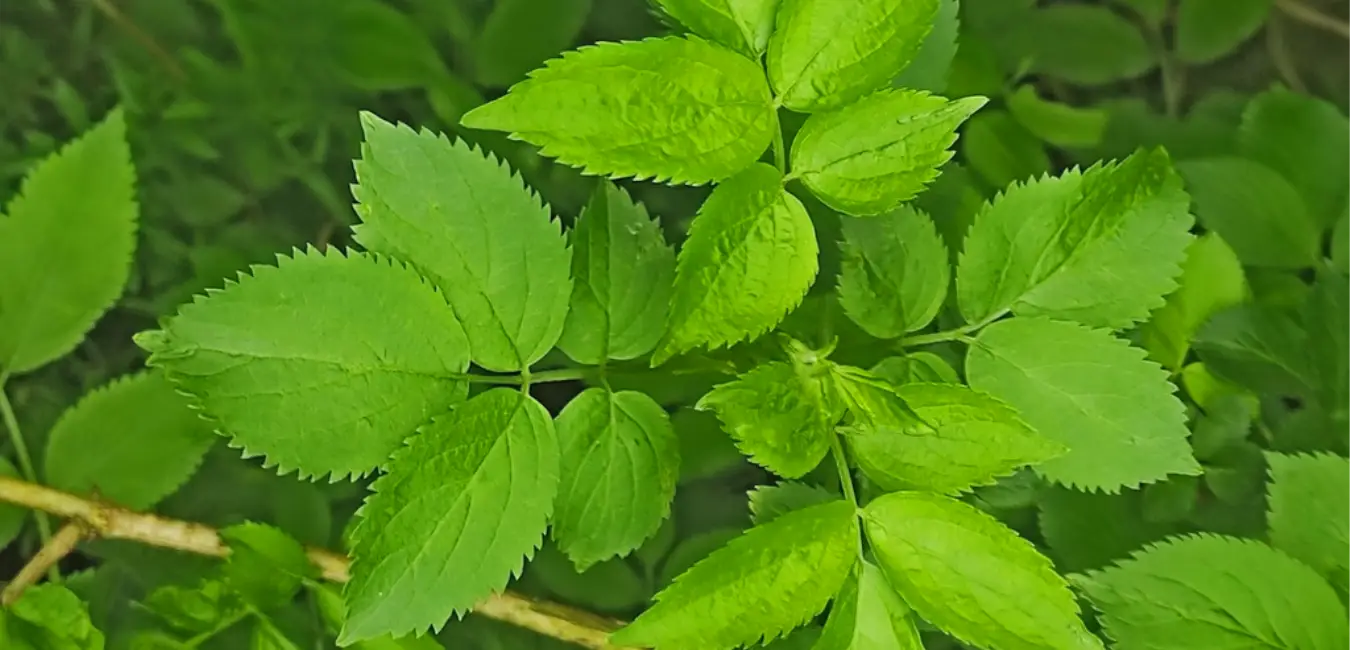
The leaves are compound, with 7 to 9 leaflets. Look for three unmistakable features: serrated edges (tiny saw like teeth), a pointed tip, and a slightly fuzzy underside. When crushed or rubbed, the leaves release a strong herbal aroma that many people describe as "green and slightly bitter."
Flowers
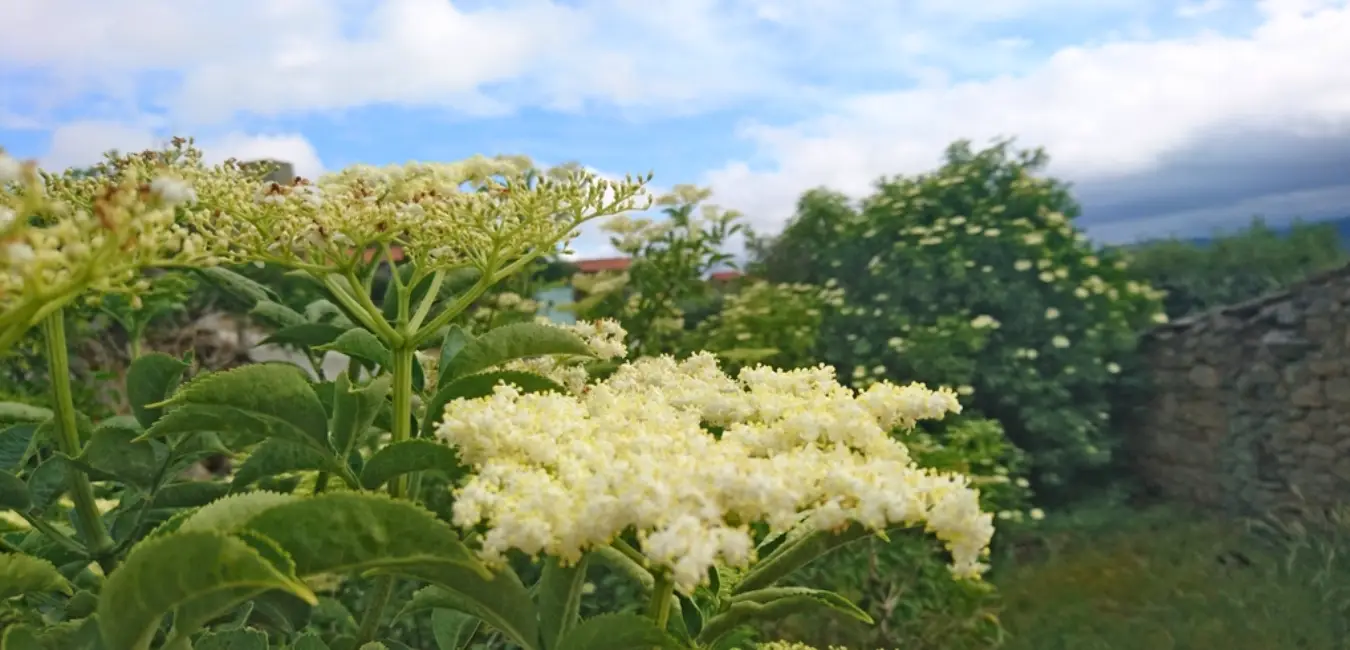
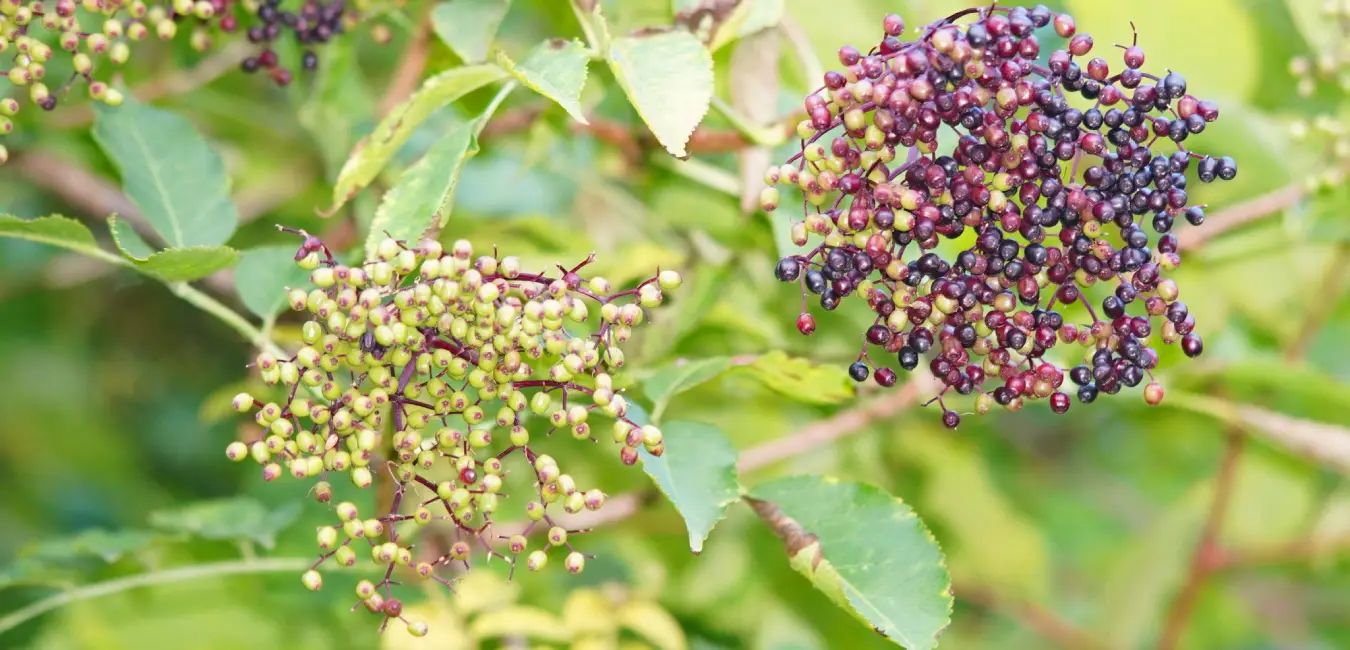
The white, fragrant flowers grow in large flower clusters measuring about 18 - 22 cm (7 - 9 in) across. When an elderberry tree is in bloom, it looks like a white cloud rising above the green Andean landscape. These blossoms also attract bees, butterflies, and birds, making the tree an important source of biodiversity.
Berries
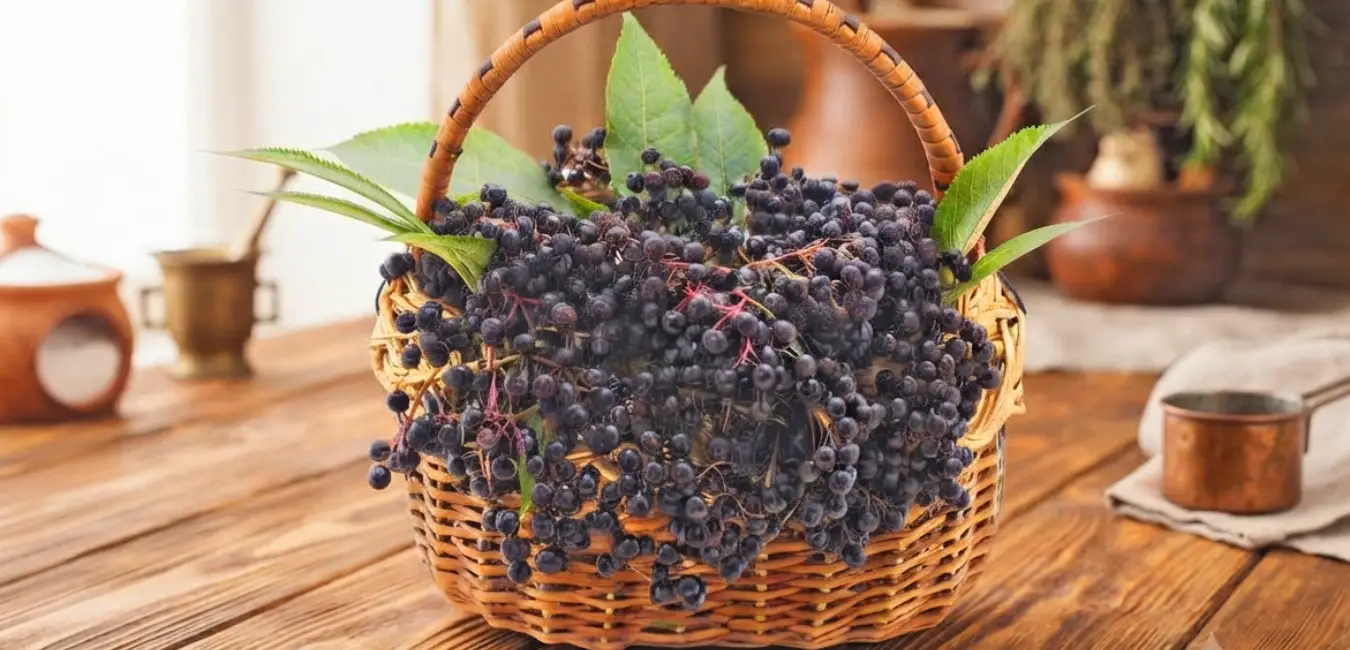
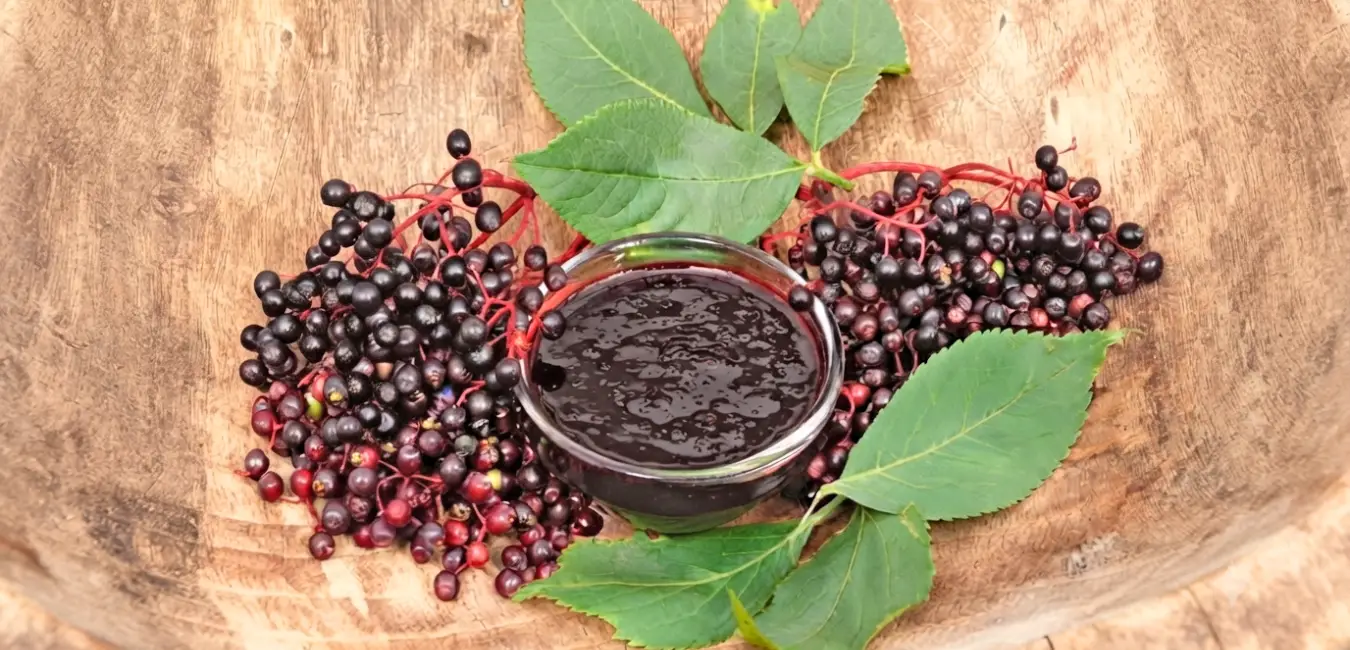
The fruit consists of round, dark purple to nearly black berries, about 1.2 cm (0.5 in) in diameter, each containing 3 to 5 seeds. They ripen in hanging clusters and stain your fingers a deep purple when crushed. That rich color isn't just for looks it's produced by anthocyanins, the powerful antioxidant compounds that give the berries much of their nutritional value.
Did you know?
The andean elderberry shares its mountain habitat with other native species such as the molle tree, chachacomo, quishuar, and queuña. Together, they represent an important part of the rich biodiversity of Cusco's native plants.
Andean elderberry properties
The andean elderberry's value comes mainly from three parts of the plant: its flowers, ripe berries, and leaves, which are traditionally used for external applications. Each contains different beneficial compounds.
Active compounds found in the andean elderberry
Plant Part | Main compounds | Traditional use |
| Flowers | Flavonoids, mucilage, essential oils, and phenolic compounds | Traditionally used to promote sweating and support respiratory health |
| Ripe berries | Anthocyanins (cyanidin - 3 - glucoside), vitamin C, fiber, and minerals | Antioxidant activity |
| Leaves | Flavonoids, glycosides, and high in vitro antioxidant activity | Traditional external use (poultices) |
| Bark and seeds | Sambunigrin and other cyanogenic glycosides | TOXIC: Not safe for consumption |
The antioxidant secret behind andean elderberries
Anthocyanins are the natural pigments responsible for the berries' deep purple color, and they also act as powerful antioxidants. In fact, cyanidin 3 glucoside is the dominant anthocyanin found in the fruit. This is one of the reasons Andean elderberries are now considered one of the Andes' emerging superfruits, alongside golden berries (aguaymanto).
Health and environmental benefits of the andean elderberry
It's important to be honest here. The andean elderberry has a long history of traditional use backed by generations of experience. However, modern scientific evidence is stronger for some claimed benefits than for others. Below, we've clearly separated traditional knowledge from what current research supports.
Traditional uses of andean elderberry in the andes
- Traditional diuretic: Traditionally used to help promote fluid elimination and support urinary tract health.
- Digestive support: Historically, the leaves and bark have been used as a natural purgative in traditional medicine.
- Emotional well being: Ripe berries have traditionally been consumed to promote relaxation and help ease feelings of nervousness.
- Cardiovascular health: In traditional folk medicine, elderberry has been associated with supporting healthy cholesterol levels and helping prevent kidney stones.
- Rich in nutrients: The berries provide vitamin C, calcium, phosphorus, and antioxidant compounds.
- Fluid retention: Root infusions have traditionally been used to help the body eliminate excess fluids.
- Skin care: Compresses made from fresh flowers have traditionally been used to soothe mild skin inflammation and irritation.
Safety precautions when consuming andean elderberry
Did you know that the leaves, bark, stems, seeds, and unripe or raw berries contain cyanogenic glycosides, primarily sambunigrin? When these compounds break down during digestion, they release hydrogen cyanide, a toxic substance commonly known as cyanide.
How to safely consume andean elderberry
- Flowers: Can be consumed fresh or cooked, especially in teas, syrups, desserts, and other recipes.
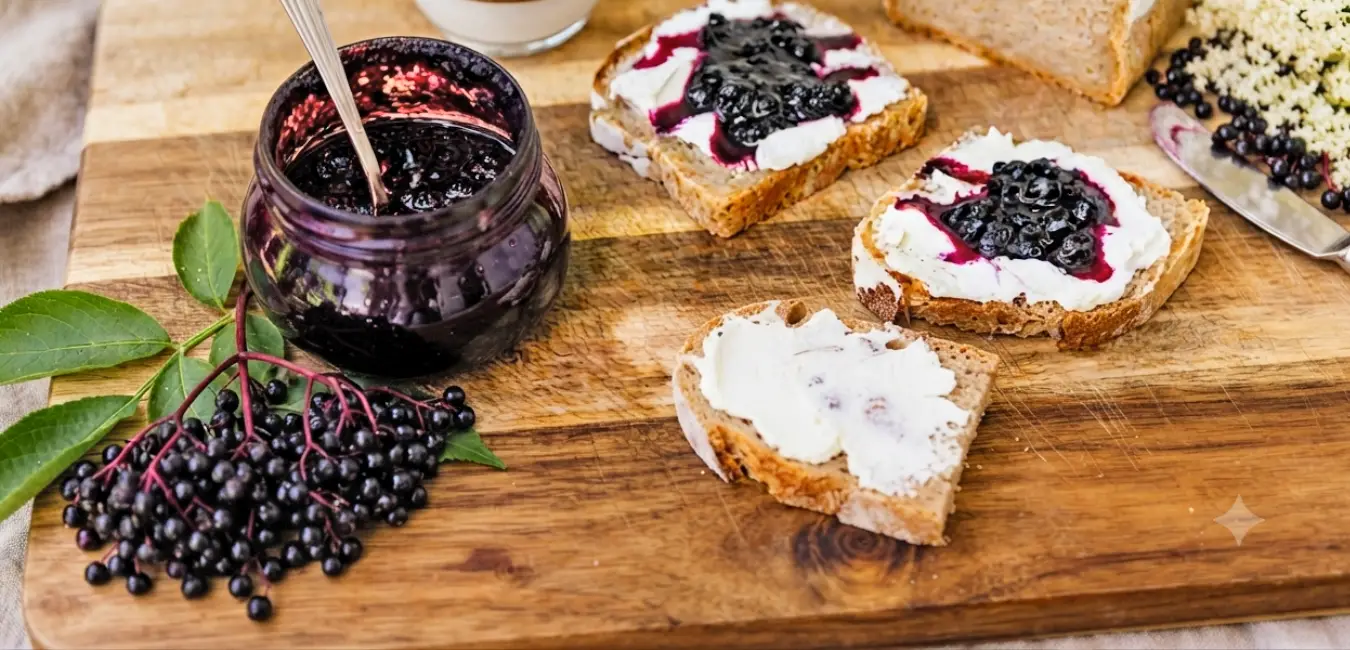
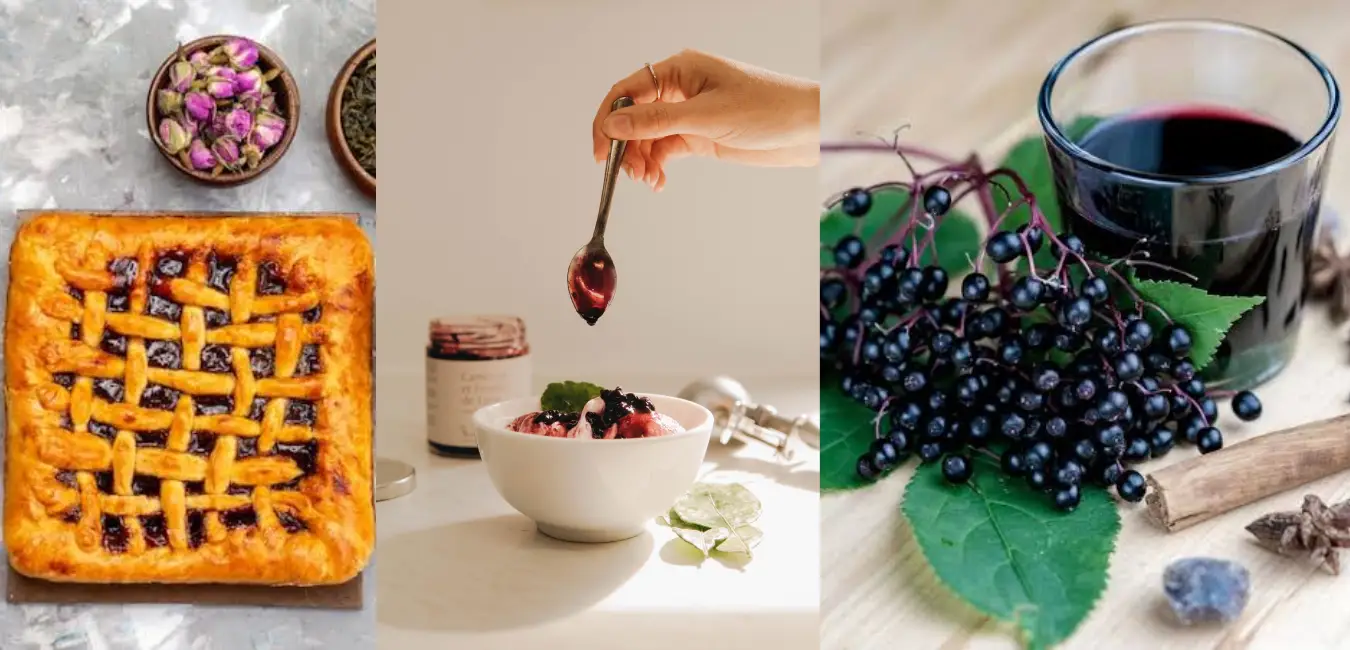
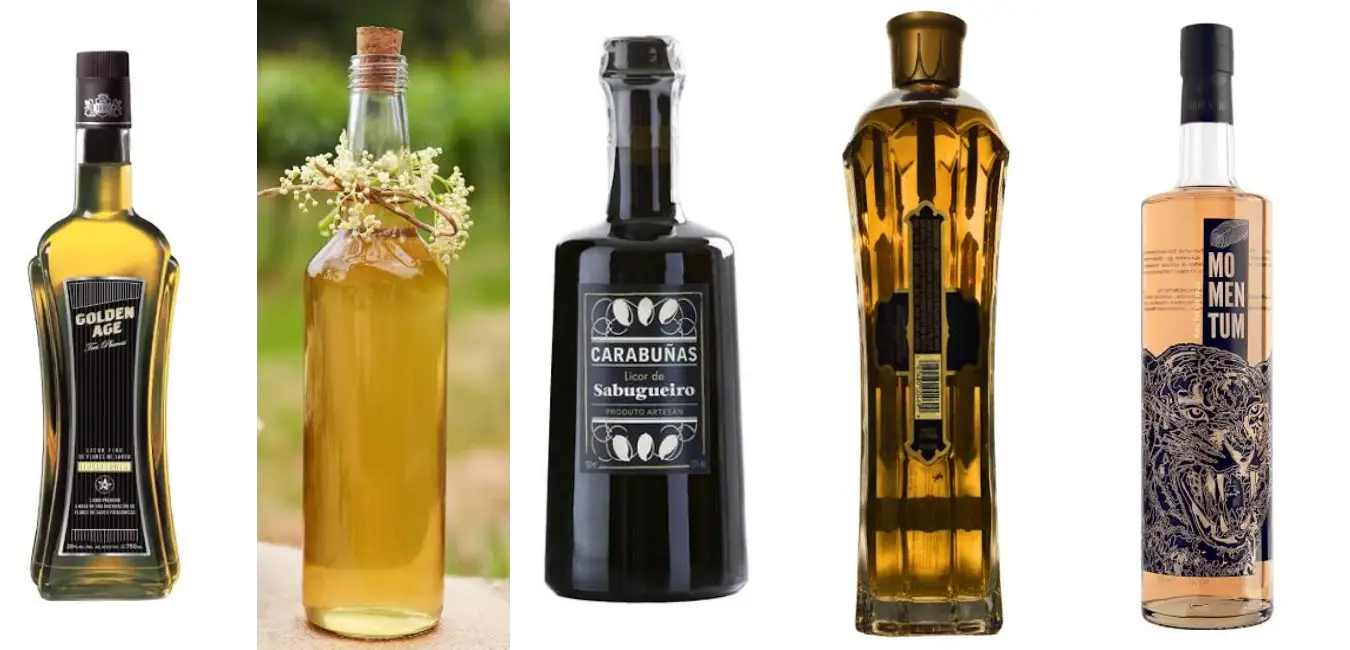
- Ripe berries: Should always be cooked before eating, whether in jams, jellies, syrups, liqueurs, ice cream, or other preparations.
- Unripe berries, seeds, leaves, and bark: Should never be eaten because they contain compounds that may be toxic to the body.
The most common mistake people make when eating raw elderberries
Symptoms of elderberry poisoning may include nausea, vomiting, diarrhea, and headaches. In addition, direct contact with the leaves or raw berries may cause skin irritation in sensitive individuals. For this reason, whenever you purchase elderberry products, choose trusted brands or certified producers whenever possible.
The history and origins of the andean elderberry
The earliest recorded medicinal use of elderberry dates back to the 6th century in Wales. However, it is believed to have been used for centuries before that. In Peru, its widespread use dates back to the time of the Inca Empire.
The evolution of the andean elderberry since Inca times
The story of the Andean elderberry began long before modern science. Over the centuries, this remarkable tree has adapted alongside the cultural and social changes of the Andes. Here's how it evolved from the Inca era into a valuable species for today's rural communities.
During the Inca empire
Historical records indicate that the Andean elderberry was already known during the time of the Tawantinsuyu, the Inca Empire. However, several botanists believe the species was likely introduced to or became more widely distributed around Cusco during the reign of Inca Huayna Capac. It was then cultivated near irrigation canals, orchards, and villages. Over time, its flowers and berries became an important part of traditional Andean medicine.
During the colonial period
After the arrival of the Spanish, the medicinal traditions surrounding the European elderberry and the Andean elderberry gradually merged. Many European recipes for medicinal syrups, preserves, jams, and herbal remedies were adapted using the native Andean species.
The andean elderberry today
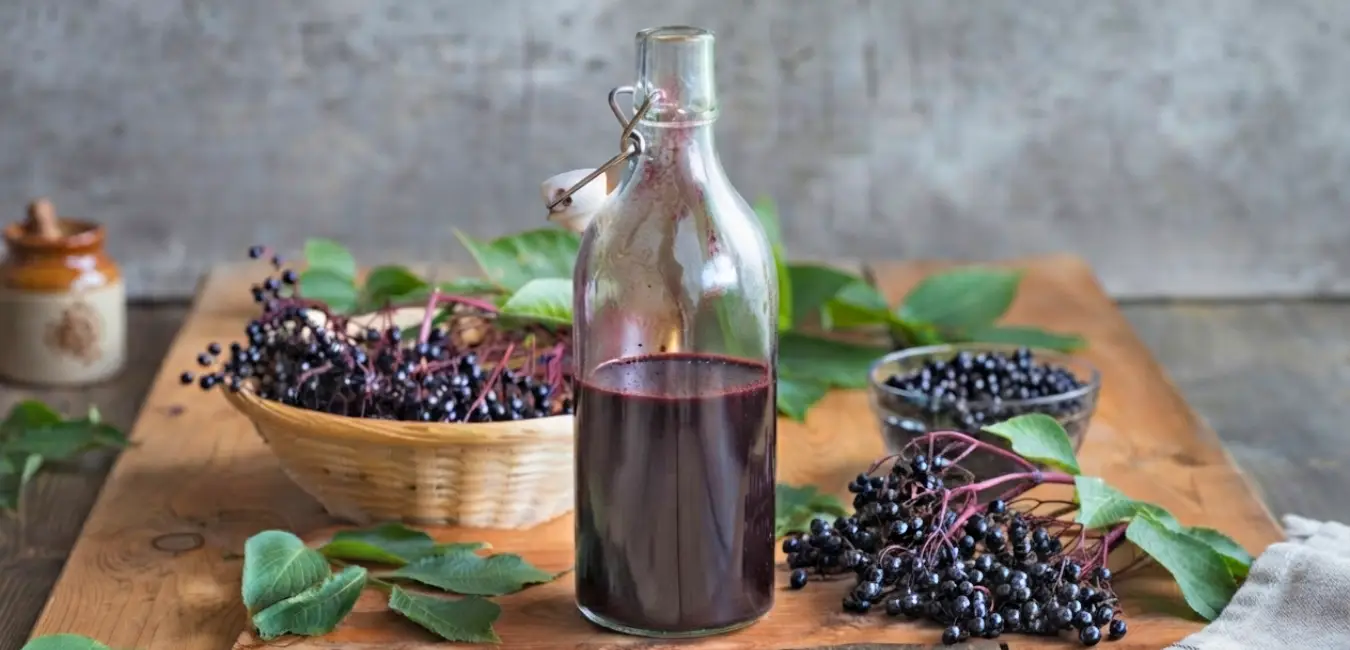
Today, the Andean elderberry remains an important species for rural communities throughout the Andes. In addition to being used in teas, jams, homemade wines, and traditional remedies, it also plays a key role in ecological restoration projects thanks to its rapid growth and ability to attract pollinators and birds.
Interesting facts about the andean elderberry
- It can grow up to 12 meters (39 feet) tall under ideal conditions.
- Its flowers attract a wide variety of pollinators, especially bees and butterflies.
- For generations, its young stems have been used to make quenas and other traditional Andean musical instruments.
- Its berries are rich in anthocyanins, the natural pigments responsible for their dark color and impressive antioxidant properties.
- Andean communities often plant elderberry trees alongside irrigation canals because they require consistent moisture to thrive.
- It also serves as a living fence and helps reduce soil erosion in agricultural areas.
How andean communities use the andean elderberry
This is where the Andean elderberry becomes much more than just another plant. It has long been an essential part of everyday life in the Andes. You'll be surprised by how many different purposes a single tree can serve.
Main uses of the andean elderberry
Long before it attracted the attention of scientists, the Andean elderberry was already an invaluable resource for Andean communities. Its berries, flowers, and wood have supported daily life for generations. Today, this remarkable tree continues to benefit both people and the ecosystems where it grows.
Traditional home remedy
Elderflower tea has long been one of the most common home remedies in rural Andean communities during the cold season. Many grandmothers also combine the flowers with chamomile or prepare them with warm milk a tradition introduced during the Spanish colonial period that eventually blended with local Andean customs.
Food and desserts
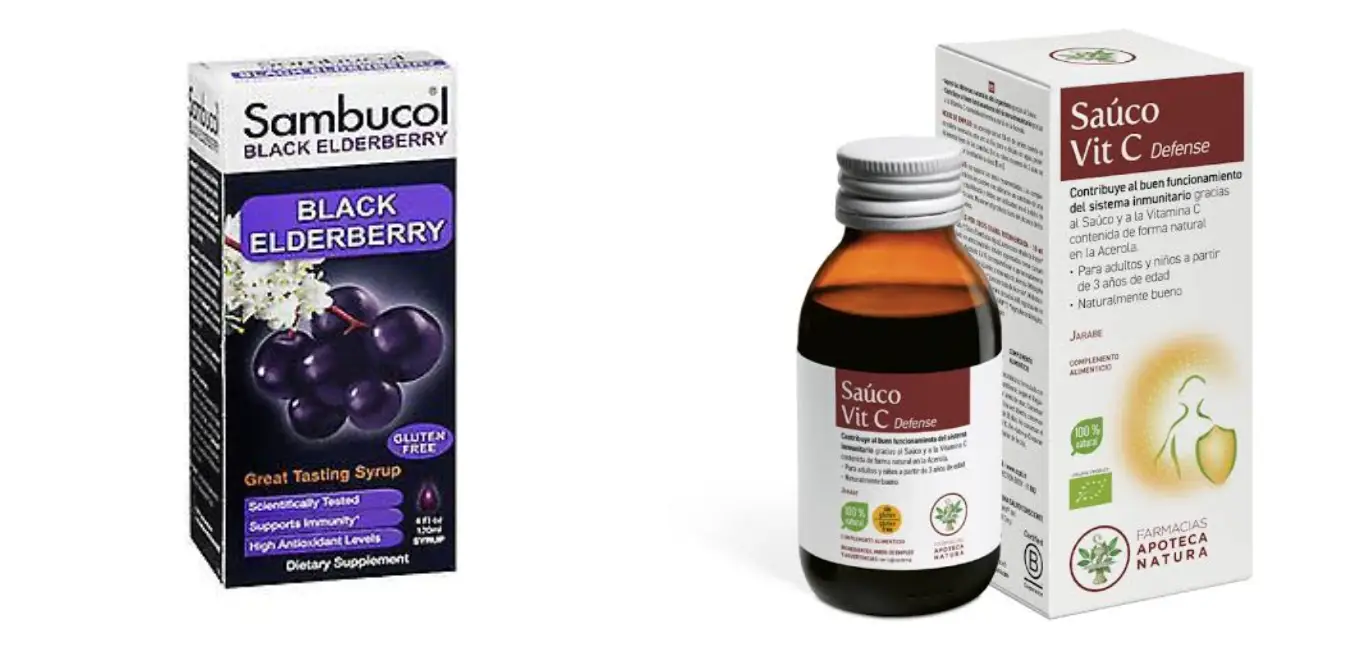
Cooked elderberries are used to prepare jams, jellies, syrups, nectars, ice cream, and homemade wines. In fact, elderberry jam has become one of the signature products of several communities in Cusco and Ancash, and it is increasingly featured at regional food festivals.
Natural dyes
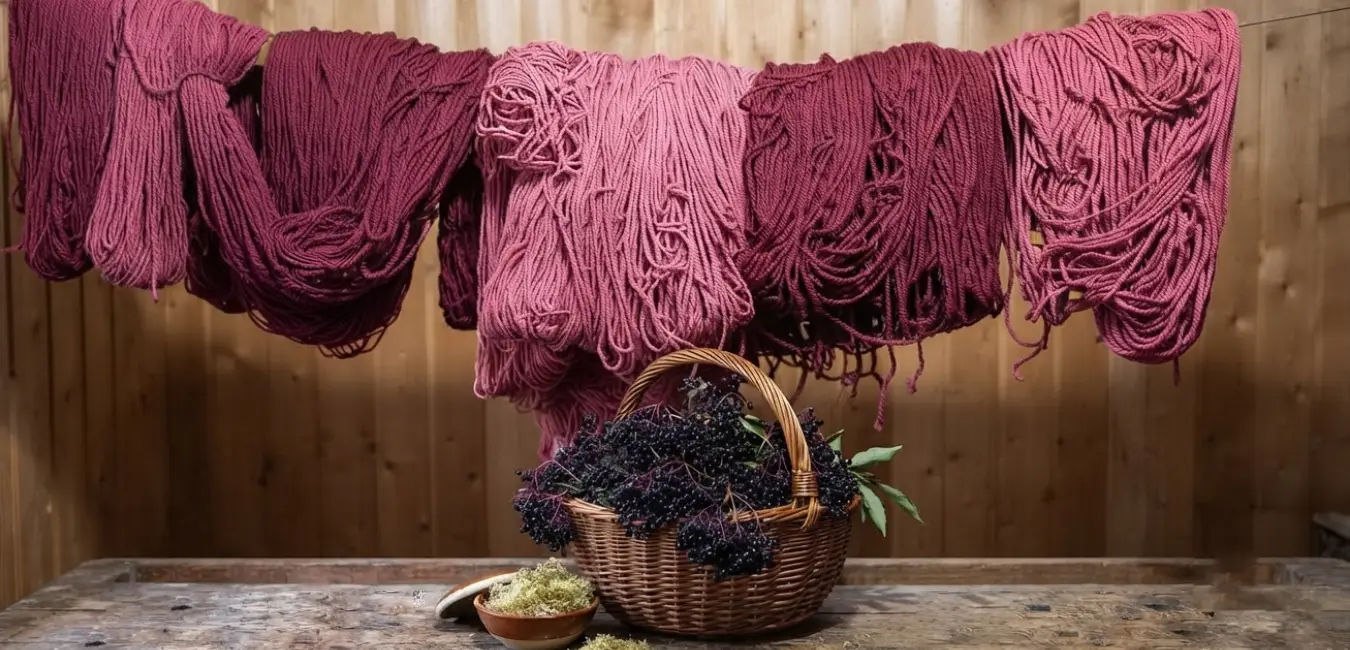
The berries produce rich shades of purple, violet, and blue. For this reason, they have long been used as natural dyes by Andean weavers to color alpaca and sheep wool, alongside other traditional dye sources such as cochineal, walnut, and queuña.
Musical instruments
Remember the tree's soft pith? That's exactly why elderberry stems are so easy to hollow out. For generations, they have been used to make flutes, quenas, blowpipes, and other traditional wind instruments. In many ways, part of the sound of the Andes was born from this remarkable tree.
Living fences and property boundaries
Farmers commonly plant elderberry trees as living fences around their fields. They naturally mark property lines, reduce wind exposure, and help protect crops all without the need for wire fencing or wooden posts.
Irrigation canal protection and erosion control
The tree's extensive root system helps stabilize the banks of irrigation canals and ravines. As a result, elderberry trees reduce soil erosion and help preserve irrigation systems that, in many parts of the Andes, have been in use for centuries.
Agroforestry and livestock feed
The Andean elderberry is commonly incorporated into high elevation agroforestry and silvopastoral systems. In some mountain farming regions, its leaves are also used as supplemental forage for livestock.
Ecological restoration
Thanks to its rapid growth and ability to attract pollinators and birds, the Andean elderberry plays an important role in restoring high Andean ecosystems. Its berries also provide food for native birds, which naturally disperse the seeds and help regenerate the landscape.
Shade, firewood, and everyday uses
Finally, the Andean elderberry provides welcome shade around homes, produces renewable firewood through regrowth, and supplies branches for a variety of everyday household uses. These practical benefits may rarely appear in textbooks, but they continue to support daily life throughout the Andes.
Where can you see andean elderberry trees in Peru?
These are some of the best places to find Andean elderberry trees in Peru:
- Sacred Valley of the Incas (Cusco). Common along farmland boundaries in Pisac, Lamay, Calca, and Ollantaytambo, usually growing beside traditional irrigation canals.
- Trekking routes to Machu Picchu. Frequently seen where hiking trails pass through farming communities, especially below 3,500 m (11,500 ft).
- High valleys of Arequipa and Colca Canyon. Often found in family orchards and transition zones leading toward the high plateau.
- Callejón de Huaylas (Ancash). Common in orchards and around the boundaries of rural farming communities.
- Hiking trails in Apurímac, Huancavelica, and Junín. Frequently seen in home gardens and small family farms.
Frequently asked questions about the andean elderberry
Is the Andean elderberry the same as the european elderberry?
No. The Andean elderberry is Sambucus peruviana, while the European elderberry is Sambucus nigra. Although they are closely related and share many similar characteristics and traditional uses, they are different species. It's also worth noting that most modern medical research has been conducted on Sambucus nigra.
Can you eat raw elderberries?
No. Elderberries should always be cooked before eating. Raw or unripe berries, along with the seeds, leaves, and bark, contain cyanogenic glycosides that can release cyanide and may cause nausea, vomiting, and diarrhea.
What is elderflower tea traditionally used for?
Traditionally, elderflower tea has been used to help relieve the early symptoms of the common cold and to promote sweating during fever. The European Medicines Agency (EMA) recognizes this as a traditional herbal use for elderflower, although it should never replace professional medical treatment.
Can the andean elderberry be used for reforestation?
Yes. It grows quickly, is easy to propagate from cuttings, helps stabilize soil, and attracts pollinators and birds. For these reasons, it is widely used in ecological restoration projects, living fences, and agroforestry systems throughout the Andes.
Who should avoid consuming andean elderberry?
Pregnant or breastfeeding women, young children, people with weakened immune systems, and anyone taking immunosuppressants, diuretics, or blood sugar lowering medications should consult a healthcare professional before consuming elderberry products.