
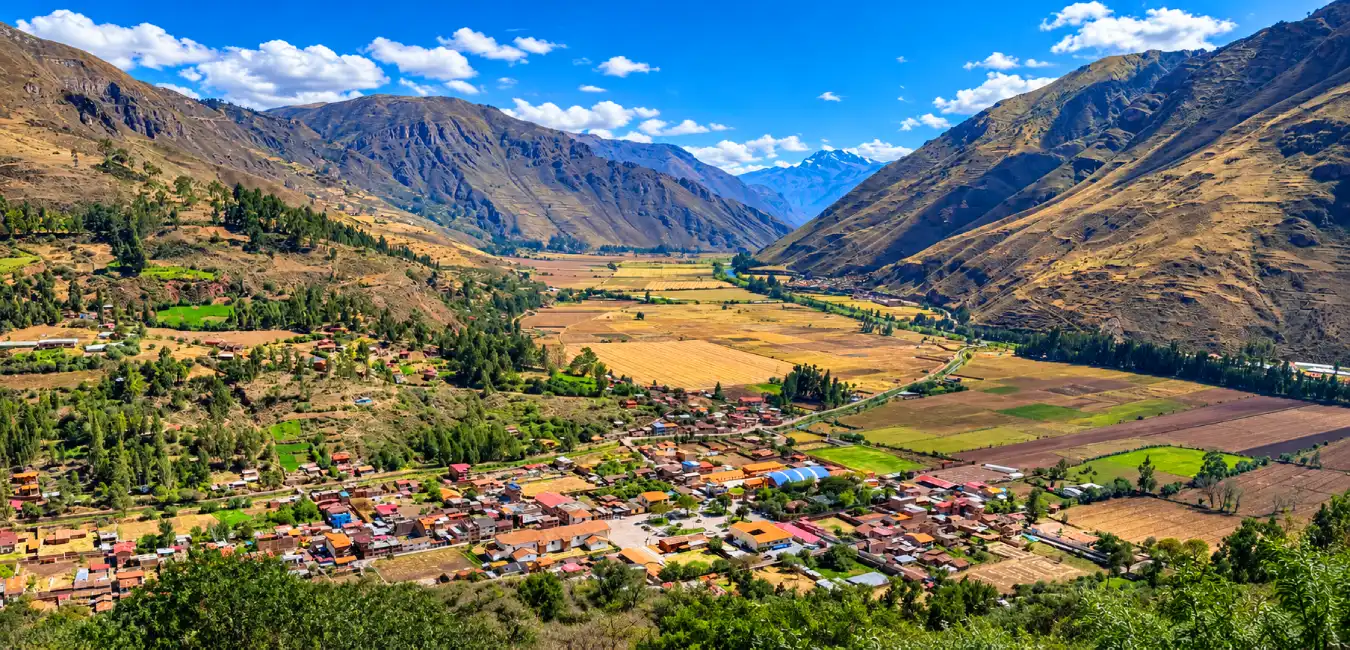
The Sacred Valley of the Incas stretches along the Vilcanota Urubamba River from Pisac to Ollantaytambo, about 33 km (21 miles) from the city of Cusco and at elevations between 2,800 and 3,000 meters (9,186 and 9,843 feet) above sea level. Here, you’ll find Inca terraces, temples, traditional weaving villages, and local markets. The valley is also a natural gateway to Machu Picchu. In this guide, we’ll explain how to get there, what to see, which tickets you need, and how many days to spend exploring the region.
What is the Sacred Valley of the Incas and why visit it?
The Sacred Valley was one of the most productive agricultural regions of the Tahuantinsuyo. Thanks to its mild climate and fertile soil, the Incas built agricultural terraces, storage facilities, palaces, and temples along the river. Today, the valley is also home to traditional villages where people speak Quechua, weave on traditional looms, and grow corn using methods that have been passed down for centuries.
Why is it called the Sacred Valley of the Incas?
The Incas called the Vilcanota River "Willkamayu" (sacred river) and considered the valley surrounding it sacred, referring to it as "Willka Qhichwa." This name reflects its dual importance: on the one hand, its fertile lands fed the Inca state; on the other, the river and surrounding mountains held a central place in the Inca worldview.
Where is the Sacred Valley of the Incas located?
The Sacred Valley is located in the Cusco region of southern Peru, north and northeast of the city of Cusco. It mainly spans the provinces of Calca (Pisac, Calca, and Lamay) and Urubamba (Yucay, Urubamba, and Ollantaytambo), following the course of the Vilcanota River, also known as the Urubamba River, northwestward.
Keep in mind...
Not all the attractions are located on the valley floor. While Pisac, Urubamba, and Ollantaytambo sit alongside the river, Chinchero, Moray, and Maras are located on the high plateau between Cusco and the valley, at elevations of 3,200–3,800 meters (10,499–12,467 feet) above sea level.
How do you get to the Sacred Valley from Cusco?
You can reach the Sacred Valley via two paved roads. Choose your route based on what you want to see first. In fact, most tours take one road into the valley and return via the other to complete the loop.
Route | Route Details | Best For |
|---|---|---|
| Via Pisac (east) | Cusco – Taray viewpoint – Pisac – Calca – Urubamba – Ollantaytambo. | Visiting Pisac and its market, then descending into the valley along the river. |
| Via Chinchero (west) | Cusco – Chinchero – Maras junction (turnoff for Moray and the Maras Salt Mines) – Urubamba – Ollantaytambo. | Reaching Urubamba or Ollantaytambo (for the train) more quickly and visiting Maras and Moray. |
Which Transportation Option Is Best for You?
Option | Advantages | Disadvantages | Best For |
|---|---|---|---|
| Shared minivan (colectivo) | Most affordable option; frequent departures. | Leaves when full; limited luggage space; does not go directly to Moray or Maras. | Independent travelers on a budget. |
| Taxi or private car | You choose the schedule and stops. | You need to negotiate the price, and a guide is not included. | Small groups or families. |
| Shared group tour | Transportation, a guide, and sometimes lunch are taken care of. | Fixed schedules and larger groups. | Travelers who want to see the main highlights in one day. |
| Private or small-group tour | Flexible pace, a dedicated guide, and less-visited routes. | Higher cost per person. | Travelers seeking comfort and cultural experiences. |
Prefer not to worry about bus stops or departure times?
At Responsible Trekking, we arrange transportation from your accommodation, a guide, and the order of your visits so you can make the most of your day without unnecessary waiting. Contact us, and we'll help you plan your route.
Shared Minivans to the Sacred Valley, Departure Points, and Fares
Shared minivans and minibuses leave from three main departure points in Cusco. Pay in cash, in Peruvian soles, and expect to depart once the vehicle has enough passengers.
- Puputi Street (second block) and the Enaco-San Sebastián stop: departures to Pisac and Calca via the eastern route. From Pisac, you can catch another vehicle to Urubamba.
- Pavitos Street, near Grau Avenue: departures to Chinchero, Urubamba, and Ollantaytambo via the western route.
Route | Departure Point | Travel Time | Approx. Fare |
|---|---|---|---|
| Cusco – Pisac | Puputi Street | 45 minutes to 1 hour | S/ 8 |
| Cusco – Chinchero | Pavitos Street | 40–50 minutes | S/ 8 |
| Cusco – Urubamba | Pavitos Street | 1 hour to 1 hour 15 minutes | S/ 8–10 |
| Cusco – Ollantaytambo | Pavitos Street | 1 hour 30 minutes to 2 hours | S/ 10–15 |
| Pisac – Urubamba | Stop near the Pisac bridge | 45 minutes to 1 hour | S/ 5–7 |
| Urubamba – Ollantaytambo | Urubamba bus terminal | 20–30 minutes | S/ 3–5 |
| Maras junction – Moray and the Maras Salt Mines | Taxi from the junction | 2–3 hours, including visits | S/ 60–80 per car |
Travel Tips...
There is no direct public transportation to Moray or Maras. Take a shared minivan toward Urubamba via Chinchero, get off at the Maras junction, and negotiate with a local taxi driver to take you to both sites and bring you back to the main road. Agree on the price and waiting time before getting in.
Tips for Getting Around by Shared Minivan
Leave early, before 8:00 a.m., to make the most of your day. Bring small bills and coins, as drivers rarely have change. Return departures become less frequent after 6:00 p.m., so plan your trip back in advance. Fares are approximate and may increase during holidays and peak travel season.
What to see in the Sacred Valley?
The Sacred Valley is home to archaeological parks, traditional villages, and agricultural landscapes. To plan your visit, start by checking this table for distances, elevations, recommended visit times, and ticket types for each site.
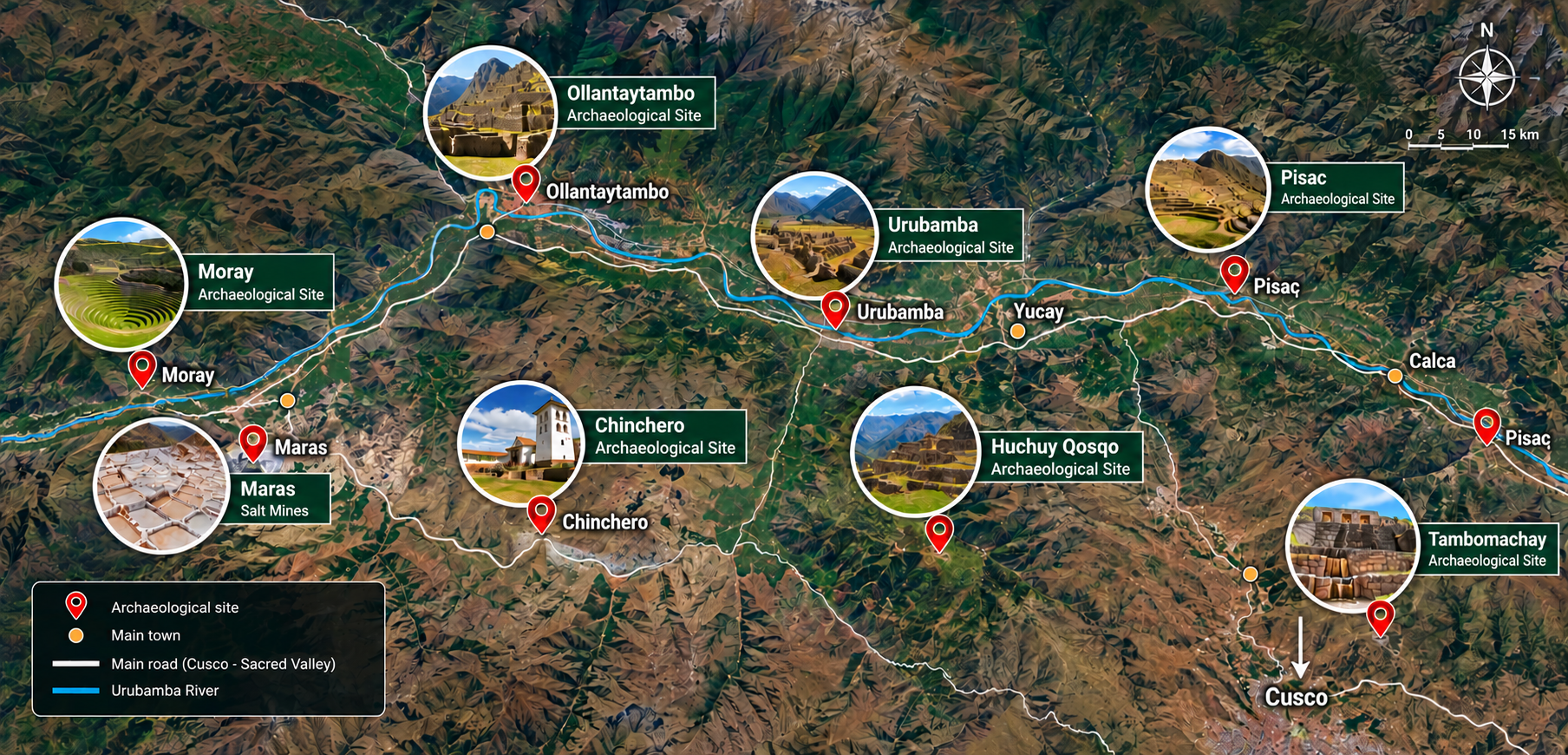
Approximate distances and travel times via the shortest route.
Place | What to See | From Cusco | Elevation | Visit Time | Ticket | Tip |
|---|---|---|---|---|---|---|
| Pisac | Agricultural terraces, the Temple of the Sun, the Intihuatana, and the market. | 33 km (20.5 mi). 45 min. | 2,972 m (9,751 ft, town) | 2 to 3 hrs | Circuit III | Arrive before 9:30 a.m. to avoid large tour groups. |
| Chinchero | Agricultural terraces, a colonial church, and traditional weavers. | 30 km (18.6 mi). 45 min. | 3,762 m (12,343 ft) | 1 to 1.5 hrs | Circuit III | The market is busiest on Sundays. |
| Moray | Circular agricultural terraces. | 53 km (32.9 mi). 1 hr 15 min. | 3,385 m (11,106 ft) | 1 hr | Circuit III | Combine it with Maras on the same outing. |
| Maras Salt Mines | More than 3,000 salt ponds. | 45 km (28 mi). 1 hr 15 min. | 3,200 m (10,499 ft) | 45 min. to 1 hr | Separate admission fee (S/ 20) | Wear closed-toe shoes; the path is narrow. |
| Urubamba | A convenient base for services, lunch, and accommodations. | 57 km (35.4 mi). 1 hr 15 min. | 2,871 m (9,419 ft) | Stopover | No ticket required | A good place to stay overnight in the valley. |
| Ollantaytambo | The fortress, the Inca town, and the train station. | 72 km (44.7 mi). 1 hr 45 min. | 2,792 m (9,160 ft) | 2 to 3 hrs | Circuit III | Visit in the afternoon if you're taking the train. |
Distances are based on the shortest route: via Pisac for Pisac and via Chinchero for the other destinations. The archaeological parks generally open from around 7:00 a.m. to 5:30 p.m.
Recommended visiting order
To avoid backtracking along the same road, organize your visit to the valley into two sections:
- Eastern route (along the river): Taray and Awanacancha → Pisac (archaeological park and market) → lunch in Urubamba → Ollantaytambo. Start at Pisac early in the morning because it gets crowded by midmorning.
- Western route (across the plateau): Chinchero → Moray → Maras Salt Mines → Urubamba or Ollantaytambo. Moray and Maras are about 15 minutes apart, so it's best to visit them together.
If you only have one day, follow the eastern route and return to Cusco via Chinchero. If you're staying overnight in the valley, set aside one day for each route.
Pisac, the gateway to the Valley
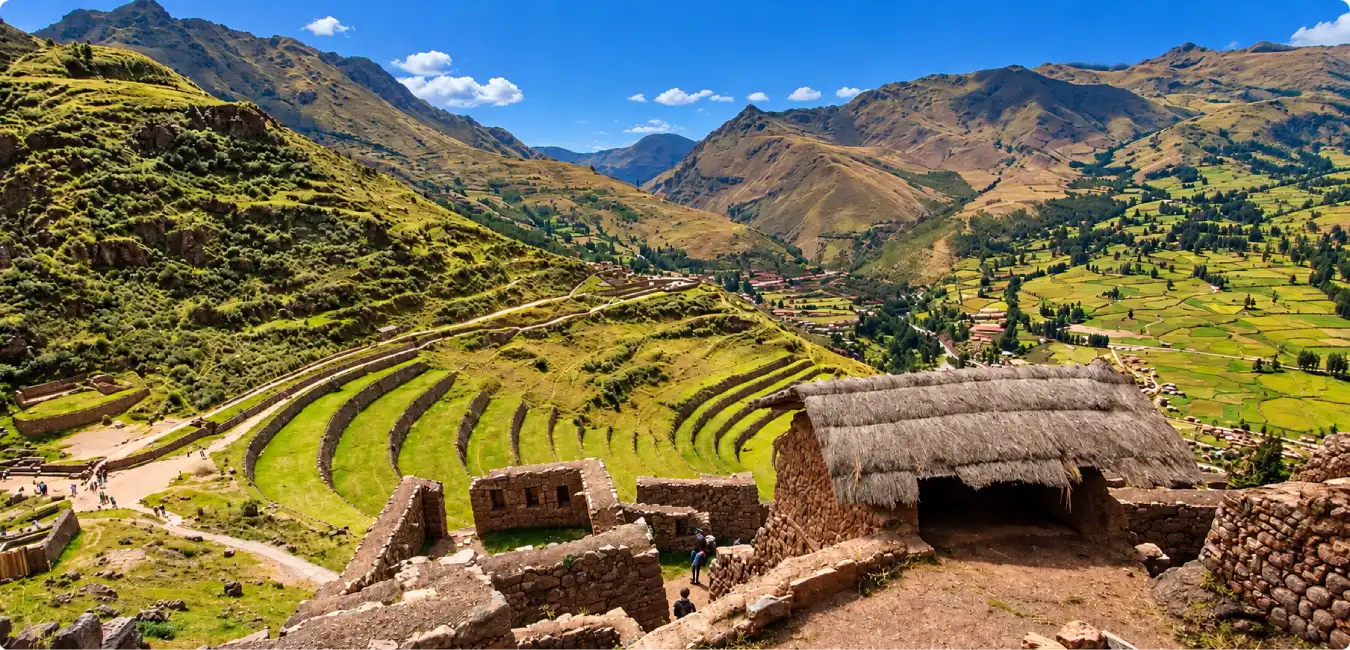
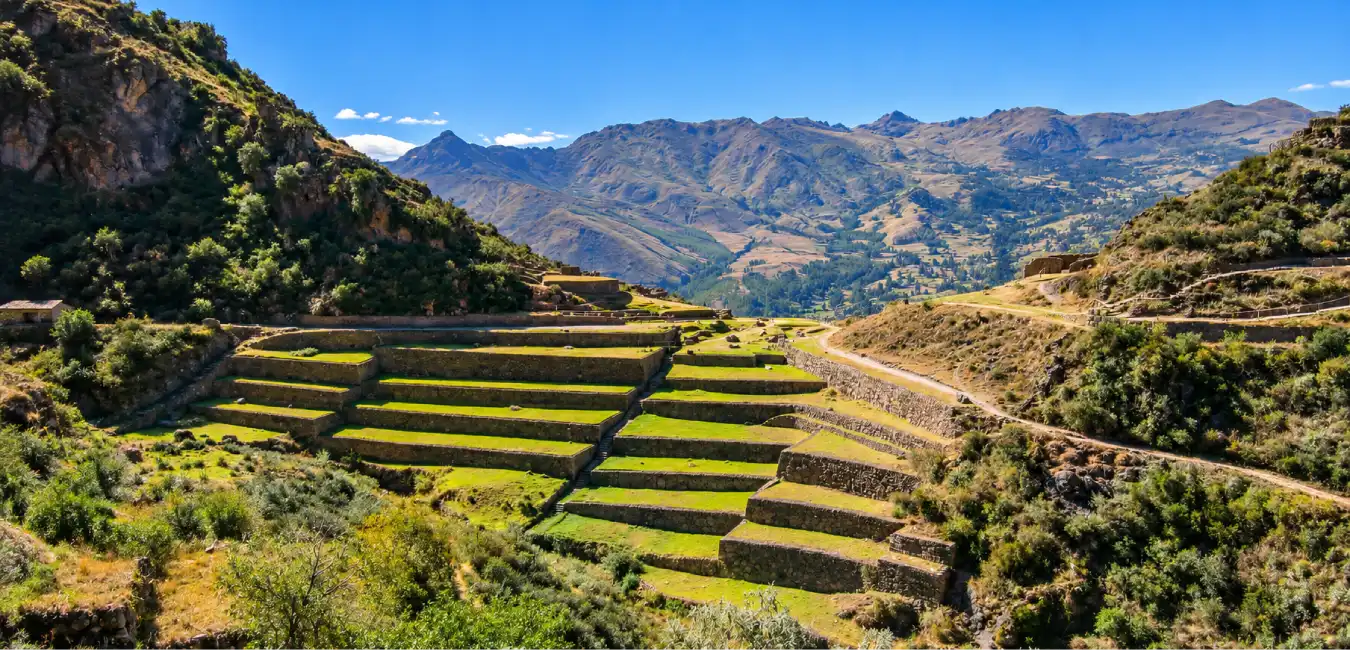
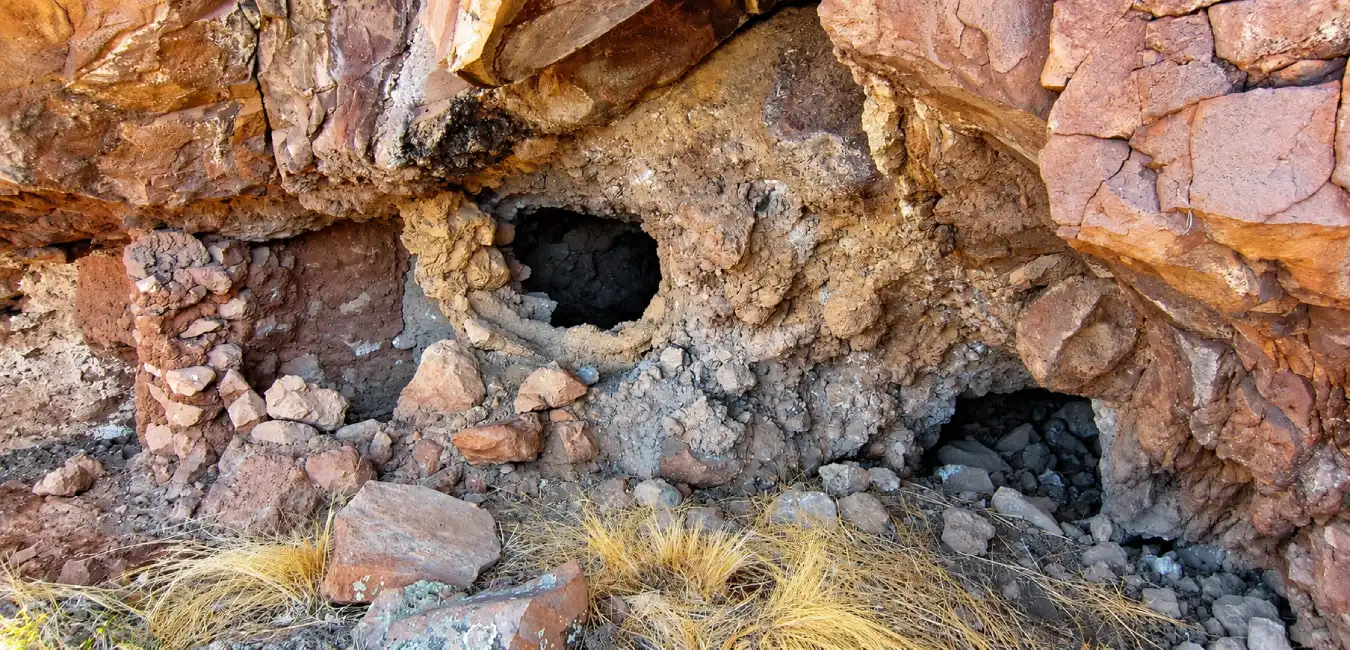
Perched high on the mountainside, the Pisac Archaeological Park features curved agricultural terraces, a Temple of the Sun with its Intihuatana, ceremonial baths, and one of the largest Inca cemeteries in the Andes, with tombs carved into the rock. You can drive up to the upper entrance and hike down to town in one to two hours.
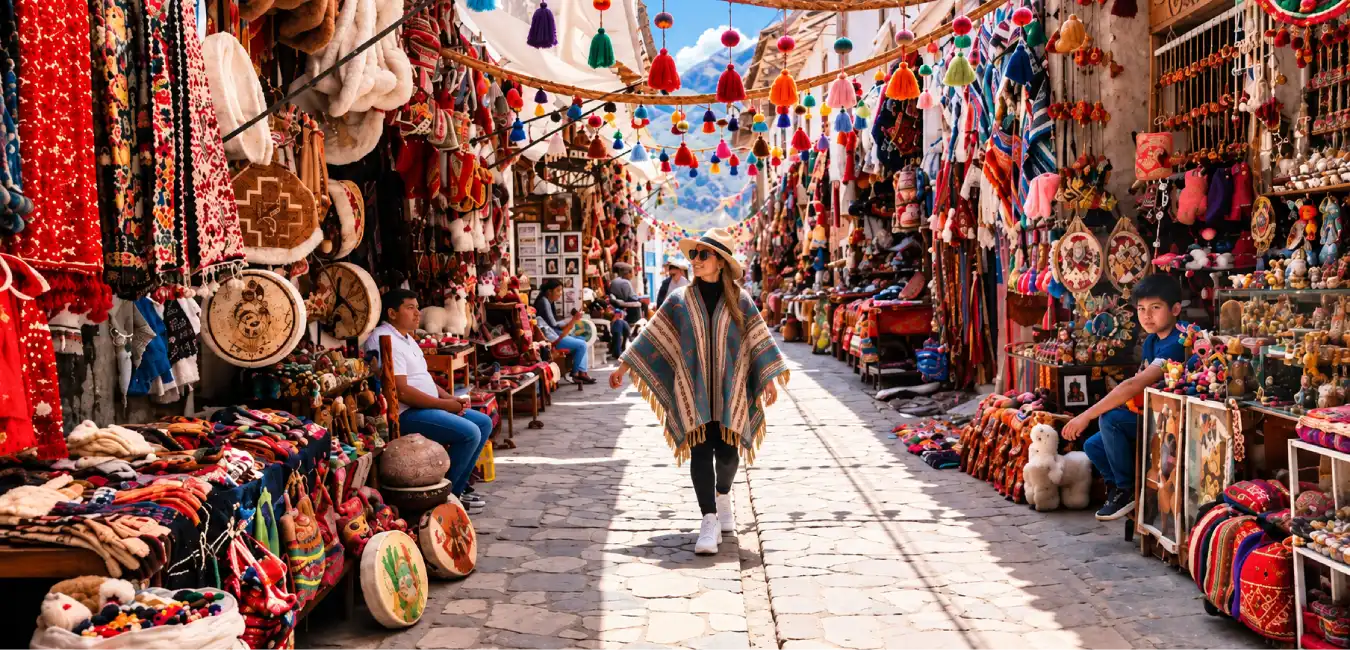
Pisac artisan market
In town, the artisan market offers textiles, alpaca clothing, ceramics, and jewelry. Although the market is open daily, there are more vendors on Sundays, Tuesdays, and Thursdays. Also, don't leave without trying the empanadas baked in a traditional clay oven.
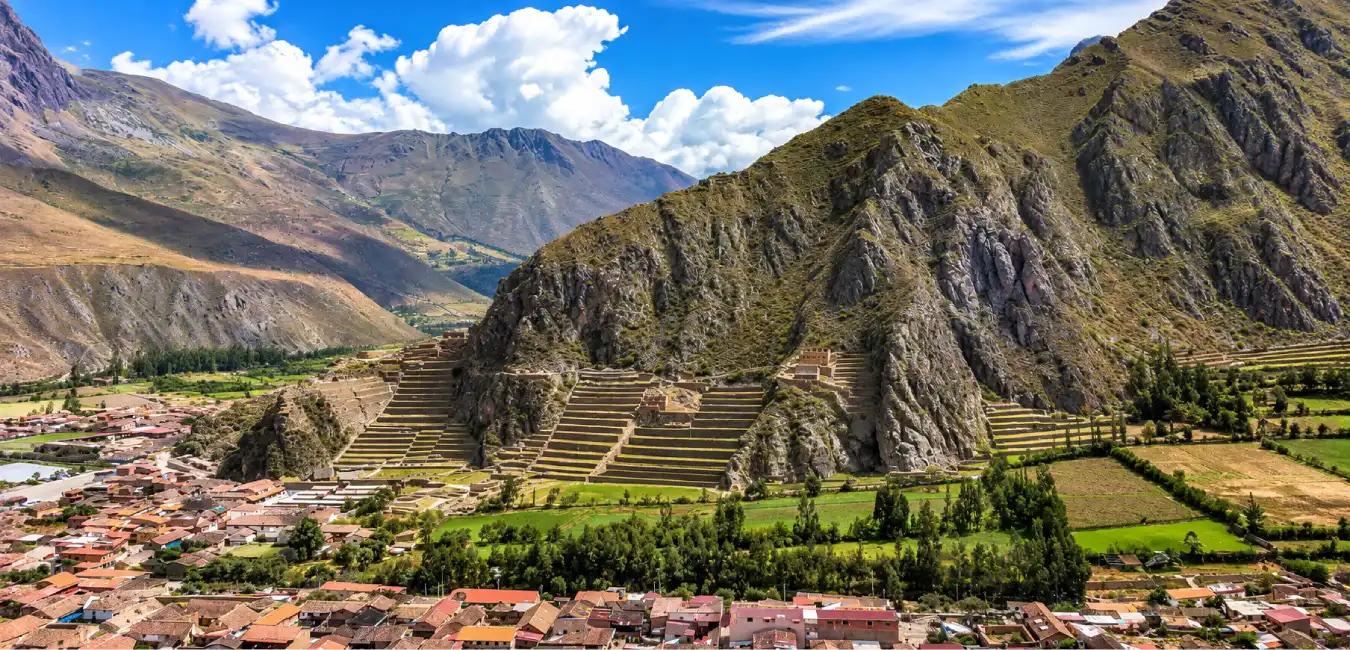
Ollantaytambo Archaeological Site
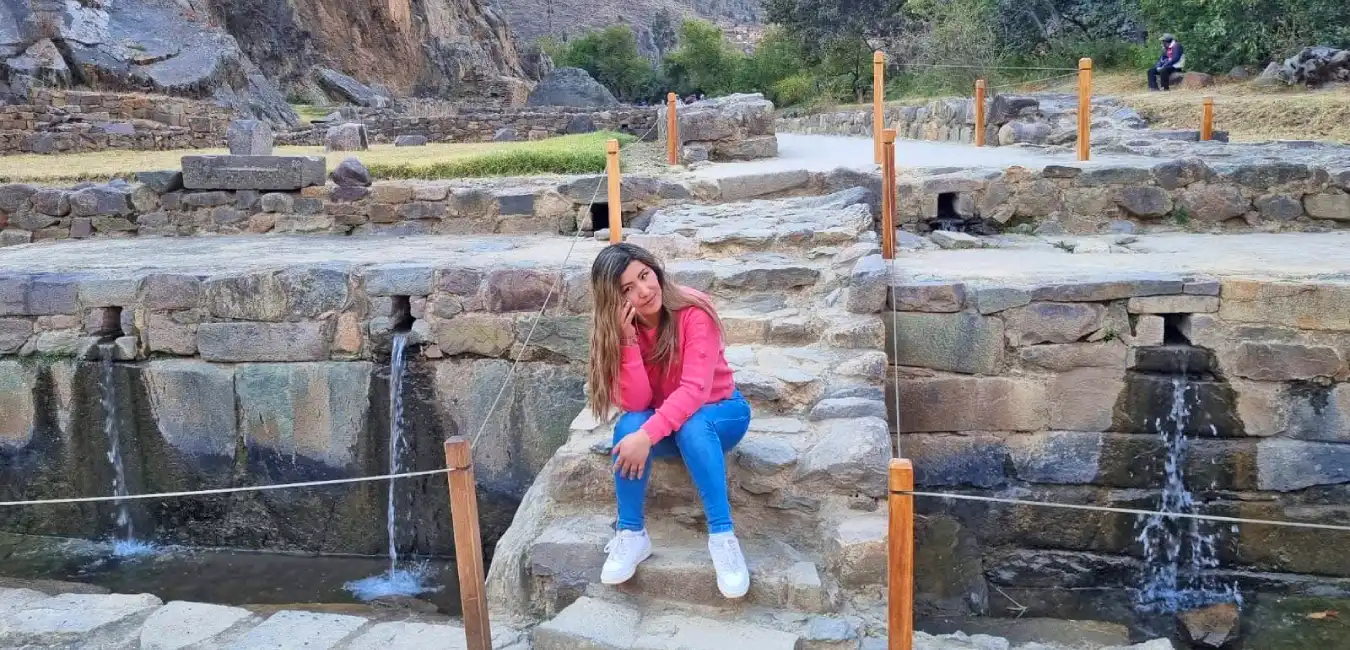
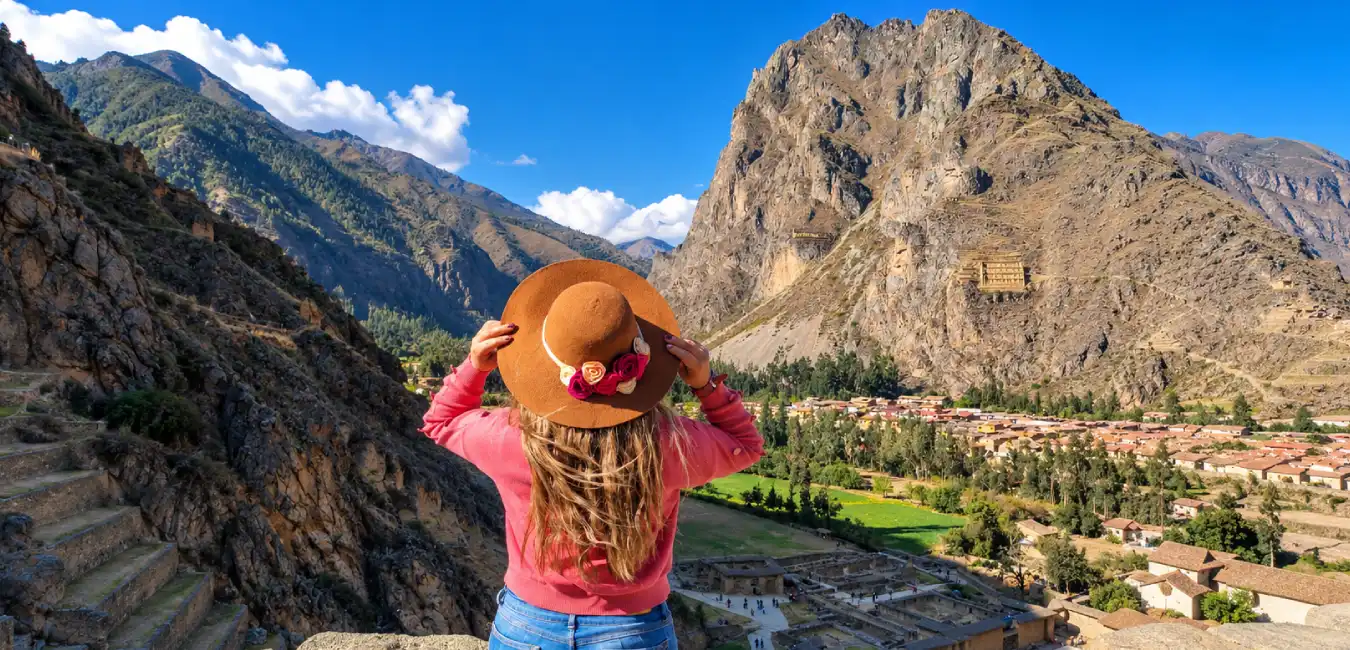
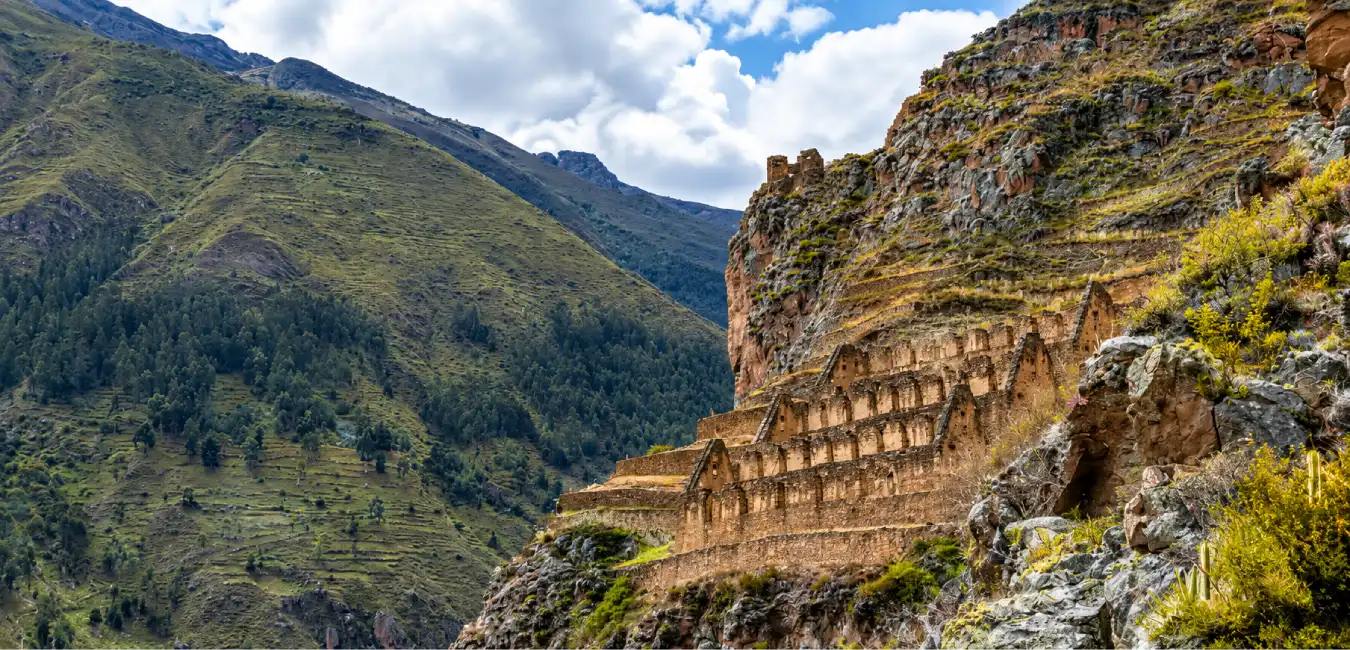
The Ollantaytambo Archaeological Site reveals how the Incas transformed the mountainside into a monumental city, with massive terraces, a Temple of the Sun built with pink stone blocks, and water fountains that still work today.
Ollantaytambo, the living Inca town
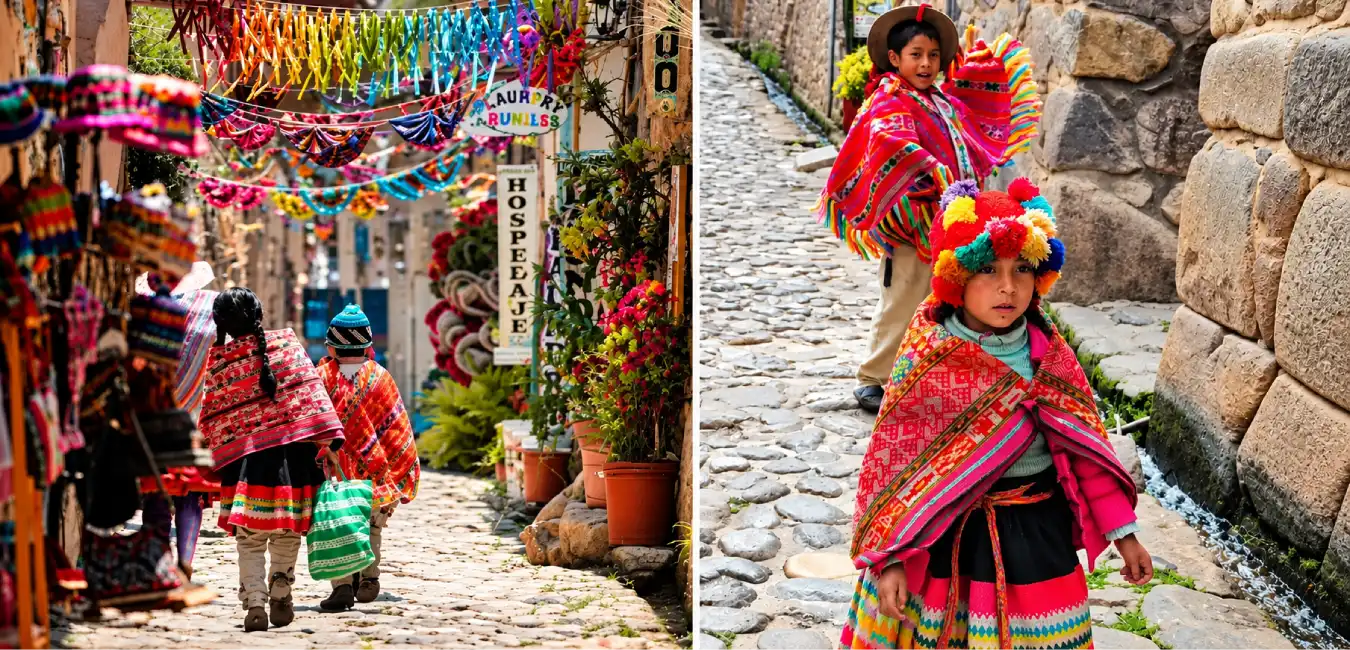
The town preserves its original Inca layout, with cobblestone streets, water channels, and houses built on ancient stone foundations. For panoramic views without paying an entrance fee, hike up to the Pinkuylluna storehouses, across from the fortress. The climb takes about 30 to 45 minutes.
Chinchero Archaeological Site, the birthplace of the rainbow
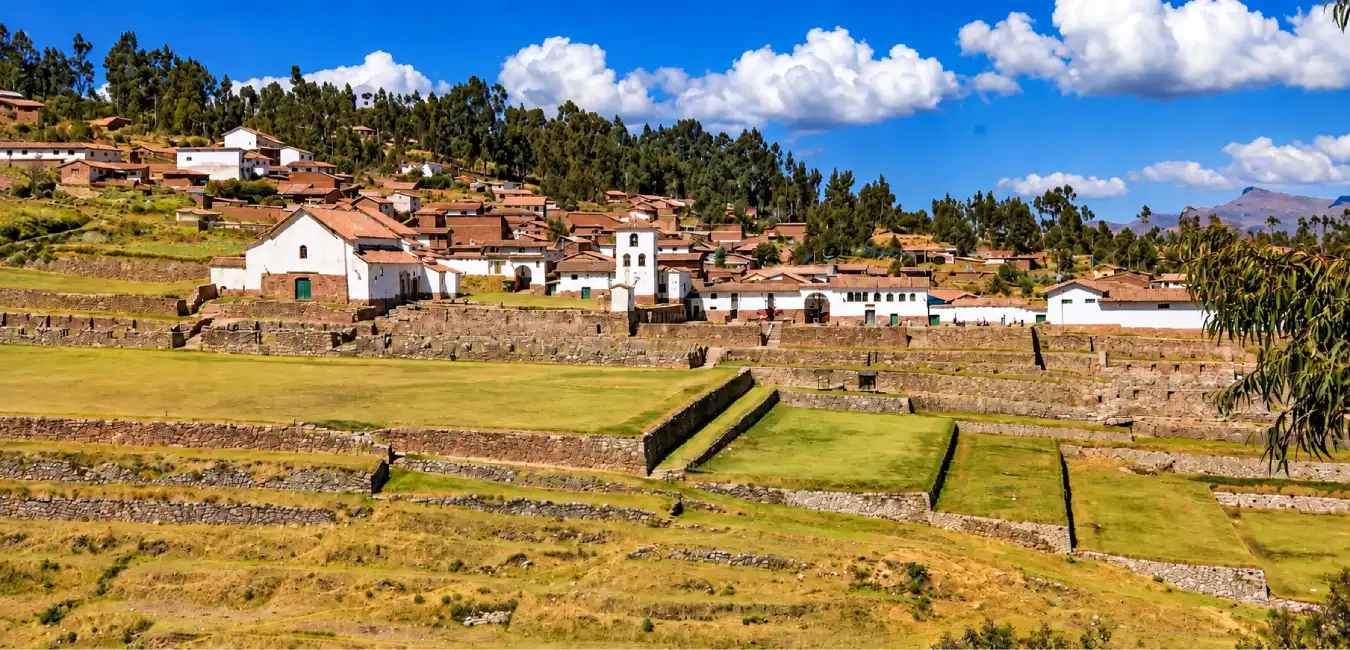
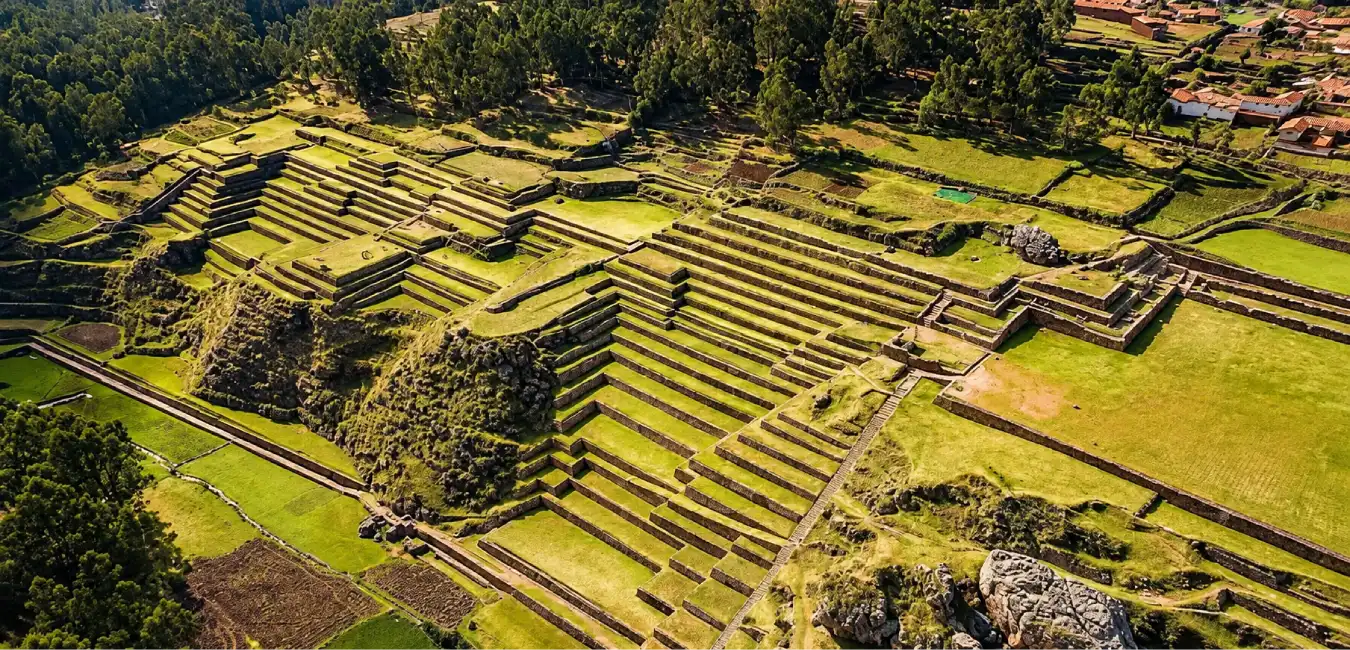
At 3,762 m (12,343 ft) above sea level, Chinchero offers views of the Urubamba and Vilcabamba mountain ranges. At the archaeological site, you'll see Inca terraces and the remains of Túpac Yupanqui's palace, over which the Spanish built the Church of Our Lady of Monserrat, decorated with paintings from the Cusco School.
Chinchero village
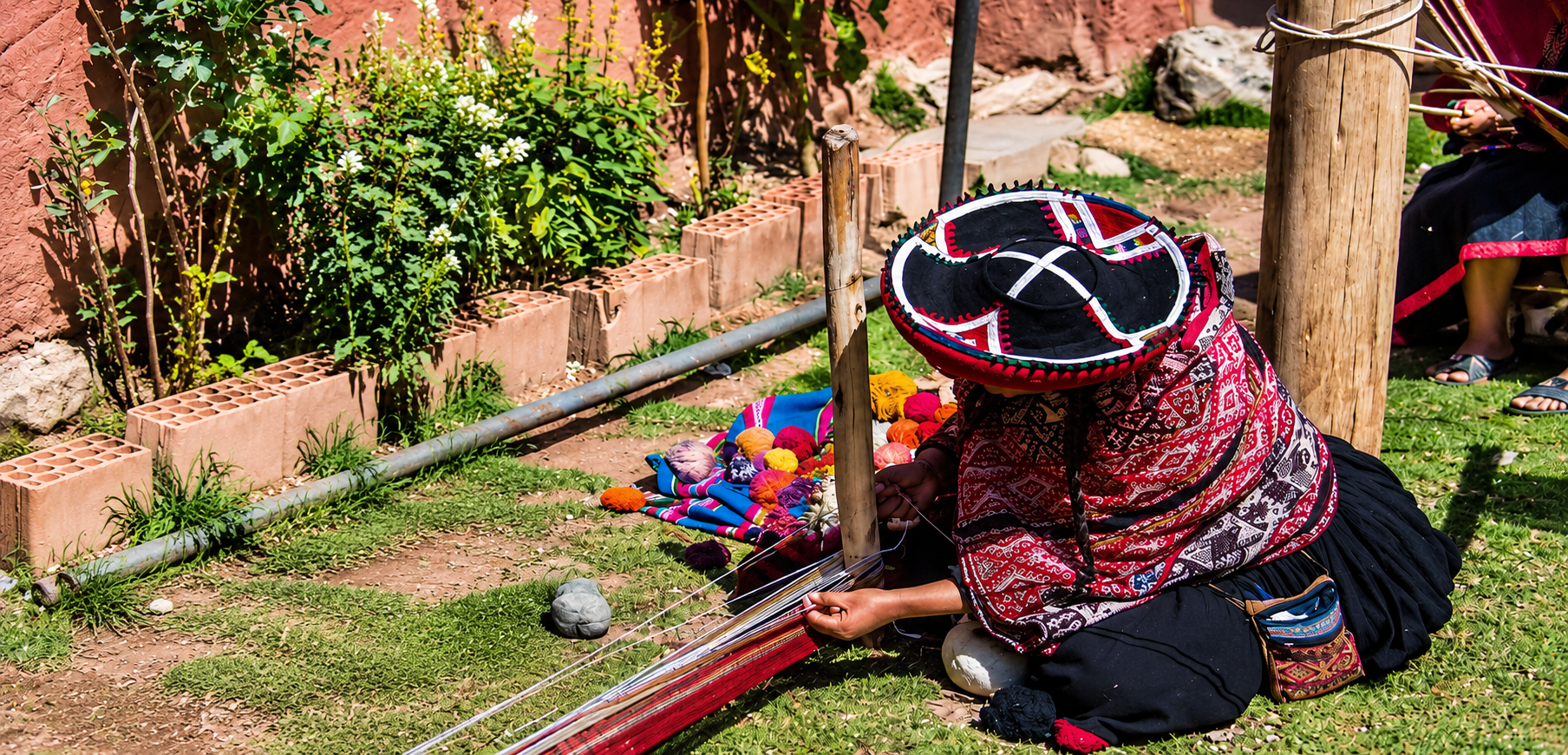
In the village's textile workshops, local weavers demonstrate how they spin wool and prepare natural dyes from plants, minerals, and cochineal.
Moray, the Inca Agricultural laboratory
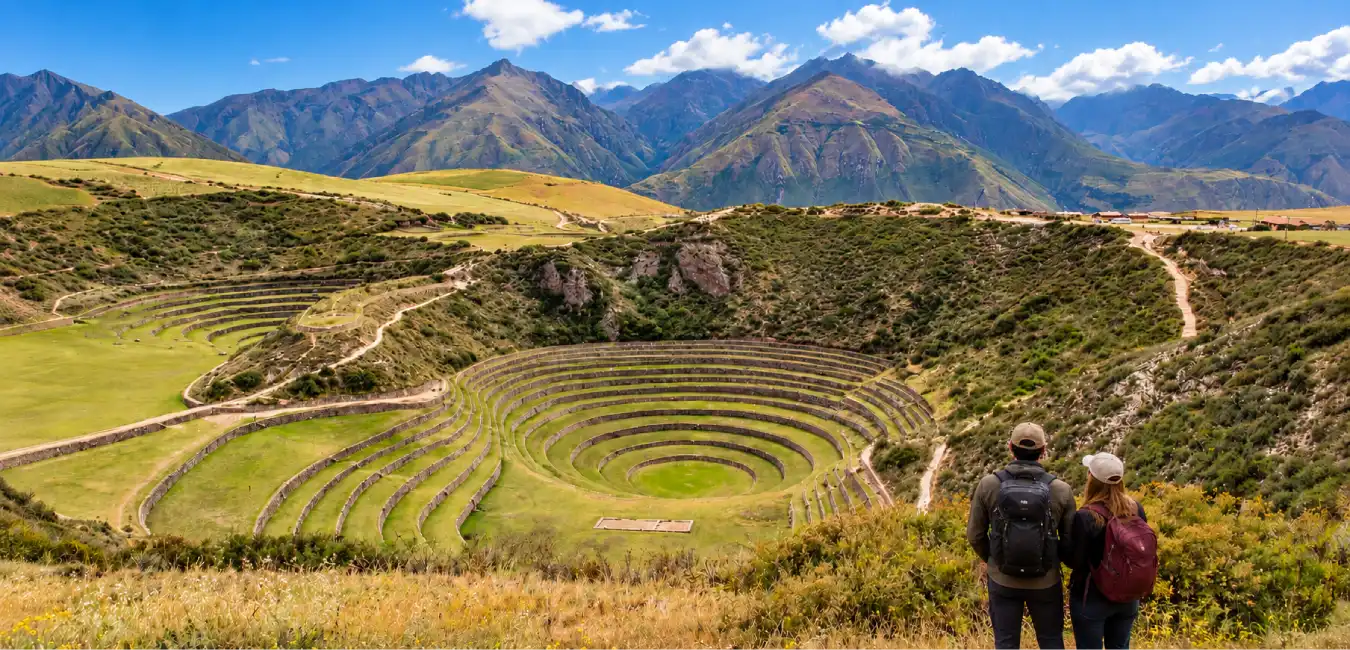
At Moray, circular agricultural terraces descend in concentric rings. The largest reaches about 30 meters (98 feet) deep. Temperatures vary by several degrees between the upper levels and the bottom, leading researchers to believe that the Incas used the site to study how their crops adapted to different climates.
Maras Salt Mines
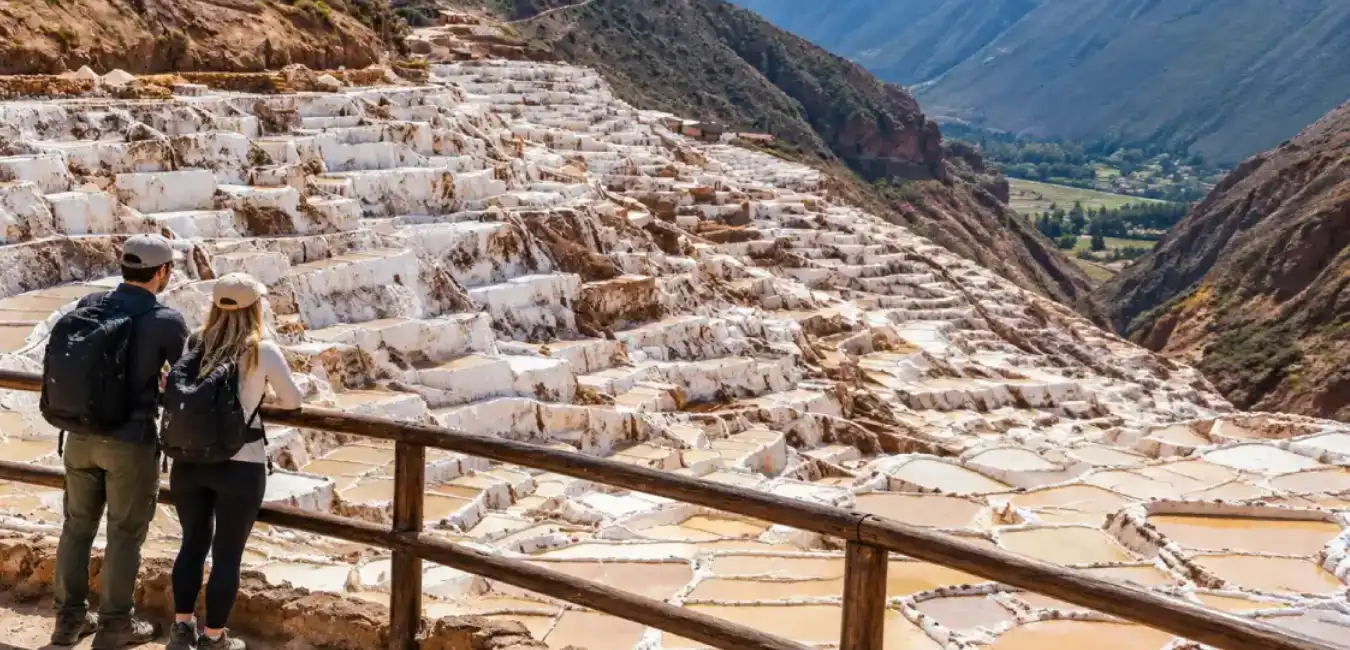
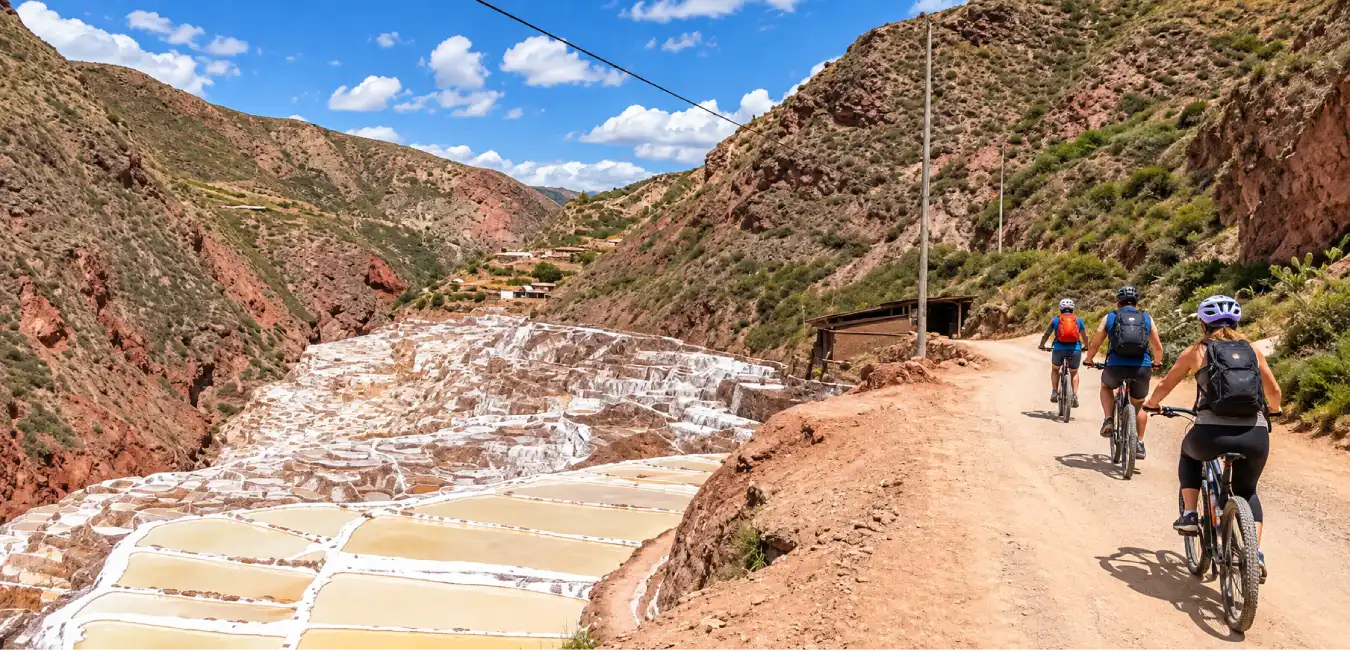
The salt mines have been producing salt since pre-Hispanic times. More than 3,000 terraced salt ponds are filled with salty spring water. As the water evaporates in the sun, salt crystals form and local families from Maras harvest them by hand. During your visit, you can follow designated paths and enjoy viewpoints, as walking on the salt ponds is not allowed. Before you leave, you can buy pink salt directly from local producers.
Urubamba and Yucay, Places to stay in the Valley
Urubamba is a convenient place to stop for lunch, rest, or spend the night because it has plenty of restaurants, markets, pharmacies, and hotels. Nearby, Yucay preserves agricultural terraces and remains associated with the country retreats of Huayna Cápac.
Hidden gems in the Sacred Valley
If you'd like to explore beyond the main attractions, consider adding one of these places to your itinerary:
- Taray viewpoint and Awanacancha: Enjoy panoramic views of the valley and visit a center where you can learn about llamas, alpacas, and vicuñas, along the way to Pisac. Free admission.
- Huchuy Qosqo: Meaning “Little Cusco,” this archaeological site sits above the village of Lamay at about 3,600 m (11,811 ft) above sea level. It can only be reached on foot.
- Inti Punku in Ollantaytambo: An ancient ceremonial gateway located above 3,600 m (11,811 ft) above sea level. The hike is strenuous and requires good physical fitness.
- Perolniyoc and Ñaupa Iglesia: Combine the Perolniyoc waterfall and archaeological site, near Socma, with Ñaupa Iglesia, a sacred site featuring an altar carved into the rock near Pachar.
What Tickets do you need for the Sacred Valley?
The archaeological parks of Pisac, Ollantaytambo, Chinchero, and Moray do not sell individual tickets. You need the Cusco Tourist Ticket (Boleto Turístico del Cusco) to visit them. You can purchase it at the COSITUC office on Avenida El Sol in Cusco or at the entrance to each site. Payment is accepted in cash, in Peruvian soles.
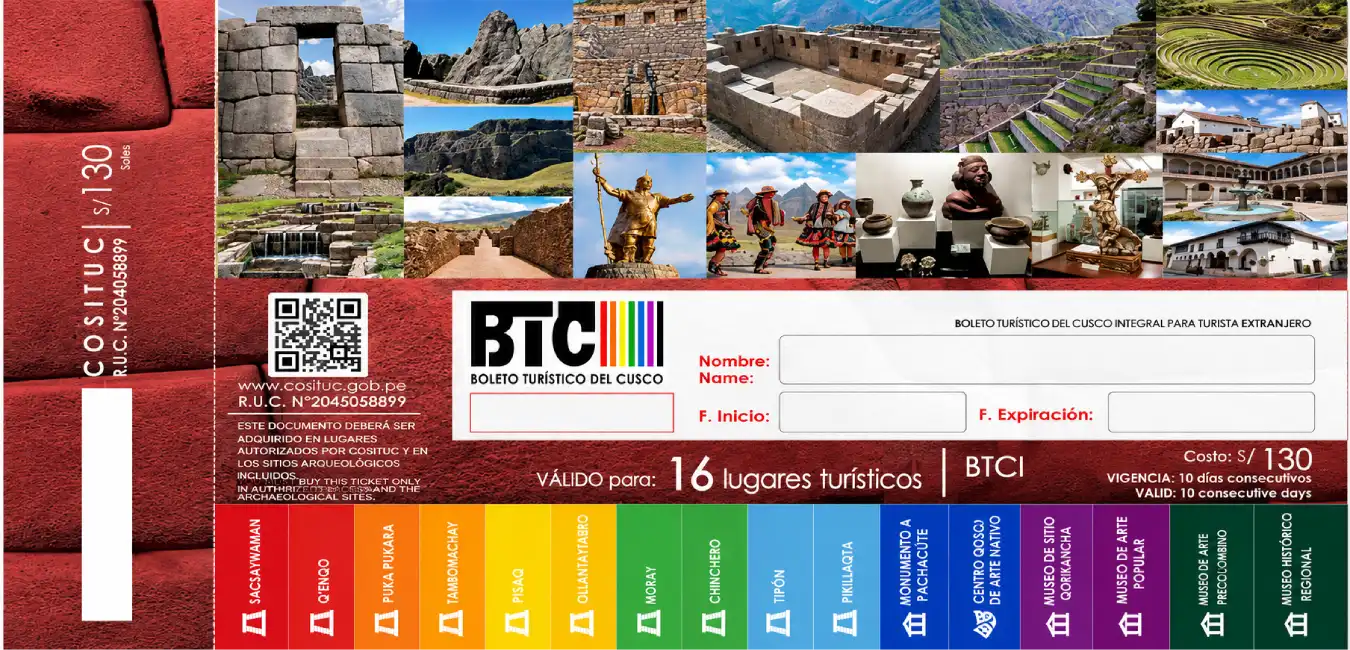
Cusco Tourist Ticket prices and included Archaeological Sites
Ticket Type | What's Included | Validity | Foreign Visitors | Peruvian Citizens |
|---|---|---|---|---|
| Partial Ticket – Circuit III | Pisac, Ollantaytambo, Chinchero, and Moray | 2 days | S/ 70 | S/ 40 |
| Full Tourist Ticket | 16 sites in Cusco, the South Valley, and the Sacred Valley | 10 days | S/ 130 | S/ 70 |
Cusco attractions not included in the Tourist Ticket
Attraction | Is the Tourist Ticket required? | Approximate cost |
| Maras Salt Mines. | No. A separate admission fee applies. | S/ 20 for foreign visitors S/ 15 for Peruvian citizens. |
| Huchuy Qosqo | No | Free admission. |
| Perolniyoc and Ñaupa Iglesia. | No | Free admission. |
| Pinkuylluna Storehouses | No | Free |
| Taray Viewpoint and Awanacancha | No | Free (optional donation) |
| Machu Picchu | Yes. A separate admission ticket is required. | Purchase in advance through the official ticketing platform. |
Which ticket is right for you?
If you're only visiting the Sacred Valley, the Circuit III ticket is enough, but keep in mind that it's valid for only two consecutive days. However, if you're also planning to visit Sacsayhuamán, Tipón, or Cusco's museums, the full ticket is a better value. Purchasing two partial tickets separately costs S/ 140.
What to do in the Sacred Valley?
The Sacred Valley offers much more than ruins. By combining historic sites with cultural experiences and adventure activities, you'll gain a better understanding of how people live in the Andes today.
Living culture
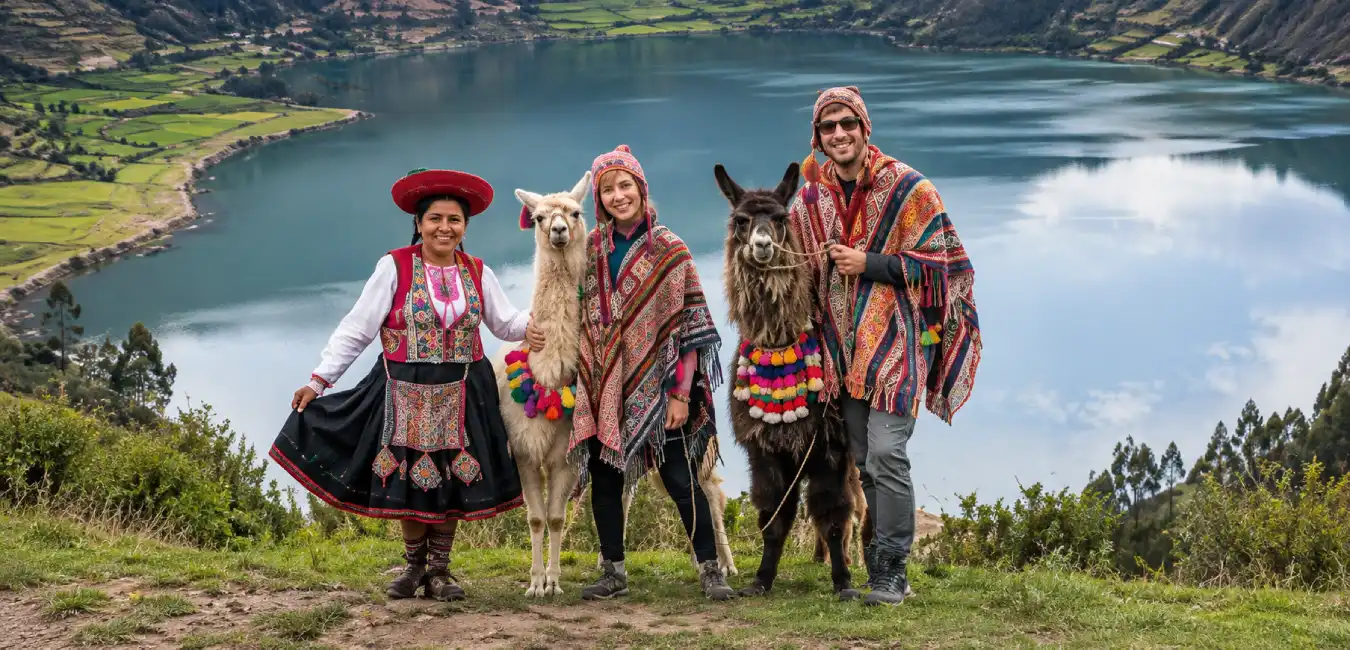
- Textile Workshops in Chinchero: Learn how local artisans spin wool, dye it with natural pigments, and weave it on traditional looms.
- Pisac and Chinchero Markets: Shop for alpaca textiles, ceramics, and jewelry. In some communities around Chinchero, people still practice barter.
- Pachamama Offering Ceremony: Take part in a ceremony honoring Mother Earth, guided by a local spiritual practitioner.
- Community-Based Tourism: Join a local family in their agricultural activities and learn about traditional farming techniques.
- Andean Cooking Classes: Learn to prepare pachamanca or huatia using locally grown ingredients.
Outdoor adventures
- Whitewater Rafting on the Urubamba River: Navigate Class II and III rapids with specialized operators, depending on river conditions.
- Mountain Biking: Ride downhill from Chinchero to Urquillos or explore the trails around Maras and Moray.
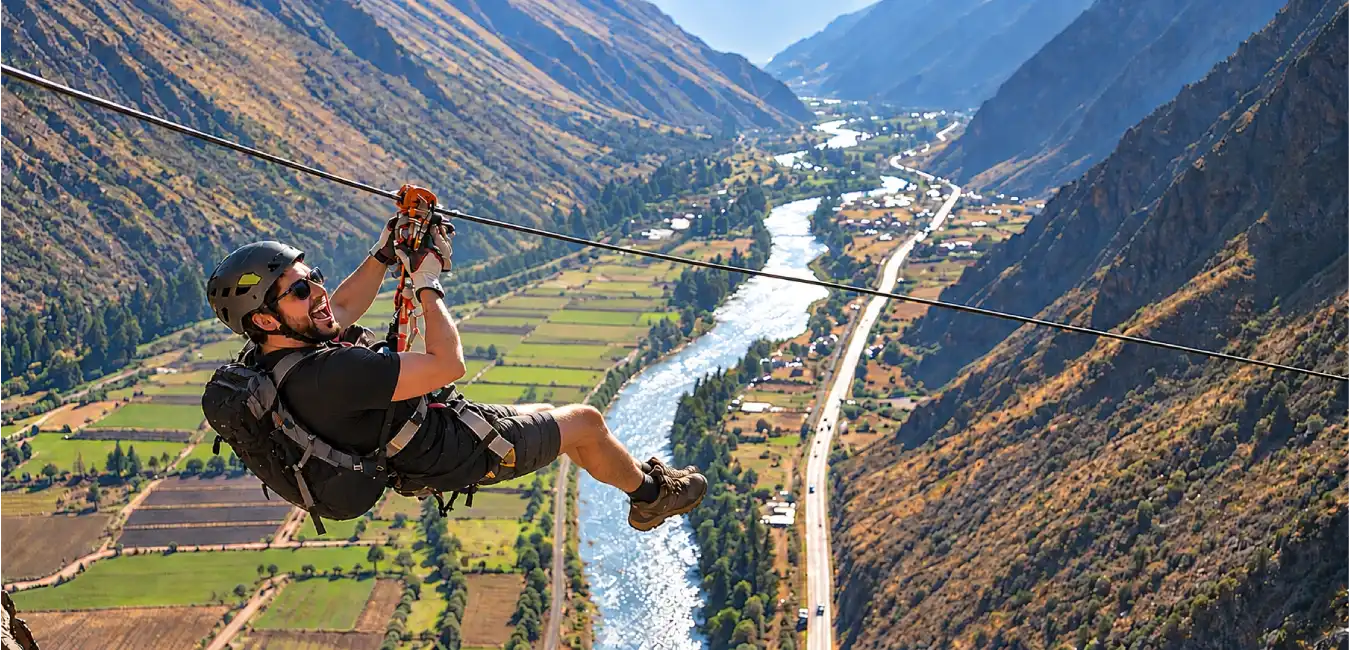
- ATV Rides, Ziplining, and Via Ferrata: These activities are available in Maras and Pachar.
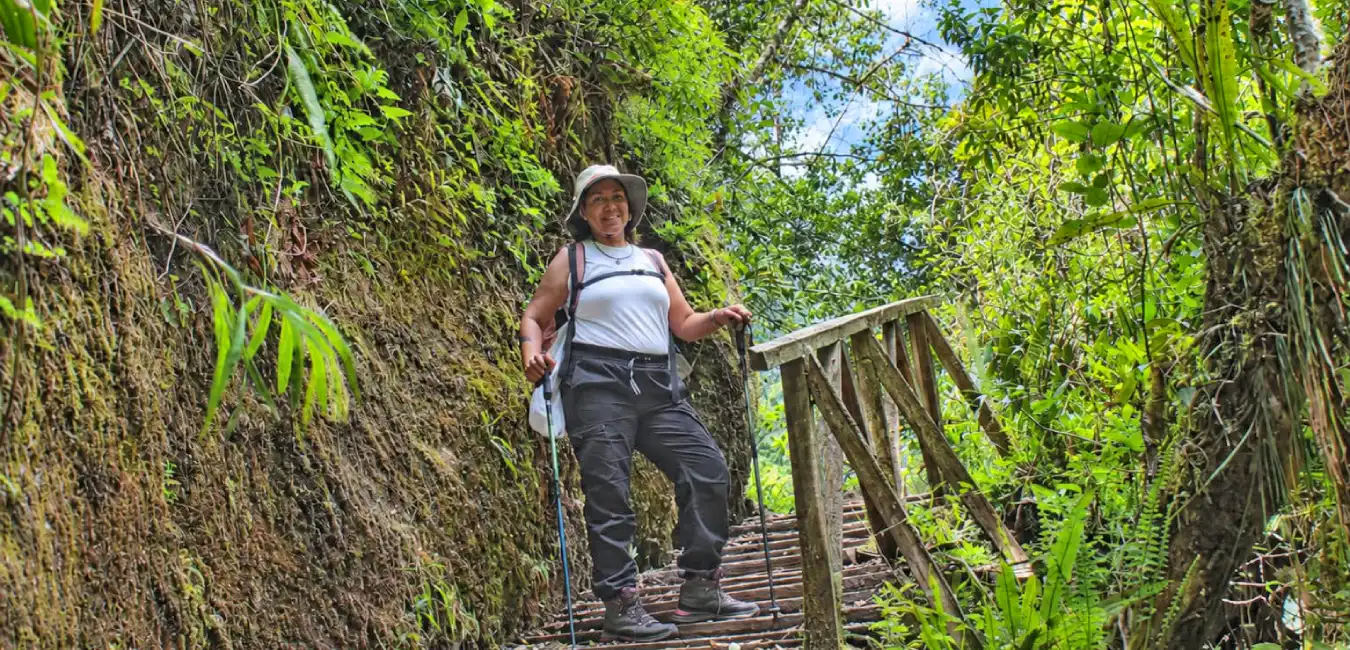
- Hiking: Explore Huchuy Qosqo, Cachiccata, Inti Punku in Ollantaytambo, or Perolniyoc, depending on your experience level.
How many days do you need in the Sacred Valley?
It depends on your travel pace and whether you're continuing to Machu Picchu. Based on our experience as a local tour operator, these are the options that work best:
Duration | Best for | What you'il see |
|---|---|---|
| 1 day | Travelers on a tight schedule | Taray, Pisac, Urubamba, and Ollantaytambo, returning via Chinchero. |
| 2 days | Travelers who want to explore without rushing | Both the eastern and western routes, with an overnight stay in the valley. |
| 3 days + Machu Picchu | First-time visitors to Cusco | The full Sacred Valley experience and a train ride from Ollantaytambo to Aguas Calientes. |
Our advice as a local Tour operator
If this is your first time in Cusco, visit the Sacred Valley early in your trip and spend the night there. Since the valley sits at a lower elevation, it can give your body more time to acclimate before you head to Machu Picchu feeling rested.
1-Day itinerary: The Sacred Valley highlights
Time | Activity |
|---|---|
| 7:30 a.m. | Depart Cusco via the Pisac route. |
| 8:15 a.m. | Visit Taray Viewpoint and Awanacancha (30 min.). |
| 9:00 a.m. | Explore Pisac Archaeological Park (2 hrs.). |
| 11:15 a.m. | Visit Pisac Market and town. |
| 1:00 p.m. | Lunch in Urubamba. |
| 2:30 p.m. | Explore Ollantaytambo Archaeological Site and town (2 hrs.). |
| 5:00 p.m. | Return to Cusco via Chinchero, with a brief stop at the viewpoint. |
| 7:00 p.m. | Approximate arrival time in Cusco. |
You'll need the Circuit III ticket. Since Chinchero closes around 5:30 p.m., this itinerary only includes a brief stop along the way. If you want to explore Chinchero, visit it first instead of Taray and enter the valley from the western route.
2-Day itinerary: Explore the Sacred Valley at your own pace
- Day 1 – The Plateau and Salt Mines: Visit Chinchero early in the morning and stop at a textile workshop → Moray → Maras Salt Mines → lunch in Maras or Urubamba → free time in the afternoon and overnight stay in Urubamba.
- Day 2 – River Valley and Inca Fortresses: Visit Pisac early (45 min. from Urubamba) → explore the market → lunch in Urubamba → visit Ollantaytambo and hike up to Pinkuylluna → return to Cusco or spend the night in Ollantaytambo.
The Circuit III ticket is valid for exactly 2 days, covering admission to all four archaeological sites. Add S/ 20 for the Maras Salt Mines entrance fee.
3-Day itinerary: Sacred Valley and Machu Picchu
- Day 1: Cusco → Taray → Pisac and its market → overnight stay in Urubamba to acclimate.
- Day 2: Visit Moray and the Maras Salt Mines in the morning → head to Ollantaytambo in the afternoon → take the train to Aguas Calientes.
- Day 3: Take an early bus to Machu Picchu → enjoy a guided tour → take the return train to Ollantaytambo and transfer to Cusco.
If you're flying into Cusco, you can head straight to the valley that same day and save Chinchero for your return journey. Book your Machu Picchu ticket and train tickets first.
Tailor your itinerary to your Travel style
- Traveling with Kids: Prioritize Awanacancha, Moray, Maras, and textile workshops. Avoid the longer uphill hikes at Pisac and Pinkuylluna if you're traveling with young children.
- Adventure: Swap a morning of sightseeing for rafting or mountain biking, or add a hike to Huchuy Qosqo.
- Culture: Add a textile workshop, a cooking class, or a Pachamama offering ceremony, and visit the markets on Sunday.
- Budget Travel: Take local shared vans, purchase the Circuit III ticket, and enjoy a set lunch at the Urubamba market.
Short on Time or looking for a different route?
Tell us how many days you have and what you're interested in, and we'll suggest a personalized itinerary, from a one-day trip through the valley to a llama-assisted hike that ends at Machu Picchu.
How to combine the Sacred Valley with Machu Picchu?
The Sacred Valley and Machu Picchu are natural additions to the same itinerary, since Ollantaytambo is the main train departure point for the archaeological site. The most efficient option is to explore the valley and continue from there, rather than returning to Cusco first.
You have four options:
- By Train: From Ollantaytambo, you can reach Aguas Calientes in 1.5 to 2 hours. From there, a bus takes about 25 minutes to reach the entrance to Machu Picchu.
- Classic Inca Trail (4 days): The trek starts at Kilometer 82, about 30 minutes from Ollantaytambo, and reaches Machu Picchu through the Sun Gate.
- Short Inca Trail (2 days): Get off the train at Kilometer 104, hike for about 6 hours, and enter Machu Picchu in the afternoon.
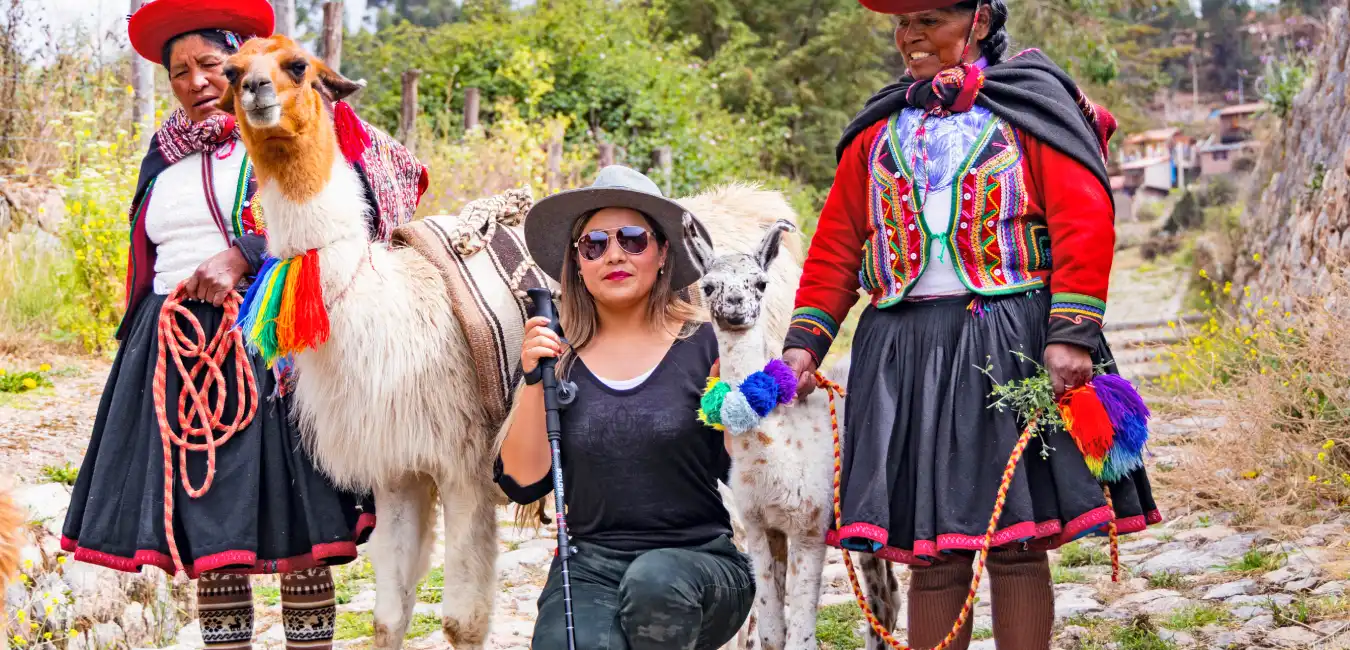
- Llama Trail, from Qoricancha to Machu Picchu: Hike with llamas from Qoricancha to Huchuy Qosqo, descending into the Sacred Valley along ancient Inca trails. From there, you can continue via the Classic Inca Trail, the Short Inca Trail, or by train.
Important
Admission to Machu Picchu is not included in the Cusco Tourist Ticket. Book your entrance ticket in advance, along with your Inca Trail permits, which can sell out months ahead during peak season.
Sacred Valley weather and what to pack
The valley has a mild climate, with daytime temperatures ranging from 20 to 25 °C (68 to 77 °F) and nighttime temperatures dropping to 8 to 10 °C (46 to 50 °F). From June through August, early morning temperatures can approach 0 °C (32 °F). Because of the high elevation, the midday sun can be intense even when the air feels cool.
Season | Months | What to expect | How to prepare |
|---|---|---|---|
| Dry Season | April to October | Clear skies, sunny days, and cold nights. More visitors in June and July. | Warm layers for mornings and evenings, sunscreen, and advance reservations. |
| Rainy Season | November to March | Afternoon rain, lush green landscapes, and fewer tourists. The heaviest rainfall occurs from January through March. | Plan visits for the morning, bring a waterproof poncho, and wear shoes with good traction. |
What to pack year round
- Layered Clothing: A T-shirt, fleece jacket, and windbreaker.
- Hiking Shoes with good traction for stairs and rocky paths.
- Sunscreen, sunglasses, and a hat.
- Rain Poncho, water, and snacks.
- Cash in Peruvian soles, preferably in small bills, and your passport or national ID for the tourist ticket.
Where to eat in the Sacred Valley
The valley's cuisine is rooted in its agricultural traditions, featuring corn, native potatoes, quinoa, and trout. To choose where to eat, consider your route and budget:
Where | What you'il find | Best for |
|---|---|---|
| Urubamba | Andean buffets, contemporary Andean cuisine, and affordable set lunches. | The most convenient lunch stop between Pisac and Ollantaytambo. |
| Pisac | Wood-fired empanadas and food stalls at the market. | A quick snack after visiting the archaeological park. |
| Ollantaytambo | Cafés and restaurants around the main square. | A meal before or after your train ride. |
| Moray | MIL, chef Virgilio Martínez's restaurant, featuring ingredients sourced from nearby communities. | A special dining experience that requires advance reservations. |
| Local Markets | Breakfasts, fresh juices, and set lunches. | The most affordable and authentic option. |
Traditional Andean dishes and drinks in the Sacred Valley
Dish or drink | Why you should try it |
|---|---|
| Choclo con queso (Giant Corn with Cheese) | Urubamba's giant white corn, known for its exceptionally large kernels. |
| Fried or Grilled Trout | Fresh trout from the valley's rivers and fish farms. |
| Pachamanca and Huatia | Meat and potatoes cooked underground using heated stones. |
| Oven-Roasted Guinea Pig (Cuy) | One of the most traditional dishes served on special occasions in the Andes. |
| Quinoa Soup | A comforting choice for cold evenings. |
| Chicha de Jora and Frutillada | Traditional corn-based drinks; frutillada is flavored with strawberries. |
| Craft Beer | Several breweries in the valley produce their own beers. |
Tips for eating well
- If you're on a budget, order the menú del día, a set meal that usually includes a starter, soup, and main course for one fixed price. Tourist buffets cost considerably more but offer a wider variety of dishes.
- Look for chicherías, traditional establishments often identified by a pole with a bag or red flowers hanging outside.
- Drink bottled water. If you have a sensitive stomach, avoid unpeeled fruit and raw sauces during your first few days.
History of the Sacred Valley of the Incas
Did you know that the Sacred Valley of the Incas holds stories that began long before the Inca Empire? Ancient cultures once lived here, powerful rulers shaped its history, and warriors fought against the Spanish. Its fortresses, agricultural terraces, and villages preserve legends passed down from generation to generation. Join us as we explore the valley's past and the stories you can still discover during your visit.
The Valley's earliest inhabitants
Before the expansion of the Inca Empire, cultures such as Chanapata, Qotakalle, and Killke were already farming the valley and making use of its natural resources. Later, groups such as the Ayarmacas and the Tampus controlled different areas, with the latter established near present day Ollantaytambo.
The Inca Period
The Inca ruler Pachacutec incorporated the territory into the Tawantinsuyu, the Inca Empire, and turned the area of Tambo into one of his royal estates. Later, his successors, Túpac Yupanqui and Huayna Cápac, built palaces in Chinchero and Yucay.
The arrival of the spanish
When the Spanish arrived in Cusco in 1533, the valley became a center of resistance.
Manco Inca's resistance
With the arrival of the Spanish, the valley became a stronghold of resistance. In 1536, Manco Inca led a rebellion, set fire to Chinchero, and fortified his position in Ollantaytambo. In January 1537, he defeated Hernando Pizarro's troops from the heights of the agricultural terraces and flooded the plain by diverting the river. Eventually, he retreated to Vilcabamba.
Legends of the Valley
- Ayar Cachi and the Salt of Maras. According to local tradition, his brothers locked him inside a cave because they feared his strength. Overwhelmed by despair, he cried so much that his tears emerged as a salty spring—the same spring that still supplies the salt ponds of Maras today.
- Ollantay and Cusi Coyllur. Ollantay, a general of common birth, fell in love with Cusi Coyllur, Pachacutec's daughter. Rejected by the Inca ruler, he rebelled from the fortress that now bears his name. Years later, his daughter Ima Súmac pleaded with Túpac Yupanqui for mercy. The ruler freed Cusi Coyllur and pardoned Ollantay. This story inspired the celebrated colonial era Quechua drama *Ollantay*.
The Sacred Valley today
Today, the valley brings together history, Andean traditions, and landscapes dominated by snow-capped peaks such as La Verónica and Sahuasiray. Recognizing its cultural and historical significance, the Peruvian government declared it a National Cultural Heritage Site in 2006, designating it an Archaeological and Historical Cultural Landscape.
"At Responsible Trekking, we are a 100% locally owned tour operator based in Cusco. We travel in small groups through Pisac, Chinchero, Moray, Maras, Huchuy Qosqo, and Ollantaytambo, connecting you with the communities that keep the valley's culture alive before continuing to Machu Picchu. Contact us via WhatsApp or email, tell us your travel dates and interests, and we'll send you a personalized proposal with transportation, a guide, and entrance tickets arranged for you."
Frequently asked questions about the Sacred Valley of the Incas
Can you visit the Sacred Valley and Machu Picchu in one day?
It’s possible, but exhausting, and you’ll barely have time to see the valley. We recommend spending at least two days: explore the Sacred Valley on the first day and visit Machu Picchu the next.
How much does it cost to visit the Sacred Valley on your own?
For a day trip by shared minivan (colectivo), budget around S/ 30 for transportation, S/ 70 for the Circuit III ticket, and S/ 15 to S/ 40 for lunch, bringing the total to approximately S/ 120–140 per person. If you add Maras and Moray to your itinerary, factor in the entrance fee to the salt mines and a taxi ride from the junction.
Can you experience altitude sickness in the Sacred Valley?
Altitude sickness is much less common in the Sacred Valley than in Cusco because the valley floor sits 400 to 600 meters (1,312 to 1,969 feet) lower. Even so, stay hydrated, eat light meals, and take it easy on your first day.
Do I need a guide to visit the archaeological sites?
A guide isn’t required in the Sacred Valley, but having one helps you understand the history and significance of each site. Official guides are usually available at the entrances to Pisac and Ollantaytambo.
Is the Sacred Valley suitable for children, and what level of physical fitness is required?
Yes, the Sacred Valley is suitable for children. A moderate level of fitness is recommended because Pisac and Ollantaytambo have steep stairways and uneven paths. Adjust the hikes to suit each child’s age and abilities.
Is it safe to travel alone in the Sacred Valley?
Yes, the Sacred Valley is generally a safe destination. Take basic precautions: avoid isolated areas at night and keep an eye on your belongings in markets.
Can I pay by credit or debit card?
Yes, hotels and restaurants in Urubamba and Ollantaytambo generally accept cards. However, shared minivans (colectivos), markets, the entrance fee to Maras Salt Mines, and community run attractions usually require cash.
What languages are spoken in the valley?
Spanish and Quechua are the main languages spoken in the valley. Greeting someone with “allillanchu” (How are you?) and saying “sulpayki” (Thank you) will often bring a smile.
Are there pharmacies and medical facilities?
Yes, you’ll find pharmacies and medical services in Pisac, Calca, Urubamba, and Ollantaytambo, as well as clinics in Cusco.