
The tara is a tree native to the Peruvian Andes, recognized for its economic, environmental, and industrial importance. Its pods contain tannins used in the leather industry, while its seeds yield tara gum, a natural ingredient used in food and other products.
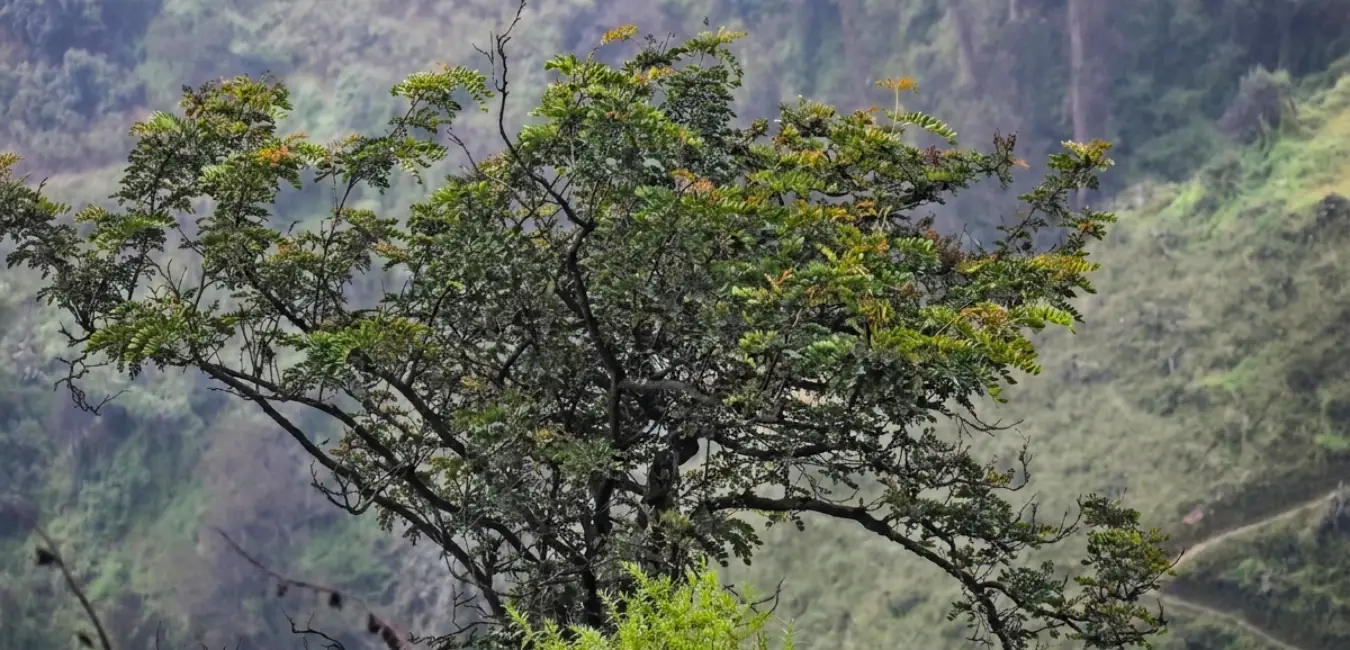
Tara: Origin, cultivation, benefits, and uses of the green gold of the Andes
In this blog, you'll discover what Tara is, where it comes from, where it grows, its botanical characteristics, how it is cultivated, the environmental and economic benefits it provides, its main industrial uses, and the role it plays in sustainable development in Peru and other Andean countries. Join me as we learn more about this remarkable native plant.
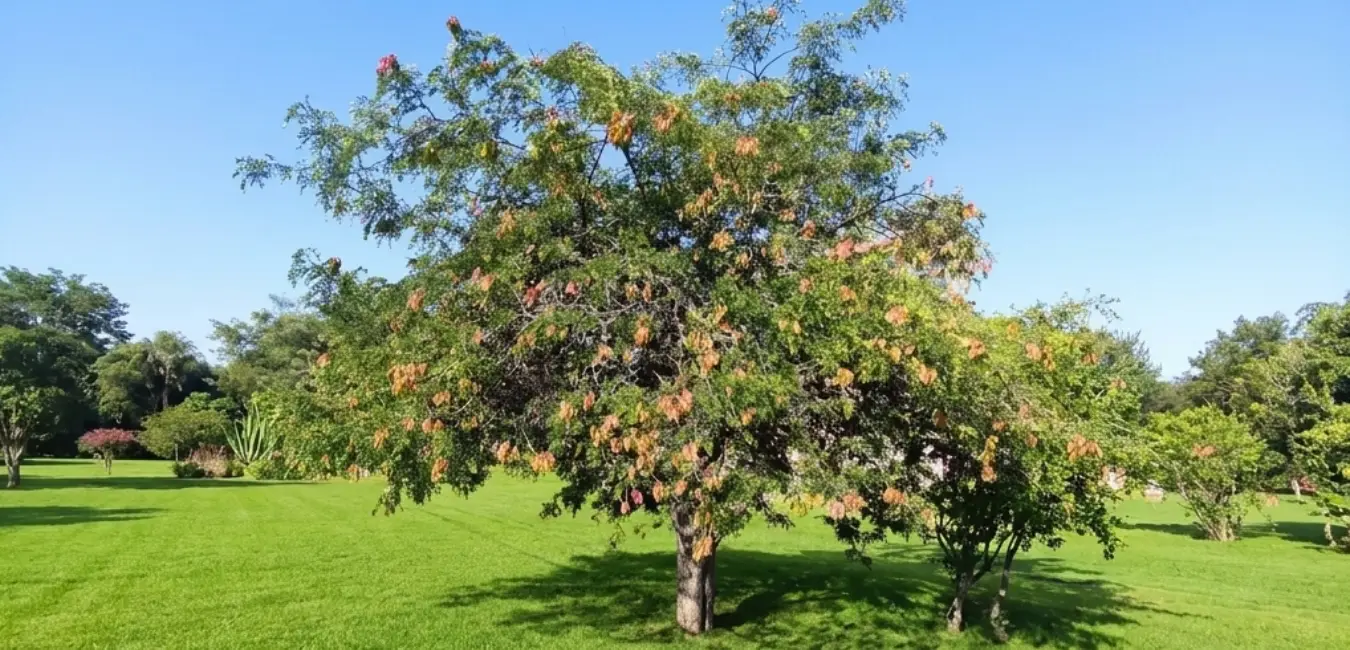
What is Tara?
Tara is a small tree or thorny shrub belonging to the Fabaceae family, the same botanical family as beans, acacias, and mesquite trees.
Scientific name of Tara
The scientific name of Tara is Caesalpinia Spinosa (Molina) Kuntze. However, some recent botanical publications also identify it as Tara Spinosa (Molina) Britton & Rose. Despite this, international organizations and technical standards continue to use Caesalpinia Spinosa, making it the most widely accepted name.
Names Tara is known by today
Depending on the country or region, this species is known by different names, including:
- Tara
- Taya
- Guarango
- Cuica
- Tara thorn
- Andean dividivi
Origin and distribution of Tara
Tara originates in the Andes of South America, particularly in territories that are now part of Peru. Since ancient times, Andean communities have made use of its pods, seeds, and other parts of the plant because of their natural properties and usefulness in a variety of traditional activities.
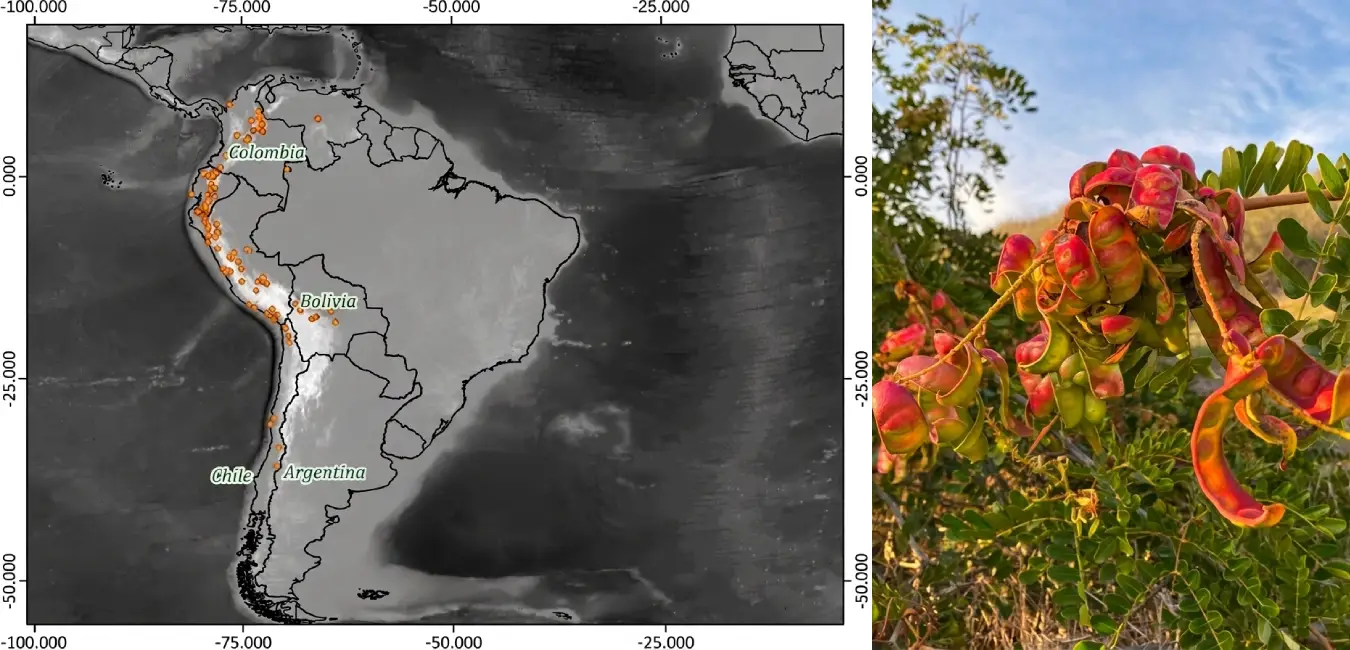
Today, Tara is found mainly in the following countries:
Country | Characteristics of its presence |
| Peru | It is the main producer and has the largest natural and cultivated Tara-growing areas. |
| Ecuador | It grows in Andean areas with dry and temperate conditions. |
| Bolivia | It grows in inter-Andean regions with limited water availability. |
| Chile | It is found mainly in northern areas with conditions similar to the dry Andes. |
Argentina | It is found in northwestern areas with favorable growing conditions. |
Why is Tara considered the "Green gold of the Andes"?
It is no coincidence that Tara is known as the "green gold of the Andes." This species combines three qualities that few forest plants possess at the same time: high economic value, an important ecological role, and significant potential to promote sustainable development. As a result, it has become a strategic resource for many rural communities.
Identifying a Tara tree
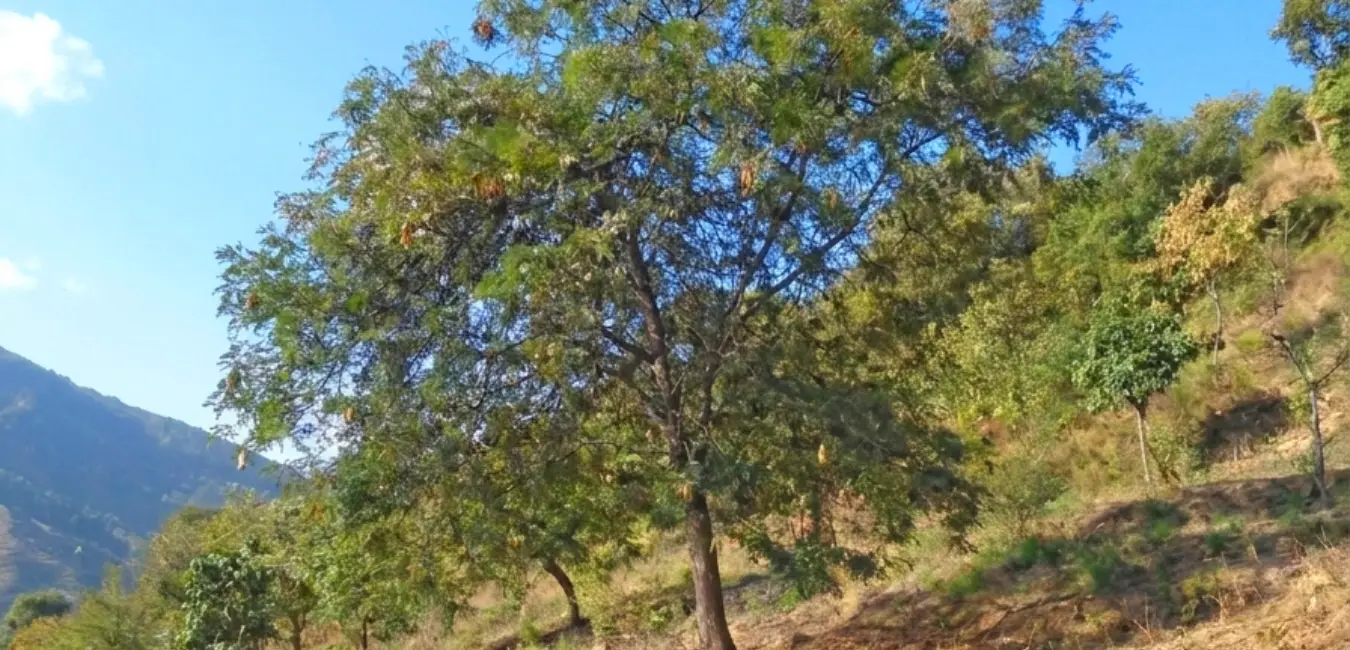
You can recognize a Tara tree by its small or medium size, its branches with small thorns, and its leaves, which are made up of many small green leaflets. During flowering, it produces yellow flowers arranged in clusters, while its fruit consists of flat green pods that turn brown as they mature. Its trunk is usually short, and its crown is open and irregular.
Characteristics of Tara
Let's start with the easiest features to identify.
Height
Under natural conditions, Tara generally reaches between 2 and 8 meters in height. However, some well developed specimens can exceed 10 meters when they grow in deep soils and have moderate access to water.
Important fact…
During its first few years, growth is usually slow. Factors such as altitude, soil type, rainfall, and agricultural management also directly influence the height the tree reaches.
Trunk
The trunk is typically short and sturdy, with branches often beginning relatively close to the ground. This characteristic helps the tree withstand the strong winds common in many inter Andean areas. In mature specimens, the trunk diameter typically ranges from 20 to 40 centimeters, although some very old trees can exceed these dimensions.
Bark
Over the years, the bark develops small longitudinal cracks across a surface that is brownish gray or dark brown. At the same time, it helps reduce water loss during dry periods and acts as a barrier against sudden temperature changes.
Branches
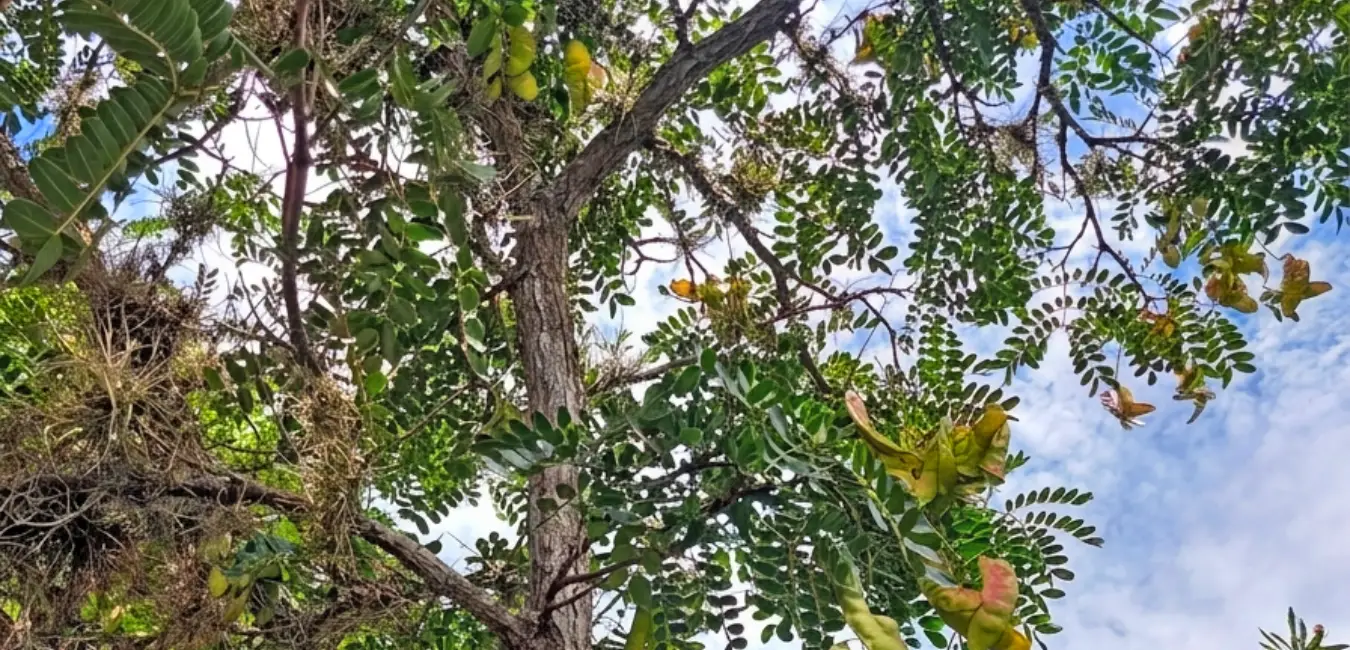
The crown has an irregular and fairly open shape. The branches are abundant and flexible and generally have short thorns. This characteristic is precisely what gave rise to the species name Spinosa, meaning "thorny."
Leaves
Each leaf measures between 10 and 20 centimeters in length and consists of several pairs of pinnae containing numerous small, oval, deep green leaflets. Thanks to this structure, the plant:
- Reduces water loss through transpiration.
- Reduces the impact of intense solar radiation.
- Facilitates air circulation between the leaflets.
- Improves photosynthetic efficiency in dry environments.
Flowers
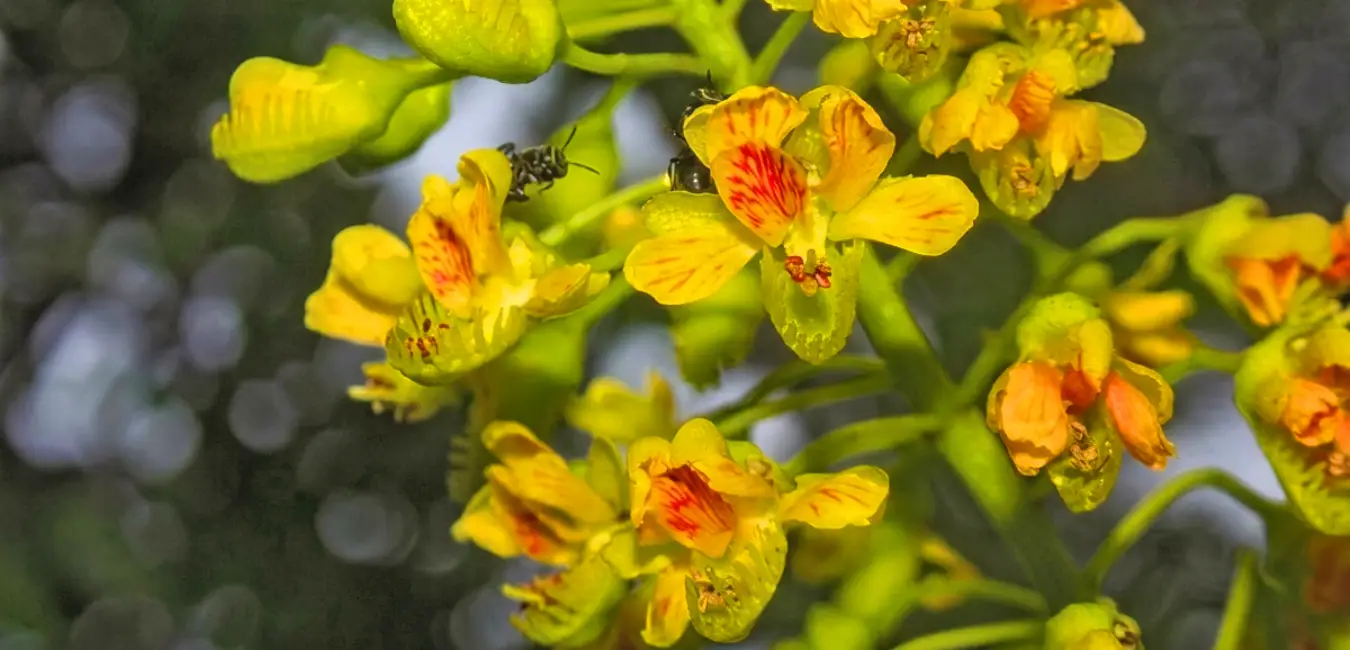
Small and striking, the flowers are approximately 1 to 2 centimeters in diameter and have yellow coloring with reddish or orange hues. Flowering generally occurs between the end of the dry season and the beginning of the rainy season.
The main pollinators include:
- Native bees.
- Honeybees.
- Wasps.
- Some beetles.
- Other nectar-feeding insects.
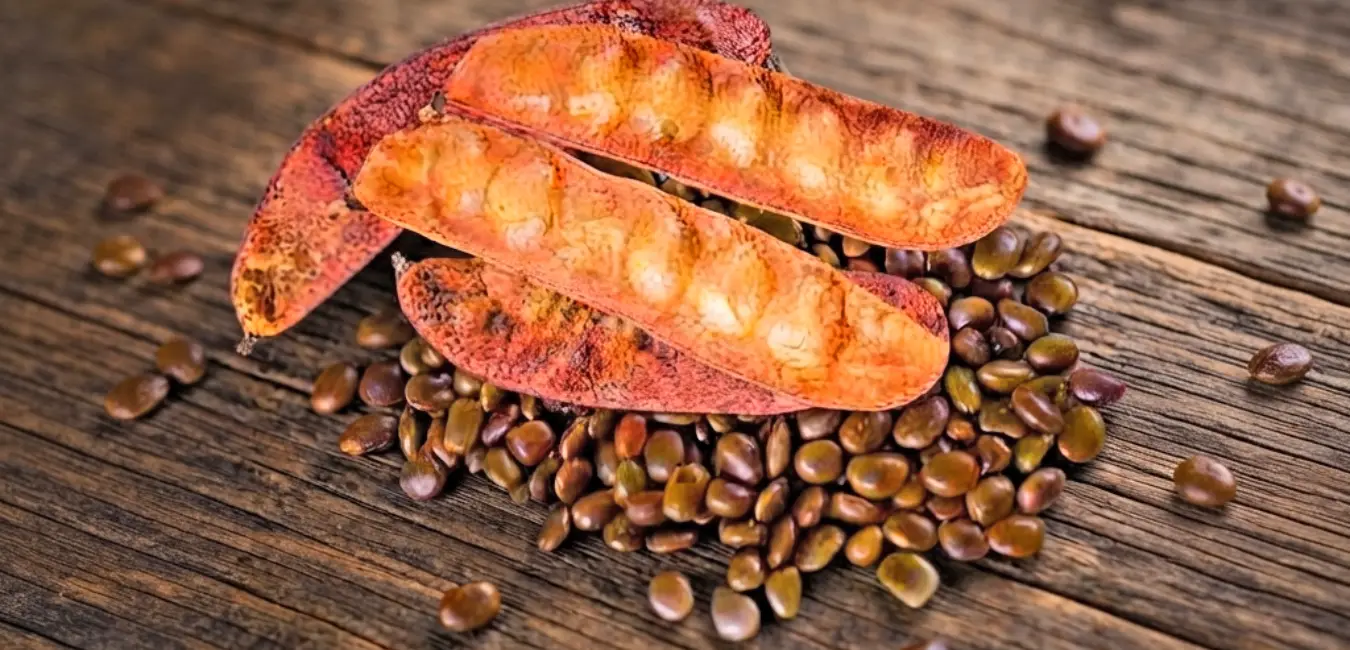
Fruit
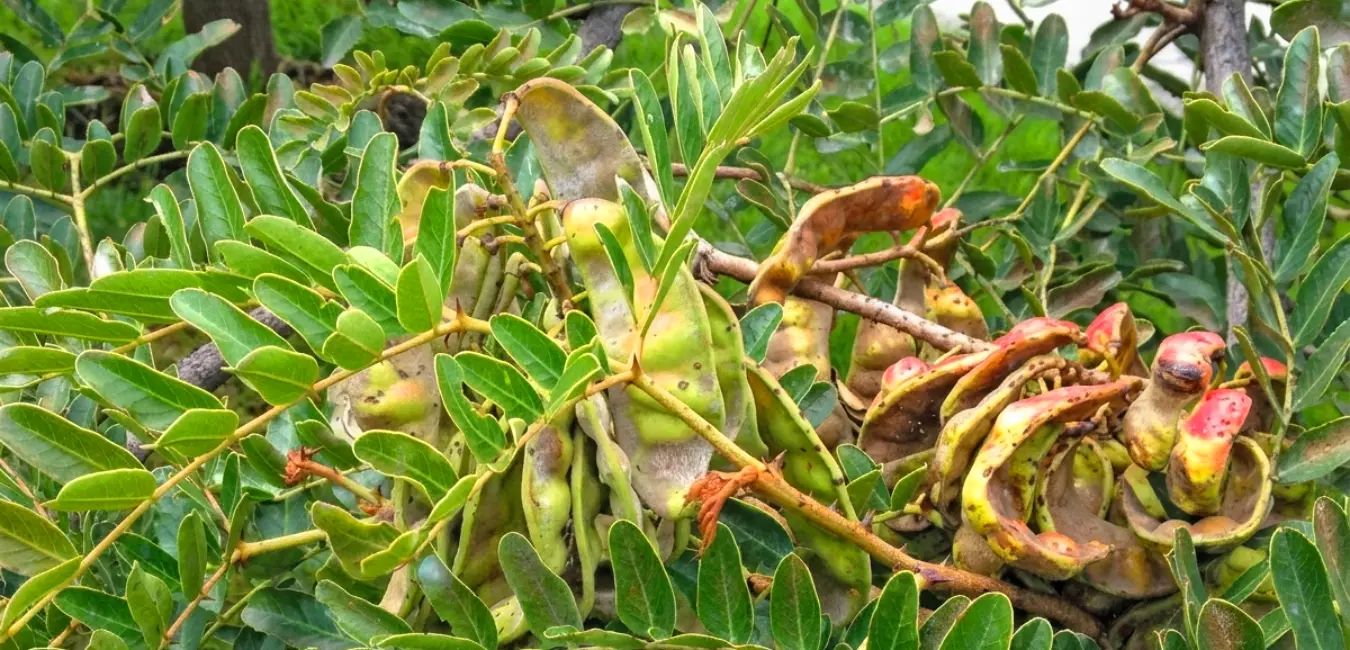
Once mature, the fruit does not open spontaneously. The pods are flat and slightly curved, with the following characteristics:
- 6 to 12 centimeters long.
- Approximately 2 to 4 centimeters wide.
- Relatively thick.
- Smooth surface.
- Green during development.
- Yellow during the intermediate stage of maturity.
- Reddish-brown or dark brown when they reach physiological maturity.
Seeds
Each pod normally contains between 4 and 8 seeds. These seeds are characterized by being:
- Oval shaped.
- Very hard.
- Dark brown or glossy black.
- Approximately 6 to 10 millimeters in diameter.
Benefits of growing Tara for soil, the environment, and the economy
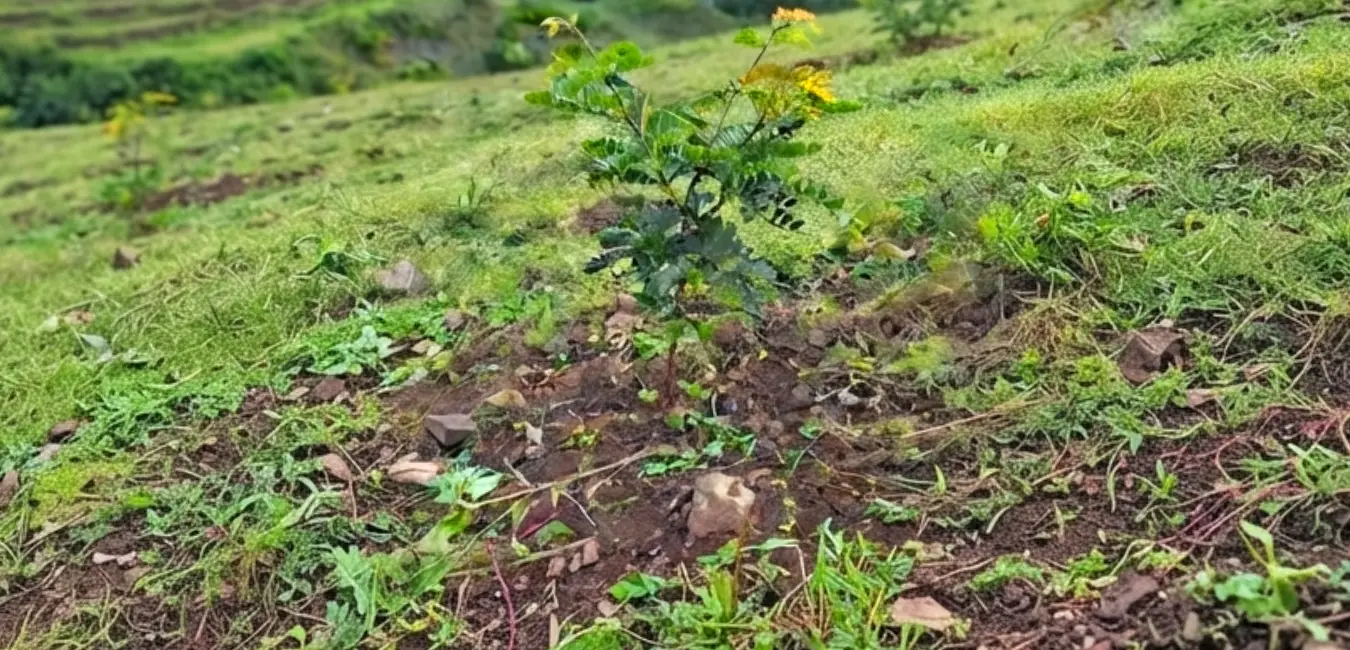
Planting Tara provides important benefits for the soil and surrounding environment because it:
- Increases soil stability.
- Reduces the risk of erosion.
- Promotes rainwater infiltration.
- Improves soil structure.
- Helps restore degraded land.
How long does Tara live?
Under natural conditions, Tara can live between 50 and 100 years, although some well-preserved specimens may exceed this range. When properly managed in plantations, the species:
- Begins producing pods between 3 and 5 years of age.
- Gradually increases its yield.
- Reaches peak productivity between 10 and 20 years of age.
- Continues producing for several decades.
History of Tara
The history of Tara is closely linked to the development of Andean civilizations. Long before the arrival of Europeans, communities living in the inter-Andean valleys were already familiar with the properties of this species and used its pods for a variety of everyday activities.
Tara in Pre-Hispanic cultures
Various archaeological and ethnobotanical studies indicate that the use of Tara began long before the rise of the Inca Empire. Pre-Hispanic cultures that inhabited the central Andes valued its pods for their high tannin content and recognized the importance of this species within dry ecosystems.
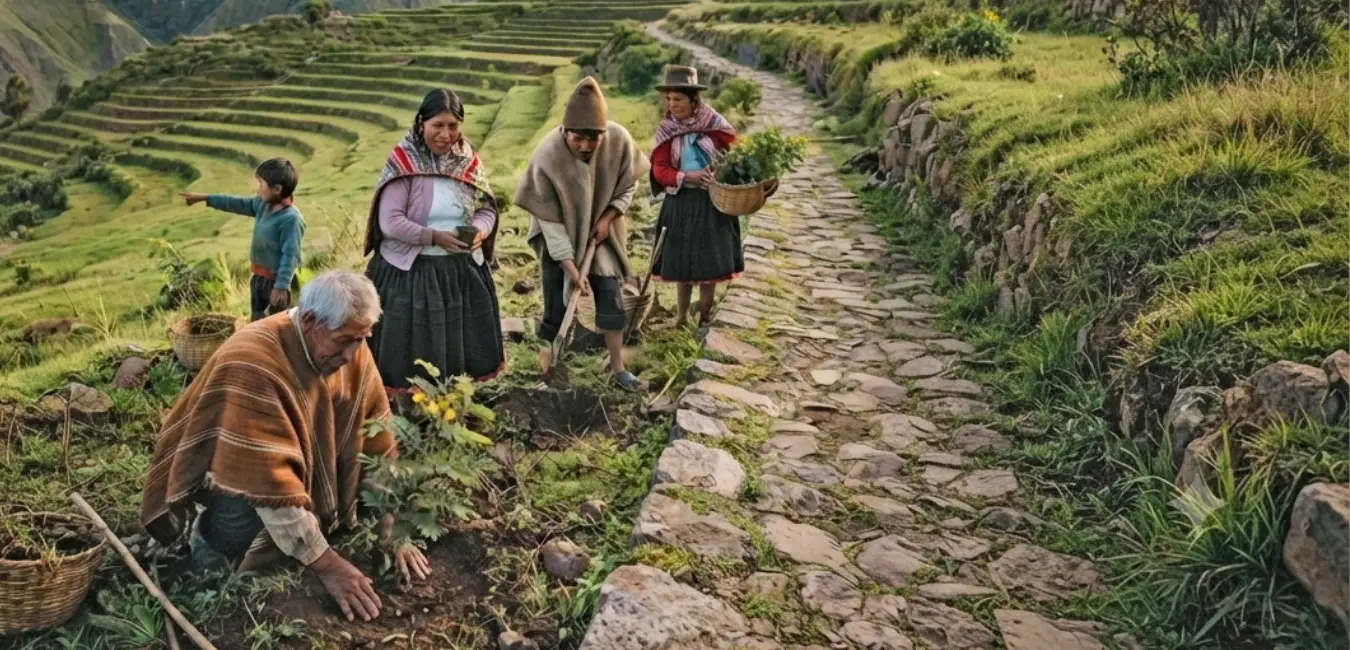
The main documented uses include:
- Traditional leather tanning.
- Production of natural dyes.
- Leather preservation.
- Textile dyeing.
- Preparation of infusions used in traditional medicine.
Tara during the Inca Empire
With the consolidation of the Tahuantinsuyo, Tara became increasingly important within Andean agricultural systems. Its ability to grow on dry slopes and poor soils allowed it to become naturally integrated into a variety of agricultural landscapes.
Various uses of Tara during the Inca Period
- Protecting crops from wind.
- Marking agricultural plots.
- Conserving soil on sloped terrain.
- Providing firewood for household use.
- Serving as a raw material for producing natural dyes.
Tara during the Colonial Period
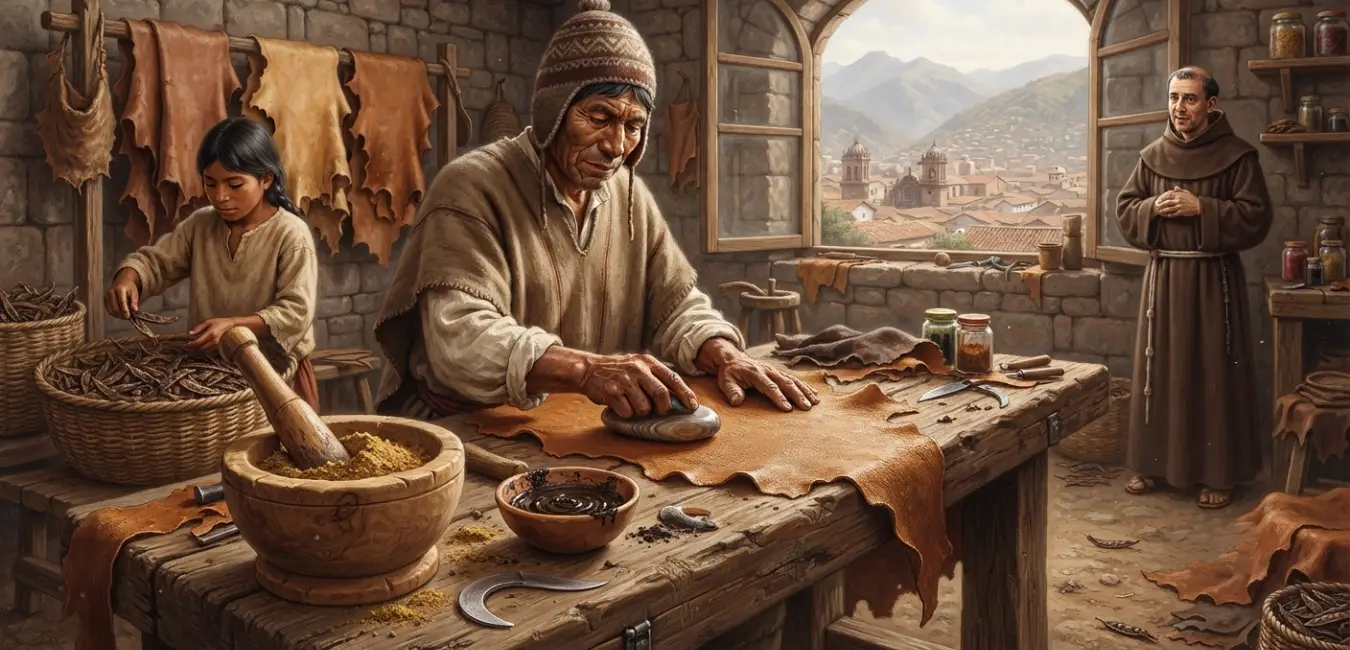
The arrival of the Spanish in the 16th century marked a new stage in the use of Tara. The tanning properties of its pods attracted the interest of workshops dedicated to leather processing, an activity that expanded considerably during the colonial period.
The importance of Tara today
In recent decades, Tara has gone from being a resource used primarily by local communities to becoming a strategic product in international trade.
Important facts about Tara you should know
Have you ever imagined having a Tara tree growing in your own backyard? Although it may seem like a simple plant, there are a few secrets to growing it strong and healthy. In this section, you'll learn how to plant it step by step, how its seeds germinate, and when to transplant it. Join me and discover how to bring this valuable Andean species to life!
Let's learn how to plant Tara step by step
Growing Tara begins with carefully selecting seeds, choosing well drained land, and properly preparing the soil. Although this species adapts to challenging conditions, it requires some care during its first few months to become well established.
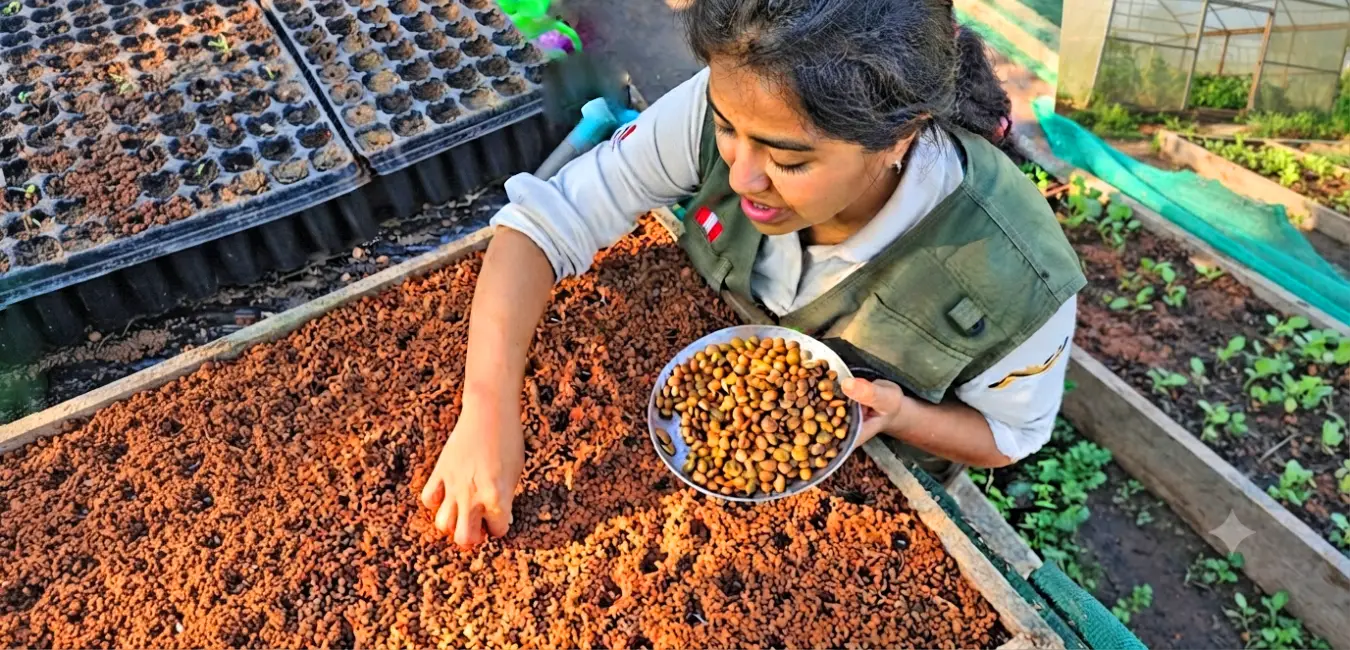
Step 1. Select high quality seeds
Choose seeds from healthy, vigorous trees with high pod production. Also, make sure they are mature, clean, and free from damage caused by insects or diseases.
Step 2. Break seed dormancy
Because the seed coat is very hard, it is advisable to apply a pre-germination treatment to encourage germination. The most commonly used methods are:
- Mechanical scarification by gently sanding the seed coat.
- Soaking in hot water followed by a resting period.
- Chemical scarification, used mainly in specialized nurseries.
- These treatments increase the germination rate and speed up the process.
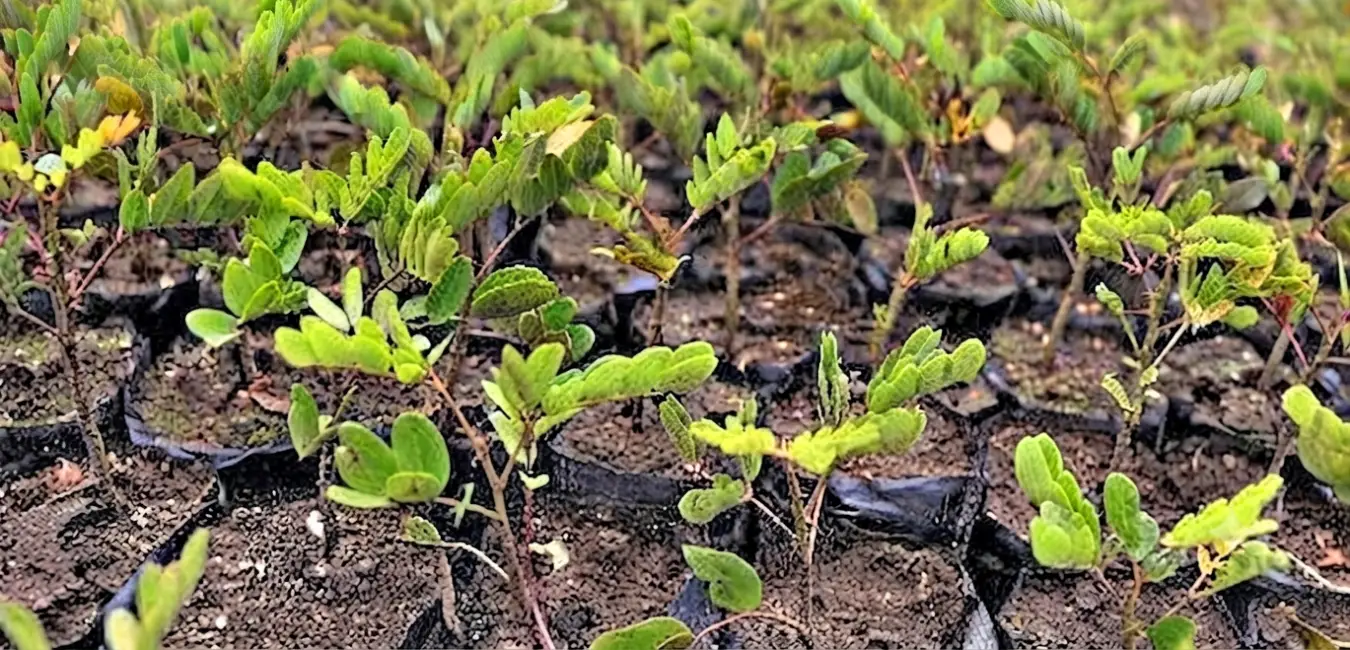
Step 3. Prepare the site
Before planting, make sure the site meets the appropriate conditions. Tara grows best in:
- Well drained soils.
- Loamy or sandy loam soils.
- Areas with direct sunlight.
- Land with little standing water.
Step 4. Plant the seedlings
Plants are generally first grown in a nursery and transplanted once they reach between 20 and 40 centimeters in height. Planting distance depends on the purpose of the plantation, although it generally ranges from 4 × 4 m to 6 × 6 m.
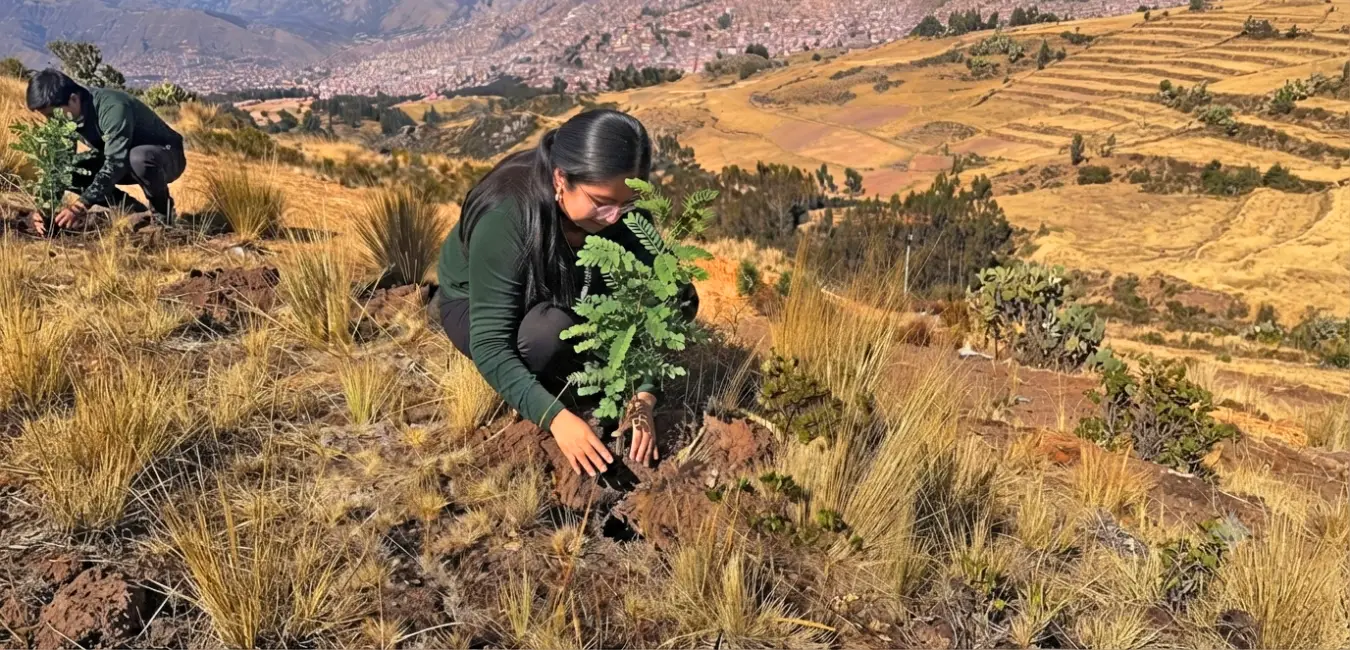
Step 5. Provide initial care
During the first year of establishment, it is recommended to:
- Control weeds.
- Protect the plants from livestock.
- Water only when there is a prolonged drought.
- Replace plants that do not survive.
How do you germinate Tara seeds?
Tara seeds have a very hard seed coat that makes it difficult for them to absorb water. Therefore, they require a pre germination treatment before planting.
To germinate the seeds, you will need:
- Tara seeds.
- Water.
- Fine sandpaper or a file.
- Nursery bags or a seedbed.
- Well drained growing medium.
Follow these steps to encourage germination.
- Select mature, healthy seeds.
- Lightly sand one end of each seed without damaging the embryo.
- Soak them in water for 12 to 24 hours.
- Plant each seed approximately 2 to 3 centimeters deep.
- Keep the growing medium moist, but avoid waterlogging.
- Place the seedbed in an area with good light and moderate temperatures.
- Under suitable conditions, germination usually occurs within 10 to 30 days.
Tips for improving germination
- Use fresh seeds.
- Avoid excess water, as it can cause rot.
- Use an aerated, well, drained growing medium.
- Protect seedlings from intense cold during the first few weeks.
What conditions does Tara need to grow?
Tara grows best under the following conditions:
- Elevations between 1,000 and 2,800 m above sea level.
- Average temperatures between 12 °C and 24 °C.
- Annual rainfall of 250 to 800 mm.
- Direct exposure to sunlight.
- Well-drained soils.
- Slightly sloped or flat terrain.
How is Tara propagated?
Tara can be propagated through:
- Seeds.
- Seedlings produced in nurseries.
How long does it take for a Tara tree to grow?
Growth depends on site quality and plantation management. In general, development occurs as follows:
- First year: development of the root system.
- Second year: accelerated vegetative growth.
- Third year: flowering begins in some specimens.
- Between the third and fifth years: first commercial harvests.
- Between ten and twenty years: peak production.
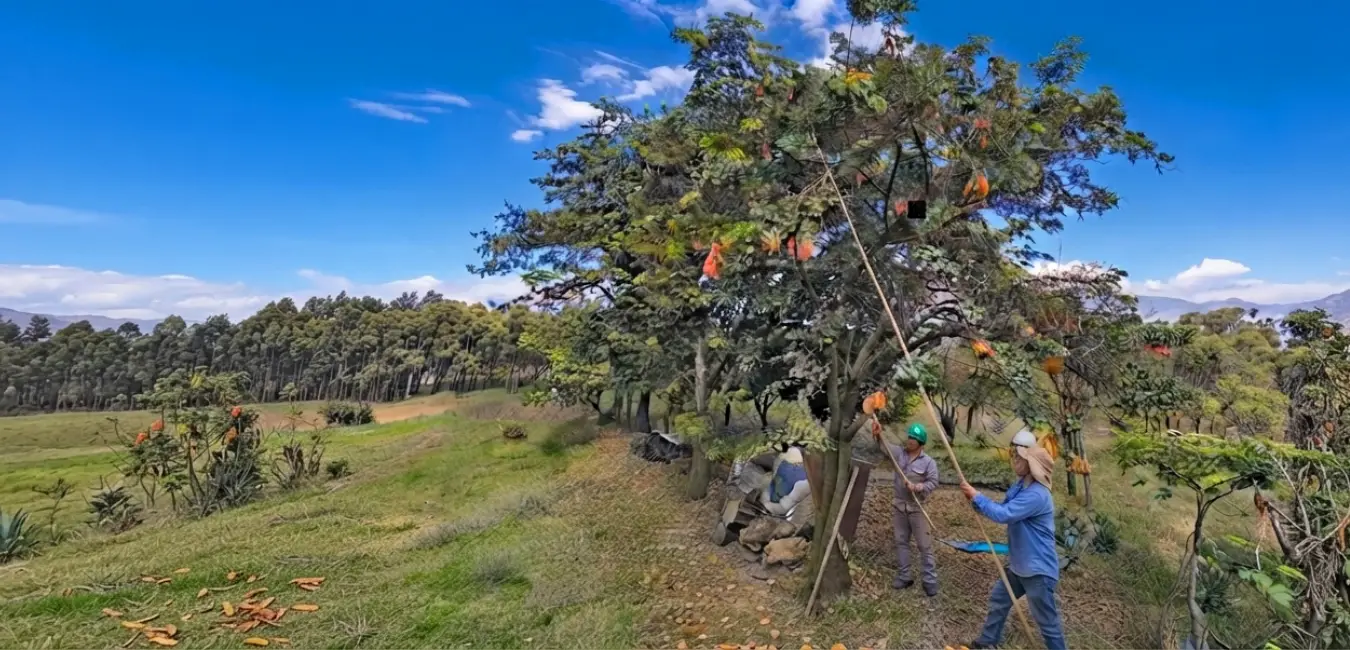
Where does tara grow?
Tara is highly adaptable. As a result, it thrives in dry regions, rocky slopes, and mountainous areas with limited rainfall.
Important fact...
- In addition, because of its commercial value, it is also part of cultivation or research programs in: Morocco, South Africa, Ethiopia, Kenya, India, China, Australia, and Tara-producing areas in Peru.
- Peru is home to the most extensive natural populations of Tara and also leads the world in the production and export of this species. Its distribution covers much of the western slope of the Andes, where it finds favorable conditions for growth.
The main producing regions are:
- Cajamarca.
- Ayacucho.
- Huancavelica.
- Apurímac.
- Cusco.
- Arequipa.
- Lima (high Andean areas).
- Áncash.
- Junín.
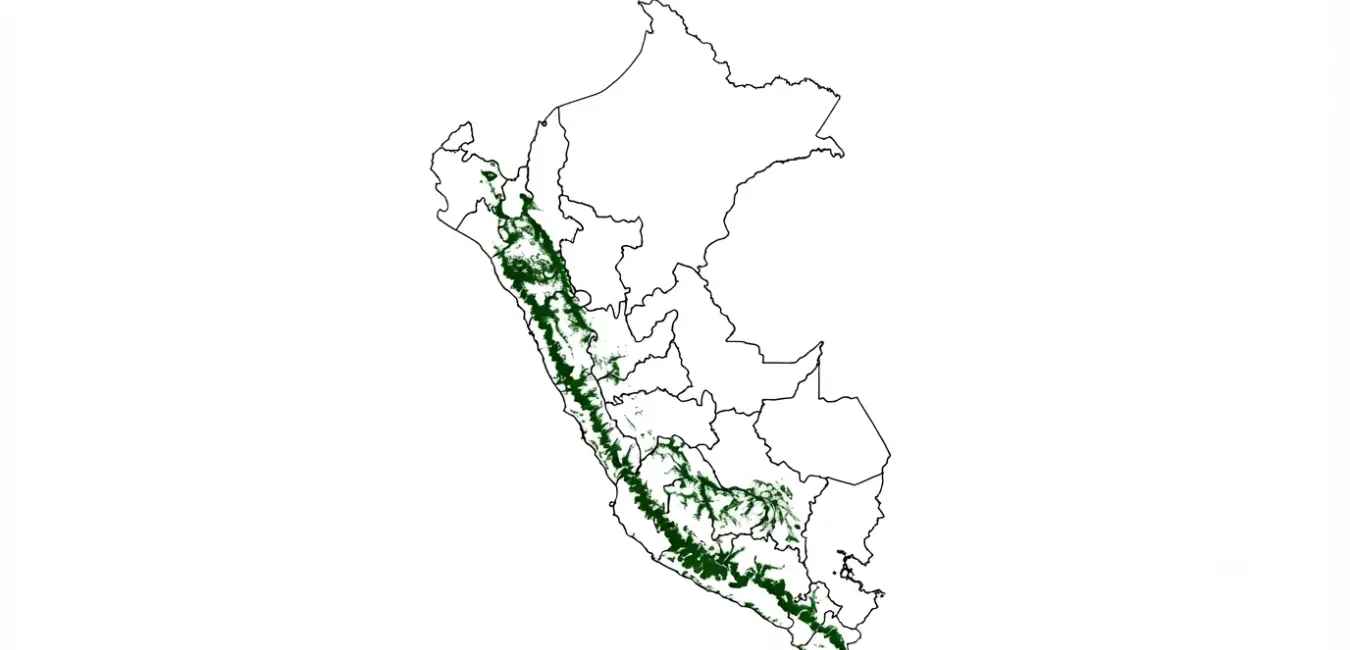
Elevation at which Tara grows in Peru
In Peru, Tara grows from some coastal valleys to high Andean areas at elevations of around 3,200 m above sea level. However, the largest populations are found between 1,000 and 2,800 m above sea level, demonstrating its remarkable ability to adapt to different environmental conditions.
Ideal climate for Tara growth
The optimal temperature for Tara growth ranges between 12 °C and 24 °C. Even so, it can tolerate higher daytime temperatures and drops to near 0 °C during certain times of the year, provided that frosts are neither prolonged nor severe.
Types of climate where Tara grows
- Dry.
- Semi-arid.
- Subhumid.
- Warm temperate.
- Ideal temperature for Tara growth.
Benefits of Tara
It is important to distinguish between benefits supported by scientific research and those associated with traditional medicine. While its environmental and economic benefits are well documented, some potential health effects are still being studied.
Environmental benefits of Tara
One of Tara's main contributions is its ability to restore ecosystems and recover degraded areas of the Peruvian Andes. As one of the native plants of Cusco, together with the molle tree, chachacomo, Andean elderberry, and quishuar, it plays an important role in reforestation programs. Its adaptation to the climatic conditions of the highlands helps protect soil, conserve biodiversity, and restore native vegetation without disrupting ecological balance.
Reforestation of degraded areas
Tara stands out for its ability to become established in areas where other species struggle to survive. It can therefore grow in:
- Eroded soils.
- Dry slopes.
- Rocky terrain.
- Low-fertility areas.
- Regions with limited rainfall.
Did you know…
Because of these characteristics, organizations dedicated to environmental conservation consider it a priority species for reforestation projects and sustainable land management.
Economic benefits of Tara
The growing global demand for natural products has made Tara an increasingly important source of income for many Andean communities.
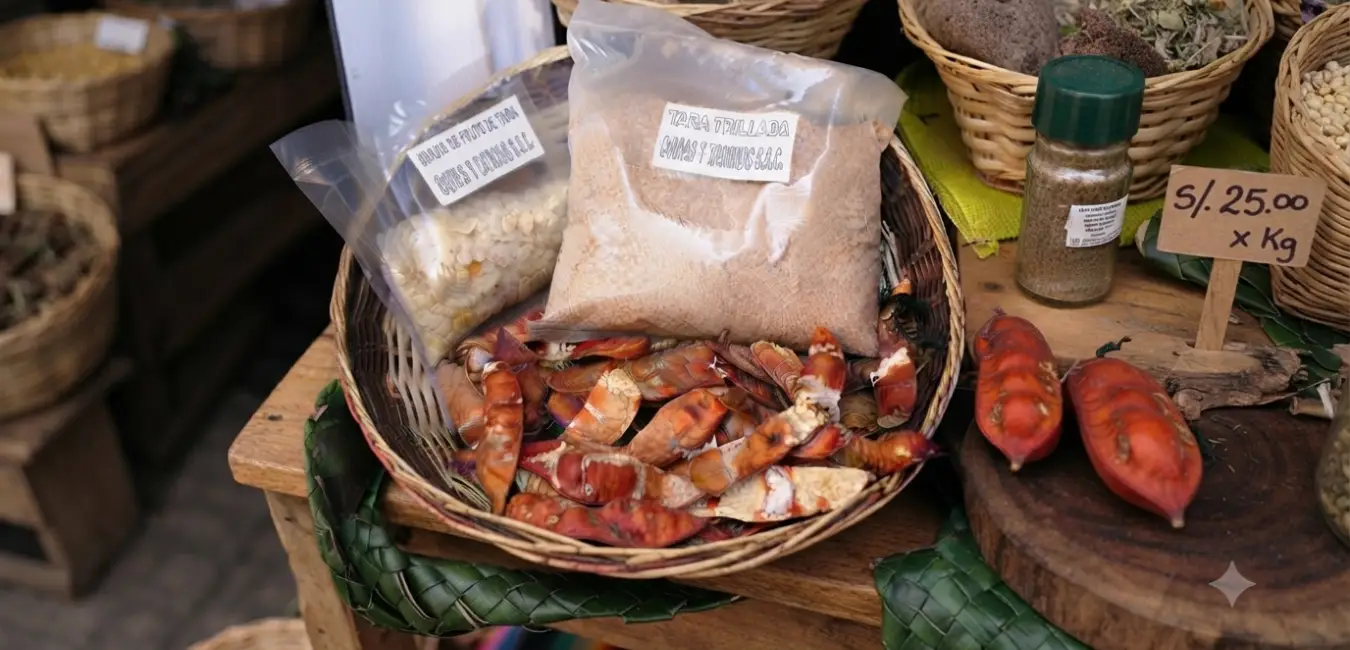
Raw material for industry
The pods and seeds supply a variety of international industries. Its main applications include:
- Vegetable tanning of leather.
- Production of Tara gum.
- Production of food ingredients.
- Cosmetics.
- Pharmaceutical industry.
- Chemical industry.
- Ink production.
- Adhesive manufacturing.
- Paint production.
Health benefits of Tara: What does science say?
For generations, Andean communities have used Tara as part of traditional medicine. However, it is important to distinguish these ancestral uses from the scientific evidence currently available.
Traditional uses
In various rural communities, the pods, leaves, and bark are traditionally used to prepare infusions or external applications associated with:
- Oral hygiene.
- Cleaning minor wounds.
- Skin care.
- Traditional practices for relieving digestive discomfort.
Chemical composition of Tara
Tara contains a variety of compounds of interest, including:
- Hydrolyzable tannins.
- Galactomannans.
- Polysaccharides.
- Polyphenols.
- Fiber.
- Proteins.
- Minerals.
- Minerals (Calcium, Potassium, Magnesium, Phosphorus, and Iron).
Main industrial and commercial uses of Tara
Tara provides raw materials that supply industries around the world. Thanks to the high tannin content of its pods and the gum obtained from its seeds, this species has become a strategic resource for a variety of productive sectors.

Food industry
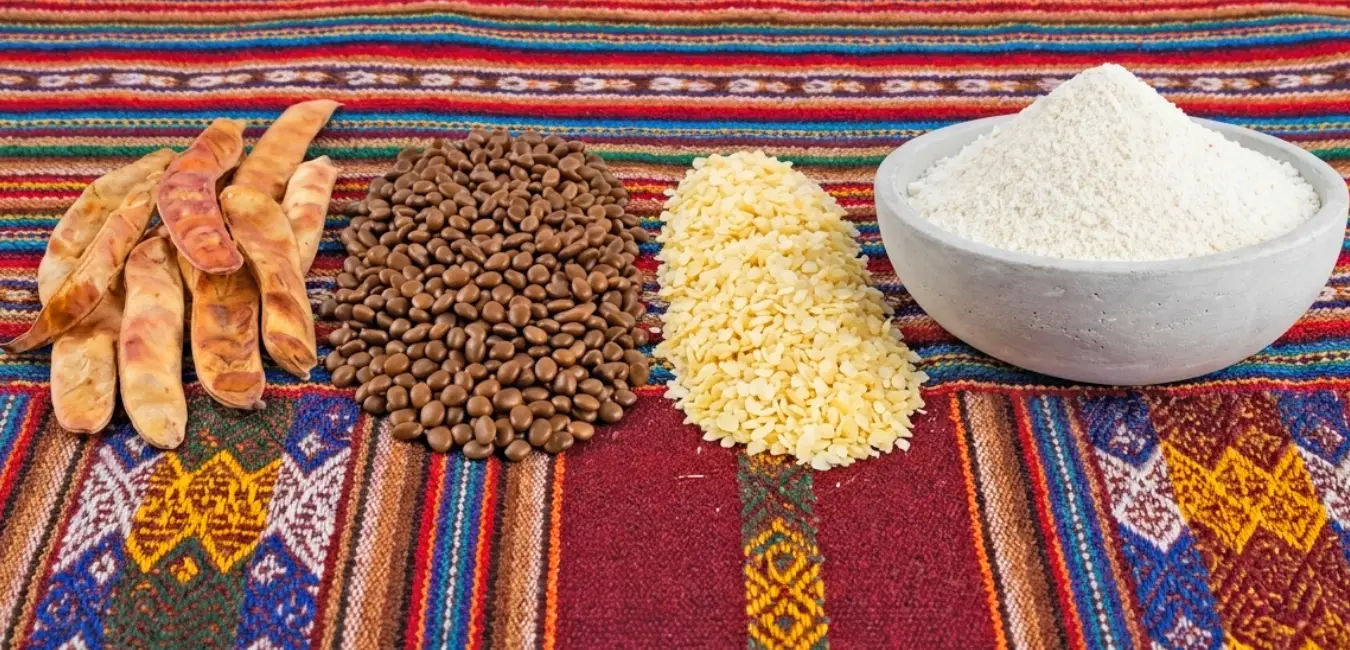
One of the most important uses of Tara is in the food industry. Tara gum (E417) is obtained from the endosperm of its seeds. It is a natural hydrocolloid used to improve the texture, stability, and consistency of a wide range of foods.
Its most common applications include:
- Ice cream and frozen desserts.
- Yogurt and fermented dairy products.
- Processed cheeses.
- Sauces and dressings.
- Instant soups.
- Baked goods.
- Jams and fillings.
- Plant-based beverages.
- Low-fat foods.
Tara products for export
Peru is recognized as the world's leading producer and exporter of Tara. Main exported products
Dried pods.
- Tara powder.
- Tannin extracts.
- Seeds.
- Tara gum.
Main export destinations
Tara derivatives are exported primarily to:
- Europe.
- North America.
- Asia.
Main buying countries
Industries in the following countries are among the main buyers of Tara derivatives:
- Italy.
- Spain.
- Germany.
- France.
- United States.
- China.
- Japan.
- India.
"Tara, known as the "green gold of the Andes," is an example of the value found in native species. Its presence in Andean ecosystems and its economic importance demonstrate how the responsible use of natural resources can benefit both society and the environment."
Frequently asked questions about the uses of Tara
What is the best time to visit areas where Tara grows?
The best time depends on what you want to see. During the flowering season, you can admire its flowers, while during fruiting season, you can observe its mature pods.
What makes Tara different from other andean trees?
Its drought resistance, ability to adapt to poor soils, and tannin-rich pods are characteristics that distinguish it from other species.
How are Tara pods harvested?
The pods are harvested once they reach maturity and then undergo sorting and drying processes before being marketed.
What animals benefit from the presence of Tara?
Its flowers primarily attract bees, wasps, and other pollinating insects that contribute to the balance of the ecosystem.
How does Tara help conserve soil?
Its roots help stabilize the soil and reduce erosion in vulnerable areas.