
Visiting Machu Picchu is straightforward if you are familiar with the entry tickets, prices, circuits, and the best ways to get there from Cusco. Discover what to see in the Inca citadel, when to visit, which mountain to choose, and how much the trip costs. You will also find practical tips, itineraries, and recommendations to help you plan your journey and make the most of this Peruvian wonder.
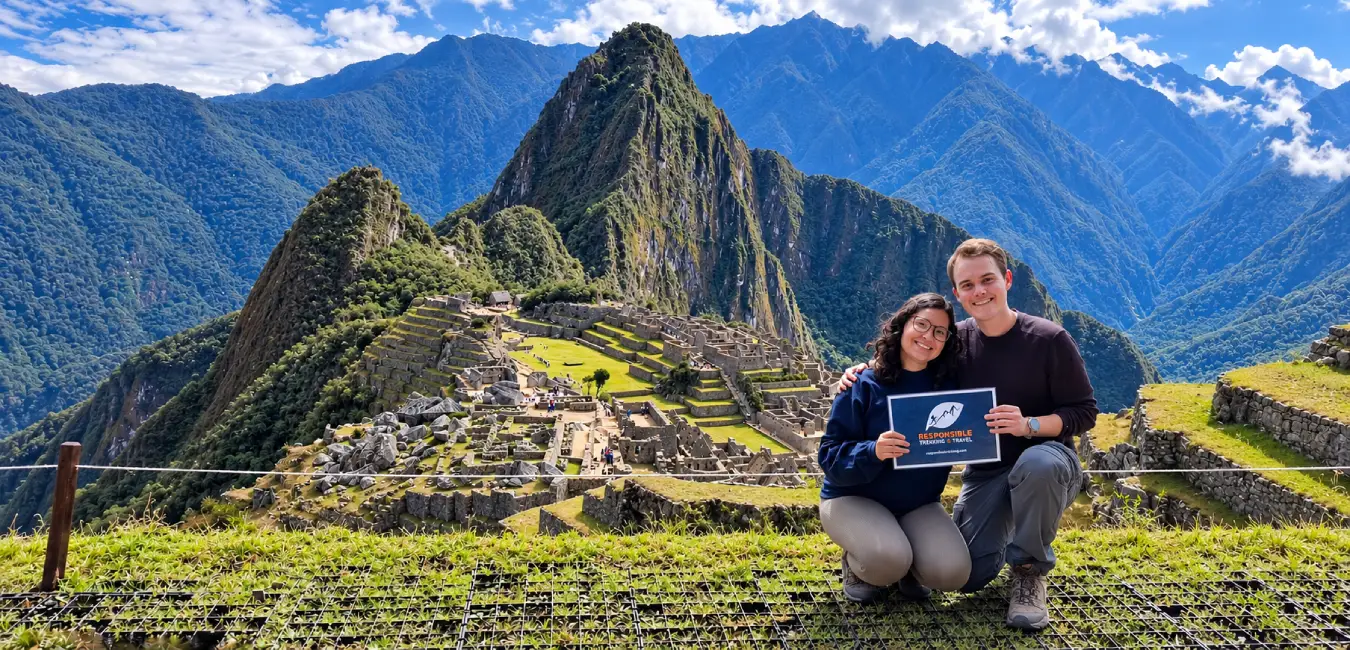
What should you know before visiting Machu Picchu?
Before planning your itinerary, check the entry requirements, ticket prices, and availability of the routes. Authorities may set different visitor limits depending on the season and update visiting conditions.
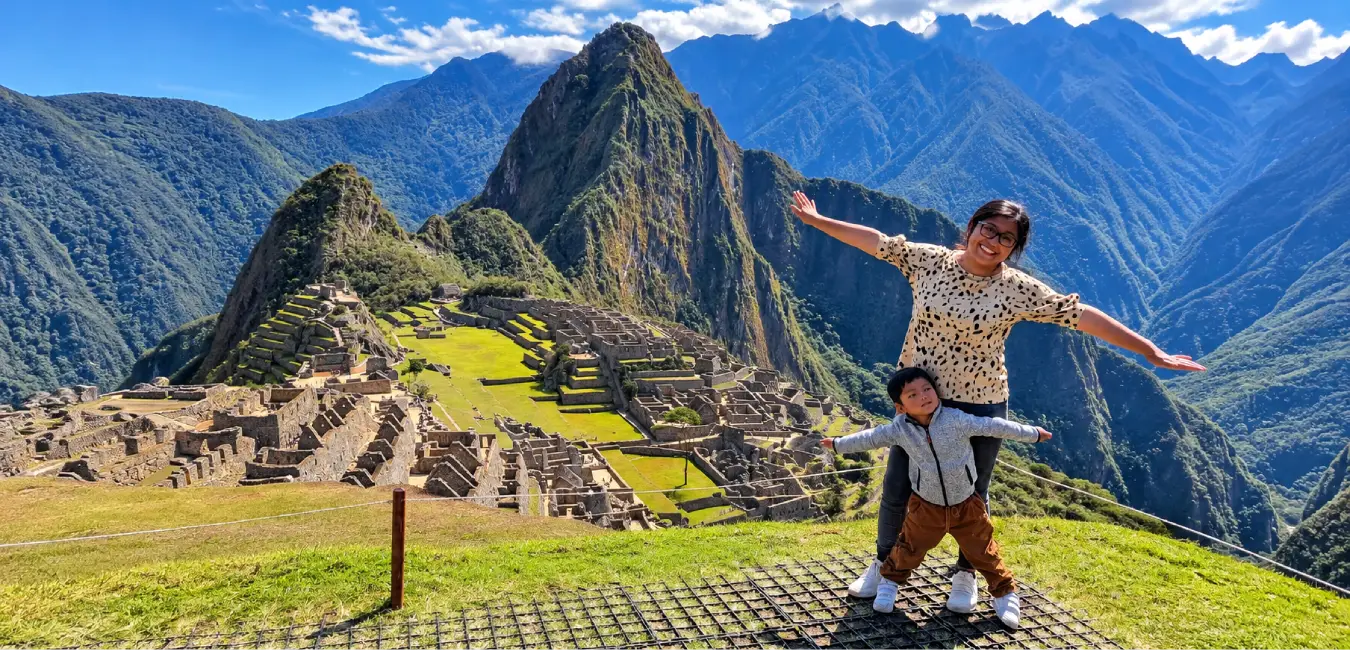
Machu Picchu visitor capacity
The Ministry of Culture sets a maximum daily capacity of 5,600 visitors on certain dates throughout the year. For the rest of the year, check the applicable visitor limit and the number of tickets available for your chosen route.
Daily visitor capacity and Machu Picchu ticket availability
Approximate Dates | Daily Visitor Capacity | Available Ticket Types |
|---|---|---|
| January 1, 2026 | 5,600 visitors (4,600 online and 1,000 in person) | 10 |
| April 2–5, 2026 | 5,600 visitors (4,600 online and 1,000 in person) | 10 |
| June 19–November 2, 2026 | 5,600 visitors (4,600 online and 1,000 in person) | 10 |
| December 30–31, 2026 | 5,600 visitors (4,600 online and 1,000 in person) | 10 |
What to check before traveling to Machu Picchu
- Tickets: Check the prices that apply to your nationality, age, and chosen route.
- Circuits: Confirm which areas are included in the ticket you plan to purchase.
- Trains: Check your departure station, departure time, and baggage allowance.
- Ground transportation: Allow enough time to reach the station and connect with your train.
- Reservations: If your travel dates are fixed, avoid leaving your ticket purchases and major transfers until the last minute.
What is Machu Picchu?
Machu Picchu is an Inca llaqta (settlement) built on a mountain in the cloud forest region of Cusco, about 110 km (68 miles) from the city of Cusco. Its name comes from Quechua and means "old mountain," referring to the peak rising south of the citadel.
Why is Machu Picchu so special?
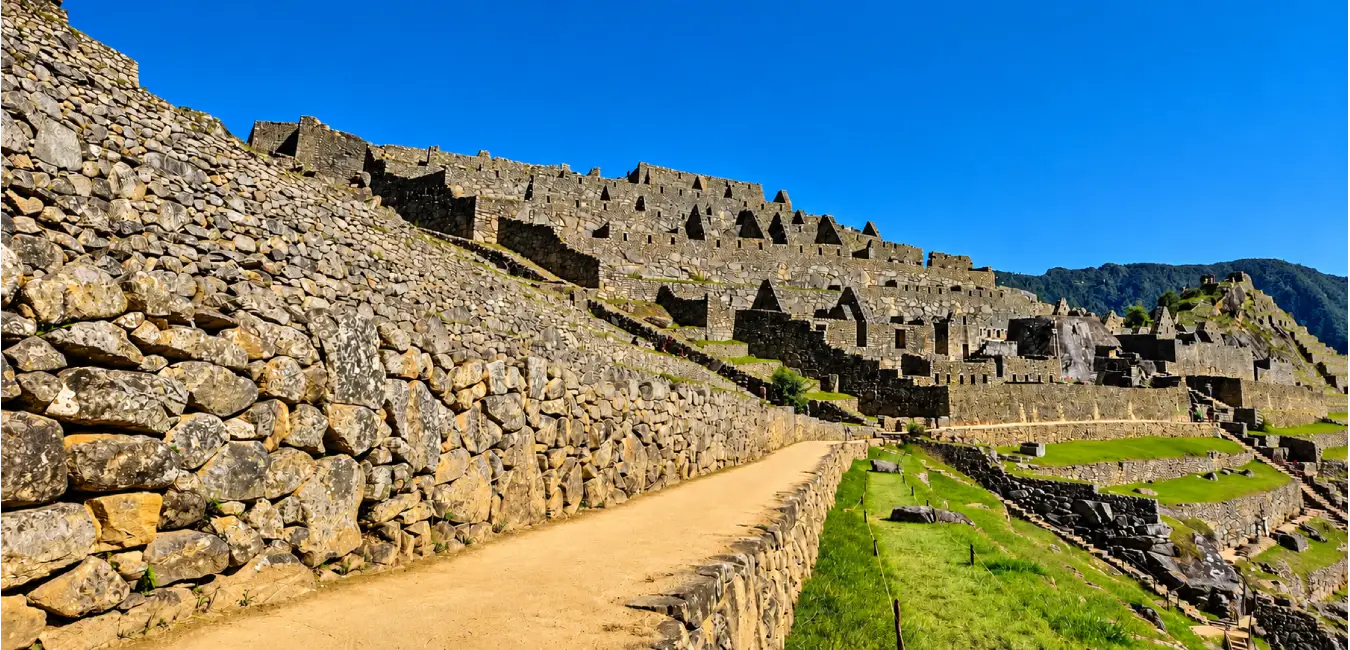
Machu Picchu is remarkable for its architecture, which combines agricultural terraces, stone structures, plazas, fountains, and ceremonial spaces adapted to the mountainous terrain. Its location also reveals the relationship between Inca planning and the natural environment.
Who built Machu Picchu?
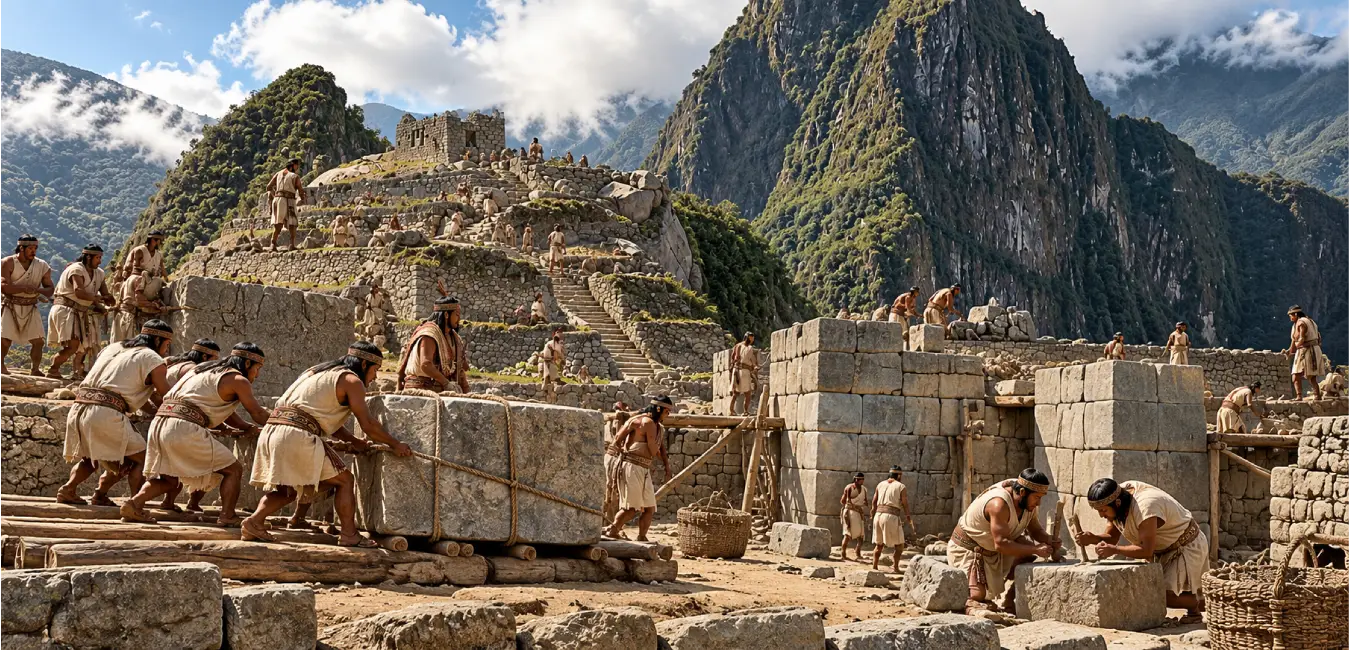
Construction is attributed to Inca Pachacutec, who ordered the site to be built around 1450 as a royal residence and religious center. Its location was no accident: from here, the Incas observed the sun's path, controlled access to the rainforest, and worshiped the sacred mountains (Apus) surrounding the site.
What happened after the Inca Period?
After the fall of the Inca Empire, Machu Picchu ceased to function as it once had, although the site did not become completely unknown to local populations. In 1911, Hiram Bingham reached the site with help from local residents and helped bring it to international attention.
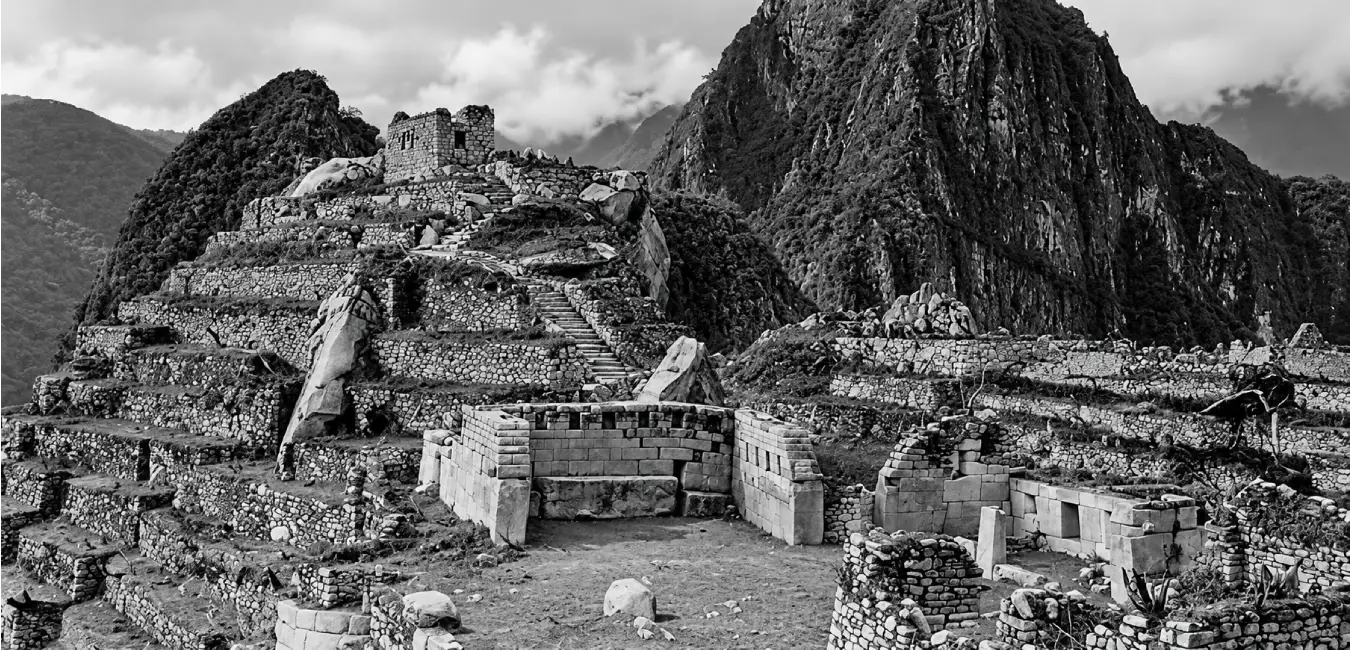
Why is Machu Picchu a UNESCO world heritage site?
UNESCO added the Historic Sanctuary of Machu Picchu to the World Heritage List in 1983. Its recognition reflects the importance of Inca architecture and planning, as well as the exceptional relationship between cultural heritage and the natural environment.
How is the Machu Picchu citadel organized?
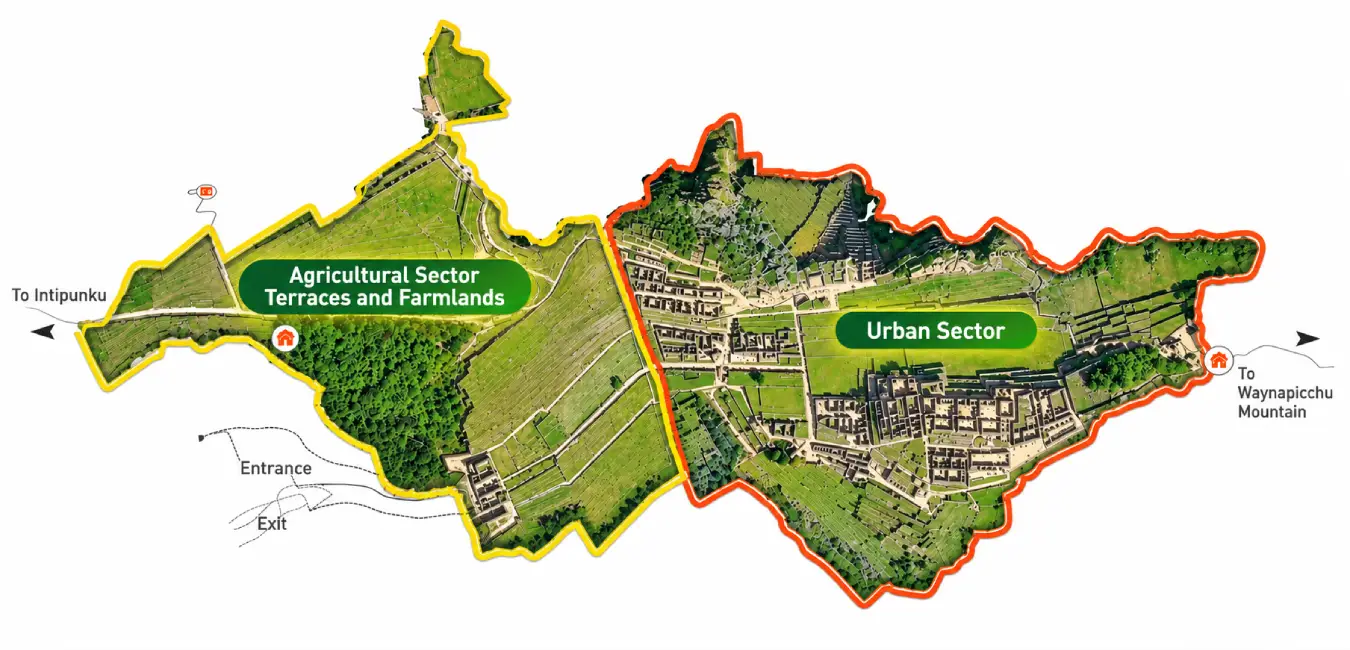
Inca architects divided Machu Picchu into two main areas. The agricultural sector contains dozens of terraces. The urban sector, separated by a wall and a dry moat, contains temples, plazas, and residences. The urban sector is further divided into an upper area (hanan), associated with religious spaces, and a lower area (hurin), with residences and workshops.
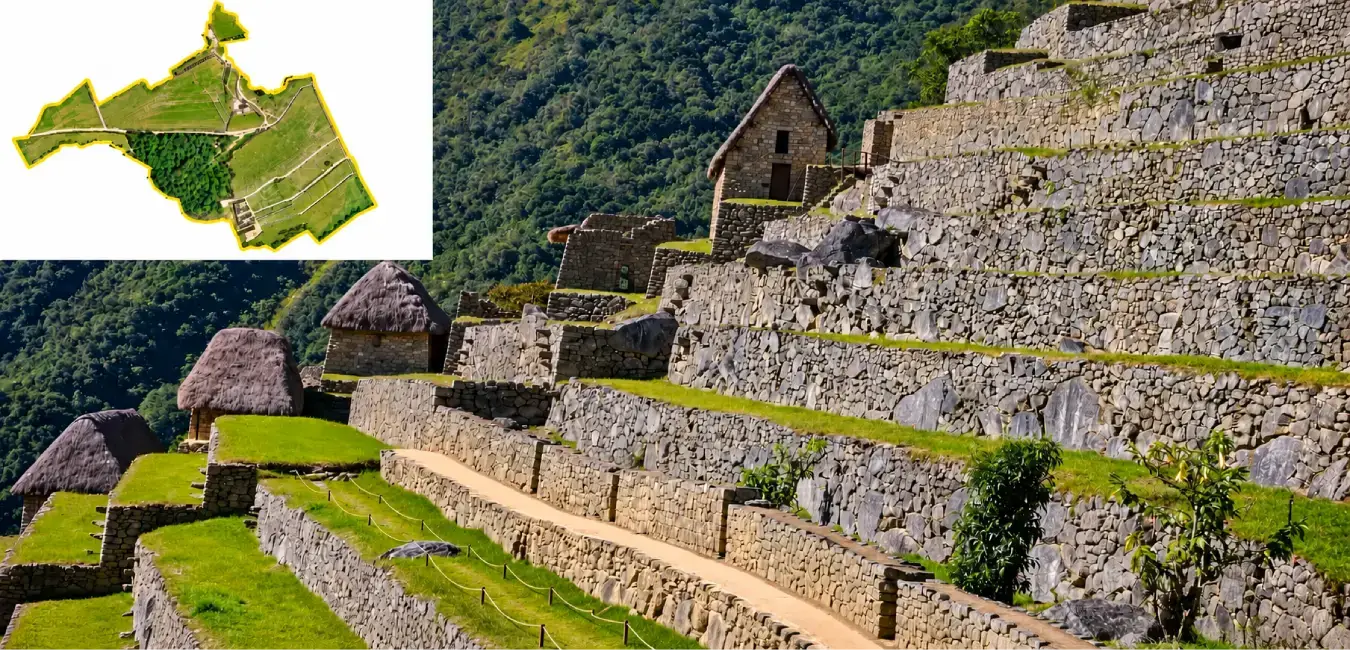
The agricultural sector and its Terraces
The agricultural terraces extend along the mountainsides, allowing the Incas to make the most of the land for farming. Their retaining walls also helped stabilize the slopes and formed part of a system for managing rainwater. Their layout served purposes beyond agriculture. The stepped terraces surrounding the citadel also contribute to Machu Picchu's distinctive appearance.
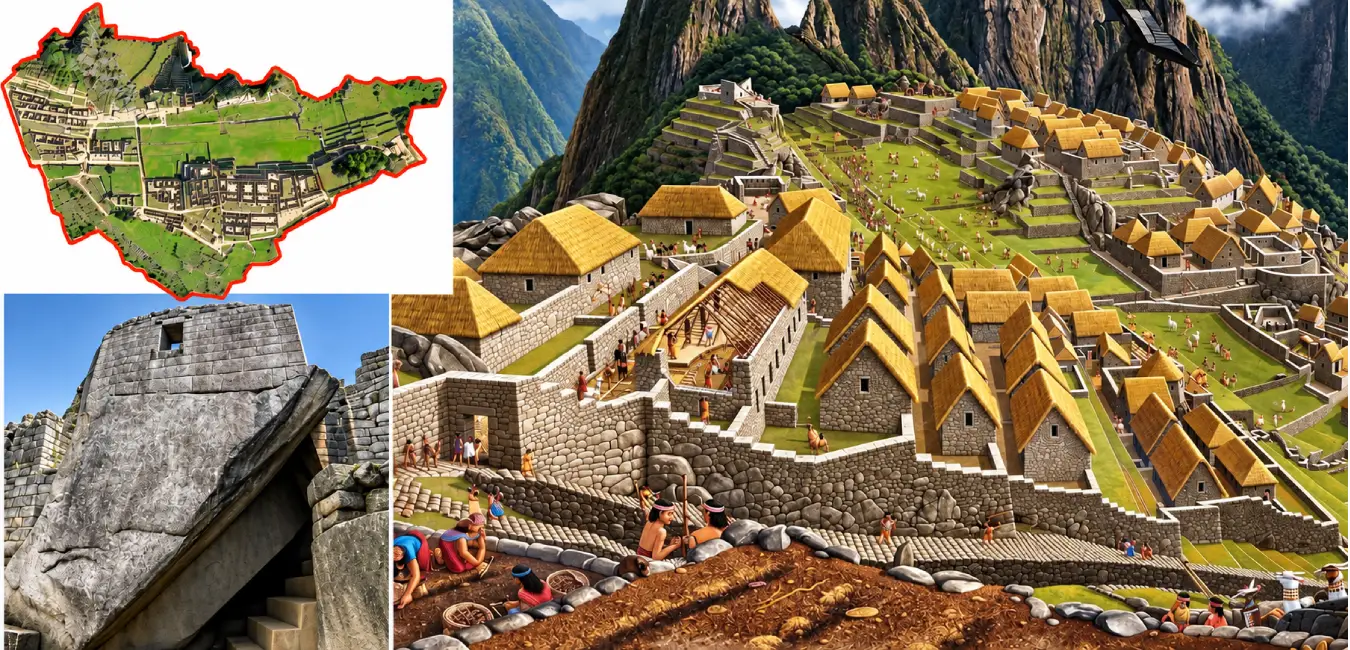
The urban sector and its structures
In the urban sector, you'll find plazas, stone enclosures, and structures associated with different aspects of Inca society. Some of the best known sites include the Temple of the Sun, the "Temple of the Three Windows," and the Temple of the Condor. The architecture stands out for its precise stonework. Some interpretations associate certain spaces with ceremonial or astronomical activities.
Water channels, fountains, and drainage
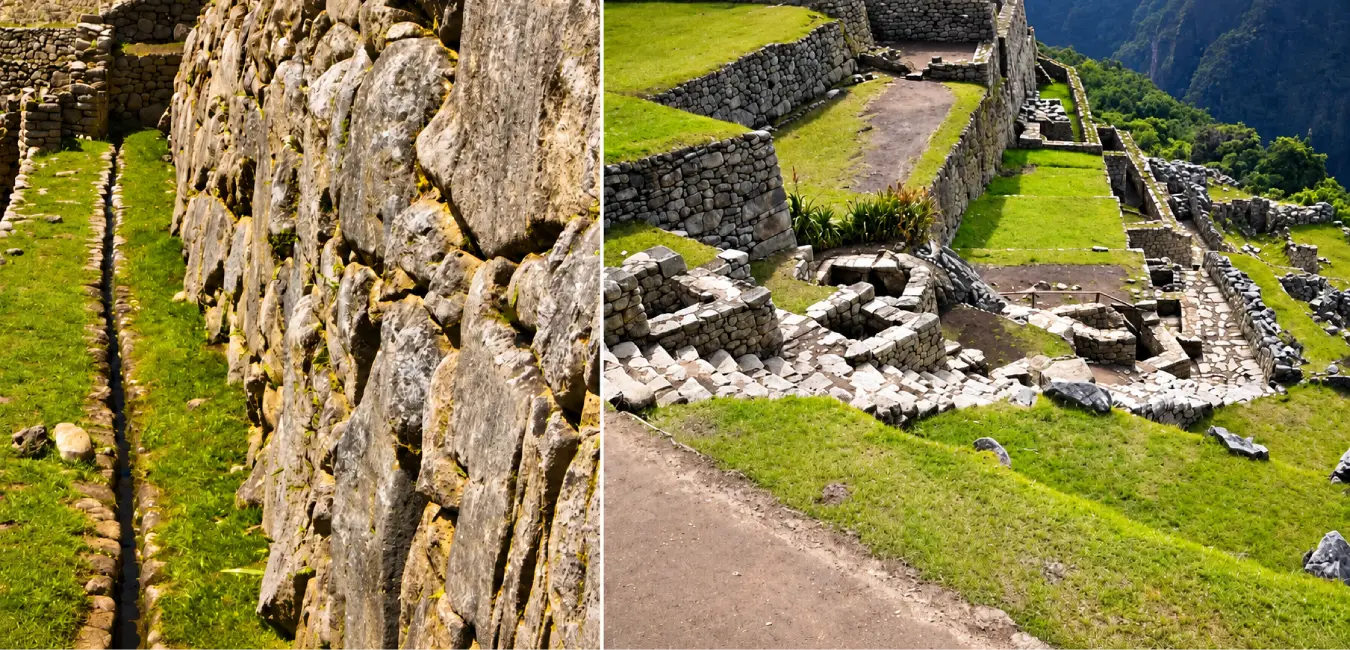
Water was essential to life at Machu Picchu. The Incas built channels and fountains to carry water throughout the settlement, while the terraces and drainage systems helped manage rainfall on the steep terrain.
What you might not know: Machu Picchu is also a Natural Sanctuary
The Historic Sanctuary protects more than 32,000 hectares of mountain forests. According to SERNANP, the area is home to 444 bird species, including the Andean cock of the rock (Peru's national bird), as well as the spectacled bear, the river otter, and hundreds of orchid species. Take your time and look around as you walk to make your experience even more rewarding.
What to see at Machu Picchu
The places you can visit depend on your circuit and chosen route. Before purchasing your ticket, review the official itinerary to make sure it matches the experience you're expecting.
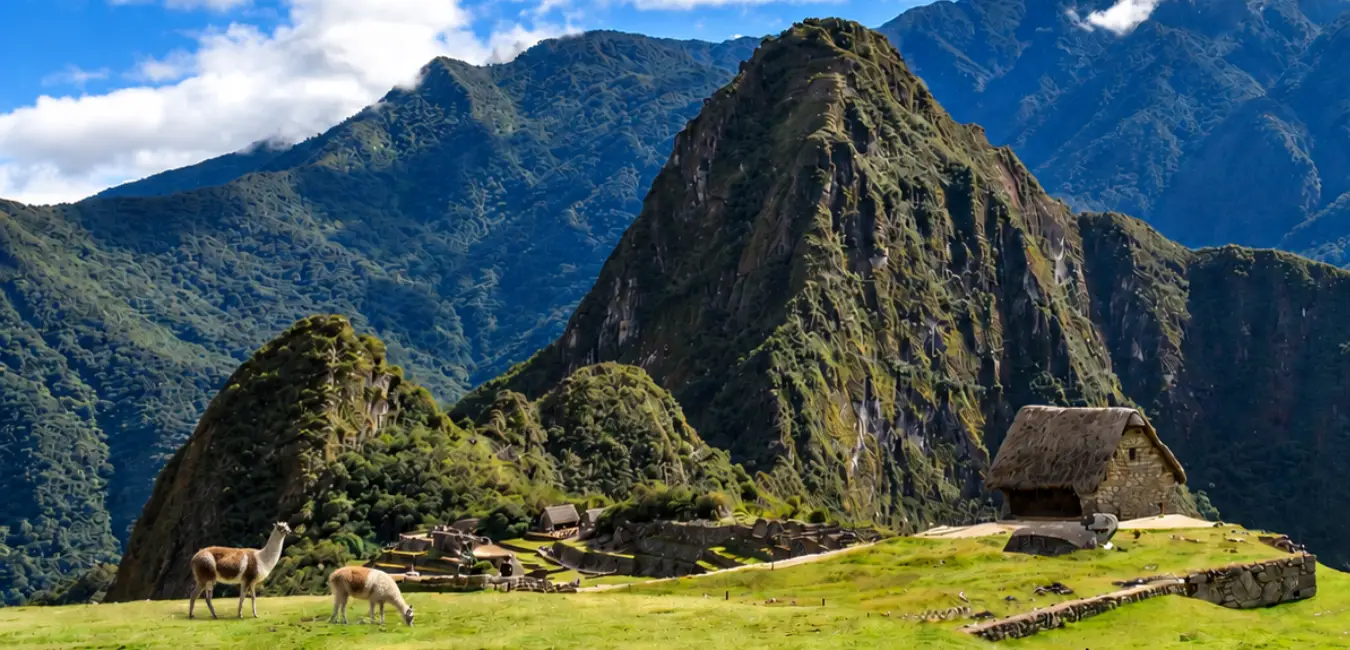
The Guardian's House
The Guardian's House sits in an elevated area offering one of the most recognizable views of the citadel. From here, you can see the layout of the terraces and how the structures fit into the surrounding mountains. If you're looking for the classic Machu Picchu photo, check which route provides access to the corresponding viewpoint.
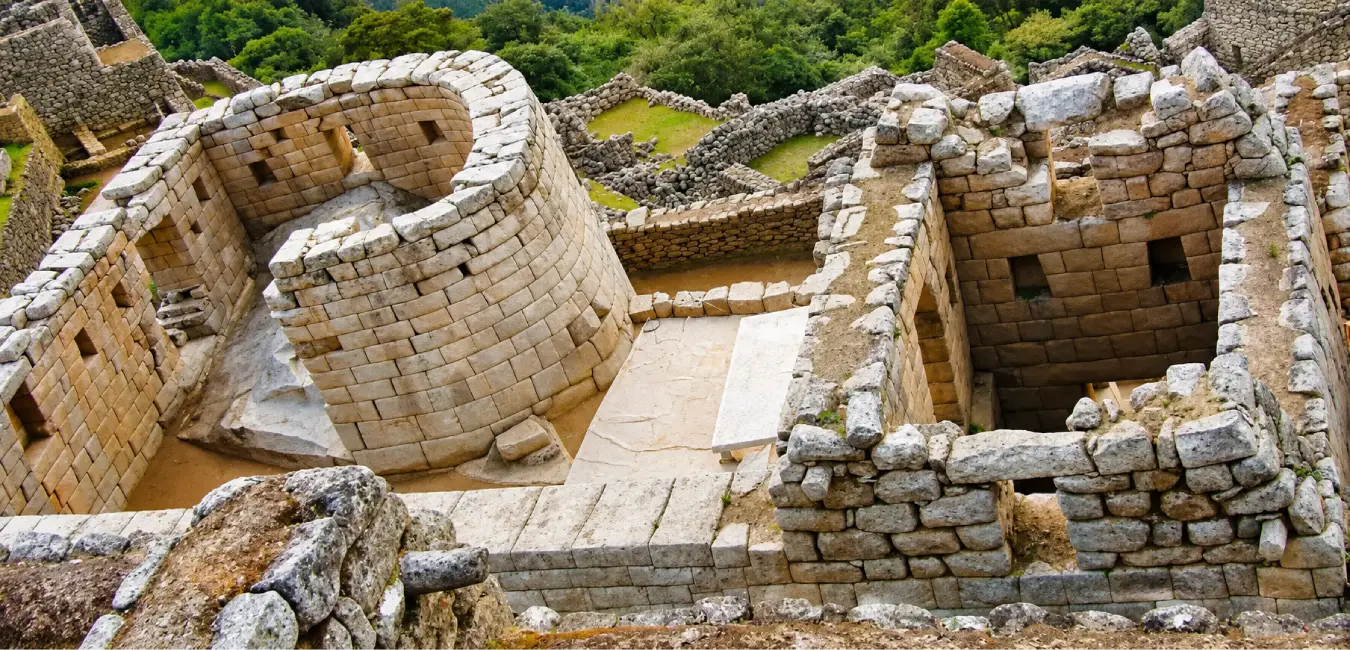
Temple of the Sun
This semicircular structure stands out for its location and precise stonework. Its orientation has led researchers to investigate possible connections with astronomical observations and ceremonial practices.
Sacred Plaza and Temple of the three windows
These spaces showcase the quality of Inca architecture. The Temple of the Three Windows stands out for its trapezoidal openings, while the plaza helps visitors understand how ceremonial spaces were organized.
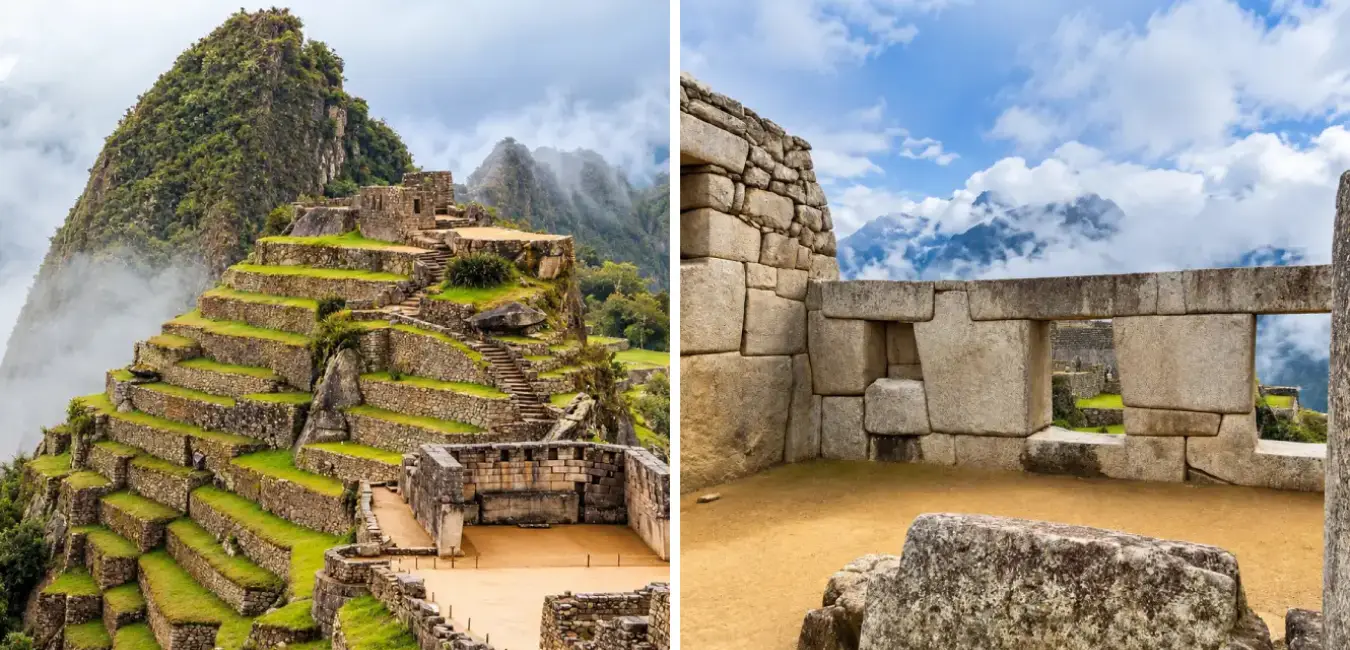
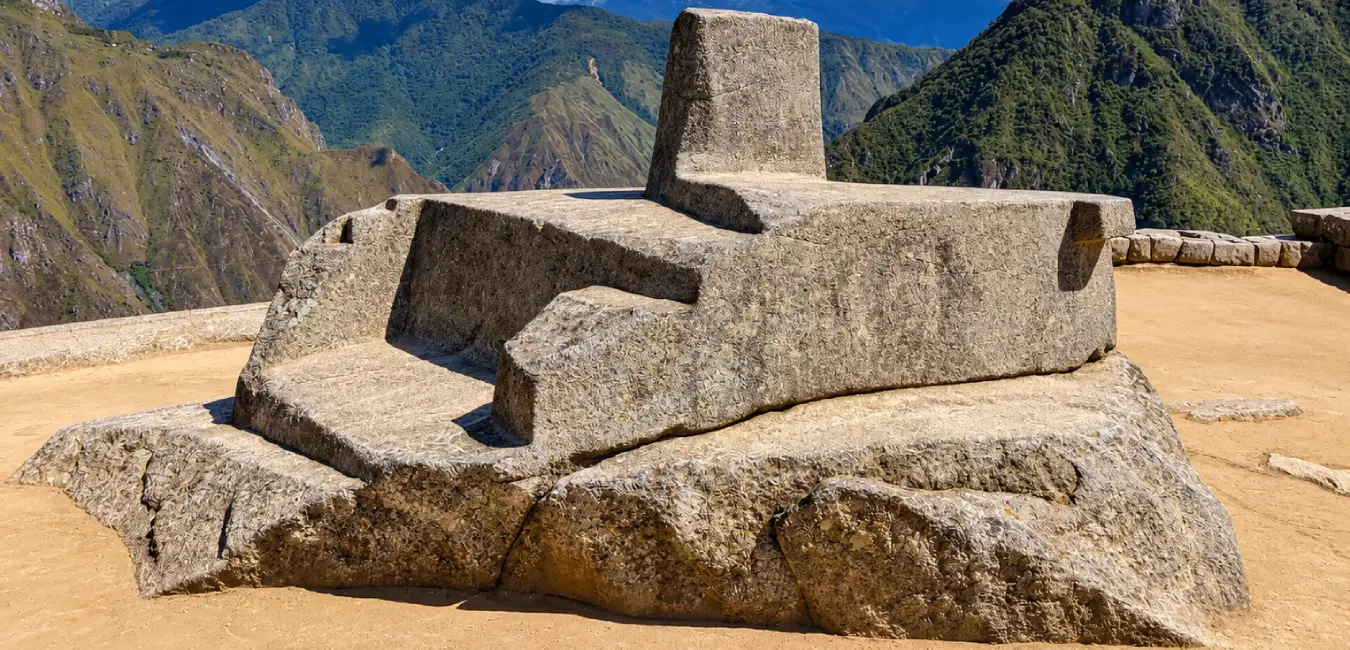
Intihuatana
The Intihuatana is a carved stone structure commonly associated with astronomical and ceremonial interpretations. However, its exact function remains a subject of study.
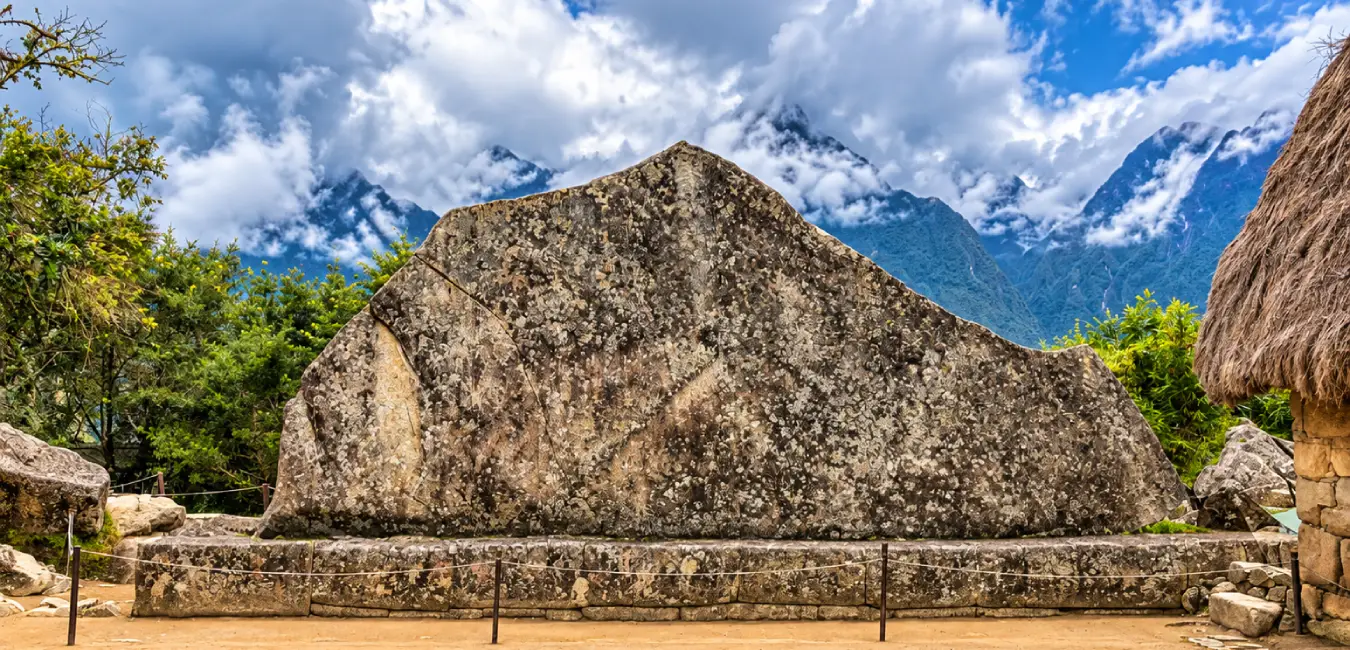
Sacred Rock
The Sacred Rock stands out for its size and visual relationship with the surrounding mountains. It illustrates the importance of the landscape in the site's symbolic organization.
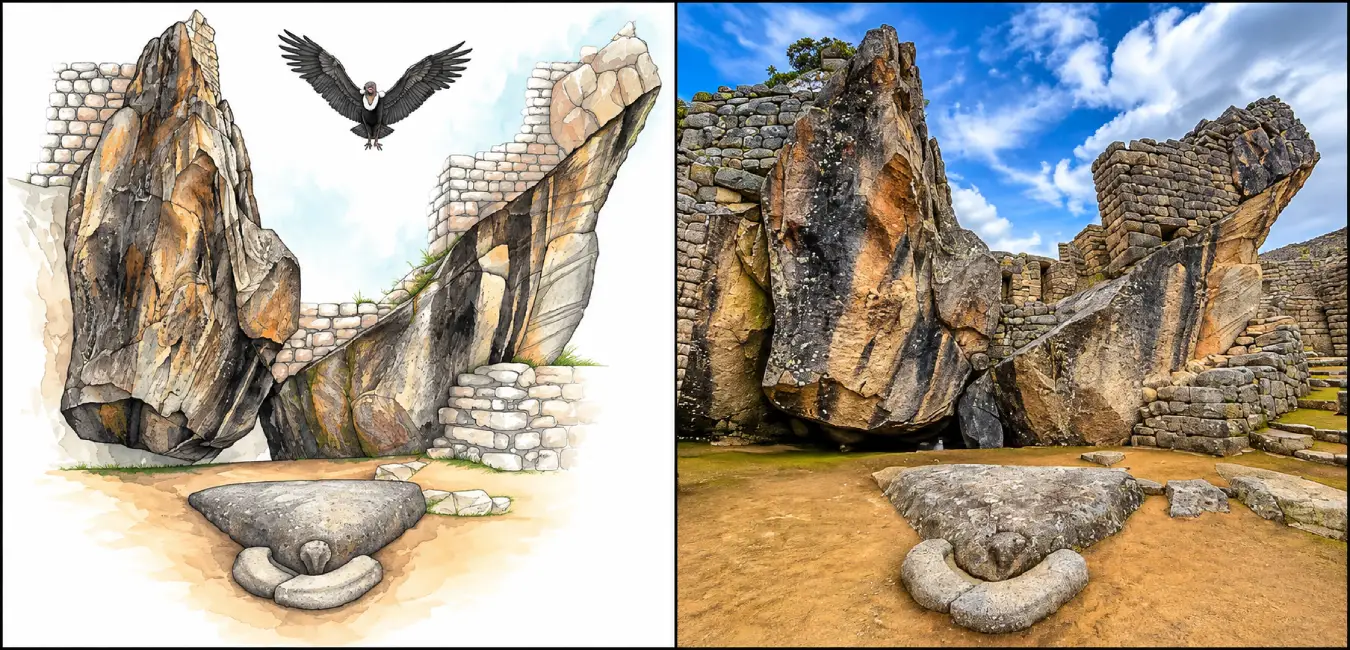
Temple of the Condor
In this area, natural rock formations combine with features shaped by the Incas. The name comes from the interpretation that these forms resemble the silhouette of a condor.
How to get to Machu Picchu from Cusco
To reach Machu Picchu from Cusco, you can travel by train, combine ground transportation with a hike, or choose a multi day trekking route. The best option depends on your budget, available time, and the type of experience you're looking for.
Routes to Machu Picchu from Cusco
Option | Approximate Duration | Best For | Effort Level |
|---|---|---|---|
| Train (Cusco–Aguas Calientes) | 3–4 hours from Cusco | Travelers with limited time or those who prioritize comfort | Low |
| Llama Trail to Machu Picchu Luxury with Domes | 3 days and 2 nights (28 km / 17.4 miles) | Adventurous travelers who want to hike with llamas, sleep in domes, visit Huchuy Qosqo, and continue to Machu Picchu by train | Moderate |
| Llama Trail to Machu Picchu with Domes (Short Inca Trail) | 4 days and 3 nights (40 km / 24.9 miles) | Travelers who want to hike part of the Inca Trail without completing the entire classic route | Moderate |
| Llama Trail to Machu Picchu with Domes (Classic Inca Trail) | 6 days and 5 nights (70 km / 43.5 miles) | Travelers seeking a trekking experience with llamas, dome accommodations, and archaeological sites | Moderate to challenging |
| Hydroelectric Route (car ride + hike) | 6–7 hours by road + 2-hour hike | Travelers who want to reduce railway transportation costs | Moderate |
| Alternative treks (Salkantay, Choquequirao) | 1–5 days | Travelers looking for less crowded routes | Variable |
From Lima to Cusco
- If you're traveling from Lima, flying is usually the fastest option. A direct flight takes approximately 1 hour and 20 minutes, although you'll need to allow extra time for the airport and transportation to your accommodations.
- Traveling by road takes much longer and can exceed 20 hours, depending on the service and road conditions.
If you've just arrived in Cusco
Avoid scheduling too many strenuous activities for the same day. Take time to rest and plan your upcoming visits according to how you're feeling.
Train to Machu Picchu
A common option is to travel by road from Cusco to Ollantaytambo and then take a train to Machu Picchu Pueblo, also known as Aguas Calientes.
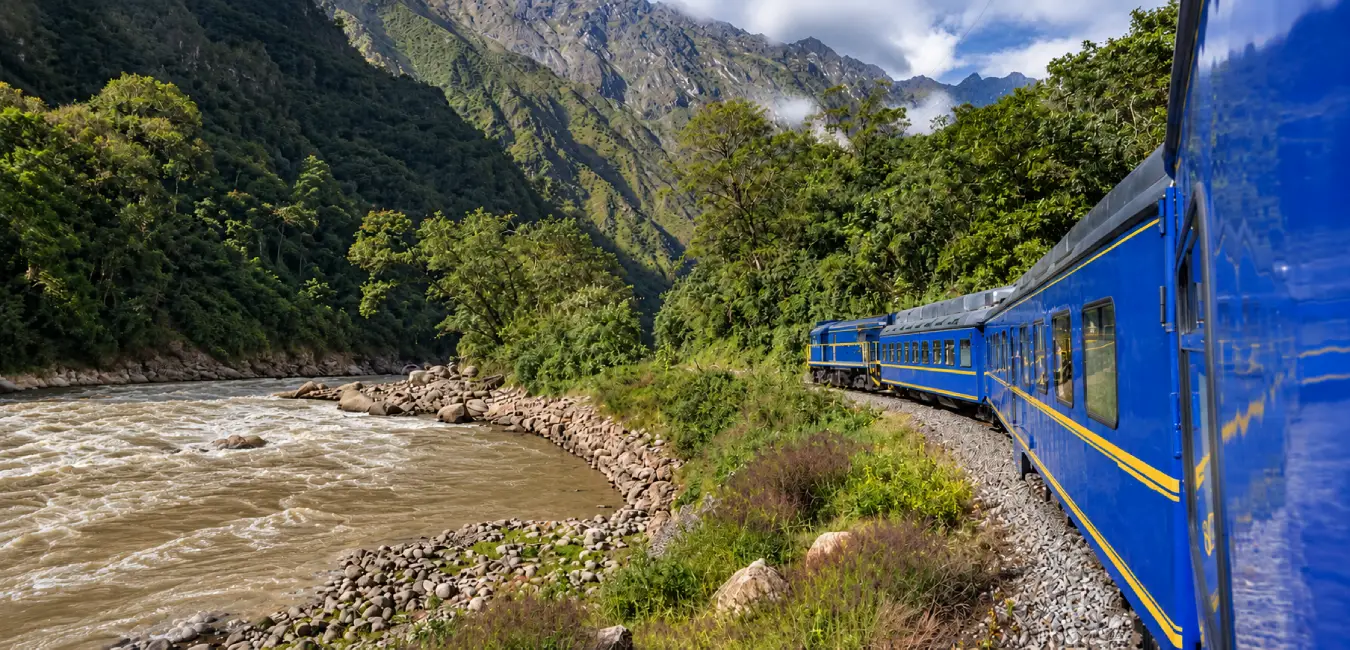
How long does the train ride take?
The train ride usually takes around 1.5 to 2 hours, depending on the service and departure time. Along the way, the train follows the Urubamba Valley and passes through landscapes that gradually change as you descend into the cloud forest.
What train options are available?
The main companies operating this route are PeruRail and Inca Rail. They offer several service categories at different price points.
Two things to keep in mind
- During the rainy season, some services depart from stations near Cusco, such as Poroy or San Pedro, or combine bus and train travel through a bimodal service.
- Trains have a carry on baggage limit of approximately 5 kg (11 lbs) per person, so it's best to leave your large suitcase at your hotel in Cusco.
Which train should you choose for Machu Picchu?
- Expedition or The Voyager: Practical options for travelers who prioritize transportation.
- Vistadome: Features large windows for enjoying the scenery along the way.
- Vistadome Observatory: Includes additional services and features that depend on the specific package booked.
- Hiram Bingham: A luxury option offering premium services.
Features, included services, and fares may vary. Compare the terms of each category before booking.
Hydroelectric route: A budget friendly alternative
The Hydroelectric route is an alternative for travelers who want to reduce train costs. First, travel by car from Cusco to Santa Teresa and then continue to the Hydroelectric station, a 6 to 7 hour road journey.
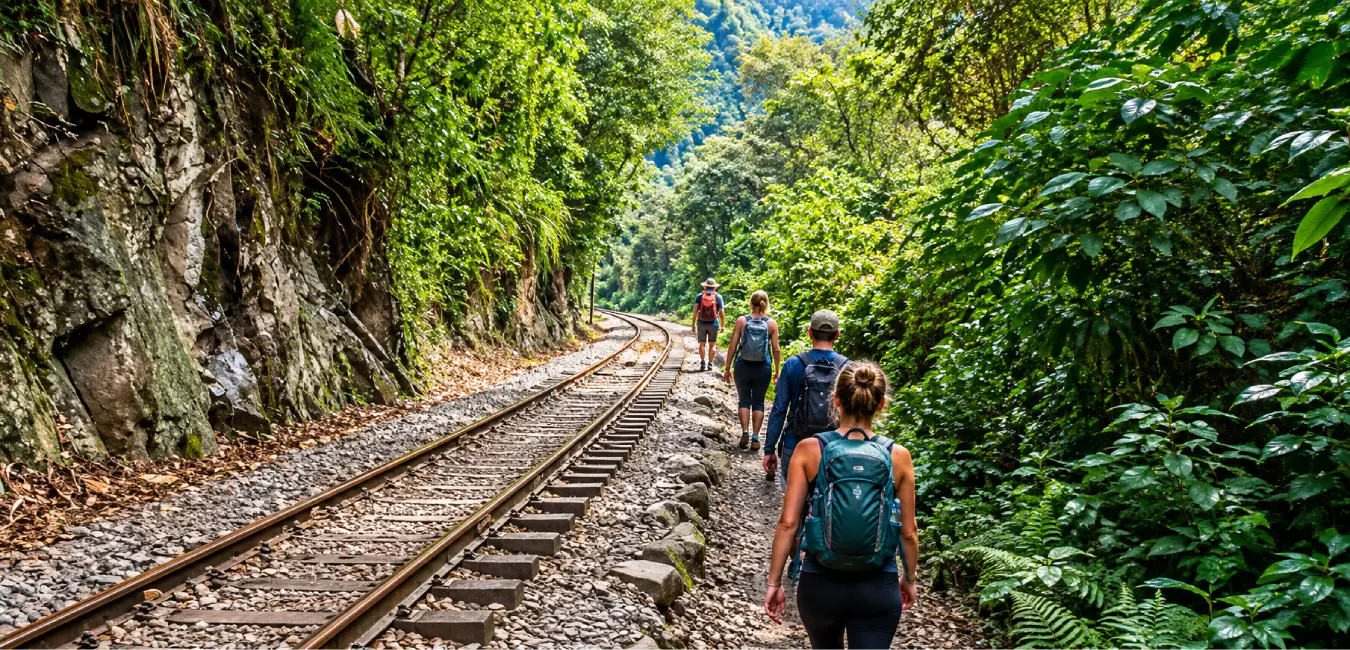
How long is the hike from Hydroelectric?
The hike usually takes around two hours along the railway tracks to Aguas Calientes. Although this option saves money, it takes considerably more time, so we recommend spreading the trip over at least two days and avoiding it during the peak of the rainy season.
Llama Trail to Machu Picchu with Domes – Classic Inca Trail
If you dream of reaching Machu Picchu on foot, accompanied by llamas and sleeping in domes, the Llama Trail to Machu Picchu may be ideal for you. Over six days and five nights, you'll hike approximately 70 km (43.5 miles) along original trails, visit archaeological sites such as Sacsayhuaman, Huchuy Qosqo, and Wiñay Wayna, and finally reach the citadel at sunrise through Inti Punku (the Sun Gate).
Before Booking the Inca Trail
- Permits are limited and often sell out 4–6 months in advance, especially from May through August.
- You must hike with an authorized official guide; independent hiking is not permitted.
- The trail closes throughout February for maintenance and due to rainy-season conditions.
Llama Trail to Machu Picchu with Domes – Short Route
If you'd like to hike with llamas from Sacsayhuaman and sleep in domes but don't have six days available, consider the four day, three night Llama Trail to Machu Picchu with Domes. This option combines hiking trails and archaeological sites such as Wiñay Wayna and the Sun Gate before reaching Machu Picchu.
Alternative treks to the Inca Trail
Have permits sold out, or would you prefer a less crowded route? The Salkantay and Choquequirao treks take you through mountain and rainforest landscapes over several days. Check the exact duration of each route before booking.
Bus from Aguas Calientes to Machu Picchu
Once you're in Aguas Calientes, you can take a bus operated by Consettur to the entrance of Machu Picchu. The ride takes approximately 25-30 minutes. Buses generally start running around 5:30 a.m. and depart every few minutes. A round-trip ticket for international visitors costs approximately $24 USD.
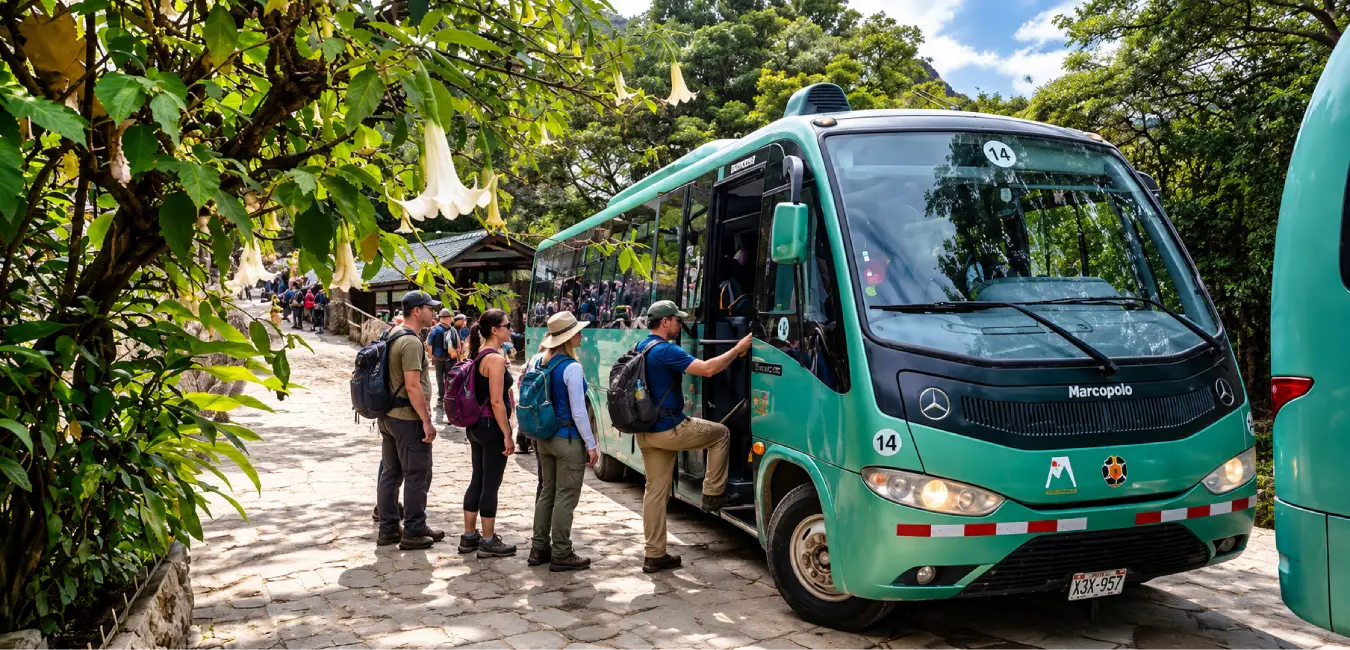
How to walk from Aguas Calientes to Machu Picchu
There's also a stairway trail for visitors who prefer to hike uphill. The climb requires physical effort and can take around 1.5 to 2 hours, depending on your pace.
Would you like us to take care of everything?
At Responsible Trekking, we coordinate your train, bus, entrance tickets, and official guide so you can simply enjoy the experience. We're a 100% locally owned tour operator based in Cusco, and we travel in small groups. Request a quote for your Machu Picchu trip.
Machu Picchu Tickets: Prices and how to buy them
To visit Machu Picchu, you need a valid ticket for your chosen date, entry time, and route. Not all tickets provide access to the same areas, so choosing the right one is just as important as booking your transportation.
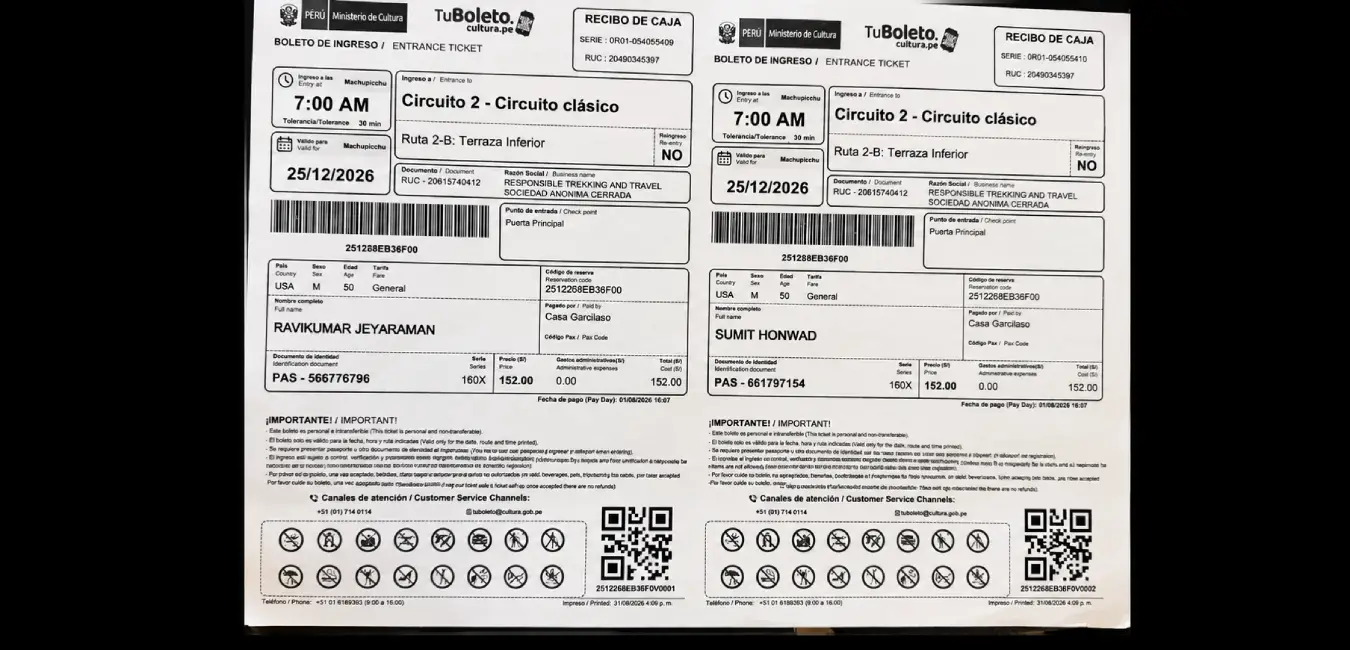
Where can you buy official Machu Picchu tickets?
You can purchase your tickets in two ways:
Online
The official ticketing platform is Tu Boleto, operated by Peru's Ministry of Culture.
How to buy Machu Picchu tickets step by step
- Visit the official platform: Go to Tu Boleto and look for the admission option for the Machu Picchu Llaqta.
- Select your date: Choose the day you plan to visit the archaeological site and check which entry times are available.
- Choose your circuit and route: Before confirming, check which areas are included in each itinerary.
- Enter visitor information: Use the appropriate identification documents or passports and verify each visitor's name and document number before proceeding.
- Review the total and pay: Confirm the booking conditions and complete payment using one of the methods available on the platform.
- Save your tickets: Keep your booking confirmation and bring the identification document used for the purchase on the day of your visit.
Once you have your ticket, arrange your train or ground transportation around your assigned entry time. This will help you avoid arriving late or having to change other services in your itinerary.
Buying Tickets in person
Tickets may also be available in Machu Picchu Pueblo, but availability is limited. We don't recommend relying on this option if your travel dates are fixed, as tickets for your preferred day may already be sold out.
How much does a Machu Picchu ticket cost?
The price depends on the visitor category, the route, and the current fares. Some routes that include mountains or special hikes may cost more than general admission tickets.
Machu Picchu ticket prices
Category | Approximate Price |
|---|---|
| International adult (18+) | 163 soles ($48.60 USD) |
| International child (ages 3–17) | 157 soles ($46.80 USD) |
| Peruvian adult or adult from an Andean Community country | 69 soles |
| Peruvian child or child from an Andean Community country | 67 soles |
| Ticket + mountain (Huayna Picchu or Machu Picchu Mountain) | Higher fare; check the current price on the official website |
Routes that include a mountain or the Great Cavern, such as routes 1-A, 3-A, and 3-C, cost S/ 200.
How far in advance should you buy your ticket?
For the high season (June through October), we recommend buying tickets 2–3 months in advance, especially if you want the classic circuit or Huayna Picchu. From November through March, booking a few weeks ahead is often sufficient.
Mistakes that could keep you out of Machu Picchu
Buying tickets from unofficial websites that imitate the Ministry's platform: use only tuboleto.cultura.pe or book through a trusted tour operator.
Arriving late for your entry time: you cannot enter before your assigned time or long after the time printed on your ticket.
Machu Picchu Circuits: Which one should you choose?
Since June 1, 2024, Machu Picchu has had three visitor circuits comprising ten routes. Each itinerary covers different areas of the Inca citadel, so choosing the right ticket is essential to making the most of your visit.
Circuit 1 – Panoramic
This circuit focuses on views of Machu Picchu and its mountainous surroundings. Some routes include additional hikes.
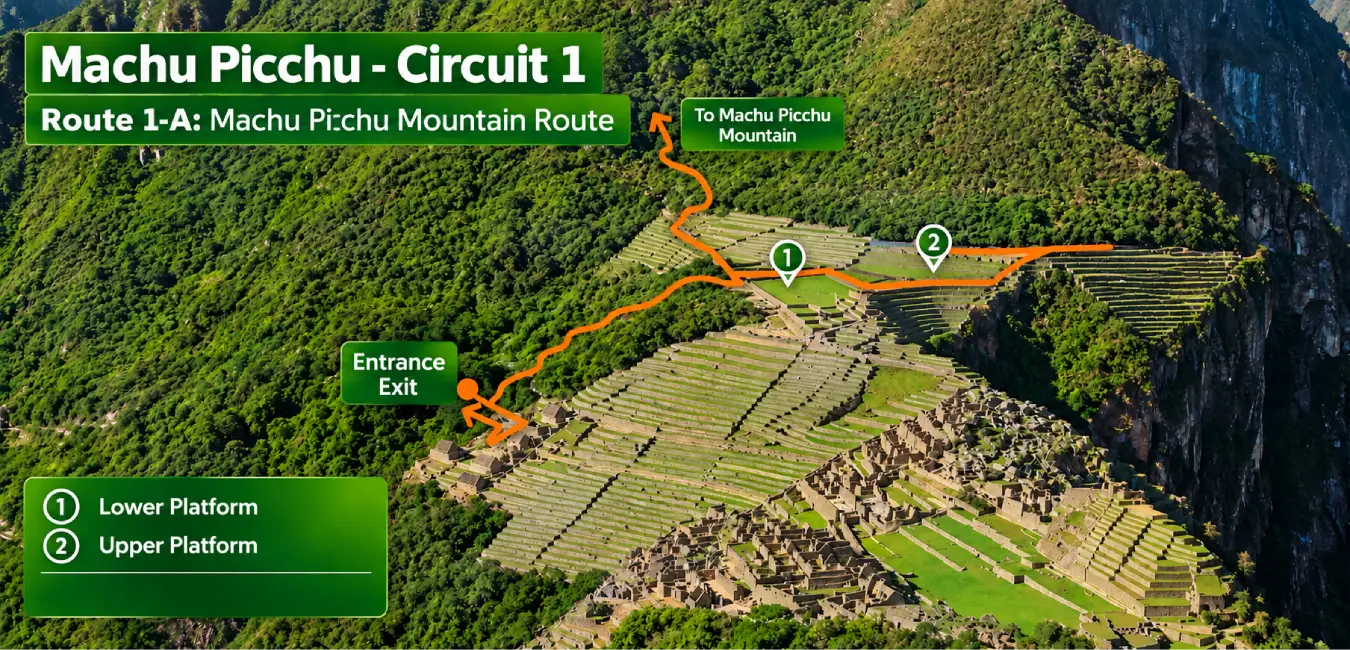
- Route 1-A: Machu Picchu Mountain: Combines a visit to the citadel's panoramic area with a hike up Machu Picchu Mountain.
- Route 1-B: Upper Terrace: Offers panoramic views from the upper terrace.
- Route 1-C: Intipunku (Sun Gate): Leads to the Sun Gate and is subject to seasonal availability.
- Route 1-D: Inca Bridge: Provides access to the Inca Bridge area, subject to availability established by the authorities.
Circuit 2 – Classic Machu Picchu
Circuit 2 covers agricultural and urban areas of the citadel. It's worth considering if you want to appreciate a substantial portion of its architecture and ceremonial spaces.
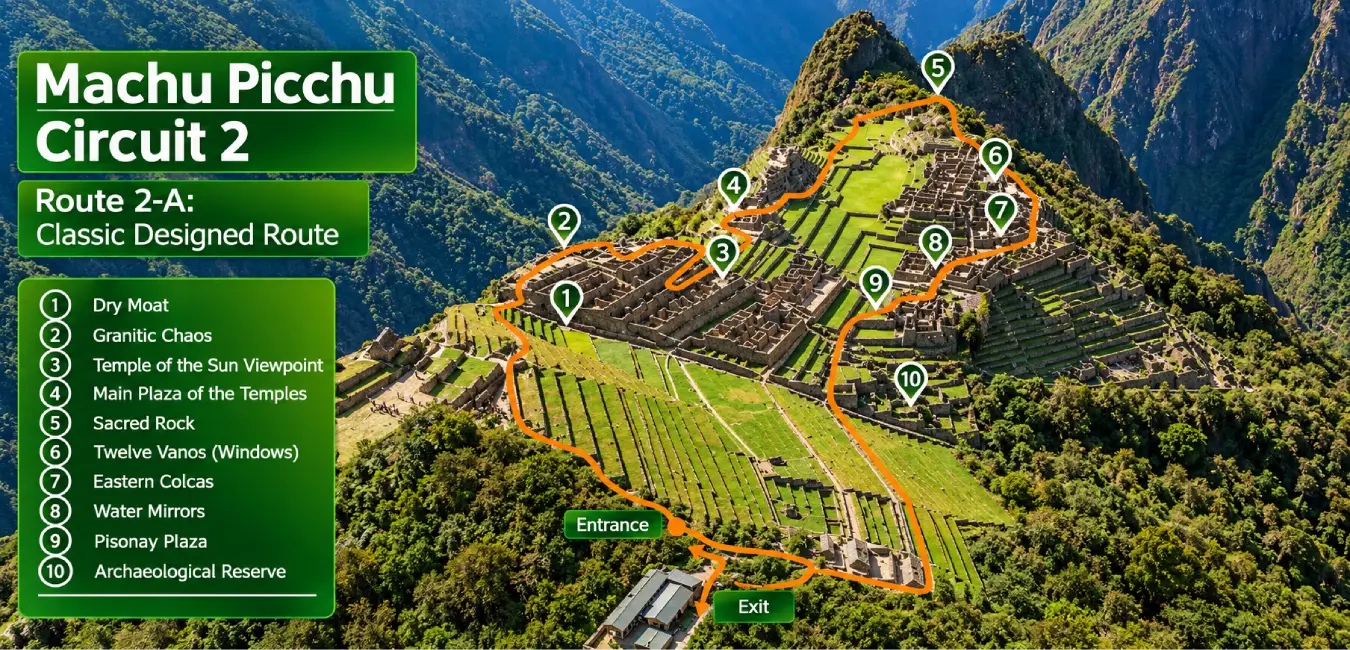
- Route 2-A: Classic Designed Route: Includes various areas of the agricultural and urban sectors, according to the official itinerary.
- Route 2-B: Lower Terrace: Covers parts of the citadel along a different route, with access to areas specified in the official itinerary.
Circuit 3 – Royalty
This circuit covers the lower areas of the citadel associated with ceremonial spaces, residences, and high-status architecture. Some routes include additional hikes to mountains or specific areas.
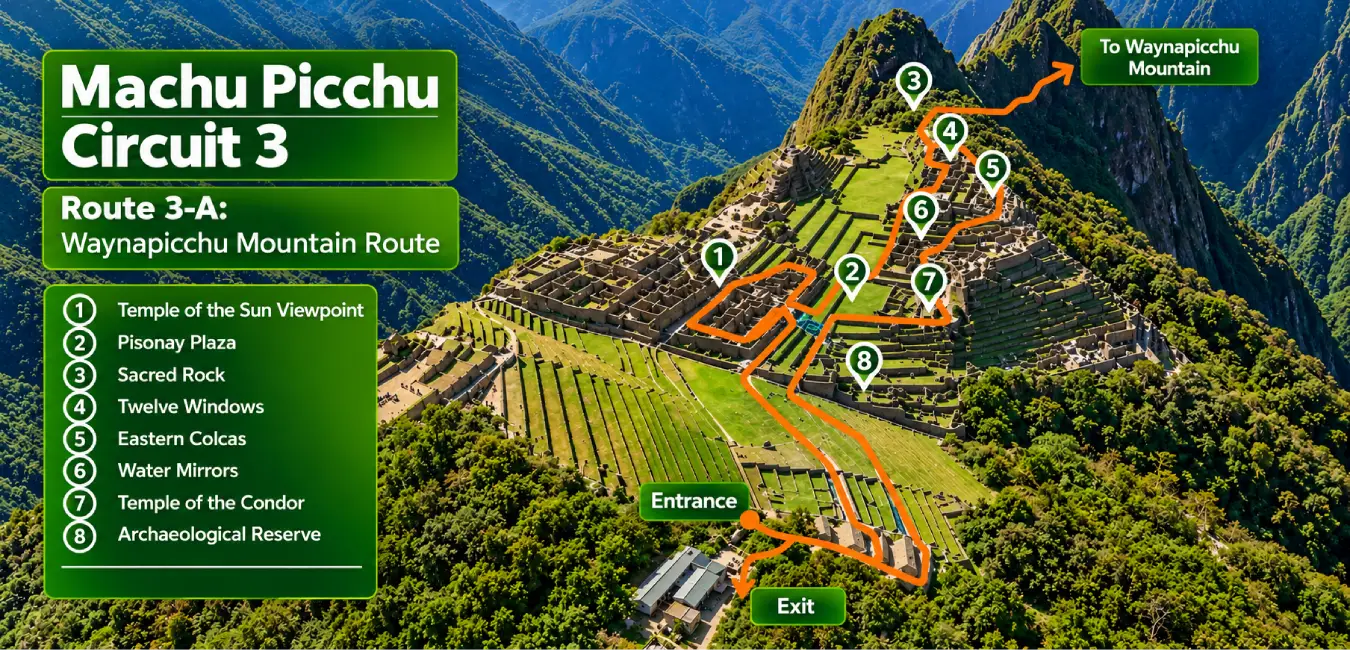
- Route 3-A: Huayna Picchu Mountain: Combines a visit to one sector of Machu Picchu with a hike up Huayna Picchu.
- Route 3-B: Designed Royal Route: Covers areas associated with the citadel's high-status architecture.
- Route 3-C: Great Cavern: Includes a hike to this area and is available only during the designated operating season.
- Route 3-D: Huchuy Picchu: Allows visitors to hike Huchuy Picchu Mountain when the route is open.
Which Machu Picchu Circuit should you choose?
Circuit | Routes | What You'll See | Best For |
|---|---|---|---|
| 1 – Panoramic |
| The classic postcard view from the Guardian's House and upper viewpoints | Photographers and visitors seeking panoramic views |
| 2 – Classic | 2-A: Classic Designed Route 2-B: Lower Terrace | Walk through the agricultural sector, Lllacta Punku, Sacred Plaza, Temple of the Three Windows, Sacred Rock, and Hall of Mirrors. Urban sector and Main Plaza. | First-time visitors (the most recommended option) |
| 3 – Royalty | 3-A: Huayna Picchu 3-B: Designed Royal Route 3-C: Great Cavern 3-D: Huchuy Picchu | Temple of the Sun, Temple of the Condor, and royal sector | Visitors hiking a mountain or exploring the lower section |
If this is your first visit
Our recommendation is simple: compare the routes in Circuit 2 and check which areas each one includes. If your priority is hiking a mountain, explore the options in Circuit 1 and Circuit 3.
Entry times and availability
Each route has specific entry times and visitor limits. These details may change depending on the season and the regulations established by the authorities.
Route | Entry Times | Daily Visitor Limit |
|---|---|---|
| 1-A: Machu Picchu Mountain | 7:00 a.m. and 9:00 a.m. | 350 |
| 1-B: Upper Terrace | Every hour from 6:00 a.m. to 3:00 p.m. | 950 |
| 1-C: Intipunku | 7:00, 8:00, 9:00, and 10:00 a.m. | 130 |
| 1-D: Inca Bridge | 7:00, 8:00, 9:00, and 10:00 a.m. | 80 |
| 2-A: Classic Designed Route | Every hour from 6:00 a.m. to 3:00 p.m. | 1,400 (1,600 during high season) |
| 2-B: Lower Terrace | Every hour from 6:00 a.m. to 3:00 p.m. | 500 (800 during high season) |
| 3-A: Huayna Picchu | 7:00 a.m. and 10:00 a.m. | 400 |
| 3-B: Designed Royal Route | Every hour from 6:00 a.m. to 3:00 p.m. | 900 (1,200 during high season) |
| 3-C: Great Cavern | 8:00 and 9:00 a.m. | 50 |
| 3-D: Huchuy Picchu | 9:00 and 11:00 a.m. | 40 |
Huayna Picchu, Machu Picchu Mountain, or Huchuy Picchu
If you want to see the citadel from above, you can choose from three mountains. Each requires a special ticket, and visitor slots are very limited.
Mountain | Approximate Elevation | Difficulty | Duration | What You Should Know |
|---|---|---|---|---|
| Huayna Picchu (Route 3-A) | 2,693 m (8,835 ft) | High: steep stairways along exposed drop-offs | 2–3 hours round trip | Not suitable if you're afraid of heights |
| Machu Picchu Mountain (Route 1-A) | 3,082 m (10,112 ft) | Moderate to high: a long climb with fewer exposed sections | 3–4 hours round trip | The highest summit and the broadest views |
| Huchuy Picchu (Route 3-D) | 2,497 m (8,192 ft) | Low: about a 30-minute climb | About 1 hour | Ideal if you're short on time |
Which mountain is the most difficult?
The difficulty depends on your fitness level, your mountain hiking experience, and how comfortable you feel on stairs and steep slopes.
- Huayna Picchu has steep, narrow sections that can feel intimidating to some visitors.
- Machu Picchu Mountain, on the other hand, involves a sustained climb that also requires endurance.
Can you hike both mountains on the same day?
No. Each route has its own ticket, entry time, and access requirements. If you want to combine more than one activity on the same day, check official availability first and allow enough time for transfers and each hike.
Best time to visit Machu Picchu
You can visit Machu Picchu year round, but the weather affects the views, hiking conditions, and overall organization of your trip. Conditions can change throughout the day, and mist may appear even during the drier months.
Machu Picchu seasonal guide
Season | Months | Advantages | Disadvantages |
|---|---|---|---|
| Dry season (peak season) | May–October | Clearer skies, better photo opportunities, and all routes generally available according to their operating schedules. | More visitors and higher prices; book several months in advance. |
| Shoulder season | April and November | Generally favorable weather and fewer crowds, offering a good balance. | Occasional rain. |
| Rainy season (low season) | December–March | Lush green landscapes, fewer tourists, and potentially greater availability. | Frequent rain and more slippery trails. |
Availability for each circuit does not depend on the weather alone. Some routes operate only during specific seasons established by the authorities.
Machu Picchu month by month
Month | General Conditions | Recommendation |
|---|---|---|
| January | Frequent rain and lush green vegetation. | Bring waterproof clothing and keep your plans flexible. |
| February | Rainy season; the Inca Trail usually closes for maintenance. | Check which alternative routes are operating. |
| March | Rain may continue, although conditions vary. | Allow for possible transportation changes. |
| April | Transition toward drier conditions. | Bring a rain jacket and book in advance. |
| May | Generally less rain and good hiking conditions. | A great option for combining cultural visits and trekking. |
| June | Relatively dry weather and high tourist demand. | Book tickets and transportation in advance. |
| July | Dry season and large numbers of visitors. | Plan your entry times and transfers carefully. |
| August | Good conditions for many hikes, with high visitor demand. | Make reservations before traveling. |
| September | Generally favorable conditions for exploring the region. | Book early if your travel dates are fixed. |
| October | Transition month with a chance of rain. | Bring waterproof clothing. |
| November | Rainfall becomes more frequent. | Keep your itinerary flexible. |
| December | Rainy season and variable weather. | Allow for possible delays and reconfirm your services. |
Does Machu Picchu look better in sunshine or mist?
With clear skies, you can see the mountains and architectural details more clearly. However, mist is part of the cloud forest climate and can transform the appearance of the citadel within minutes.
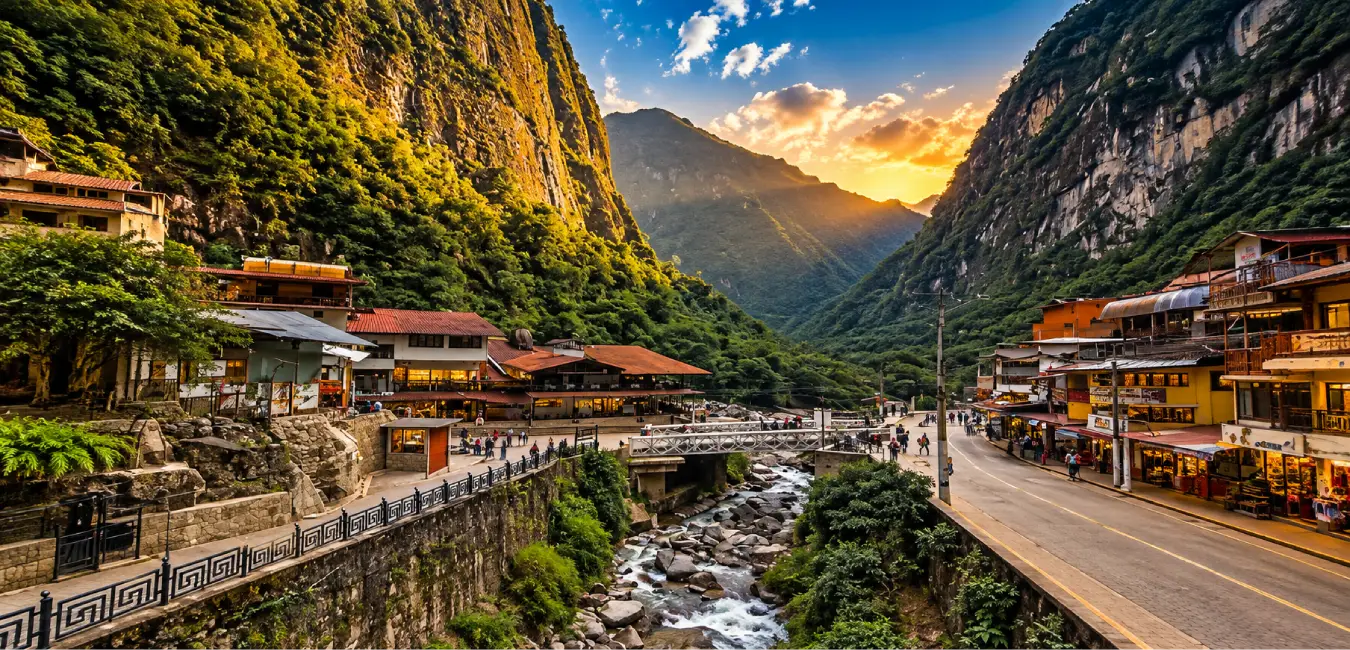
Things to do in Machu Picchu Pueblo (Aguas Calientes)
Machu Picchu Pueblo, commonly known as Aguas Calientes, is where trains arrive before visitors continue to the citadel. Although many travelers only pass through, you can use your stay to relax, enjoy a meal, and explore some of the area's attractions.
What to do if you arrive a day early
If your Machu Picchu entry time is early in the morning, spending the night in town can make transportation easier to manage. This way, you won't have to rely on a connection from Cusco on the same day.
Activities to consider
- Visit the hot springs: A relaxing option after a hike, provided the facilities are open.
- Explore the local market: Find regional products and local food options.
- Walk to the Mandor Gardens: Check access conditions and trail information before setting out.
- Visit the Manuel Chávez Ballón Site Museum: Check opening hours and admission requirements.
- Buy your bus ticket in advance: If you plan to take the bus, arranging your ticket ahead of time can save you time in the morning.
Aguas Calientes offers accommodations in several categories and restaurants for different budgets. Keep in mind that prices may be higher than in Cusco, partly because of the logistical challenges involved in transporting goods to town.
How high is Machu Picchu?
Elevation varies depending on where you go during your trip. That's why it's important to distinguish between Cusco, Machu Picchu Pueblo, and the Inca citadel.
Elevation of the main stops on your trip
Location | Approximate Elevation |
|---|---|
| Cusco City | 11,152 ft (3,399 m) |
| Machu Picchu Pueblo or Aguas Calientes | Approximately 6,693 ft (2,040 m) |
| Machu Picchu Citadel | 7,972 ft (2,430 m) |
| Machu Picchu Mountain | More than 9,843 ft (3,000 m), depending on the reference point |
Can you get altitude sickness at Machu Picchu?
Altitude sickness, known in Peru as soroche, occurs when your body doesn't adequately adjust to the reduced availability of oxygen at high elevations. Susceptibility varies from person to person, and being physically fit doesn't guarantee that you won't experience symptoms.
Common symptoms include:
- Headache.
- Dizziness or weakness.
- Nausea and loss of appetite.
- Unusual fatigue.
- Difficulty sleeping.
How to prevent altitude sickness during your trip
- Plan your arrival carefully: If your itinerary includes Cusco, avoid scheduling a strenuous hike immediately after landing. Allow time to rest and acclimatize.
- Rest when you arrive: Avoid intense physical activity during your first few hours. If you plan to visit the Sacred Valley or Machu Picchu, adjust your activities according to how you feel.
- Stay hydrated: Drink water regularly and avoid excessive alcohol consumption. Eat moderate portions, especially if you experience digestive discomfort.
- Don't self-medicate: Consult a healthcare professional before your trip if you've experienced altitude sickness before or are considering preventive medication. Don't take medication based on informal recommendations from other travelers.
- Listen to your body: If you develop a headache or unusual fatigue, stop your activity and rest. Don't try to finish a strenuous hike if your symptoms worsen.
A tip many travelers swear by…
Start your trip in the Sacred Valley, which sits at a lower elevation, and leave Cusco for later. This allows your body to adjust gradually.
Entry requirements and rules for Machu Picchu
Before heading to the citadel, check the entry requirements that apply to your ticket. These rules help protect the archaeological heritage and manage visitor traffic.
Keep these recommendations in mind
- Bring the identification document or passport used for your reservation, as applicable.
- Keep your ticket handy and check your entry time.
- Stay on your assigned circuit and follow staff instructions.
- Check restrictions on baggage, food, trekking poles, and other items before traveling.
- Don't assume you can return to previous sections once you've continued along a route.
- Follow conservation guidelines and avoid touching or climbing on archaeological structures.
What to pack for Machu Picchu
Packing your daypack carefully will help you enjoy your visit without carrying unnecessary items. The weather can change throughout the day, so bring clothing you can adjust to changing conditions.
Essentials | Recommended Items |
|---|---|
| Original passport and entrance ticket. | Trekking poles with rubber tips (if hiking a mountain). |
| Poncho or waterproof jacket. | Binoculars for birdwatching. |
| Sunscreen, a hat, and sunglasses. | Portable phone charger. |
| Insect repellent (mosquitoes can be very active). | Snacks to eat before entering. |
| Reusable water bottle. | Cash in Peruvian soles for the bus, restrooms, and tips. |
| Comfortable shoes with good traction. | Layered clothing (cool mornings and warm midday temperatures). |
Is it better to visit Machu Picchu independently or with a Tour?
Both options work well, but they suit different needs.
- Traveling independently lets you choose each service and plan your itinerary at your own pace. However, you'll need to coordinate your tickets, train, bus, and schedules separately.
- An organized tour simplifies logistics by combining several services into a single booking. Before booking, ask for a detailed list of inclusions, the train category, entry circuit, schedule, change policy, and cancellation terms.
At Responsible Trekking & Travel, a local tour operator based in Cusco, we can help you compare options based on your travel dates, available time, and the kind of experience you're looking for. The important thing is to understand exactly what you're booking and how much each service costs.
How much does a trip to Machu Picchu cost?
Your budget depends on how you travel, how many nights you stay, and which services you book. A day trip from Cusco costs differently from an overnight stay in Aguas Calientes or a multi day trekking adventure.
Budget for visiting Machu Picchu by train
Item | Approximate Cost (USD) |
|---|---|
| General admission to Machu Picchu | $49 |
| Round-trip train, Ollantaytambo–Aguas Calientes (basic service) | $120–180 |
| Round-trip transportation, Cusco–Ollantaytambo | $20–40 |
| Round-trip Consettur bus | $24 |
| Official guide (shared tour) | $15–25 |
| Meals | $20–40 |
| Estimated total (excluding accommodation) | $250–360 |
These are reference prices and may vary depending on the season and service category. Panoramic or luxury train services can significantly increase the total cost.
Recommended itineraries for visiting Machu Picchu
How many days do you need? It depends on your pace, but these itineraries are among the most practical options:
- Machu Picchu in one day (full day trip): Leave Cusco before dawn, visit the citadel, and return in the evening. It's a long day, but ideal if you're short on time.
- Machu Picchu in 2 days: Spend one night in Aguas Calientes and allow time to hike one of the mountains.
- Sacred Valley and Machu Picchu in 2 or 3 days: Visit Pisac, Ollantaytambo, and other towns before taking the train. This offers a well-balanced itinerary.
- 5–7 days in Cusco: Combine the city, Sacred Valley, Machu Picchu, and a hike on the Llama Trail route from Qoricancha to Machu Picchu or the Salkantay route.
Places to visit near Machu Picchu
If you're already in Cusco, make the most of your trip by visiting other cultural and natural attractions in the region.
- Sacred Valley: Explore traditional towns, agricultural terraces, and archaeological sites such as Pisac and Ollantaytambo.
- Moray and the Maras salt mines: See circular agricultural terraces believed to have served experimental farming purposes, along with thousands of salt ponds on the mountainside.
- Chinchero: Visit a traditional weaving town where you can see how artisans naturally dye wool.
- Sacsayhuaman: An important archaeological complex located above the city of Cusco.
- Qoricancha: One of Cusco's most significant examples of Inca and colonial architecture.
- Humantay Lake and Rainbow Mountain: Day trips for travelers seeking high-altitude mountain scenery.
Tips from travelers who have visited Machu Picchu
Beyond logistics, these details can make a difference on the day of your visit:
- Get to the bus line early. During high season, the bus line in Aguas Calientes may start forming before 5:00 a.m.
- Download your tickets. Cell service is weak at the citadel, so save offline copies of your entrance ticket and train tickets.
- Purchase travel insurance. It may help cover train delays, weather-related changes, and unexpected events during your trip.
- Plan for a single entry. Each ticket allows one entry, so organize your time before passing through the entrance checkpoint.
- Get your passport stamped. When you leave, you may be able to get a commemorative Machu Picchu stamp as a souvenir a detail many visitors miss because they don't know about it.
- Give the mist some time to clear. If the morning starts out cloudy, wait a while. The mist often lifts by midmorning, revealing the citadel.
Frequently asked questions about visiting Machu Picchu
Can you visit Machu Picchu without a guide?
No. Current regulations require visitors to enter with an authorized official guide. If you haven't hired one in advance, you may find certified guides at the entrance to the citadel.
How many hours can you spend inside Machu Picchu?
Walking through the circuits takes approximately 2–3 hours. If you add a mountain hike, plan on spending 4–6 hours in total.
Can you visit Machu Picchu with children?
Yes. The circuits are open to visitors of all ages, although certain routes, such as Huayna Picchu, Huchuy Picchu, and the Inca Bridge, require visitors to be over 12 years old. For younger children, bring a child carrier backpack.
What's the best time to enter Machu Picchu?
The earliest entry slots (6:00–8:00 a.m.) generally offer fewer crowds and the famous sunrise views through the mist. In the afternoon, the light is warmer, and there are often fewer tour groups.
Are there restrooms inside Machu Picchu?
No. Restrooms are located outside the main entrance, beyond the visitor area, so it's best to use them before starting your tour.
Can you eat inside Machu Picchu?
Bringing food into the site is not permitted. There's a restaurant near the entrance, and you can have a light meal before or after your visit.