
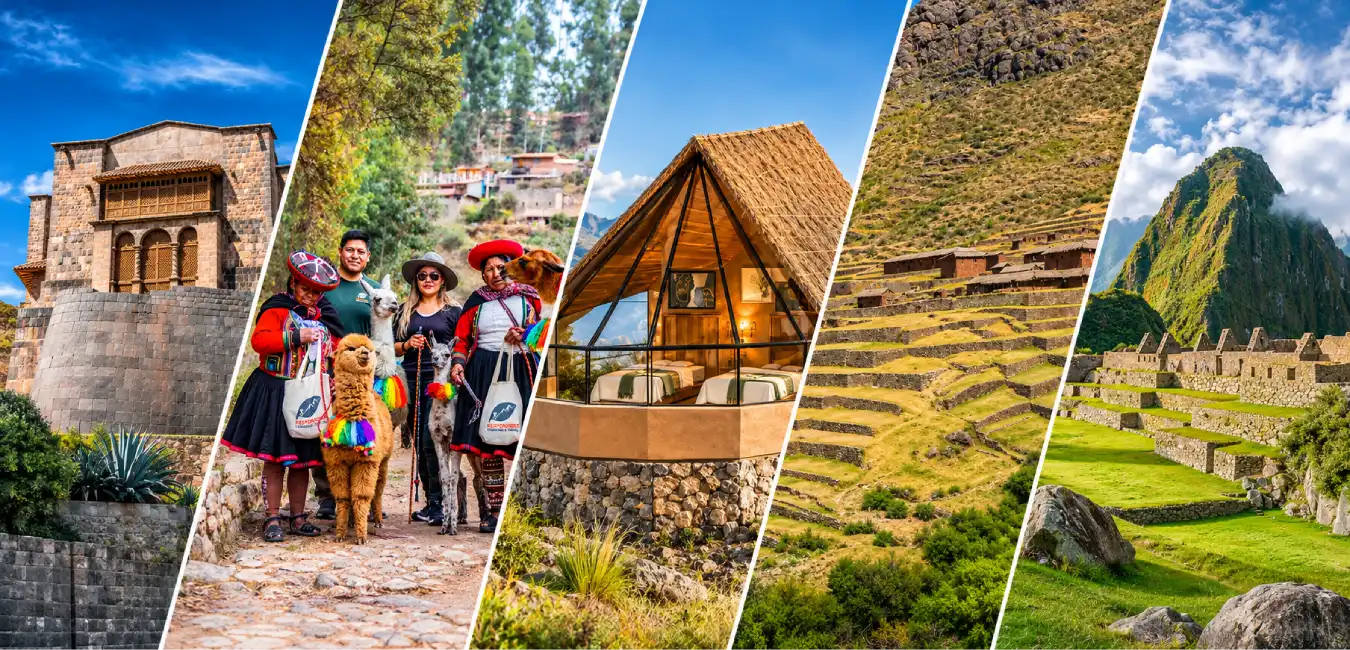
The 4 day Llama Trail combines a trek accompanied by llamas along ancient Inca paths, an overnight stay in domes facing the Andes, a visit to Huchuy Qosqo, and the Short Inca Trail to Machu Picchu. Over the course of a 36 km hike, you will reach an altitude of 4,200 meters and discover landscapes, traditions, and lesser visited archaeological sites. Here, we explain what the route is like, its level of difficulty, and how to prepare for this adventure.
4 day Llama Trail: Everything you need to know before your trip
Quick facts | Details |
|---|---|
| Duration | 4 days and 3 nights. |
| Hiking distance | Approximately 22.4 miles (36 km), including 5.6 miles + 9.3 miles + 7.5 miles, plus your visit to Machu Picchu. |
| Starting point | Qoricancha, Cusco (hotel pickup around 6:30 AM). |
| Ending point | Machu Picchu, arriving on foot through Inti Punku (the Sun Gate). |
| Highest elevation | Pukamarca Pass, 13,780 ft (4,200 m) above sea level. |
| Difficulty level | Moderate. |
| Accommodations | Andean Sky Dome, a hotel in Ollantaytambo, and a hotel in Aguas Calientes. |
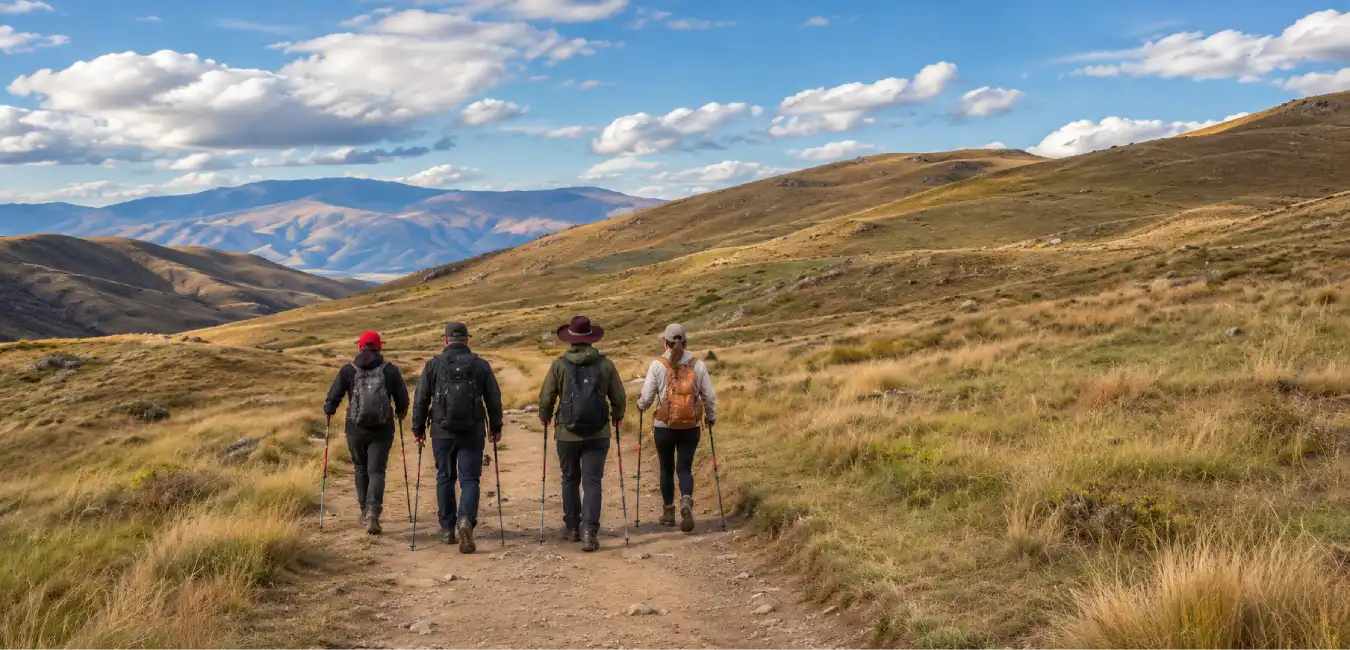
Discover our 4 day Llama Trail and experience a journey that combines ancient Inca trails, an overnight stay in Andean domes, and an unforgettable arrival at Machu Picchu through the Sun Gate.
What is the Llama Trail with the Short Inca Trail?
It is a trekking adventure that connects Qoricancha with Machu Picchu along the Qhapaq Ñan, the extensive Inca road network that spanned more than 18,640 miles (30,000 km) and extended across what are now Peru, Bolivia, Ecuador, Colombia, Chile, and Argentina. During the first two days, you hike along the ancient ceremonial route of Antisuyu accompanied by llamas. On the third day, you follow the Short Inca Trail from KM 104, while the fourth day gives you time to explore the Inca citadel of Machu Picchu at a relaxed pace.
Two incredible experiences in one journey
On the one hand, you embark on a high altitude cultural trek along lesser known trails dotted with huacas (sacred Andean sites). On the other, you hike the final section of the Inca Trail, Peru's most famous trekking route, officially designated as Route 5 of the Inca Trail Network, also known as the "Sacred Trail from Chachabamba to Wiñay Wayna." While these experiences are typically offered separately, this itinerary brings them together in a single adventure.
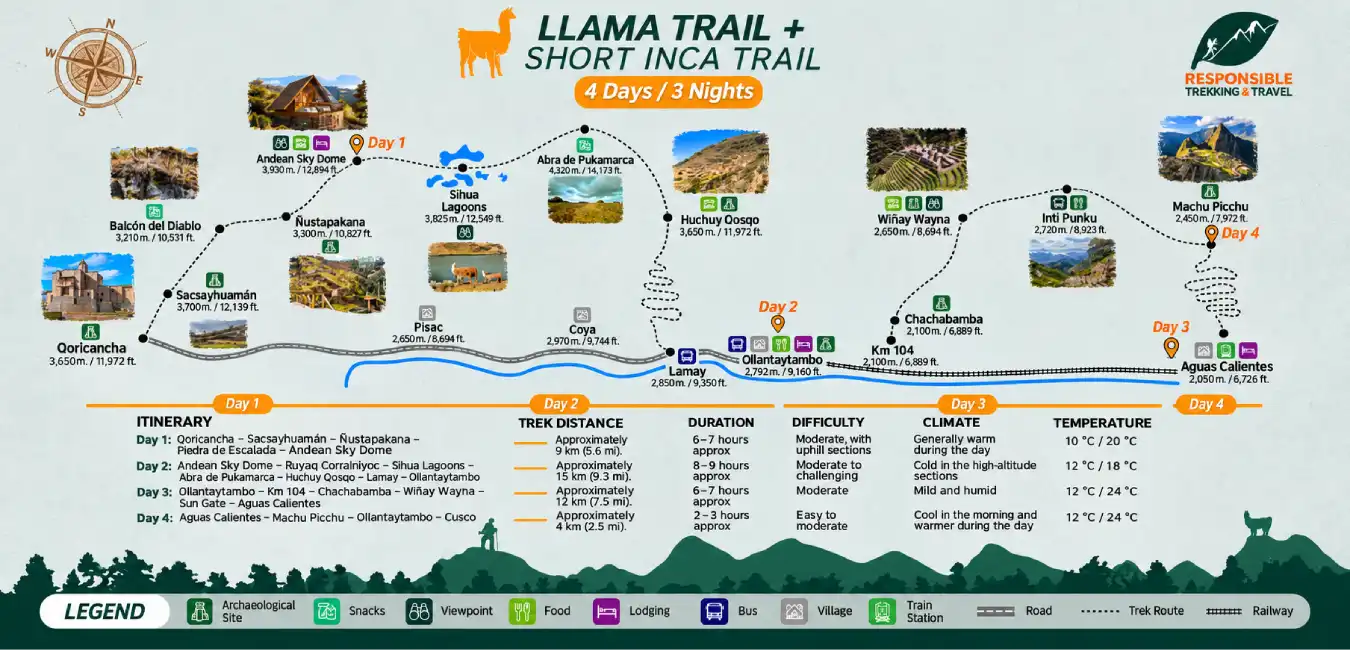
4 day Llama Trail elevation profile
What does the 4 day Llama Trail itinerary look like day by day?
Each day of the Llama Trail reveals a different side of the Andes, from its rich history and cultural traditions to its natural landscapes. Below, we walk you through the day by day itinerary, explain what to expect throughout the four days, and share how to make the most of every stage of this adventure.
Day 1. From Qoricancha to the Andean Sky Domes
Hiking Distance: Approximately 5.6 miles (9 km) / Maximum Elevation: 12,631 ft (3,850 m).
Following in the footsteps of the Antisuyu
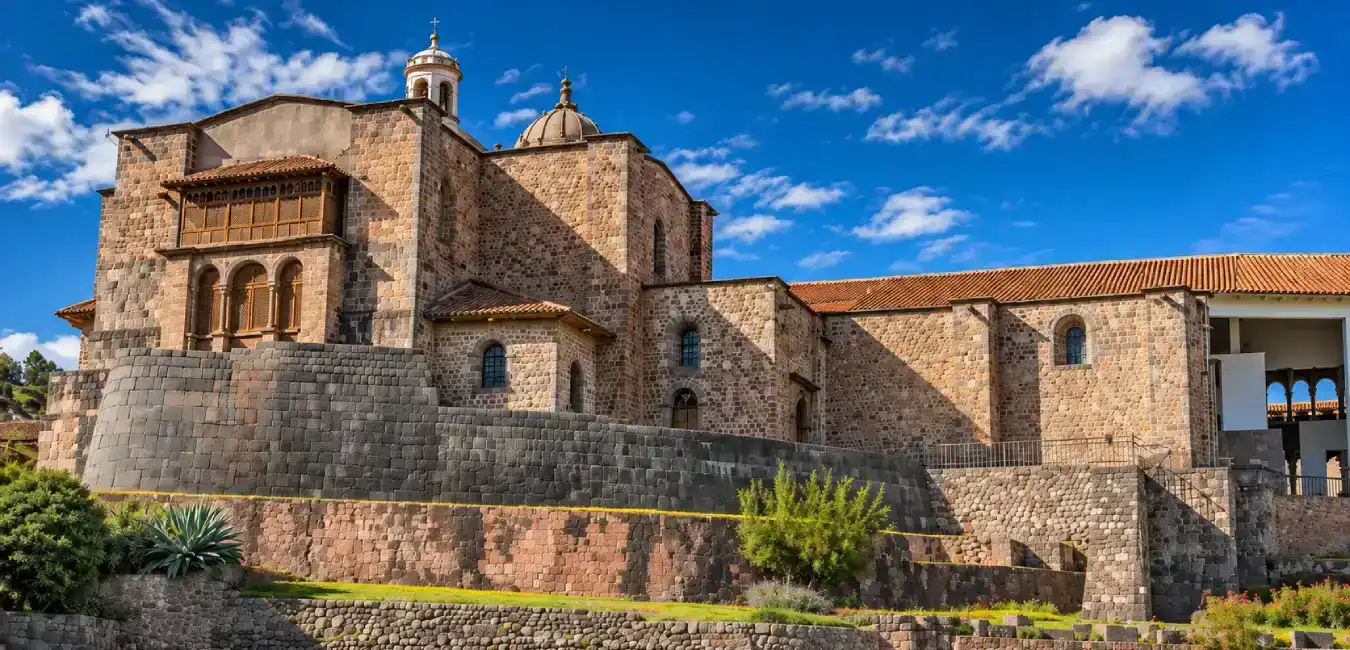
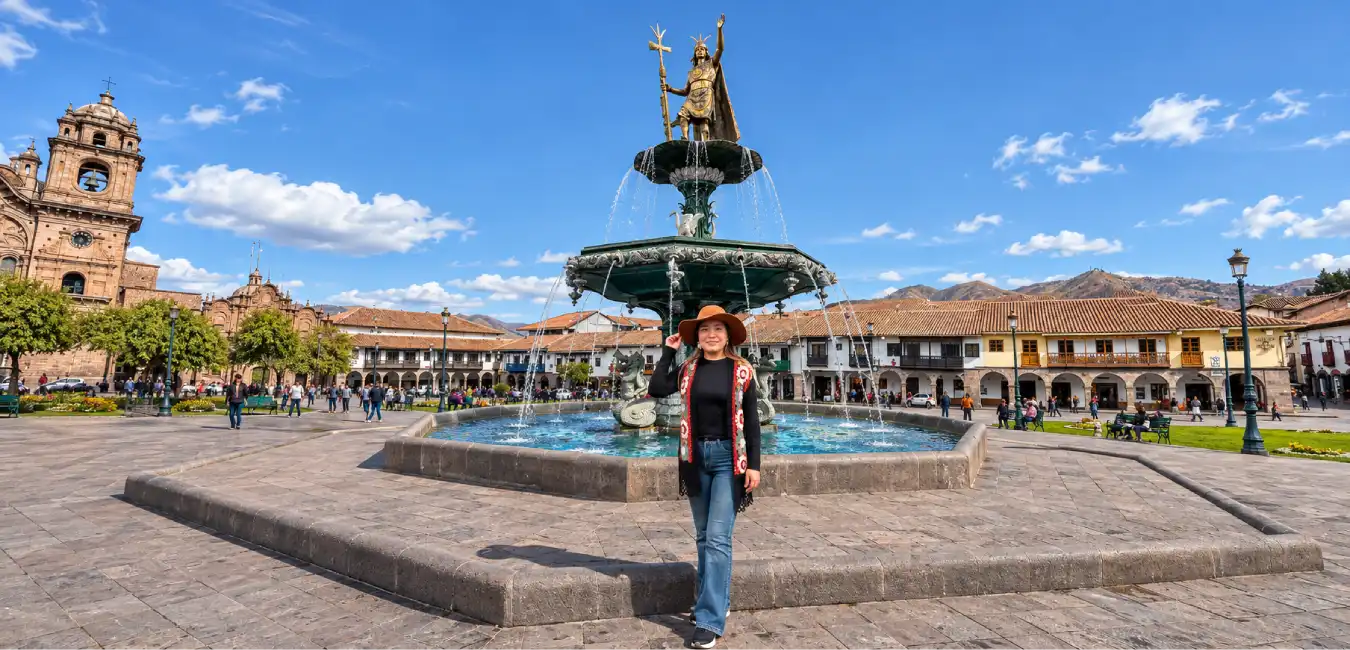
- Around 6:30 AM, we pick you up from your hotel and head to Qoricancha, the starting point of our hike along the fifth ceque of the Antisuyu, an ancient ceremonial line that connects ten huacas (sacred sites). From here, you walk along Loreto Street, formerly known as Inti K'ijllu, between the historic sectors of Acllahuasi and Amarucancha, until you reach the Plaza de Armas, once known as Huacaypata.
- Next, you walk along Triunfo Street toward Hatun Rumiyoc, where you will see the famous Twelve-Angled Stone, embedded in the wall of the former palace of Inca Roca. Your hike continues past the Sapantiana Aqueduct, beside the sacred huaca of Wiruypaqcha, and up to the San Cristóbal viewpoint, where you can enjoy panoramic views of Cusco.
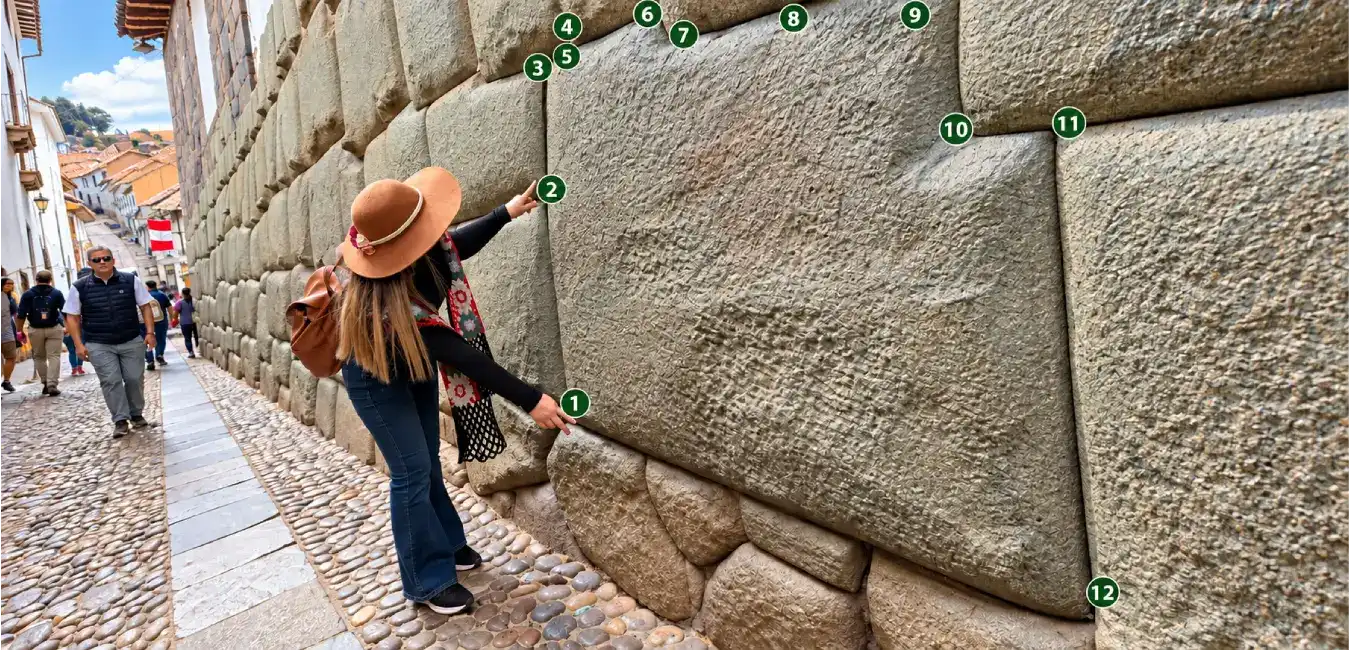
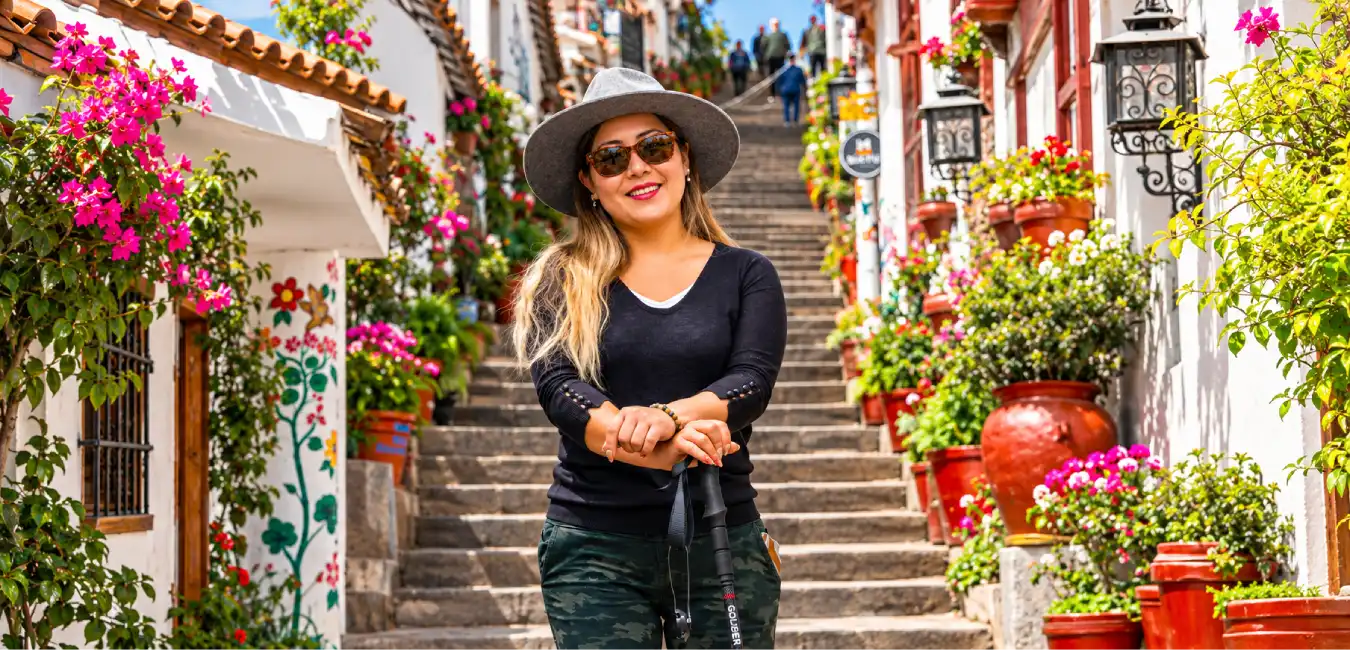
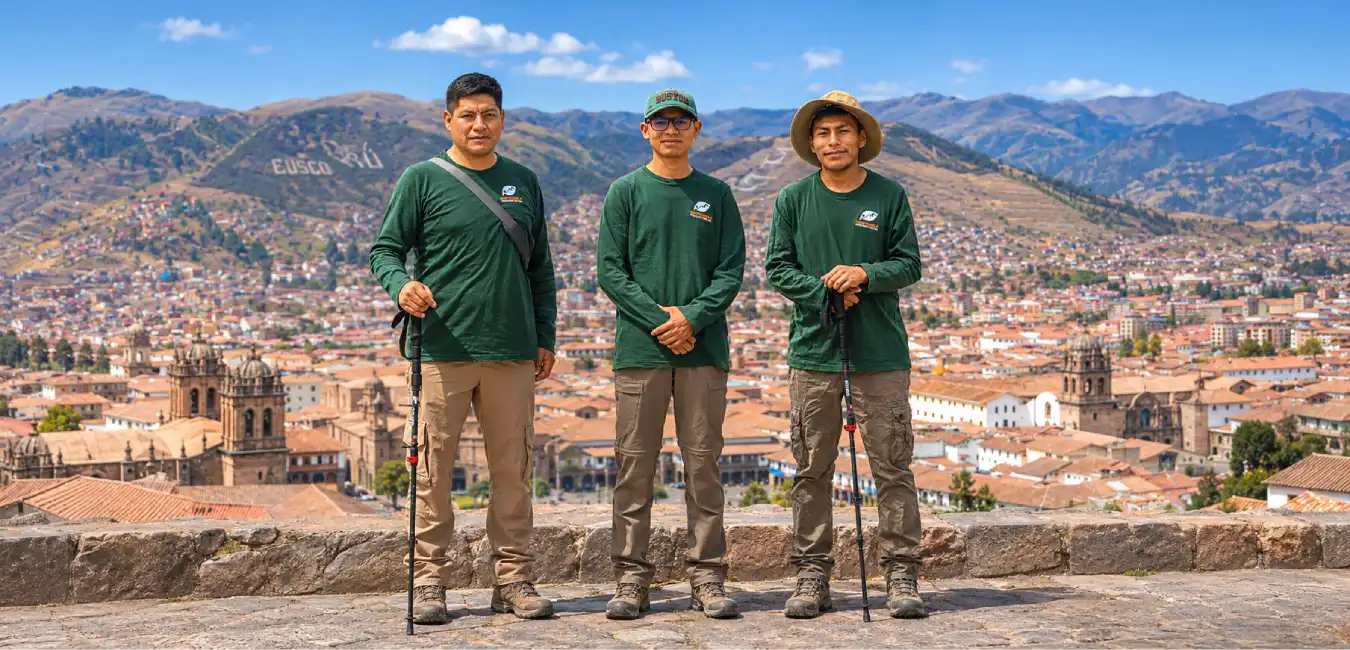
Meeting the Llamas and discovering ancient andean sanctuaries
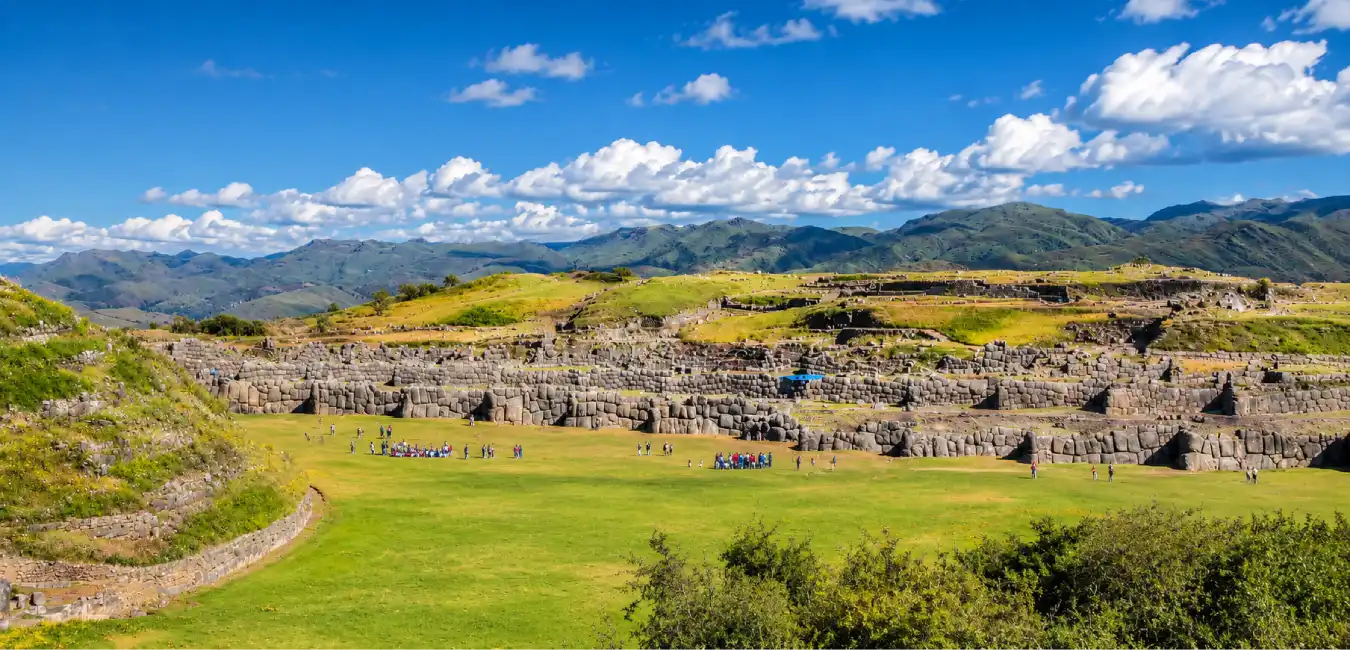
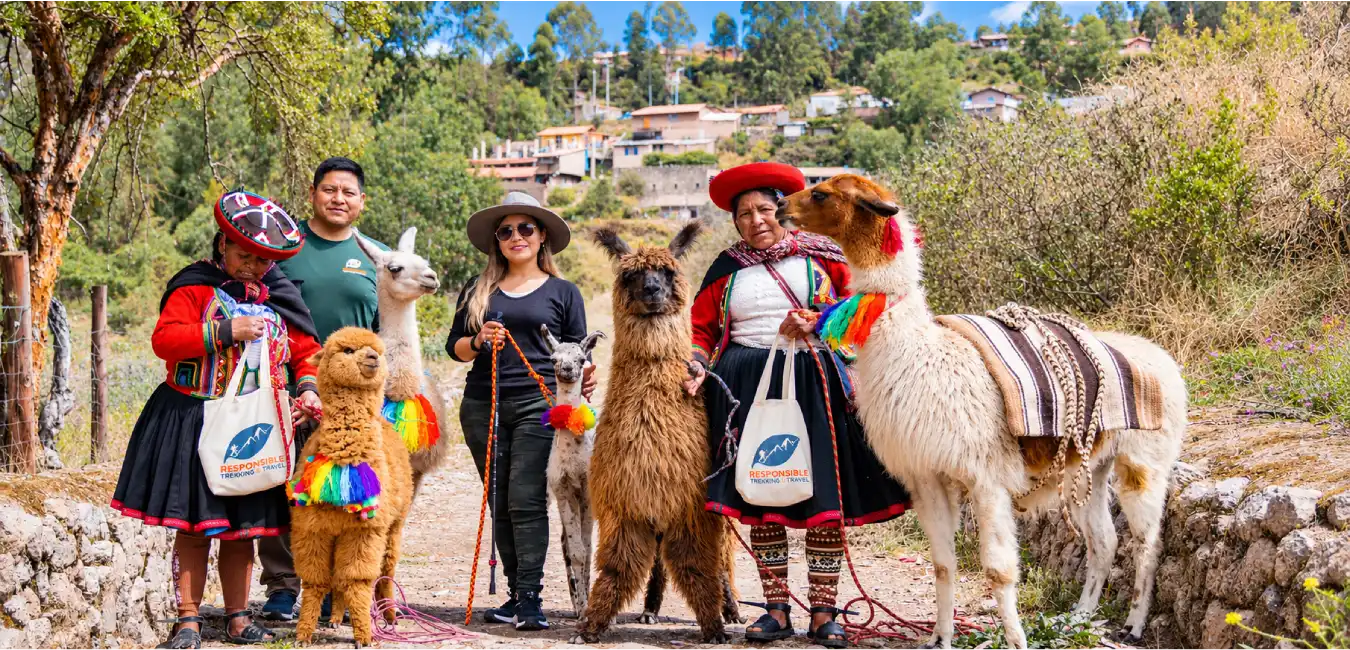
- After passing through Sacsayhuamán and admiring its massive stone walls, you arrive at Llaullipata, where our llamas and local llama herders are waiting for you. From this point on, you leave the city behind and begin exploring the natural landscapes of the Antisuyu.
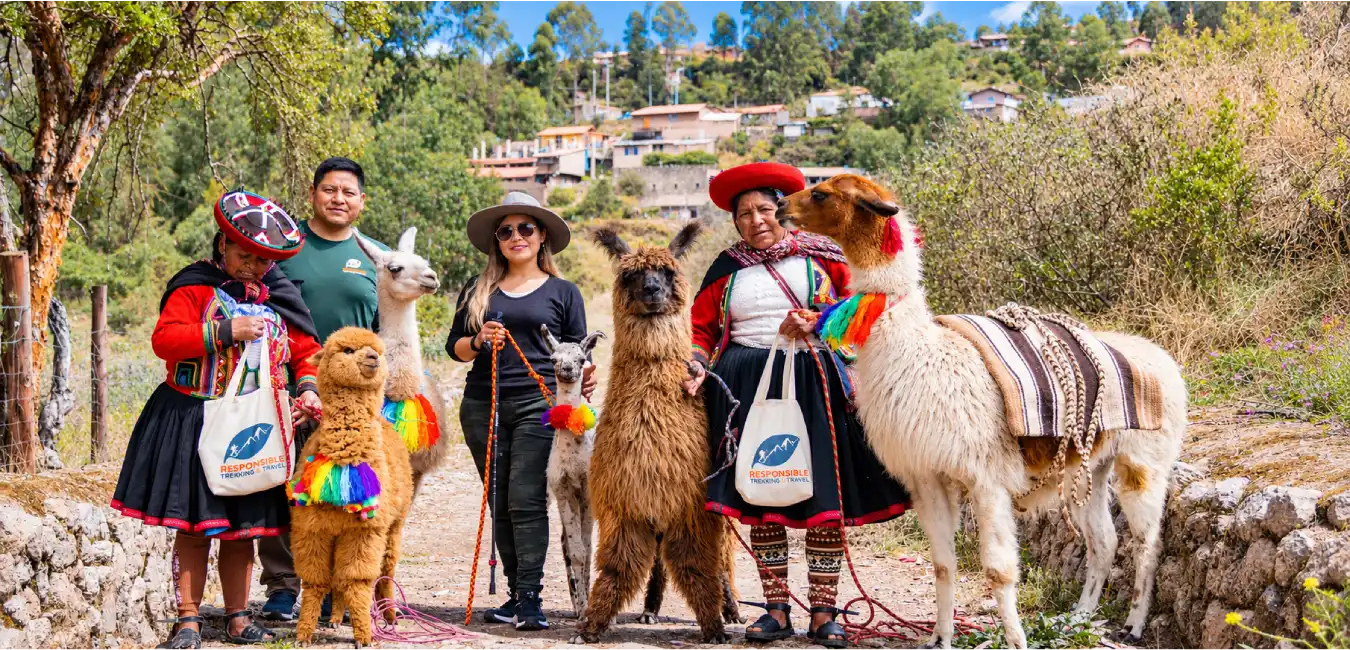
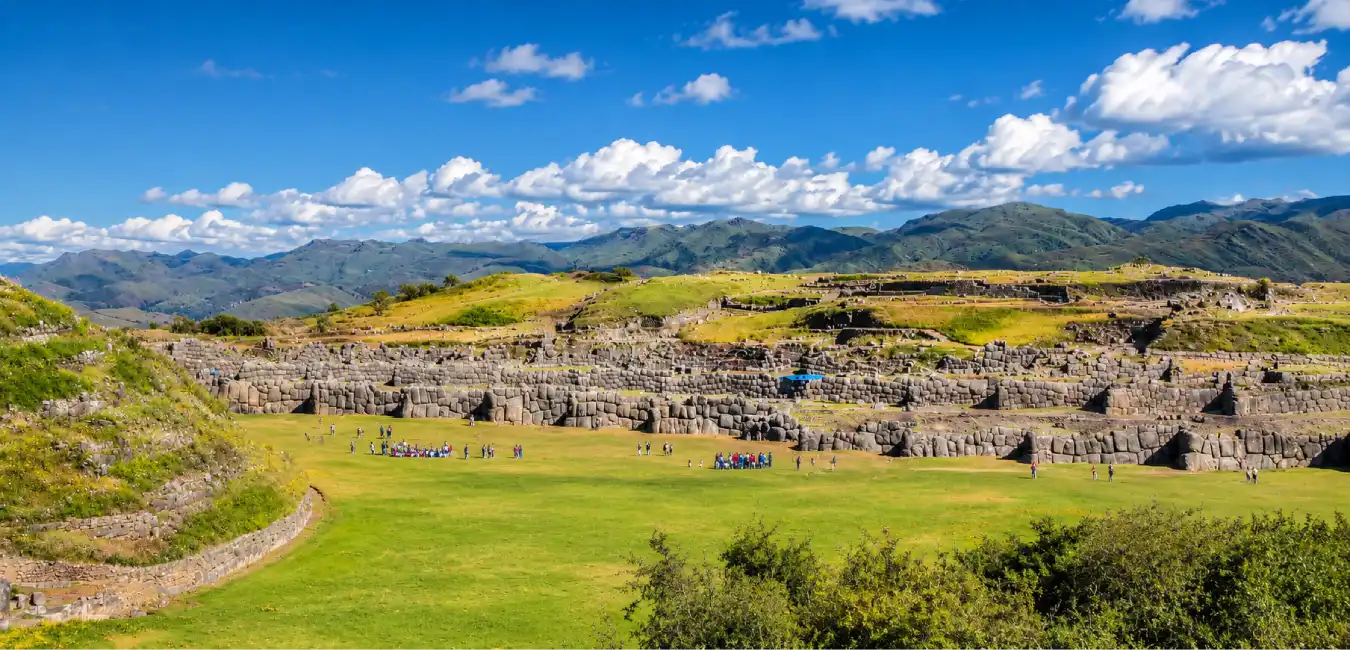
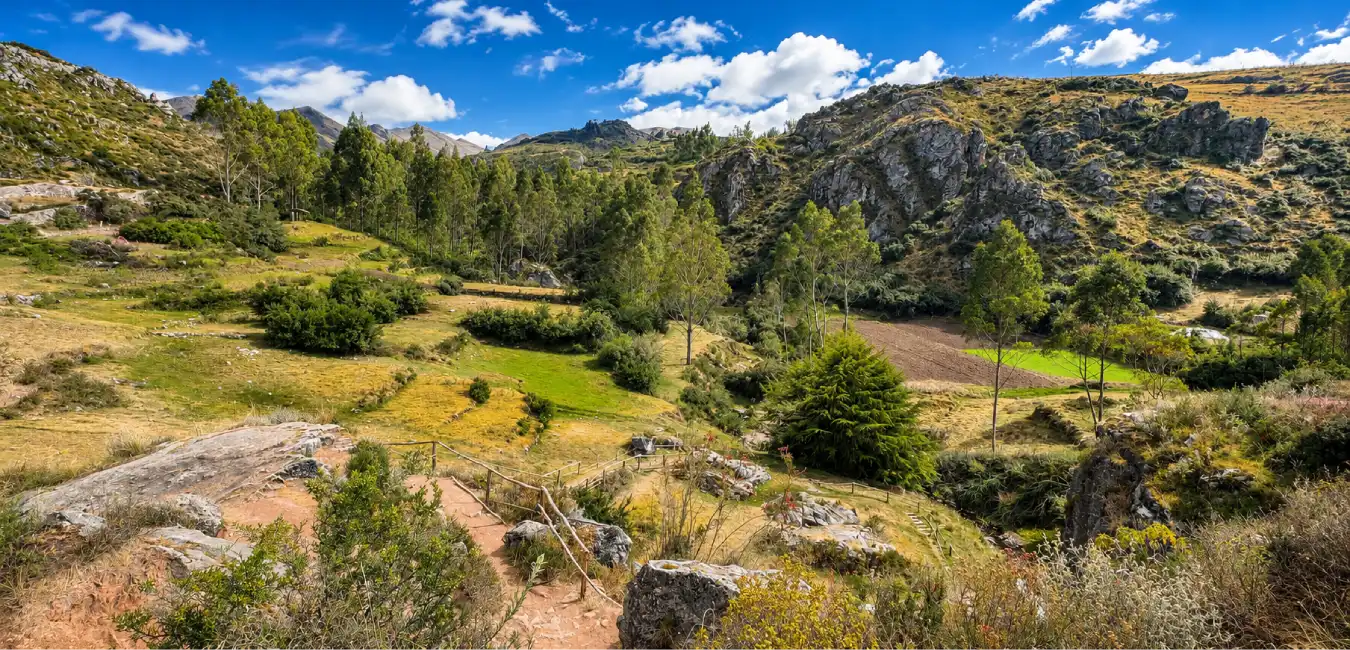
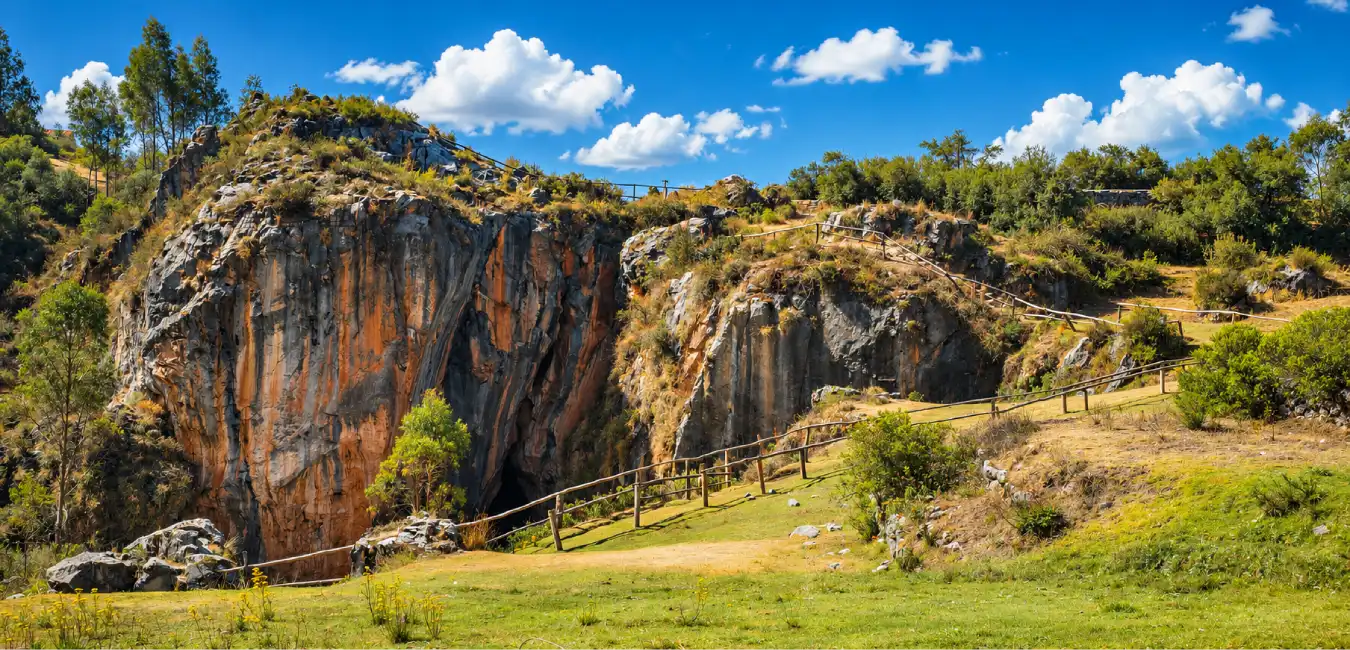
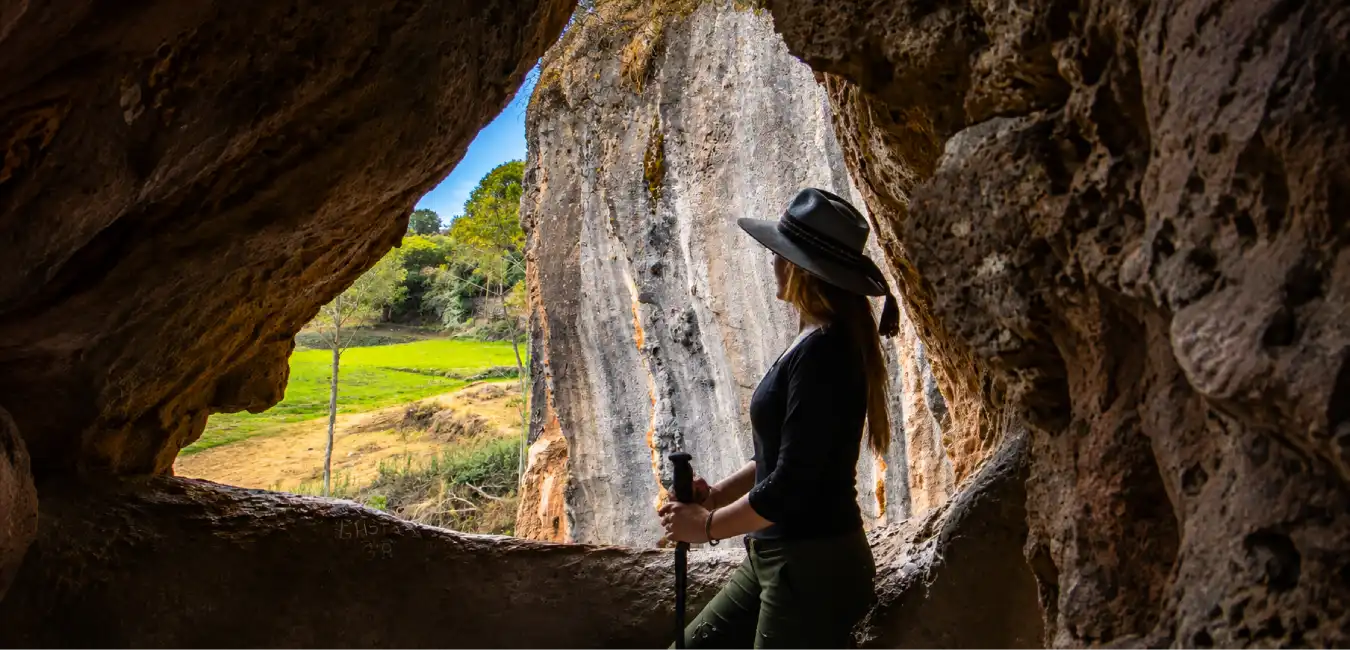
- Hiking through forests of Queuña and Chachacomo trees, you reach Chakan, better known as the Balcón del Diablo (Devil's Balcony), at an elevation of 12,402 ft (3,780 m). At this sacred site, you will discover a massive carved limestone formation and an altar associated with water rituals. It is also a great spot to take a break and enjoy your snacks.
Guide's Tip. Walk at the llamas' pace, respect their personal space, and follow your llama herder's instructions when taking photos to avoid disturbing their natural behavior.
Sacred Huacas and Cusco's lesser known trails
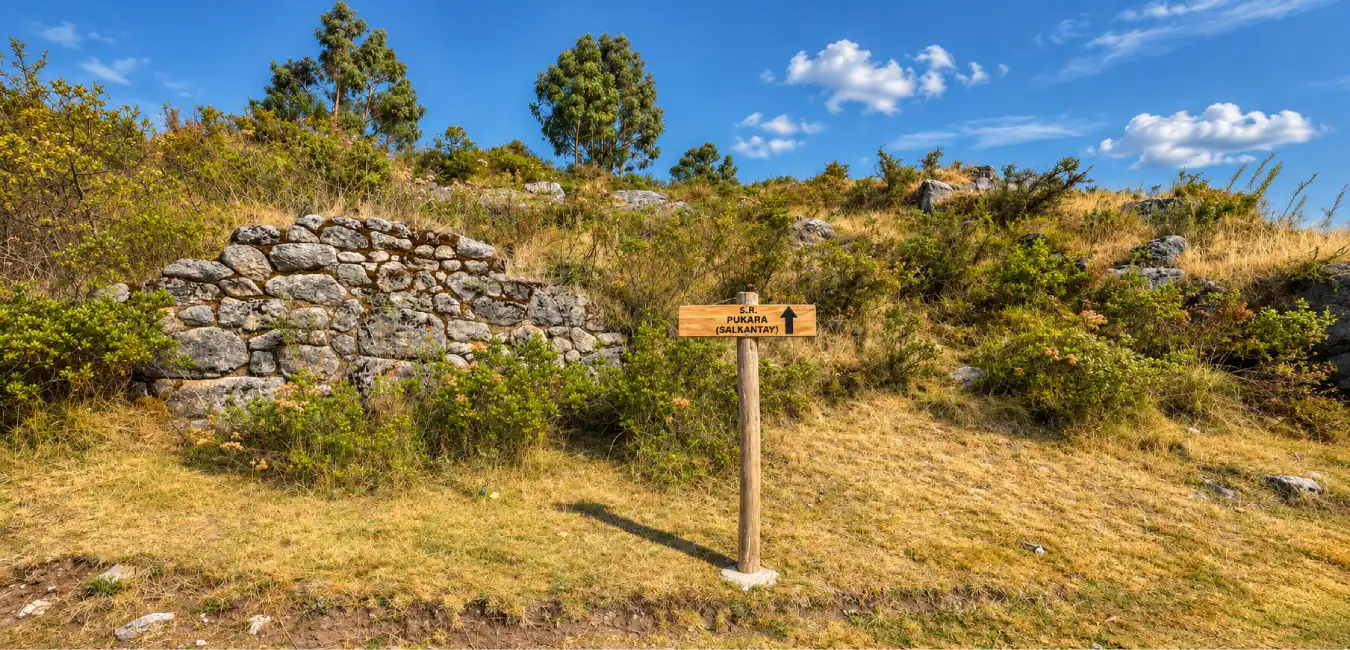
- The trail continues through Pukara, known for its agricultural terraces and water channels; Negruyoc, with its carved niches; and Salomniyoc, which preserves ancient structures associated with the ceremonial use of water.
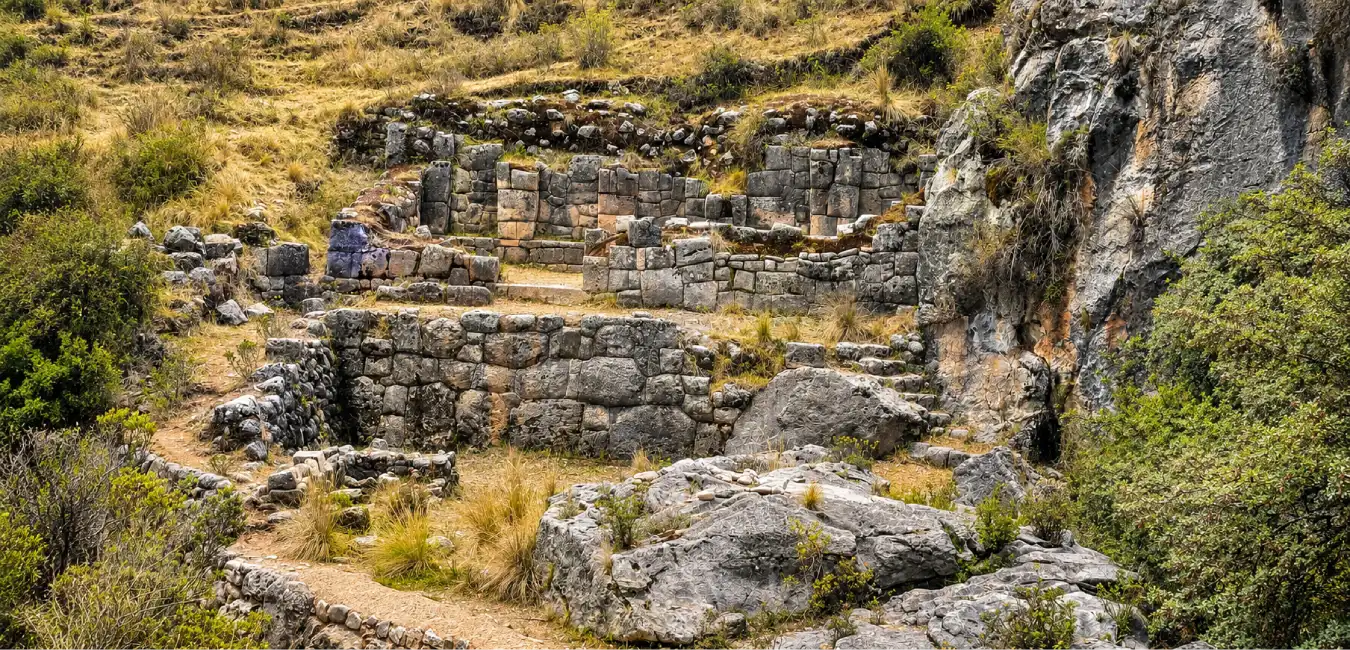
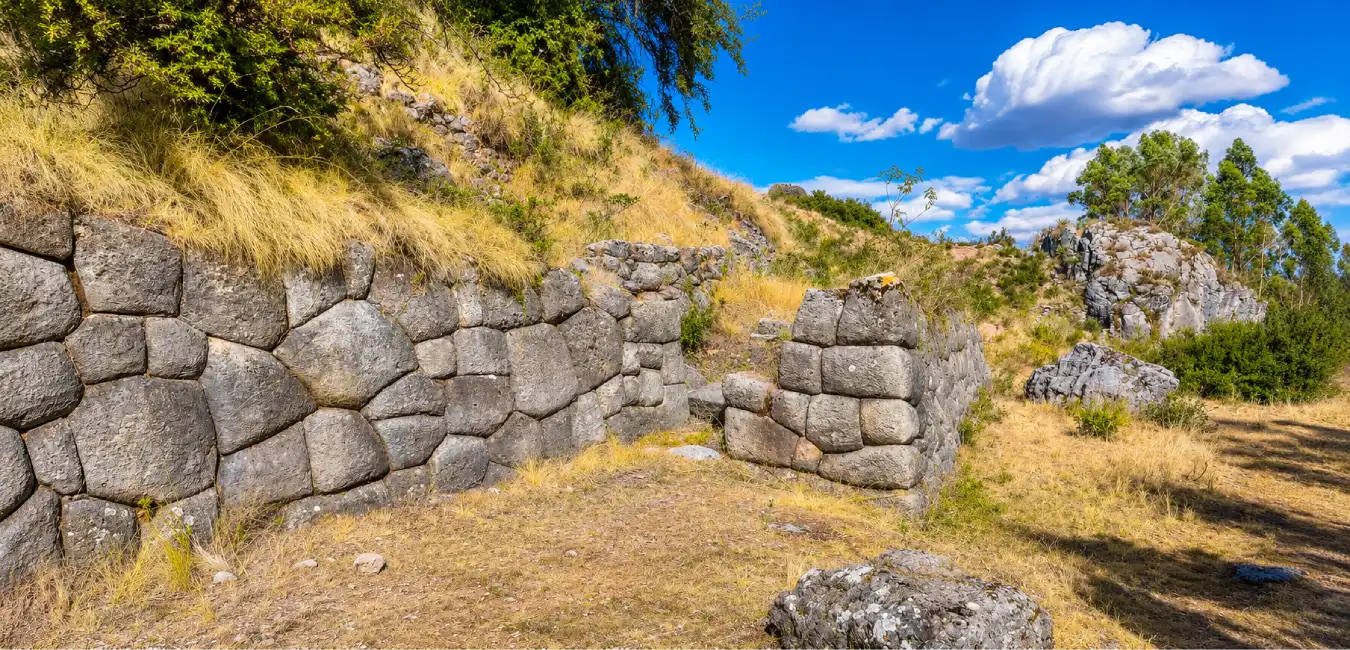
- Farther along the trail, you discover Ñustapakana, a natural rock outcrop with carved features that local traditions associate with ancient Andean rituals. Finally, after completing the last uphill stretch, you reach Piedra Resbalada, right beside our mountain camp.
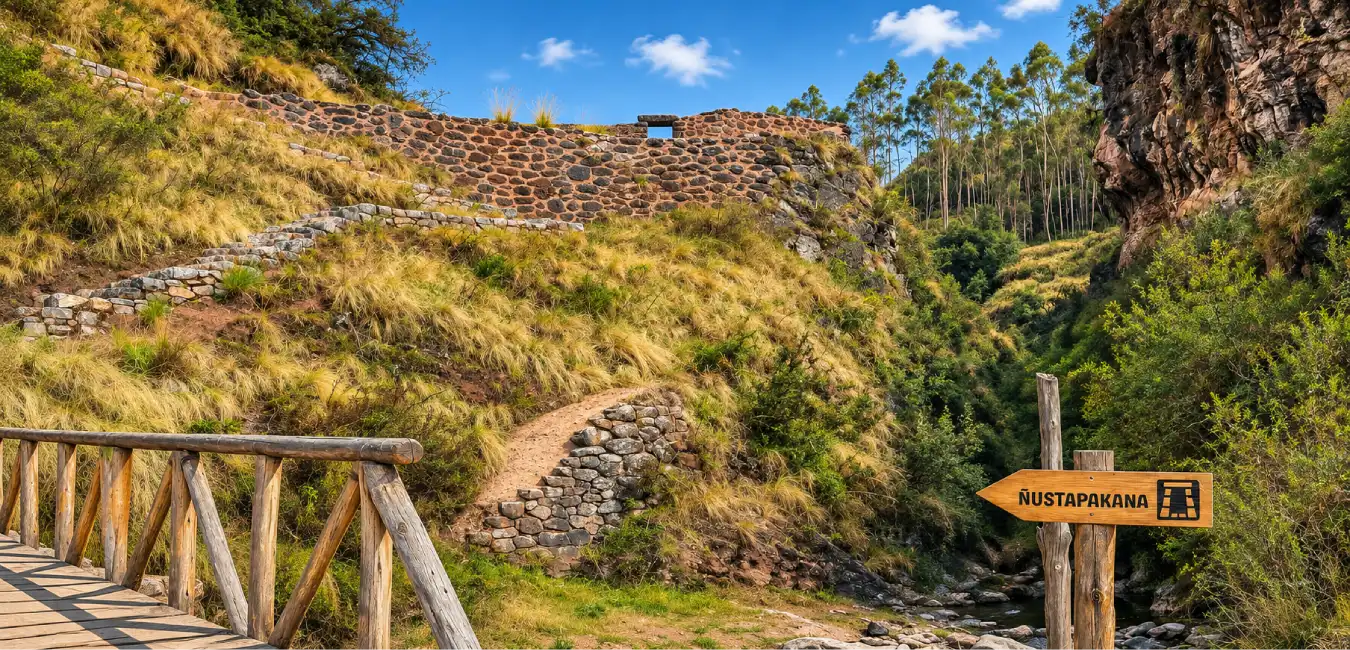
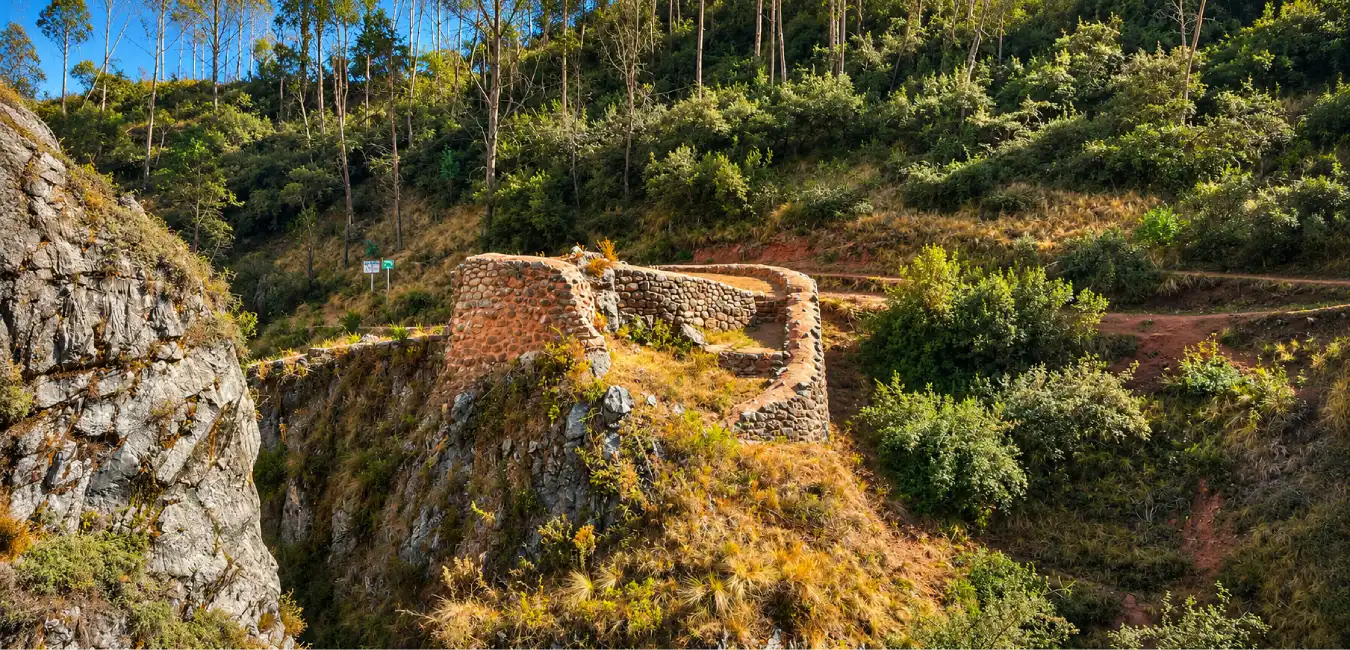
This is where your first day of hiking comes to an end. Enjoy a hot meal, unwind, and spend the night at Andean Sky Dome.
Spend a night in mountain domes overlooking the Andes
At an elevation of 12,631 ft (3,850 m), the Andean Sky Dome awaits you. After hiking ancient Inca trails alongside llamas, sit down to a hot meal, relax, and take in the surrounding Andean scenery. This is where you will spend your first night before continuing the following day toward high-altitude lakes and Huchuy Qosqo.
What is Andean Sky Dome?
It is a private mountain camp owned by Responsible Trekking, located at 12,631 ft (3,850 m) above sea level in Piedra Resbalada. The domes feature local construction materials, including ichu (Andean grass), clay, and stone, and offer views of Cusco and the snowcapped Ausangate Mountain.
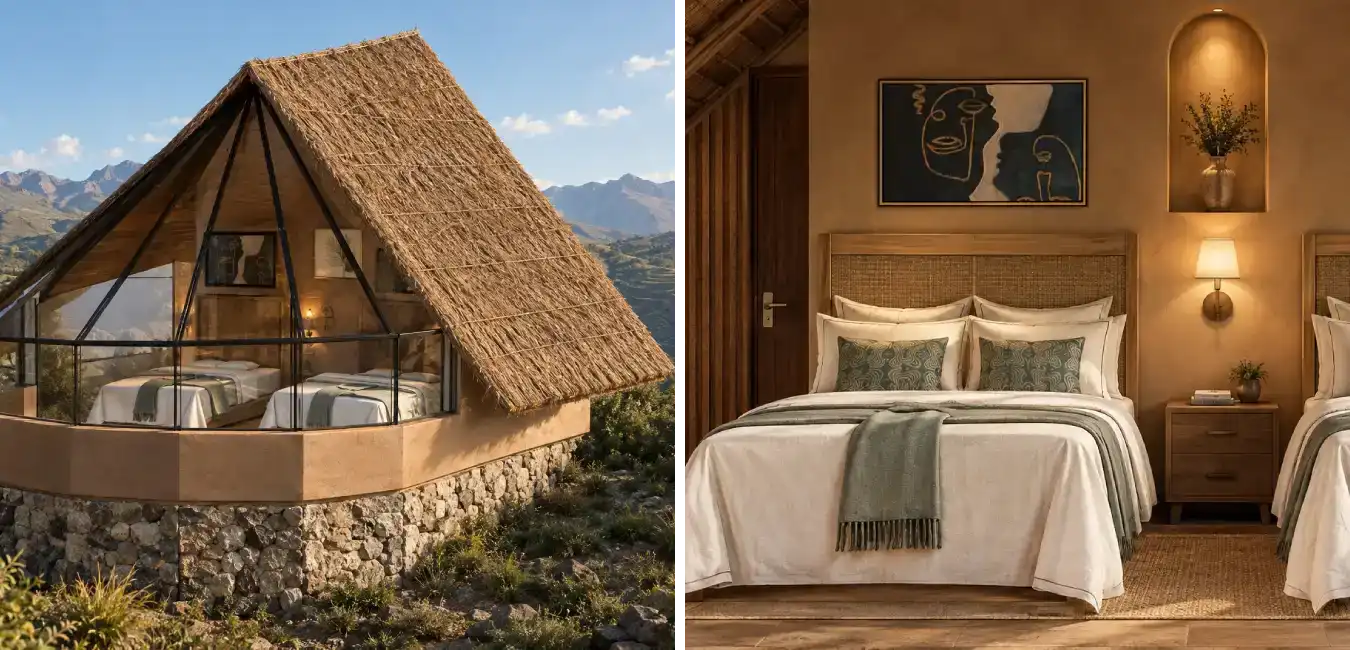
Choose your view
- Mama Simona Dome: overlooking the highest mountain surrounding Cusco.
- Viva el Perú Dome: offering views of Cusco and Araway Mountain.
- Ausangate Dome: facing the sacred, snowcapped Ausangate Mountain.
Amenities
- Double beds with warm, comfortable bedding.
- Heating for chilly mountain nights.
- Bathrooms with hot showers.
- 24-hour electricity and Wi-Fi.
Meals tailored to your dietary needs
Enjoy a buffet lunch and a hot dinner. If you follow a vegetarian or vegan diet or have any dietary restrictions, simply let us know when booking. Since we have a limited number of domes and they fill up quickly, we recommend reserving your stay in advance.
Cultural experiences at the mountain camp
Experience | What will you discover? |
|---|---|
| Andean Astronomy | Yacana, the celestial llama of the Milky Way. |
| Pachamama Offering | A traditional ceremony led by a paqo (Andean spiritual practitioner). |
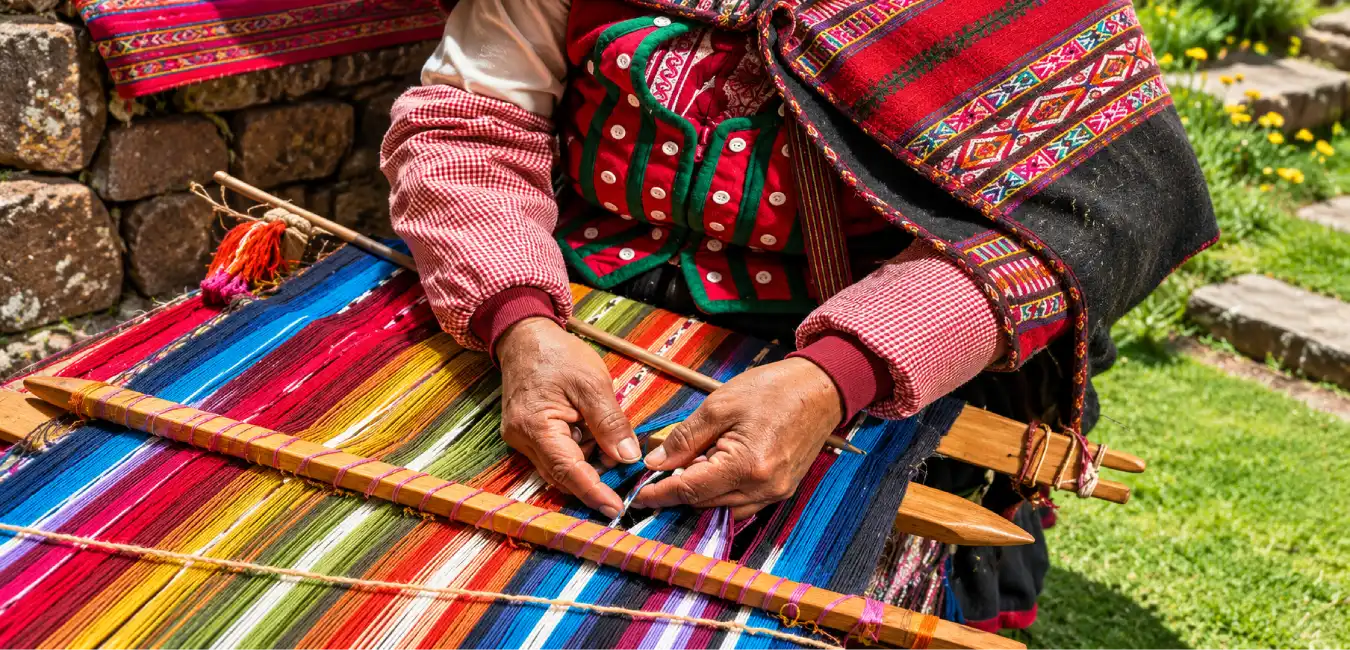
| Traditional Andean Textiles | Spinning with a pushka (traditional spindle), natural dyes, and ancestral weaving techniques. |
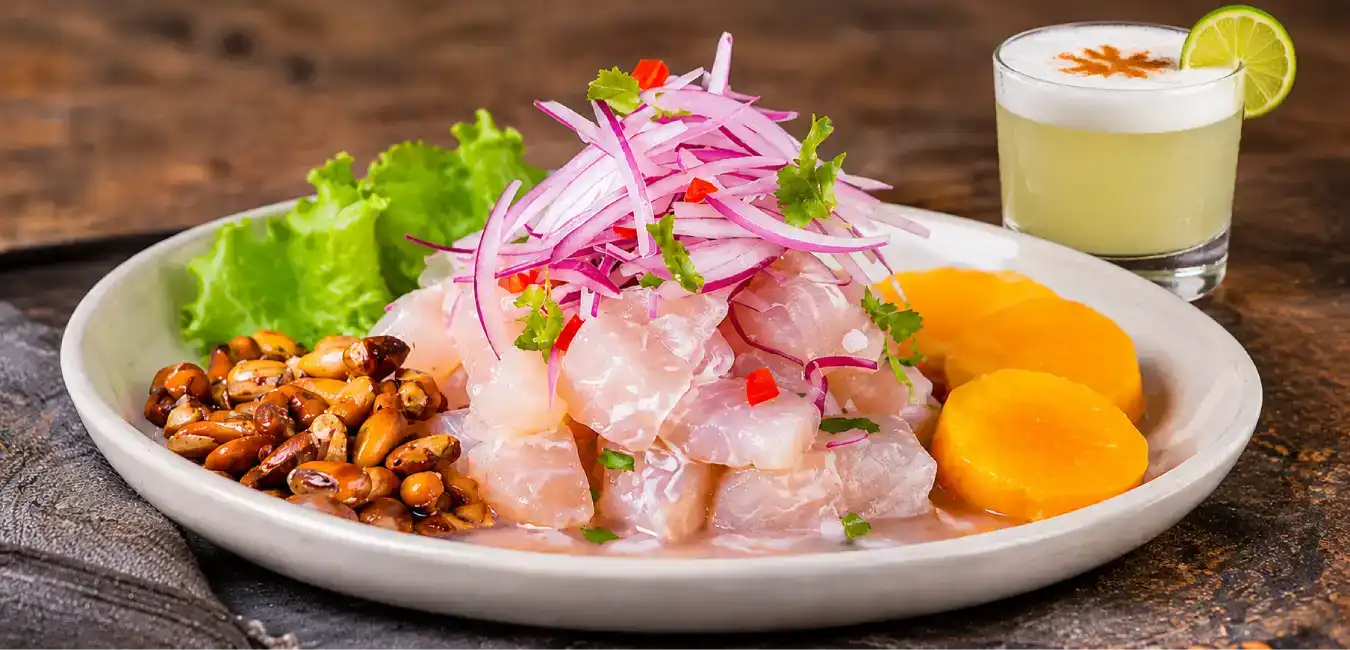
| Local Cuisine | Native potato varieties and corn from the Sacred Valley. |
| Traditional Andean Cooking | Preparing pachamanca and huatia using traditional Andean cooking methods. |
| Andean Flora | The kantuta flower and other native plant species found in the surrounding area. |
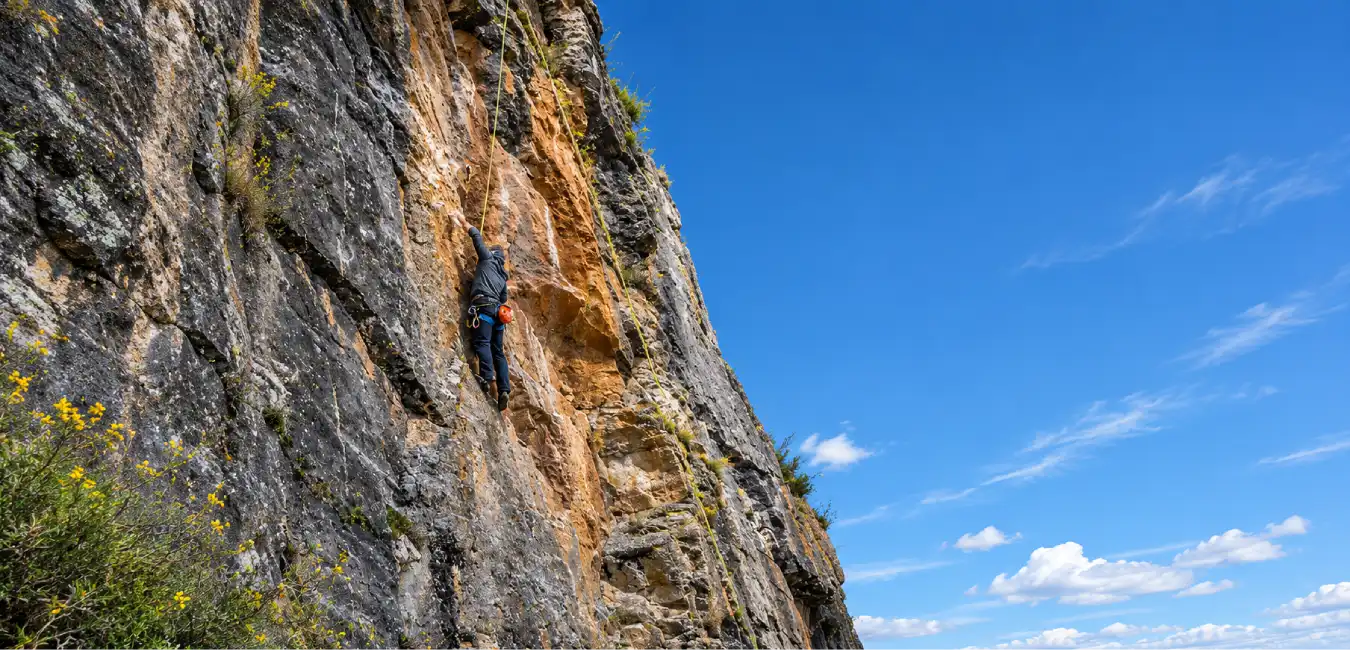
| Rock Climbing | Recreational outdoor activities in the surrounding mountains. |
Important: Activities vary depending on scheduling and availability. Please check which experiences are included in your specific departure.
Day 2: High altitude lakes, Huchuy Qosqo, and Ollantaytambo
Hiking Distance: Approximately 9.3 miles (15 km) / Maximum Elevation: 13,780 ft (4,200 m).
Hidden lakes in the mountains of antisuyu
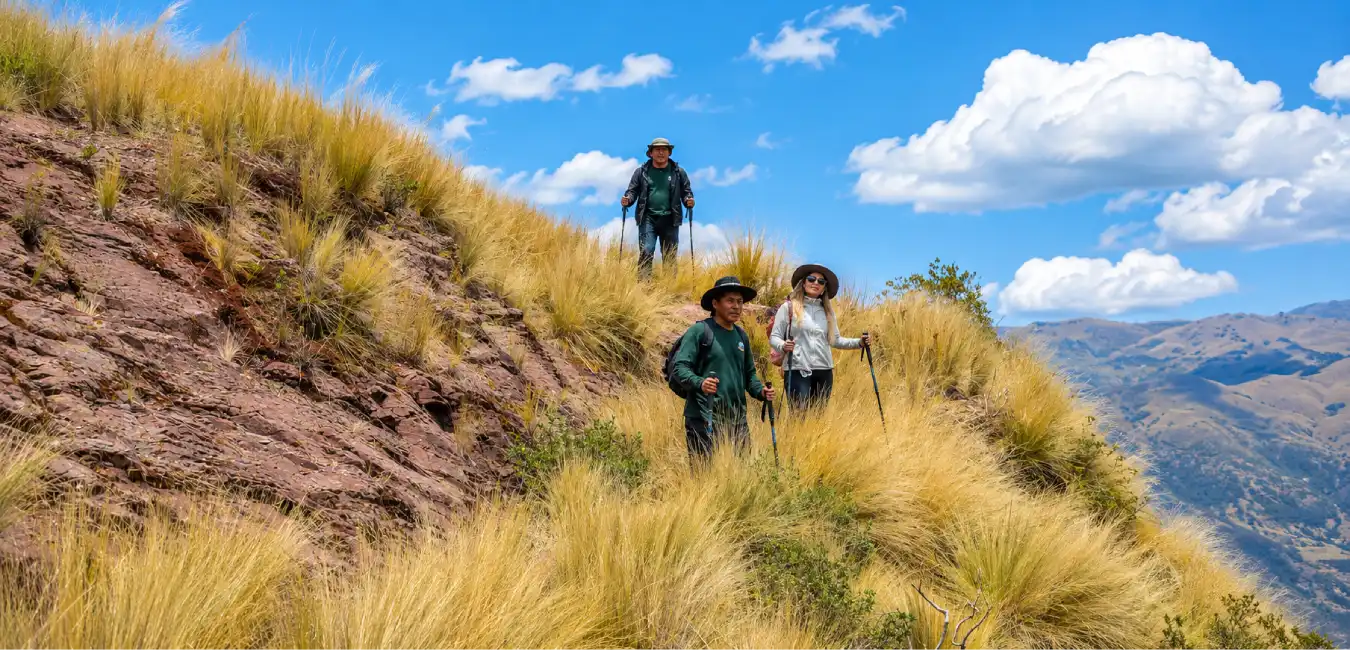
- After breakfast at the domes, you begin your ascent toward Yurac Cancha and Ruyaq Corralniyoc, at approximately 13,451 ft (4,100 m) above sea level. Along the way, you hike through Andean grasslands, enjoy views of Apu Katunki, and discover natural ravines such as Corso Canyon, home to several high-altitude bird species.
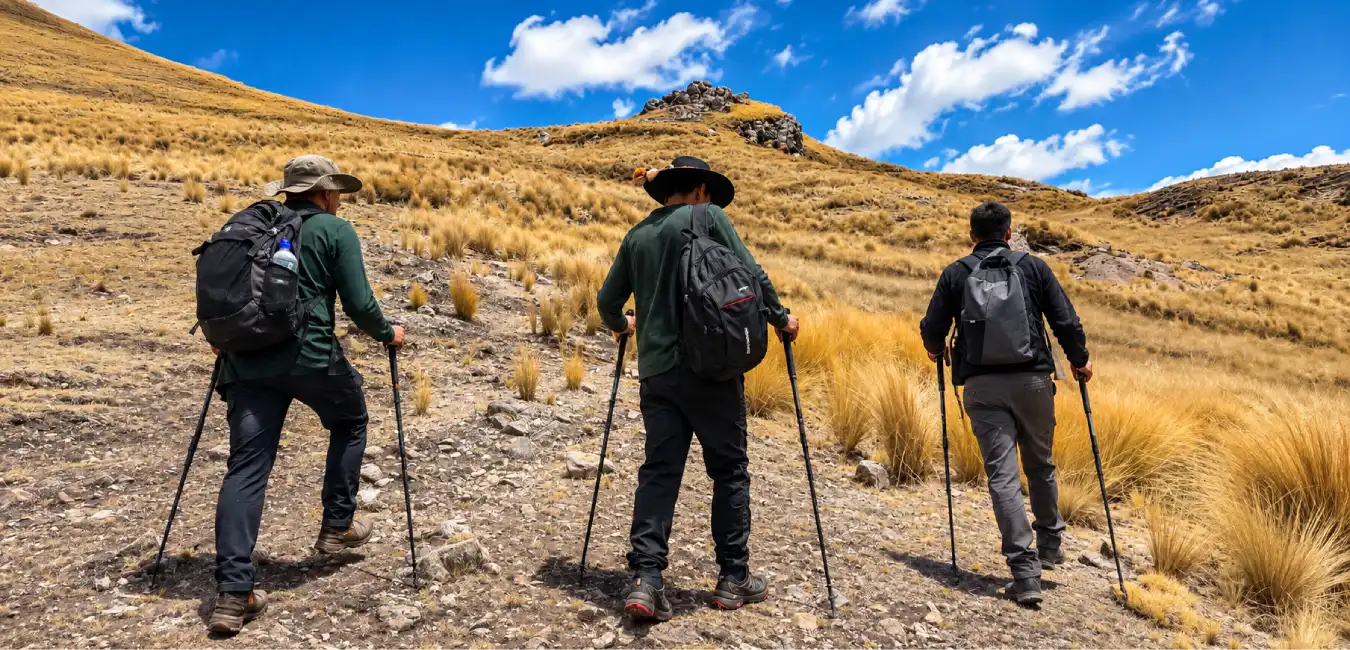
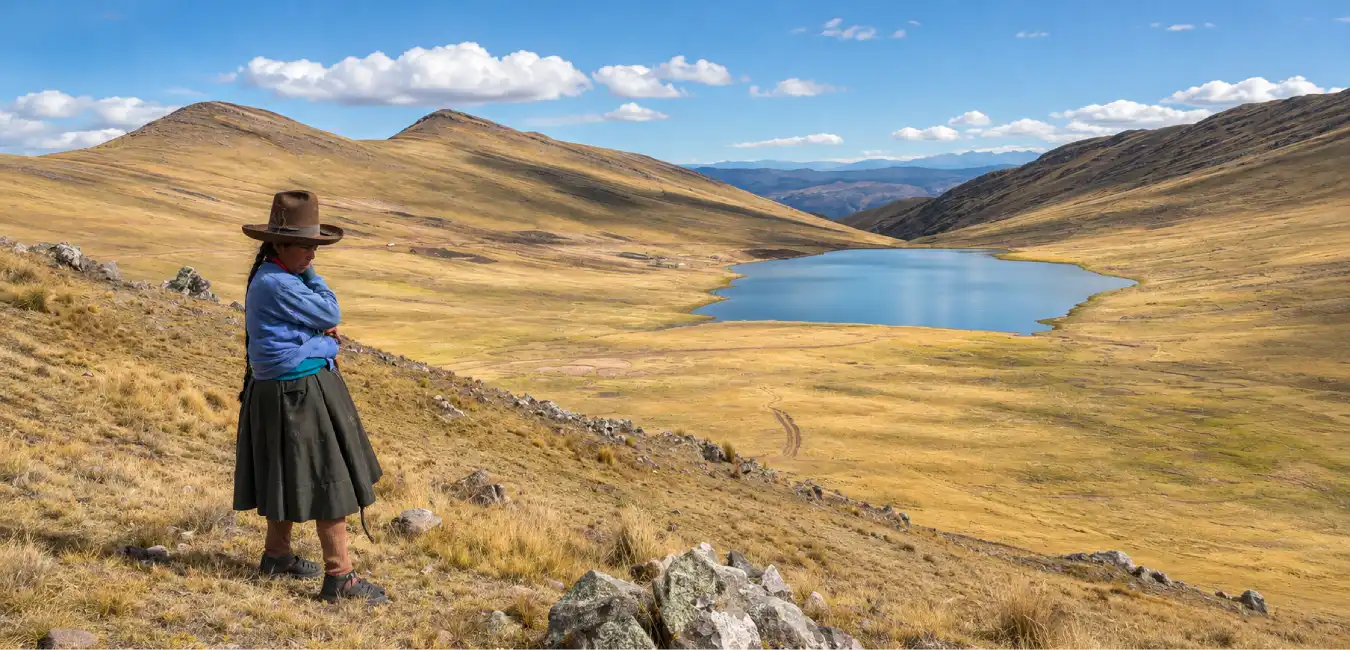
- Farther along the trail, you discover the Sihua Lakes, including Queullacocha, Qoricocha, Chinchas, and Cusicocha, surrounded by ichu grass and Andean mountains. With a little luck, you may spot Andean geese, Andean ducks, and llamas grazing in their natural surroundings.
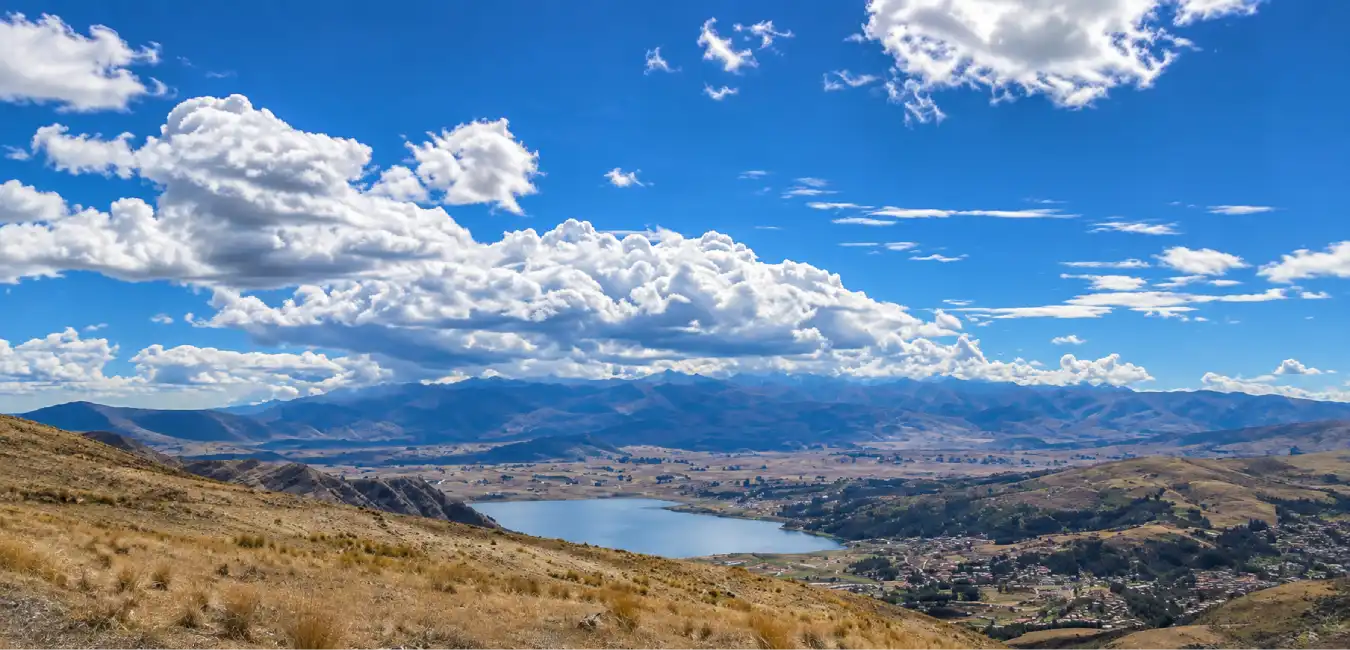
Tips from Our Guides: Bring binoculars, observe wildlife from the trail, and avoid getting too close to or feeding the animals.
Pukamarca pass, the biggest challenge of your adventure
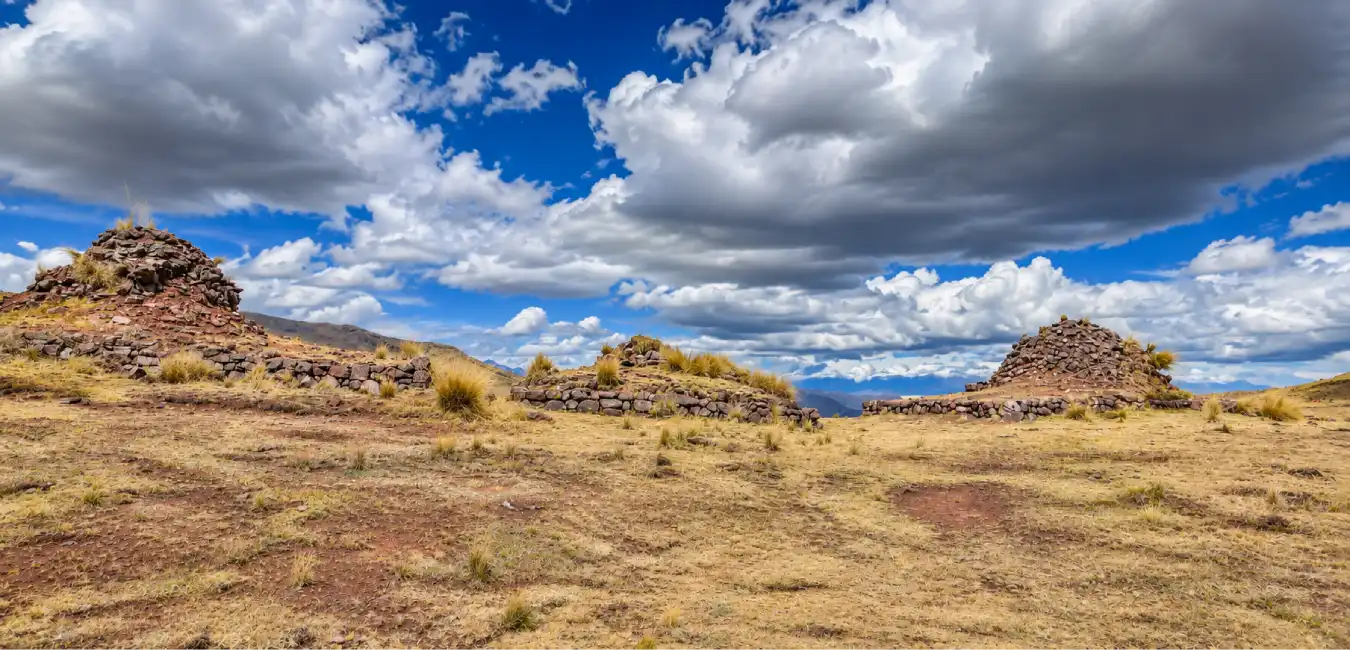
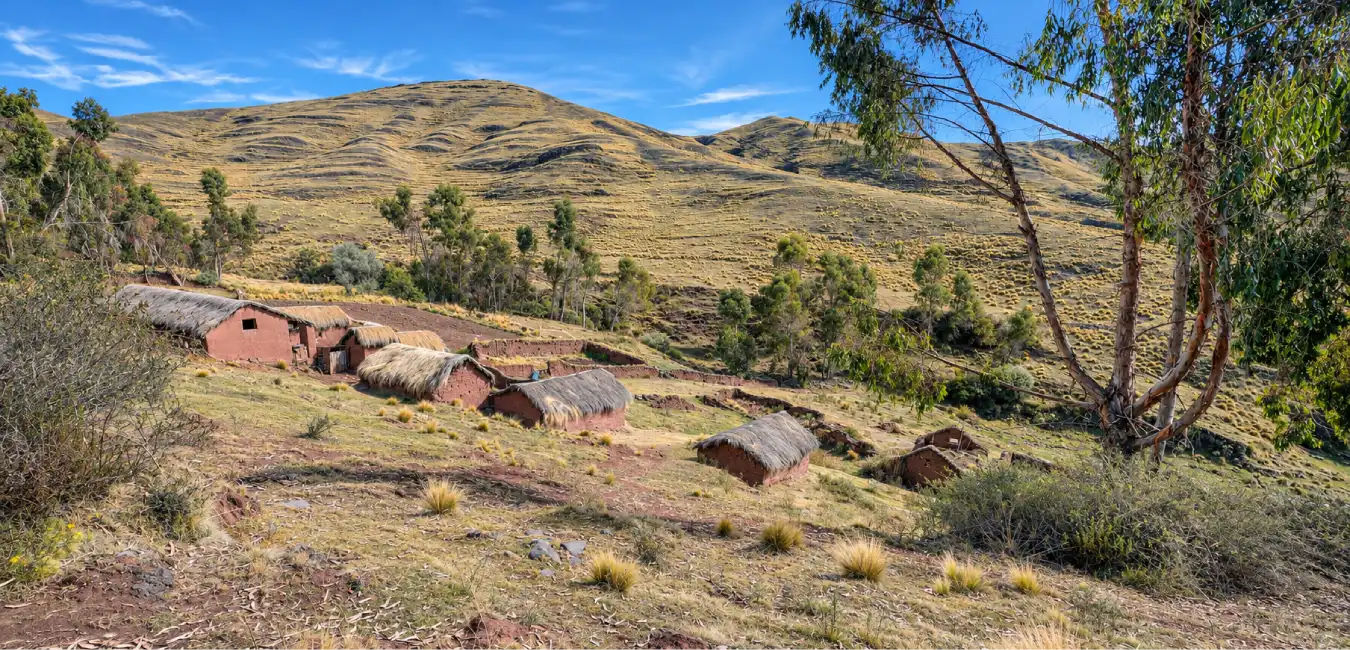
From here, you descend toward Huchuy Qosqo along the original Inca trail of the Antisuyu, crossing ichu grasslands where wild guinea pigs and Andean tinamous live. Farther downhill, you pass through Pukamarca, an abandoned village that tells the story of Andean migration.
The inca kallanka and Puma Punku canyon
At 13,780 ft (4,200 m) above sea level, you reach the highest point of the 4 day Llama Trail. From Pukamarca Pass, you begin your descent toward Huchuy Qosqo along ancient sections of the Qhapaq Ñan, crossing Andean grasslands where wild guinea pigs and tinamous live.
- Along the way, you pass through Pukamarca, a now abandoned Andean village, and discover a four-door Inca kallanka (a large rectangular hall) before entering Puma Punku Canyon. Its ancient stone gateways, narrow mountain passages, and wooden bridges offer excellent opportunities for photography.
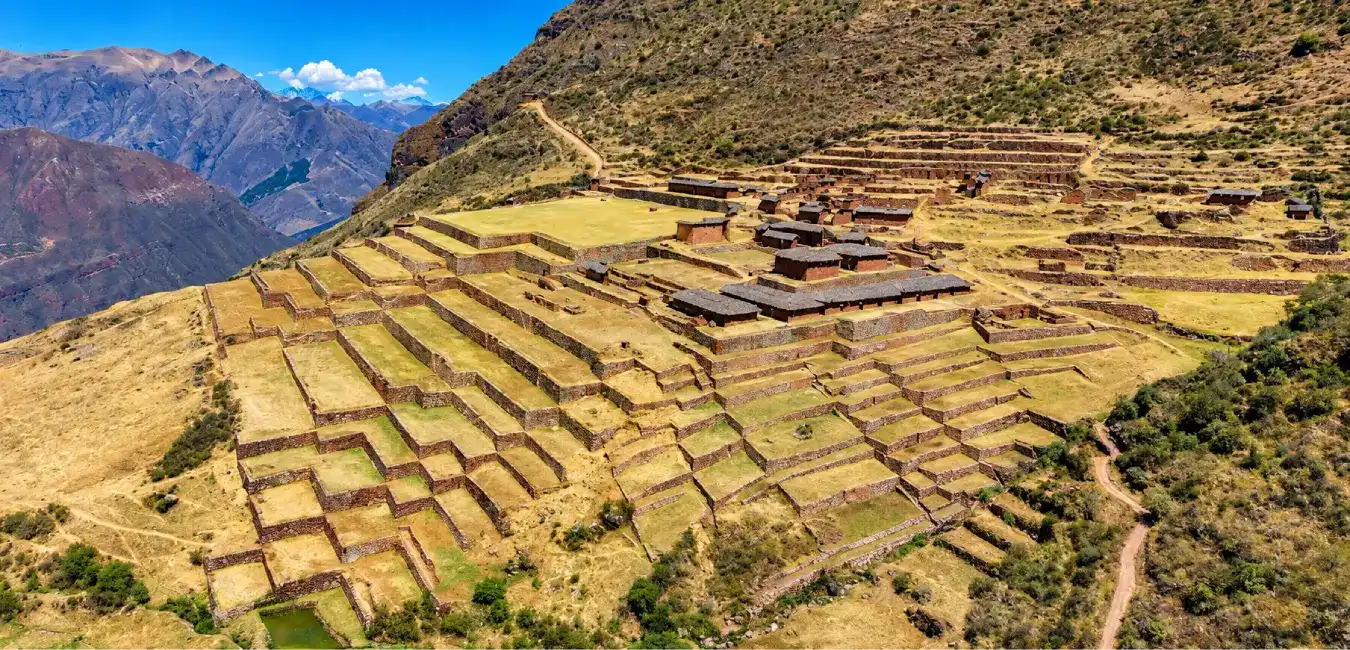
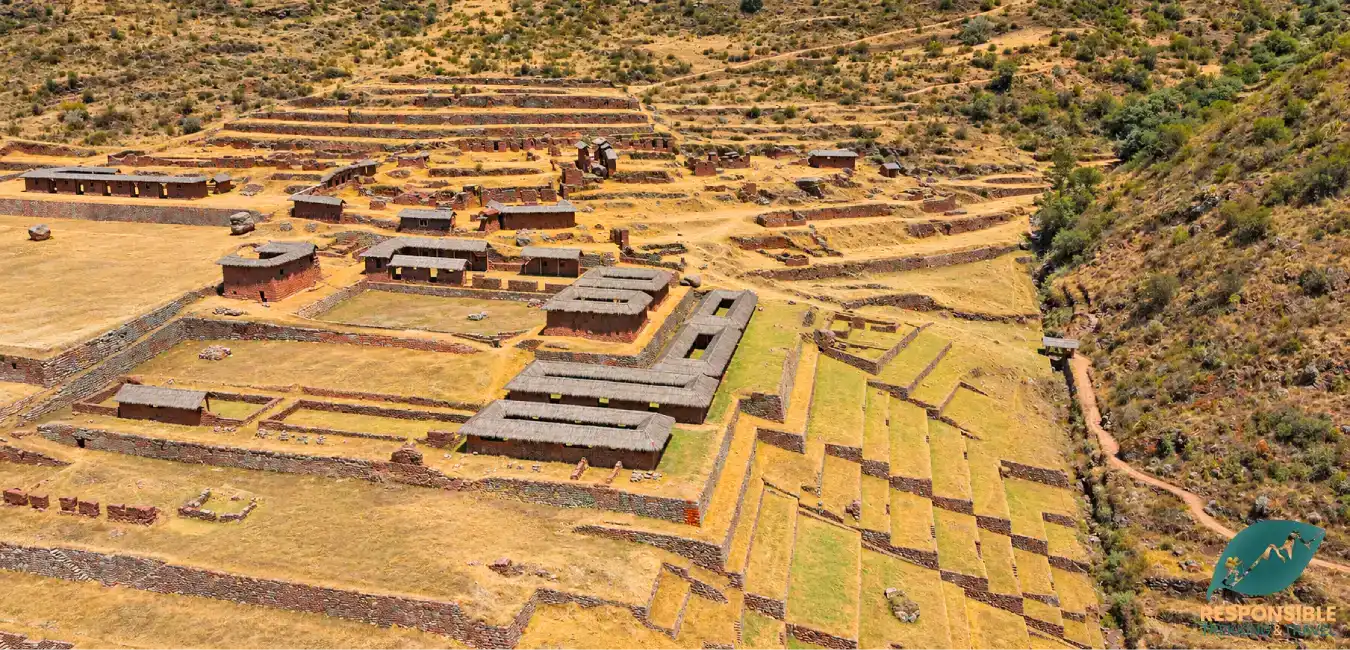
Huchuy Qosqo, Wiracocha's legacy above the Sacred Valley
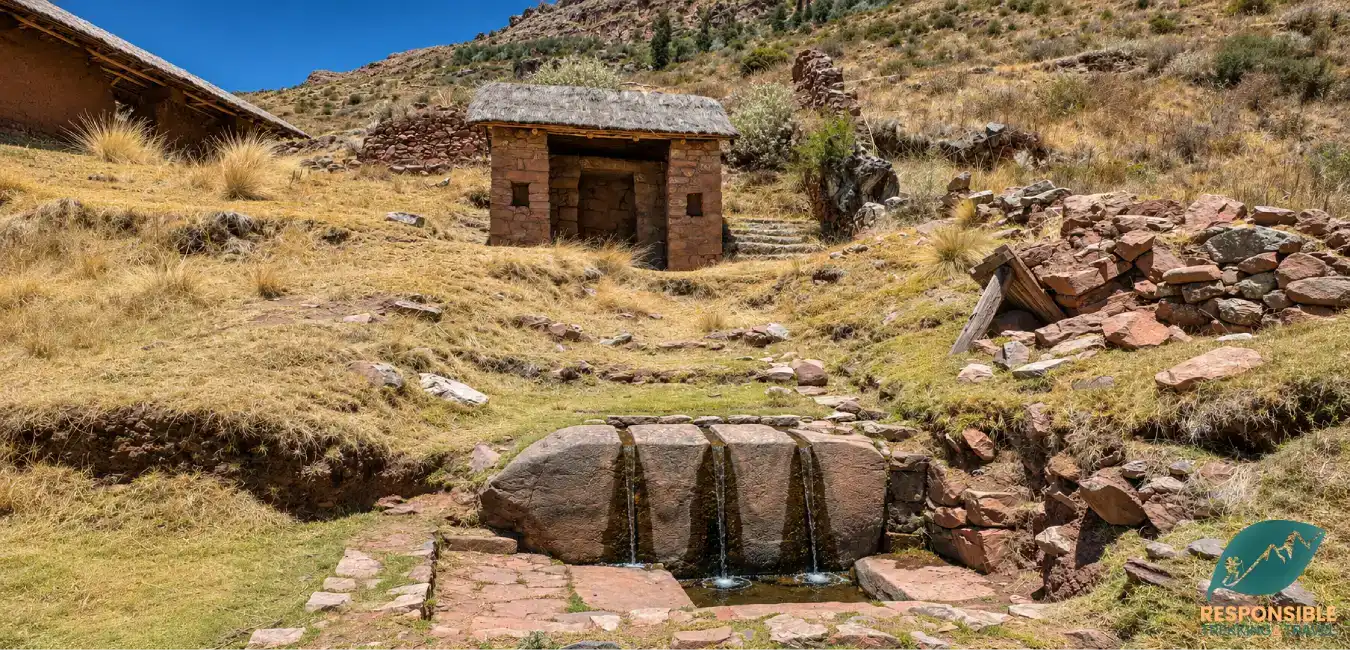
After taking in sweeping views of the Sacred Valley, you arrive at Huchuy Qosqo, an ancient royal estate attributed to the Inca ruler Wiracocha, located between 11,811 and 11,975 ft (3,600–3,650 m) above sea level. Here, you explore its archaeological structures, enjoy lunch, and recharge before continuing to Ollantaytambo via Lamay.
From the Andean Mountains to the gateway of the short Inca Trail
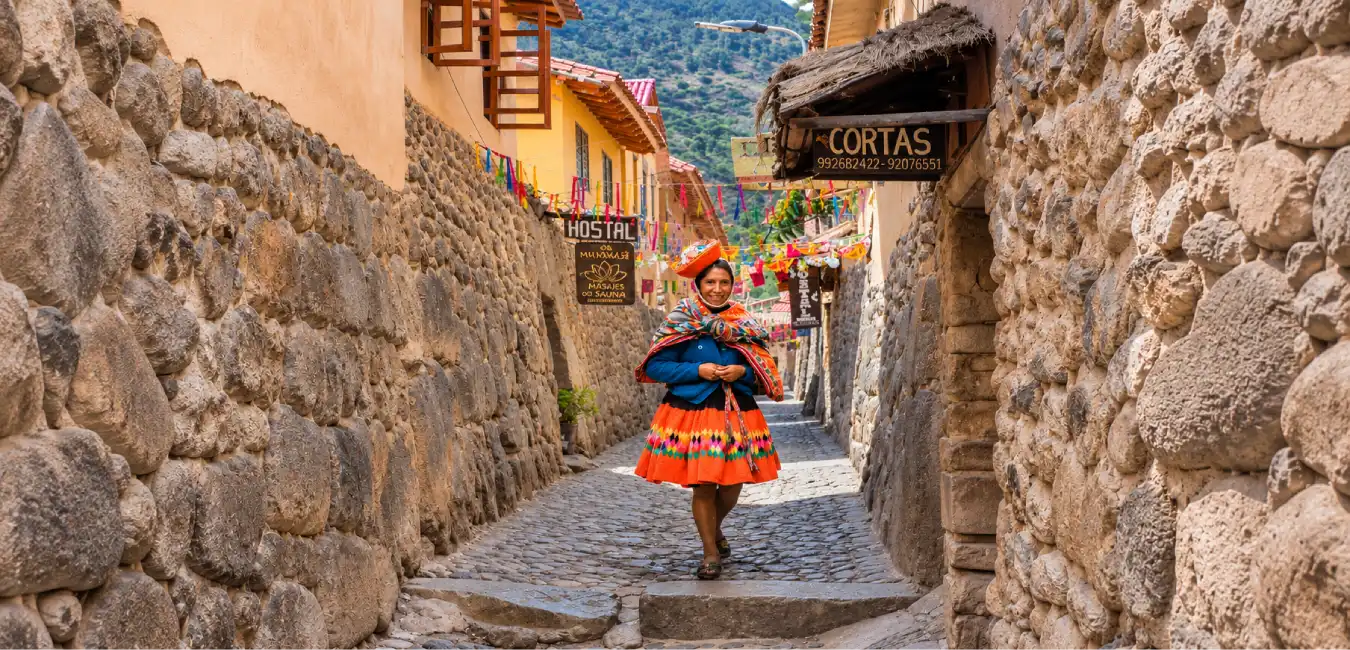
In the afternoon, you arrive in Ollantaytambo, at an elevation of 9,350 ft (2,850 m). This historic Inca town still preserves its ancient water channels. Here, you enjoy dinner, spend the night at a hotel, and get ready for the next day's adventure.
Day 3: From KM 104 to Machu Picchu
Hiking Distance: Approximately 7.5 miles (12 km) / Maximum Elevation: 8,924 ft (2,720 m) / Elevation Gain: Approximately 1,804 ft (550 m) / Hiking Time: 6 to 7 hours, including stops.
Chachabamba at KM 104
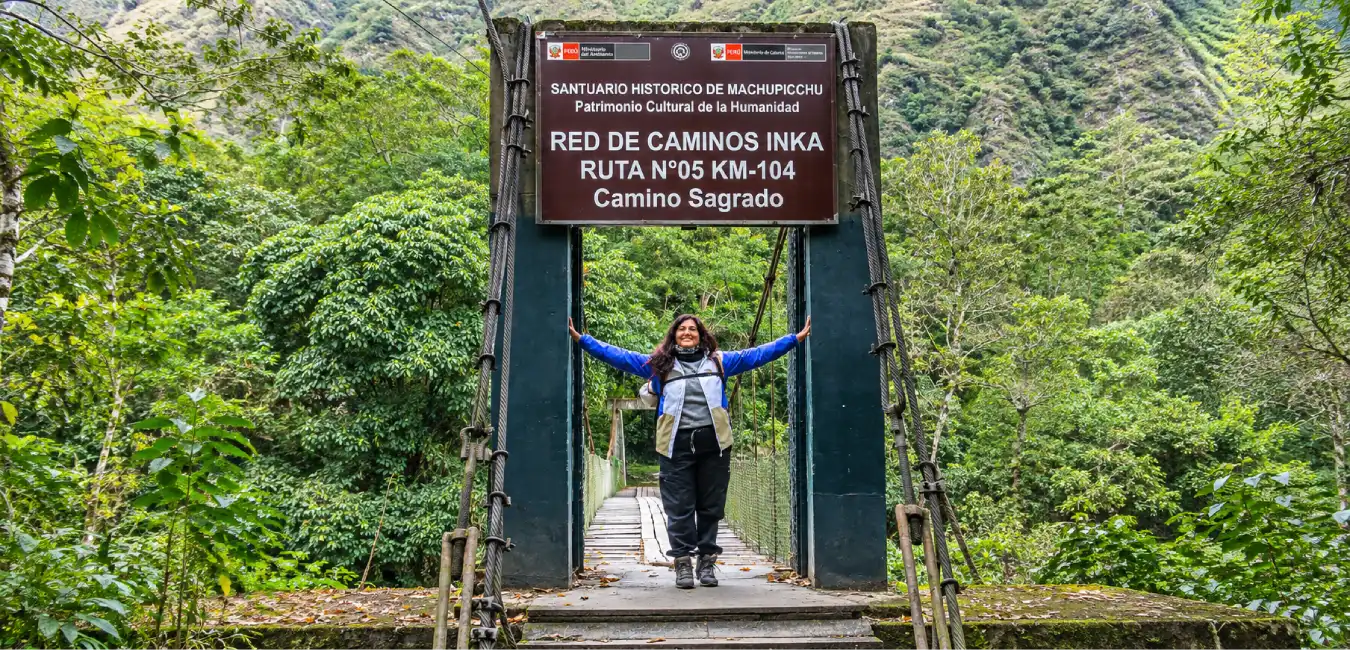
Early in the morning, around 5:30 AM, you head to the Ollantaytambo train station and board the train to KM 104, a journey of approximately one hour. After presenting your passport and trekking permit at the official checkpoint, you begin your hike at Chachabamba. Featuring fountains, water channels, and stone enclosures, this archaeological site likely served as a ceremonial center dedicated to water and a checkpoint along the route to Machu Picchu.
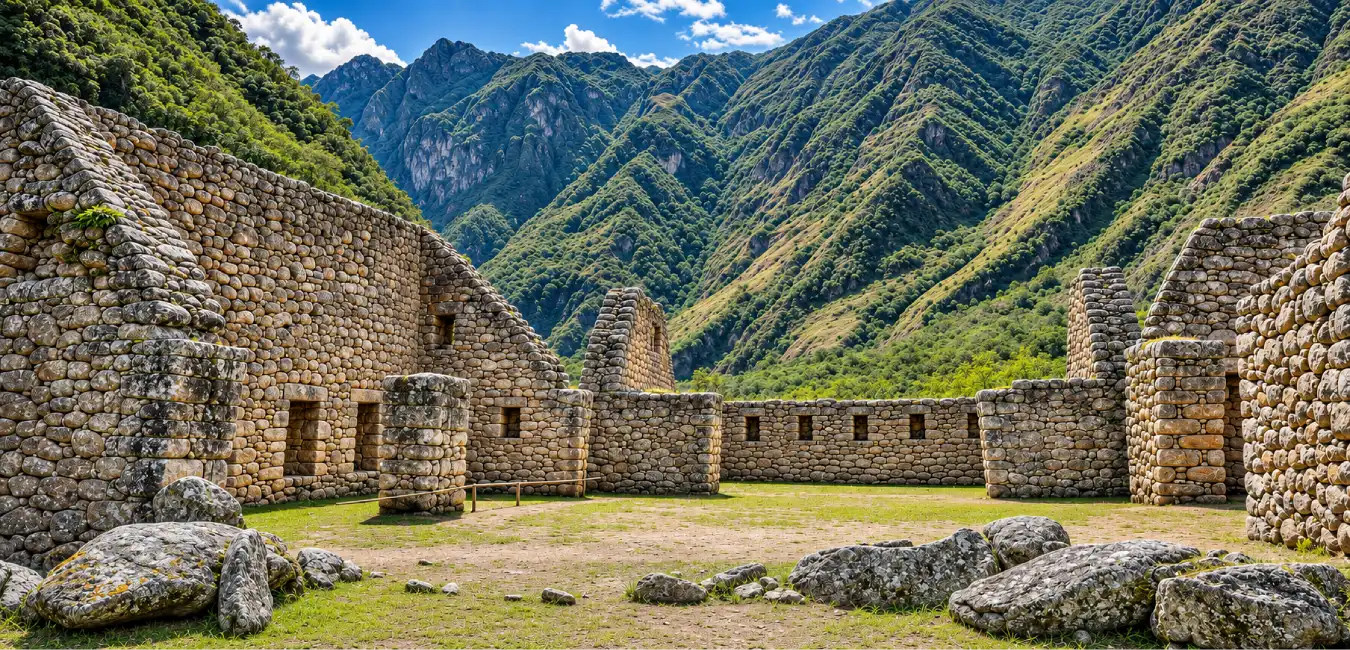
Interestingly, the site's name has two possible interpretations: one associates it with the mosquitoes found in the valley, while the other relates it to the sound of falling water.
Hiking through the cloud forest
The scenery is completely different from what you experienced during the previous two days. You now hike through the cloud forest, surrounded by orchids, ferns, bromeliads, and mosses. In fact, the Historic Sanctuary of Machu Picchu is home to hundreds of orchid species and nearly 400 bird species, so keep your binoculars handy. Along this section of the trail, you can also see Choquesuysuy in the distance, an ancient Inca complex beside the river associated with one of the access routes to Wiñay Wayna.
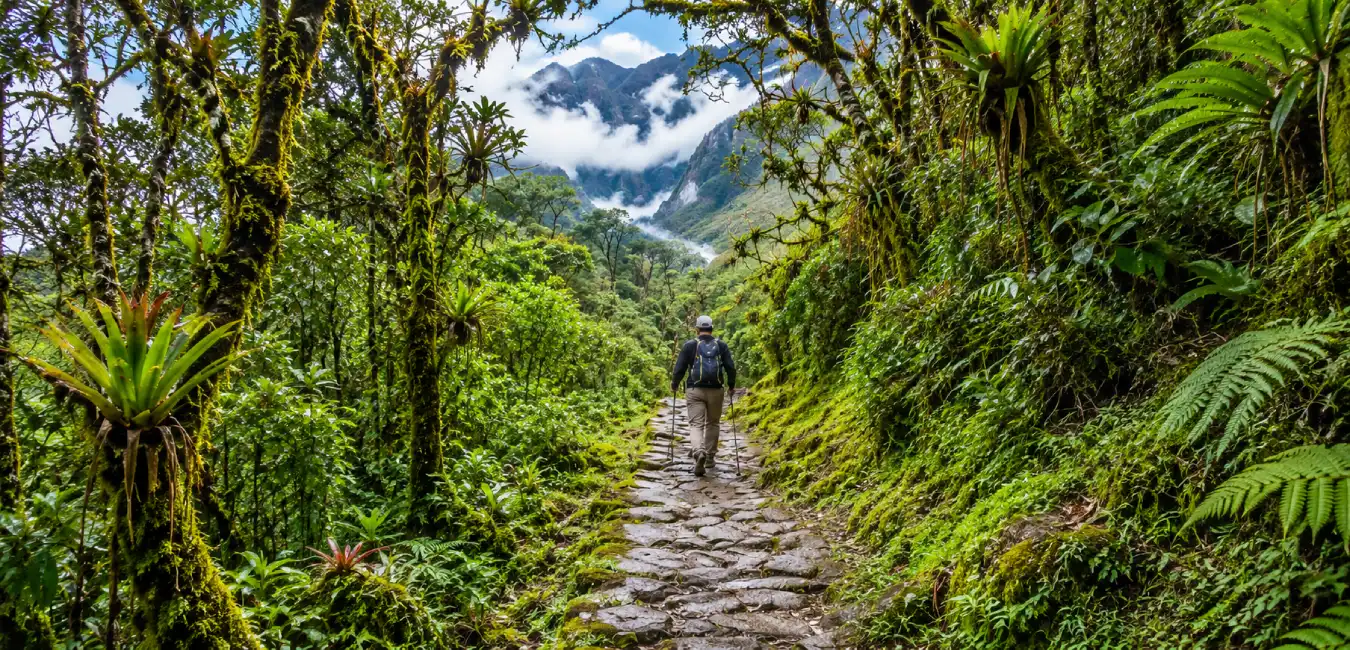
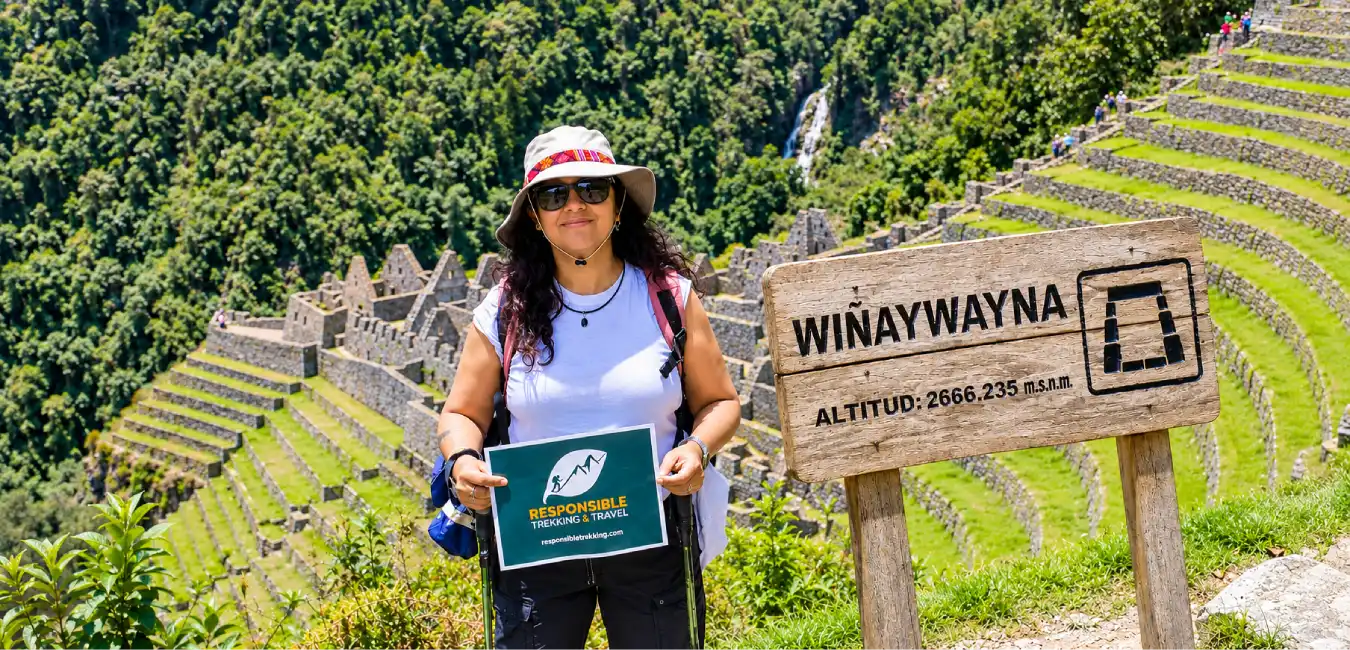
Wiñay Wayna (8,694 ft / 2,650 m)
After three to four hours of uphill hiking, you reach Wiñay Wayna. Its name means "forever young" and comes from a local orchid. Archaeologist Julio C. Tello gave the site this name in 1942. Here, you discover agricultural terraces that follow the natural contours of the mountainside, stone enclosures, fountains, and stairways. It is also an ideal place to stop for lunch and use the restrooms, as restroom facilities along the trail are available only here and at KM 104.
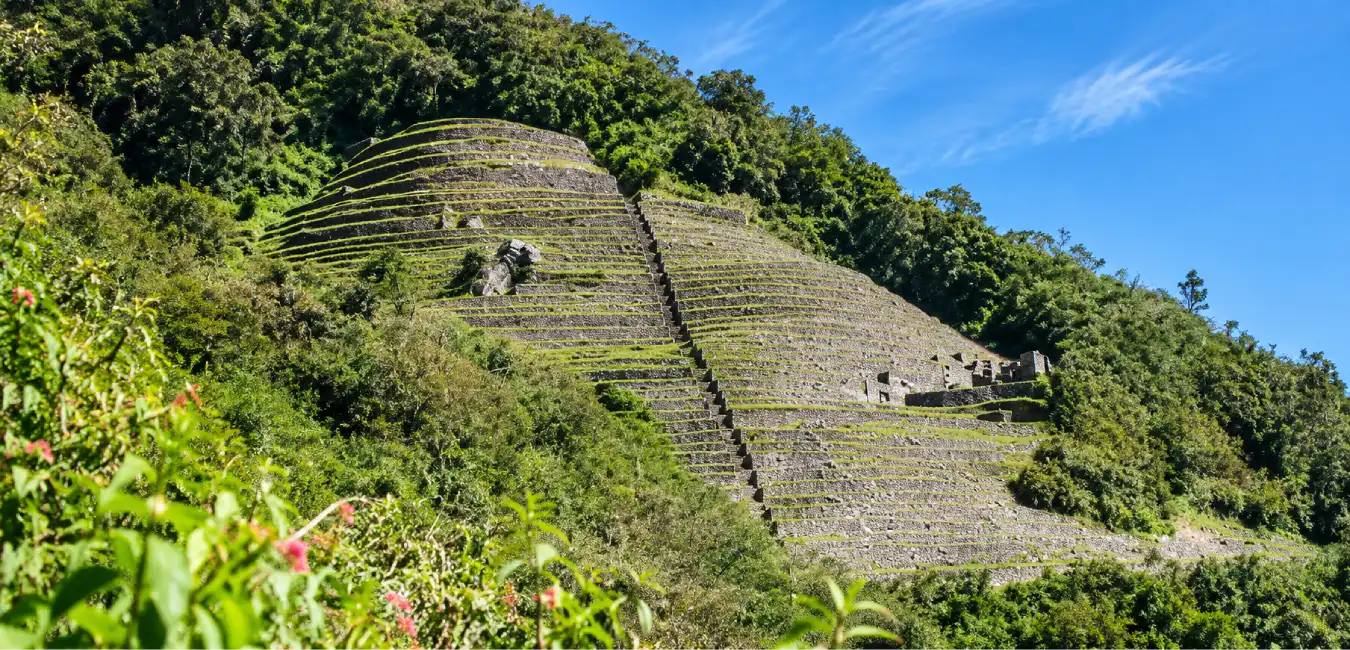
Intipata
About 30 minutes from Wiñay Wayna, you can admire the impressive agricultural terraces of Intipata from the trail, perched high above the Urubamba Canyon.
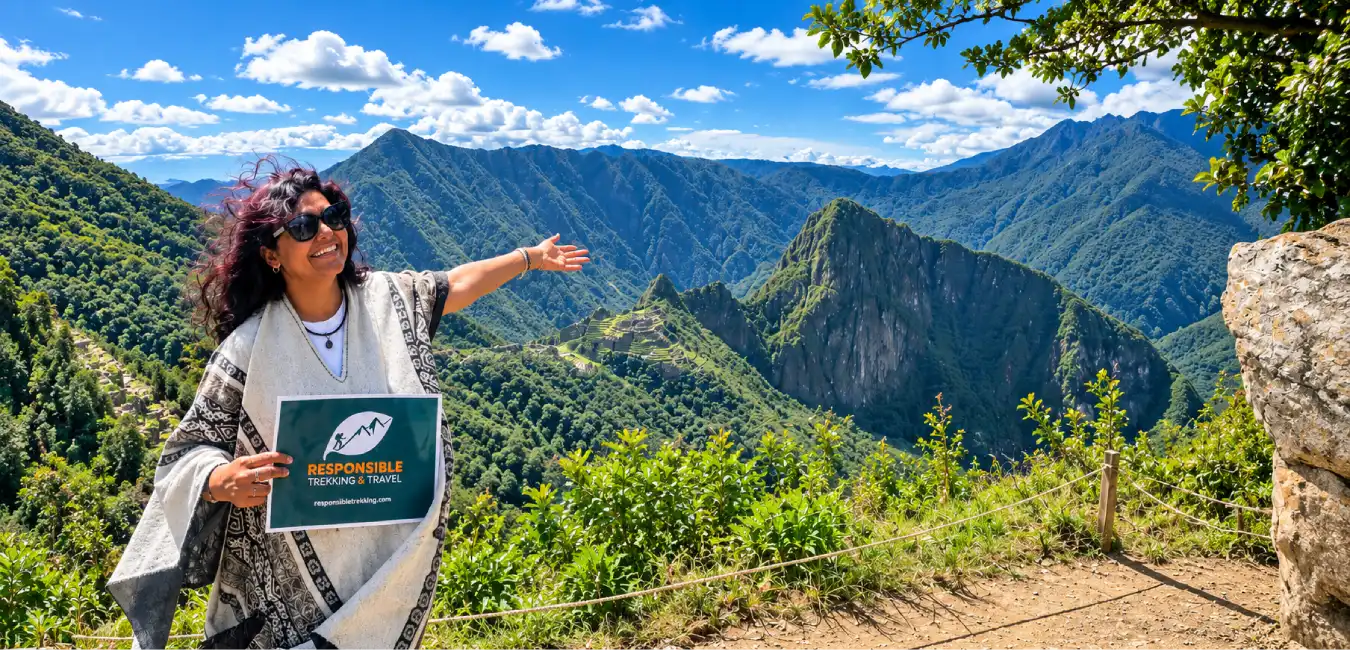
Inti Punku, the Sun Gate (8,924 ft / 2,720 m)
After approximately another hour of hiking, you reach Inti Punku, the ancient ceremonial entrance to the Inca citadel. From here, you catch your first glimpse of Machu Picchu before continuing downhill along Circuit 1 and making your way to Aguas Calientes. After three days of adventure along ancient Inca trails starting at Qoricancha, seeing Machu Picchu for the first time is a moment you will never forget.
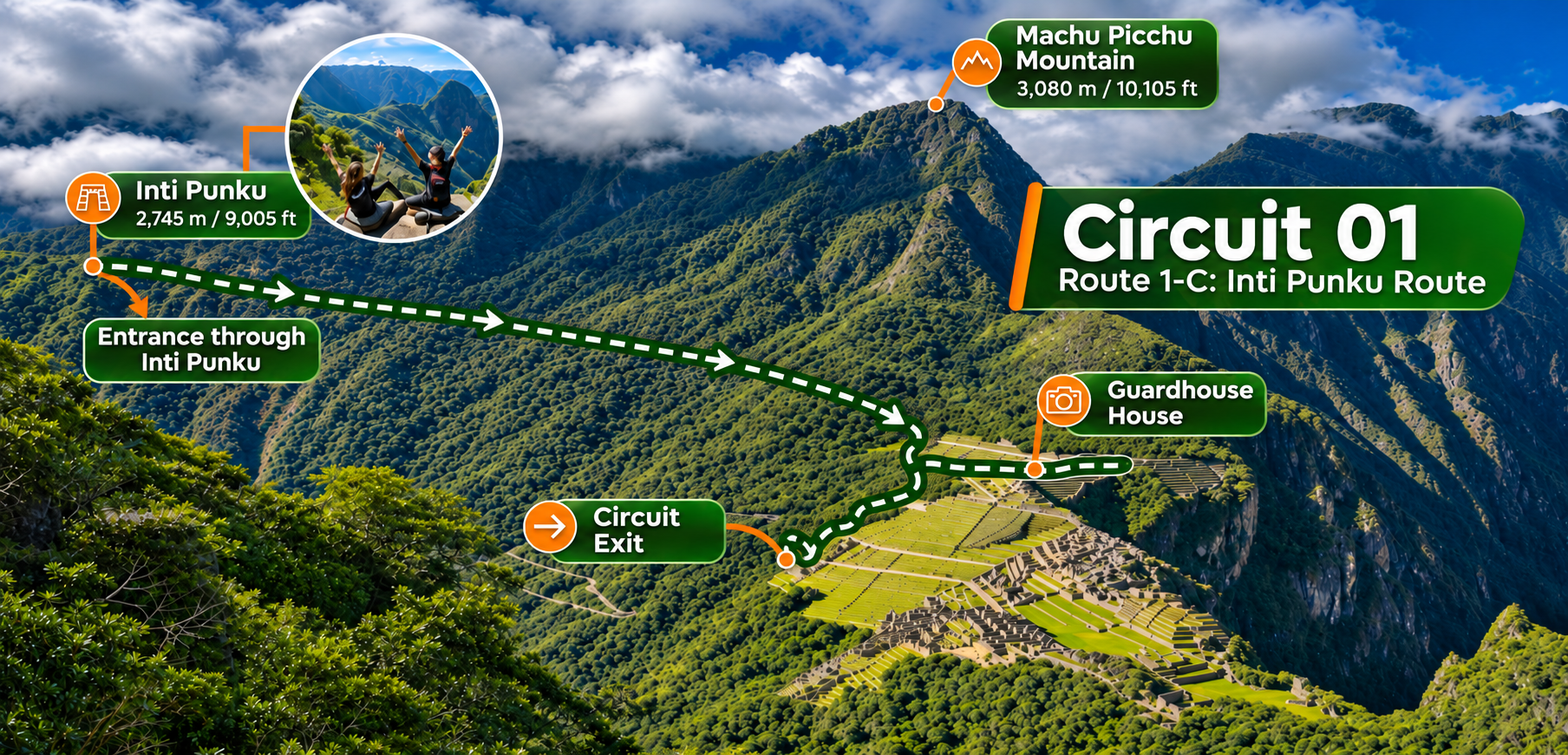
Descending to Machu Picchu and spending the night in Aguas Calientes
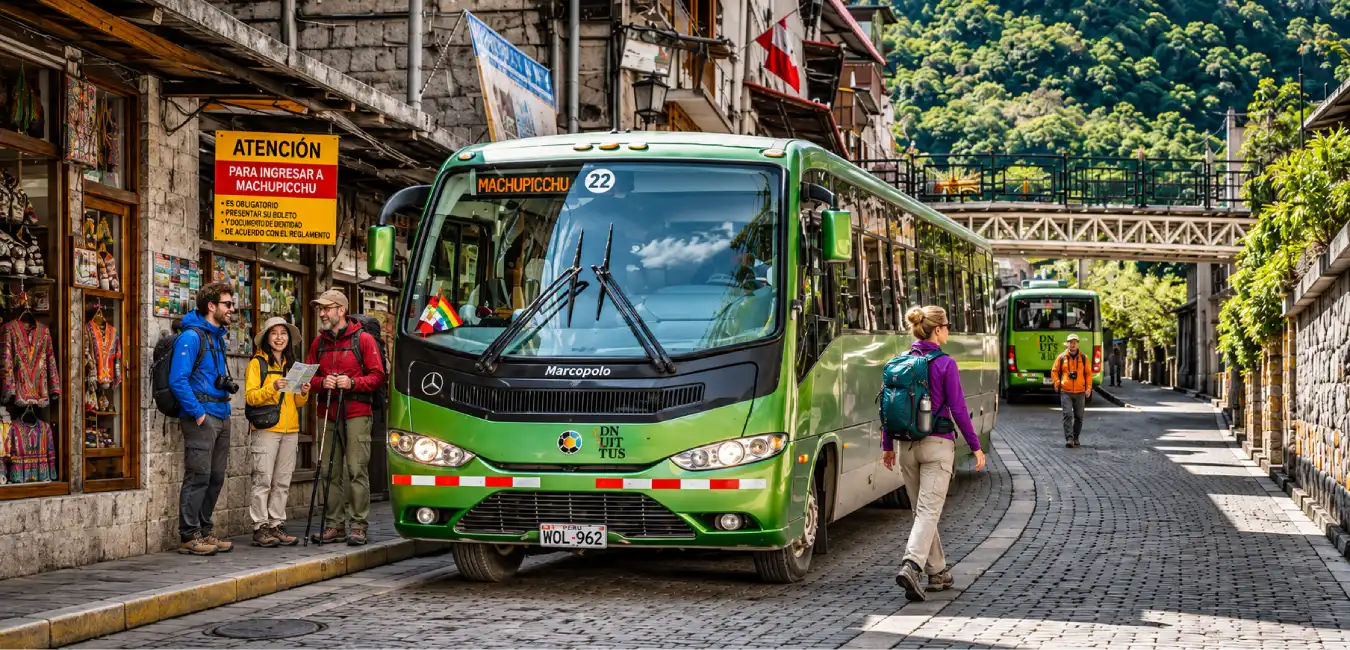
Next, you hike downhill for approximately 30 to 45 minutes toward Machu Picchu. Since you arrive in the afternoon, you can generally expect fewer visitors than during the morning hours. Finally, you take a 25-minute bus ride to Aguas Calientes, where you spend your third night at a hotel. Your visit to the interior sectors of the Inca citadel takes place the following day, according to your reserved circuit.
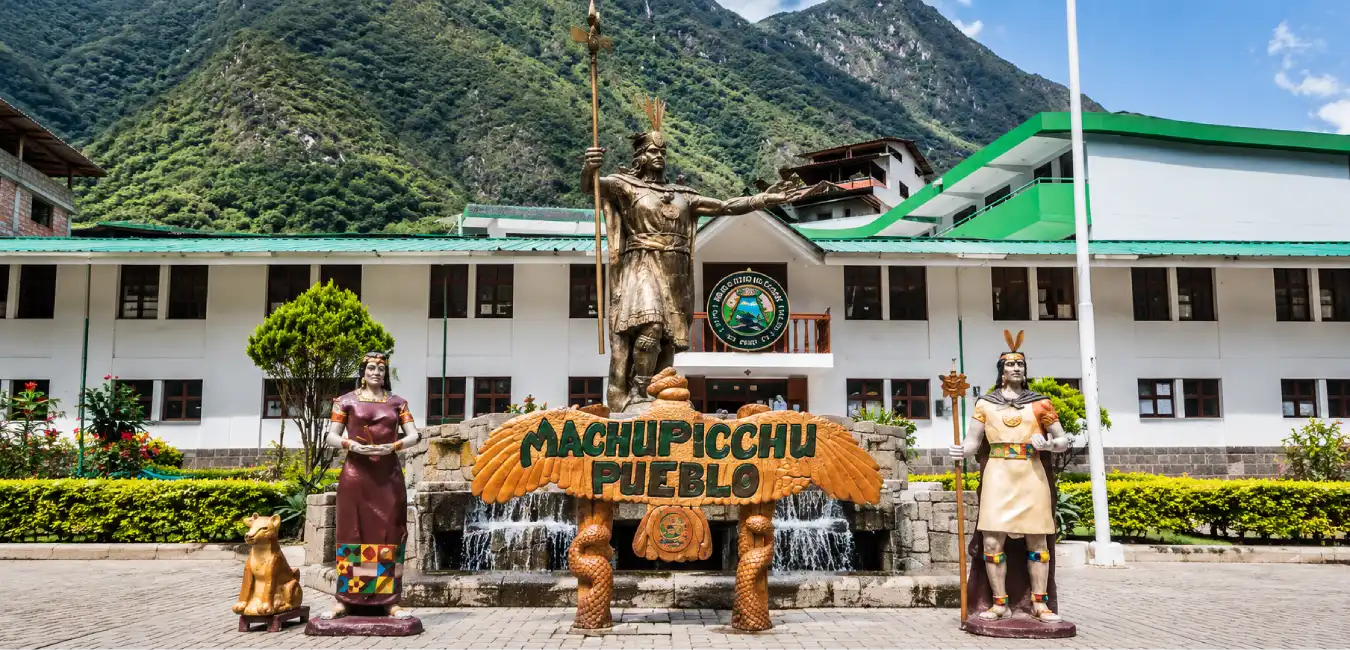
Day 4: Exploring Machu Picchu at a relaxed pace and returning to Cusco
Elevation: Approximately 7,972 ft (2,430 m).
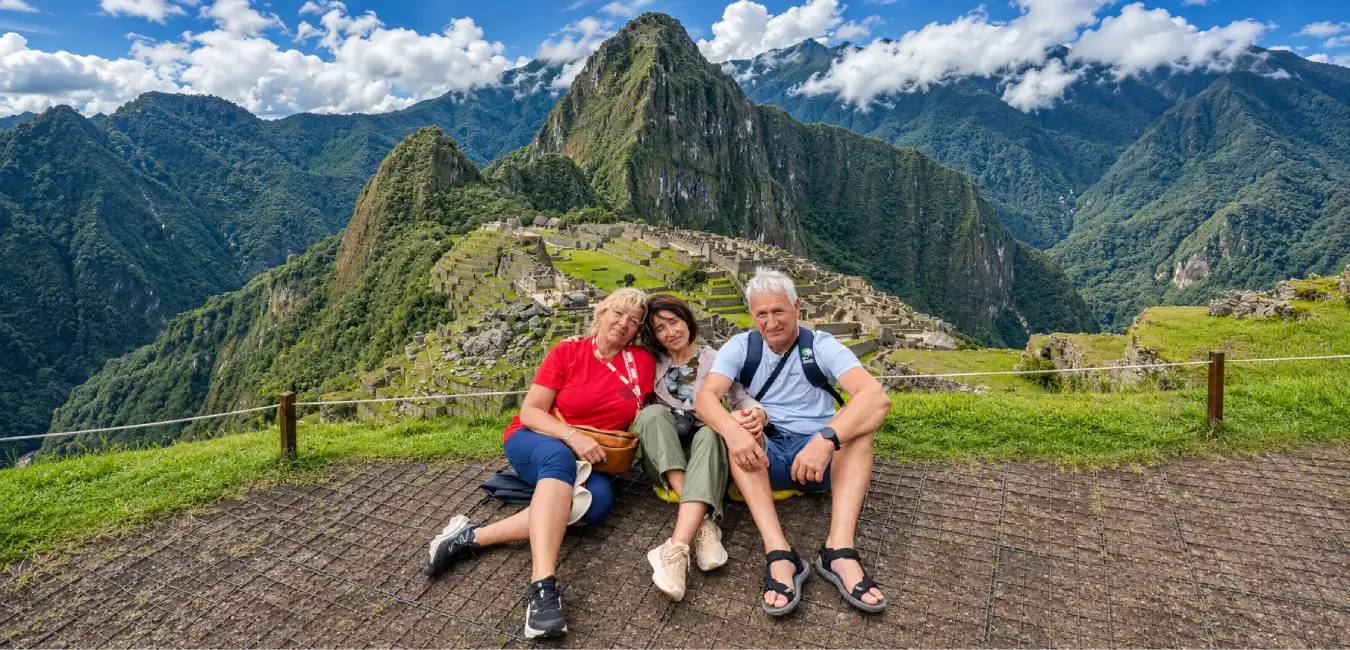
Guided tour of the Inca citadel
After breakfast, you return to Machu Picchu and explore Circuit 3 with your guide, according to your reservation. By now, you begin to understand how everything connects: Qoricancha, the ceque (sacred ceremonial line), the sacred sites associated with water, and the ancient Inca city. If you would like to hike Huayna Picchu or Machu Picchu Mountain, you will need a specific entrance ticket and additional time, so be sure to request it when booking.
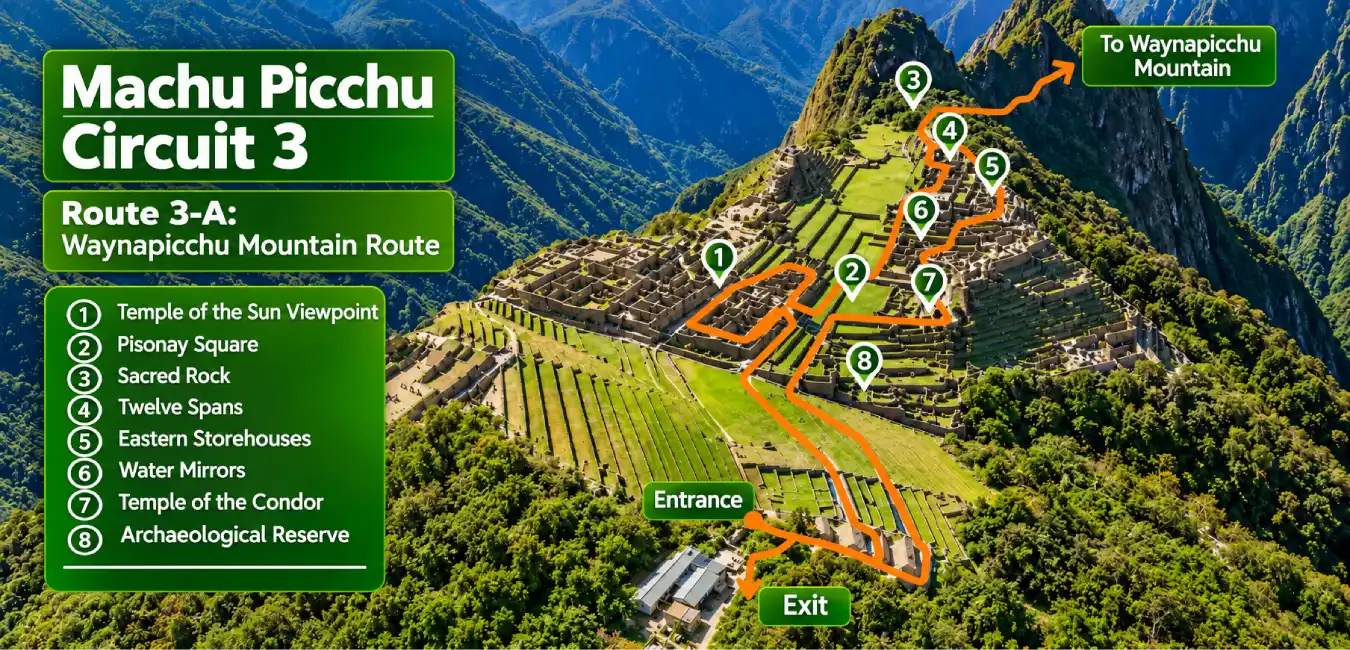
What can you see on Machu Picchu Circuit 3?
Also known as the Royalty Circuit, this route takes you through the lower section of Machu Picchu, where the Incas built ceremonial temples, residential complexes, water fountains, and other important structures. Unlike Circuit 1, which focuses on panoramic views, this route allows you to appreciate Inca architecture up close and discover how the ancient city was organized.
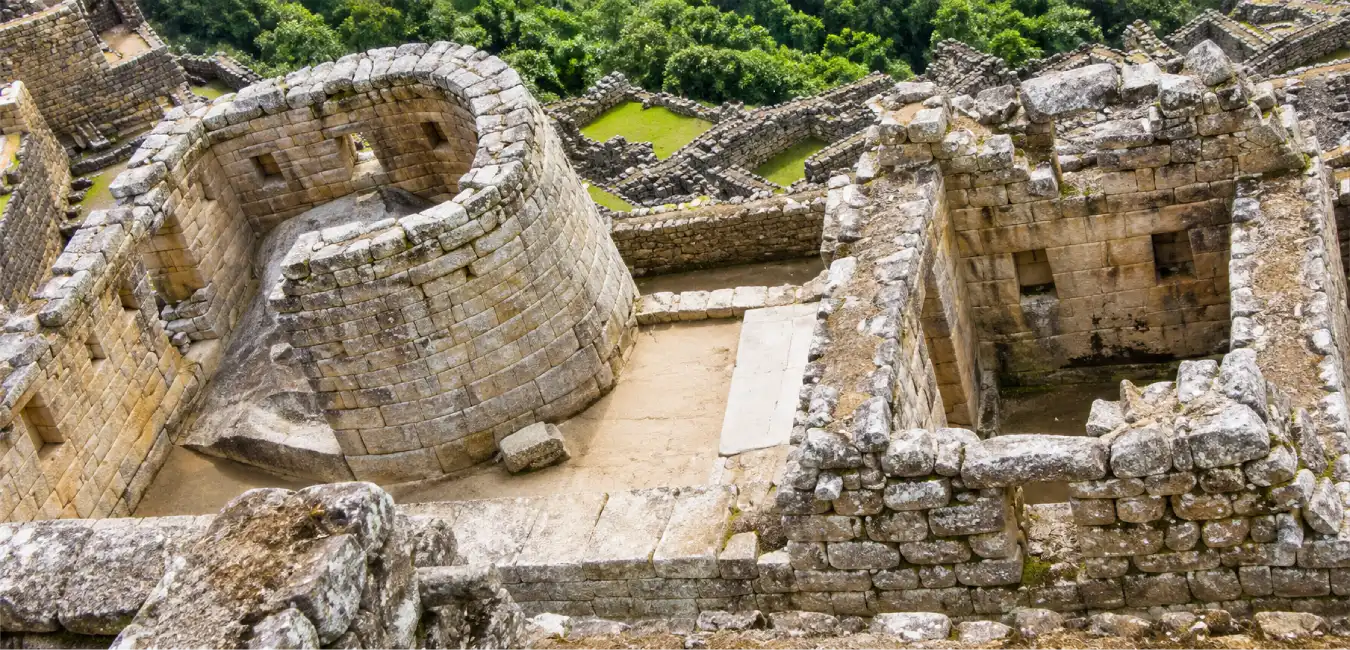
Temple of the Sun
This is one of the most important ceremonial sites at Machu Picchu. When you arrive, you will notice how the Incas incorporated a natural rock formation into a semicircular structure built with finely crafted stone blocks. Although visitors cannot freely enter the temple, you can appreciate its remarkable architecture from designated viewpoints along the route.
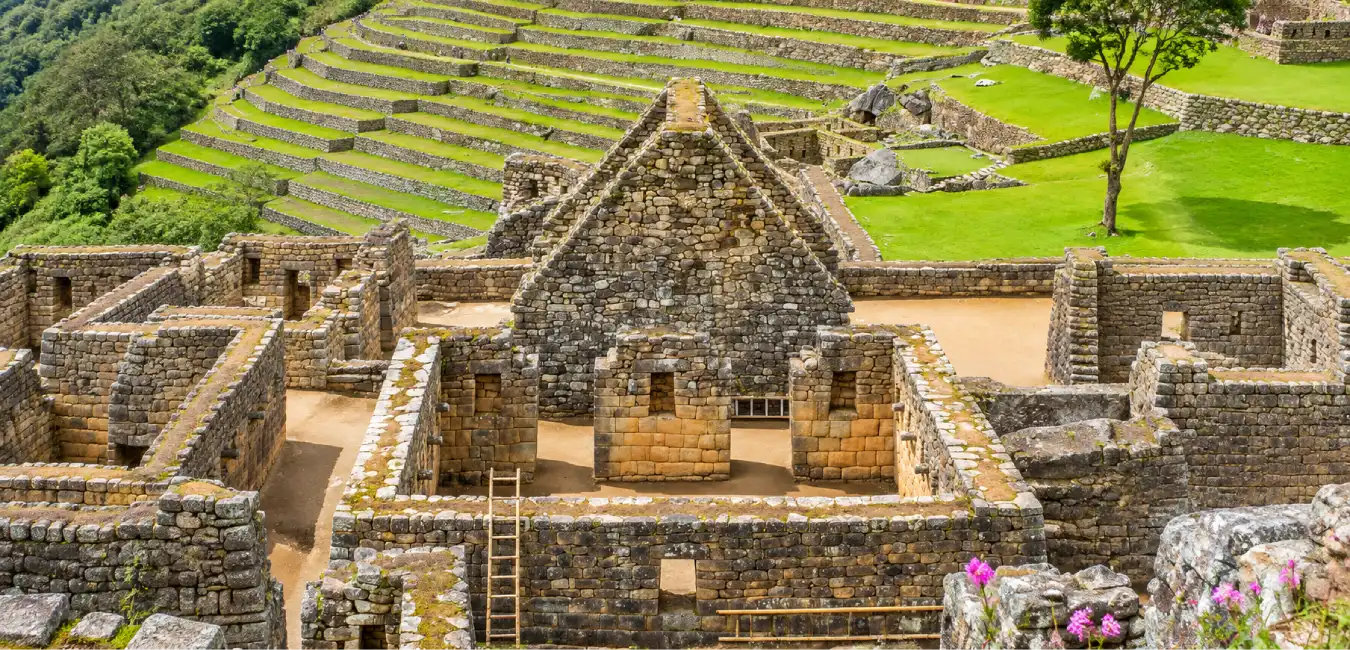
House of the Inca
As you continue through the urban sector, you will discover a complex of buildings whose architectural features researchers associate with high ranking members of Inca society. Although scholars continue to debate its original purpose, the exceptional craftsmanship of its stone walls reflects the importance of this space.
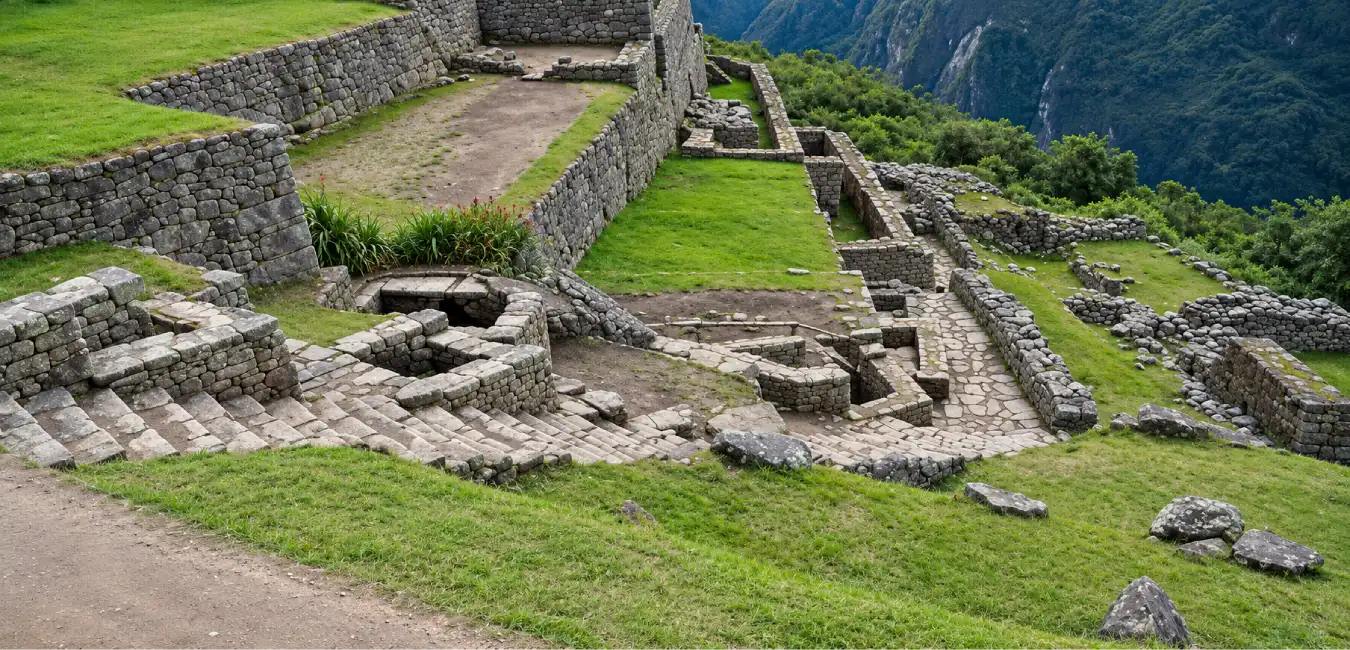
Water fountains
During your visit, pay close attention to the stone water channels and fountains along the route. The Incas designed a hydraulic system that collected water from natural springs to supply the city. These structures demonstrate their advanced understanding of hydraulic engineering.
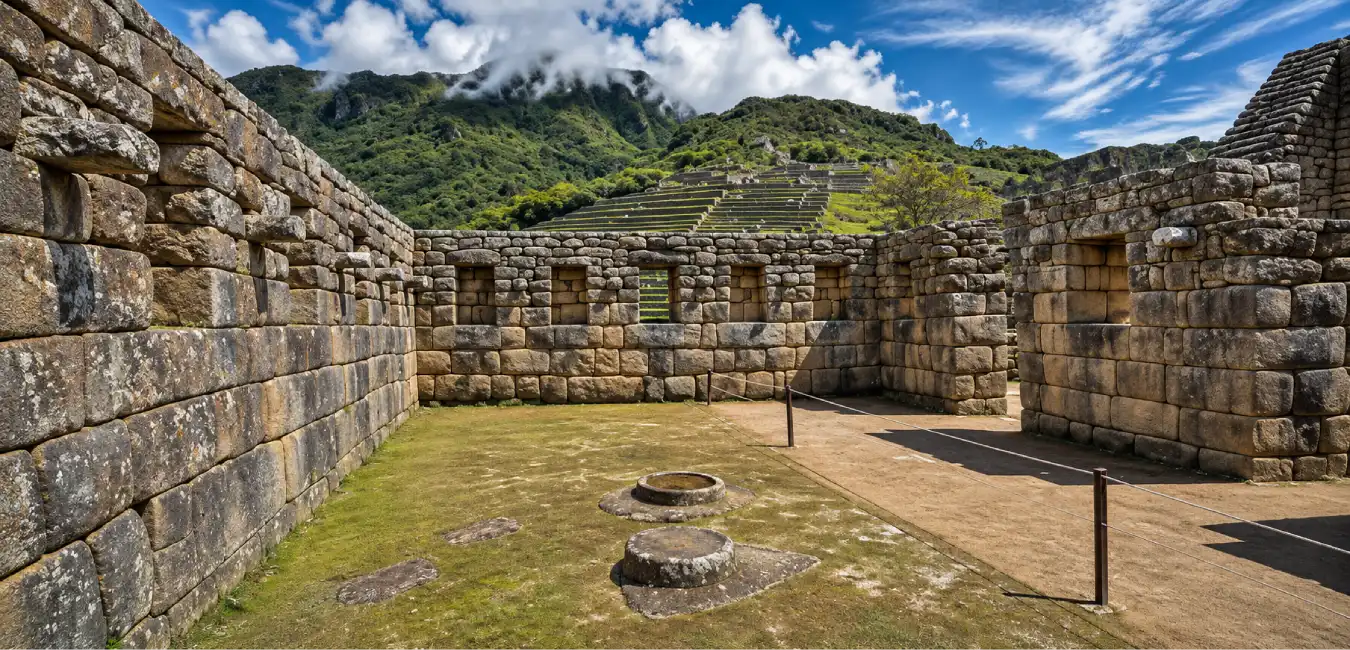
Enclosure of the twelve openings
Depending on your selected route, another structure you may see is the enclosure of the twelve openings. Its stone walls and architectural openings offer a closer look at the construction techniques the Incas used to organize the different spaces within the urban sector.
Water Mirrors
In this section, you will find two circular structures carved into stone. Some interpretations associate them with astronomical observations, while others suggest they served ceremonial purposes. However, researchers continue to investigate their exact function.
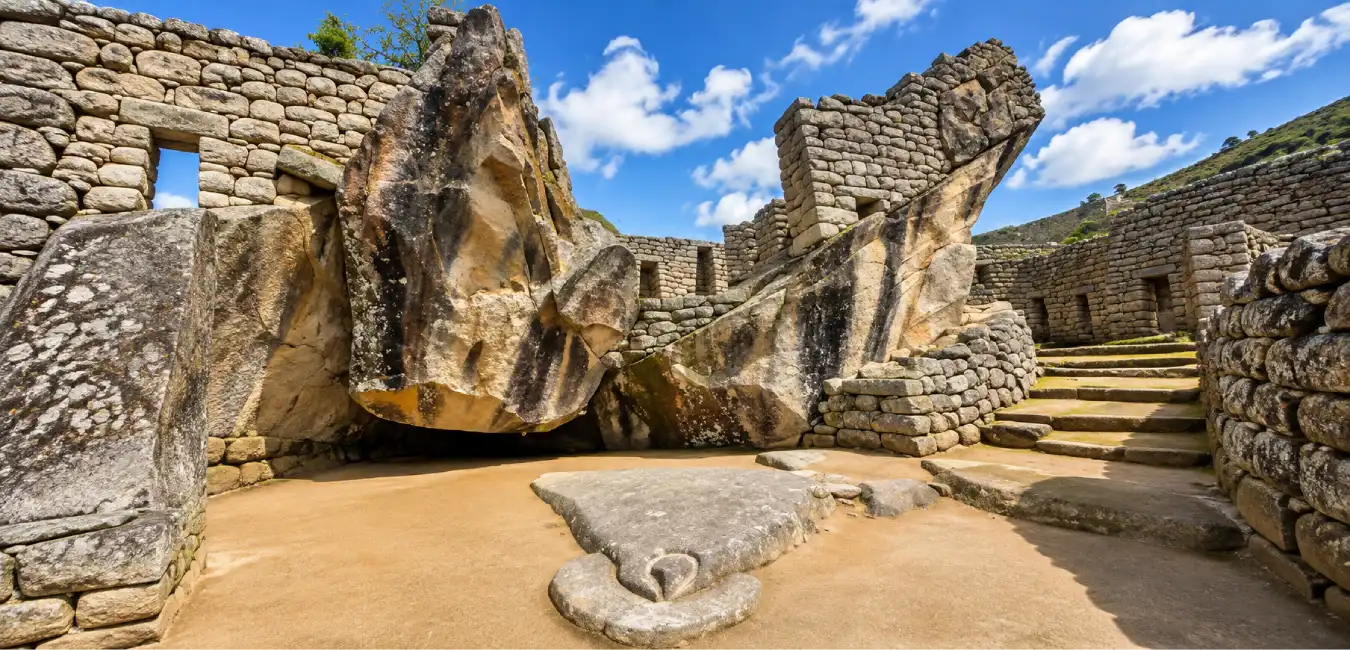
Temple of the Condor
This is undoubtedly one of the most striking sites along the route. Here, the Incas combined massive natural rock formations with carefully carved stones to represent a condor. Look closely, and you will recognize its outstretched wings and head, a remarkable composition that illustrates the connection between Inca architecture and the natural world.
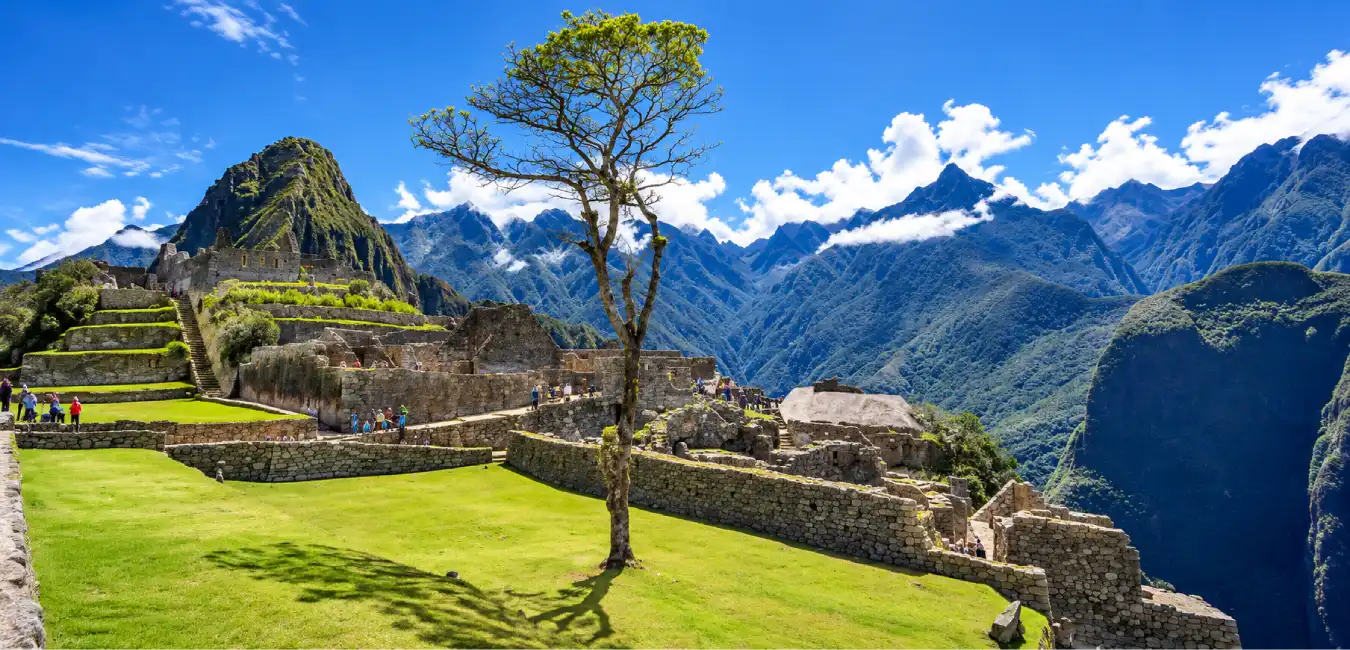
Pisonay Plaza
This plaza forms part of Machu Picchu's urban sector and is included in some Circuit 3 routes. From here, you can appreciate the surrounding buildings and gain a better understanding of how the Incas organized the city's enclosed structures and open spaces.
What are the four routes of Machu Picchu Circuit 3?
One of the advantages of this circuit is that you can tailor your visit to your interests and fitness level. For example, if you prefer exploring Inca temples and archaeological structures without challenging uphill hikes, you can choose the Designed Route. However, if you enjoy hiking, three additional options combine archaeology, nature, and mountain adventures.
- Route 3-A: Waynapicchu Mountain.
- Route 3-B: Designed Route or Royalty Route.
- Route 3-C: Great Cavern or Temple of the Moon.
- Route 3-D: Huchuypicchu Mountain.
Comparing the four routes of Machu Picchu Circuit 3
To help you choose the right route for your visit, we have summarized the main differences between each option, including maximum visiting time, difficulty level, and availability.
Route | Main attraction | Maximum visit duration | Difficulty | Availability |
|---|---|---|---|---|
| 3-A | Waynapicchu Mountain | 6 hours | Challenging | Year-round, subject to ticket availability |
| 3-B | Royalty Archaeological Sector | 2 hrs 30 min | Easy to Moderate | Regular year-round route |
| 3-C | Great Cavern | 7 hours | Challenging | High season |
| 3-D | Huchuypicchu Mountain | 3 hrs 30 min | Moderate | High season |
Traveler's Tip: Keep in mind that these times represent the maximum permitted visit duration, not necessarily the actual hiking time. The time you need will depend on your pace, fitness level, and the characteristics of your chosen route.
Which Machu Picchu Circuit 3 route should you choose?
Not every route offers the same experience. Therefore, before booking your entrance ticket, we recommend considering how much time you have, which archaeological sites you want to explore, and how physically demanding you would like your visit to be.
Route 3-A – For adventure seekers
If you have always dreamed of climbing the iconic mountain that rises behind Machu Picchu in its most famous photographs, Waynapicchu is the route for you. During the ascent, you will encounter ancient stone stairways, steep slopes, and breathtaking views of the Inca citadel from an entirely different perspective.
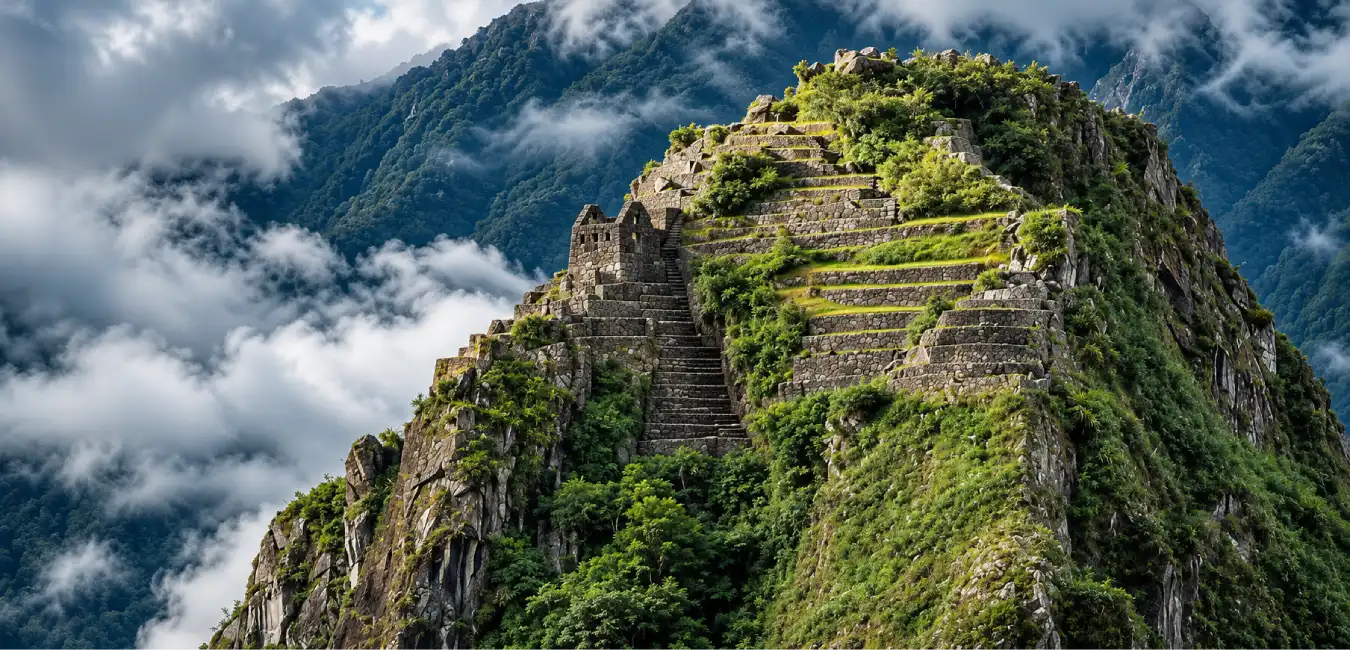
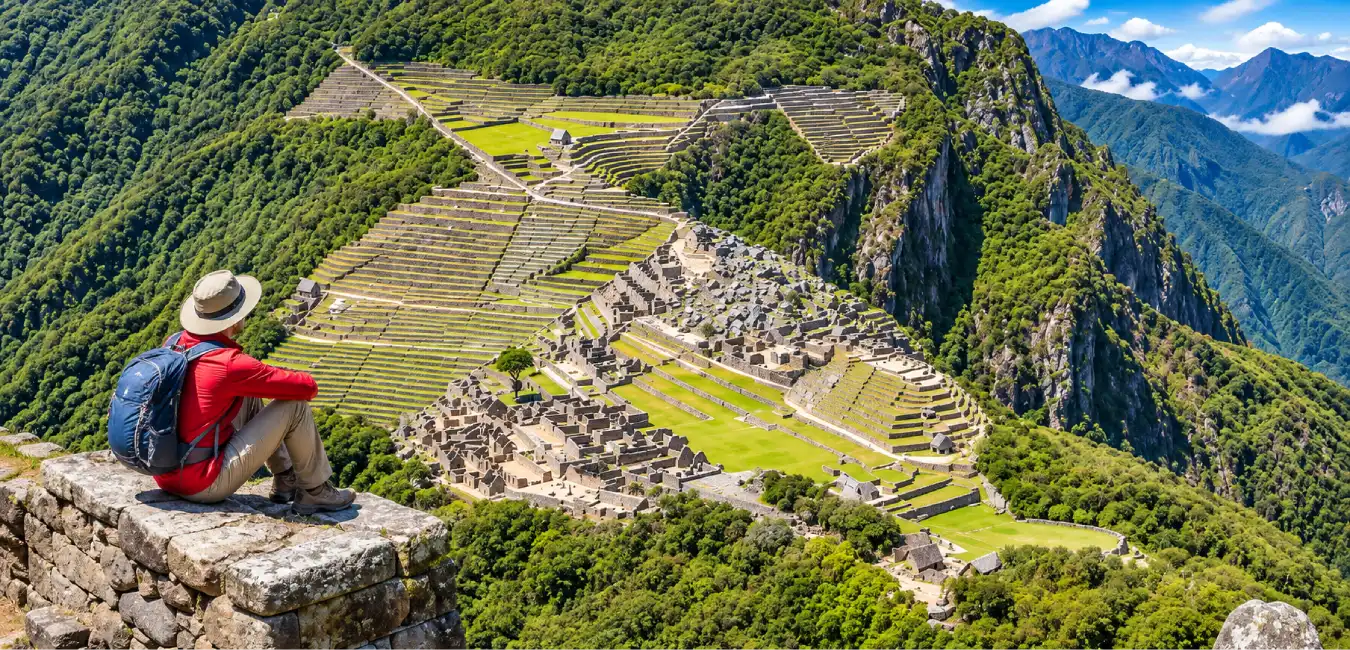
- Best for: Active travelers, hiking enthusiasts, and visitors with a good level of physical fitness.
Route 3-B – Explore Machu Picchu without a mountain hike
If your priority is discovering the architecture, history, and ceremonial sites of Machu Picchu, this route is an excellent choice. Since it does not include an additional mountain hike, you can spend more time appreciating archaeological details without tackling physically demanding climbs.
- Best for: Families, travelers with limited time, and visitors who prefer a less physically demanding experience.
Route 3-C – Discover the Great Cavern
If you are looking for a different experience away from the more frequently visited routes, choose the Great Cavern, also known as the Temple of the Moon. Along the trail, you will encounter lush vegetation, ancient Inca stairways, and natural rock formations before reaching a ceremonial structure built beneath a massive natural rock cavity.
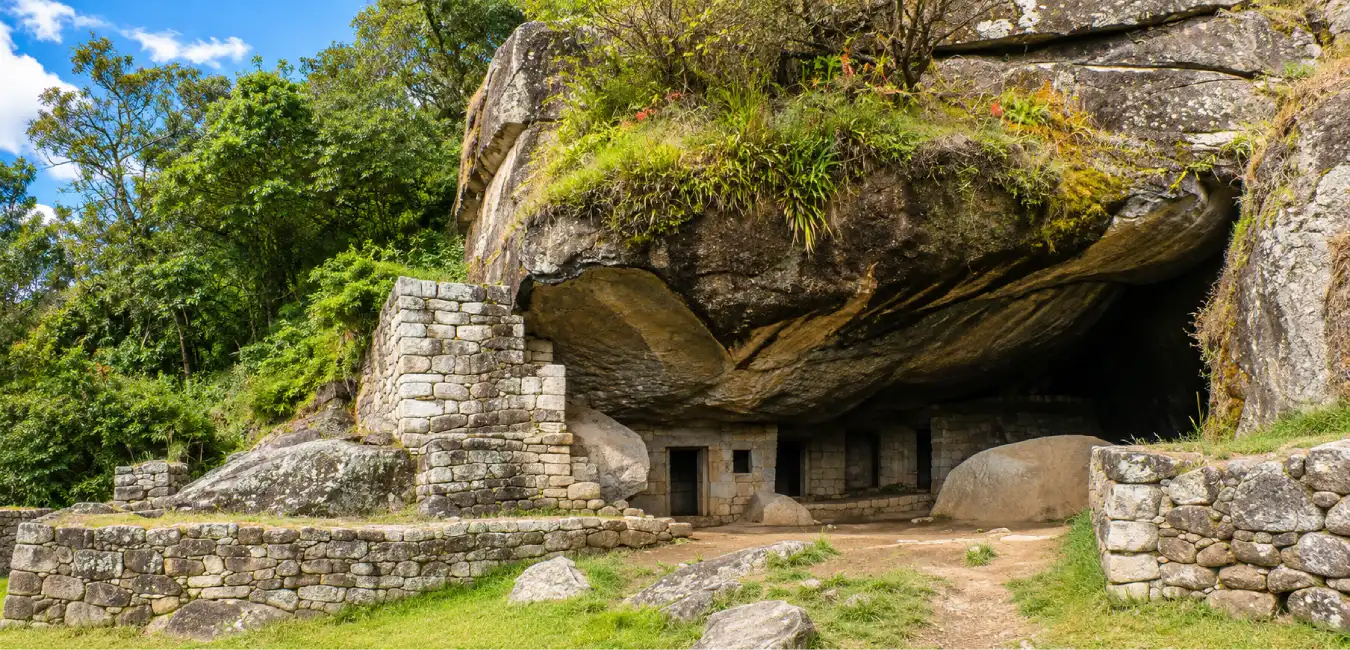
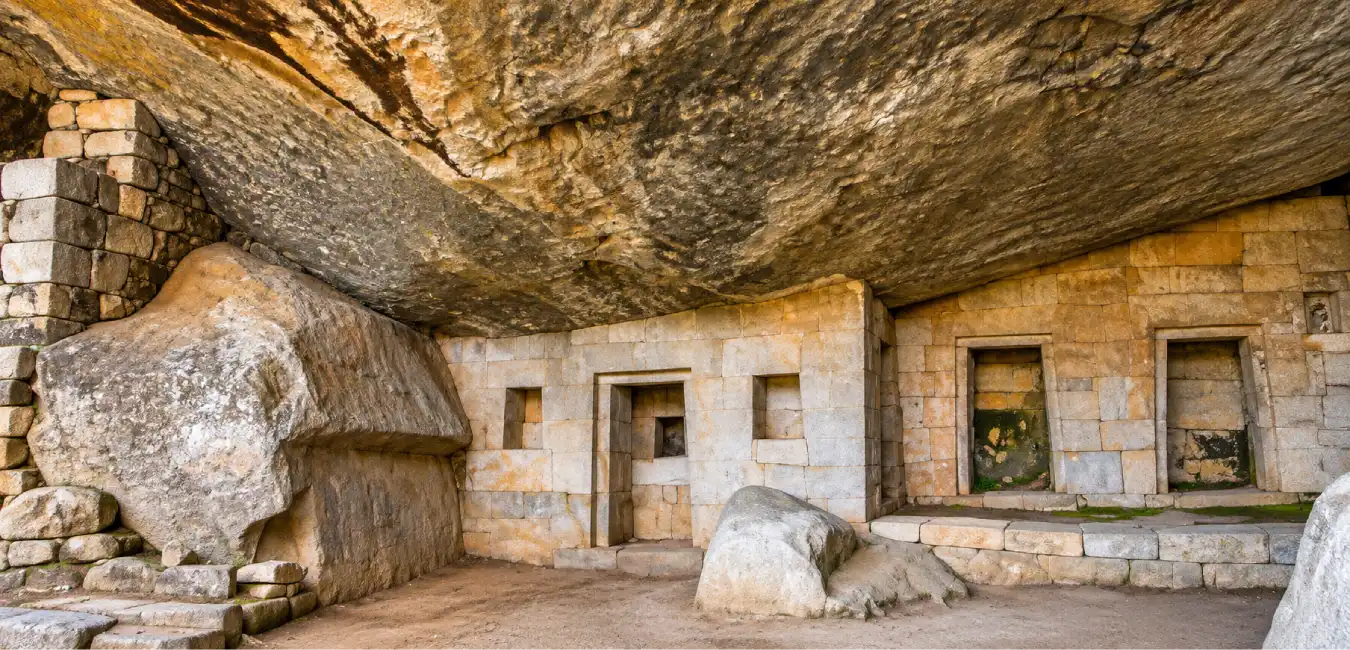
- Best for: Hikers, nature lovers, and travelers interested in exploring lesser-known archaeological sites.
Route 3-D – Enjoy a shorter mountain hike
Huchuypicchu is a great alternative if you want to complement your visit with a mountain hike but prefer to avoid the physical demands of Waynapicchu. The ascent is shorter and offers impressive views of the archaeological complex and the mountains surrounding Machu Picchu.
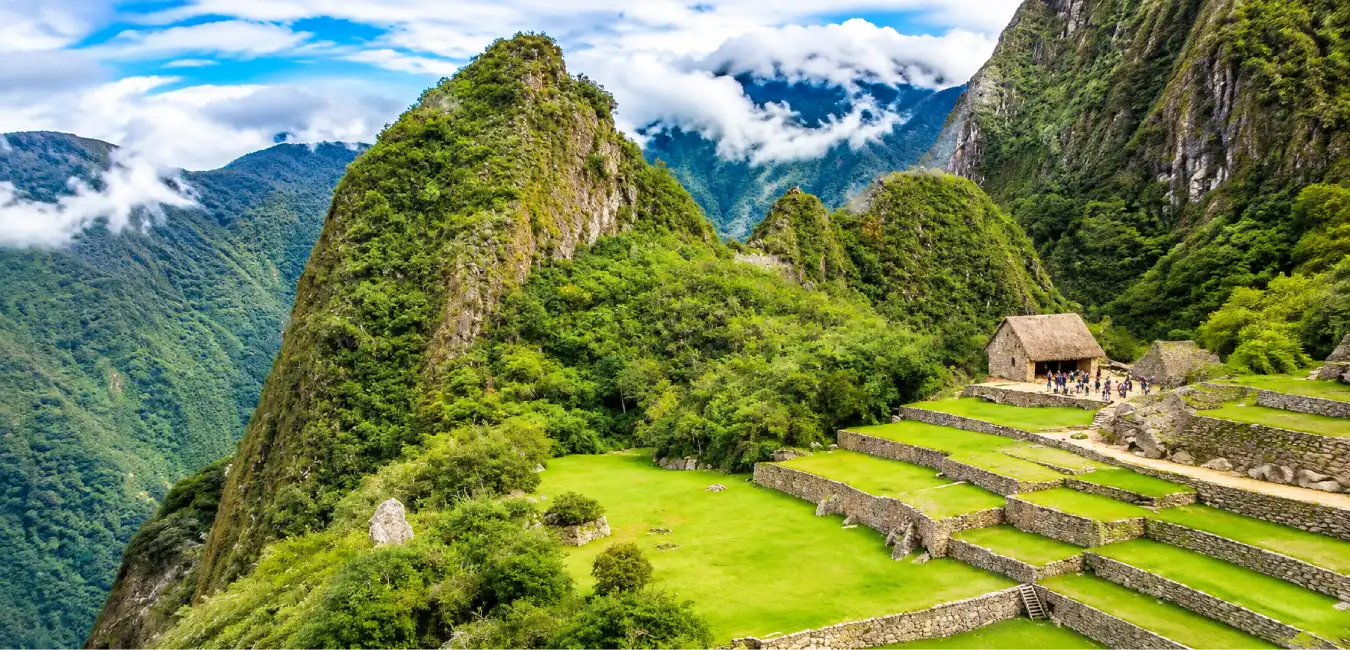
- Best for: Travelers looking for a moderate hike, scenic mountain views, and opportunities to photograph Machu Picchu from a different perspective.
Our Recommendation: If you are visiting Machu Picchu for the first time and want to capture the classic postcard photograph, consider Circuit 2 as well. Circuit 3 primarily stands out for its archaeological sites in the lower section of the citadel and its additional mountain hiking options.
What you should know before entering Machu Picchu
- Bring only a small backpack: Large bags and luggage are not permitted inside the Inca citadel.
- Prohibited items include drones, tripods, selfie sticks, alcoholic beverages, and food along the designated visitor routes.
- Respect the entry time indicated on your ticket; if you arrive late, you may be denied admission.
Returning to Cusco
After exploring Machu Picchu, you take the bus back to Aguas Calientes, where you can enjoy lunch before boarding your train to Ollantaytambo. From there, transportation takes you back to Cusco, bringing your four-day Llama Trail adventure to an end.
Everything you need to know about the 4 day Llama Trail
Ready to hike through the Andes and follow ancient Inca trails? Find out how to prepare, what to pack, when to travel, and how much this adventure costs so you can make the most of your experience.
Llama Trail Elevation: What is the Most Challenging Section?
The greatest challenge comes on day 2, when you reach an elevation of 13,780 ft (4,200 m) at Pukamarca Pass. From there, the trail gradually descends toward the cloud forest of Machu Picchu.
Location | Elevation | Day |
|---|---|---|
| Qoricancha | 11,155 ft (3,400 m) | 1 |
| Chakan, Devil's Balcony | 12,402 ft (3,780 m) | 1 |
| Andean Sky Dome | 12,631 ft (3,850 m) | 1 |
| Yurac Cancha | 13,451 ft (4,100 m) | 2 |
| Pukamarca Pass | 13,780 ft (4,200 m) | 2 |
| Huchuy Qosqo | 11,811–11,975 ft (3,600–3,650 m) | 2 |
| Ollantaytambo | 9,350 ft (2,850 m) | 2 |
| Chachabamba, KM 104 | 7,119 ft (2,170 m) | 3 |
| Wiñay Wayna | 8,694 ft (2,650 m) | 3 |
| Inti Punku | 8,924 ft (2,720 m) | 3 |
| Machu Picchu | 7,972 ft (2,430 m) | 4 |
Although the final two days take place at lower elevations, don't underestimate the uphill sections, stone stairways, or overall hiking distance.
When Is the Best Time to Hike the 4-Day Llama Trail?
Weather conditions vary considerably between the high-altitude Andean landscapes and the cloud forest of Machu Picchu, so choose your travel dates carefully.
Months | General Weather Conditions | Recommendation |
| May and June | Less rainfall and landscapes that are still green. | Excellent |
| July and August | Generally dry weather and cold nights. | Very good |
| April and October | Transitional weather conditions. | Good |
| November through January | Frequent rainfall and wet trails. | Requires additional preparation |
| February | Annual Inca Trail closure. | Full itinerary unavailable |
| March | End of the rainy season. | Subject to trail conditions. |
During the rainy months, the trail to Wiñay Wayna can have slippery stone steps and surfaces. For this reason, we recommend packing a waterproof jacket even if you plan to travel between May and September.
Short Inca Trail Permits for the Llama Trail
The Short Inca Trail is a regulated trekking route overseen by Peru's Ministry of Culture, through the Decentralized Directorate of Culture in Cusco, and by SERNANP, Peru's National Service of Natural Protected Areas. You cannot hike this trail independently: you need an official permit arranged by an authorized tour operator and must be accompanied by a licensed guide. In addition, regulations limit access to 250 people per day, meaning permits can sell out quickly during the high season.
What You Should Know Before Booking
- Passport: Provide your personal information exactly as it appears on your passport and bring the original document. Your trekking permit is personal and nontransferable.
- Availability: Book two to three months in advance, or even earlier if you plan to travel between May and September.
- Changes: Once issued, your permit cannot be transferred to another person or changed to a different date. If you renew your passport, let us know so we can update your passport number.
- February: The Inca Trail Network closes for the entire month for annual maintenance.
- Safety: Authorities may modify or suspend access due to heavy rainfall, landslides, or conservation work.
What Is Included in the Llama Trail with the Short Inca Trail?
- Hotel pickup in Cusco.
- Professional tour guide throughout the entire journey.
- Llama caravan and local llama herders along the mountain sections of the trail.
- Overnight stay at Andean Sky Dome, including lunch and dinner.
- Cultural experiences at the mountain camp, depending on the activity schedule.
- Short Inca Trail permit and Machu Picchu entrance ticket.
What Is Typically Not Included?
Breakfast on Day 1, lunch on Day 4, additional beverages, personal snacks, trekking poles, travel insurance, gratuities, and entrance tickets for the additional mountain hikes at Machu Picchu.
How Much Does the 4-Day Llama Trail Cost?
Item | Pricing and Details |
|---|---|
| Tour Price | USD 891 per person |
| Shared Group and Private Tours | Pricing depends on group size. Contact us for a quote and availability. |
| Accommodations | 1 night in a mountain dome, 1 night in Ollantaytambo, and 1 night in Aguas Calientes |
| Tourist Transportation | Included |
| Train Tickets | Round-trip train tickets included |
| Machu Picchu Bus Tickets and Short Inca Trail Permit | Included |
| Machu Picchu Entrance Ticket | Included according to your confirmed circuit |
| Professional Tour Guide | Included throughout all four days |
What Factors Can Affect the Tour Price?
- Tour type: Private or shared group service.
- Accommodation category: Hotel upgrades or single-occupancy rooms.
- Train category: Panoramic or upgraded train services.
- Additional entrance tickets: Huayna Picchu or Machu Picchu Mountain.
- Group size: Particularly when booking a private tour.
What to Pack for the 4-Day Llama Trail
- Travel essentials: Your original passport and cash in Peruvian soles.
- Daypack: A 20- to 30-liter backpack with a waterproof rain cover.
- Layered clothing: Thermal base layers, a fleece jacket, a waterproof jacket, a rain poncho, hiking pants, a warm beanie, gloves, and a sun hat.
- Footwear: Hiking boots or trail shoes with good traction, preferably already broken in.
- Water: At least 2 liters (approximately 68 fl oz) for Day 3, as there are no refill stations until you reach Wiñay Wayna.
- Personal protection: Sunscreen, sunglasses, insect repellent, and a reusable water bottle.
- Hiking accessories: Snacks, a headlamp, toilet paper, a bag for your trash, personal medications, a portable power bank, and trekking poles with rubber tips.
How Difficult Is the 4-Day Llama Trail and How Should You Prepare?
The Llama Trail is rated as a moderate trek. You don't need technical mountaineering experience, but you should be in good physical condition.
Day | Hiking Distance | Maximum Elevation | Main Challenge |
| Day 1 | 5.6 miles (9 km) | 12,631 ft (3,850 m) | Uphill hiking and adjusting to the altitude |
| Day 2 | 9.3 miles (15 km) | 13,780 ft (4,200 m) | High altitude, hiking distance, and downhill sections |
| Day 3 | 7.5 miles (12 km) | 8,924 ft (2,720 m) | Stone stairways and sustained uphill hiking |
| Day 4 | Varies by route | Approximately 7,972 ft (2,430 m) | Stone stairways, depending on your Machu Picchu circuit |
How to Prepare for the Trek
- Spend at least two days acclimatizing in Cusco or the Sacred Valley.
- Train during the four weeks leading up to your trip by hiking uphill and climbing stairs.
- Avoid alcohol and heavy meals during your first few days at altitude.
- Use trekking poles with rubber tips to reduce strain on your knees during downhill sections.
- If you have knee problems or a recent injury, consult your healthcare provider before booking.
Traditional Short Inca Trail vs. the 4-Day Llama Trail
If you're comparing trekking options to Machu Picchu, the following table will help you decide which adventure is right for you.
| Short Inca Trail (2 Days) | Llama Trail with the Short Inca Trail (4 Days) | |
| Hiking Days | 1 | 3 |
| Total Hiking Distance | Approximately 7.5 miles (12 km) | Approximately 22.4 miles (36 km) |
| Maximum Elevation | 8,924 ft (2,720 m) at Inti Punku | 13,780 ft (4,200 m) at Pukamarca Pass |
| Llama Caravan | No | Yes |
| Huchuy Qosqo and High-Altitude Lakes | No | Yes |
| Overnight Stay in Mountain Domes | No | Yes |
| Arrival Through Inti Punku (Sun Gate) | Yes | Yes |
| Guided Tour of Machu Picchu | Yes | Yes |
Already have your travel dates in mind? Check Short Inca Trail permit availability and start planning your adventure with our local travel specialists.
2-, 3-, 4-, or 6-Day Llama Trail: Which One Should You Choose?
Not every traveler has the same amount of time or is looking for the same experience. All Llama Trail itineraries share the first two days of hiking with llamas and staying in mountain domes. The two-day adventure ends there, while the longer itineraries follow different routes starting on Day 3.
Trekking Route | Main Experience | Best For |
|---|---|---|
| 2-Day Llama Trail | Hiking with llamas, staying in mountain domes, and exploring Huchuy Qosqo. | Travelers with limited time or those who have already visited Machu Picchu. |
| 3-Day Llama Trail with Domes | Hiking with llamas, staying in mountain domes, visiting Huchuy Qosqo, and traveling to Machu Picchu by train. | Travelers who prefer to skip the Short Inca Trail hike. |
| 4-Day Llama Trail with Domes | Hiking with llamas, staying in mountain domes, exploring Huchuy Qosqo, hiking the Short Inca Trail, and visiting Machu Picchu. | Travelers who want to combine both trekking experiences in a single adventure. |
| 6-Day Llama Trail with Domes | Hiking with llamas, staying in mountain domes, exploring Huchuy Qosqo, hiking the Classic Inca Trail, and visiting Machu Picchu. | Travelers who want to explore more sections of the ancient Inca Trail Network. |
We recommend booking at least three months in advance, especially if you plan to travel between May and September, due to the high demand for Short Inca Trail permits. Check pricing and availability for our 4-Day Llama Trail with Domes and the Short Inca Trail and start planning your adventure to Machu Picchu.
Frequently asked questions about the 4 day Llama Trail
Do the llamas carry my luggage throughout the four days?
No. The llamas accompany you only along authorized mountain trails, depending on the availability of local llama herding families. On the Short Inca Trail, each traveler carries their own daypack.
What happens if Short Inca Trail permits are sold out?
You can choose the 3 day Llama Trail instead. This itinerary still includes mountain hikes and a visit to Huchuy Qosqo, but you travel to Machu Picchu by train rather than hiking the Short Inca Trail.
Is the 4 day Llama Trail suitable for children and older adults?
Yes, provided they are in good physical condition and accustomed to hiking. Keep in mind that the trail reaches an elevation of 13,780 ft (4,200 m). We recommend speaking with our local travel specialists before booking.
Where can I store my luggage during the trek?
Check with your hotel in Cusco to see if they offer luggage storage. During the hikes, carry only a small daypack with your personal belongings and everything you need for each day.
Do the llamas carry luggage or simply accompany travelers?
The llamas and their local herders accompany travelers along authorized mountain trails. Luggage transportation must be confirmed when booking. On the Short Inca Trail, each traveler carries their own daypack.
Are restrooms available throughout the trek?
No. Restrooms are available at the mountain dome camp, hotels, designated locations along the Short Inca Trail, and the entrance to Machu Picchu. However, restroom facilities are limited along the mountain sections of the Llama Trail.
What happens if I can't finish the hike?
Notify your guide immediately. Your guide will assess your physical condition and determine the available options for returning or arranging an evacuation based on your location. The tour includes a first aid kit and emergency oxygen.