
The 3 day Llama Trail to Machu Picchu combines a 24 km trek along ancient Andean paths, an experience with llamas, an overnight stay in the Andean Sky Domes, and a visit to Huchuy Qosqo. The route begins in Cusco, reaches an altitude of 4,200 meters, and continues by train to Machu Picchu. But how difficult is it, really? In this blog, you’ll discover what the trek is like, how much effort it requires, what to pack, and how to prepare before your trip.
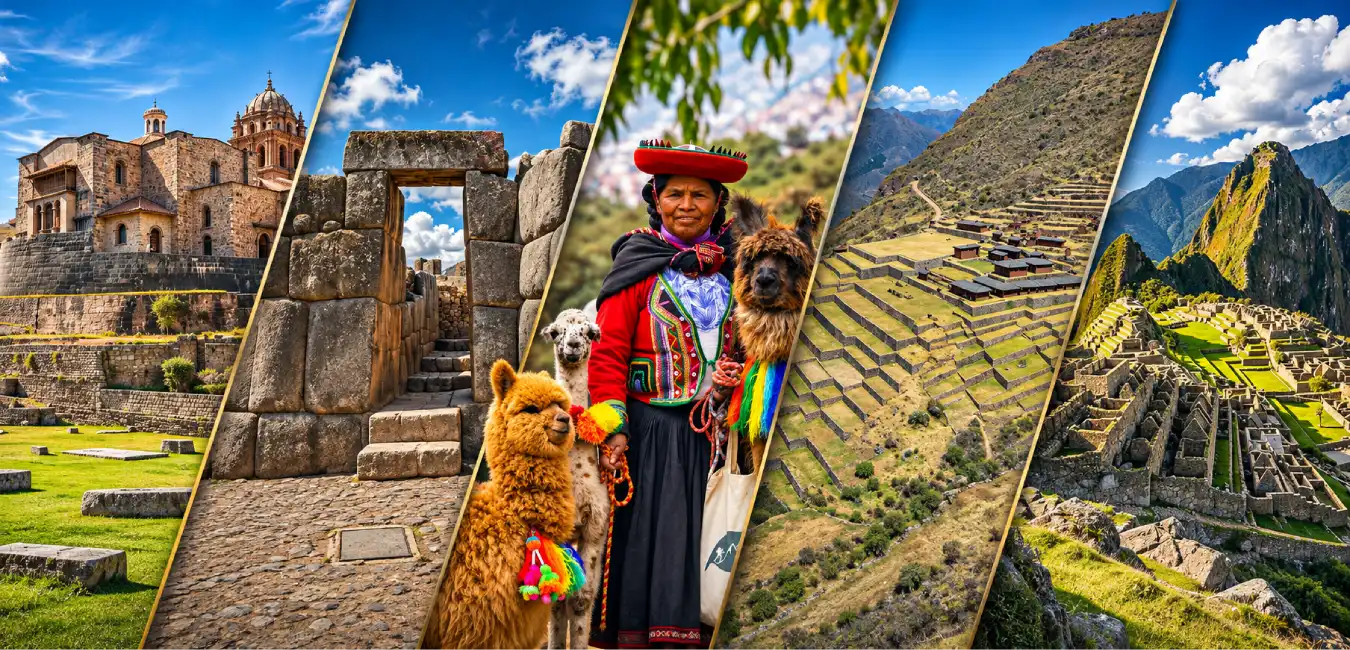
What is the 3 day Llama Trail to Machu Picchu Like?
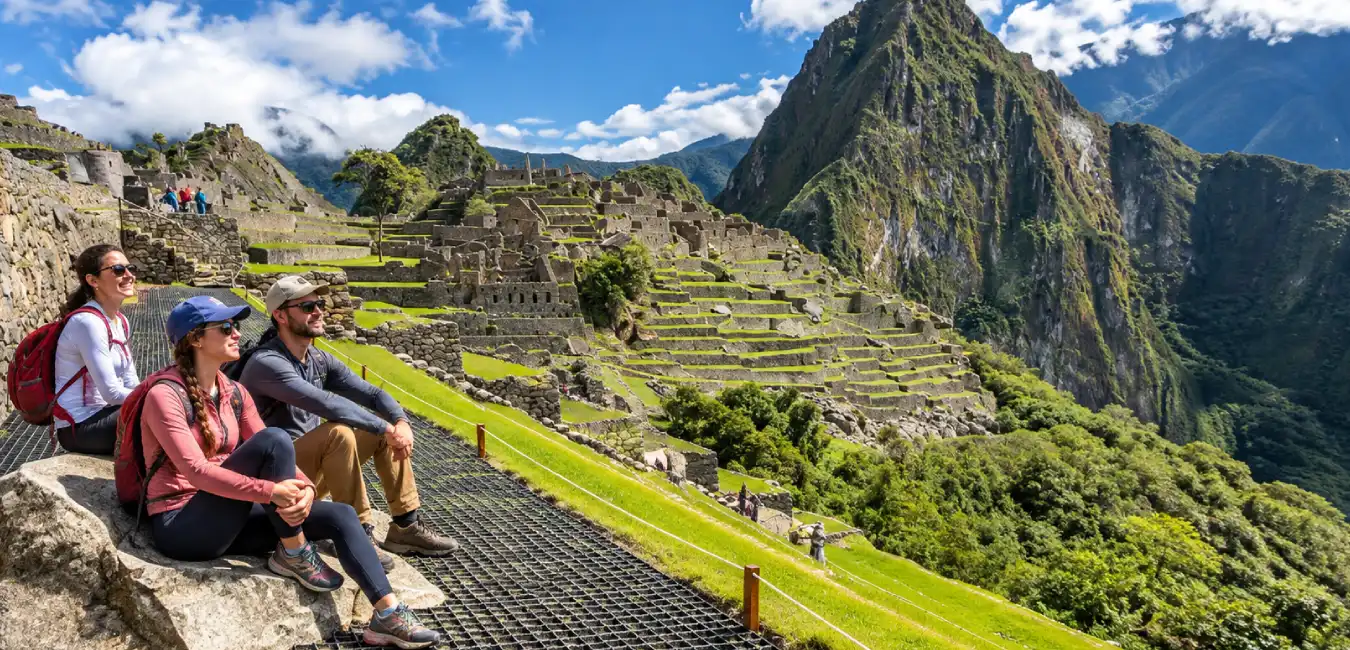
Unlike other tours to Machu Picchu, the Llama Trail begins on foot in Cusco. On the first day, you'll visit archaeological sites, hike along mountain trails alongside llamas, and spend the night at the Andes Sky Dome. Next, you'll follow ancient Inca trails to Huchuy Qosqo, visit the Sacred Valley, and travel by train to Aguas Calientes. Finally, you'll explore Machu Picchu on the third day.
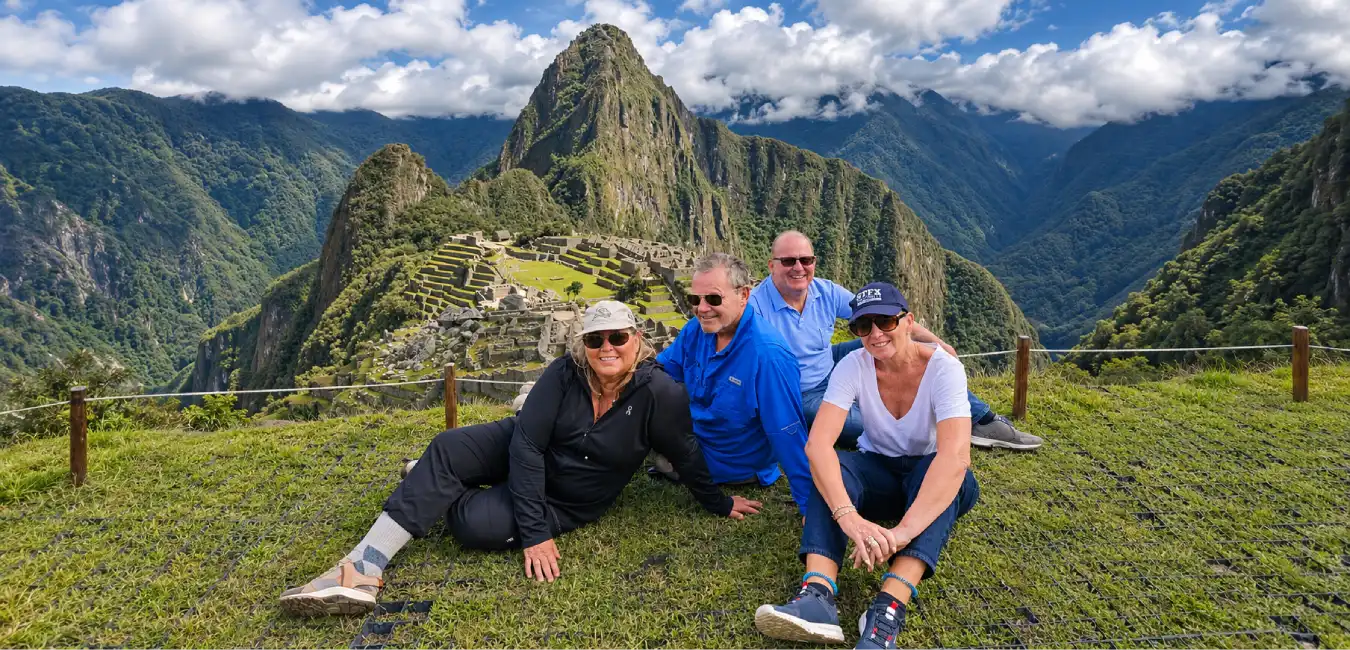
3-Day Llama Trail to Machu Picchu Tour Overview
Feature | Trail Details |
|---|---|
| Duration | 3 days and 2 nights |
| Starting point | Qoricancha, Cusco |
| Hiking distance | Approximately 24 km (14.9 miles) over the first two days |
| Maximum elevation | Pukamarca Pass, 4,200 m (13,780 ft) |
| Difficulty | Moderate to challenging |
| Main highlights | Qoricancha, Sacsayhuamán, Devil's Balcony, Ñustapakana, Andes Sky Dome, Huchuy Qosqo, and Machu Picchu. |
| First night | Andes Sky Dome, 3,850 m (12,631 ft) |
| Second night | 3-star hotel in Aguas Calientes |
| Transportation to Machu Picchu | Train from Ollantaytambo and shuttle bus to the entrance |
| Ending point | Cusco |
What you should know…
The 24 km (14.9 miles) cover the two days of hiking between Cusco and Huchuy Qosqo. The journey to Machu Picchu continues by vehicle, train, and bus; you won't hike all the way to the citadel.
How difficult Is the 3 day Llama Trail?
The Llama Trail is rated moderate to challenging due to a combination of distance, altitude, and hiking time. Although the route doesn't require technical climbing skills, you'll need a good level of physical fitness to hike for several hours over uneven terrain.
The difficulty varies between the two hiking days:
- Day 1: You'll cover approximately 9 km (5.6 miles) over 8 to 9 hours, including cultural visits. Although the pace allows you to explore different attractions along the way, you'll hike uphill from Cusco to the domes at 3,850 meters (12,631 feet).
- Day 2: You'll hike approximately 15 km (9.3 miles) over 7 to 9 hours. You'll ascend to Pukamarca Pass at 4,200 meters (13,780 feet) before descending toward Huchuy Qosqo. This is the most physically demanding stage of the journey.
- Day 3: You'll explore Machu Picchu along stone pathways and staircases. The level of effort will depend on your authorized circuit, although it will be less demanding than the previous days.
Keep in mind...
Above 4,000 meters (13,123 feet), physical activity can feel more strenuous, especially if you haven't fully acclimatized. Additionally, long downhill stretches can be demanding on your knees and leg muscles.
What is the elevation gain and loss on the Llama Trail?
The second day features the most significant elevation changes of the entire journey. You'll leave the Andean Sky Dome at 3,850 meters (12,631 feet), climb to Pukamarca Pass at 4,200 meters (13,780 feet), and descend toward Huchuy Qosqo, at approximately 3,650 meters (11,975 feet).
Trail location | Approximate elevation |
|---|---|
| Andean Sky Dome | 3,850 m (12,631 ft) |
| Ruyaq Corralniyoc | 4,100 m (13,451 ft) |
| Pukamarca Pass | 4,200 m (13,780 ft) |
| Huchuy Qosqo | 3,650 m (11,975 ft) |
Between the domes and Pukamarca Pass, there is an elevation difference of 350 meters (1,148 feet) uphill. From the pass to Huchuy Qosqo, the elevation difference is 550 meters (1,804 feet) downhill. In practical terms, you should prepare for both uphill hiking at high altitude and several hours of descending along mountain trails.
Who is the 3 day Llama trail best suited for?
Traveler profile | Is it recommended? |
|---|---|
| People accustomed to mountain hiking. | Yes, with proper acclimatization. |
| Couples looking for adventure and a stay in mountain domes. | A great alternative. |
| Travelers interested in Andean culture. | Yes, it combines archaeology with local community involvement. |
| Beginners with a good level of physical fitness. | Possible, with proper preparation. |
| Families with children. | It depends on the age and experience of each participant. |
This experience is especially appealing if you enjoy hiking, exploring archaeological sites, and combining outdoor adventures with mountain accommodations.
3 day Llama Trail to Machu Picchu Itinerary
Day 1: From Qoricancha to Andes Sky Dome, Hiking with Llamas
Distance: 9 km (5.6 miles) / Duration: 8-9 hours, including sightseeing stops / Maximum elevation: 3,850 m (12,631 ft).
From Qoricancha to Sacsayhuamán: Discover Inca Cusco
Your adventure begins in front of Qoricancha, known as the Temple of the Sun. From there, you'll walk through Cusco's historic center, exploring some of the landmarks that preserve elements of the original Inca urban layout.
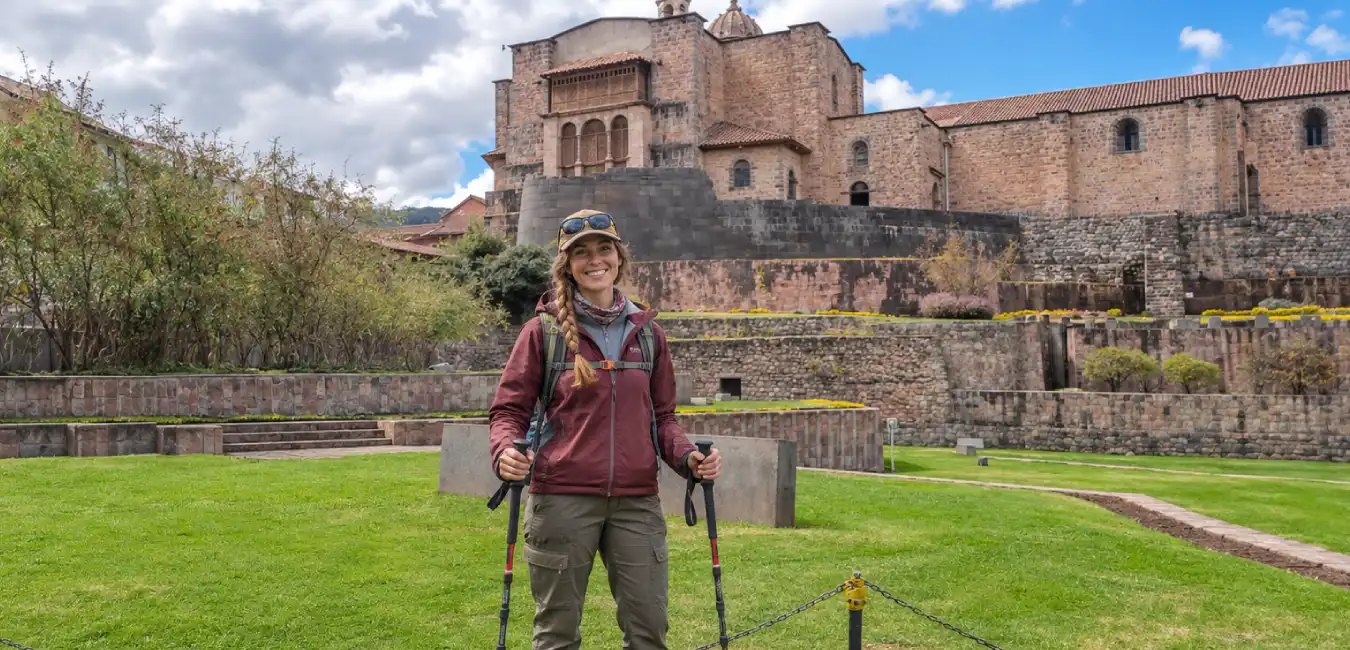
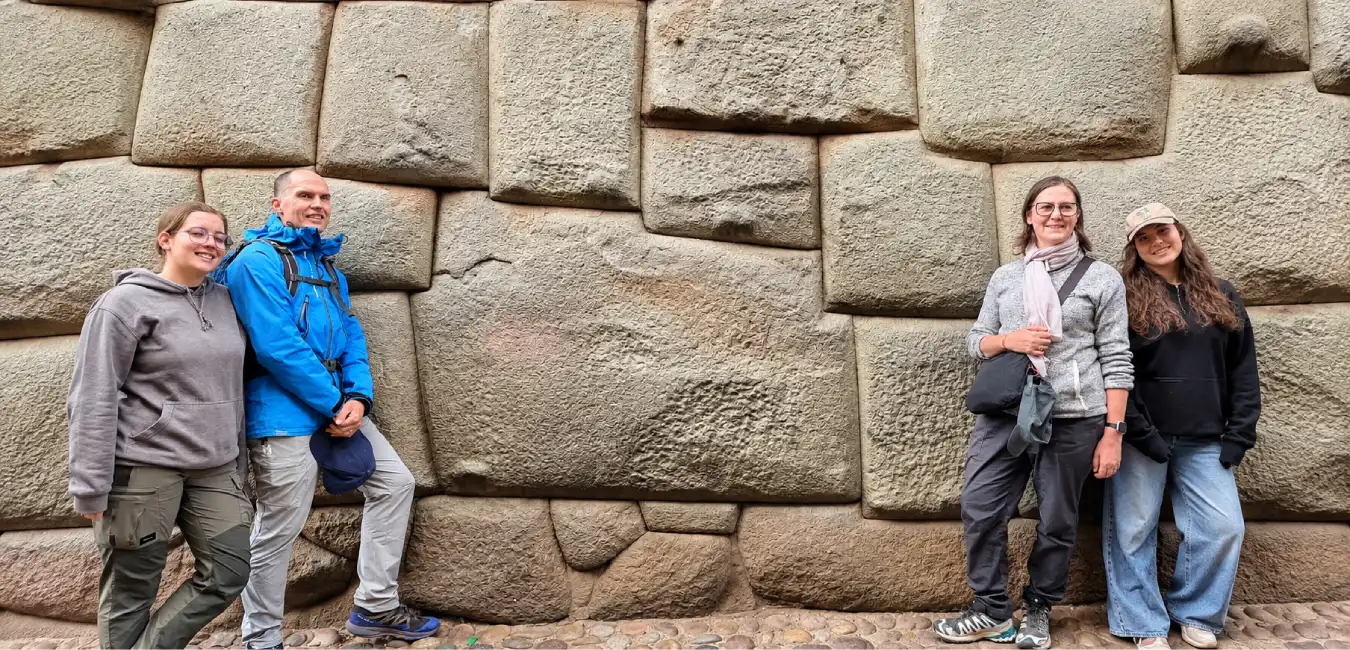
- The journey continues along Loreto Street, through the Plaza de Armas, and along Hatun Rumiyoq Street, famous for the Twelve Angled Stone. Next, you'll pass the Sapantiana Aqueduct, Siete Borreguitos Street, and the San Cristóbal Viewpoint.
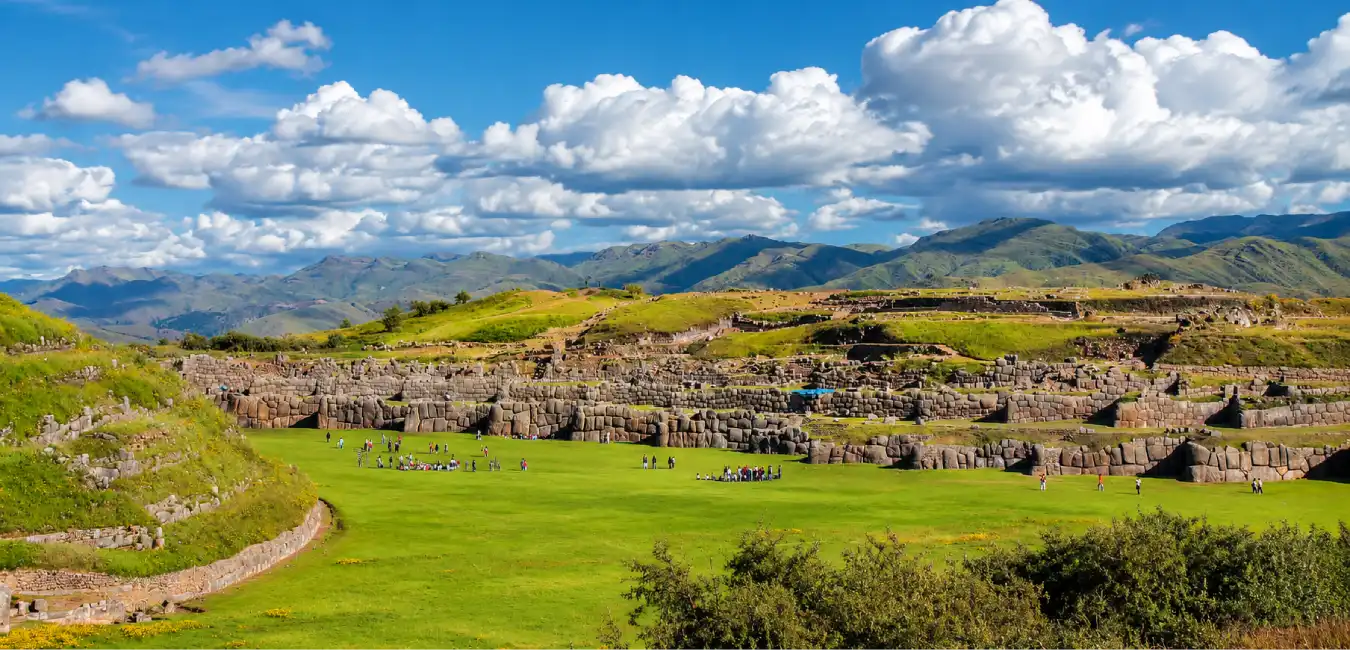
- As you hike uphill, you'll leave the city streets behind and reach Sacsayhuamán, one of Cusco's most renowned archaeological sites. Here, you'll admire the massive stone blocks and impressive walls that characterize this remarkable Inca structure.
From Llaullipata to Balcón del Diablo: Hiking with Llamas
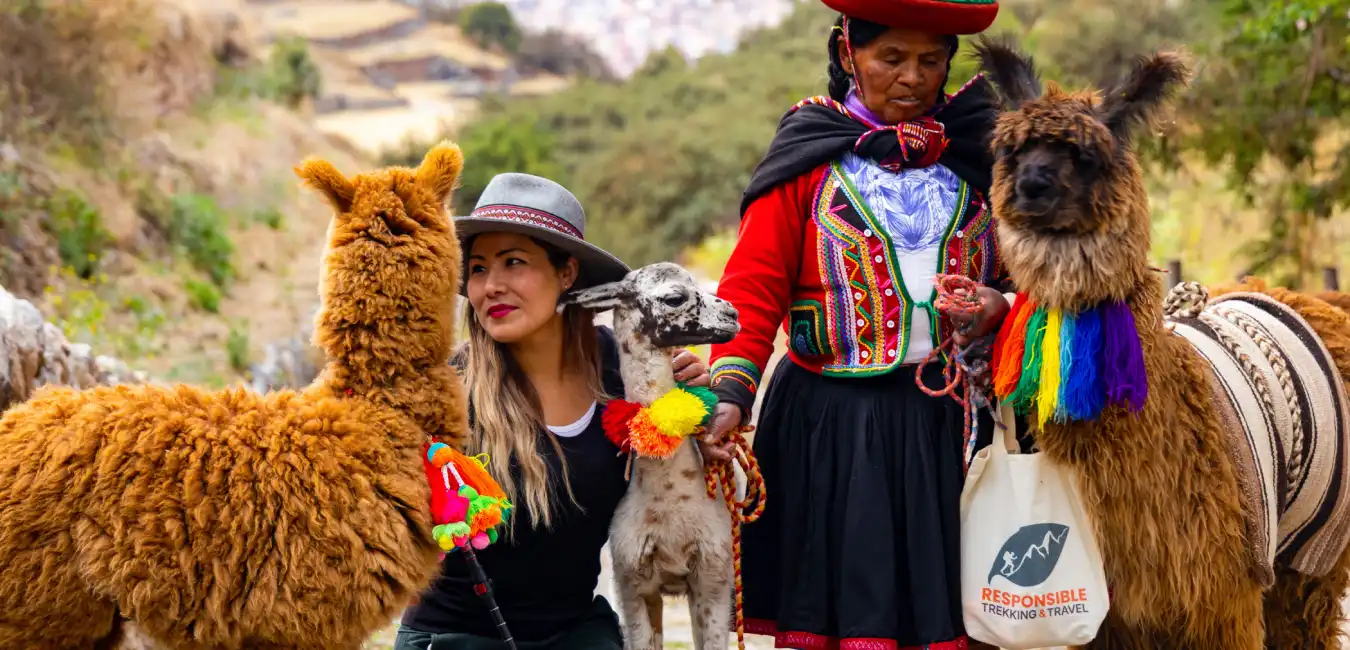
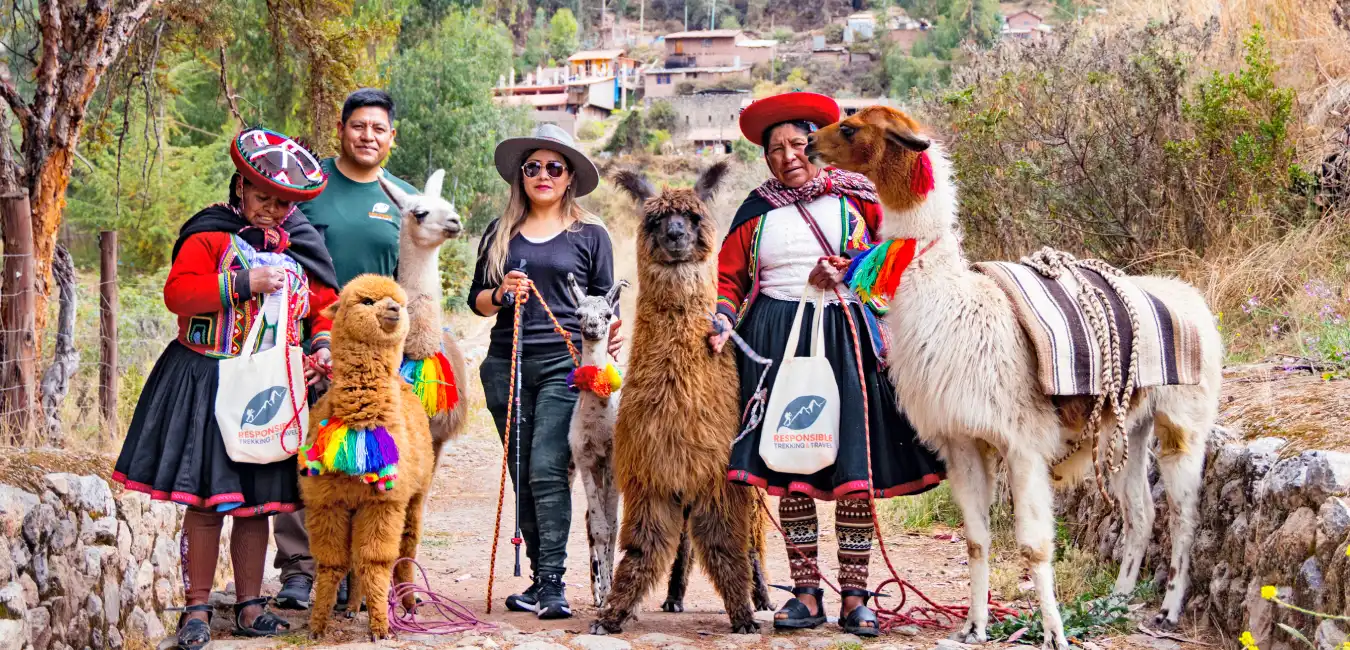
As you continue toward Llaullipata, you'll meet the local llama herders and the llamas that will accompany you along part of the hike. This encounter gives you an opportunity to learn about an Andean tradition centered on caring for these animals and guiding them through the mountains.
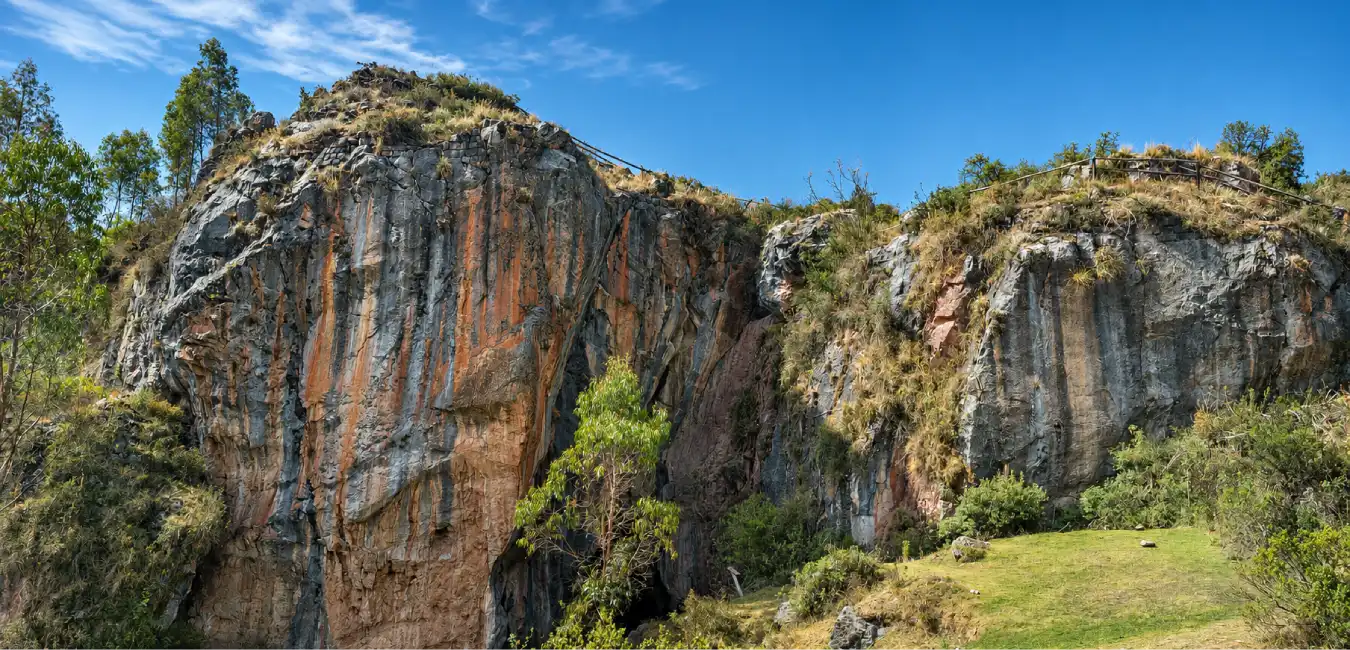
- From there, you'll follow mountain trails to Chakan, also known as Balcón del Diablo. This natural limestone formation has a stream flowing through it, and you'll discover rocky passages and features that offer insight into the site's historical use.
From Chakan to Ñustapacana: Ancient mountain trails
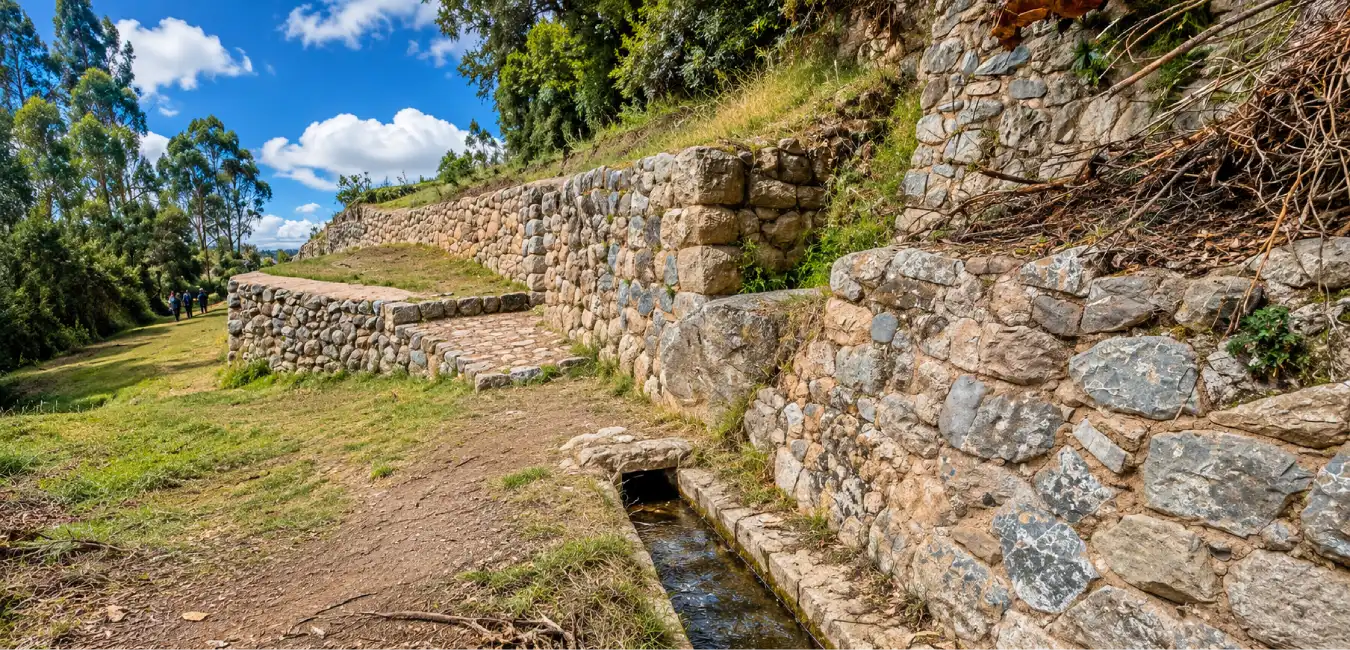
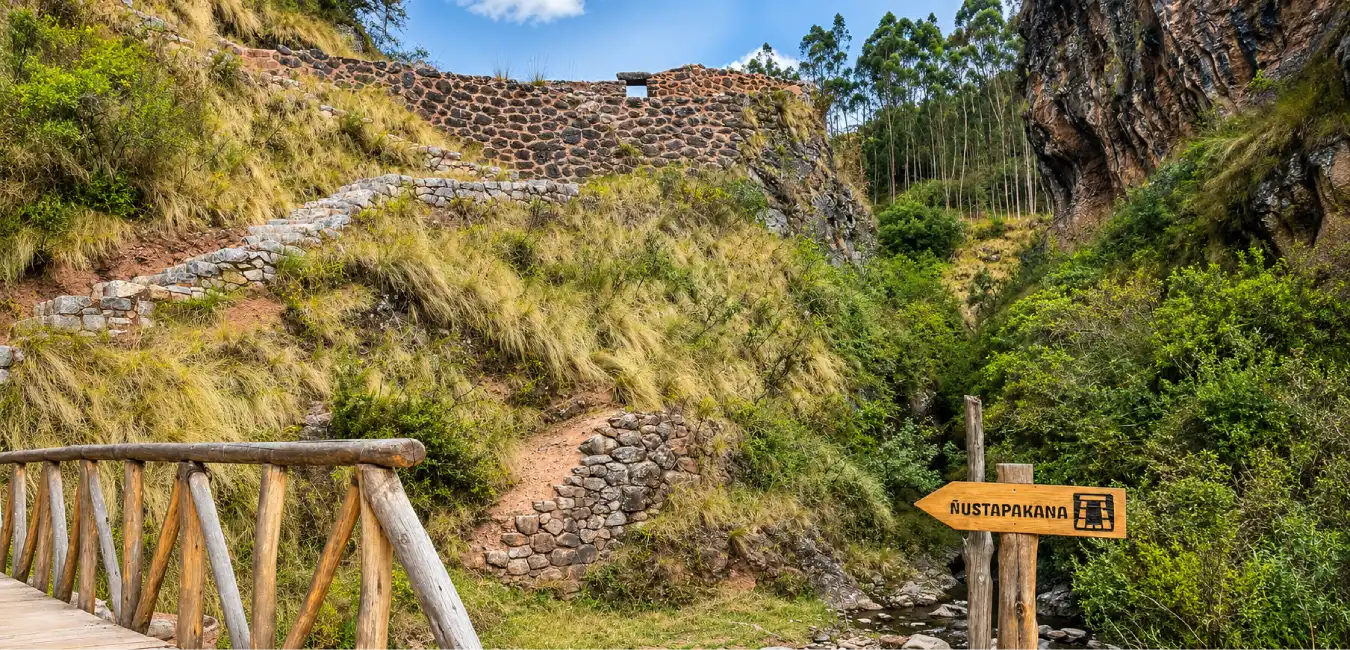
Next, you'll continue through the areas of Pukara, Negruyoc, and Salomniyoc, passing high Andean grasslands and ancient stone remains. Further along, you'll reach Ñustapakana, a site that preserves carved stone structures and small niches alongside natural rock formations. Finally, you'll continue toward Piedra Resbalada, where the domes are located.
A night at Andes Sky Dome, 3,850 meters above sea level
At the end of your hike, you'll arrive at the Andes Sky Dome, located at an elevation of 3,850 meters (12,631 feet) and surrounded by mountains and natural landscapes. Here, you'll enjoy dinner and unwind after your first day on the trail. Depending on the itinerary, you may also have the opportunity to participate in cultural activities centered on local traditions.
Day 1 overview
- Route: Qoricancha – Sacsayhuamán – Llaullipata – Chakan – Ñustapacana – Andes Sky Dome.
- Distance: Approximately 9 km (5.6 mi).
- Hiking time: 8 to 9 hours, including sightseeing stops.
- Maximum elevation: Approximately 3,850 m (12,631 ft).
- Difficulty: Moderate.
- Accommodations: Andes Sky Dome, Piedra Resbalada.
Day 2: From Andes Sky Dome to Huchuy Qosqo and train to Aguas Calientes
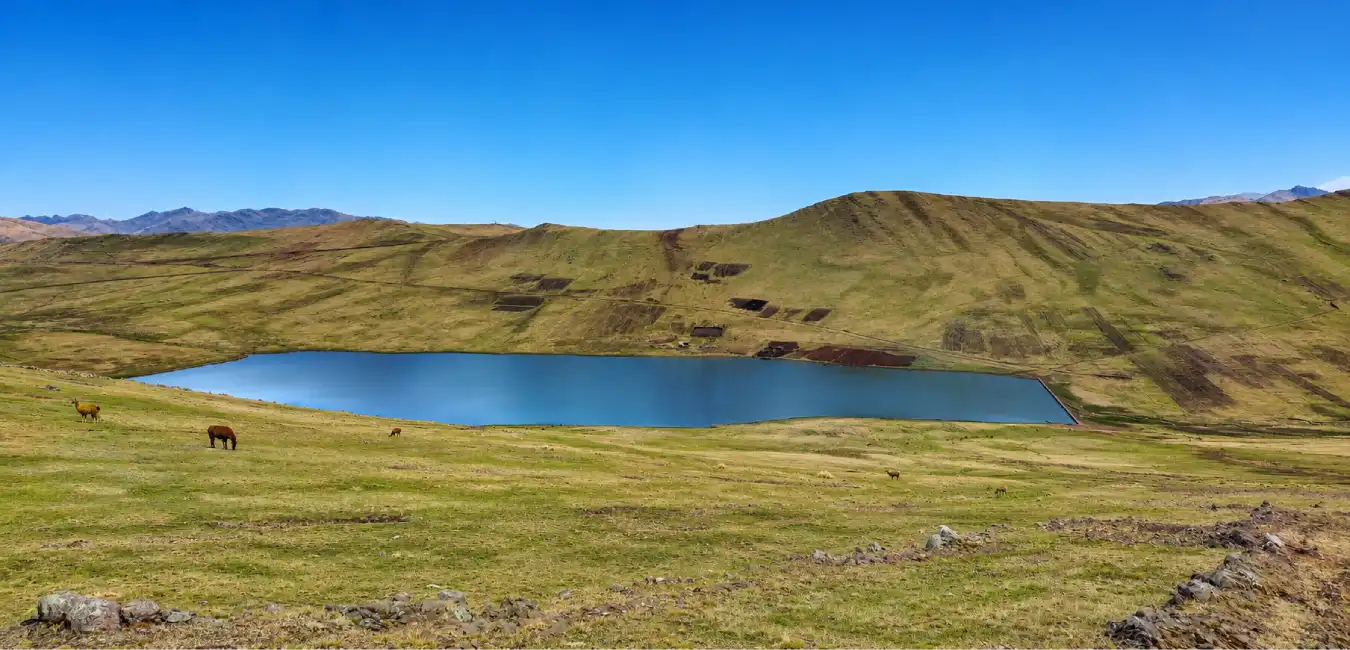
The second day is the most challenging part of the Llama Trail. After breakfast, you'll leave the domes and begin your ascent toward Ruyaq Corralniyoc, at approximately 4,100 meters (13,451 feet). Along this stretch, you'll hike through high altitude Andean landscapes surrounded by grasslands and mountains. You'll also pass near the high altitude Sihua lagoons, where you can observe the native vegetation characteristic of these ecosystems.
- Distance: 15 km (9.3 miles) / Duration: 7–9 hours / Maximum elevation: 4,200 m (13,780 ft).
From Andes Sky Dome to Pukamarca Pass: The highest point of the trail
After passing through the areas surrounding the lagoons, you'll reach Pukamarca Pass, at approximately 4,200 meters (13,780 feet) above sea level. This is the highest point of the 3 day Llama Trail and one of its most physically demanding sections. Lower oxygen availability and the accumulated hours of hiking may slow your ascent.
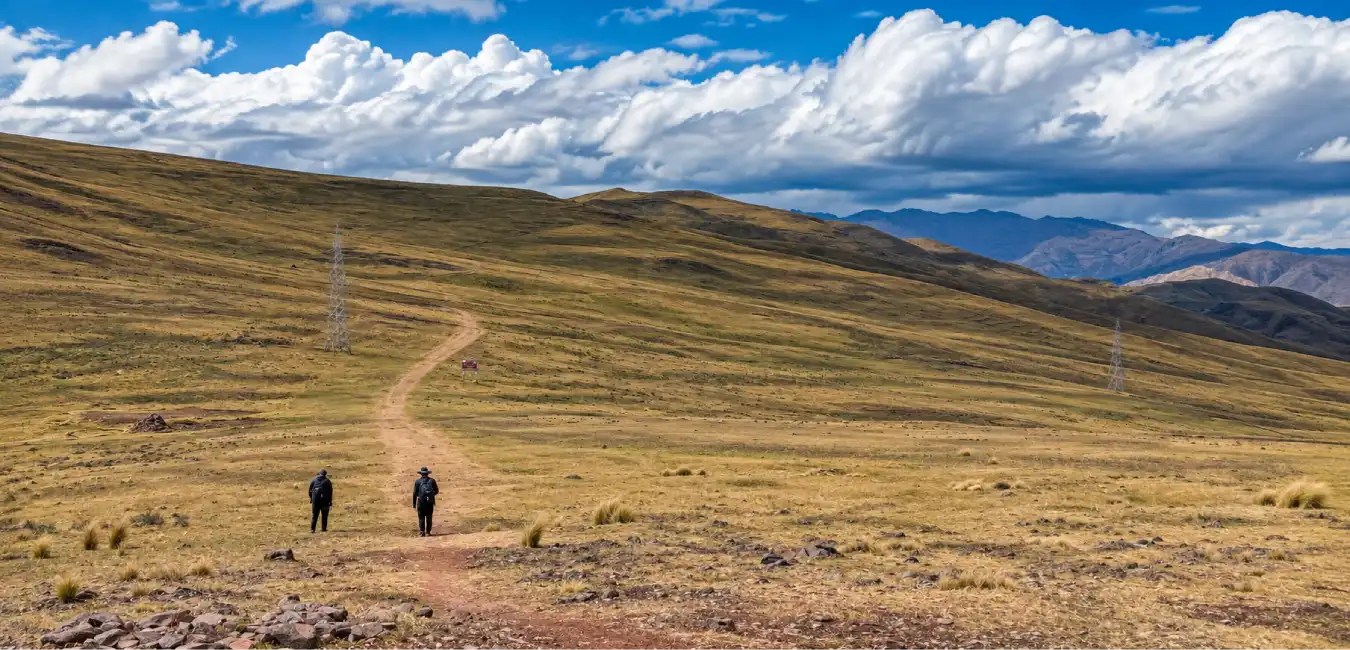
Once you've crossed the mountain pass, you'll begin your descent along ancient Andean trails toward Huchuy Qosqo. Maintain a steady pace, take breaks whenever needed, and follow your guide's instructions.
From Pukamarca to Huchuy Qosqo along ancient Inca trails
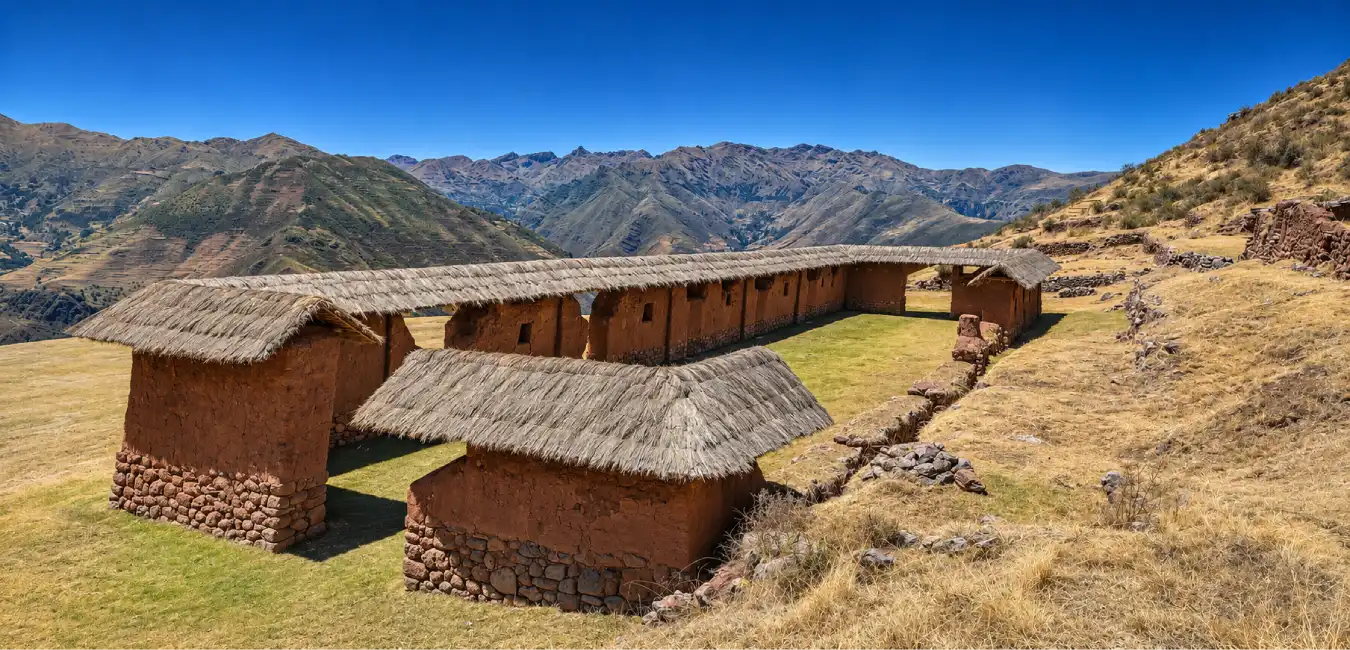
During your descent, you'll pass through Pukamarca and continue toward Puma Punku, an area where you'll see stone stairways, walls, and structures associated with ancient trails. Finally, you'll arrive at Huchuy Qosqo, whose Quechua name means “Little Cusco.” This archaeological complex sits at approximately 3,650 meters (11,975 feet) above sea level, overlooking the Lamay Valley.
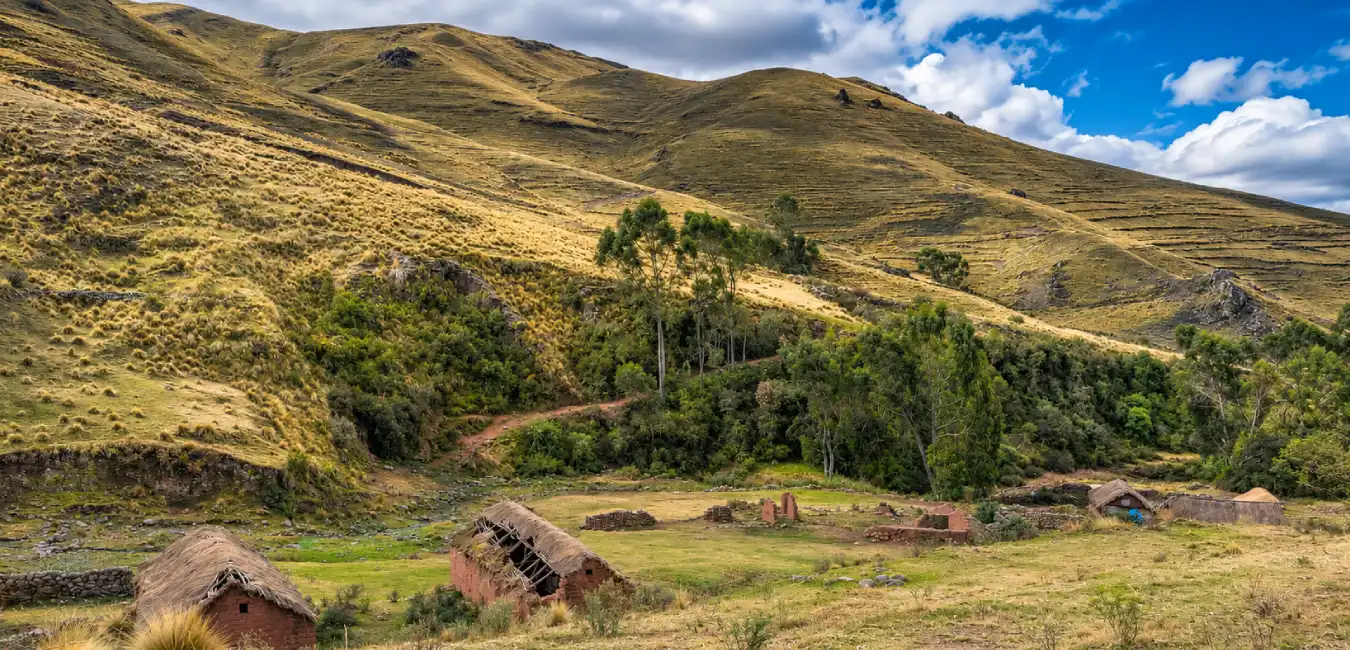
What will you discover at Huchuy Qosqo?
During your visit, you'll learn about its history, architecture, and culture while enjoying natural viewpoints overlooking the Sacred Valley. Beyond its impressive structures, one of the main attractions of Huchuy Qosqo is its remarkable location, which you'll reach on foot after crossing the mountains.
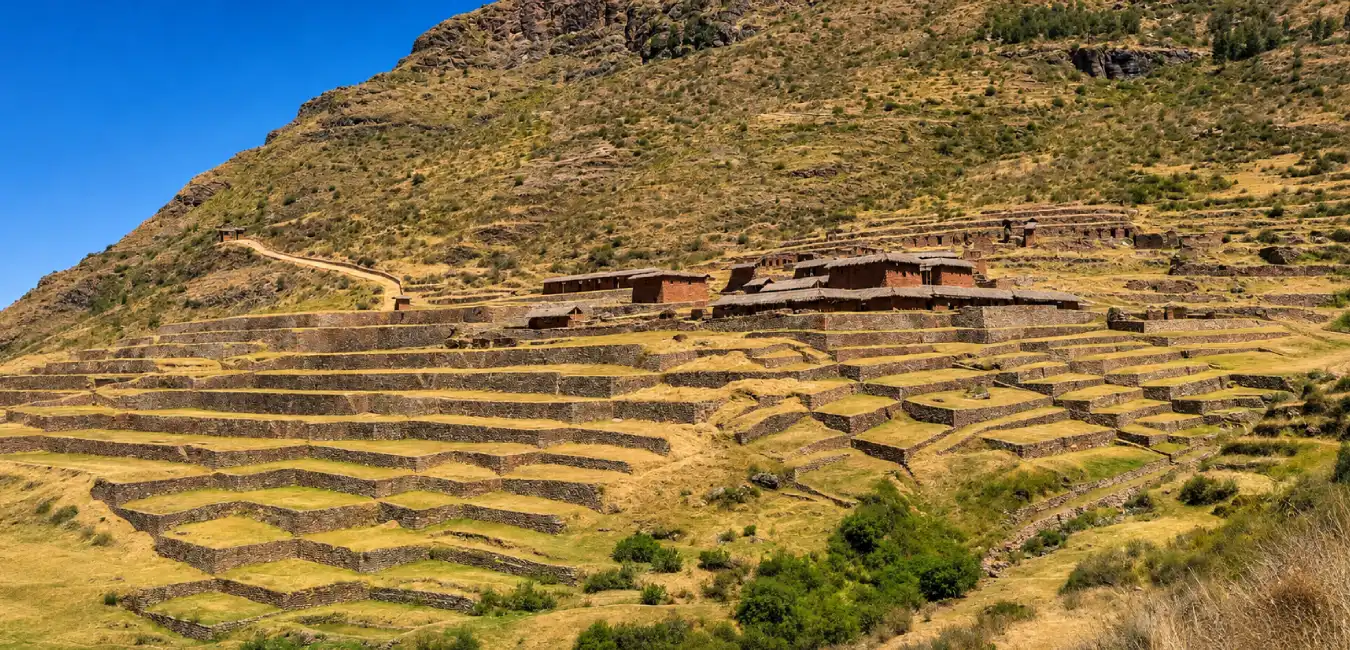
Among its main attractions, you'll find:
- Inca qolqas: Ancient storehouses used to store goods and supplies.
- Agricultural terraces: Terraces built to make the most of the sloping terrain.
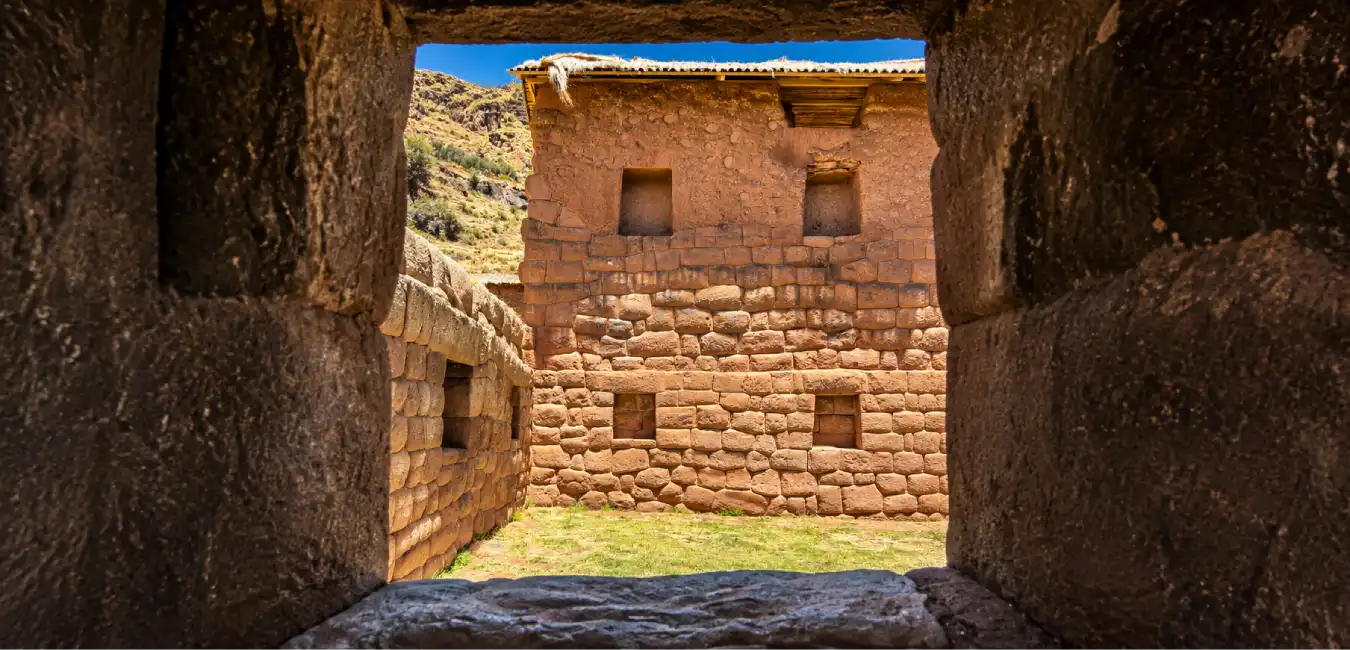
- Stone and adobe structures: Buildings showcasing different construction techniques.
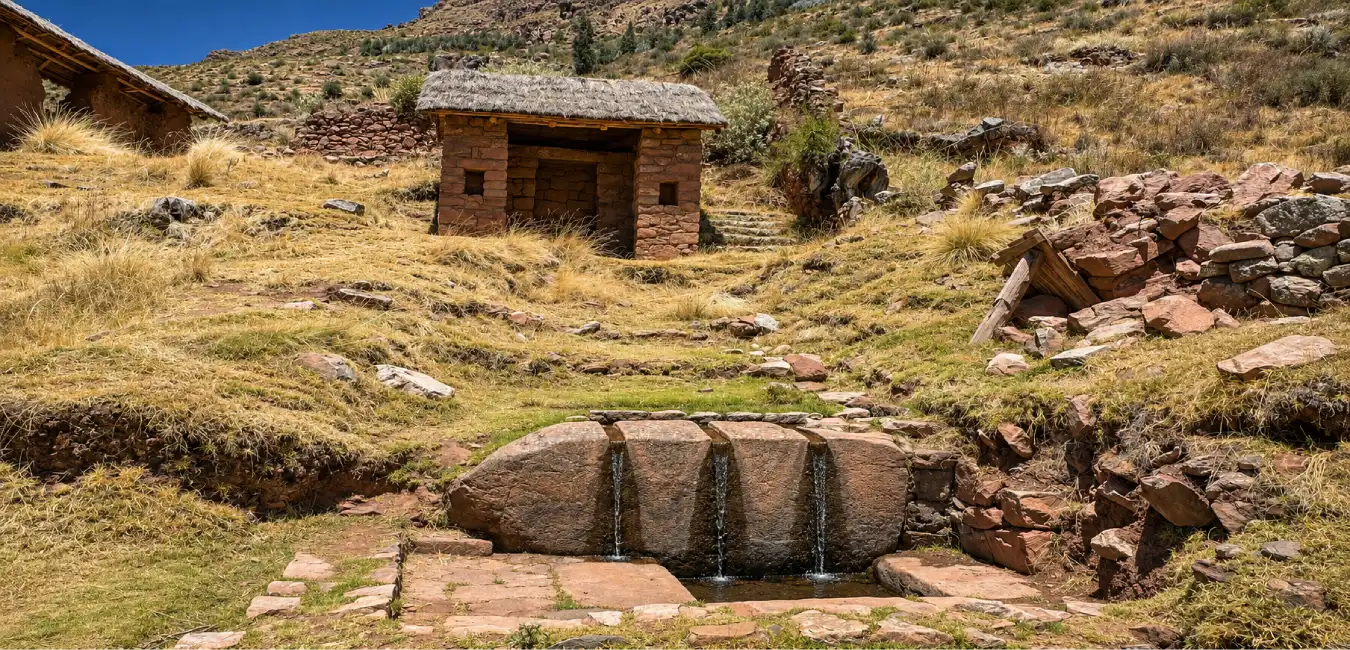
- Water channels: Structures designed for water supply and management.
- Natural viewpoints: Scenic spots offering views of the Sacred Valley and surrounding mountains.
Descending from Huchuy Qosqo and transfer to Ollantaytambo
This is where the hiking portion of the Llama Trail ends. After exploring Huchuy Qosqo, our vehicle will pick you up for the descent to Calca before continuing to the Ollantaytambo train station in the Sacred Valley.
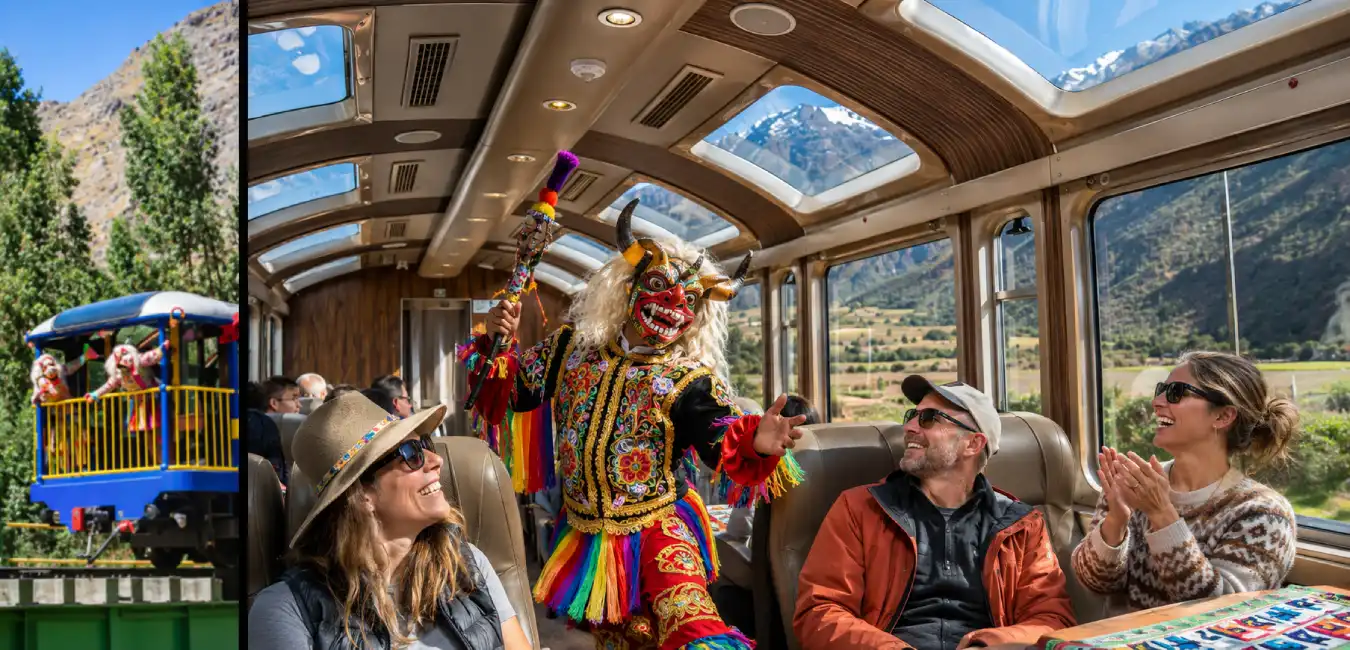
Train ride from Ollantaytambo to Aguas Calientes
From Ollantaytambo, you'll board the train to Machu Picchu Pueblo, also known as Aguas Calientes. The journey takes approximately an hour and a half, depending on the train service. Upon arrival in Aguas Calientes, you'll head to your 3 star hotel, where you'll spend your second night. This gives you time to rest before exploring Machu Picchu the following day.
Day 2 overview
- Route: Andes Sky Dome – Pukamarca Pass – Huchuy Qosqo – Ollantaytambo – Aguas Calientes.
- Distance: Approximately 15 km (9.3 mi).
- Hiking time: 7 to 9 hours.
- Maximum elevation: Pukamarca Pass, approximately 4,200 m (13,780 ft).
- Difficulty: Moderate to challenging.
- Transportation: Vehicle transfer to Ollantaytambo and train to Aguas Calientes.
- Accommodations: 3-star hotel in Aguas Calientes.
Day 3: Guided tour of Machu Picchu and return to Cusco
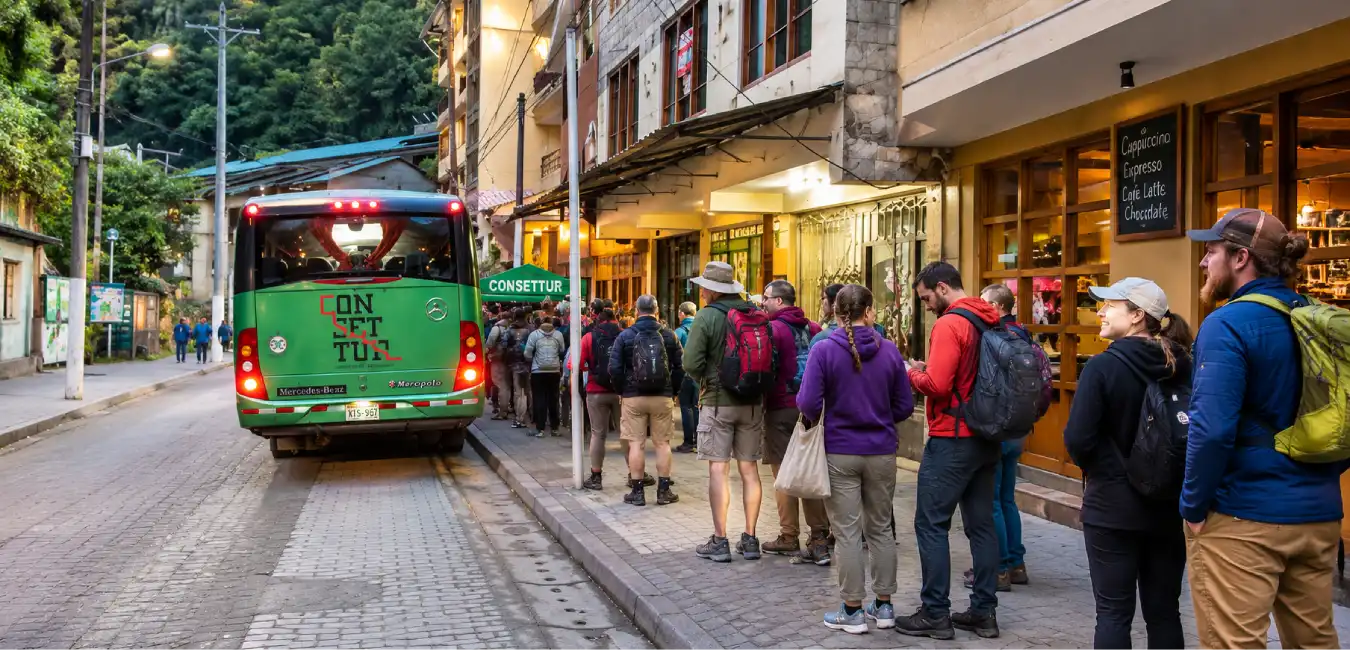
After breakfast at your hotel, you'll meet your guide and take the shuttle bus to the entrance of Machu Picchu. The ride from Aguas Calientes takes approximately 25 to 30 minutes. Once you reach the entrance checkpoint, you'll present your identification and admission ticket before beginning your visit along your confirmed route.
Which Machu Picchu circuit is included in the 3-Day Llama Trail?
For this experience, we recommend Circuit 2, also known as the Classic Machu Picchu Circuit, subject to ticket availability.
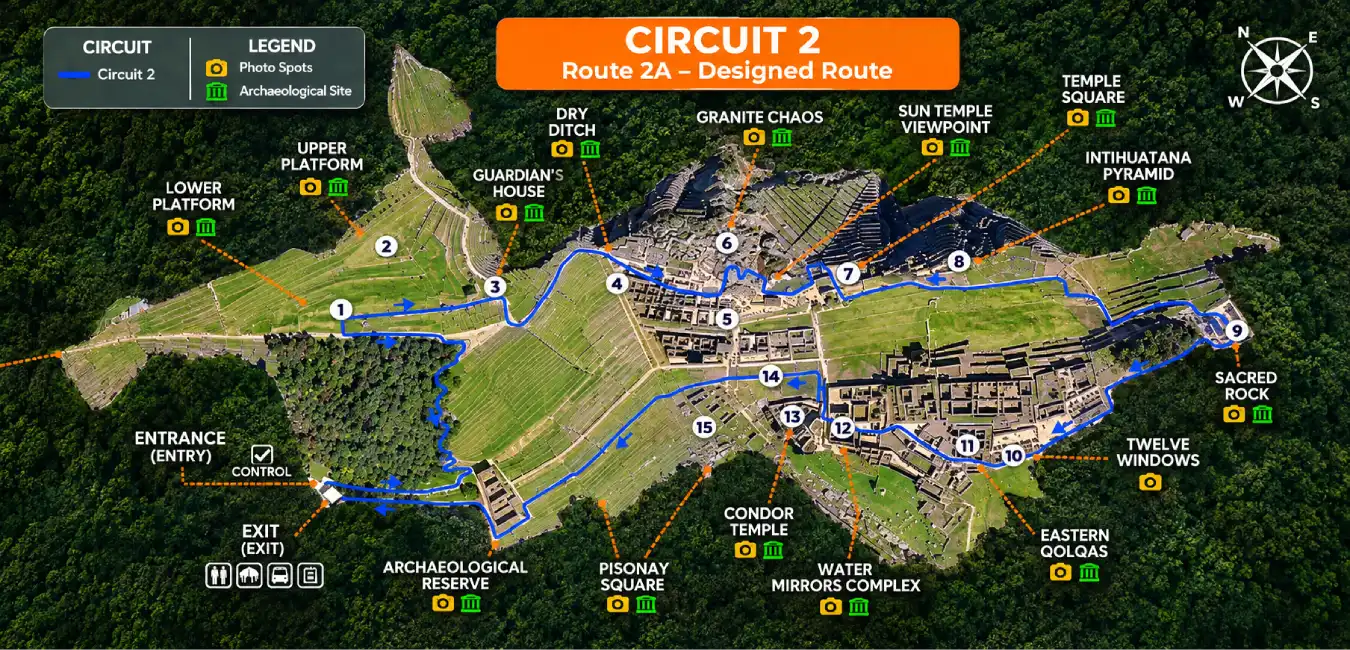
The circuit offers two routes:
Both routes allow you to explore archaeological areas of Machu Picchu, although their scenic viewpoints and access points differ slightly. Your confirmed admission ticket will depend on availability for your travel date and time.
- Route 2-A: Classic Circuit Designed Route.
- Route 2-B: Lower Terrace Route.
Neither of these routes guarantees access to all viewpoints, including the upper terrace near the Guardian's House.
Machu Picchu Circuit 2: Routes 2-A and 2-B
Circuit 2 is one of the options for travelers who want to explore the main archaeological areas of Machu Picchu on their first visit. The main differences between the two routes are their initial walking paths and access to certain viewpoints.
What is the difference between routes 2-A and 2-B?
Feature | Route 2-A: Designed Route | Route 2-B: Lower Terrace |
|---|---|---|
| Type of visit | Classic tour through agricultural and urban areas. | Classic route variation that prioritizes the lower terrace. |
| Machu Picchu views | From designated viewpoints along the route. | From the lower terrace. |
| Archaeological areas | Temples, plazas, quarries, and stone structures. | Similar archaeological areas. |
| Maximum visit duration | 2 hours and 30 minutes. | 2 hours and 30 minutes. |
| Difficulty | Moderate | Moderate |
| Terrain | Stone pathways and stairways. | Stone pathways and stairways. |
| Best for | Exploring the architecture of the ancient Inca city. | Combining architecture with panoramic photography. |
Important…
Neither of these routes guarantees access to the upper terrace next to the Guardian's House.
What can you see along circuit 2?
During your visit, you'll explore the agricultural, ceremonial, and urban areas of Machu Picchu. The landmarks you'll see and the areas you can access will depend on your authorized route.
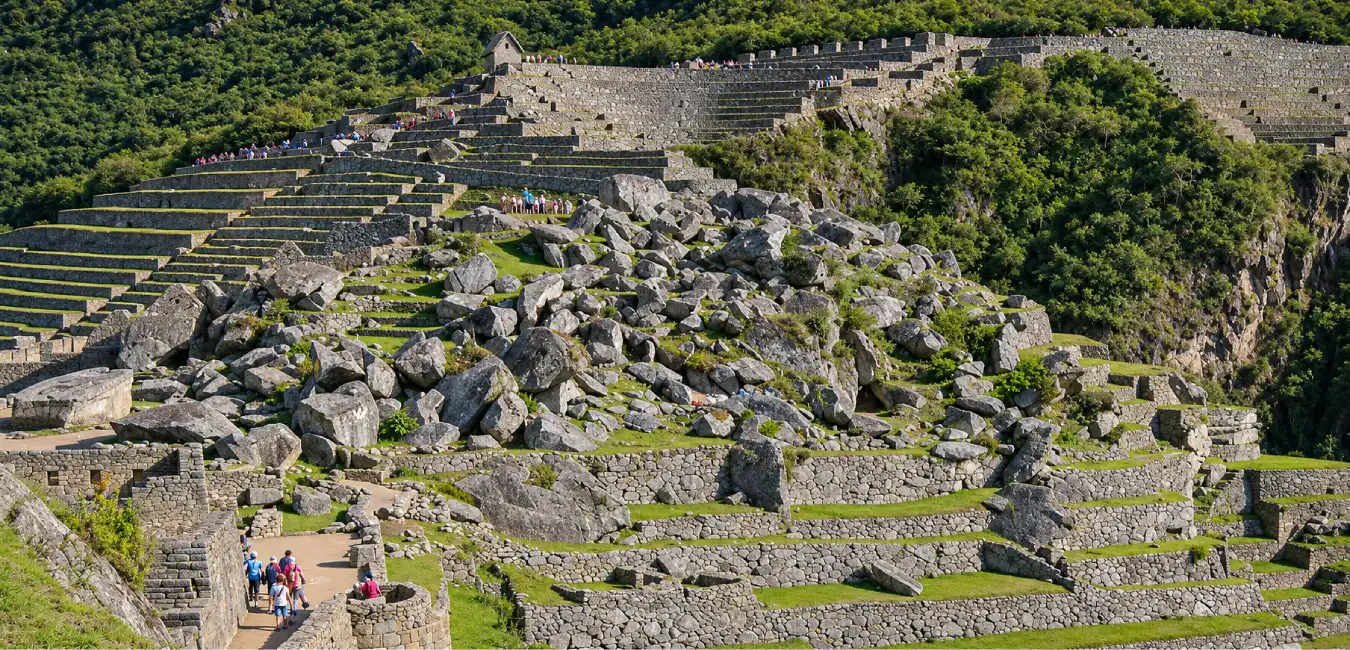
Lower platform and Agricultural Terraces
From the agricultural areas, you'll see the terraces extending along the slopes of Machu Picchu. These terraces allowed the Incas to make use of the steep terrain for farming while helping maintain slope stability.
Dry moat and quarry area
In this area, you'll explore spaces associated with urban planning and construction activities. You'll also see massive granite blocks that offer insight into the stoneworking techniques used by the Incas.
Temple of the Sun viewpoint
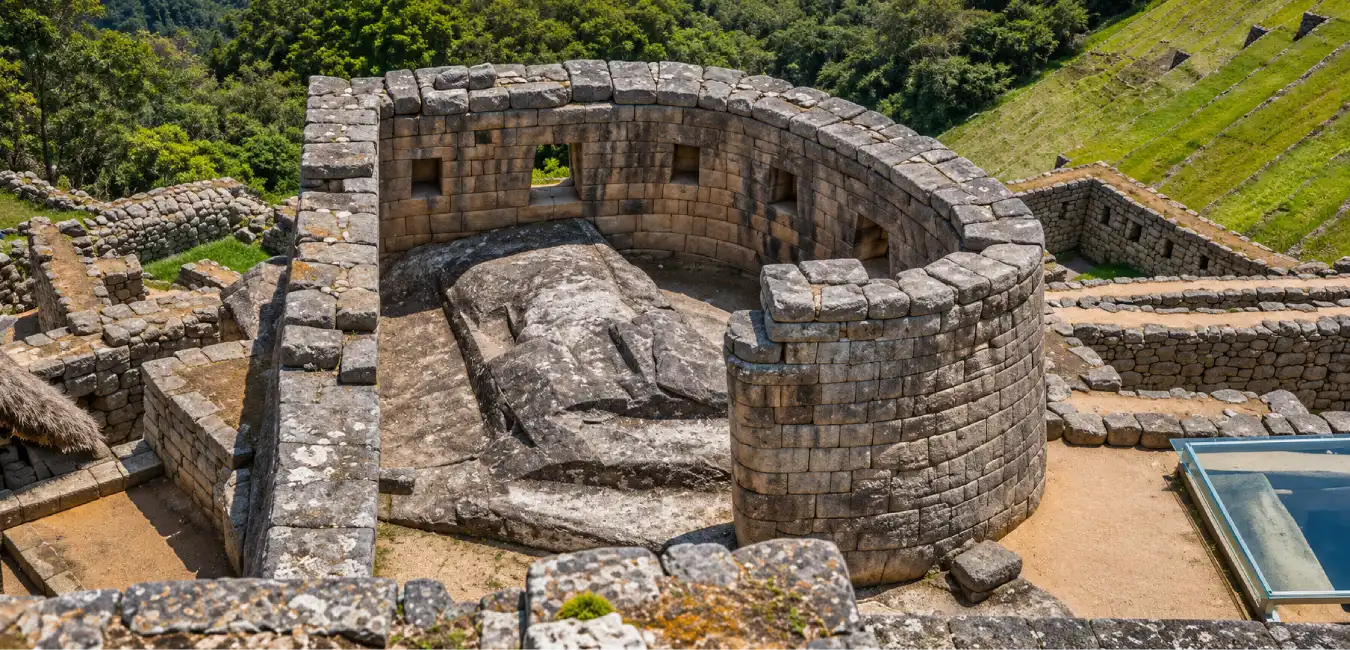
From the designated pathway, you'll be able to observe the Temple of the Sun, one of Machu Picchu's most remarkable ceremonial structures. Its architecture features a curved wall made of precisely fitted stones. Your guide will explain its ceremonial significance and connection to solar observations.
Keep in mind...
The route does not guarantee access to the interior of the temple.
Sacred Plaza and Temple of the three windows
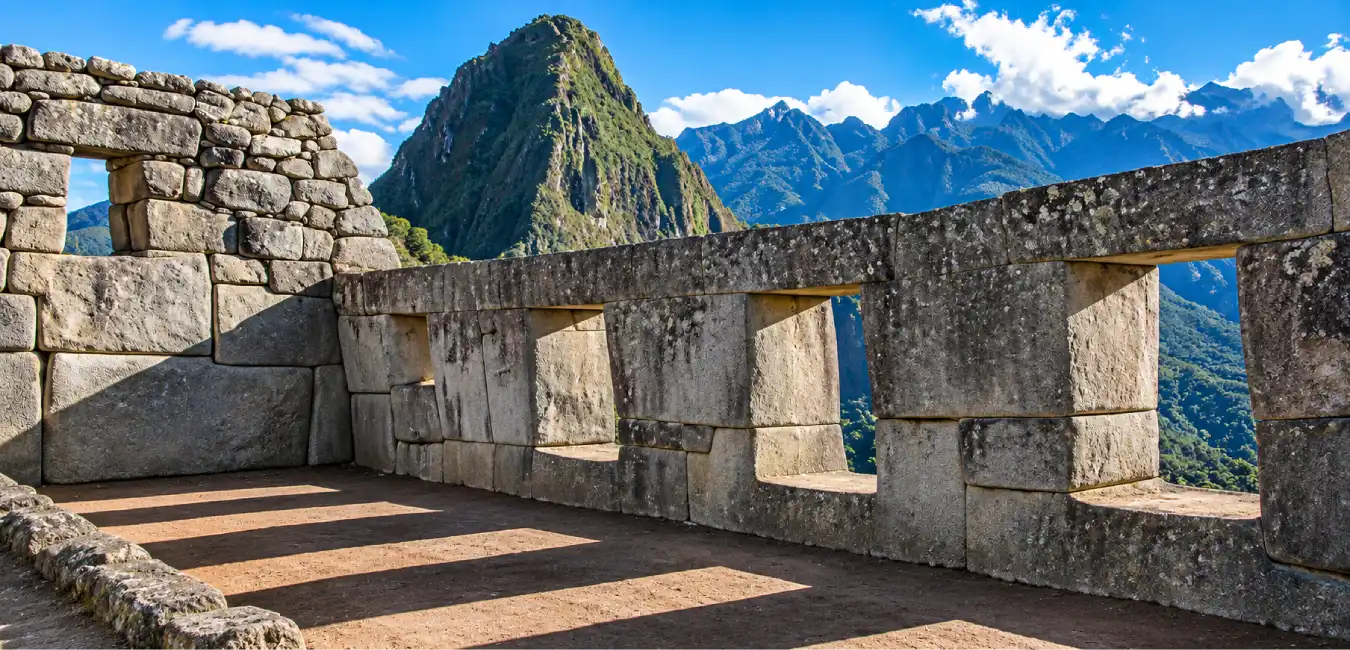
The Sacred Plaza is home to some of the most famous ceremonial buildings in the ancient Inca city. Among them stands the Temple of the Three Windows, a structure featuring three large trapezoidal openings. During your visit, you'll learn about its architectural features and the different interpretations of its possible purpose.
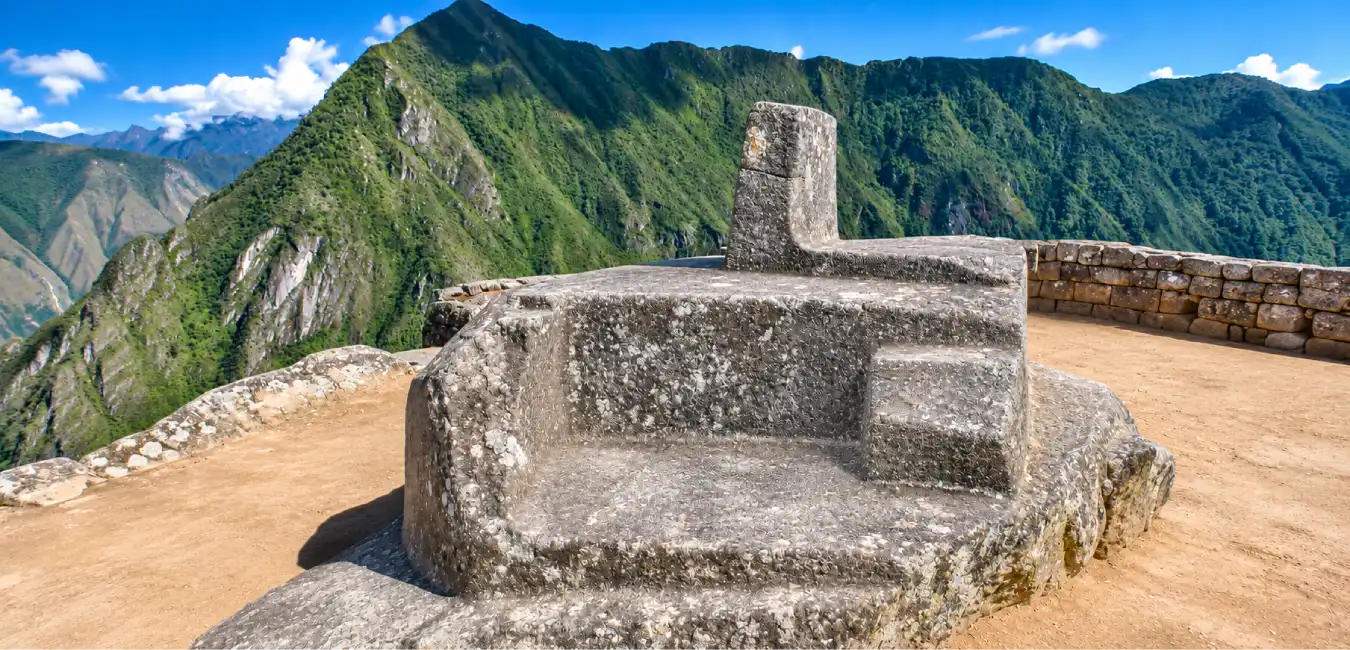
Intihuatana Stone
Along the route, you'll pass through the area surrounding the Intihuatana Pyramid, one of the elevated sections of Machu Picchu. However, passing through this area does not guarantee access to the Intihuatana monolith. You'll need to follow the designated pathways and comply with the instructions provided by park staff.
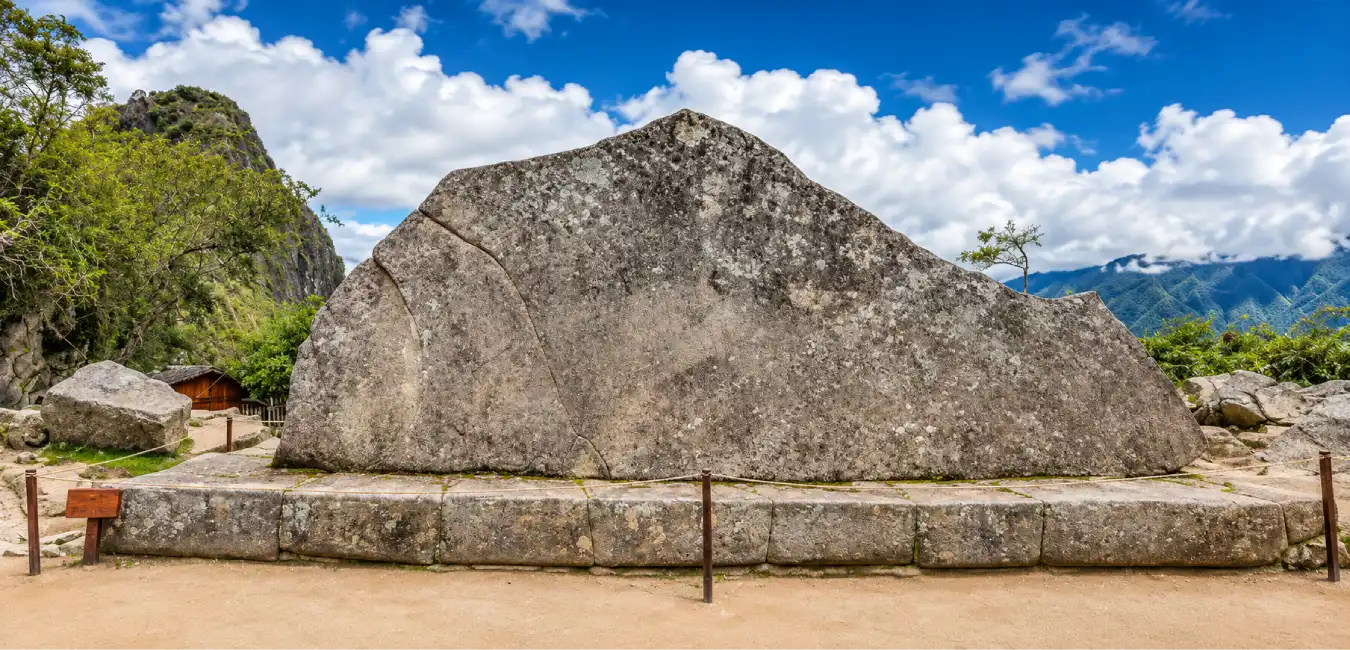
Sacred rock
The Sacred Rock is a massive stone whose shape resembles the surrounding mountain landscape. Your guide will explain the different interpretations of its meaning and the significance of mountains in the Andean worldview.
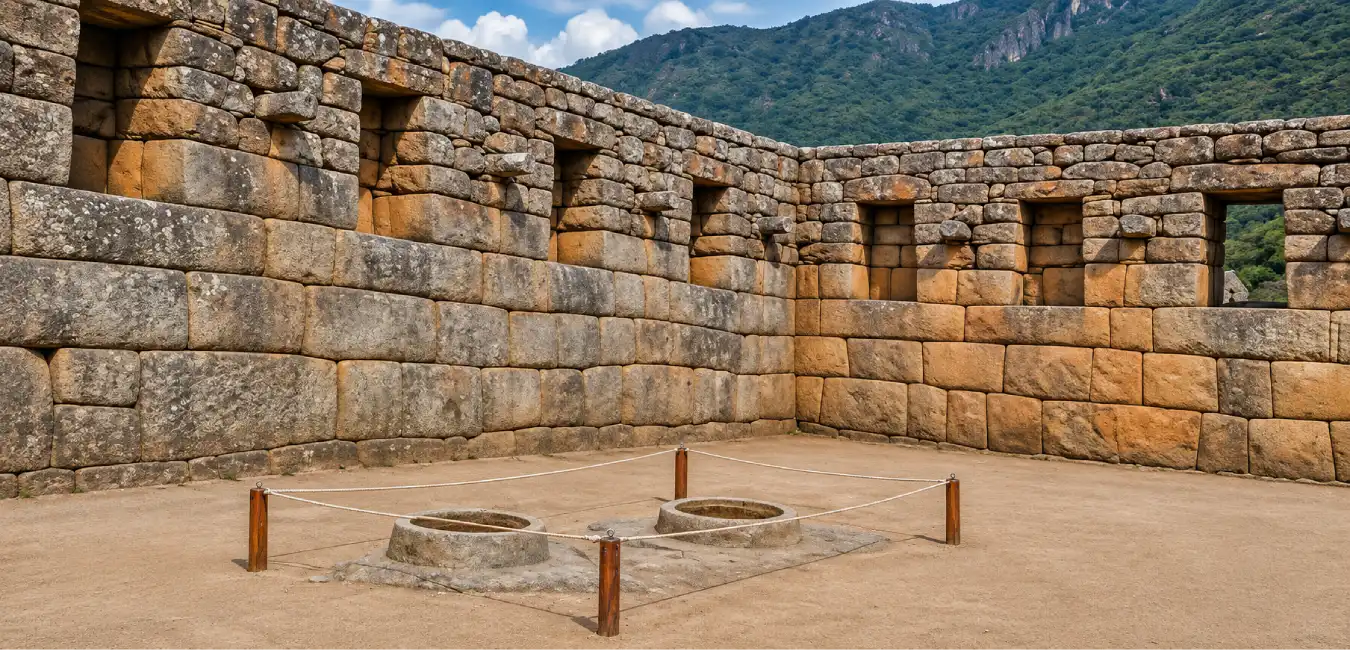
Twelve openings, Qolqas, and water mirrors
In these areas, you'll see stone structures, ancient storage facilities, and features associated with water management. Among the highlights are the Water Mirrors, two basins carved into stone that may have served ritual purposes.
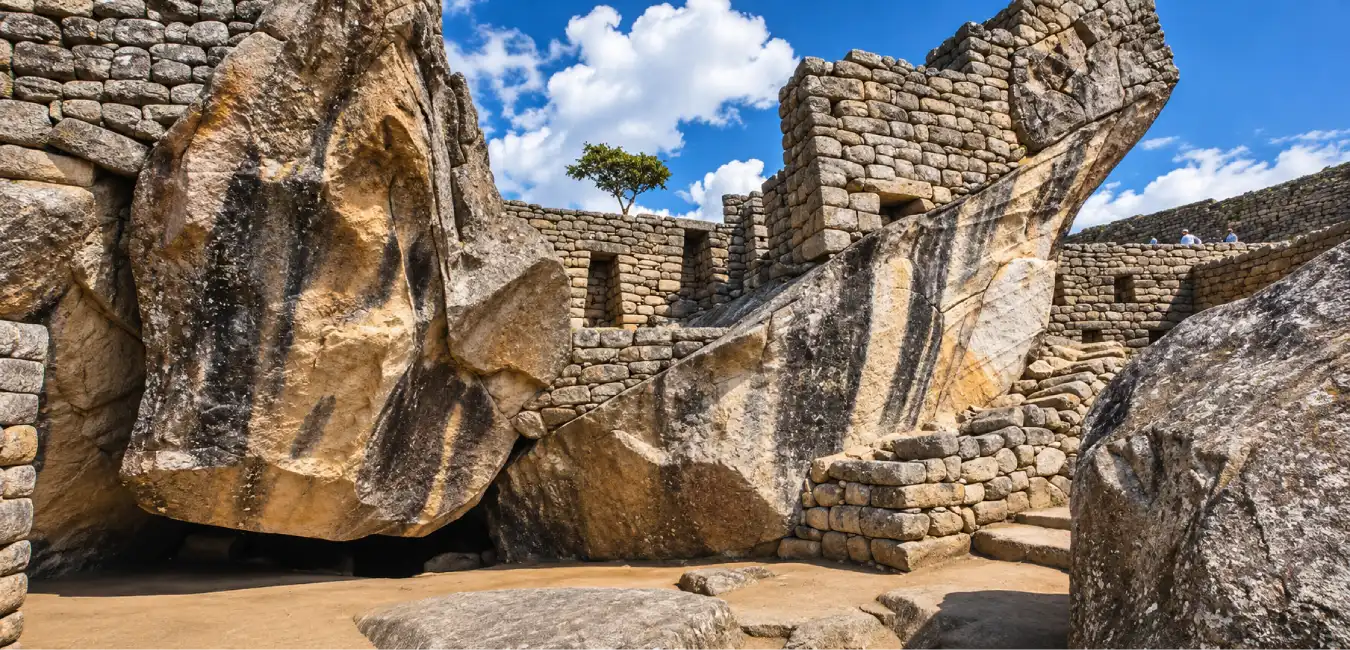
Temple of the Condor and Pisonay Plaza
Toward the end of the route, you'll reach areas associated with the Temple of the Condor and Pisonay Plaza. Access to each area will depend on the designated route and the instructions provided by the park's conservation staff.
Which attractions are not included in circuit 2?
Although Circuit 2 allows you to explore numerous archaeological areas, it does not include the separate routes to:
- Huayna Picchu Mountain.
- Machu Picchu Mountain.
- Huchuy Picchu Mountain.
- Intipunku, also known as the Sun Gate.
- Inca Bridge.
- Great Cavern, also known as the Temple of the Moon.
Return from Machu Picchu to Cusco
At the end of your guided tour, you'll take the shuttle bus back down to Aguas Calientes. Depending on your train schedule, you'll have free time to enjoy lunch or explore the town. Next, you'll travel by train back to Ollantaytambo, where you'll board your tourist transfer back to Cusco. This marks the end of your three-day adventure.
Day 3 overview
- Main activity: Guided tour of Machu Picchu.
- Machu Picchu elevation: Approximately 2,430 m (7,972 ft).
- Guided tour duration: Approximately 2.5 hours, depending on the circuit.
- Difficulty: Easy to moderate, depending on the route.
- Transportation: Shuttle bus, train, and tourist vehicle.
- Ending point: Cusco.
Practical Information for Hiking the 3-Day Llama Trail to Machu Picchu
Not sure whether to choose the Llama Trail or the Classic Inca Trail? Discover which route is right for you, when to travel, and how to prepare for hiking through the Andes. Find out what to pack, how to acclimatize, which train to take to Machu Picchu, and essential tips for planning your 3 day adventure.
Llama Trail vs. Classic Inca Trail: Which one should you choose?
Although both experiences allow you to explore the landscapes and cultural heritage of the Andes, they follow different routes.
Feature | 3-Day Llama Trail | Classic Inca Trail |
|---|---|---|
| Starting point. | Qoricancha, Cusco. | Kilometer 82, according to the traditional itinerary. |
| Typical duration. | 3 days. | 4 days. |
| Hiking with llamas. | Yes, along designated sections of the trail. | Not part of the standard itinerary. |
| Accommodations. | Mountain dome and hotel. | Campsites. |
| Arrival at Machu Picchu. | By train and shuttle bus. | On foot along the Inca Trail. |
| Inca Trail permit. | Not required for this route. | Yes, a specific permit is required. |
- If you're looking for a hiking adventure with llamas, archaeological sites, and a night in mountain domes, the Llama Trail offers exactly that combination.
- On the other hand, if your priority is to enter Machu Picchu on foot along the Classic Inca Trail, you'll need to choose the authorized route for that experience.
When is the best time to hike the 3 day Llama Trail?
You can enjoy this hike year-round, as long as you're ready to embrace the adventure. At Responsible Trekking, we promote small-group experiences, local community involvement, and practices designed to minimize the impact of tourism on natural and cultural sites.
How to prepare for the 3 day Llama Trail
Your preparation should focus on three key areas: acclimatization, endurance for several hours of hiking, and appropriate gear for mountain weather.
How many days do you need to acclimatize?
We recommend arriving in Cusco at least two days before starting your hike. During this time, avoid strenuous physical activity immediately after arrival and make sure you get plenty of rest.
Traveler Tips...
Let your guide know if you experience severe headaches, dizziness, nausea, or other significant symptoms. If you develop signs of altitude sickness, do not continue ascending without a proper assessment.
What clothing and gear should you bring?
To hike through the different elevation zones of the Llama Trail, pack a lightweight backpack with these essentials:
- Passport or identification document used when making your reservation.
- Comfortable, well-broken-in hiking footwear with good traction.
- Small daypack for personal belongings.
- Waterproof jacket and warm clothing for layering.
- Hat, sunglasses, and sunscreen.
- Water bottle and personal snacks.
- Trekking poles, especially helpful on downhill sections.
- Personal medications.
- Portable power bank for your phone or camera.
- Cash for additional expenses.
Avoid wearing brand-new hiking footwear on the trail. We also recommend protecting your belongings from the rain and keeping waterproof outerwear within easy reach.
Which train will you take to Machu Picchu?
On the second day, you'll travel from Ollantaytambo to Aguas Calientes aboard a tourist train. The service will depend on your booked train category and available departure times.
Main train services to Machu Picchu you can choose from
Train Service | Company | Features |
|---|---|---|
| Expedition | PeruRail | Tourist-class seating and windows for enjoying the surrounding scenery |
| Vistadome | PeruRail | Panoramic windows and a travel experience focused on the surrounding landscapes |
| Vistadome Observatory | PeruRail | Panoramic travel experience featuring an observation car |
| The Voyager | Inca Rail | Tourist train offering various departure times and services |
| The 360° | Inca Rail | Panoramic windows and a scenic rail journey |
Important...
Prices and schedules may vary depending on your travel date, availability, and train category. The train service included in your package should be specified in your booking confirmation.
How to plan your 3 day Llama Trail to Machu Picchu
Before booking, make sure the itinerary corresponds to the three-day experience featuring an overnight stay at Andean Sky Dome and a visit to Machu Picchu. At Responsible Trekking, we organize this adventure with professional guides and the participation of local llama herders. You can review your tour itinerary, included services, booking conditions, and reservation options on our 3 Day Llama Trail with Mountain Domes and Machu Picchu tour page.
Frequently asked questions about the 3 day Llama Trail to Machu Picchu
Do the llamas accompany you throughout the entire hike to Machu Picchu?
No. The llama experience takes place along a designated section of the mountain trail starting in Llaullipata. The llamas do not travel with you on the train or enter Machu Picchu. Their participation is part of the Llama Trail's Andean cultural experience.
Do I need prior hiking experience?
Previous multi-day hiking experience is not essential, but you'll need a good level of physical fitness to hike for several hours each day. The second day is more physically demanding due to the uphill sections, high altitude, and descent toward Lamay.
Can I book the 3 day Llama Trail as a private tour?
Yes. Responsible Trekking offers the option to arrange this experience as a private tour upon request. This allows you to travel with your family, partner, or friends while following the itinerary and conditions of your booked service.
Do I need to book Machu Picchu tickets in advance?
Yes. Machu Picchu admission tickets are sold for specific dates, entry times, and routes. That's why we recommend booking well in advance, especially if you want to explore Circuit 2. Ticket availability must be confirmed before your final itinerary can be guaranteed.
What happens if it rains during the hike?
The hike can continue in light rain as long as trail conditions remain safe. However, in the event of heavy rainfall or a risk of landslides, your guide may adjust the route to ensure the group's safety.
Do the llamas accompany you throughout the entire hike?
No. The llamas will accompany you from Llaullipata to the mountain domes, alongside local llama herders. They do not travel by train or enter Machu Picchu.