
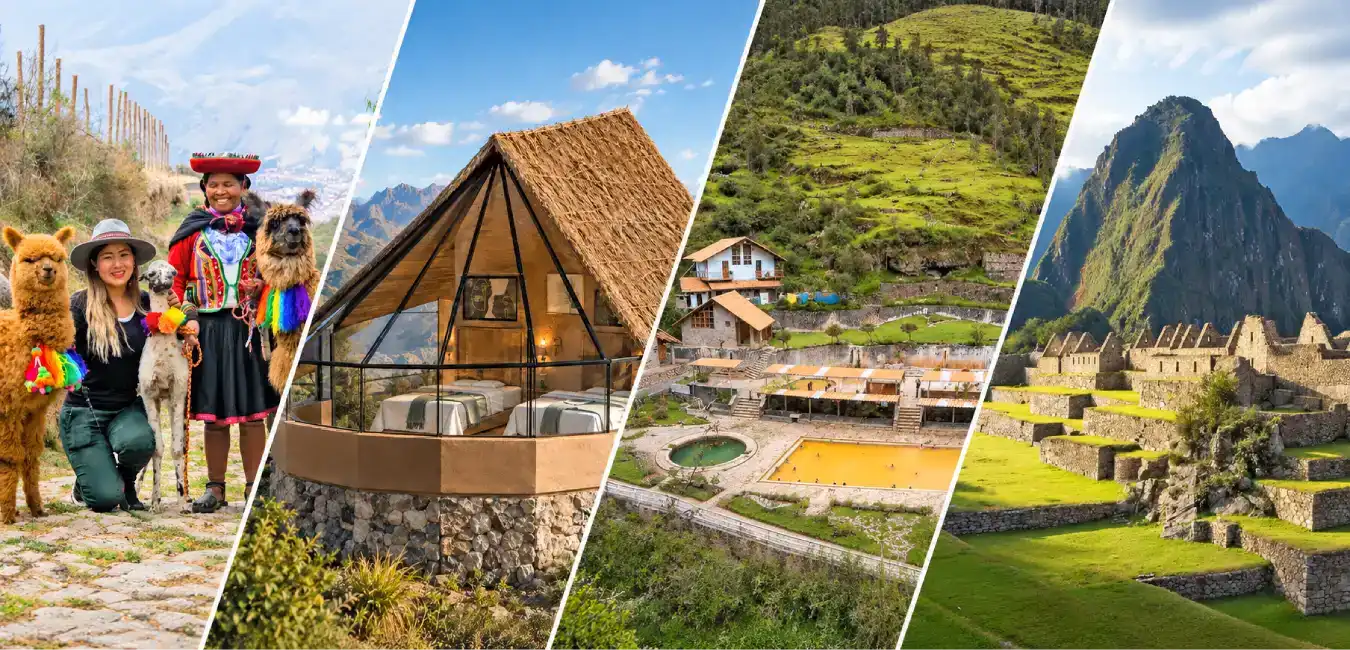
The Llama Trail via Lares to Machu Picchu is a 6 day, 5 night trekking adventure that starts on foot at Qoricancha in Cusco. Along the way, you’ll hike alongside llamas, visit Sacsayhuamán and Huchuy Qosqo, spend a night at the Andean Sky Dome, and make your way to Lares, reaching elevations of up to 4,700 m (15,420 ft). Finally, you’ll take a train from Ollantaytambo to visit Machu Picchu. In this guide, you’ll find everything you need to know about the itinerary, difficulty level, prices, and what’s included.
What is the Llama Trail via Lares?
The Llama Trail is a trekking route created by Responsible Trekking and Travel that follows sections of the Qhapaq Ñan, the ancient Inca road network that connects three important areas of Cusco: its historical heritage, ancient Inca settlements in the Sacred Valley, and the mountains of the Lares Valley, before reaching Machu Picchu.
Quick facts about the 6 day Llama Trail via Lares to Machu Picchu
Information | Trek details |
|---|---|
| Duration | 6 days / 5 nights. |
| Starting Point | Qoricancha, Cusco. |
| Approximate Distance | 51–54 km (31.7–33.6 mi). |
| Maximum Altitude | 4,700 m (15,420 ft). |
| Difficulty | Moderate to challenging. |
| Accommodation | Domes, hotels, and campsites. |
| Llama Experience | First day, along the mountain section. |
| Getting to Machu Picchu | Train and bus. |
How is it different from the Classic Lares Trek?
Its main distinguishing feature is that you begin hiking directly from Qoricancha, in Cusco's historic center, and follow a series of traditional trails to Huchuy Qosqo. From there, the route connects with Calca and Lares, continuing along one of the most fascinating trekking routes in the Andes.
Llama Trail vs. Classic Lares Trek Comparison
Feature | Llama Trail via Lares | Classic Lares Trek |
|---|---|---|
| Starting Point | Qoricancha, on foot from downtown Cusco. | Lares or Cuncani, after approximately 3 hours by vehicle. |
| Duration | 6 days / 5 nights. | 3 or 4 days. |
| Hiking with Llamas | Yes, along the section from Sacsayhuamán to the domes. | A ceremony or brief llama encounter offered by some tour operators. |
| Archaeological Sites | Sacsayhuamán, Chakan, Ñustapacana, Huchuy Qosqo, and Machu Picchu. | Primarily Ollantaytambo and Machu Picchu. |
| Unique Accommodation | Andean Sky Dome at Piedra Resbalada. | Camping and hotel accommodations. |
| Cultural Experiences | Andean astronomy, offerings to Mother Earth, traditional weaving, and cooking. | Visits to local communities and traditional weavers. |
| Group Size | Small groups. | Varies by tour operator. |
Day by day itinerary from Cusco to Machu Picchu via Lares
The Llama Trail via Lares to Machu Picchu combines our original trekking route from Cusco's historic center with the trails and Andean communities of the Lares Valley. On the first day, you'll hike alongside llamas, explore ancient archaeological sites, and relax at our Andean Sky Dome. Starting on the third day, you'll continue into the Lares Valley before reaching Machu Picchu.
Day 1: Hiking with Llamas from Qoricancha to Andean Sky Dome
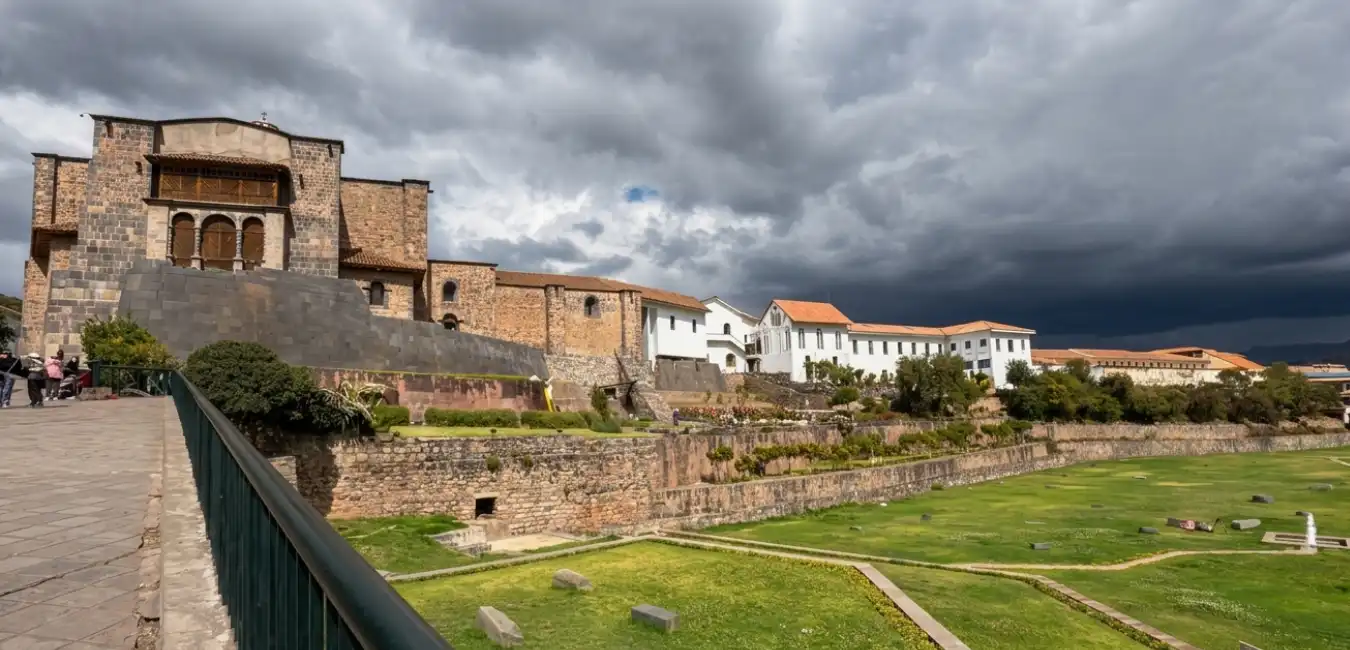
Your adventure begins at Qoricancha, one of the most important temples in Inca Cusco. From here, you'll follow ancient pathways and city streets toward the mountains surrounding Sacsayhuamán, where your experience of hiking alongside llamas begins.
From Cusco's Historic Center to Sacsayhuamán
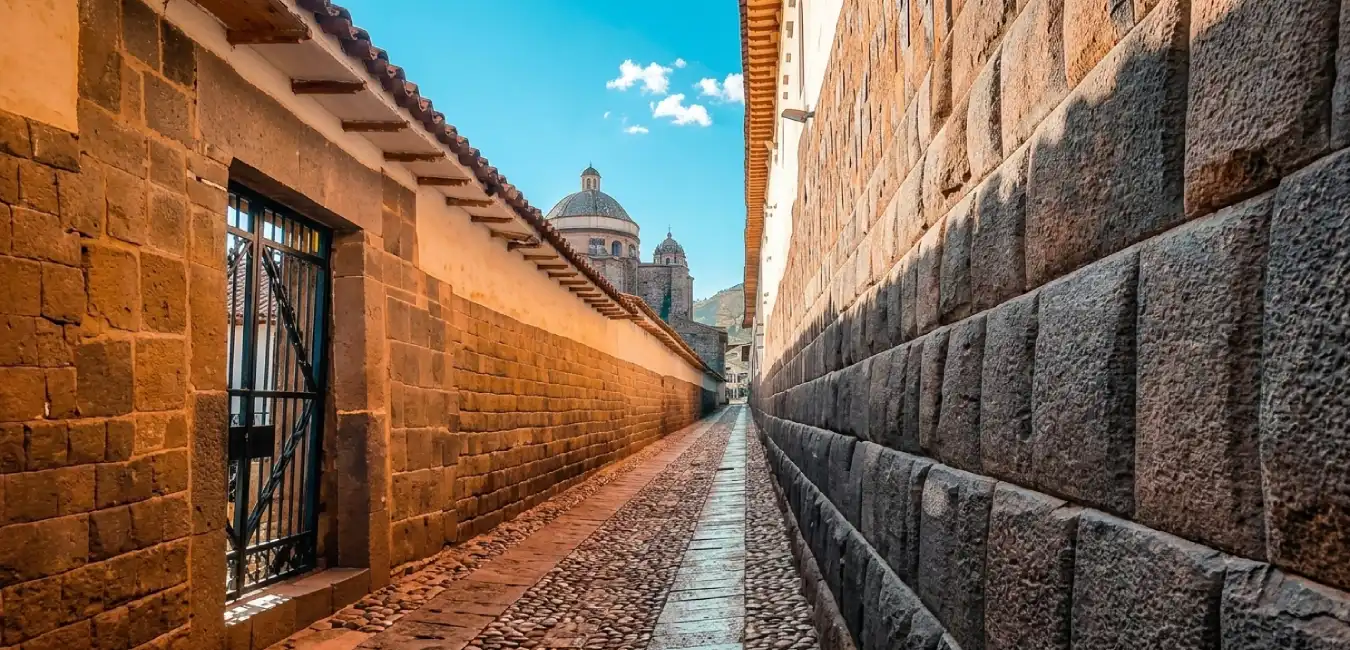
Your hike begins at the Temple of the Sun, known as Qoricancha, where your guide will explain its religious and architectural significance during the Inca Empire. You'll then walk along Inti K'ijllu, now known as Loreto Street, a passageway lined with original Inca walls near ancient structures such as Acllahuasi and Amaru Kancha.
From Plaza de Armas to the San Cristóbal viewpoint
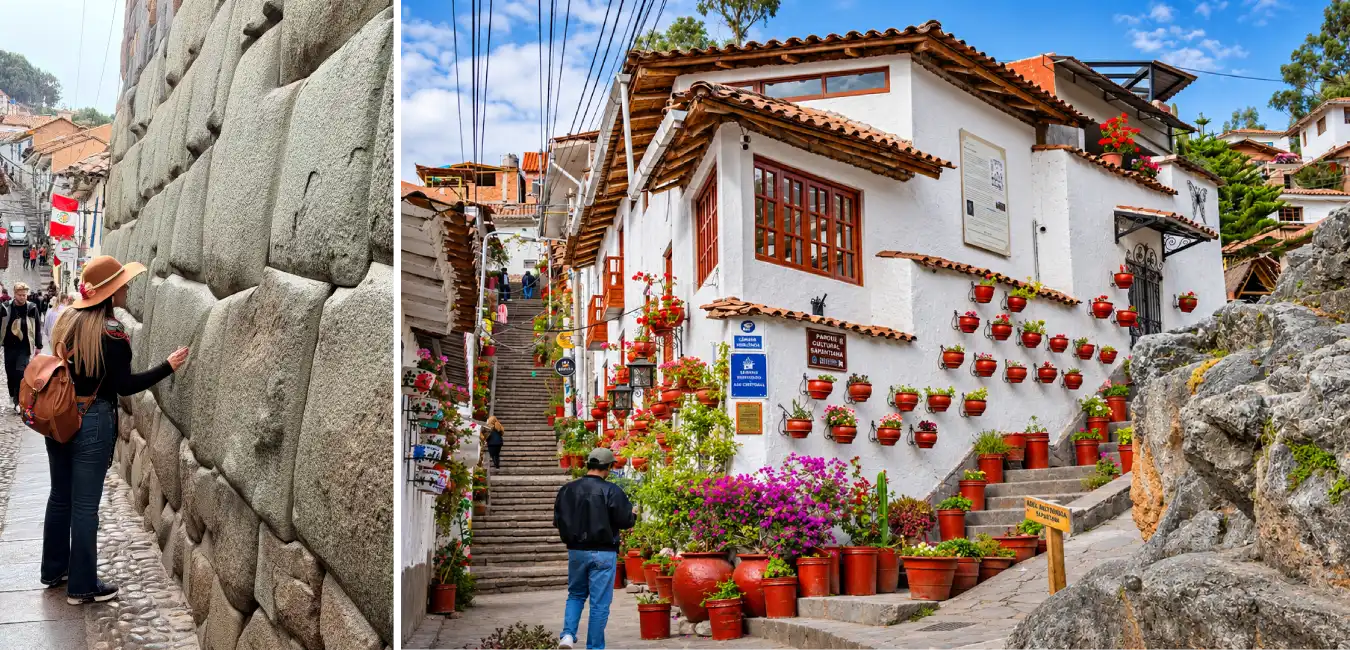
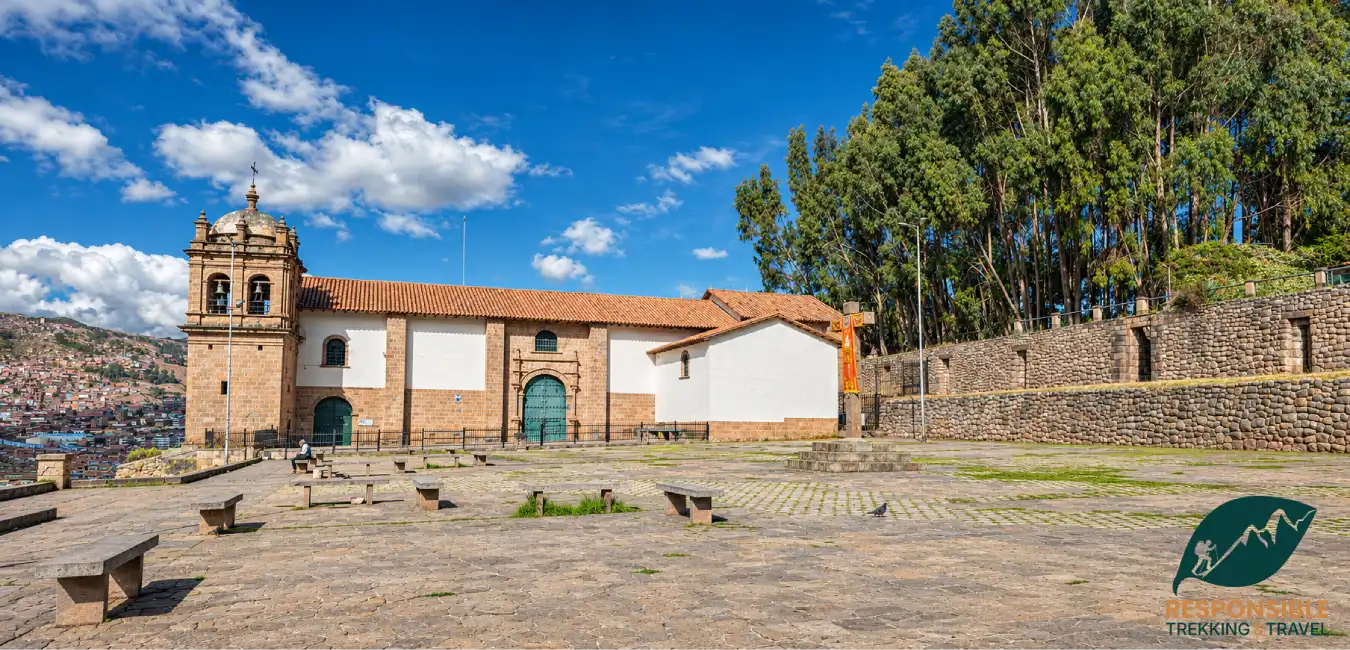
You'll continue to the Plaza de Armas, formerly known as Huacaypata, and walk uphill along Hatun Rumiyoc to see the famous Twelve Angled Stone. Next, you'll pass the Sapantiana Aqueduct, Siete Borreguitos Street, and the San Cristóbal Viewpoint, where you can enjoy views of Cusco's historic center.
Exploring Sacsayhuamán before continuing the Llama Trail
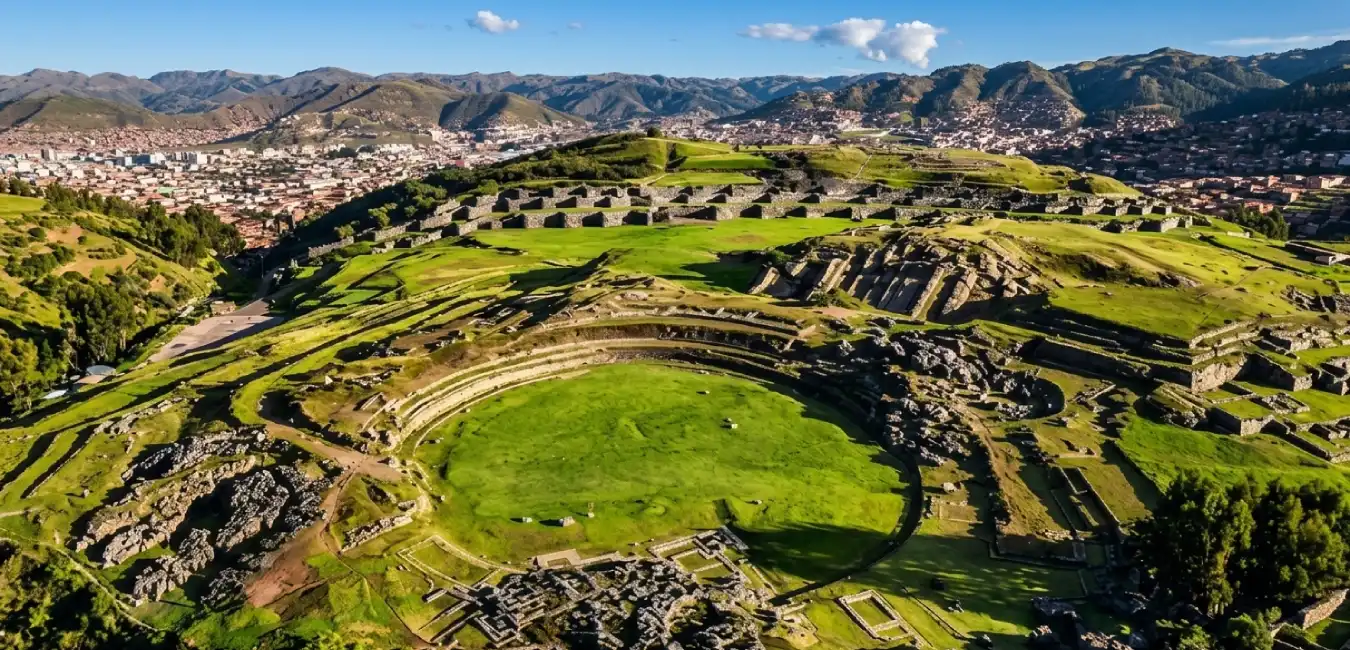
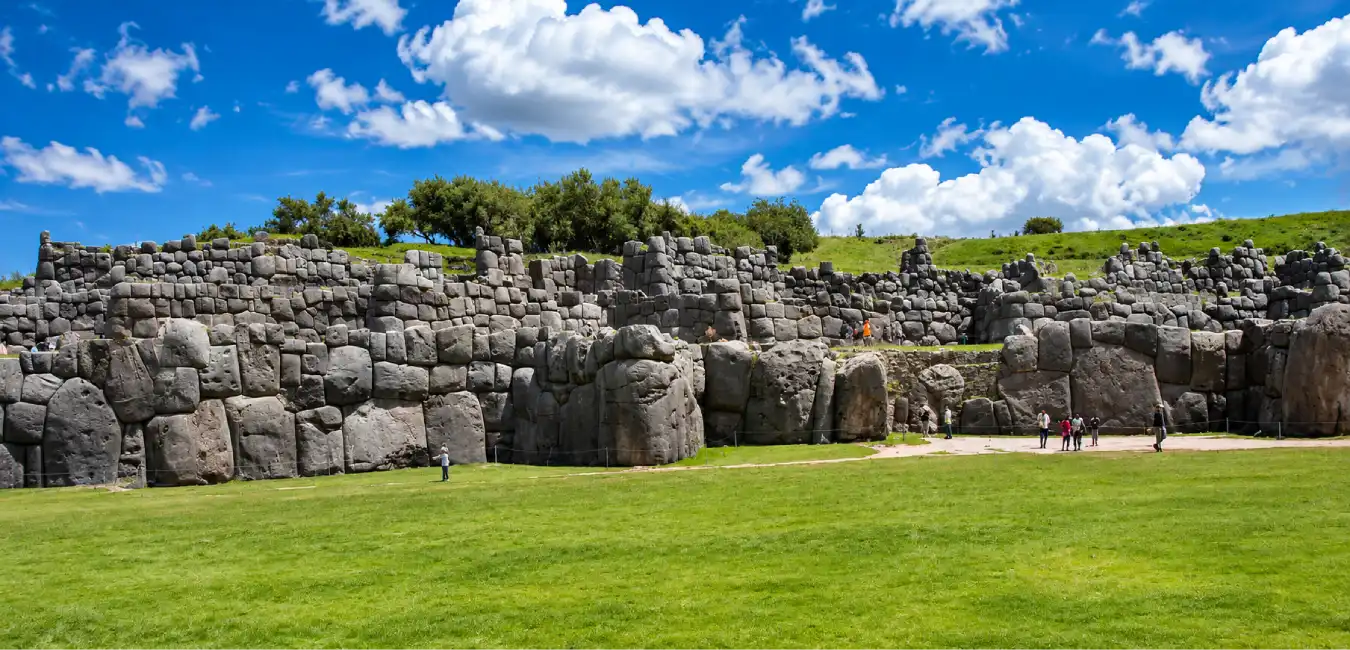
Your journey continues to Sacsayhuamán, famous for its massive stone walls arranged in a zigzag pattern. Here, you'll learn about the history of this important archaeological complex before continuing along the mountain trails.
Hiking with Llamas toward Chakan
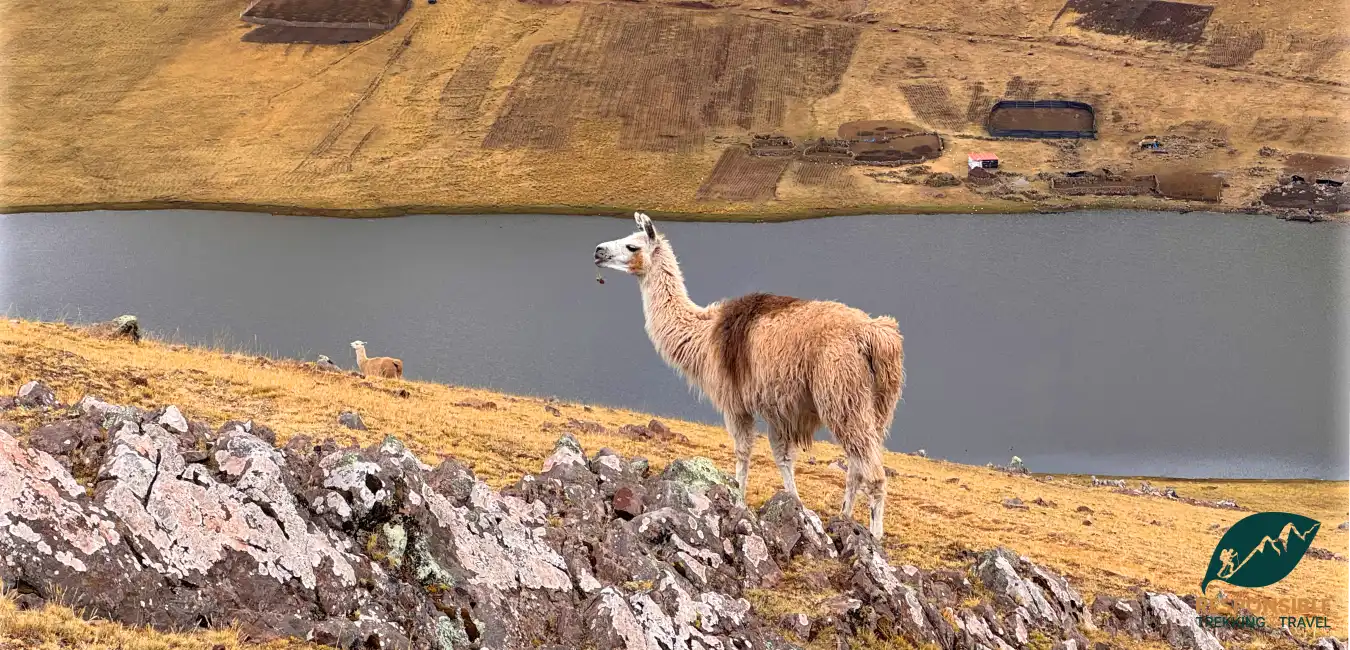
In Llaullipata, you'll meet the llama herders and the llamas that will accompany you along this section of the Llama Trail. From here, you'll leave the city behind and follow trails connecting ancient settlements, natural landscapes, and archaeological sites.
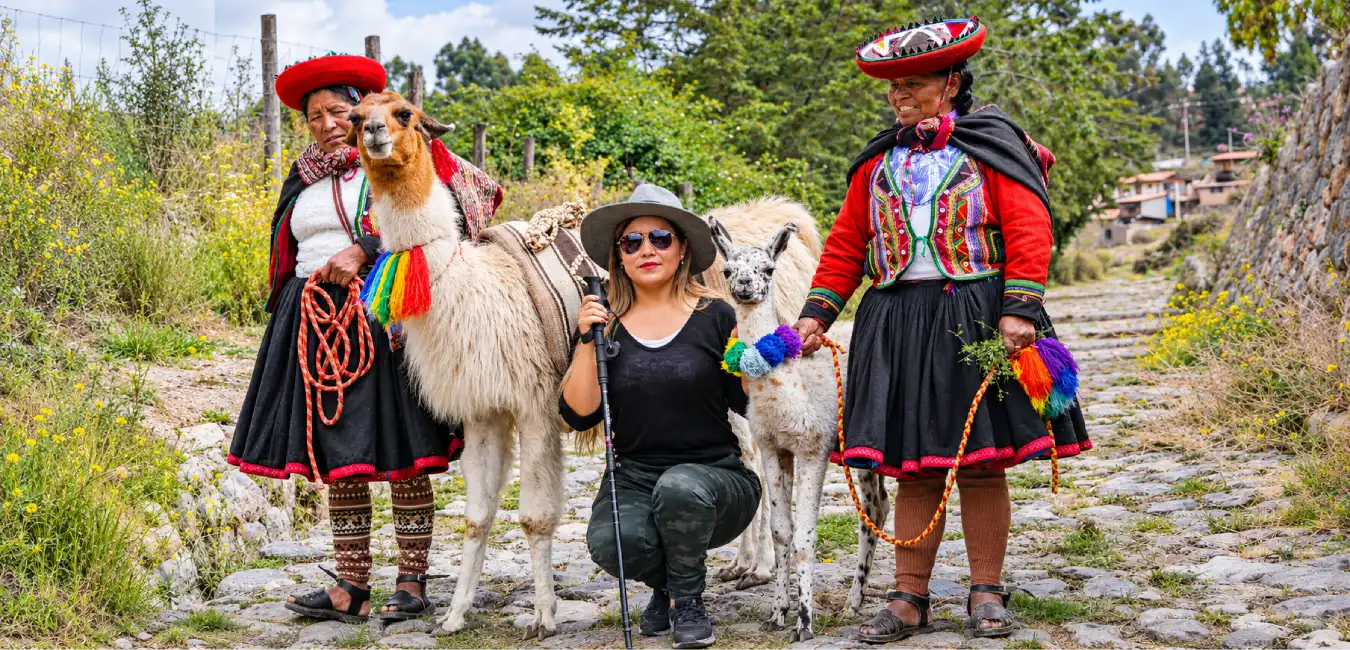
From Chakan to Pukara, Negruyoc, and Salomniyoc
You'll visit Chakan, also known as the Devil's Balcony, a limestone rock formation crossed by a river and associated with ancient ceremonial practices. Along the way, you'll also see the remains of agricultural terraces, stone walls, and water channels at Pukara, Negruyoc, and Salomniyoc.
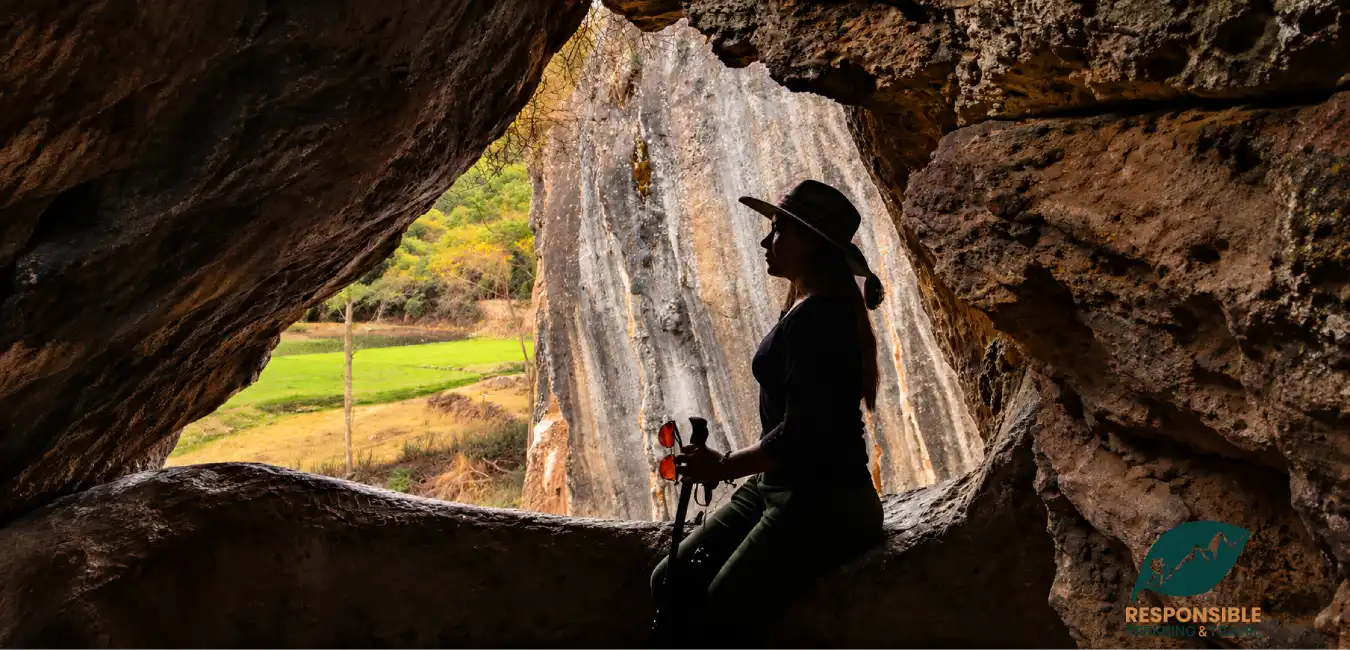
Explore Ñustapakana before reaching the Domes
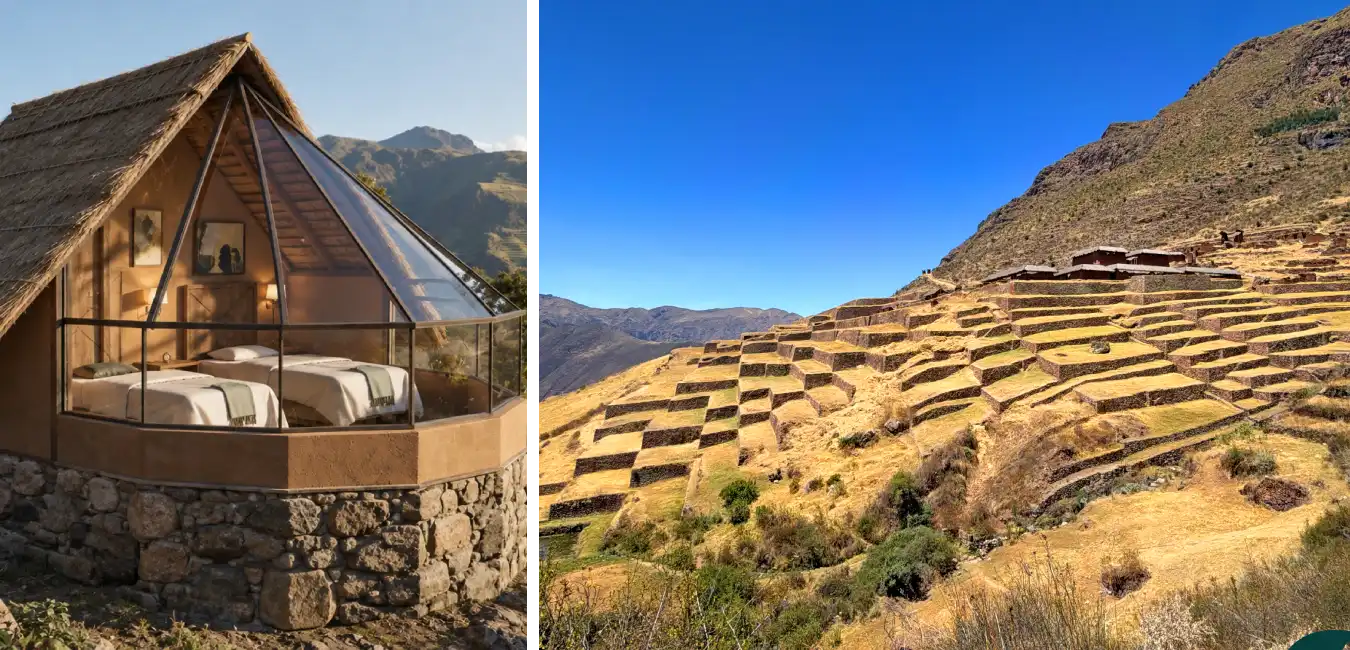
Farther along the trail, you'll reach Ñustapakana, an archaeological site built around a natural rock formation that preserves stone structures and small niches. From there, you'll continue toward Piedra Resbalada, where our Andean Sky Dome accommodations are located.
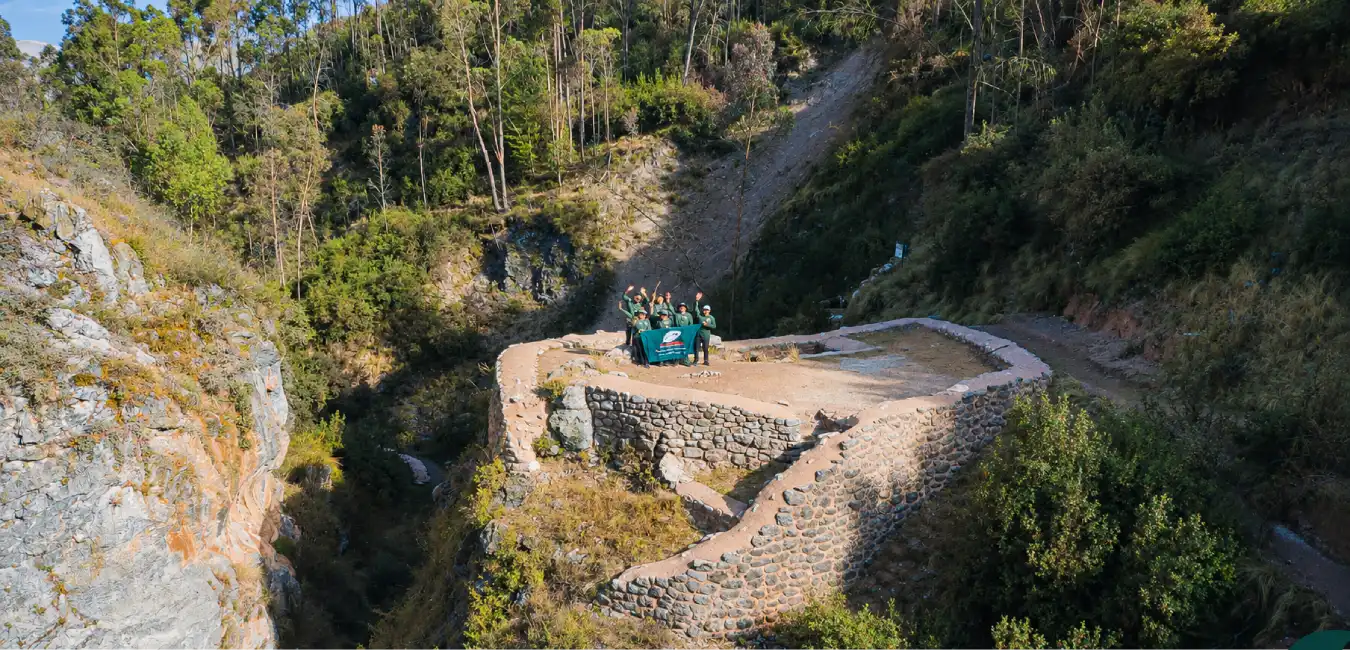
A night at Andean Sky Dome
At the end of your hike, you'll arrive at Andean Sky Dome, located at approximately 3,850 m (12,631 ft). Here, you can relax and take part in some of the cultural activities included in your itinerary, such as Andean astronomy, traditional ceremonies of gratitude to Pachamama (Mother Earth), traditional weaving, and experiences involving native potatoes and Peruvian cuisine.
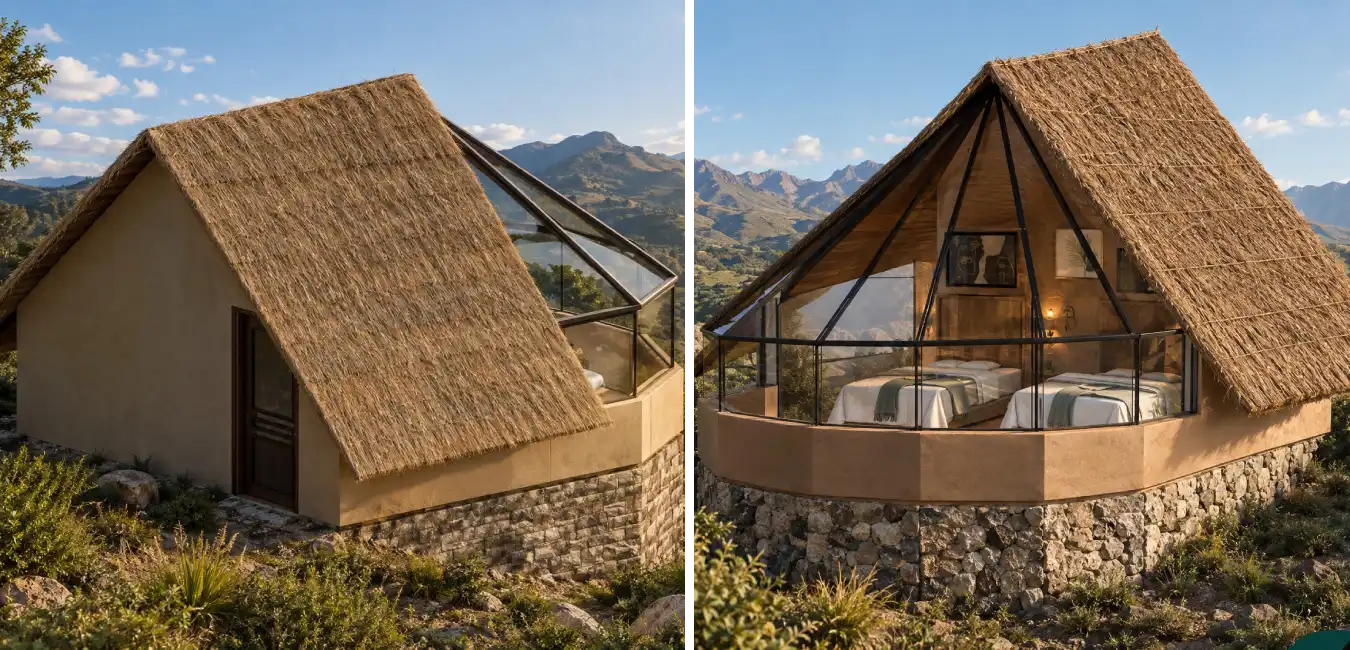
This first day is part of the original Llama Trail with Domes, created by Responsible Trekking to connect Cusco's historical heritage with ancient Andean trails.
Day 1 Summary
- Distance: Approximately 9 km (5.6 mi).
- Hiking time: 8 to 9 hours.
- Difficulty: Easy to moderate.
- Overnight: Andean Sky Dome, Piedra Resbalada.
Day 2: From Andean Sky Dome to Huchuy Qosqo along the Inca Trail
After breakfast, you'll leave the domes and continue along mountain trails, past high-altitude Andean lakes, and along ancient Inca trails leading toward Huchuy Qosqo. This second day completes the shared section of the Llama Trail before you continue into the Lares Valley.
Andean lakes and Pukamarca pass
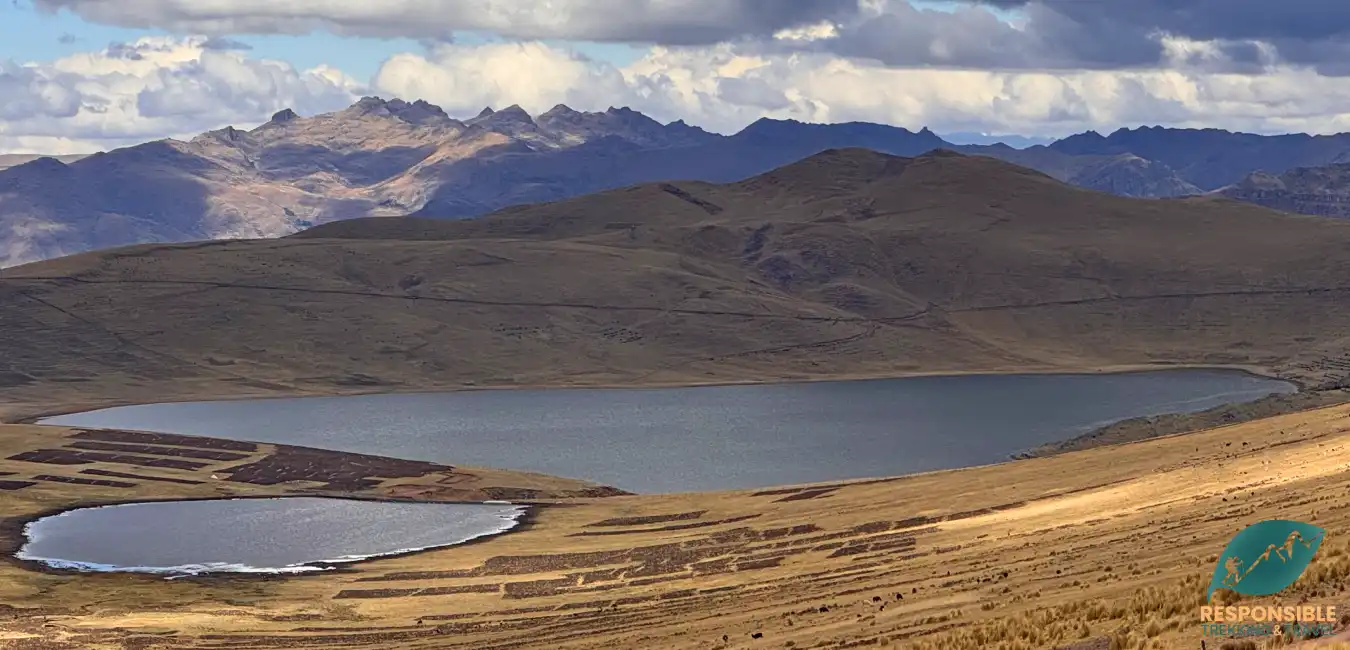
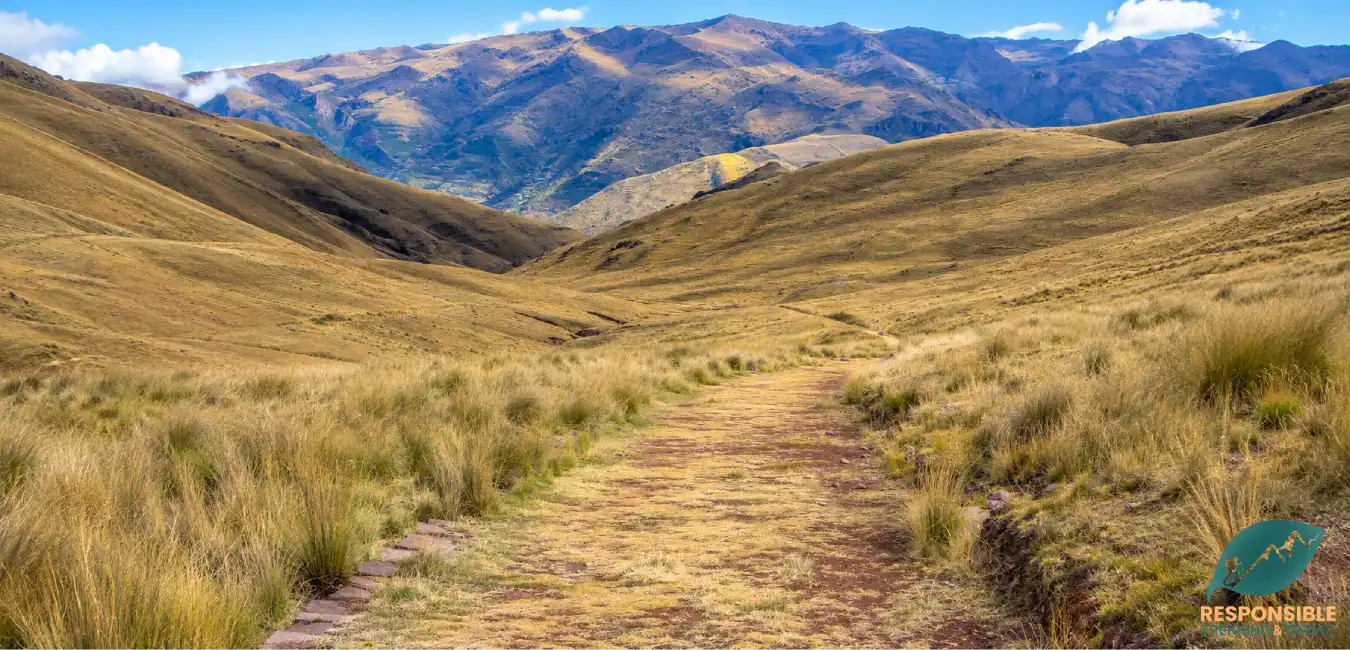
During the morning, you'll hike through high altitude grasslands and alongside the lakes of Queullacocha, Qoricocha, Chinchas, and Cusicocha. Along the way, you may spot high altitude Andean birds, llamas, and alpacas. You'll continue climbing toward Pukamarca pass, located at approximately 4,200 m (13,780 ft), the highest point of the day. Afterward, you'll begin descending toward the village of Pukamarca.
Following the Inca Trail to Huchuy Qosqo
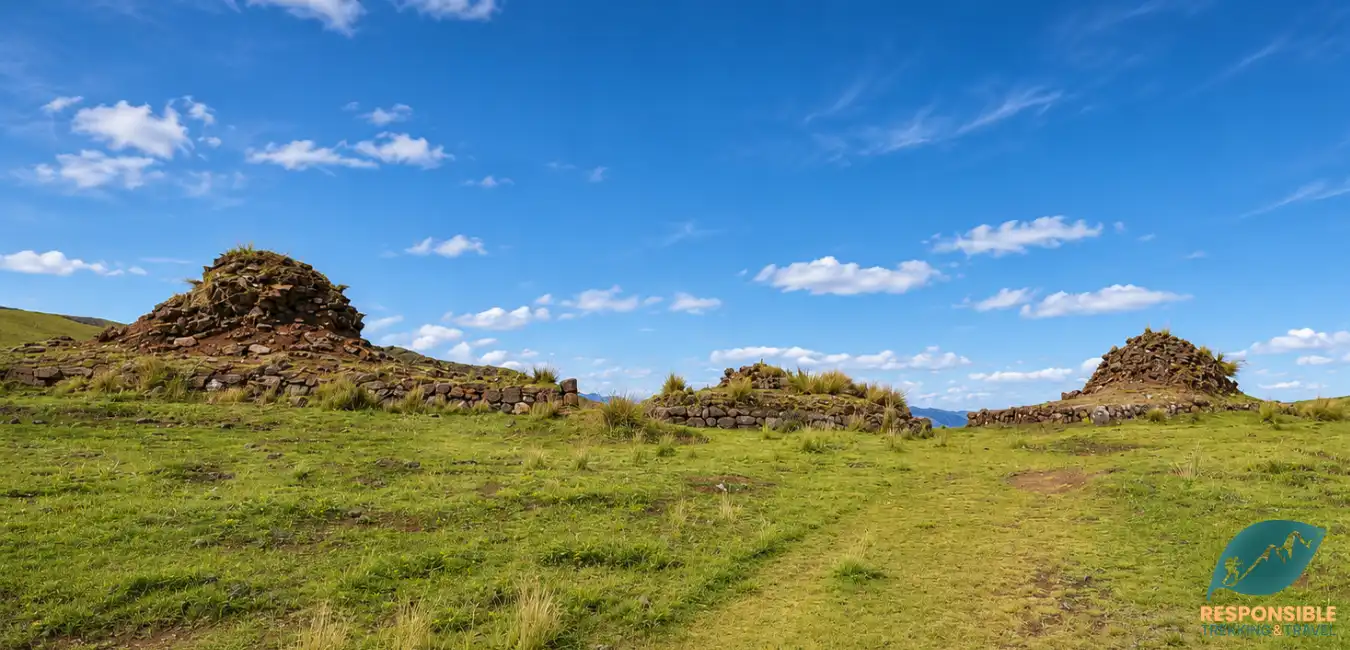
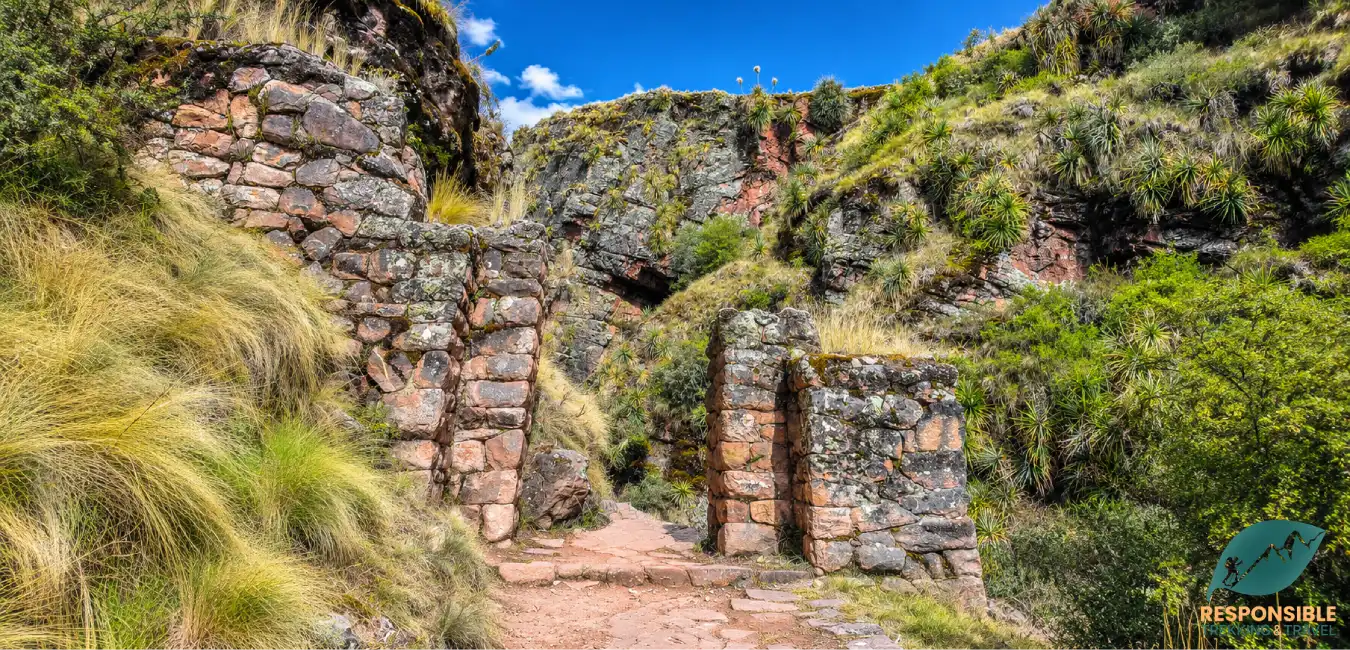
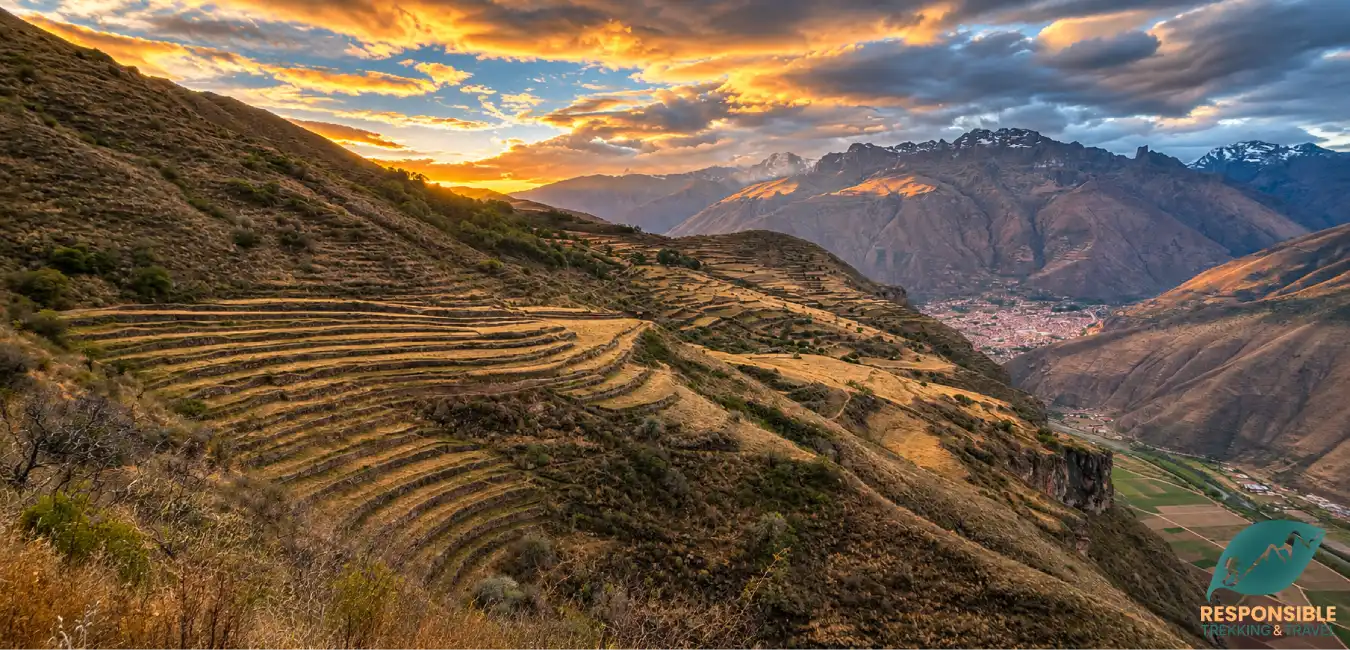
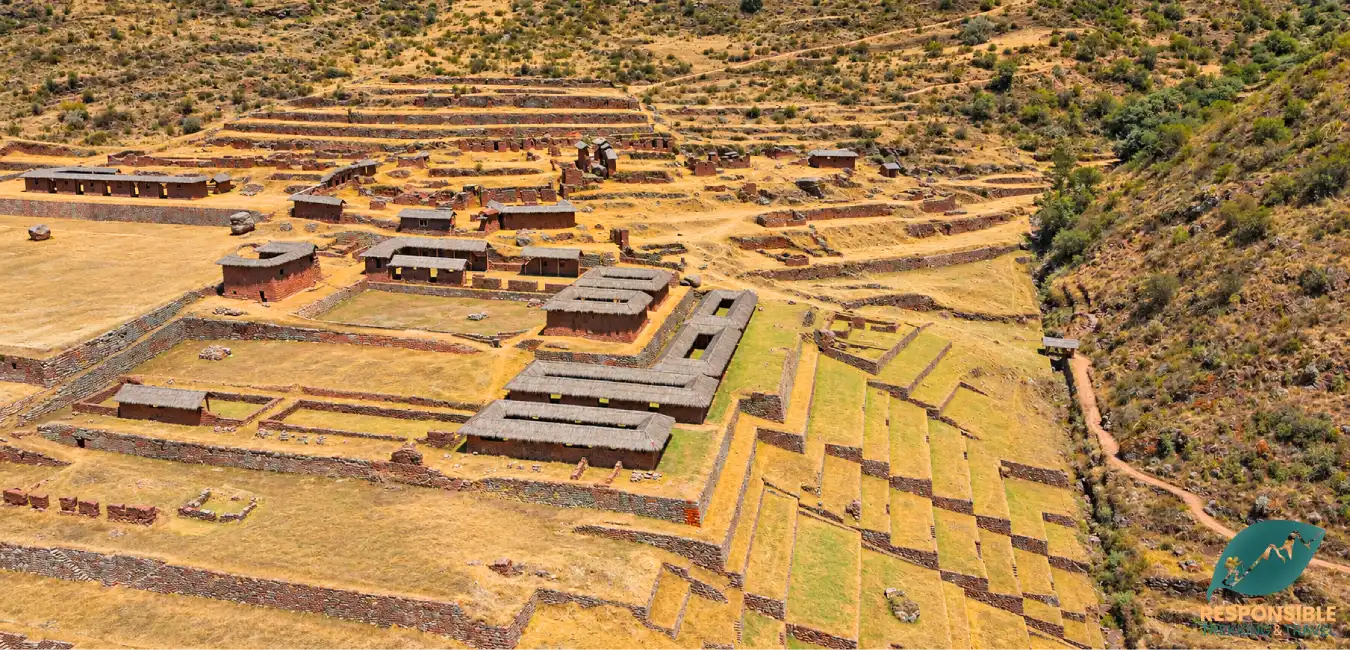
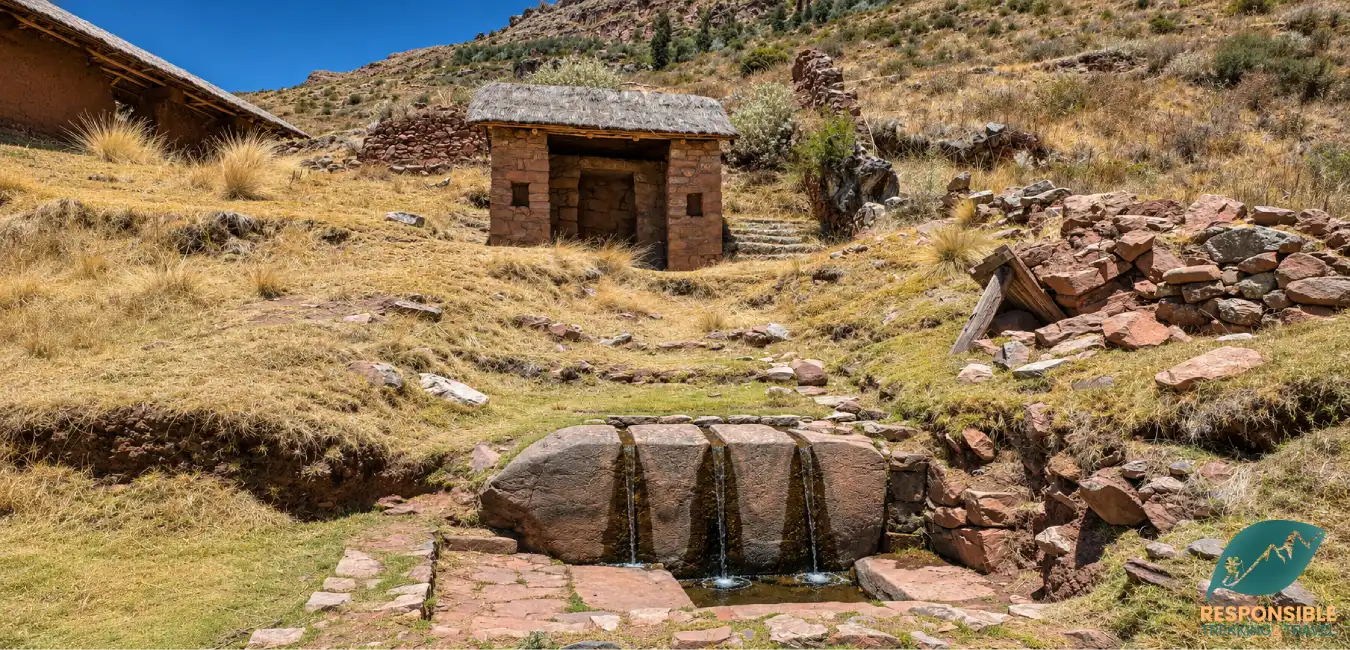
The hike continues along an ancient Inca trail associated with Antisuyu. Along this section, you'll discover structures such as a kallanka, a long rectangular building that may have been used to accommodate groups, and Puma Punku Canyon, where you'll find stone steps, a double jamb doorway, and wooden bridges. Finally, you'll arrive at Huchuy Qosqo, where you can explore Inca residences, ceremonial fountains, and more.
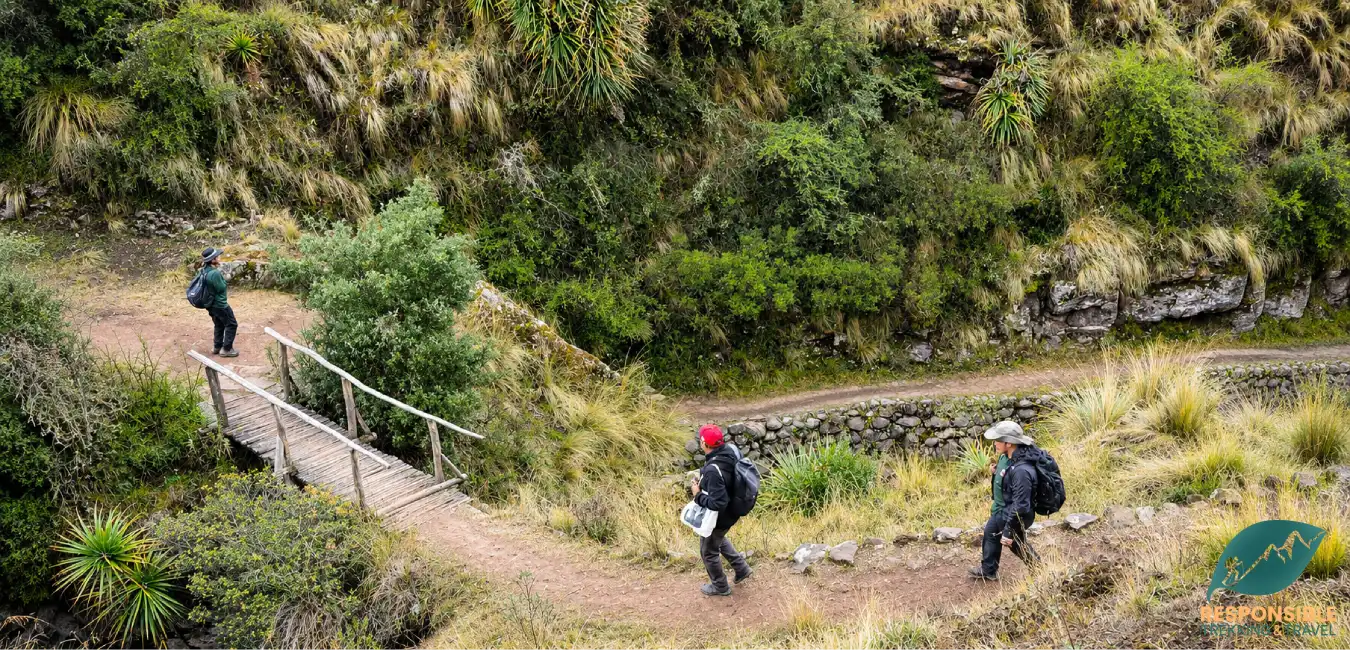
Inca bridge towards Huchuy Qosqo
From Huchuy Qosqo to Calca: Connecting to Lares
After exploring Huchuy Qosqo, where our hike comes to an end, you'll travel downhill by vehicle into the Sacred Valley and continue to Calca, where you'll spend the night in a hotel. This marks the end of the shared section of the Llama Trail. The following day, you'll begin the Lares portion of your adventure.
Day 2 Summary
- Distance: Approximately 15 km (9.3 mi).
- Hiking time: 7 to 9 hours.
- Difficulty: Moderate to challenging due to the distance and altitude.
- Overnight: Hotel in Calca.
Day 3: From Calca to Lares hot springs, Cuncani, and Quiswarani
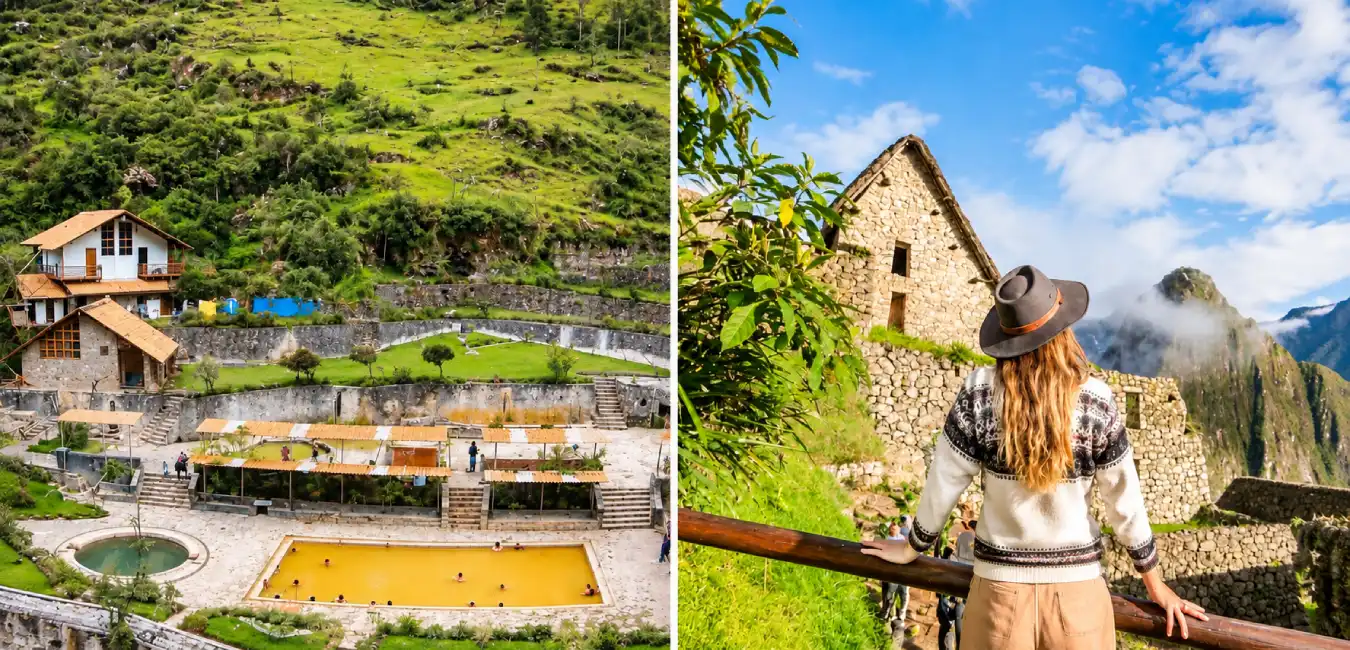
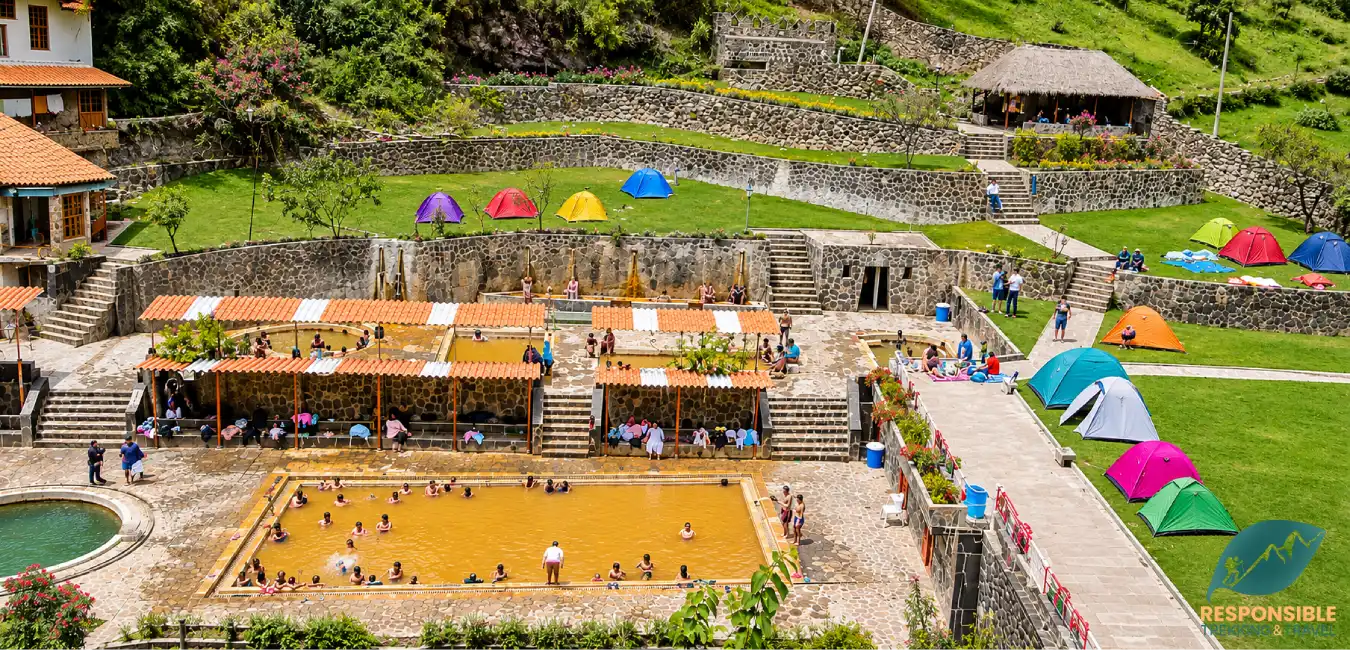
From Calca, the road climbs through a landscape of deep valleys and snowcapped mountains toward the village of Lares, located at approximately 3,150 m. The drive takes around two hours. Today, you'll enjoy a short break at the Lares Hot Springs to recharge before beginning the second part of your adventure.
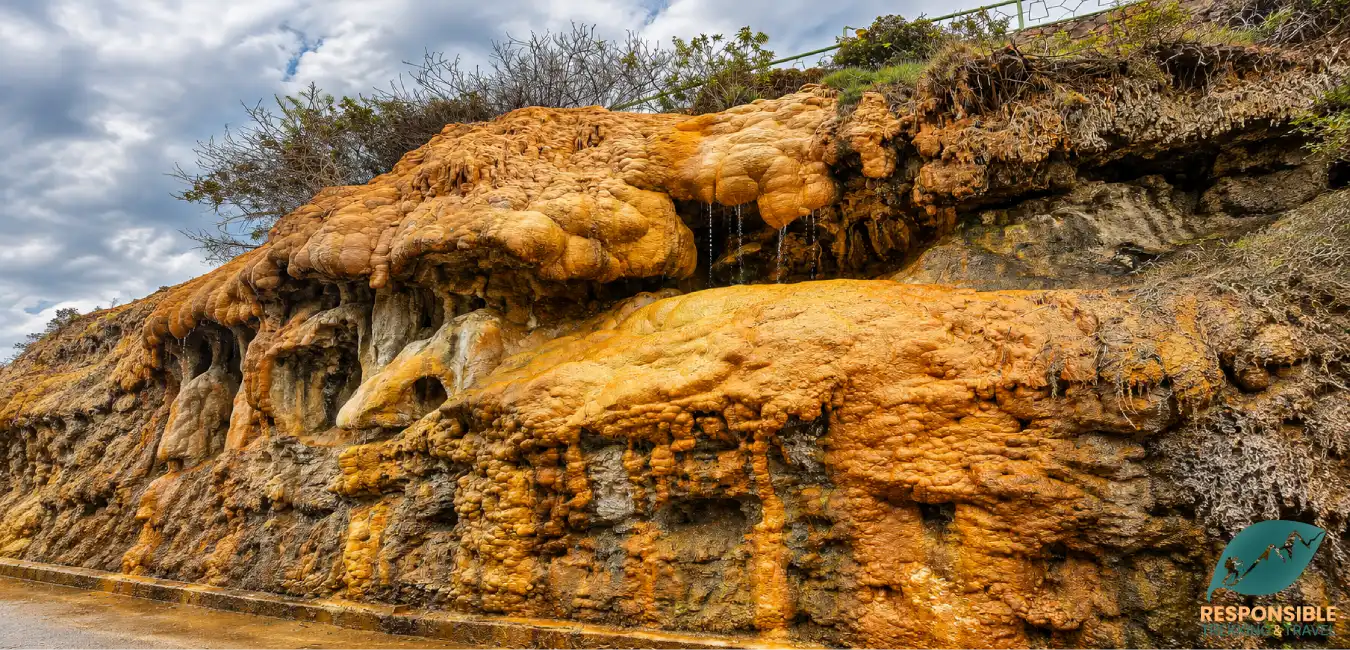
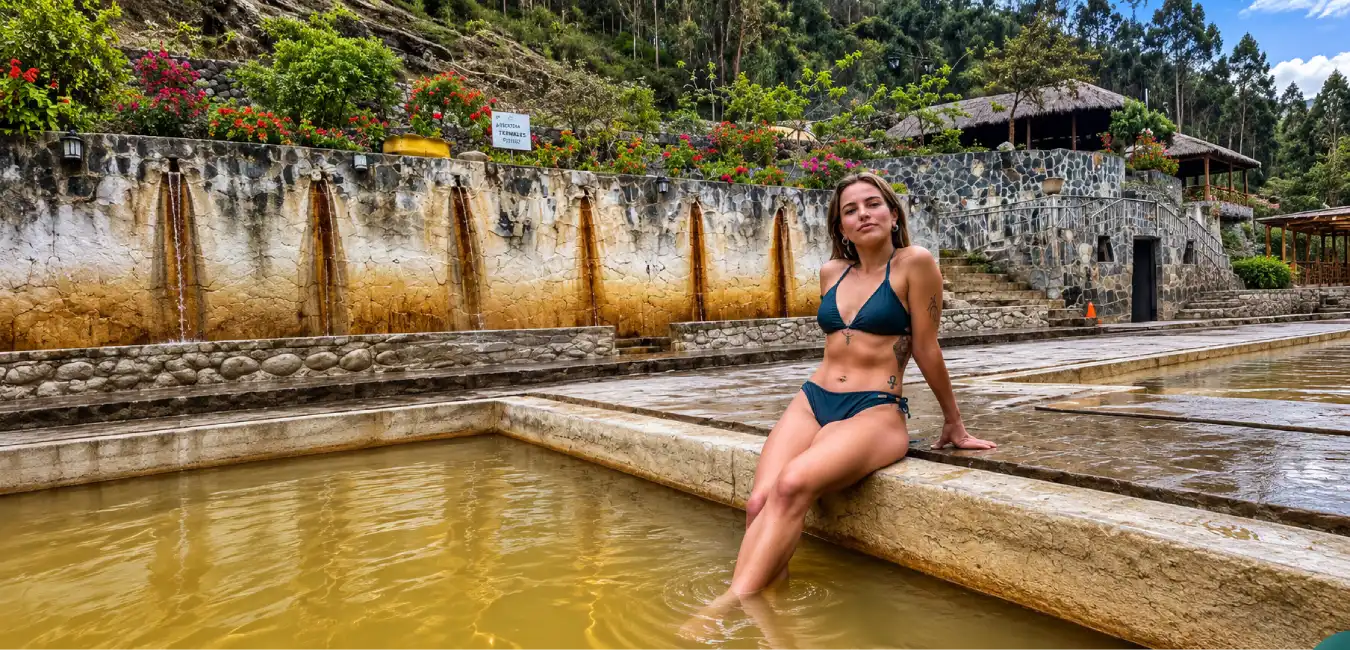
Relax at the Lares hot springs
You'll continue your day with a relaxing soak in the Lares Hot Springs, where naturally heated volcanic pools offer different water temperatures to help soothe your muscles before the next hiking stages. So, don't forget to bring your swimsuit.
Spend time with local Quechua families
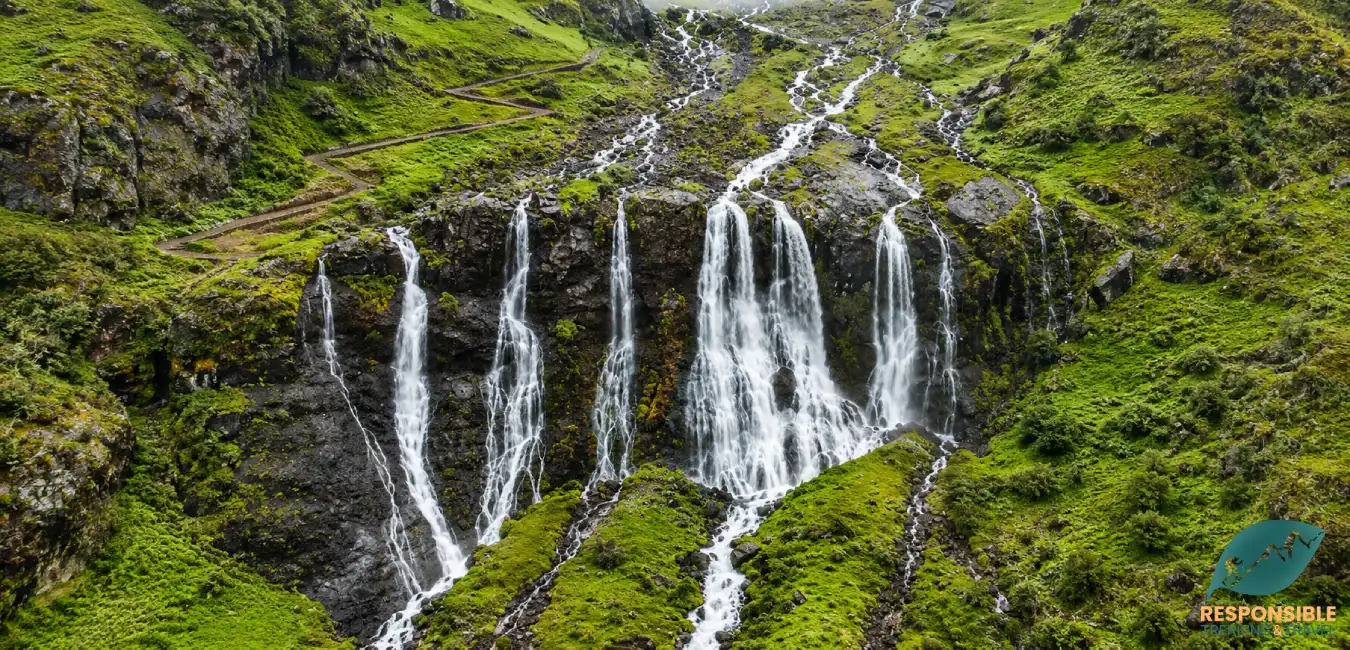
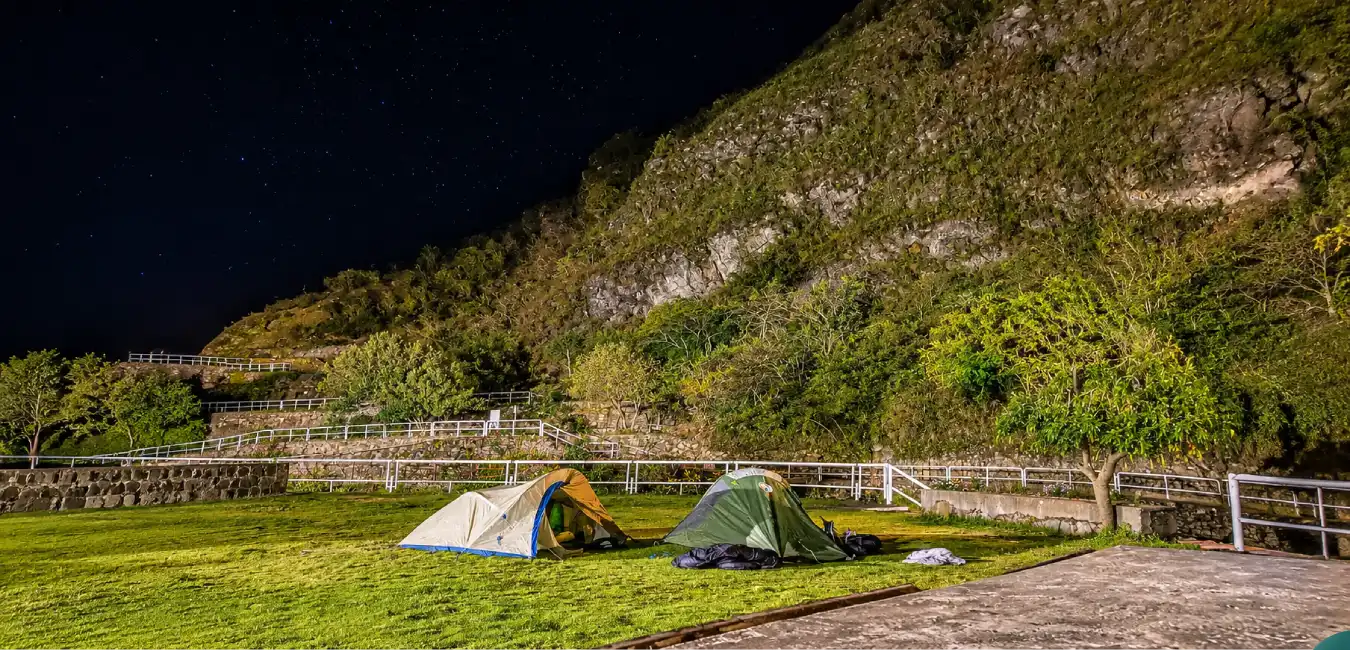
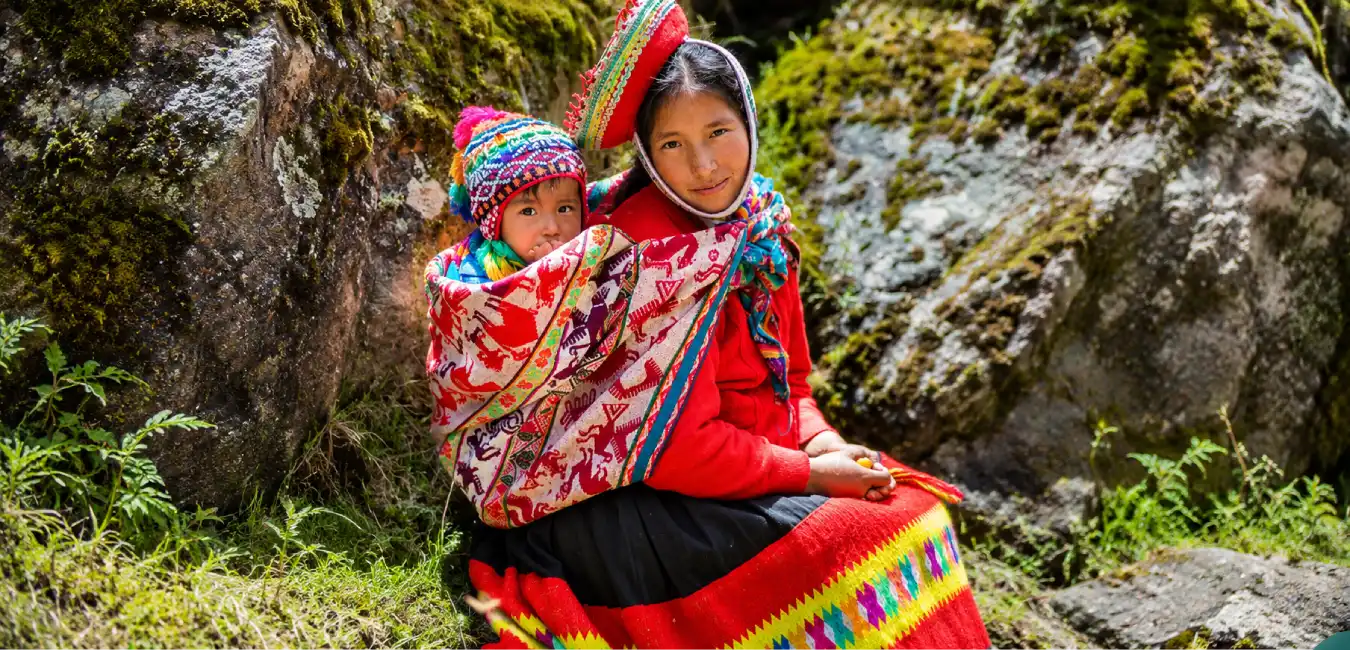
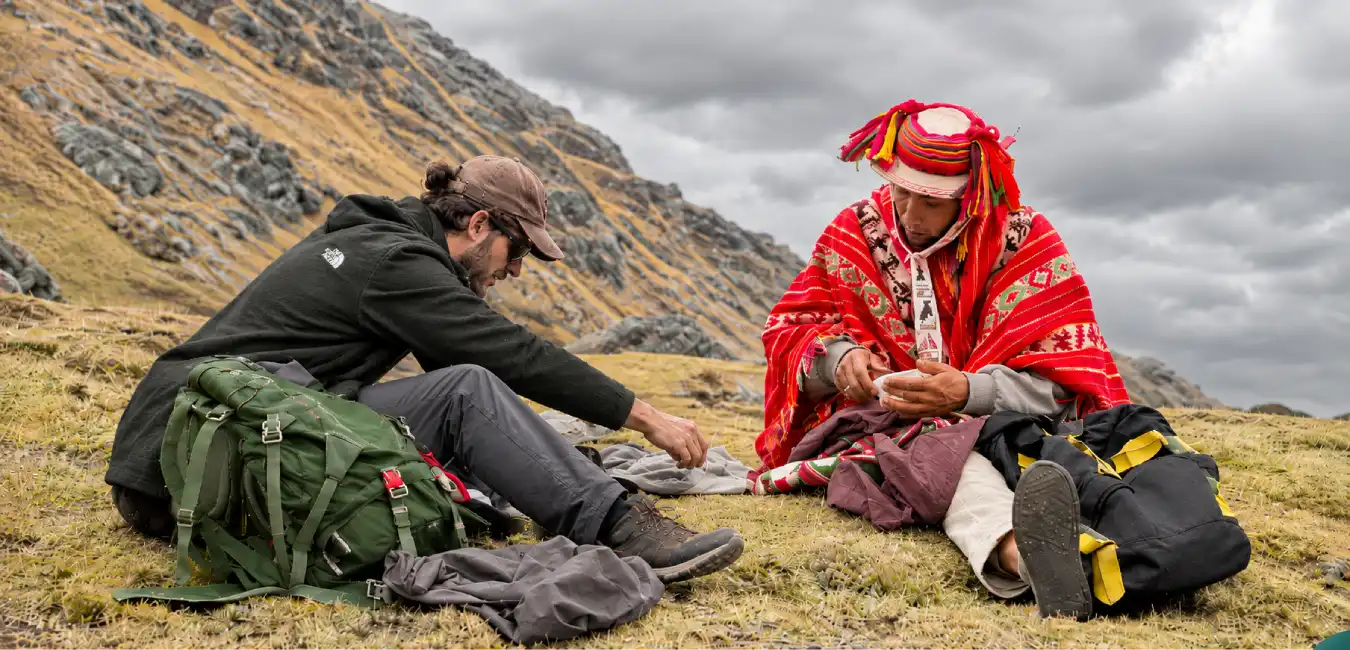
Next, you'll travel to the trailhead in Cuncani, where you'll meet the muleteers and their horses, who will carry your luggage. From here, you'll hike past Pacchayoc Waterfall and small mountain lakes, cross Willkikasa Pass (approximately 4,400 m), and descend toward Quiswarani, a Quechua speaking community located at around 3,850 m. In the afternoon, you'll have the opportunity to meet local families, visit their school, and learn about their native potato crops. As night falls, clear skies provide the perfect opportunity for stargazing.
Day 3 Summary
- Distance: Approximately 7 km.
- Hiking time: 4 to 5 hours.
- Difficulty: Moderate.
- Overnight: Campsite in Quiswarani.
Day 4: Pachacútec pass and the Community of Cancha Cancha
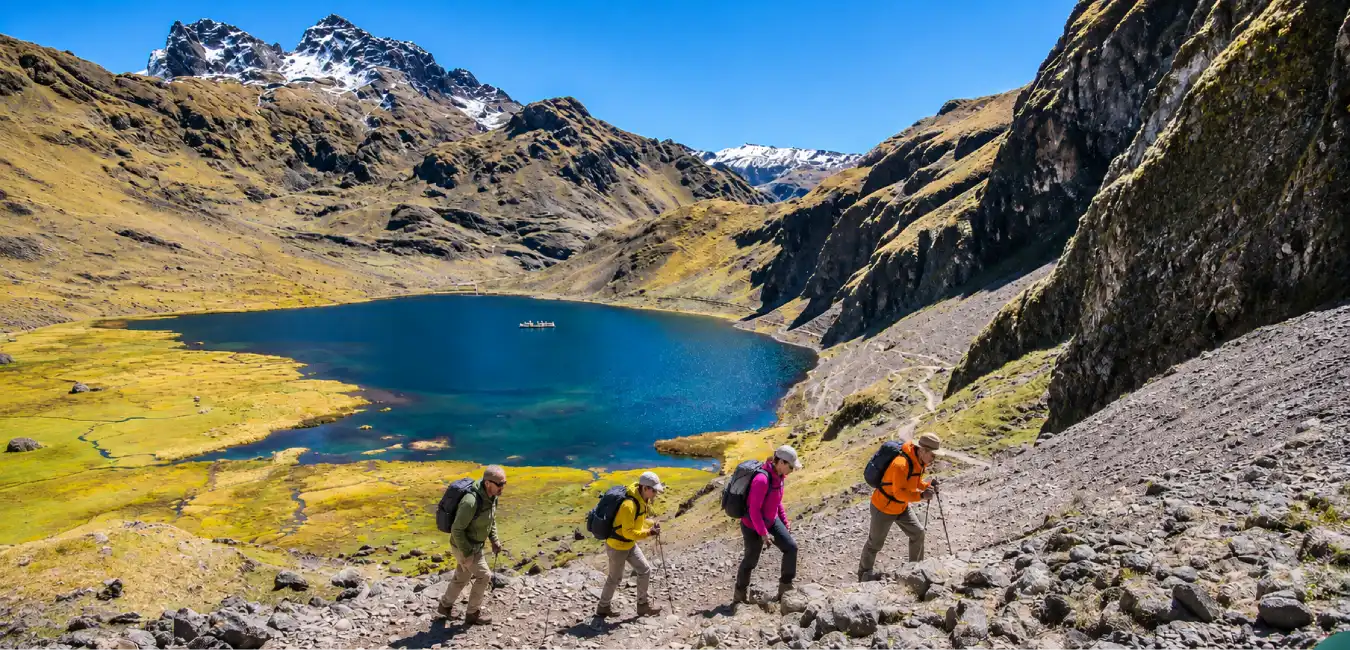
This is the most demanding day of the trek. You'll wake up early and, after a hot breakfast, climb a series of switchbacks for approximately four hours until you reach Pachacútec Pass, also known as Condor Pass, at around 4,700 m. From the top, you'll enjoy views of Qoyalay Lake, the Qanchispaccha waterfalls, and the snowcapped peaks of Pitusiray and Sahuasiray.
Discover the traditional weaving techniques of Cancha Cancha
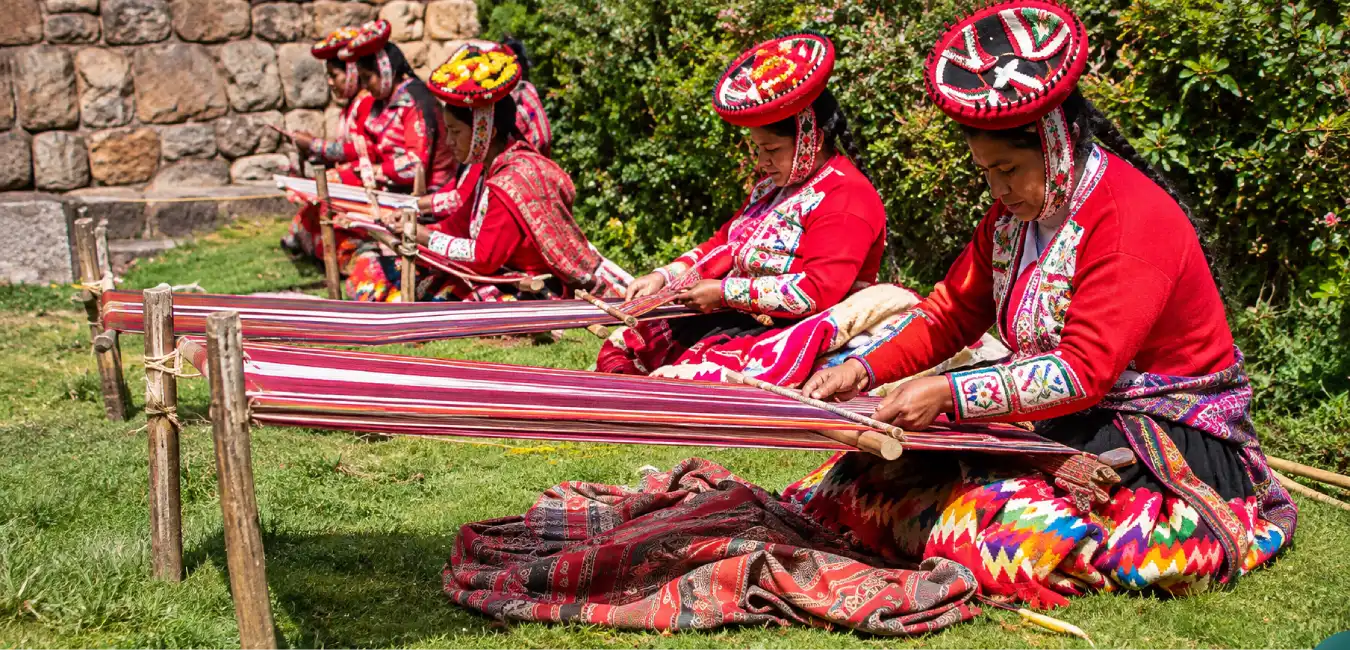
Afterward, you'll begin a long descent toward Cancha Cancha, located at approximately 3,750 m. This traditional herding community is home to many houses still built from stone and thatch. Here, you'll visit a local weaving family and learn how they transform llama and alpaca wool into traditional textiles filled with meaningful symbols.
Day 4 Summary
- Distance: Between 11 and 14 km.
- Hiking time: 7 to 8 hours.
- Difficulty: Challenging due to the high altitude of the mountain pass.
- Overnight: Campsite in Cancha Cancha.
Day 5: Huaran, Maras salt mines, Ollantaytambo, and Train to Aguas Calientes
Your final day of hiking is mostly downhill. As you descend, potato and fava bean fields gradually give way to corn, quinoa, and fruit trees in the Sacred Valley. After approximately four hours, you'll reach Huaran, located at around 2,800 m, where you'll say goodbye to the muleteers.
Explore Maras and Ollantaytambo before Machu Picchu
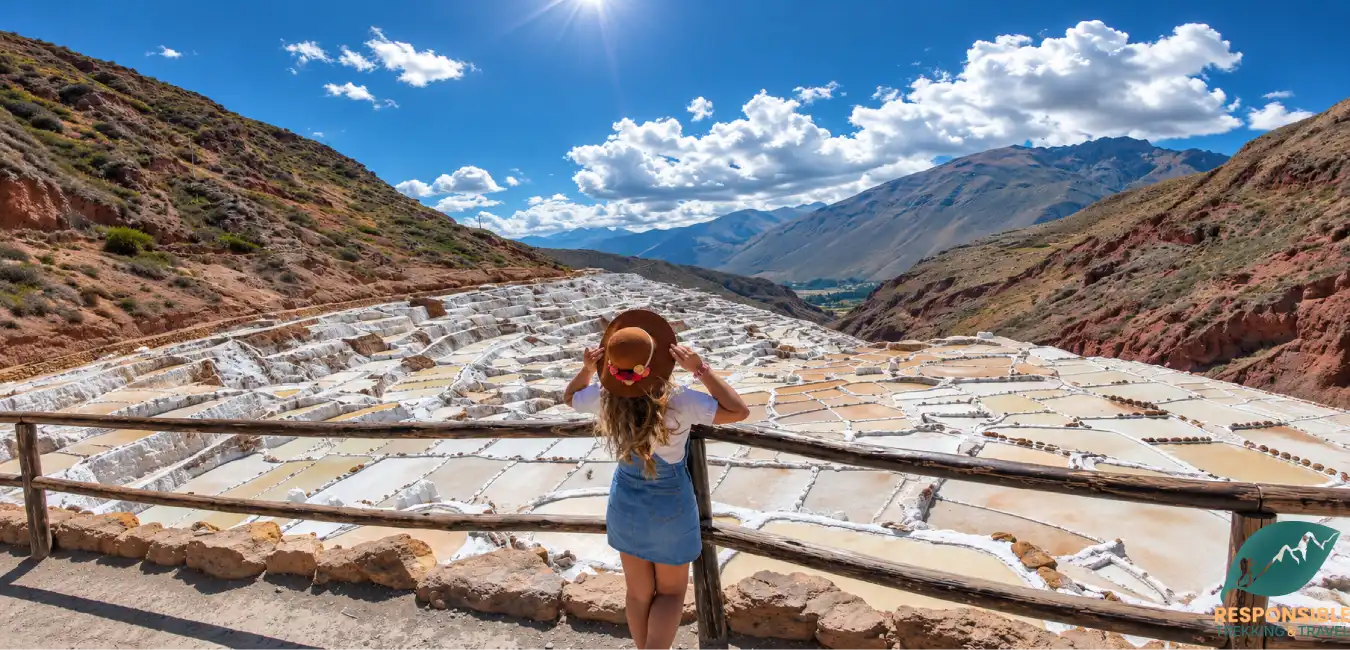
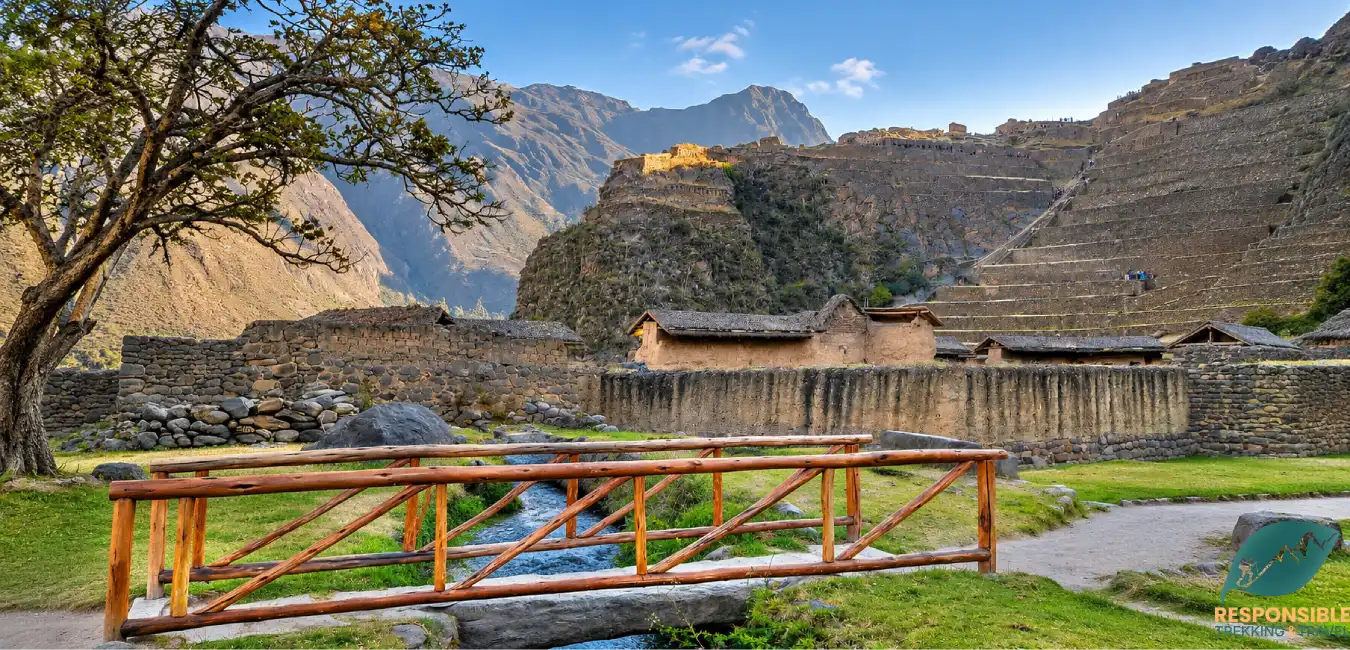
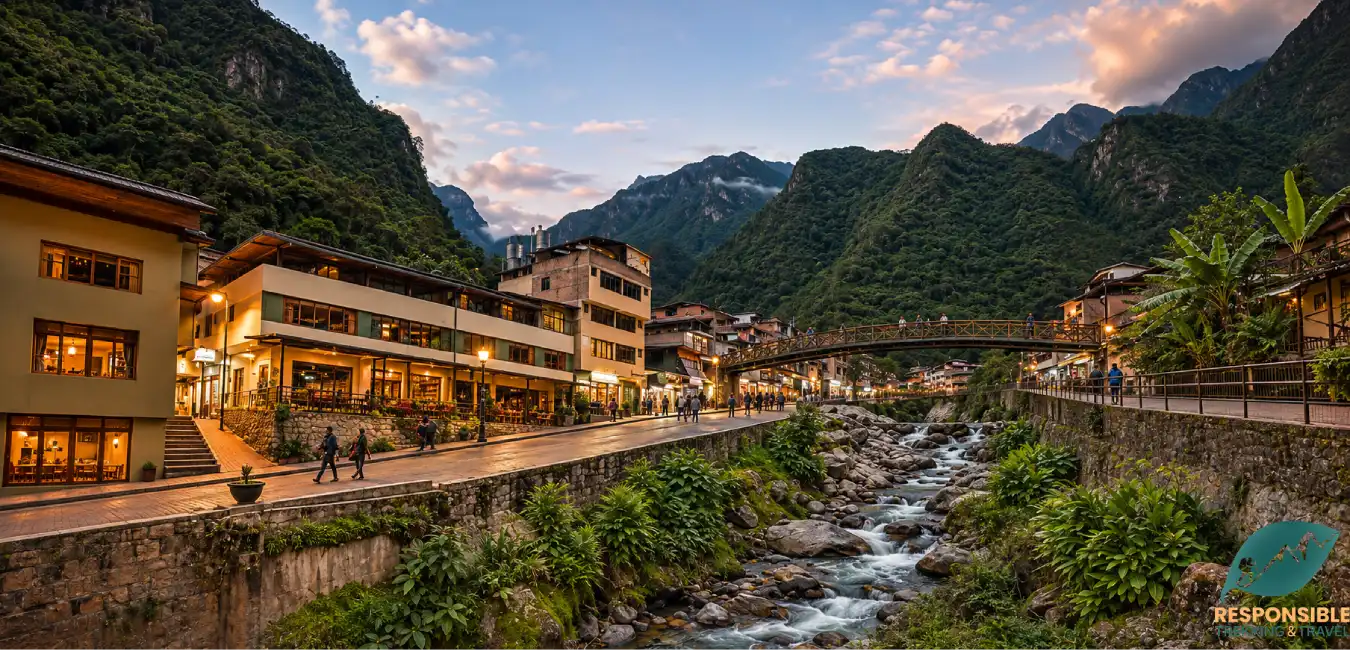
Later, we'll take you to the Maras salt mines before continuing to Ollantaytambo, where you'll explore its ancient Inca streets. In the evening, you'll board the train to Aguas Calientes (approximately 2,000 m), where you'll spend the night in a hotel.
Day 5 Summary
- Distance: Approximately 9 km (5.6 mi).
- Hiking time: 4 hours.
- Difficulty: Moderate, with mostly downhill sections.
- Overnight: Hotel in Aguas Calientes.
Day 6: Exploring Machu Picchu and returning to Cusco
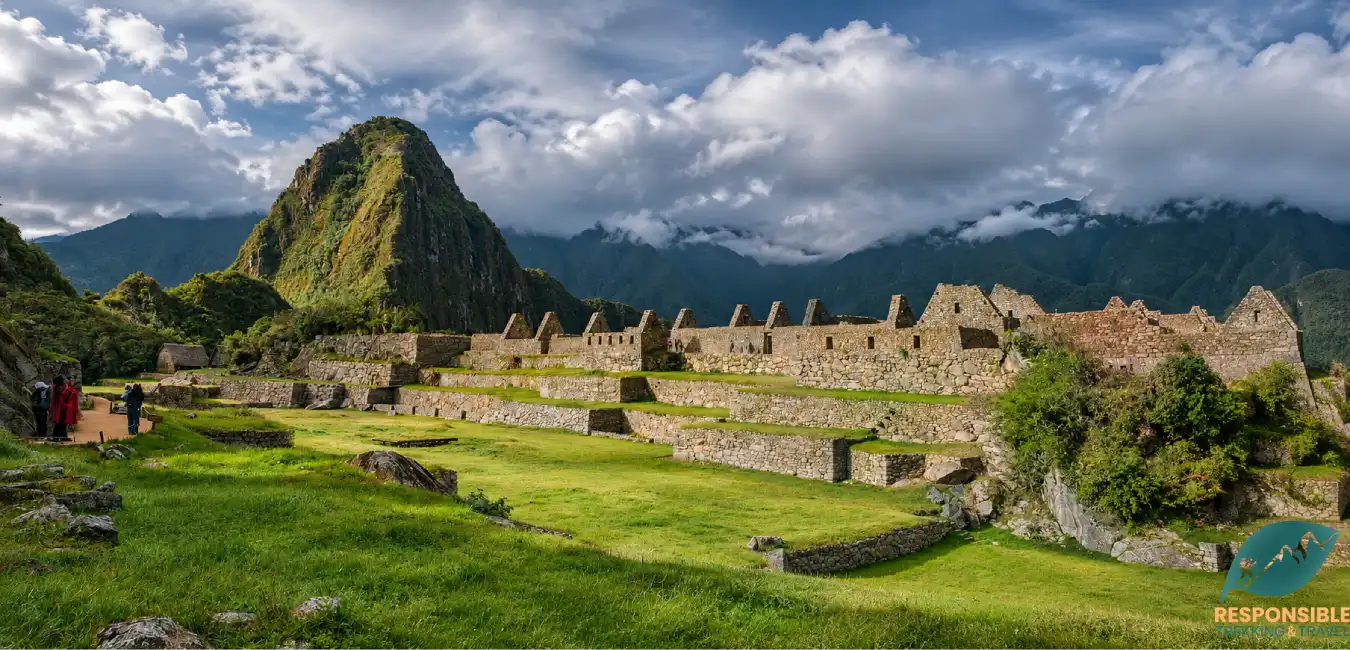
Early in the morning, you'll take a bus up to the Inca citadel. You'll spend approximately two hours exploring Machu Picchu with your guide, following your assigned circuit. If you're looking for an extra adventure, you can book Huayna Picchu or Machu Picchu Mountain in advance, both available at an additional cost. In the afternoon, you'll return by train to Ollantaytambo and then continue by vehicle to Cusco.
Important information about visiting Machu Picchu
Your Machu Picchu circuit is assigned based on availability at the time of booking. We prioritize Circuit 2, but if it's sold out, we'll arrange the best available alternative between Circuit 1 and Circuit 3. We recommend booking well in advance. When entering the site, bring only a small backpack, as large backpacks and trekking poles are not permitted.
How difficult is the Llama Trail via Lares?
Overall, the trek ranges from moderate to challenging in difficulty. No technical climbing skills are required. However, you'll hike above 4,000 m (13,123 ft) several times along the route. That's why we recommend arriving in Cusco at least two days before your trek to acclimatize to the altitude.
Key altitude points along the route
Location | Approximate elevation | Day |
|---|---|---|
| Cusco (Qoricancha) | 3,400 m (11,155 ft) | 1 |
| Sacsayhuaman | 3,700 m (12,139 ft) | 1 |
| Chakan or Devil's Balcony | 3,780 m (12,402 ft) | 1 |
| Andean Sky Dome, Piedra Resbalada | 3,850 m (12,631 ft) | 1 |
| Pukamarca Pass | 4,200 m (13,780 ft) | 2 |
| Huchuy Qosqo | 3,650 m (11,975 ft) | 2 |
| Lares Village | 3,150 m (10,335 ft) | 3 |
| Lares Hot Springs | 3,250 m (10,663 ft) | 3 |
| Willkikasa Pass | 4,400 m (14,436 ft) | 3 |
| Quiswarani | 3,830 m (12,566 ft) | 3 |
| Pachacútec Pass (Highest Point) | 4,700 m (15,420 ft) | 4 |
| Cancha Cancha | 3,750 m (12,303 ft) | 4 |
| Huaran | 2,800 m (9,186 ft) | 5 |
| Machu Picchu | 2,430 m (7,972 ft) | 6 |
During uphill sections, maintain a steady pace, stay hydrated, and let your guide know if you experience a headache, dizziness, or shortness of breath.
What is the best time of year to hike the Llama Trail via Lares?
The dry season, from May through September, generally offers the best hiking conditions on the trails around Cusco and Lares. However, each season has its own characteristics:
Season | Months | Conditions |
|---|---|---|
| Dry Season | May – September | Less rainfall and better hiking conditions. Cold nights. |
| Shoulder Season | April and October | Green landscapes and variable weather conditions. |
| Rainy Season | November – March | More frequent rainfall, wet trails, and possible itinerary changes. |
If you're looking for the best hiking conditions, June, July, and August are generally favorable months. Even so, nighttime temperatures can drop significantly at high-altitude campsites.
What to pack for the Lares Trek from Cusco to Machu Picchu
- A 25-30 liter daypack and a duffel bag for luggage carried by the horses.
- Broken in hiking boots and sandals for relaxing after each day's hike.
- Layered clothing: thermal base layers, a fleece jacket, a waterproof jacket, and a windbreaker.
- A warm hat, gloves, and a neck gaiter for cold nights and high mountain passes.
- Sunscreen, sunglasses, and a sun hat.
- A swimsuit and quick drying towel for the Lares Hot Springs.
- A reusable water bottle, snacks, and trekking poles.
- A headlamp, your original passport, and some cash in Peruvian soles.
To make the most of this experience, we recommend:
- Having previous experience with hikes lasting several hours.
- Spending time acclimatizing in Cusco before starting the trek.
- Staying well hydrated throughout the journey.
- Following your guide's pace and avoiding unnecessary exertion during uphill sections.
Tips for Responsible Travel
Since you'll be exploring living Andean communities and historic trails, the way you travel can make a real difference.
- Always ask permission before taking photos of people.
- Buy traditional textiles directly from local women weavers.
- Never leave trash along the trail.
- Respect the llamas' natural walking pace.
- Do not climb on archaeological walls.
Estimated Llama Trail Prices with Responsible Trekking
The price of the Llama Trail via Lares to Machu Picchu varies depending on the type of service and the number of participants. You can choose between a shared group departure or a private tour with a dedicated guide and exclusive logistics for your group.
Service type | Suggested price per person | Participants |
|---|---|---|
| Shared group tour. | From USD 1,090. | Minimum 2 people |
| Private tour | From USD 1,390. | 1 person |
| Private tour for families or friends. | From USD 1,250. | 3–4 people |
| Private group tour. | From USD 1,150. | 5 or more people |
- Entrance Tickets Included: All packages include admission tickets to Sacsayhuamán, Huchuy Qosqo, the Maras Salt Mines, and Machu Picchu.
- Optional Activity: Visiting the Lares Hot Springs is optional. You can ask about the conditions for this activity when making your reservation.
What's included and not included in the price?
Included (proposed package) | Not included (proposed package) |
|---|---|
| Professional guide throughout all 6 days. | Domestic and international flights. |
| Hiking alongside llamas and llama herders on the first day. | Hotel accommodations in Cusco before or after the trek. |
| One night at Andean Sky Dome. | Travel insurance and medical assistance coverage. |
| Hotel accommodations in Calca and Aguas Calientes. | Personal expenses and tips. |
| Camping accommodations in Quiswarani and Cancha Cancha. | Alcoholic beverages and additional purchases. |
| Meals during the trek as specified in the itinerary. | Sleeping bag and personal trekking poles. |
| Muleteers and horses to transport luggage in Lares. | Huayna Picchu or Machu Picchu Mountain. |
| Ground transportation as outlined in the itinerary. | Services not specified in the itinerary. |
| Round-trip tourist train tickets. | Train class upgrades. |
| Machu Picchu entrance ticket and guided tour. | Expenses resulting from personal itinerary changes. |
Departures: A minimum of 2 people is required to operate a shared group departure, subject to operational confirmation. You can also choose a private tour with a dedicated guide and exclusive logistics for your group.
The mountains, lakes, and Quechua communities are waiting for you on this six day adventure. Travel with Responsible Trekking and enjoy an experience organized by local experts who know and appreciate every corner of Cusco. Contact us today and secure your spot on our next departure!
Frequently asked questions about the Llama Trail via Lares
Can you hike from Cusco to Machu Picchu?
Yes. On the Llama Trail via Lares, you'll start hiking from Qoricancha and follow ancient Inca trails and paths through Andean communities until you reach the Sacred Valley. However, from Ollantaytambo, you'll take the train to Aguas Calientes, as the final section of this route is not completed on foot.
Do the llamas carry my luggage?
Yes. During the first section of the Llama Trail, llamas carry up to 8 kg (17.6 lb) of your luggage, accompanied by local llama herders. In the Lares Valley, the muleteers' horses transport your luggage, with a weight limit of 20 kg (44 lb), depending on the itinerary. You'll only need to carry a lightweight daypack with your essentials.
Is the Llama Trail suitable for beginners?
Yes, you can complete this trek if you're in good physical condition and properly acclimatized to the altitude. The most challenging section is the climb to Pachacútec Pass, at approximately 4,700 m (15,420 ft).
Where will i stay during the trek?
You'll stay at Andean Sky Dome, a hotel in Calca, campsites in Quiswarani and Cancha Cancha, and a hotel in Aguas Calientes.
How many kilometers will i hike during the six day trek?
During the Llama Trail via Lares, you'll hike approximately 51-54 km (31.7–33.6 mi) over the first five days, following ancient Inca trails through mountains and traditional Andean communities. On the sixth day, you'll explore Machu Picchu according to your assigned circuit.
Are entrance tickets to all archaeological sites included?
Yes. The tour includes entrance tickets to Sacsayhuamán, Huchuy Qosqo, the Maras Salt Mines, and Machu Picchu, along with a guided tour of the Inca citadel. Before booking, check whether additional entrance tickets are required for other attractions.
Can i book the Llama Trail via Lares as a private tour?
Yes. You can book the Llama Trail via Lares as a private tour, whether you're traveling solo, as a couple, with family, or with friends. You'll have a dedicated guide and exclusive services for your group. The price depends on the number of participants.
What happens if weather conditions require changes to the itinerary?
During the rainy season, from November through March, weather conditions can affect certain trails. If safety becomes a concern, your guide will assess alternative routes or make necessary itinerary adjustments, always prioritizing your safety.
How far in advance should i book my Machu Picchu entrance tickets?
We recommend booking 3 to 6 months before your trip, especially if you're traveling between May and September, when demand is higher. Machu Picchu entrance tickets have limited availability for each circuit and time slot, so booking early gives you more options.