
Peru is a destination that brings together history, nature, and culture in a single trip. From Machu Picchu and the Andes to the Pacific beaches and the Amazon, each region offers unique experiences. In this guide, you will find practical information to help you plan your trip and discover the country’s top destinations.
General facts about Peru
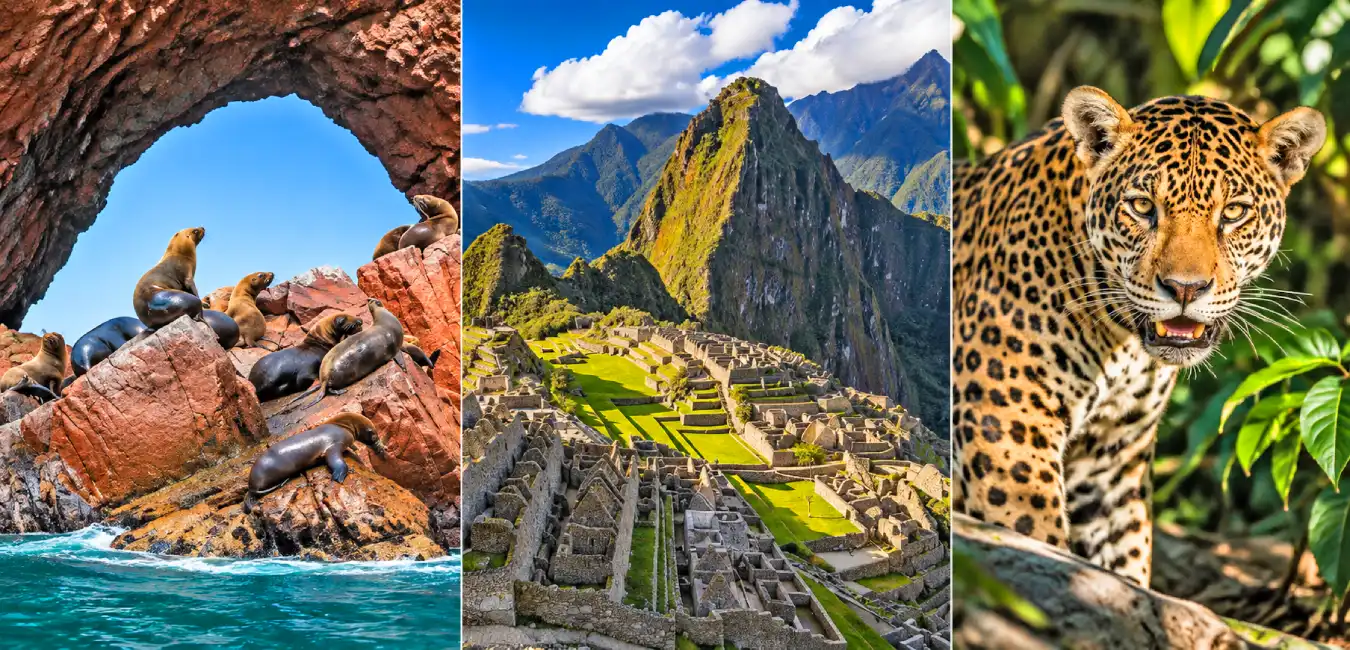
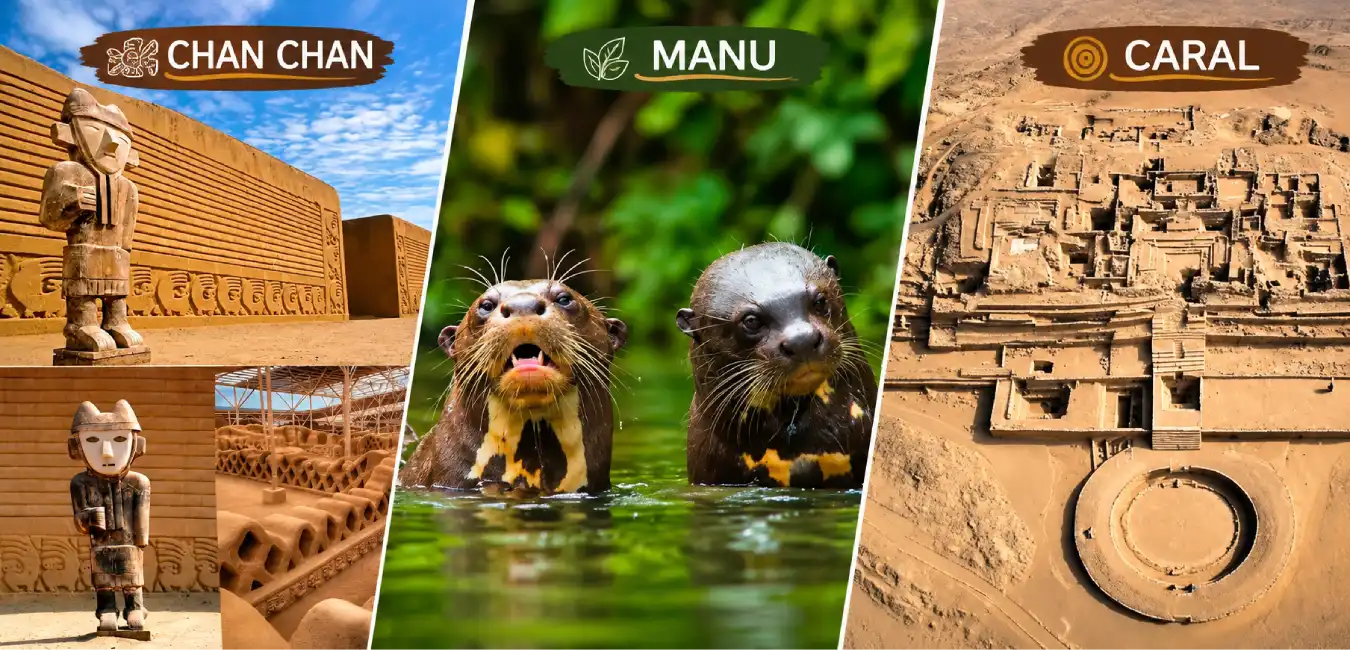
Peru covers 1,285,216 km² (496,225 sq mi), nearly twice the size of France. It is divided into three regions: the desert coast, the Andean highlands, and the Amazon rainforest, which covers more than half of the country's territory. Peru is home to 13 UNESCO World Heritage Sites, ranging from Chan Chan and Caral to Machu Picchu and Manu National Park.
Fact | What you need to know |
|---|---|
| Currency | Peruvian sol (S/ or PEN). |
| Languages | Spanish, Quechua, Aymara, and dozens of Indigenous Amazonian languages. |
| Time Zone | UTC-5 year round, with no daylight saving time. |
| Electricity | 220 V. Type A (flat-pin) and Type C (round pin) outlets. |
| Mountains | Mount Huascarán (6,768 m / 22,205 ft) is the highest peak in Peru and the world's highest tropical mountain. |
| Wildlife | More than 1,300 bird species and nearly 80% of the world's South American camelids. |
What documents do you need to travel to Peru?
First, you must enter Peru with a passport valid for at least six months. However, if you're traveling from another South American country, you may be able to enter using your national ID card. Most travelers from the Americas and Europe do not need a visa, but you should always confirm the requirements that apply to your nationality with a Peruvian consulate. During your trip, keep your original passport with you, as hotels, trains, domestic flights, and archaeological sites may ask to see it.
How long can you stay in Peru as a tourist?
Keep in mind that Peru no longer stamps passports. Instead, the National Superintendence of Migration (Migraciones) records your entry electronically through the virtual Andean Migration Card (TAM Virtual), which you can download for free from its website. Upon arrival, the immigration officer may grant you a stay of up to 183 days per year. However, overstaying your authorized period can result in a fine of S/ 5.50 per additional day.
How to get around Peru?
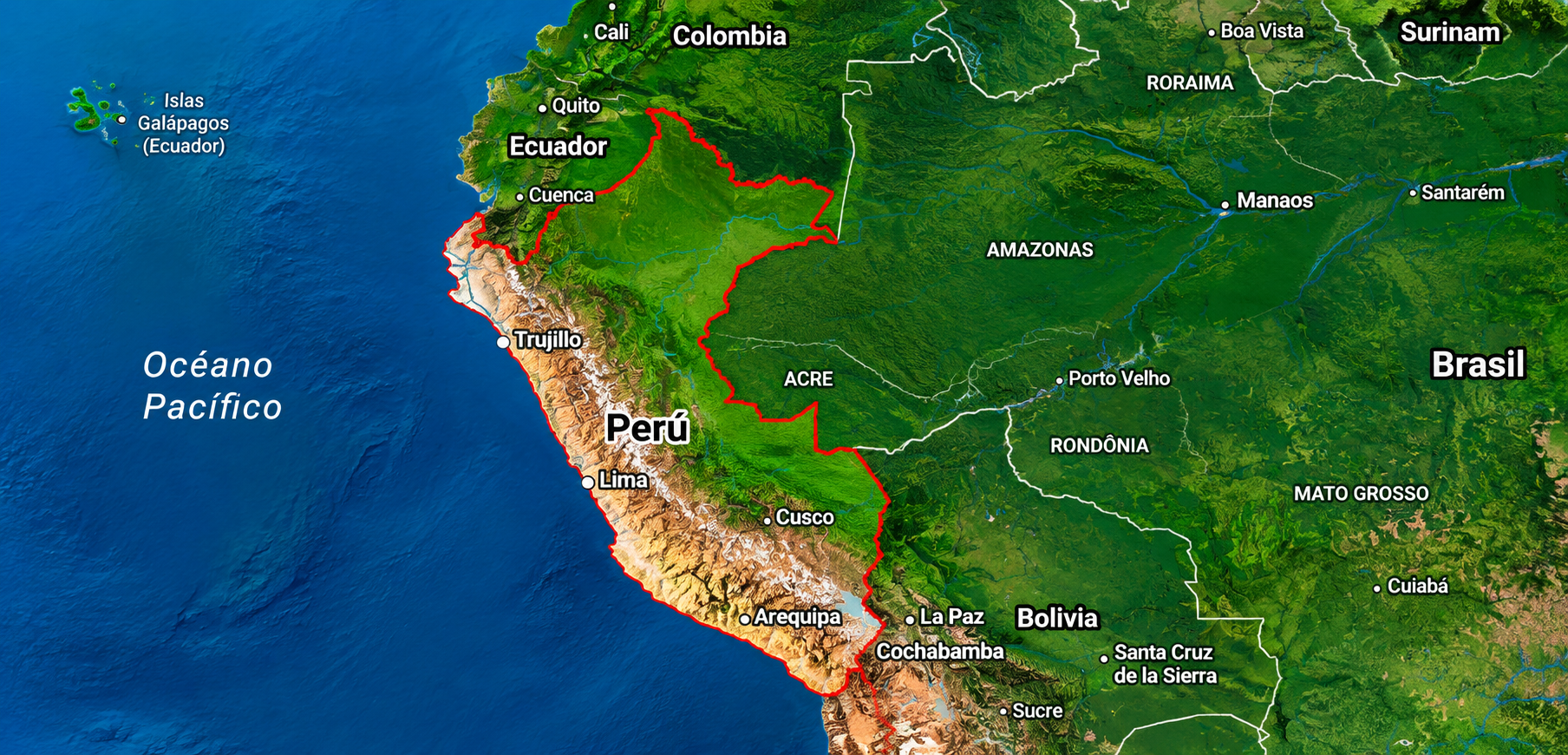
Lima is the main gateway to Peru and the hub for all domestic flight routes. For this reason, flying between destinations can save you several days of travel. In fact, Iquitos has no road access, so you can only get there by plane or by boat along the river. On the other hand, if you prefer traveling overland, overnight sleeper buses connect destinations along the coast and throughout the Andes in relative comfort.
Travel times and distances in Peru
Destination | From Lima by plane | From Lima by road |
|---|---|---|
| Trujillo | Approx. 1 hr 10 min | Approx. 9 hours by bus |
| Chiclayo | Approx. 1 hr 30 min | Approx. 12 hours by bus |
| Cajamarca | Approx. 1 hr 20 min | Approx. 15 hours by bus |
| Huaraz | No regular flights | Approx. 8 hours by bus |
| Paracas and Ica | No regular flights | Approx. 4–5 hours by bus |
| Arequipa | Approx. 1 hr 30 min | Approx. 16 hours by bus |
| Cusco | Approx. 1 hr 20 min | Approx. 20 hours by bus |
| Puno (via Juliaca) | Approx. 1 hr 45 min | From Cusco, 7–10 hours by tourist bus |
| Iquitos | Approx. 1 hr 45 min | No road access; plane or river travel only |
| Puerto Maldonado | Approx. 1 hr 40 min | About 10 hours from Cusco via the Interoceanic Highway |
| Tarapoto | Approx. 1 hr 20 min | Approx. 20 hours by bus |
What is the best time of year to visit Peru?
Peru doesn't have a single climate. Each region follows its own seasonal patterns, so planning your trip carefully can help you enjoy clear skies where you need them most. The Andes experience their dry season from May through September, while the central coast is often covered in gray coastal fog during those same months. Meanwhile, the northern beaches enjoy their sunniest weather from December through April.
Region | Best time to visit | What to expect |
|---|---|---|
| Andes (Cusco, Huaraz, Puno, Cajamarca). | May through September | Sunny days, freezing nights, and dry hiking trails. Heavy rainfall occurs from December through March. |
| Central and southern coast (Lima, Paracas, Nazca). | December through April Sunny and warm summer weather. | Humid coastal fog is common from June through October. |
| Northern coast (Trujillo, Chiclayo, Máncora). | Year-round | Sunshine throughout most of the year. Máncora's peak season runs from December through March. |
| Amazon rainforest (Iquitos, Puerto Maldonado). | May through October in the southern Amazon. | Less rainfall and more wildlife along river beaches. In Iquitos, rising river levels from December through May allow you to navigate flooded forests. |
Festivals to experience during your trip
Besides the weather, it's worth considering Peru's major festivals and celebrations when choosing your travel dates.
Festival | Location | When |
|---|---|---|
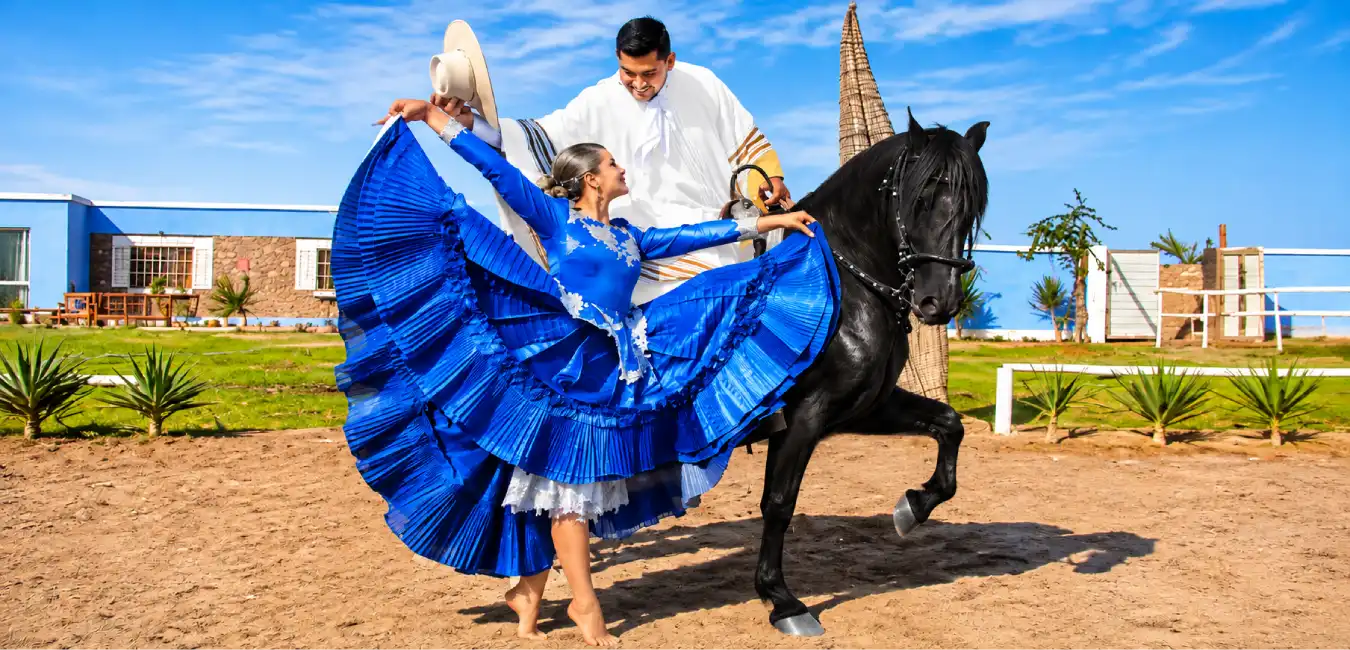
| National Marinera Dance Competition. | Trujillo | January |
| Cajamarca Carnival. | Cajamarca | February or March |
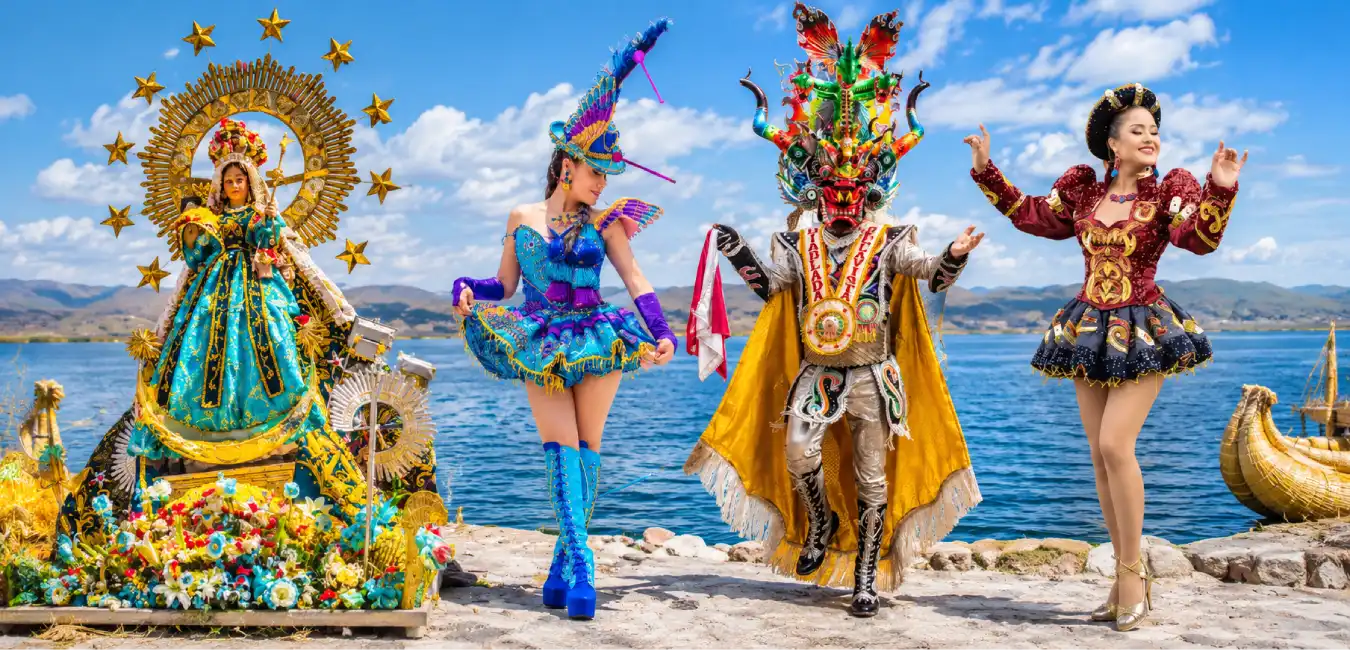
| Virgen de la Candelaria Festival (UNESCO Intangible Cultural Heritage). | Puno | February |
| Grape Harvest Festival (Fiesta de la Vendimia). | Ica | March |
| Holy Week. | Ayacucho | March or April |
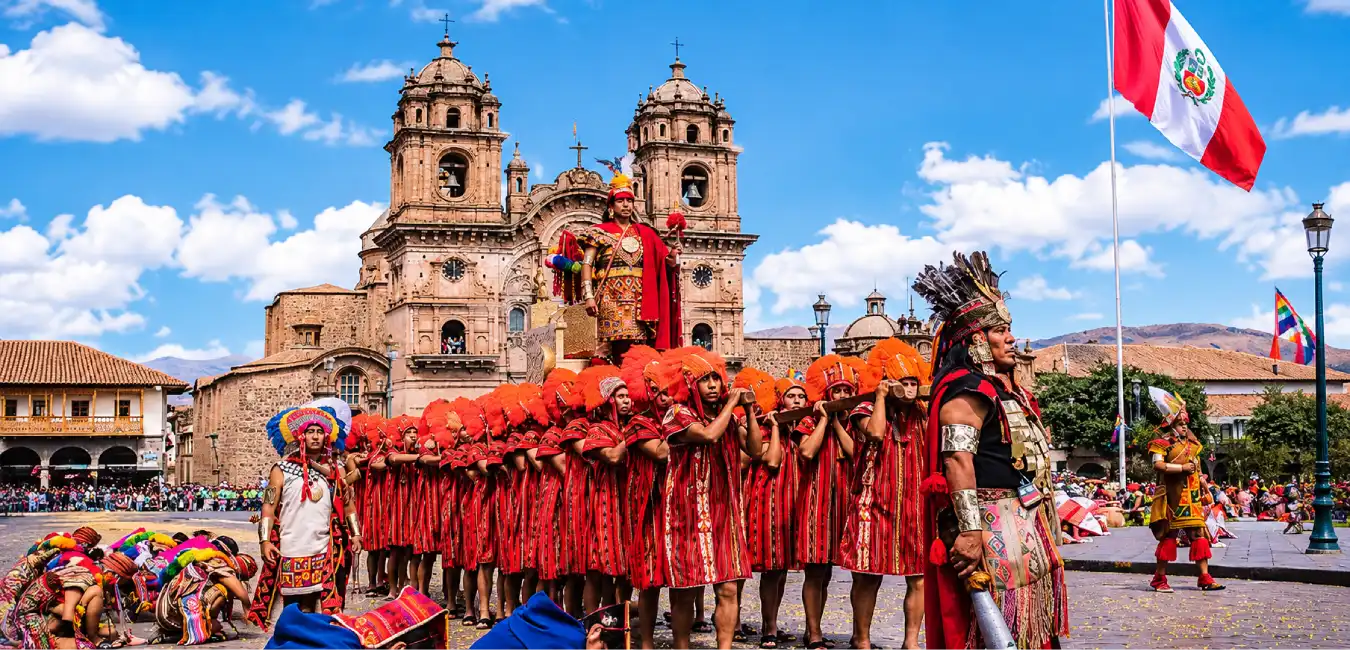
| Inti Raymi (Festival of the Sun) | Cusco | June 24 |
| Feast of San Juan (St. John the Baptist) | Iquitos, Tarapoto, and throughout the Amazon region. | June 24 |
Tourist attractions in Peru, region by region
Without a doubt, Peru deserves more than one trip. That's why we've put together a selection of must see destinations by region, helping you plan your route without wasting days on unnecessary travel.
What to See on Peru's Northern Coast
Visit Trujillo, the City of Eternal Spring
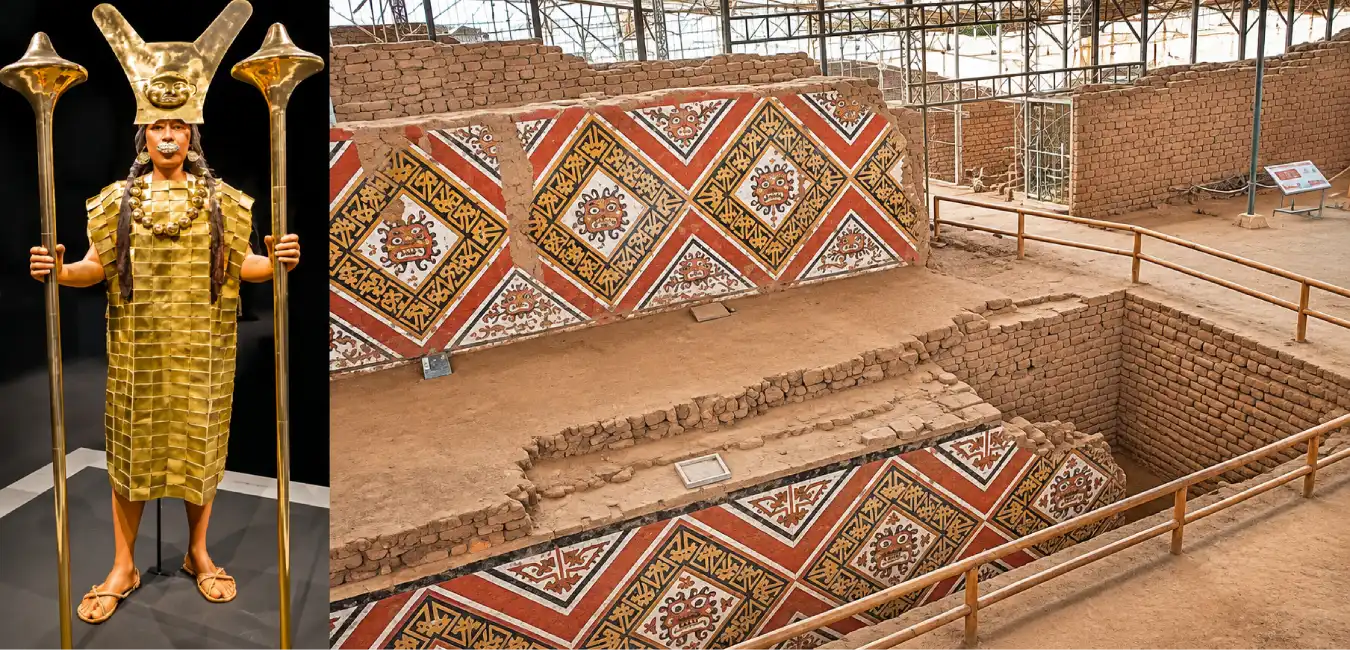
Trujillo is the birthplace of the Marinera dance. Just outside the city, explore Chan Chan, the largest adobe city in pre-Columbian America and the capital of the Chimú Kingdom. Then visit the Huacas del Sol and de la Luna, built by the Moche culture, and finally meet the Lady of Cao at the El Brujo Archaeological Complex.
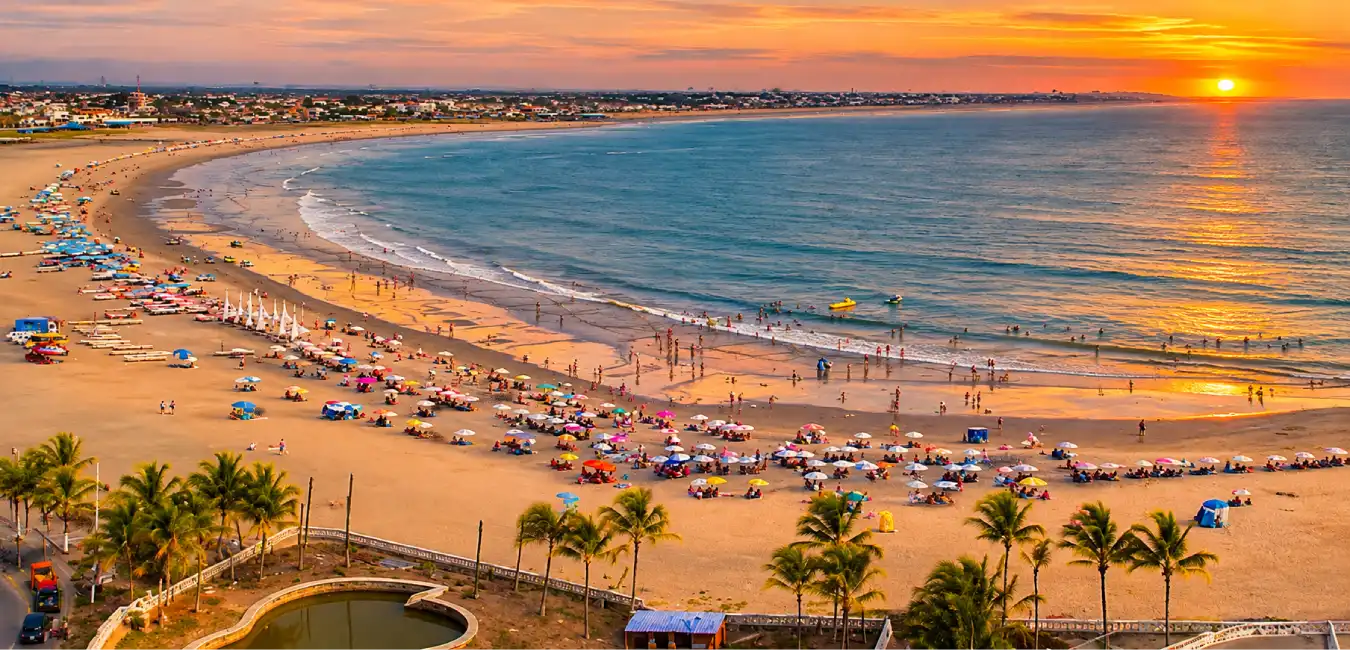
Head to Huanchaco at sunset
Local fishermen still head out to sea in caballitos de totora, traditional reed boats that have been used for more than 2,000 years. While you're there, enjoy some ceviche overlooking the beach or, if you're feeling adventurous, take your first surfing lesson on its gentle waves.
Explore Chiclayo and Lambayeque
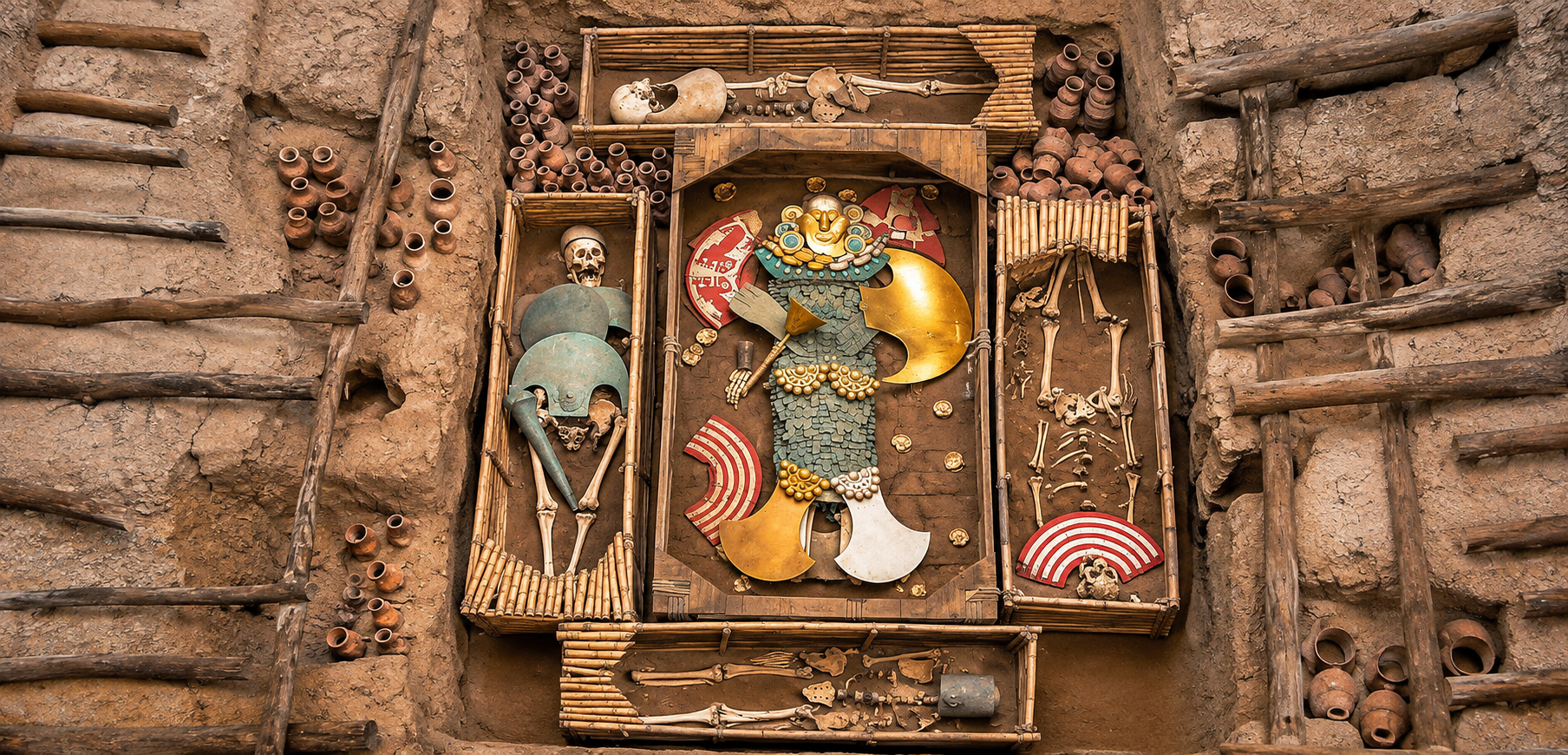
Chiclayo offers a fascinating introduction to the Moche and Lambayeque cultures. The Royal Tombs of Sipán Museum displays the treasures of the Lord of Sipán, one of the most important archaeological discoveries of the 20th century. At Túcume, climb to a viewpoint overlooking the Valley of the Pyramids, home to 26 adobe structures. Don't forget to try arroz con pato (duck rice).
Unwind in Máncora and the Beaches of Piura and Tumbes
The sun shines almost year round in Máncora, Vichayito, Punta Sal, and Zorritos. The waters are warm, and the waves attract surfers from around the world. From July through October, you can take a boat trip from Los Órganos to spot humpback whales, which visit these waters to breed.
What to see in the northern highlands
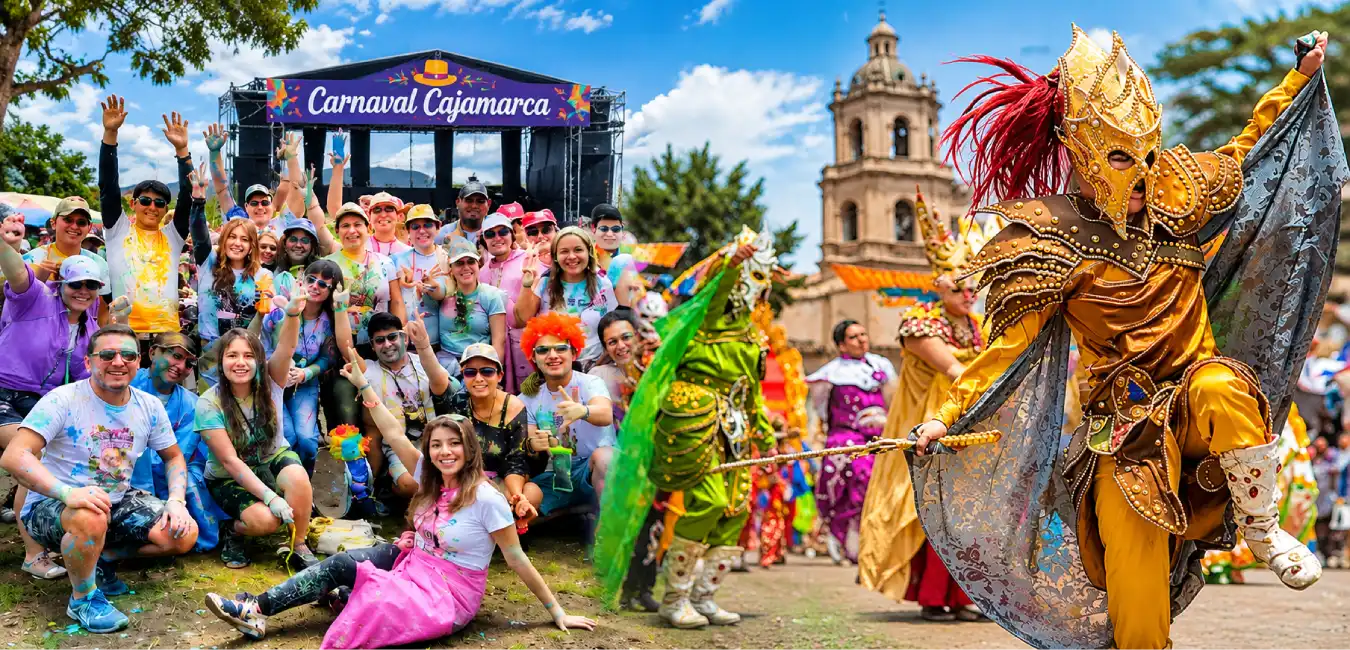
Experience Cajamarca, Peru's Carnival Capital
Cajamarca is where the Inca Empire came to an end: Francisco Pizarro captured Atahualpa here in 1532. Step inside the Ransom Room, which the Inca ruler reportedly offered to fill with gold. Relax in the Baños del Inca hot springs and explore the Ventanillas de Otuzco, ancient burial niches carved into the rock.
Hike through Cumbemayo
Explore a stone forest featuring an ancient aqueduct carved into the rock around 3,000 years ago. Visit Granja Porcón and its pine forests. Pick up some local cheese and manjar blanco (milk caramel), and if you're traveling in February, experience one of the country's liveliest Carnival celebrations.
Explore Chachapoyas, Kuélap, and Gocta Waterfall
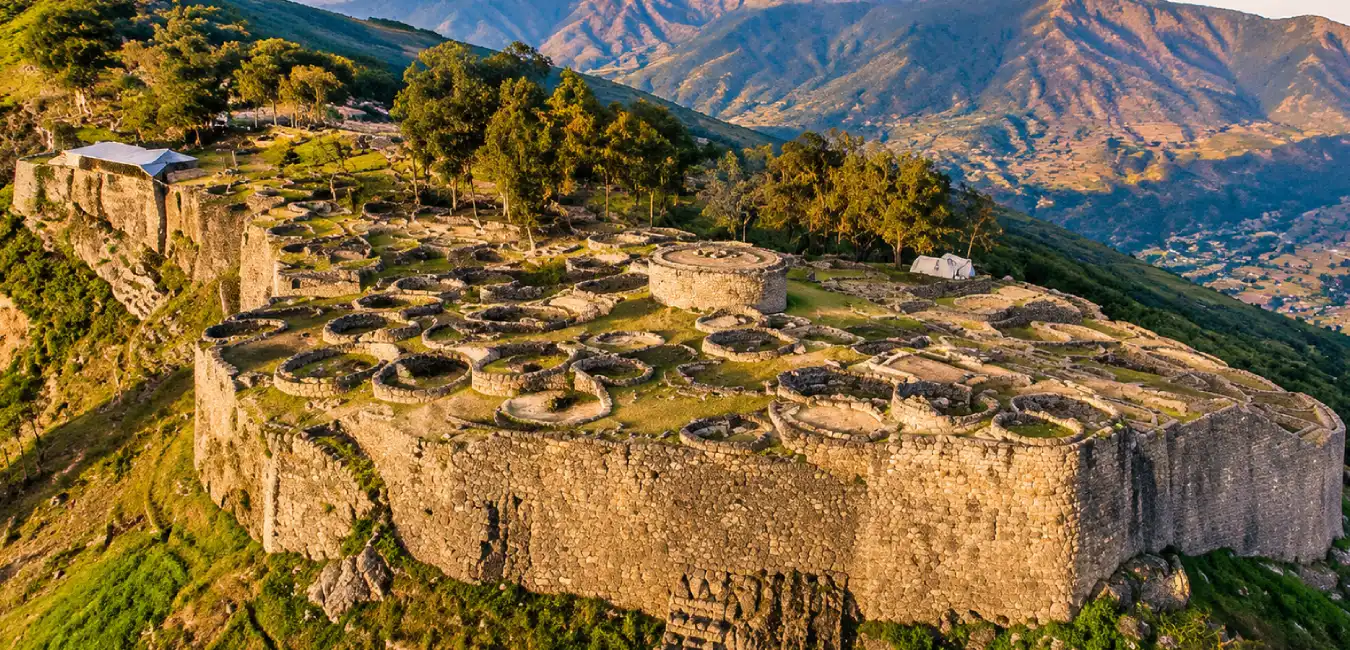
The Amazonas region preserves the legacy of the Chachapoya people, known as the Warriors of the Clouds. Kuélap is their mountaintop fortress, featuring hundreds of circular stone structures. At Karajía, you'll see nearly two meter tall sarcophagi perched on a cliff. The hike to Gocta Waterfall takes you to the foot of a spectacular 771-meter (2,530 foot) cascade.
Head to Huaraz and the Cordillera Blanca
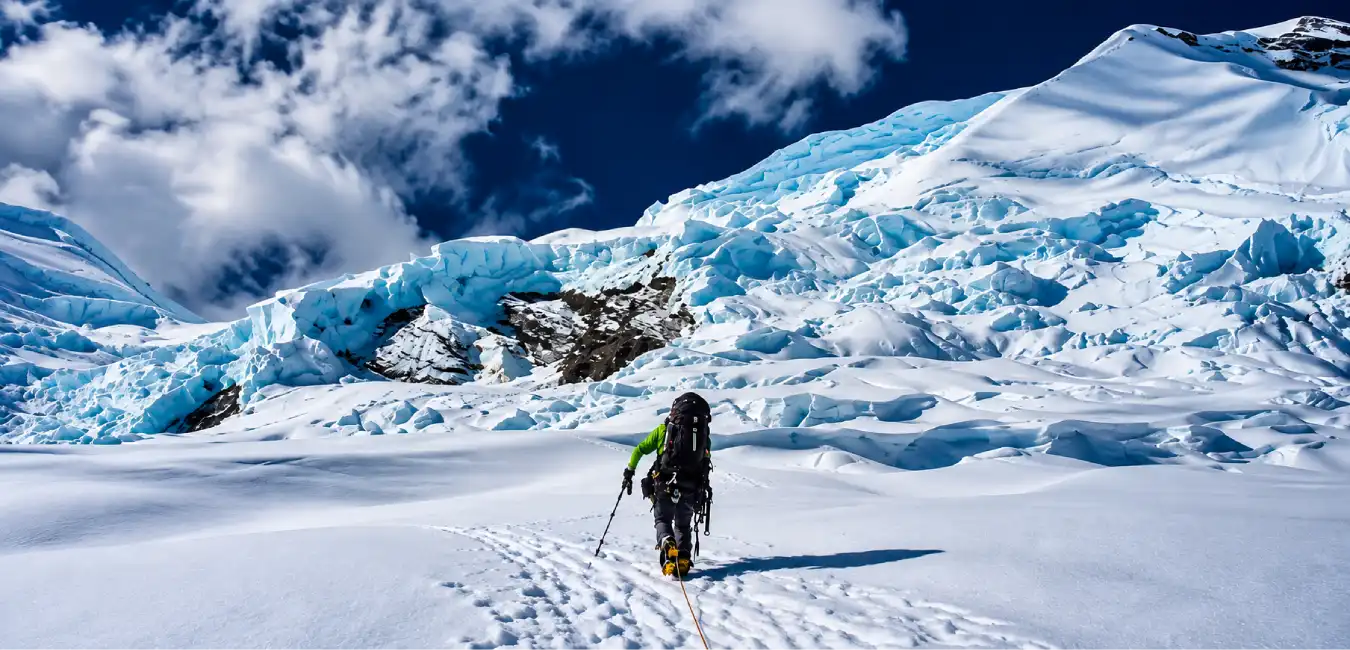
Huaraz is Peru's capital of high altitude trekking. From here, hike to Laguna 69 at 4,600 m (15,092 ft) or take on the Santa Cruz Trek through the snowcapped peaks of Huascarán National Park. Visit Chavín de Huántar, a 3,000 year old temple complex and UNESCO World Heritage Site. Make sure you're properly acclimatized before exploring, as the city sits at 3,052 m (10,013 ft).
What to see in Lima and on the central coast
Explore Lima, the City of kings
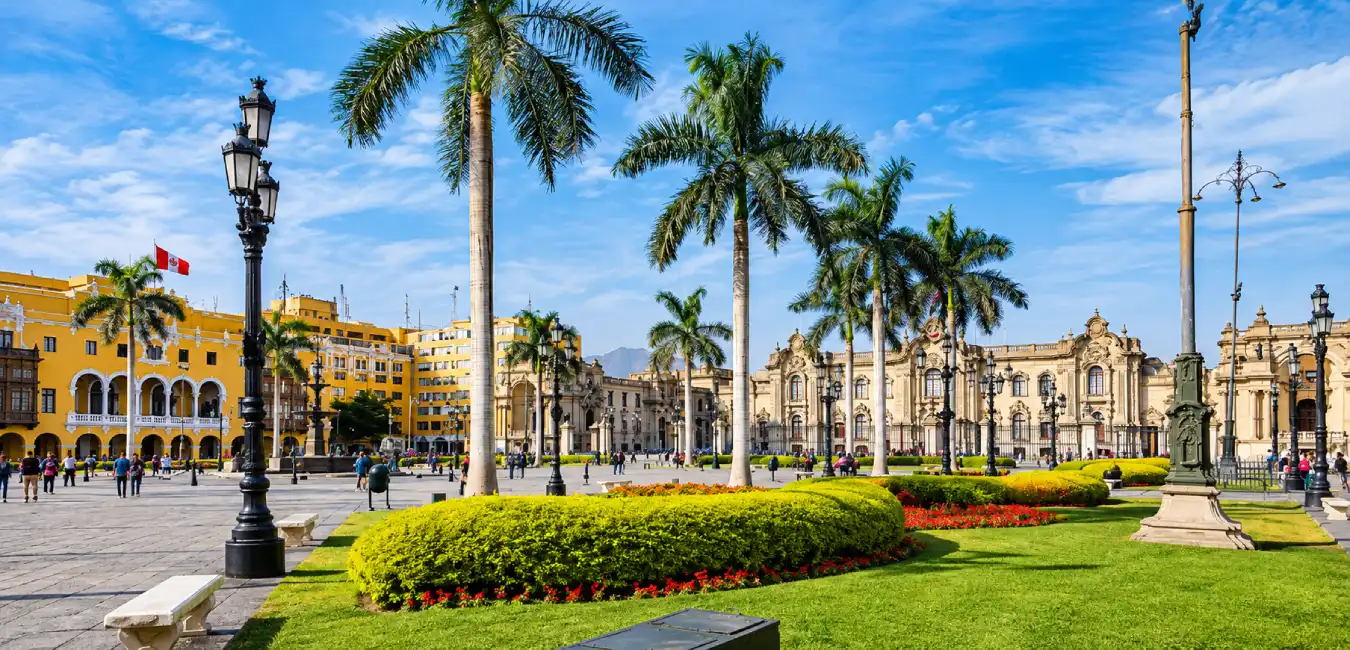
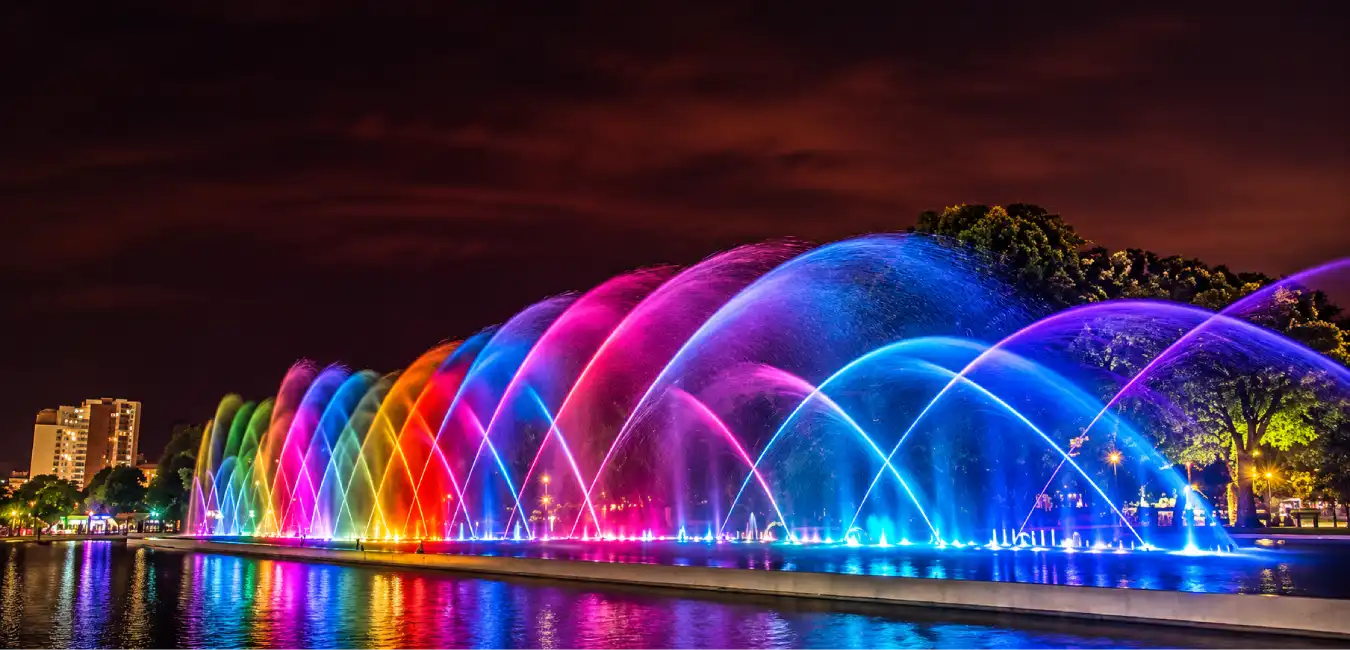
Lima is Latin America's gastronomic capital and hosted the World's 50 best restaurants awards ceremony in 2026. Explore its Historic Center, founded in 1535 and recognized as a UNESCO World Heritage Site. Stroll along the Miraflores boardwalk, experience the bohemian atmosphere of Barranco, and visit Huaca Pucllana. The Larco Museum offers an overview of 5,000 years of history.
About three hours north of Lima, you'll find Caral, the oldest city in the Americas, dating back approximately 5,000 years. Its pyramids were built when the first pyramids were still being constructed in Egypt.
Visit Paracas, Ica, and the Nazca Lines
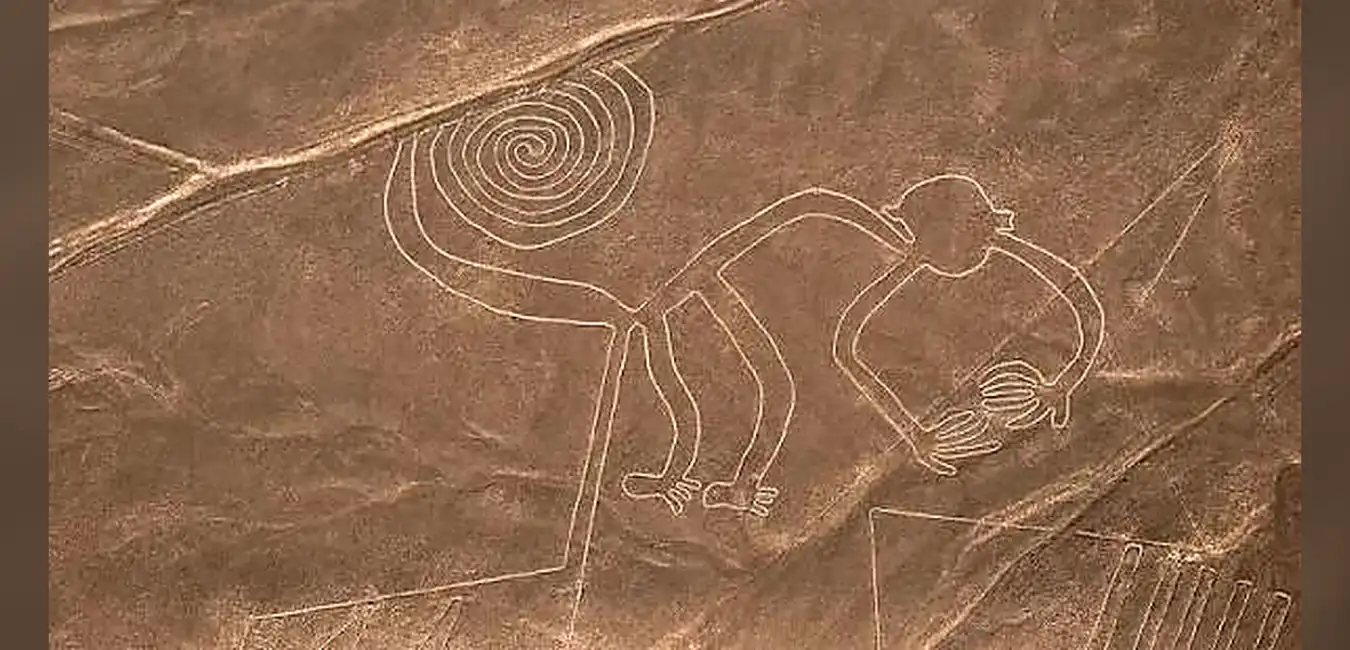
In Paracas, take a boat trip to the Ballestas Islands, where you'll spot sea lions, Humboldt penguins, and thousands of seabirds. In Ica, go dune buggy riding across the sand dunes of the Huacachina Oasis and sample pisco at family-owned wineries. In Nazca, take a scenic flight over some of the planet's most mysterious lines and geoglyphs, a UNESCO World Heritage Site.
What to see in the southern Andes
Experience Cusco, Machu Picchu, and the Sacred Valley
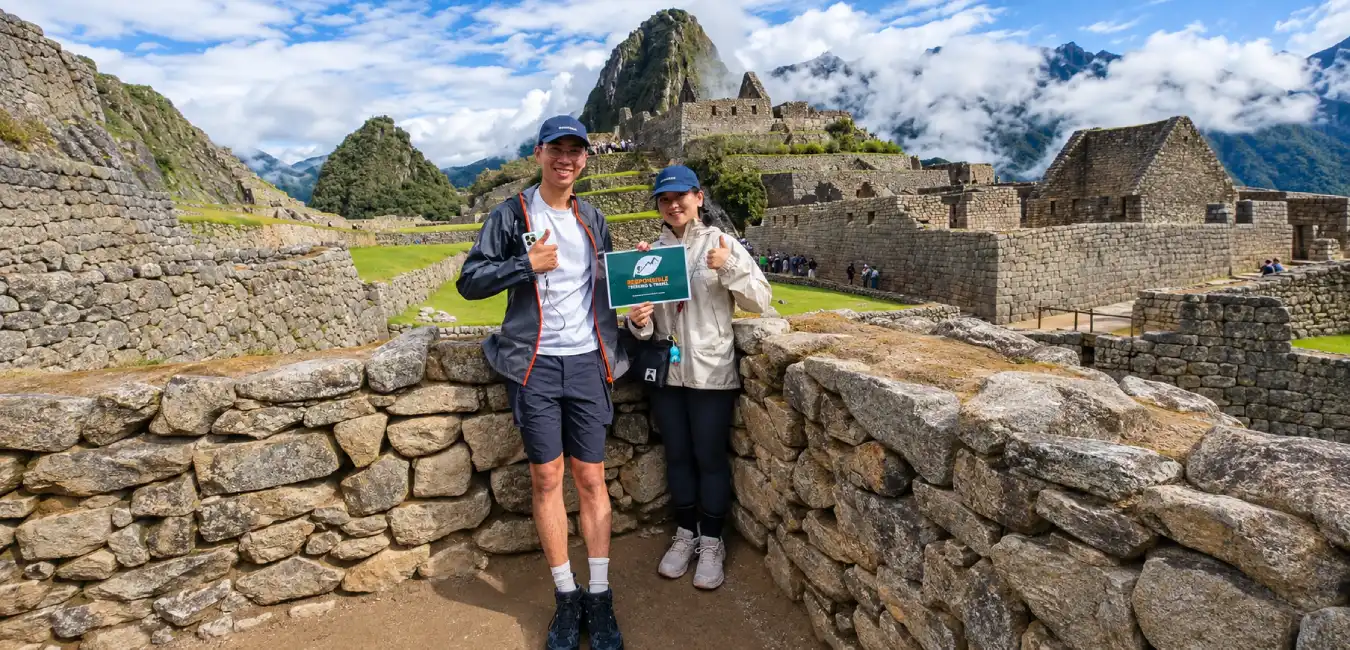
Cusco was the capital of the Inca Empire (Tahuantinsuyo) and is now the starting point for some of the country's best treks. From here, you can hike the Inca Trail, the Salkantay Trek, and the trail to Humantay Lake. Explore Sacsayhuamán, the agricultural terraces of Moray, and the villages of the Sacred Valley. Machu Picchu, one of the New Seven Wonders of the World, is the highlight of your trip.
Venture to Arequipa and Colca Canyon
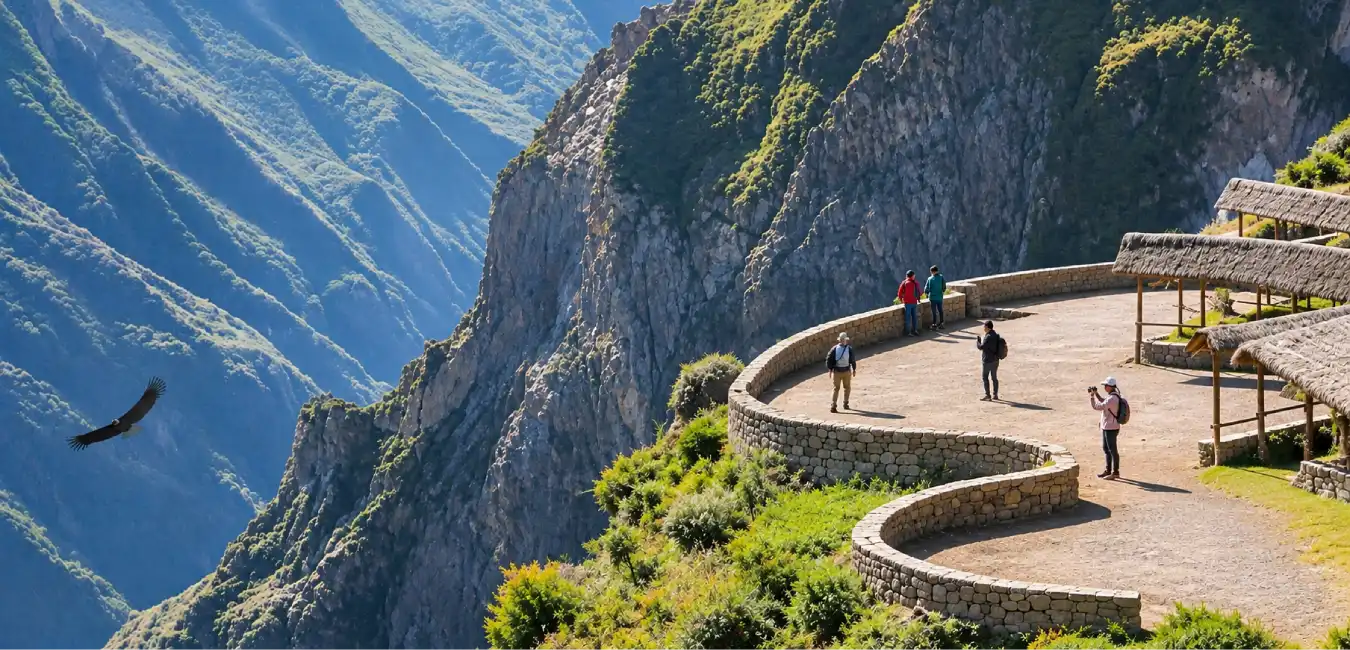
Arequipa, known as the White City, built its Historic Center using volcanic sillar stone at the foot of Mount Misti. Step inside the Santa Catalina Monastery, a city within a city that dates back to 1579. At Colca Canyon, one of the deepest canyons in the world, watch the Andean condor soar from the Cruz del Cóndor viewpoint.
Discover Puno and lake Titicaca
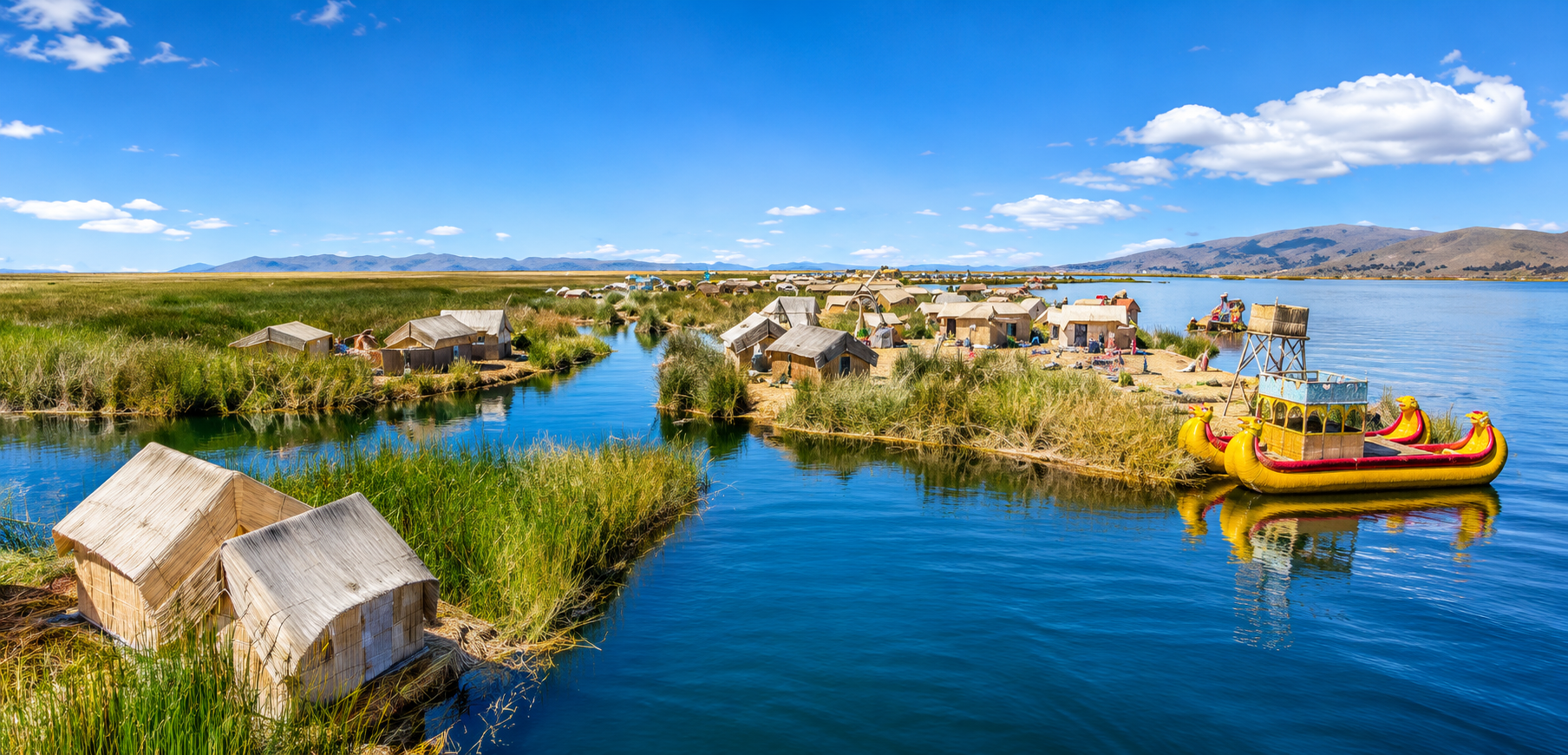
Lake Titicaca, at 3,812 m (12,507 ft), is the world's highest navigable lake. Take a boat trip to the Uros Floating Islands, built from totora reeds. On Taquile Island, learn about traditional textile art recognized by UNESCO, and on Amantaní Island, spend the night with a local family. Visit the Sillustani funerary towers (chullpas) at sunset.
Explore Ayacucho, the city of churches
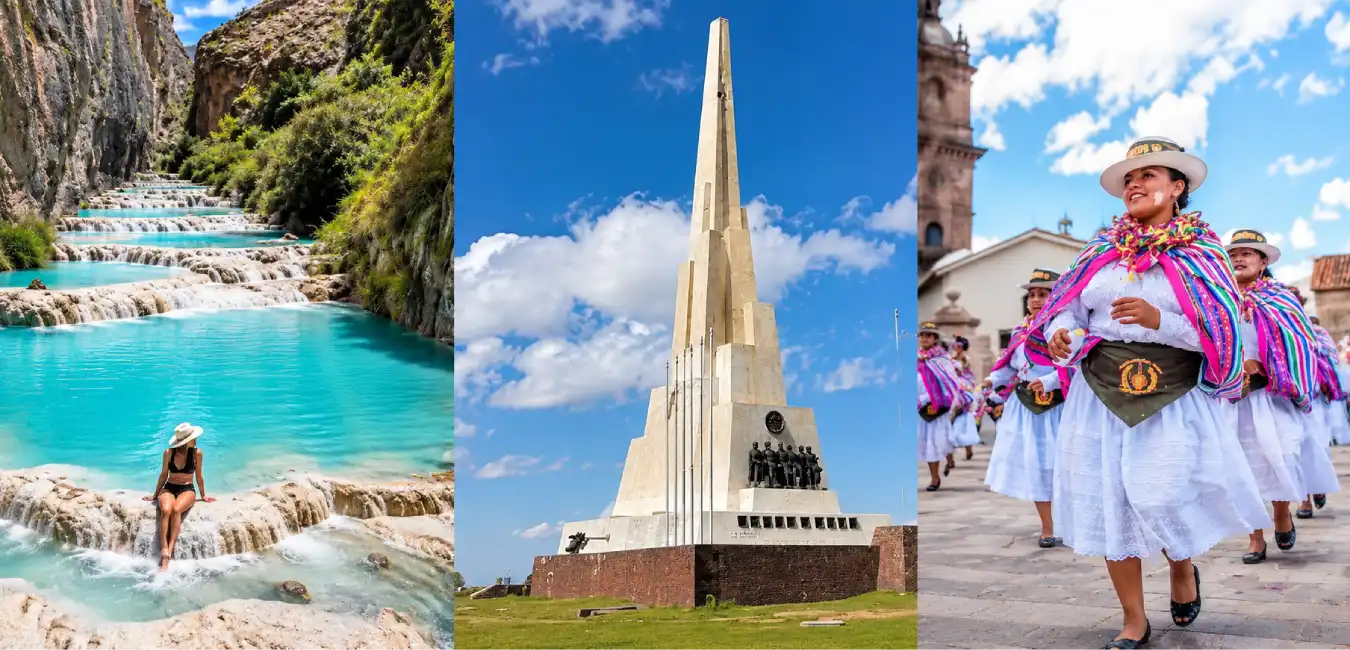
Ayacucho is home to more than 30 colonial churches and hosts Peru's most famous Holy Week celebrations. Visit the retablo and textile workshops in Quinua and explore the Pampa de Ayacucho, the site of the 1824 battle that secured South America's independence. Don't miss Wari, the capital of the first Andean empire.
What to do in the Amazon rainforest
Experience Iquitos, the beautiful island city
Iquitos is the world's largest city with no road access. Explore the Amazon River, look for pink river dolphins, and visit the Belén Market, famous for its floating houses. Stop by a manatee rescue center and see the Iron House (Casa de Fierro), attributed to Eiffel's workshop, in the Main Square.
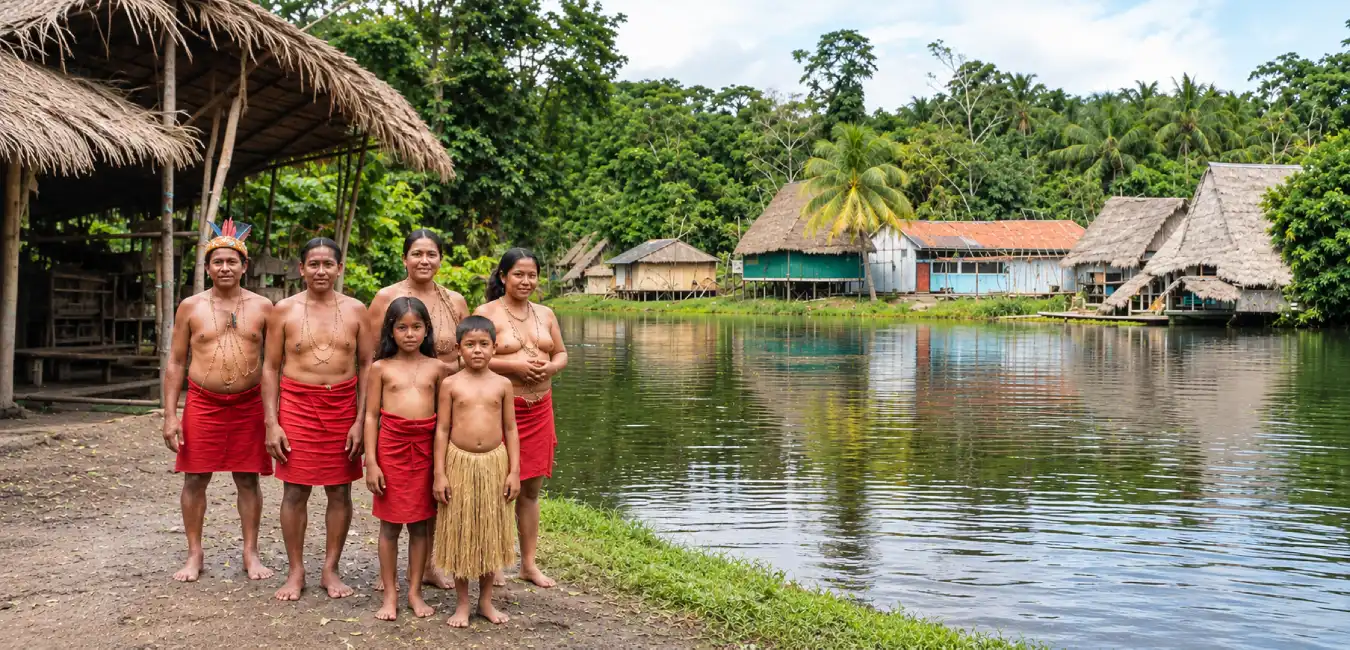
Venture into the heart of the rainforest
Explore the Pacaya Samiria National Reserve, home to more than 2 million hectares of flooded forests. Stay in jungle lodges or aboard river cruises, then head out by canoe at sunrise to look for monkeys, macaws, and caimans.
Explore Puerto Maldonado and Tambopata
Madre de Dios is known as Peru's biodiversity capital, just a short flight from Cusco. From Puerto Maldonado, take a boat to lodges in the Tambopata National Reserve. Paddle across Lake Sandoval in search of giant river otters, and wake up early to watch hundreds of macaws gather at the Chuncho clay lick.
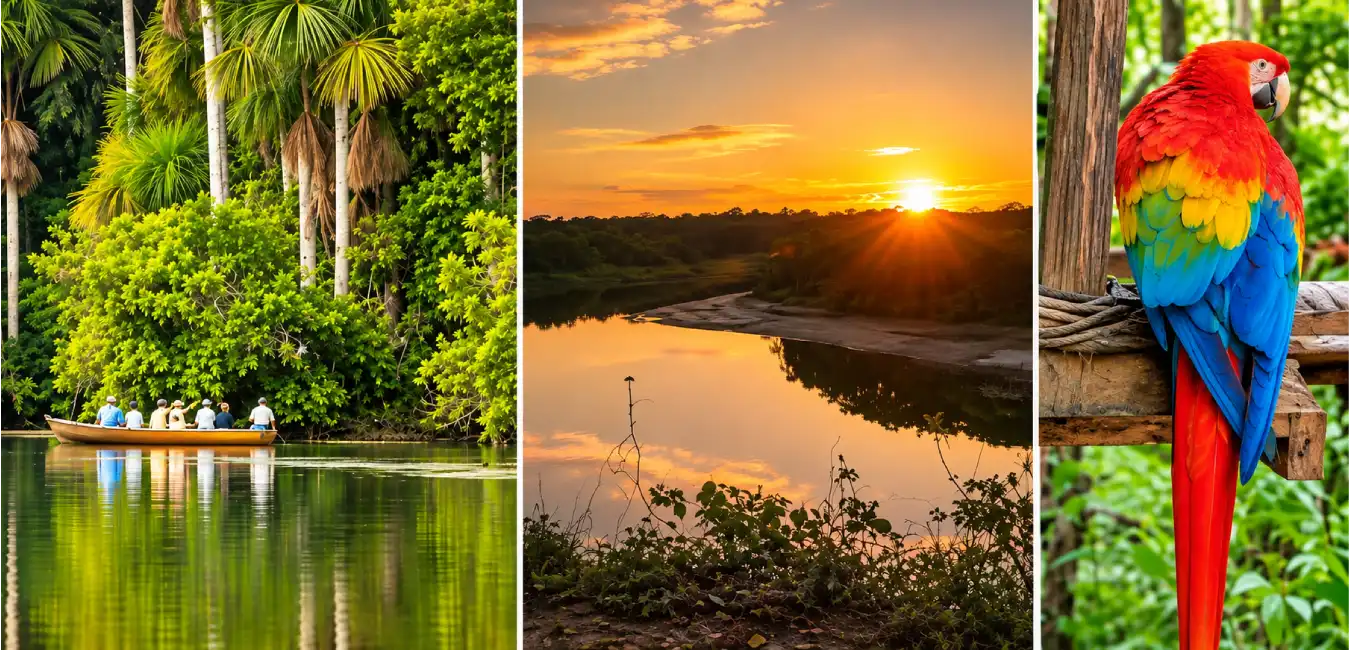
Venture into Manu National park
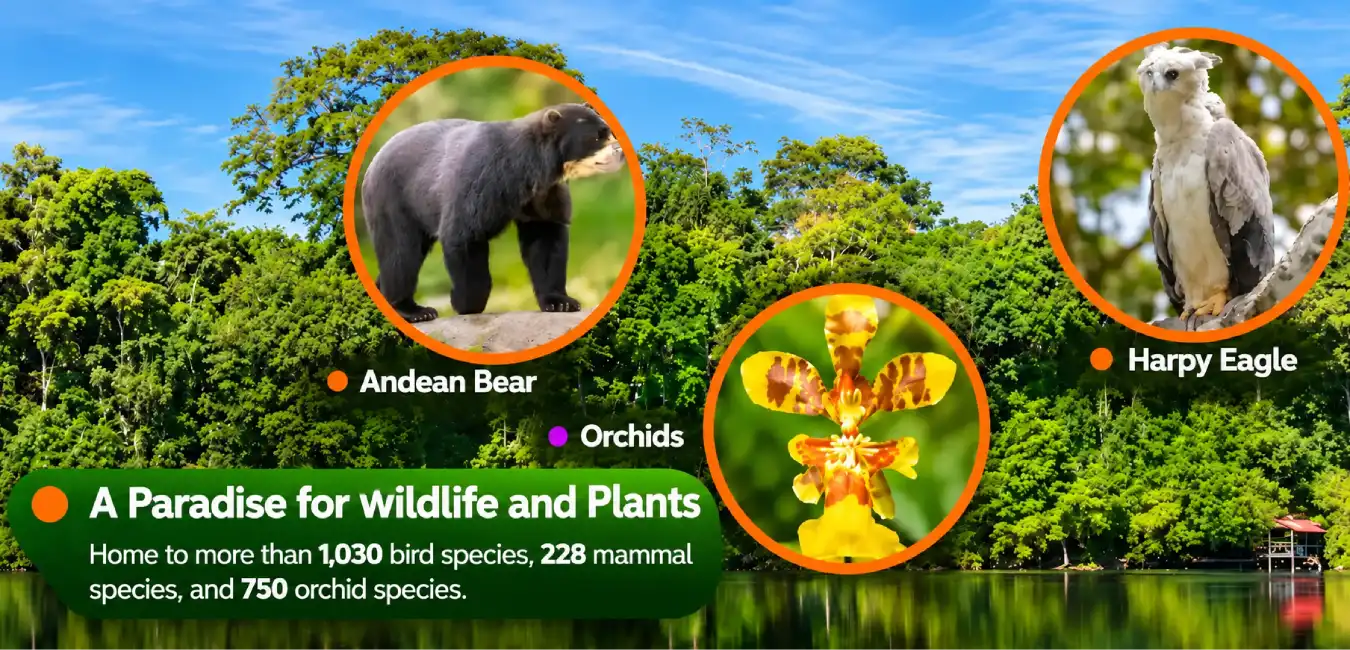
Manu is a UNESCO World Heritage Site and one of the most biodiverse places on the planet. You can reach it overland from Cusco, traveling from the high-altitude grasslands through the cloud forest and down into the lowland rainforest. Along the way, look out for the Andean cock of the rock, Peru's national bird.
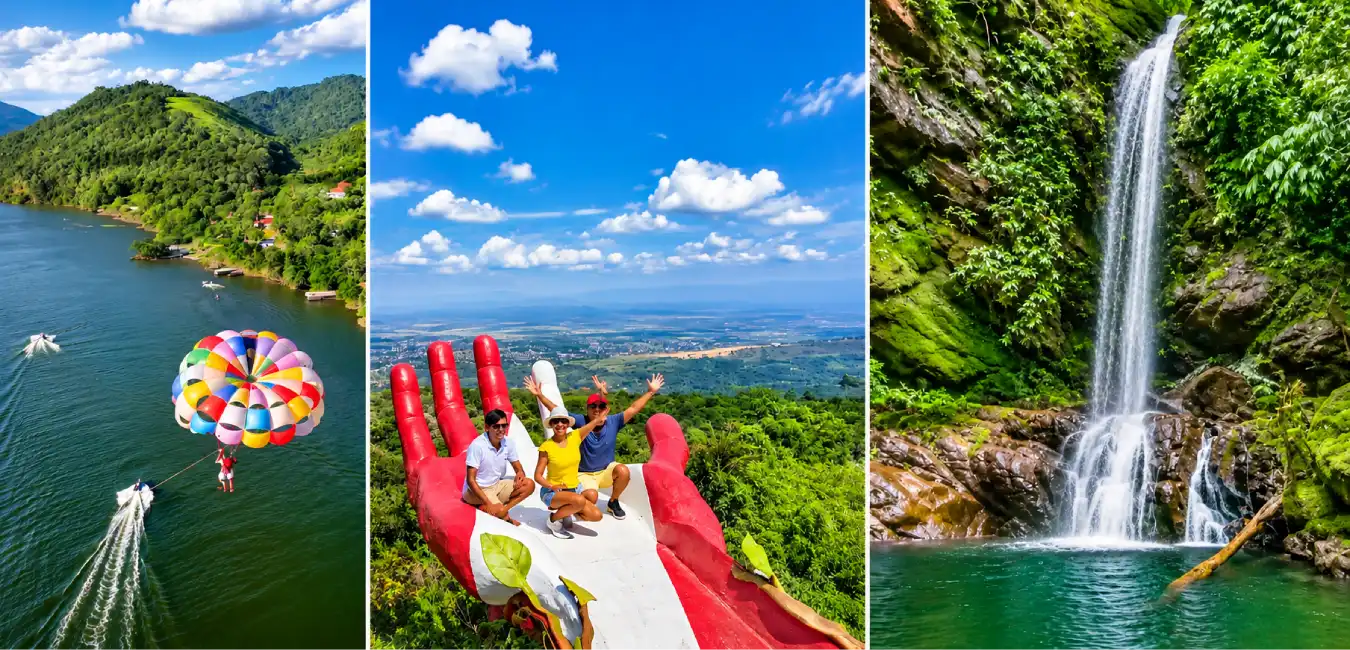
Enjoy Tarapoto and the high Jungle
Tarapoto is known as the City of Palm Trees and serves as a gateway to the high jungle of San Martín. Swim in Laguna Azul, hike to the Ahuashiyacu Waterfalls, and visit Lamas, where the Wayku neighborhood preserves the Quechua Lamista culture. Don't leave without trying juane and tacacho con cecina.
Tips for traveling to Peru for the first time
Traveling through Peru is an opportunity to explore breathtaking landscapes, experience ancient cultures, and visit one of a kind destinations. Before you set off, keep these practical travel tips in mind.
What to pack for your trip to Peru
In the Andes, the weather can change four times in a single day: cold at sunrise, intense sunshine at midday, rain in the afternoon, and freezing temperatures at night. That's why dressing in layers is essential. Also, above 3,000 m (9,843 ft), the sun's rays are twice as intense, whether it's cloudy or not. In contrast, the Amazon rainforest calls for lightweight, long-sleeved clothing and insect repellent within easy reach.
Category | What to Pack |
|---|---|
| Mountain Clothing | Quick drying shirts, thermal base layers, a down or fleece jacket, a waterproof jacket, trekking pants, a warm hat, gloves, and wool socks. |
| Jungle Clothing | Lightweight, light colored, long sleeved shirts and pants, a hat, and a rain poncho. Most jungle lodges provide rubber boots. |
| Footwear | Well broken in hiking boots, comfortable walking shoes for the city, and sandals. |
| Sun Protection | SPF 50 sunscreen, UV protection sunglasses, a wide brimmed hat, and lip balm. |
| First-Aid Kit | Your prescription medications, pain relievers, anti diarrheal medication, oral rehydration salts, blister bandages, and DEET based insect repellent. |
| Trekking Gear | A 25–30 liter backpack, trekking poles with rubber tips, a headlamp, a filtered water bottle, a sleeping bag rated for below freezing temperatures, and a soft duffel bag for porters or mules. |
| Extras | Digital copies of your travel documents, a plug adapter, a power bank, and a reusable bag for carrying out your trash. |
Vaccinations and health tips for traveling to Peru
Lima, the coast, Cusco, Machu Picchu, and the Inca Trail do not require special vaccinations. However, the yellow fever vaccine is important if you're traveling to Iquitos, Puerto Maldonado, Tarapoto, Chachapoyas, or Manu. Get vaccinated at least 10 days before your trip. A single dose provides lifelong protection.
In the Amazon, use insect repellent containing 15–25% DEET, wear long sleeves, sleep under a mosquito net, and monitor your health for seven days after returning.
How to prevent altitude sickness in Peru
Several Peruvian cities sit above 3,000 m (9,843 ft), and since altitude sickness doesn't distinguish between athletes and less active travelers, anyone can experience it. Common symptoms include headaches, shortness of breath when climbing stairs, fatigue, and difficulty sleeping on your first night. These symptoms are common during the first 48 hours. However, if you experience confusion or shortness of breath while resting, seek medical attention immediately.
How to acclimatize step by step
The key is to gain altitude gradually. For example, if you're visiting Cusco, spend your first two nights in the Sacred Valley. Then, take it easy on your first day, drink three liters of water a day, and save the pisco sour for the end of your trek. It's also a good idea to ask your doctor about acetazolamide before traveling.
Elevation of Peru's main andean cities
City | Elevation | What to expect |
|---|---|---|
| Arequipa | 2,335 m (7,661 ft) | Moderate elevation. A good stop to acclimatize before visiting Colca Canyon or Puno. |
| Cajamarca | 2,750 m (9,022 ft) | You may notice shortness of breath when walking uphill. |
| Huaraz | 3,052 m (10,013 ft) | Allow two days to acclimatize before hiking at higher elevations. |
| Cusco | 3,399 m (11,152 ft) | You may feel the effects of altitude when climbing stairs. |
| Puno | Above 3,800 m (12,467 ft) | The most demanding elevation. Arrive well acclimatized. |
Is it safe to travel to Peru?
Yes, as long as you take the same precautions you would in any popular tourist destination. For example, keep an eye on your belongings in markets and public squares, never leave your drink unattended in bars, and use a ride-hailing app at night. Likewise, travel during the day and choose reputable bus companies. Tourist Police officers patrol historic city centers, and in an emergency, you can call the Police at 105 or the Fire Department at 116.
What to eat in Peru, region by region
During your first few days at high altitude, stick to warm, light meals. In fact, a bowl of quinoa soup is a traditional Andean favorite. For affordable, delicious food, look for local eateries serving a menú del día (daily set menu), which typically includes soup and a main course starting at S/ 8.
Region | Local dishes to try |
|---|---|
| Lima and the Coast | Ceviche, causa limeña, ají de gallina, anticuchos, and pisco sour. |
| Northern Coast | Arroz con pato (duck rice) in Chiclayo, cabrito a la norteña (northern-style goat stew), and shámbar soup in Trujillo. |
| Arequipa | Rocoto relleno (stuffed spicy peppers), chupe de camarones (shrimp chowder), and adobo arequipeño (Arequipa style pork stew). |
| Cusco and the Andes | Chiri uchu, adobo cusqueño (Cusco style pork stew), cuy al horno (roasted guinea pig), and hundreds of varieties of native potatoes. |
| Cajamarca | Local cheeses, manjar blanco (milk caramel), and caldo verde (green herb soup). |
| Amazon Rainforest | Juane, tacacho con cecina (mashed plantain with smoked pork), patarashca (fish wrapped in leaves), and camu camu juice. |
"Travel through Peru with Responsible Trekking. We operate tours in Lima, Paracas, Ica, Cusco, the Inca Trail, with mountain domes and llamas accompanying you along the way, Salkantay, Arequipa, Colca Canyon, and Puno. We design every itinerary with time for acclimatization, secured permits, and small groups. Make your trip even more special with a night at our Andes Sky Dome, a traditional pachamanca and huatia cooking experience, a textile workshop, or a pago a la tierra (offering to Mother Earth) ceremony."
Frequently asked questions
Do i need to book hotels in advance?
Yes, especially if you're traveling between May and September, when tourist demand is higher. Accommodations in destinations such as Cusco, Machu Picchu, Arequipa, and Puno tend to fill up quickly. Book ahead to find better rates and secure your stay.
Can i pay in U.S. dollars?
Yes, some hotels, travel agencies, and tourist businesses accept U.S. dollars. Check the exchange rate before making a payment.
Can i use international credit cards?
Yes, you can use Visa and Mastercard at hotels, restaurants, supermarkets, and tourist establishments in major cities. Before traveling, check with your bank for any fees on international purchases and ATM withdrawals.
Do i need to buy a SIM card?
It's not mandatory, but having internet access makes traveling much easier. You can buy a prepaid SIM card in Peru. Keep in mind that cell service may be limited along trekking routes and in rural communities.
Is it better to travel independently or book with a travel agency?
You can explore cities such as Lima, Arequipa, and Cusco on your own. However, for routes such as the Inca Trail, Salkantay, Ausangate, or Choquequirao, booking with a licensed travel agency makes logistics easier and gives you access to experienced professional guides.
Which apps are useful when traveling in Peru?
Google Maps, Google Translate, and WhatsApp will come in handy during your trip. You can also use Booking.com, Rome2Rio, PeruRail, and Inca Rail. Download maps in advance so you can access them offline.
Can i visit Peru without speaking spanish?
Absolutely! You'll find English speaking staff in major tourist destinations, although communicating can be more challenging in local markets and rural communities. Learning a few basic Spanish phrases and using a translation app will make your trip much easier.