
Colca Canyon is much more than the place where Andean condors soar overhead. It's a journey through towering mountains, traditional Andean villages, breathtaking viewpoints, and scenic trails that lead deep into the heart of the canyon. If you're planning a visit, you're probably wondering how many days you need, how to get there, or when the best time to go is. In this guide, we'll share practical information and firsthand travel tips to help you plan your Colca Canyon adventure with ease.
What is the Colca Canyon and why should you visit it?
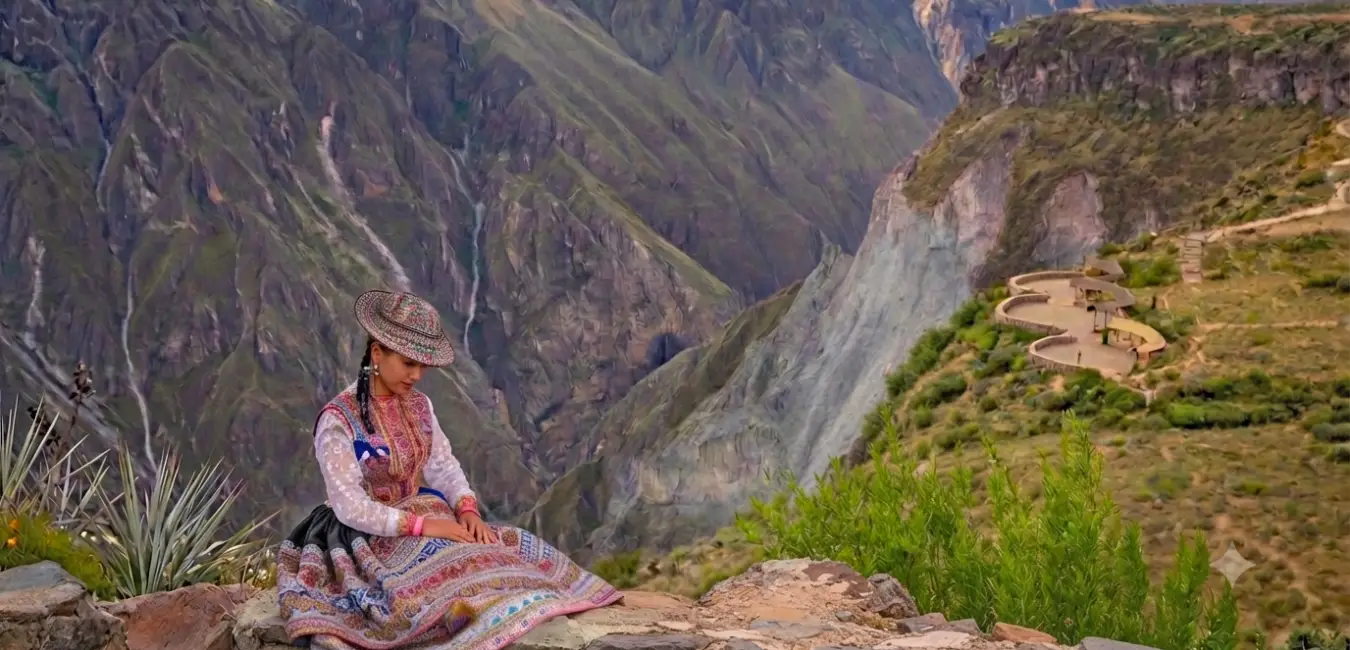
Colca Canyon is a spectacular valley and canyon carved by the colca river, located in Caylloma Province, north of Arequipa, Peru. Its breathtaking scenery features towering canyon walls, ancient pre-Inca agricultural terraces, traditional Andean villages, and dramatic changes in elevation.
How deep is Colca Canyon compared to other canyons around the world?
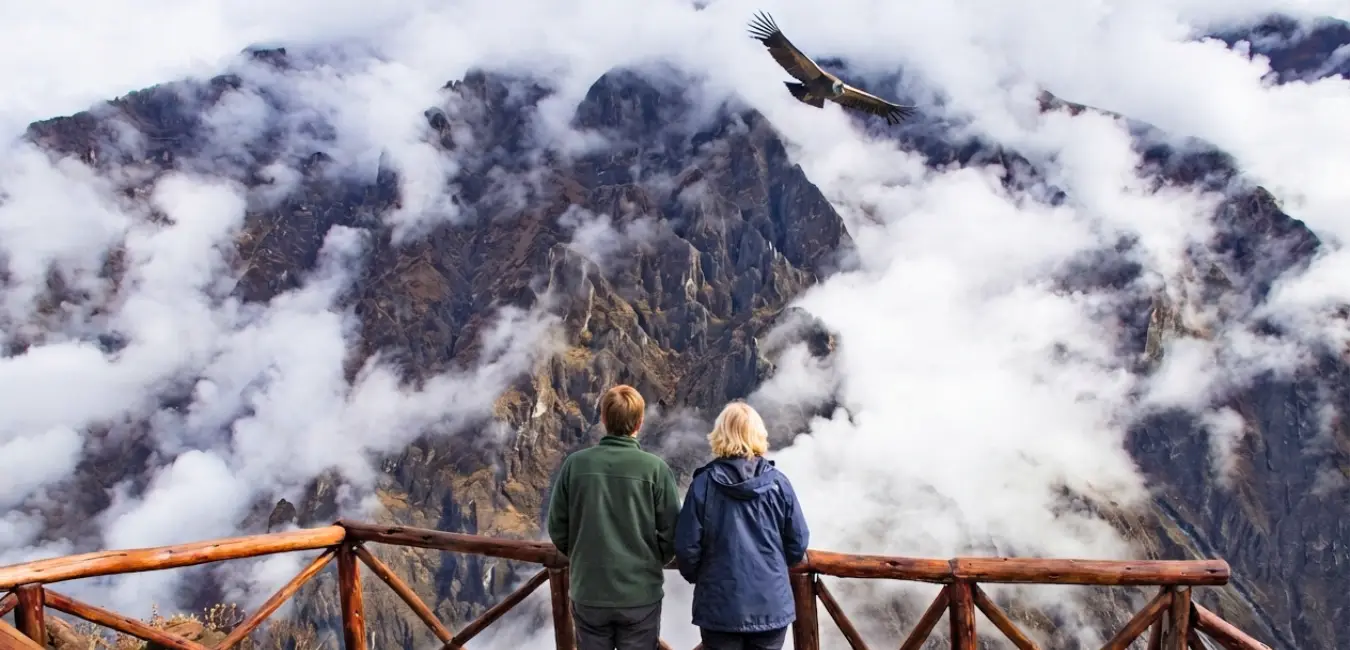
Colca Canyon is one of the deepest canyons in the world, reaching depths of up to 3,400 meters (11,155 feet). For many years, it was considered the deepest canyon on earth. Today, it ranks among the world's deepest canyons alongside Cotahuasi Canyon in Perú, the grand Canyon in the united states, and the yarlung tsangpo grand Canyon in tibet.
Colca Canyon quick facts
Before planning your trip, here are some essential facts you should know about Colca Canyon.
Fact | Details |
|---|---|
| Location | Caylloma Province, Arequipa Region, southern Peru |
| Distance from Arequipa | About 160 km (100 miles), approximately 3–4 hours by road |
| Maximum Depth | More than 3,400 meters (11,150 feet) |
| Highest Point Along the Route | Patapampa Viewpoint: 4,910 m (16,108 ft) |
| Main Attraction | Cruz del Cóndor Viewpoint (3,800 m / 12,467 ft) |
| Main Towns | Chivay (the valley's main town) and Cabanaconde |
| Iconic Wildlife | Andean condor, vicuña, alpaca, and vizcacha |
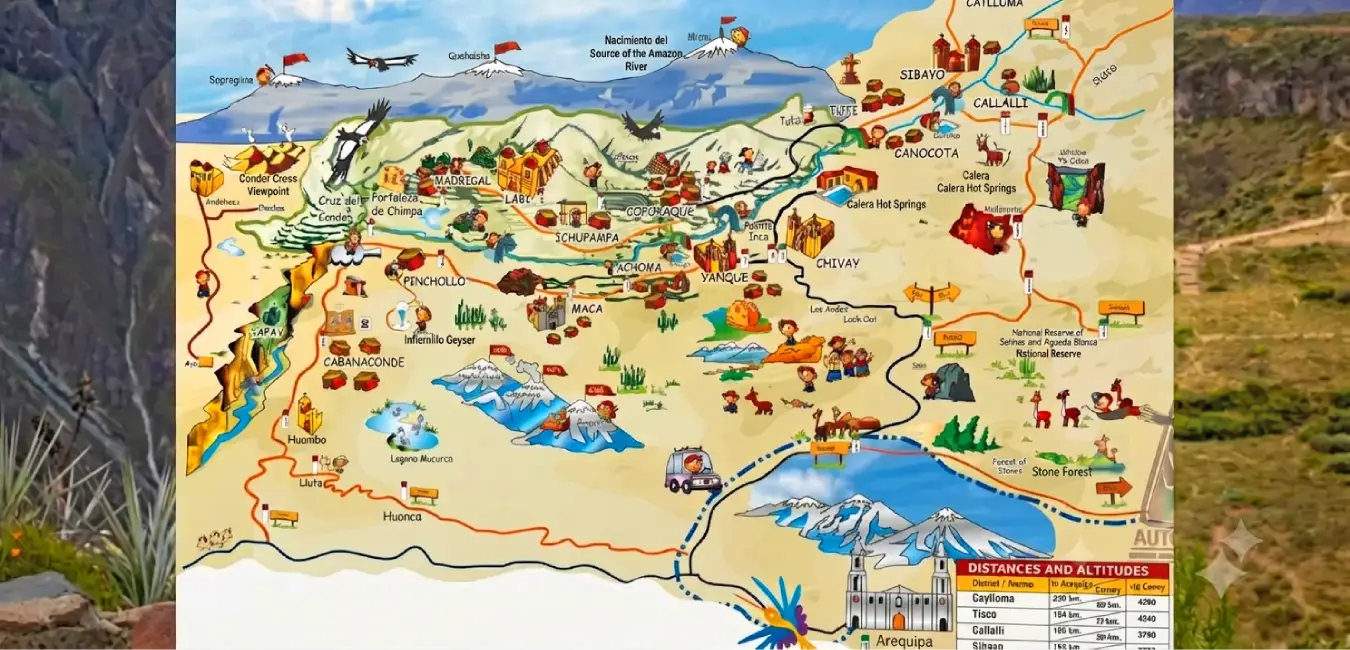
Colca Canyon map
Before starting your adventure, it's helpful to understand the most common sightseeing route through Colca Canyon:
- Arequipa – Salinas and Aguada Blanca National Reserve – Pampa Cañahuas – Patapampa (Andes Viewpoint) – Chivay – La Calera Hot Springs – Yanque – Maca – Cruz del Cóndor Viewpoint – Cabanaconde – Sangalle Oasis (for hikers).
Traveler Tip...
Download an offline map before your trip, as cell service and internet access can be limited in some parts of the valley.
Is Colca Canyon worth visiting?
Absolutely, especially if you love nature, breathtaking landscapes, and authentic local culture. Here you can watch majestic Andean condors soaring through the canyon, visit incredible viewpoints, and explore traditional villages like Chivay, Yanque, and Cabanaconde. If you're looking for adventure, you can also hike down to the beautiful Sangalle Oasis. Without a doubt, Colca Canyon deserves a spot on any southern Peru itinerary.
The 7 best things to do in Colca Canyon
Once you arrive in Colca Canyon, my advice is simple: slow down and enjoy the journey. There's so much more to see than the famous Cruz del Cóndor, so take your time, stop often, and explore different corners of the valley. Here are seven experiences you shouldn't miss.
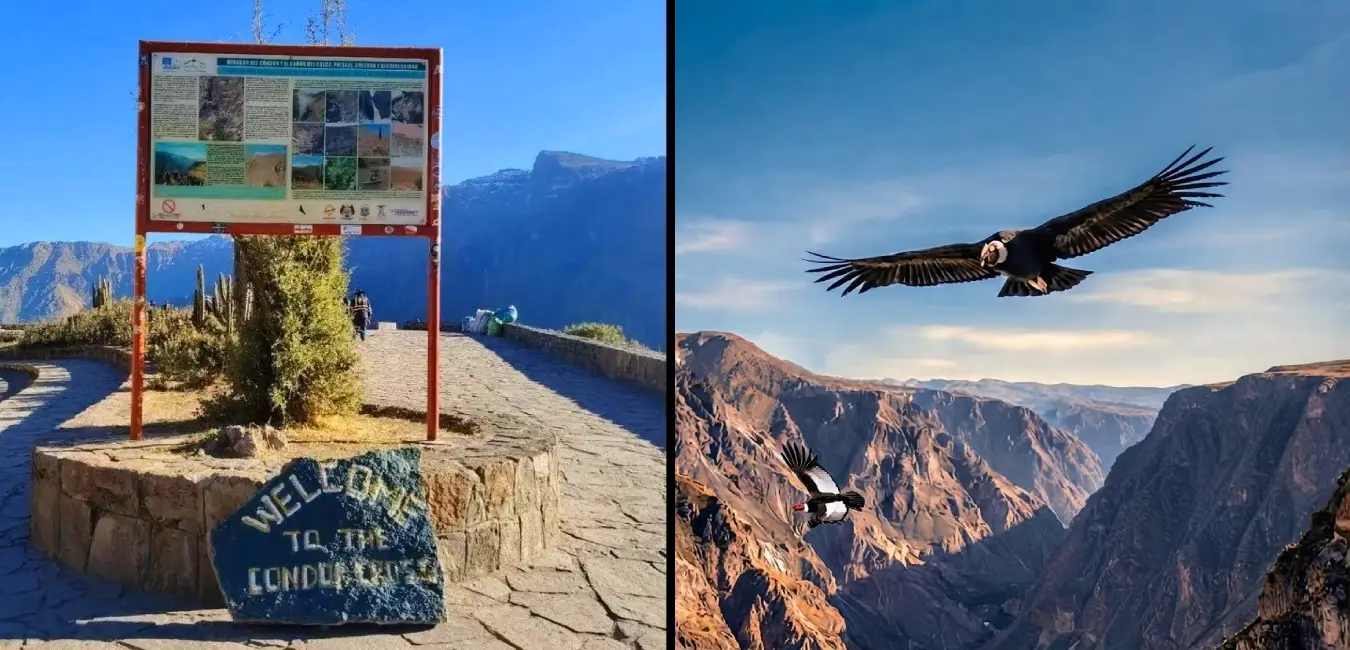
1. Watch andean Condors at Cruz del Cóndor
This is one of the world's best places to watch the Andean condor soaring high above the canyon. I recommend arriving early, between 8:00 and 10:00 a.m., finding a good viewing spot, and having your camera ready. If conditions are favorable, you'll likely see several condors gliding effortlessly on the warm air currents rising from the canyon walls.
2. Visit the best viewpoints in Colca Canyon
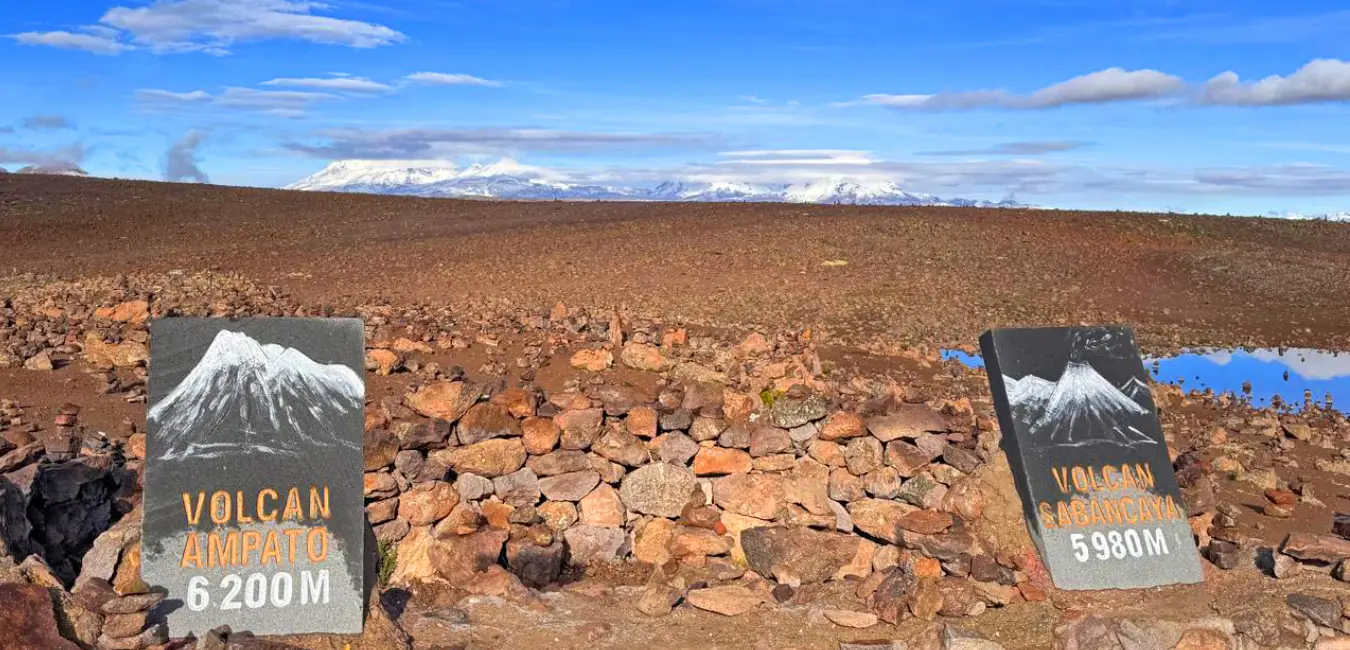
Although Cruz del Cóndor is the valley's most famous viewpoint, Colca valley is home to many other spectacular overlooks. That's why it's worth stopping at several viewpoints along the way to appreciate the canyon from different perspectives.
Summary of the Best Viewpoints in Colca Canyon
Viewpoint | What you'll see |
| Patapampa | Panoramic views of Sabancaya Volcano and snow-capped peaks such as Ampato and Coropuna at 4,910 m (16,108 ft). |
| Antahuilque | Ancient agricultural terraces built by the Collagua and Cabana cultures. |
| Choquetico | Ancient petroglyphs and fascinating rock formations. |
| Achachihua | A peaceful, lesser-known viewpoint that's perfect for photography. |
| Tapay | Hidden villages surrounded by mountains and scenic hiking trails. |
3. Visit Chivay, Yanque, and Cabanaconde
The towns of Colca Canyon offer a completely different side of the valley. While many travelers only stop briefly during a tour, each town plays an important role in the overall experience.
Chivay: The gateway to Colca valley
Chivay is the main town of the Colca Valley and will likely be your base during the trip. Here you'll find accommodations for every budget, local restaurants, a traditional market, and a charming main square surrounded by mountains. It's also the easiest place to access the famous La Calera Hot Springs.
Before you continue...
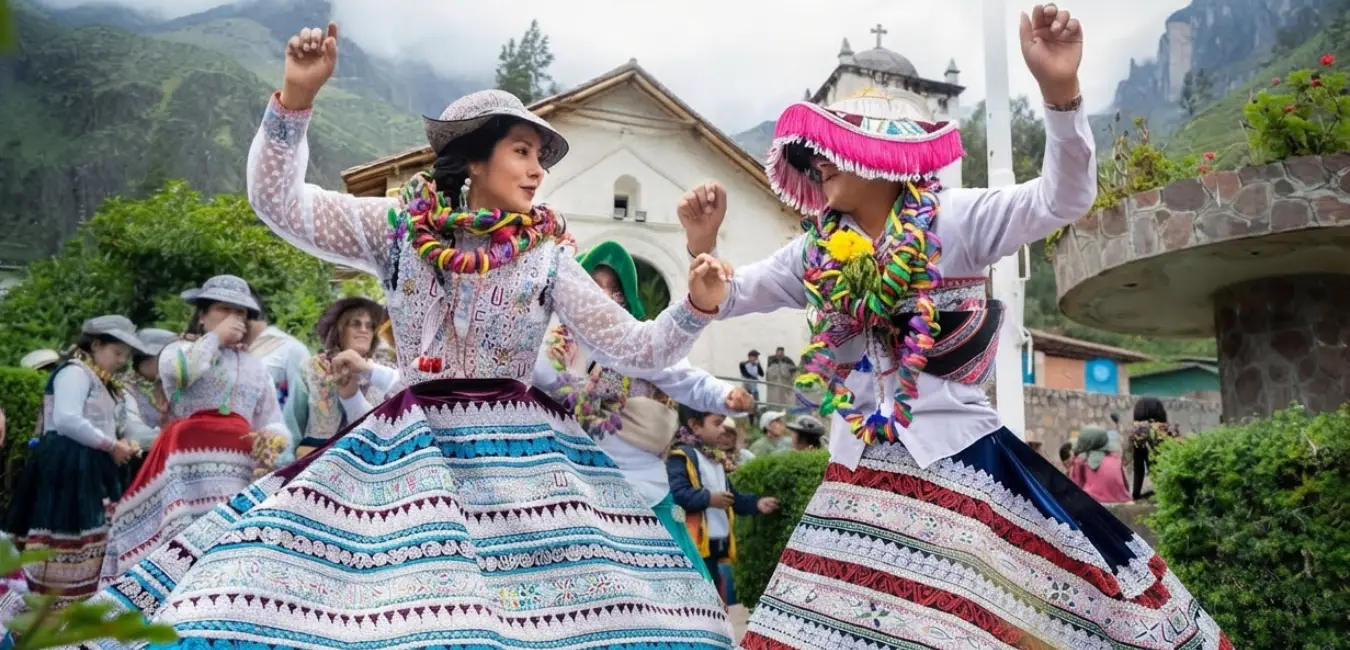
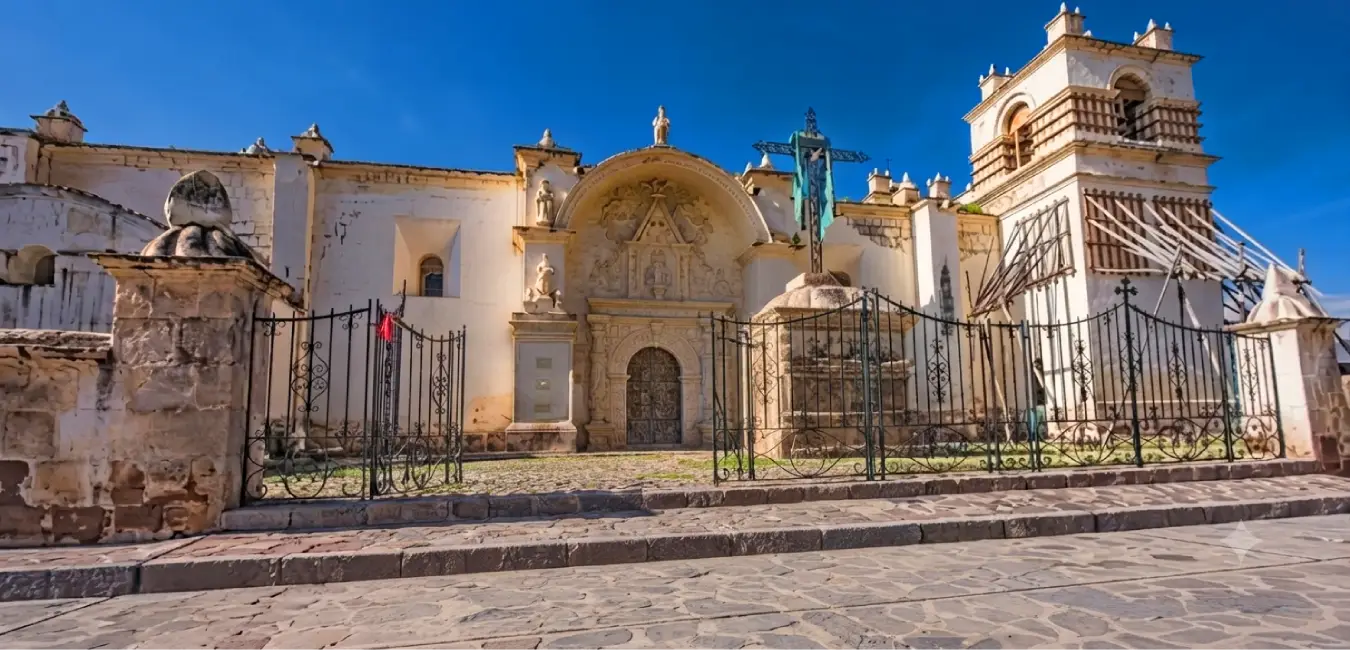
Visit the Church of our lady of the assumption and, if you have the chance, enjoy the traditional folk dance performances often held around the town.
Cabanaconde: The starting point for the trek
If you're looking for adventure, you'll almost certainly pass through Cabanaconde. This peaceful mountain town is the starting point for most hiking routes into Colca Canyon. Located close to Cruz del Cóndor, it offers spectacular canyon views and serves as the gateway to the trails descending toward the Colca River and the beautiful Sangalle Oasis.
Yanque: Culture, history, and colonial architecture
Yanque combines beautiful colonial architecture, cultural traditions, and charming countryside accommodations. Many travelers choose to spend the night here for its peaceful atmosphere. Its convenient location also makes it an excellent base for visiting the valley's main viewpoints.
4. Discover the Collagua and Cabana cultures
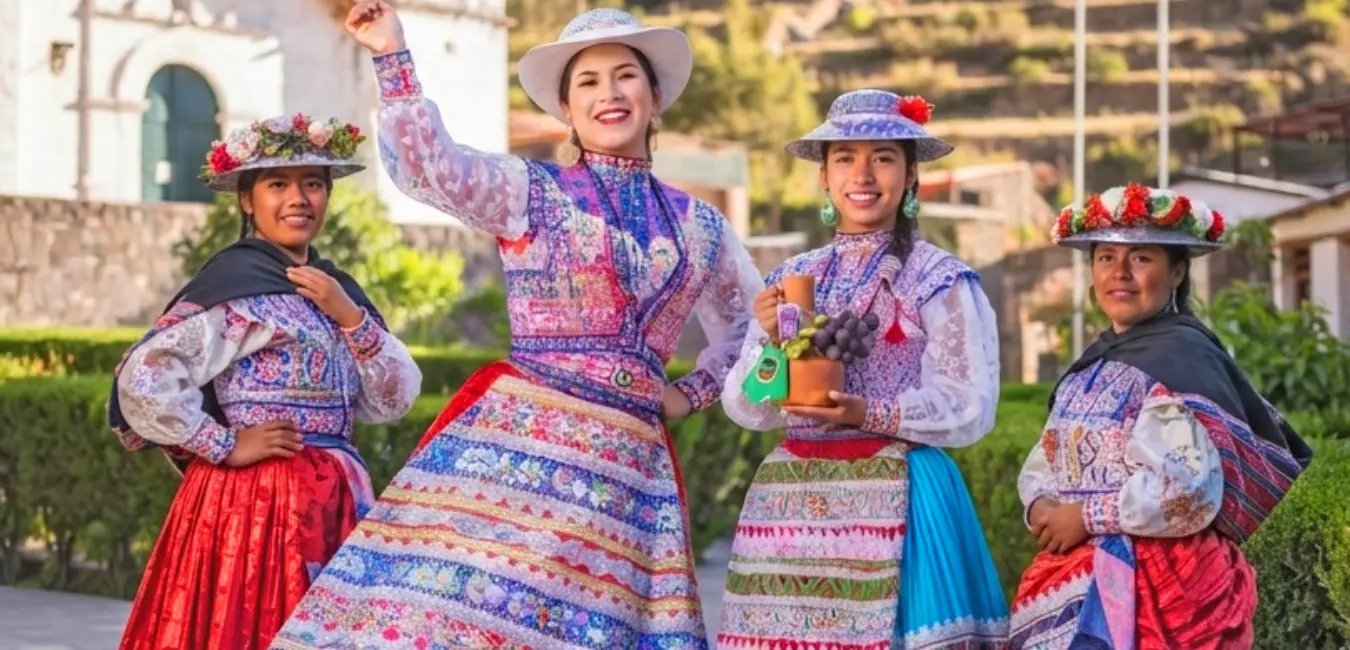
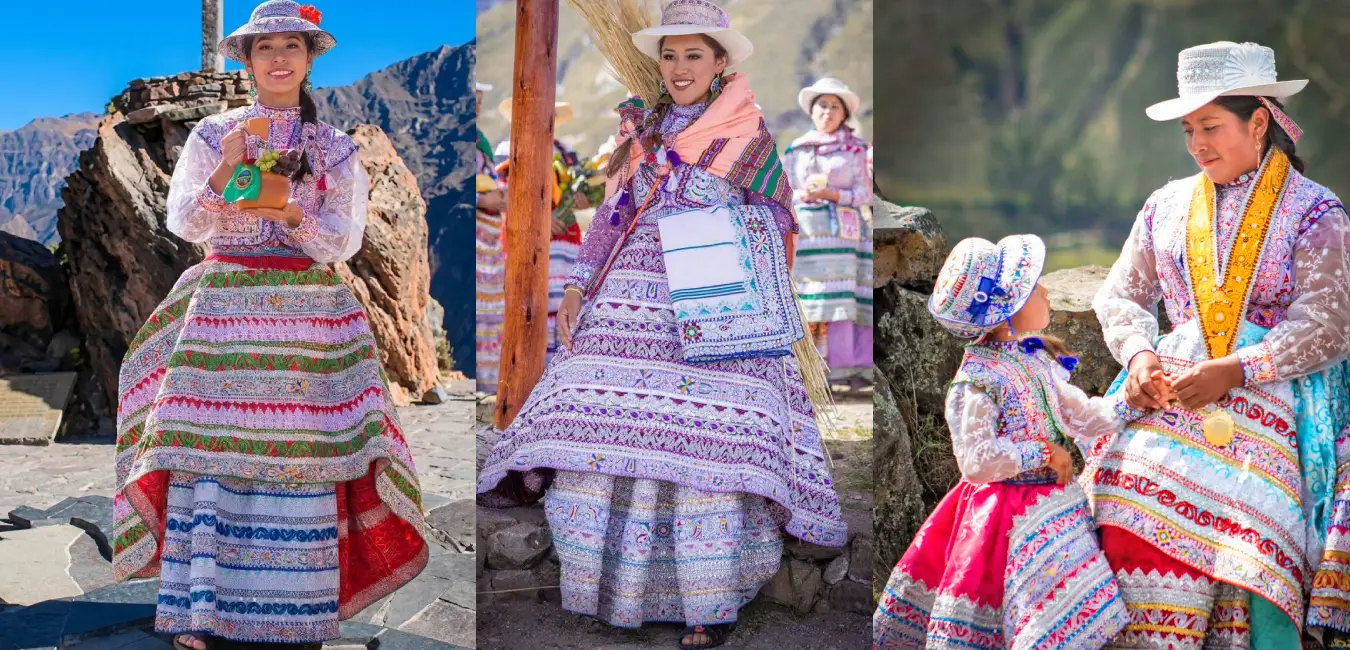
Colca Canyon is much more than incredible scenery. Two ancient civilizations, the Collagua and the Cabana, shaped the valley's history for centuries. One of the easiest ways to recognize their heritage today is through the beautifully embroidered traditional hats worn by local women. The colors, patterns, and designs vary from one community to another, reflecting each group's unique cultural identity.
5. Hike to the sangalle oasis
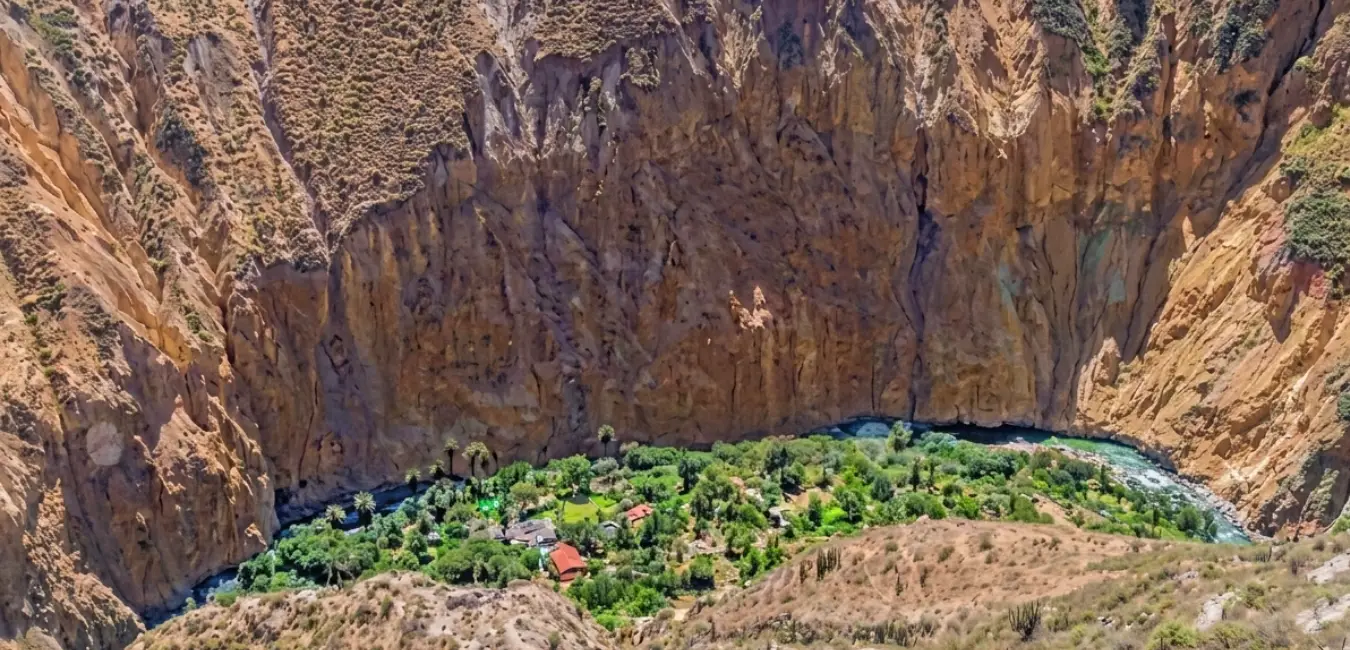
If you enjoy hiking, you can descend from Cabanaconde to the beautiful Sangalle Oasis, located at the bottom of Colca Canyon. The trail winds down the canyon's towering walls before reaching a lush oasis filled with vegetation, swimming pools, and rustic lodges. Just remember that the following day you'll need to hike back up to Cabanaconde, a challenging climb that requires a good level of fitness.
6. Relax in the natural hot springs
After exploring the valley, there's nothing better than soaking in the region's natural hot springs. The mineral, rich waters, with temperatures ranging from 36°C to 50°C (97°F to 122°F), are naturally high in calcium, zinc, and iron. The most popular hot springs include La Calera (Chivay), Chacapi (Yanque), Umaru (Coporaque), and Baños del Inca (Callalli).
Keep in mind...
Most two-day Colca Canyon tours stop at La Calera Hot Springs. However, the entrance fee, typically between S/15 and S/20 is not always included in the tour price.
7. What to eat during your visit to Colca Canyon
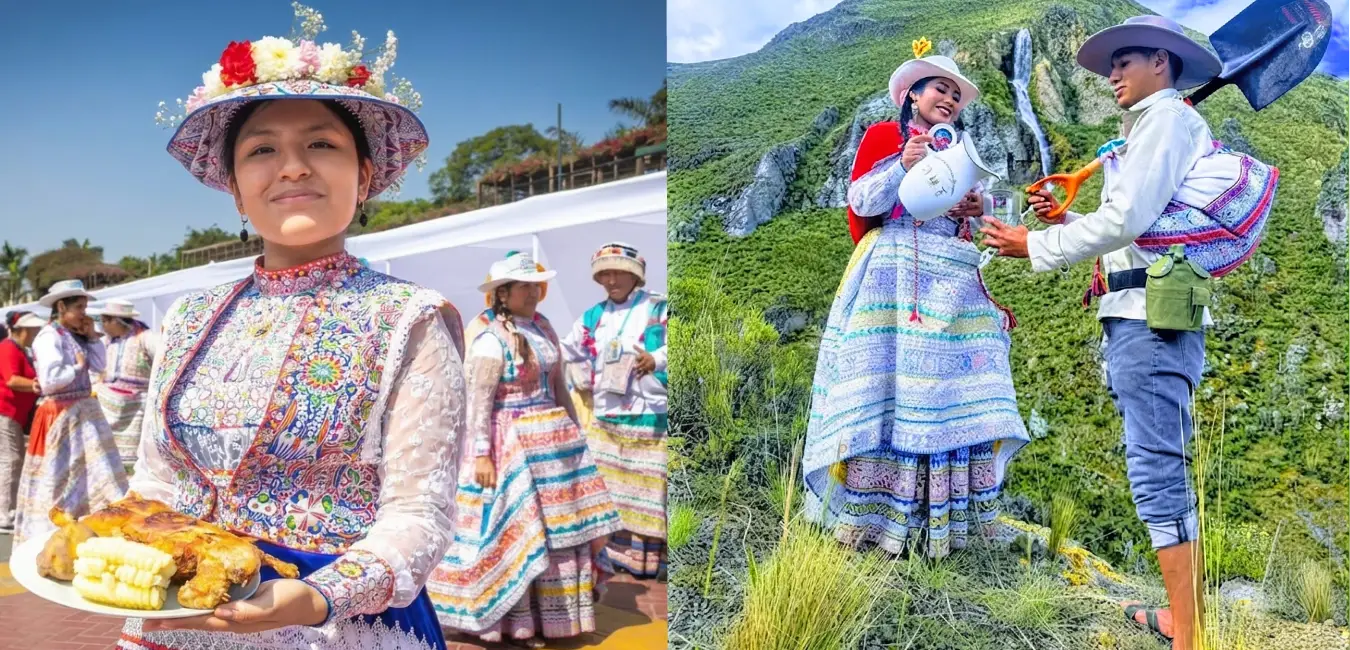
After exploring the viewpoints and traditional villages, it's time to experience the local cuisine. Colca valley's dishes combine authentic andean ingredients, locally sourced products, and recipes that have been passed down through generations.
Summary of Traditional Dishes from Colca Canyon
Dish | Description |
| Quinoa Soup | A traditional soup made with quinoa, vegetables, and fresh cheese. |
| Fried Trout | One of the most popular dishes served throughout the Colca Valley. |
| Rocoto Relleno | Arequipa's signature stuffed spicy pepper, served in many local restaurants. |
| Arequipeño Adobo | A traditional pork stew slowly cooked with regional spices. |
| Cuy Chactado | Crispy fried guinea pig, a traditional Andean specialty commonly served during local celebrations. |
Pair your meal with:
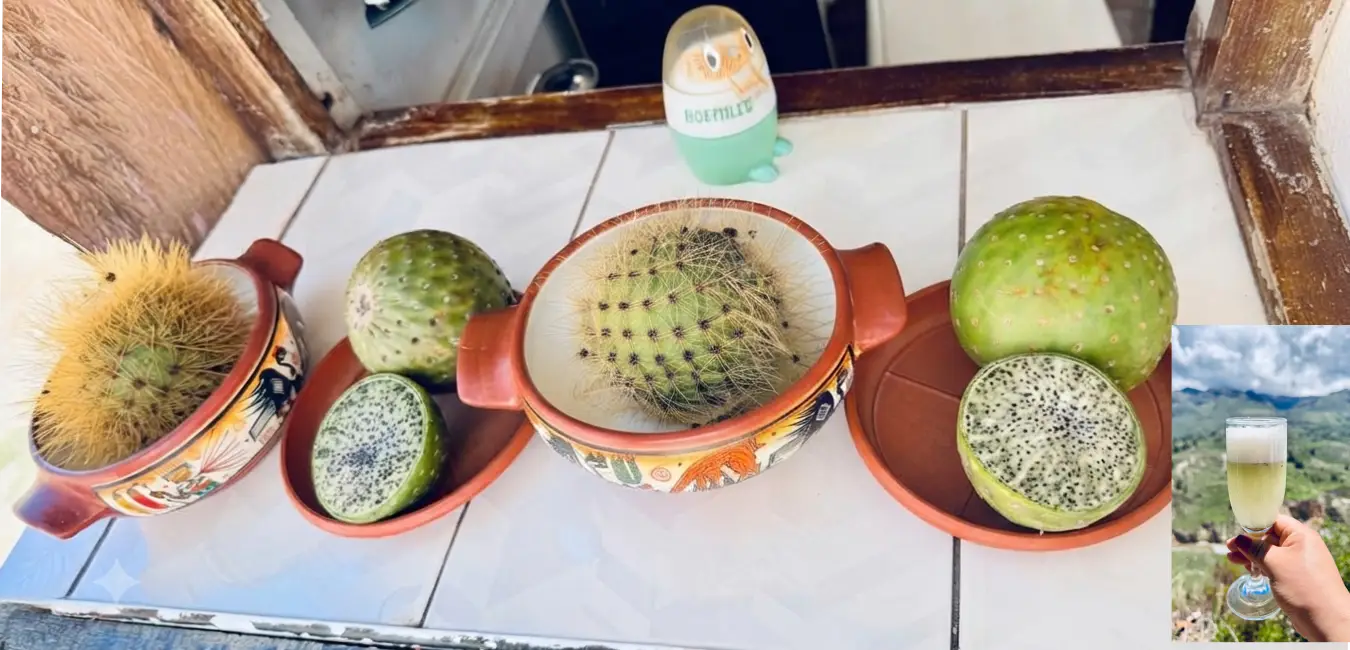
Coca tea, muña tea, emoliente, chicha de jora, or api. If you have dietary restrictions, let your restaurant or tour operator know in advance. Vegetarian and other special meal options are much easier to find in the main towns than along the hiking trails inside the canyon.
Colca fun fact...
From the Mirador de los Andes (Patapampa Viewpoint), you can admire several volcanoes and snow-capped peaks. Sabancaya, one of Peru's most active volcanoes, is often visible, along with Ampato, Coropuna, Hualca Hualca, Chachani, and Misti, all rising above 5,500 meters (18,045 feet).
Recommended Colca canyon tours
The best tour depends on the type of experience you're looking for. However, for most travelers, a two-day tour is the ideal way to experience Colca Canyon for the first time.
1-Day tour vs. 2 day tour vs. Colca canyon trek
For most visitors, a 2 day, 1 night tour offers the best balance between sightseeing and comfort. A one day tour is perfect if you're short on time, while a two or three-day trek is better suited for travelers who enjoy challenging hikes and outdoor adventures.
1 day tour: Cruz del Cóndor and Chivay
A one day tour is the perfect choice if you have limited time. Most tours leave Arequipa around 3:30 a.m. and return between 5:00 and 6:00 p.m. During the day, you'll visit Chivay, several scenic viewpoints, and the famous Cruz del Cóndor. Keep in mind that you'll spend several hours traveling by road.
2 day, 1 night tour: Explore the valley at a relaxed pace
This is the most balanced option for most travelers. On the first day, you'll travel from Arequipa to Chivay, stopping at several scenic locations along the way. You'll spend the night in the valley and, if you wish, unwind in the natural hot springs before continuing your adventure the following day.
Our team's recommendation...
Although a one day tour may seem convenient, it begins very early in the morning and can feel like a long day. If you're continuing your journey toward Puno, we usually recommend spending one night in Colca Canyon before traveling onward the next day.
2 or 3 day trek: Hike to the sangalle oasis
If you enjoy hiking and want to experience Colca Canyon from a completely different perspective, consider trekking to the Sangalle Oasis. The trail begins in Cabanaconde and descends along ancient paths carved into the canyon walls before reaching the lush oasis at the bottom of the canyon.
What you should know before hiking to sangalle...
The downhill hike usually feels easier than most people expect. The real challenge comes the next day when climbing back to Cabanaconde, especially if you start late and the sun is already hitting the trail.
Option | Approximate distance | Duration | Physical difficulty | Recommended age | Best season |
| 1-Day Tour | 320 - 400 km (199 - 249 miles) round trip by road | 14 - 16 hours | Easy, but it's a long day | All ages | April - November |
| 2-Day Tour | Scenic road trip with one overnight stay in the valley | 2 days / 1 night | Easy | All ages | Year - round |
| Sangalle Trek | 18 - 22 km (11 - 14 miles) | 2 - 3 days depending on the route | Moderate to challenging | Ages 12+ with good physical fitness | April - November |
My recommendation...
If it's your first visit to Colca Canyon, choose the 2 day, 1 night tour. You'll have enough time to enjoy the viewpoints, spend the night in the valley, and visit Cruz del Cóndor without rushing through everything in a single day. If you're an experienced hiker looking for more adventure, the trek to Sangalle is an unforgettable experience.
How to get to Colca Canyon from Arequipa, Lima, and Cusco
Getting to Colca Canyon is easier than you might think. Most travelers first fly to Arequipa and then continue by road while enjoying the spectacular landscapes of southern Peru. Here's how to reach Colca Canyon depending on where you're starting your trip.
From Arequipa to Colca Canyon
Arequipa is located approximately 160 km (100 miles) from Chivay. The drive usually takes between three and four hours. Along the way, you'll travel through the Salinas and Aguada Blanca National Reserve, where you can spot vicuñas, alpacas, llamas, and a variety of high andean bird species.
Traveling on your own
You can take a public bus from the Arequipa bus terminal to Chivay. The journey takes approximately three and a half hours.
With an authorized tour operator
If you book with a tour operator, your itinerary will typically follow this scenic route, allowing you to enjoy the highlights without worrying about transportation logistics.
- Arequipa – Pampa Cañahuas – Salinas and Aguada Blanca National Reserve – Patapampa Viewpoint – Chivay – Colca Valley – Cruz del Cóndor.
From Lima to Colca Canyon
If you're traveling from Lima, the fastest option is to fly to Rodríguez Ballón International Airport in Arequipa. The flight takes about one hour and thirty minutes. From Arequipa, continue by road to Chivay. Altogether, the journey takes approximately five to six hours of actual travel time.
- Lima – Arequipa – Chivay – Colca Valley.
From Cusco to Colca Canyon
If you're traveling from Cusco, you have two main options.
- First, you can fly to Arequipa and then continue by road to Chivay.
- Alternatively, you can travel entirely by road. The direct drive to Chivay usually takes between nine and ten hours.
Traveler tip...
Many visitors combine Cusco, Lake Titicaca, and Colca Canyon into one unforgettable journey through southern Peru.
Main distance summary
Route | Distance |
Lima - Arequipa | 1,010 km (628 miles) |
Cusco - Arequipa | 510 km (317 miles) |
Arequipa - Colca Canyon | 160 km (100 miles) |
Best time to visit Colca Canyon
The best time to visit Colca Canyon is from may through october, when you'll enjoy dry weather, sunny days, and clear skies.
- During the dry season, hiking trails are generally in excellent condition, and wildlife viewing especially andean condors is at its best. However, nights can be very cold, particularly between june and august.
- During the rainy season, from december through march, the valley becomes lush and green and attracts fewer visitors. Keep in mind that trails may become muddy after heavy rainfall.
Seasonal overview
Season | Months | Temperature | What to expect |
| Dry season (high season) | May - october | Day: 18 - 22°C (64 - 72°F) Night: -2 to 5°C (28 - 41°F) | Clear skies, excellent hiking conditions, and the best time to see condors. Expect very cold nights from June through August. |
| Rainy season (low season) | December - march | Day: 18 - 24°C (64 - 75°F) Night: 4 - 8°C (39 - 46°F) | Green landscapes, fewer tourists, and muddy trails. January and February usually receive the heaviest rainfall. |
| Recommended months | April & september october | Day: 18 - 22°C (64 - 72°F) Night: 0 - 6°C (32 - 43°F) | Dry trails, blooming wildflowers, pleasant temperatures, and moderate visitor numbers. |
Our recommendation...
If you're planning to hike, visit during the dry season. April, september, and october are especially great months, offering excellent weather with fewer crowds than the peak tourist season.
Everything you need to know before visiting Colca Canyon
Before your trip, there are two main expenses you should plan for: the Colca Tourist Ticket (BTC) and the cost of your tour or transportation.
How much does it cost to visit Colca Canyon?
The Colca Tourist Ticket (BTC) is mandatory for all visitors. In most cases, travelers pay the entrance fee in cash at one of the checkpoints along the route. Be sure to keep your ticket with you throughout your visit, as it may be checked again later.
Approximate entrance fees
Visitor type | Price (PEN) | Price (USD) |
| International visitors | S/ 70 | $19 |
| Latin american visitors | S/ 40 | $11 |
| Peruvian citizens | S/ 20 | $5.50 |
Important information...
The prices below are general estimates for shared tours and may vary depending on the season, hotel category, and what's included in your package.
How many days do you need to visit Colca Canyon?
- A one day tour allows you to visit Cruz del Cóndor, Chivay, and several viewpoints, but you'll need to leave Arequipa before dawn and spend several hours on the road.
- A two day tour gives you enough time to spend the night in the valley, relax in the hot springs, and explore the main attractions at a much more comfortable pace.
- If you plan to hike down to the Sangalle Oasis, you'll need between two and three days, depending on the route you choose.
Recommended length of stay
Length of stay | Highlights | Best for |
1 Day | Cruz del Cóndor, Chivay, and scenic viewpoints | Travelers with limited time |
2 Days | Viewpoints, traditional villages, condors, and hot springs | First-time visitors |
2–3 Days | Trek to the Sangalle Oasis | Hiking enthusiasts |
Average Colca Canyon tour prices
Tour prices vary depending on the duration, accommodations, and level of service. Also remember that many tours do not include the Colca Tourist Ticket.
Estimated tour prices
Tour type | Duration | Approximate price | Best for |
| Full-Day Tour | 1 Day | S/95 (about US$25) | Shared groups and travelers with limited time |
| 2 Days / 1 Night | 2 Days | S/130 - 225 (about US$35 - 50) | Ideal for first-time visitors |
| Sangalle Trek | 2 Days | US$45 - 140 | Hiking lovers |
| Complete Colca Tour | 3 Days | Contact for pricing | Slow-paced exploration and photography |
| La Calera Hot Springs | Optional | S/15 - 20 (about US$3 - 4) | Often not included in tour packages |
Recommended hotels and lodges near Colca Canyon
For first time visitors, Chivay is the most convenient place to stay. If you're planning the Sangalle trek, Cabanaconde is the best base. Yanque is perfect for travelers looking for a quieter atmosphere, while staying in Sangalle Oasis is part of the trekking adventure itself.
Colca accommodation guide
| Chivay | Hotels for every budget, restaurants, local markets, and close to the hot springs. | Best for families, couples, and first-time visitors. |
| Cabanaconde | Starting point for the trek, breathtaking scenery, and an authentic local atmosphere. | Perfect for hikers and nature lovers. |
| Sangalle Oasis | Rustic cabins, swimming pools, and complete relaxation in the heart of the canyon. | Adventure travelers. |
| Yanque | Rural lodges, colonial churches, and community-based cultural experiences. | Cultural travelers. |
Colca Canyon altitude
Based on our experience, Patapampa is only a short stop, but because of its high elevation, some travelers begin experiencing mild headaches or dizziness even before reaching Chivay.
Altitude guide for Colca Canyon
Location | Elevation |
Arequipa | 2,335 m (7,661 ft) |
Chivay | 3,635 m (11,926 ft) |
Cruz del Cóndor Viewpoint | 3,760 m (12,336 ft) |
Patapampa Viewpoint | 4,910 m (16,108 ft) |
Sangalle Oasis | 2,190 m (7,185 ft) |
Because of these dramatic elevation changes, some travelers may experience altitude sickness. We recommend spending one or two days acclimatizing in Arequipa before traveling to Colca Valley.
Best ways to prevent altitude sickness in Colca Canyon
- Drink plenty of water throughout the day.
- Avoid strenuous physical activity during your first few hours at high altitude.
- Eat light meals before hiking.
- Avoid drinking alcohol before traveling to higher elevations.
- Bring any personal medications you may need.
- If your symptoms become severe or persist, notify your guide immediately and seek medical attention.
Essential items to pack for Colca Canyon
Clothing
- Layered clothing.
- A warm jacket.
- A waterproof jacket or rain shell.
- Hat and gloves.
- Swimsuit for the hot springs.
- A rain poncho if you're traveling between November and April.
Gear
- Comfortable hiking shoes with good traction.
- A small daypack.
- A headlamp if you're doing the trek.
- Hiking poles.
- A reusable water bottle.
Health & travel documents
- SPF 50+ sunscreen.
- UV-protection sunglasses.
- Your original passport.
- Cash in Peruvian soles.
- Personal medications.
- Insect repellent.
Safety tips for visiting Colca Canyon
- Book your tour in advance during the high season.
- Respect local communities and never leave trash on the trails.
- When visiting Cruz del Cóndor, respect the wildlife and never feed the animals.
- Stay away from the canyon's edge, as some rocks can be unstable.
- If you're planning a multi-day trek and need help carrying your gear, ask your tour operator about mule and porter services.
Things to check before booking your trip
- Whether the Colca tourist ticket is included.
- Which meals are included.
- The hotel category.
- Whether admission to the hot springs is included.
- Group size.
- Pick-up and return times.
- The guide's language.
- The type of transportation provided.
- The cancellation policy.
How to include Colca Canyon in your Perú itinerary
Rather than visiting Colca Canyon as a standalone destination, consider how it fits into the rest of your Peru itinerary. Planning your route carefully can save time and reduce unnecessary travel. Colca Canyon fits perfectly into any trip through southern Peru.
Recommended southern Perú route
One of the most popular itineraries follows this route, although you can also travel in the opposite direction:
- Lima – Arequipa – Colca Canyon – Puno and Lake Titicaca – Cusco – Sacred Valley – Machu Picchu.
Still not sure whether to visit Colca Canyon on a one-day or two-day tour? Tell us how much time you'll be spending in Arequipa and what kind of trip you're looking for. Our team at Responsible Trekking will be happy to help you choose the itinerary that best fits your Peru adventure.
Frequently asked questions about Colca Canyon
Is it better to visit Colca Canyon on your own or with a guided tour?
If it's your first visit, a guided tour is the most convenient option since it includes transportation, a professional guide, and stops at the canyon's top attractions. If you have more time and prefer to travel at your own pace, exploring the valley independently is also a fantastic experience.
Do you need to be in good physical shape to visit Colca Canyon?
Not necessarily. Visiting the viewpoints, traditional villages, and hot springs requires very little physical effort. However, if you're planning to hike inside the canyon, having a moderate level of fitness will make the experience much more enjoyable.
What is the best hiking route in Colca Canyon?
The most popular trekking route runs from Cabanaconde to the Sangalle Oasis, passing through traditional villages such as San Juan de Chuccho and Malata. It's considered the best route for experiencing both the canyon's breathtaking scenery and its rich local culture.
What wildlife can you see in Colca Canyon?
The star attraction is the Andean condor, but you may also spot vicuñas, alpacas, llamas, vizcachas, and a variety of high-Andean bird species. If you're a nature lover, Colca Canyon won't disappoint.
What can you do besides hiking in Colca Canyon?
In addition to hiking, you can watch the spectacular flight of the Andean condor, relax in natural hot springs, visit traditional Andean villages, explore beautiful colonial churches, and enjoy the region's delicious local cuisine.
Is Colca Canyon a good destination for older travelers?
Yes. There are panoramic tours that allow visitors to experience the canyon's main attractions without long hikes. The only recommendation is to allow time to acclimate to the altitude and enjoy the trip at a comfortable pace.