
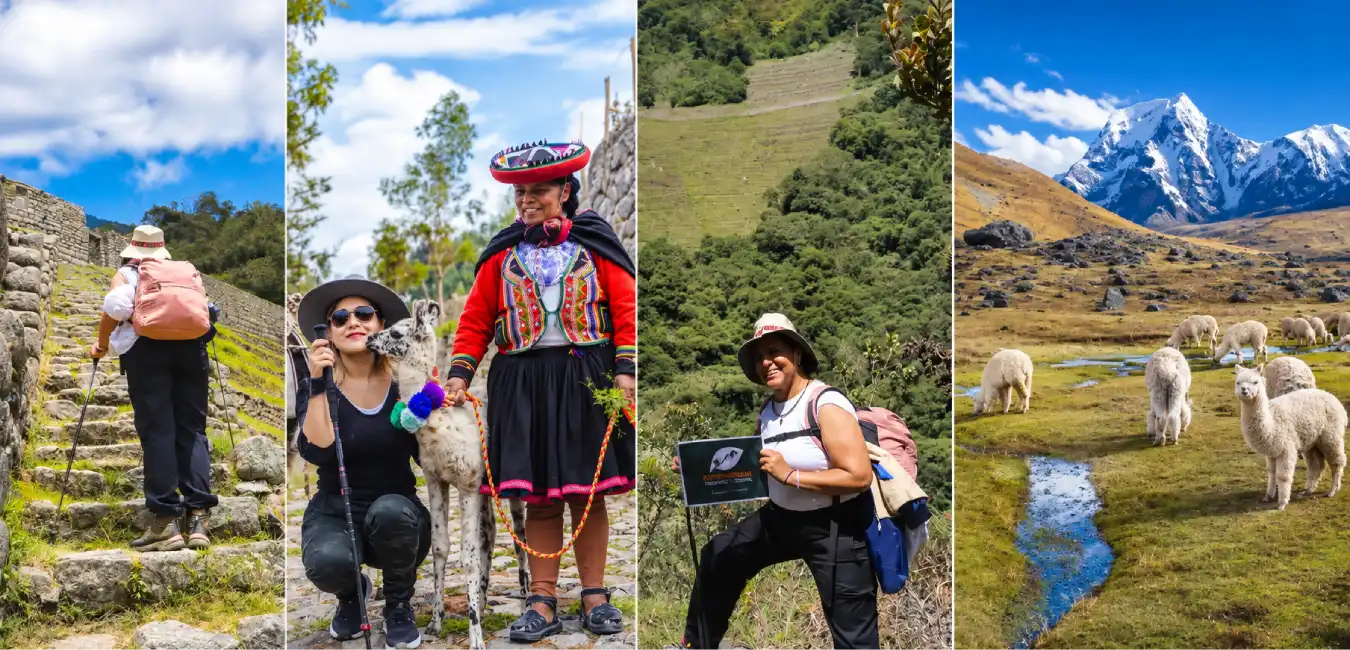
Peru offers some of the best trekking routes in South America, from ancient Inca trails to high altitude mountain paths surrounded by glaciers, alpine lakes, and traditional Andean communities. If you're looking for the best treks in Peru, here are 10 incredible routes to explore in destinations such as Cusco, Huaraz, Arequipa, and the Huayhuash Mountain Range.
What every hiker should know about Trekking in Peru
Before choosing a trekking route in Peru, it's important to understand the trail conditions and plan each stage of your journey. Below, we compare the main routes based on their duration, difficulty, altitude, and the best time of year to hike, helping you choose the trek that best matches your fitness level, experience, and available time.
Why go Trekking in Peru?
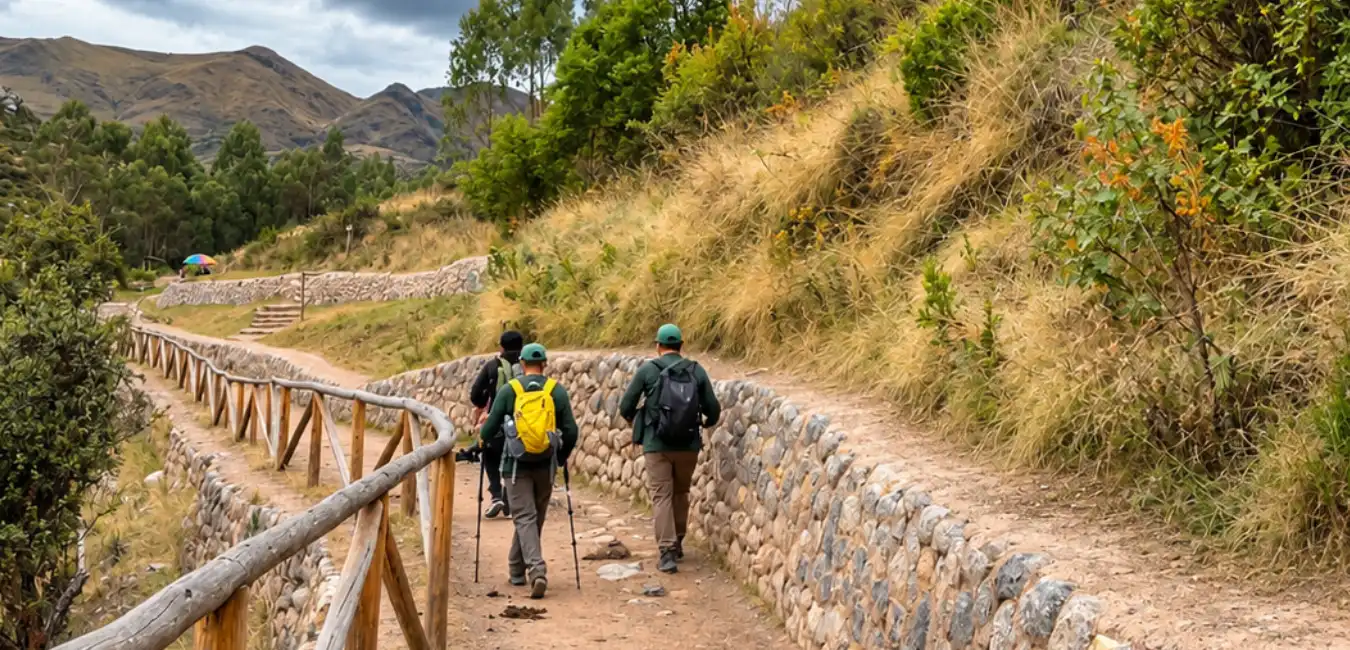
Peru offers something very few destinations can match: the highest tropical mountain range in South America and a network of Inca trails that you can still explore on foot. Along a single trek, you can cross high mountain passes above 4,500 meters (14,764 feet), descend into cloud forests, and visit Andean communities that continue to preserve their traditions.
When is the best time to go Trekking in Peru?
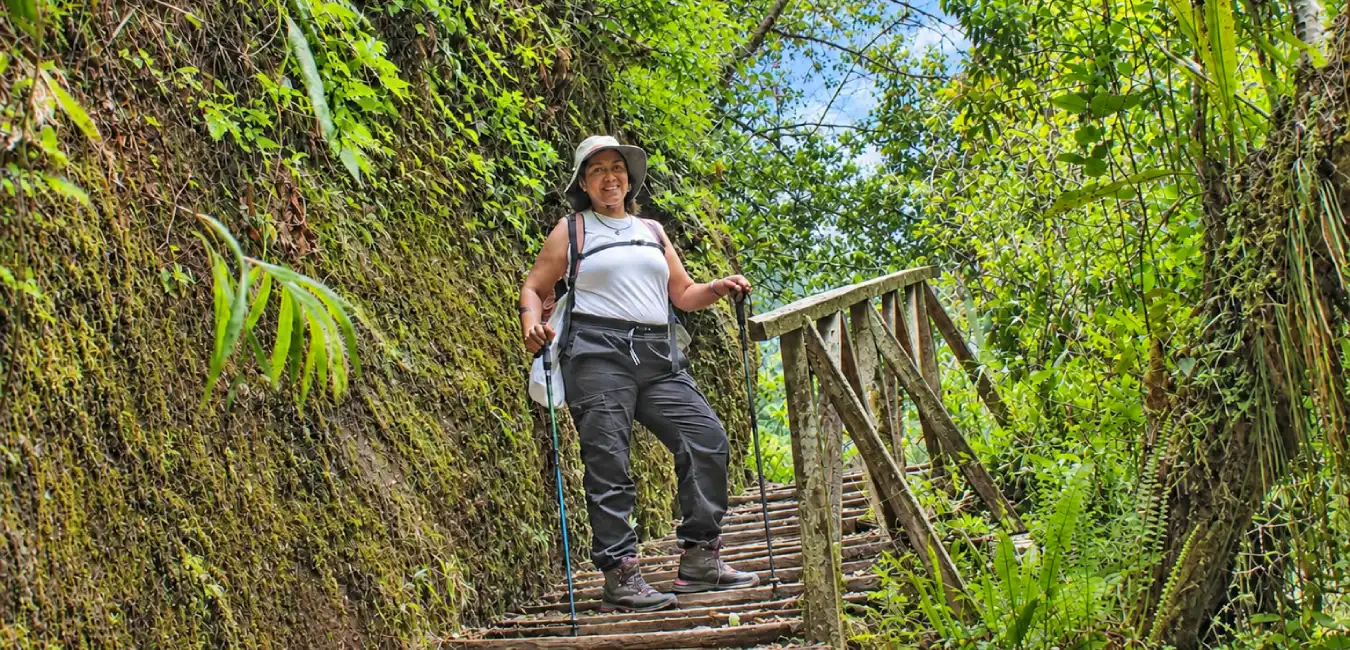
- Dry Season (May to October): This is the best time to hike in the Andes, including Cusco, Ancash, and Arequipa. Days are sunny, skies are generally clear, and rainfall is rare. Keep in mind that nighttime temperatures at high elevations often drop to 0°C (32°F) or below.
- Rainy Season (November to April): Expect frequent rainfall, fog, and slippery trails. The Inca Trail closes throughout February for maintenance.
How many days do you need to acclimatize in Peru?
Altitude sickness can affect both beginners and experienced athletes because it is caused by the lower oxygen pressure at high elevations.
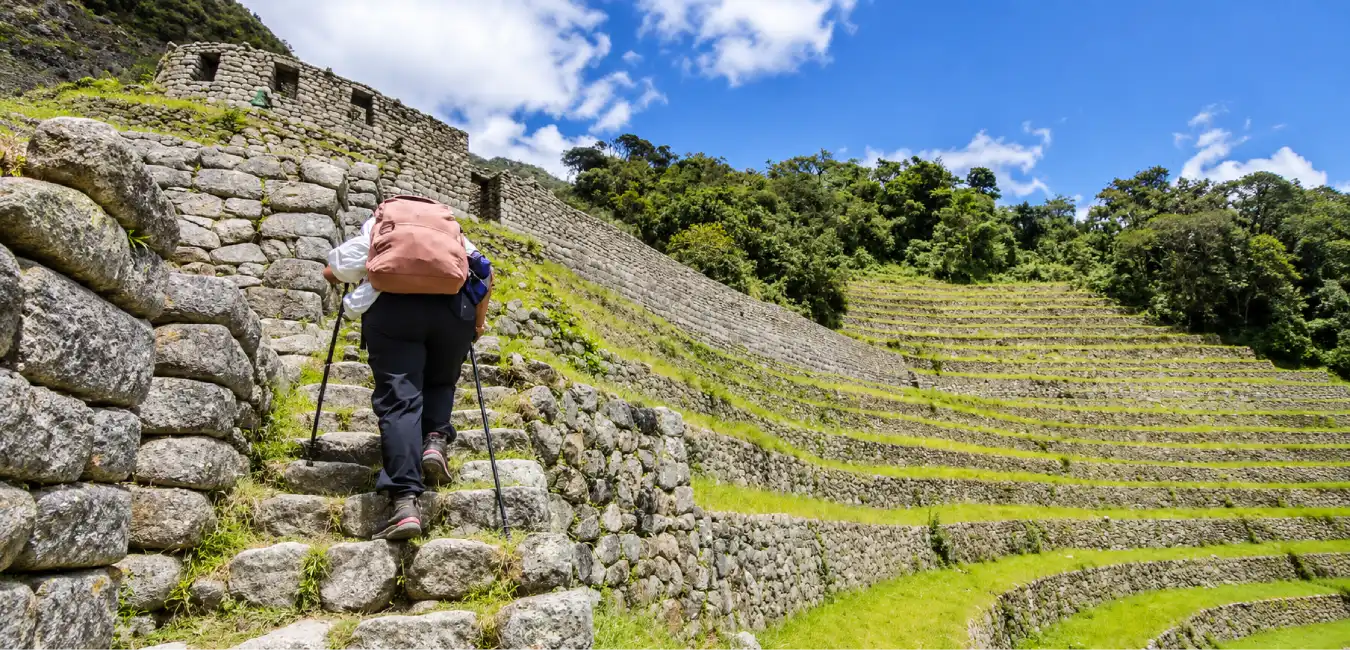
- Golden rule: Spend at least 2 to 3 days resting or taking easy walks in Cusco (3,400 meters / 11,155 feet) or Huaraz (3,050 meters / 10,007 feet) before starting any multi day trek.
- Hydration and nutrition: Drink plenty of water, try coca leaf or muña herbal tea, and stick to light meals rich in carbohydrates. Avoid alcohol and tobacco during the initial acclimatization period.
Warning signs you shouldn't ignore
A mild headache or difficulty sleeping can be common during the first few days. However, confusion, shortness of breath while resting, or a persistent cough are warning signs. If these symptoms occur, descend to a lower altitude and seek medical attention. If you're considering preventive medication, consult your doctor beforehand.
Logistics, reservations, and permits
Which trekking routes require a permit?
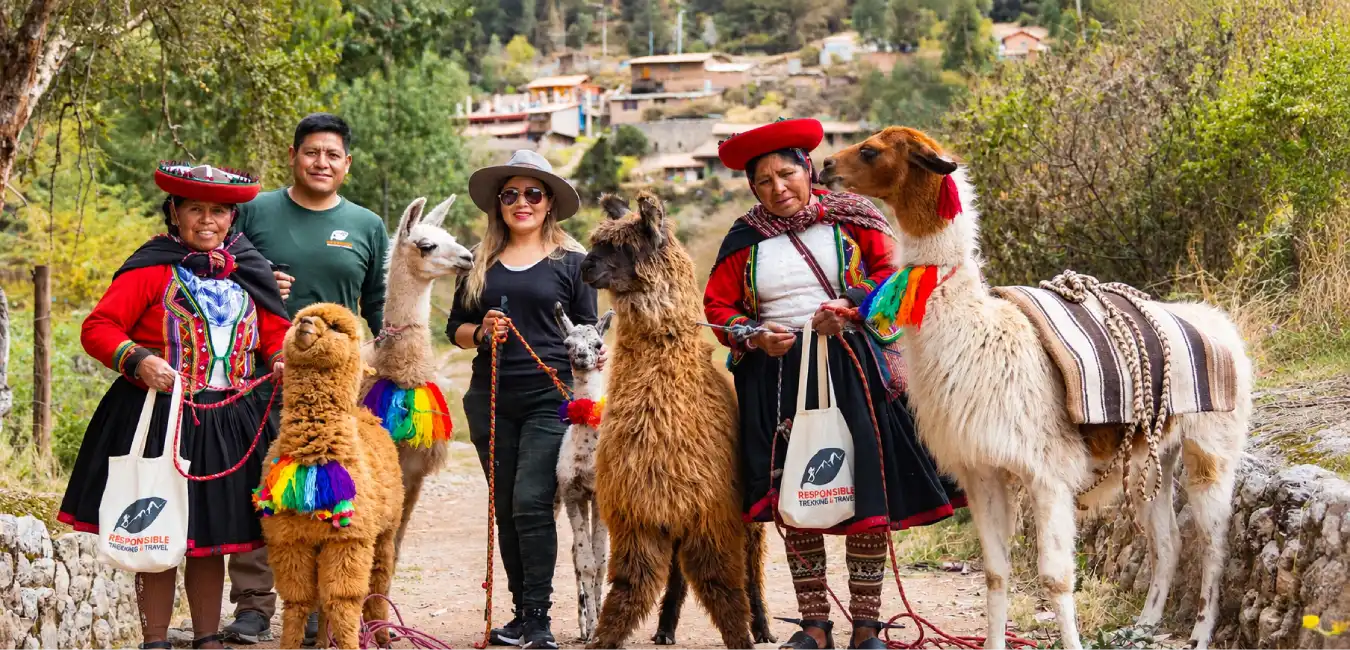
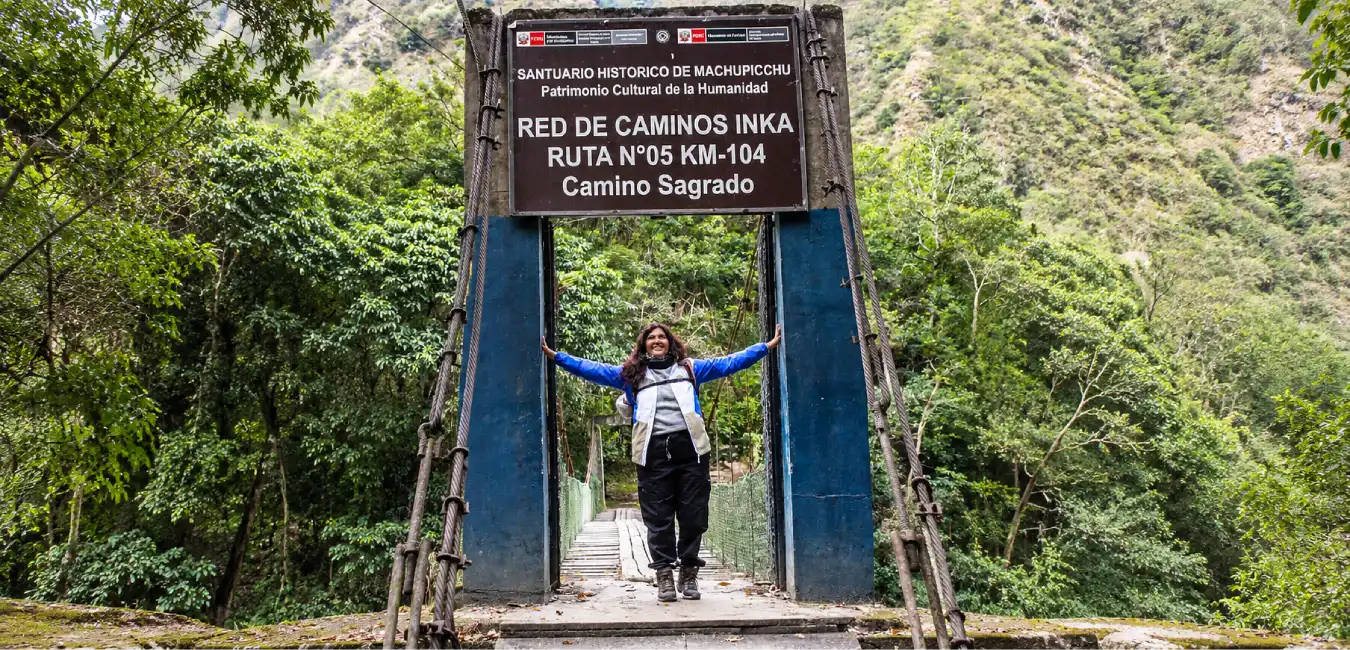
The routes that require permits include the Inca Trail and the Llama Trail: Qoricancha to Machu Picchu. The Ministry of Culture limits access to the Inca Trail network to 500 people per day, including guides, cooks, and porters. Permits are issued in the traveler's name, linked to their passport, non transferable, and can only be arranged through an authorized tour operator. That's why it's best to book several months in advance.
Open access routes and community fees
Other routes, such as Salkantay, Ausangate, Vinicunca, Choquequirao, Colca Canyon, and Huayhuash, do not require permits booked months in advance. However, most involve entrance fees charged by local communities or protected natural areas along the way. Be sure to carry cash in Peruvian soles, preferably in small bills.
The 10 best trekking routes in Peru at a glance
Before diving into the details, take a look at this comparison table. In fact, simply checking the maximum altitude and permit requirements can help you narrow down your options.
Comparison table of the best trekking routes in Peru
Route | Region | Days | Max. Altitude | Difficulty | Permit Required in Advance? |
|---|---|---|---|---|---|
| Vinicunca (Rainbow Mountain) | Cusco | 1 | 5,200 m (17,060 ft) | Moderate (due to altitude) | No |
| Colca Canyon | Arequipa | 2–3 | 3,300 m (10,827 ft) | Moderate to challenging | No |
| Classic Inca Trail | Cusco | 4 | 4,215 m (13,829 ft) | Challenging | Yes |
| Llama Trail: Qoricancha to Machu Picchu | Cusco | 4–6 | 4,215 m (13,829 ft) | Moderate to challenging | Yes |
| Salkantay Trek | Cusco | 4–5 | 4,600 m (15,092 ft) | Challenging | No |
| Santa Cruz Trek | Ancash | 4 | 4,750 m (15,584 ft) | Challenging | No |
| Choquequirao Trek | Cusco / Apurímac | 4–5 | 3,100 m (10,171 ft) | Very challenging (due to elevation gain and loss) | No |
| Ausangate Trek | Cusco | 5–6 | 5,200 m (17,060 ft) | Very challenging | No |
| Huayhuash Trek | Ancash / Huánuco / Lima | 8–12 | Over 5,000 m (16,404 ft) | Expert | No |
Explore Vinicunca, or Rainbow Mountain
| Difficulty | Moderate (the challenge comes from the altitude, not the terrain). |
| Duration | 1 day from Cusco (approximately 1.5 to 2 hours uphill). |
| Region | Cusco, Pitumarca District. |
| Highest Point | Summit: 5,200 m (17,060 ft) · Main viewpoint: 5,000 m (16,404 ft). |
| Ideal For | Travelers who are already acclimatized and want to experience spectacular mountain scenery in a single day. |
Why choose this trek?
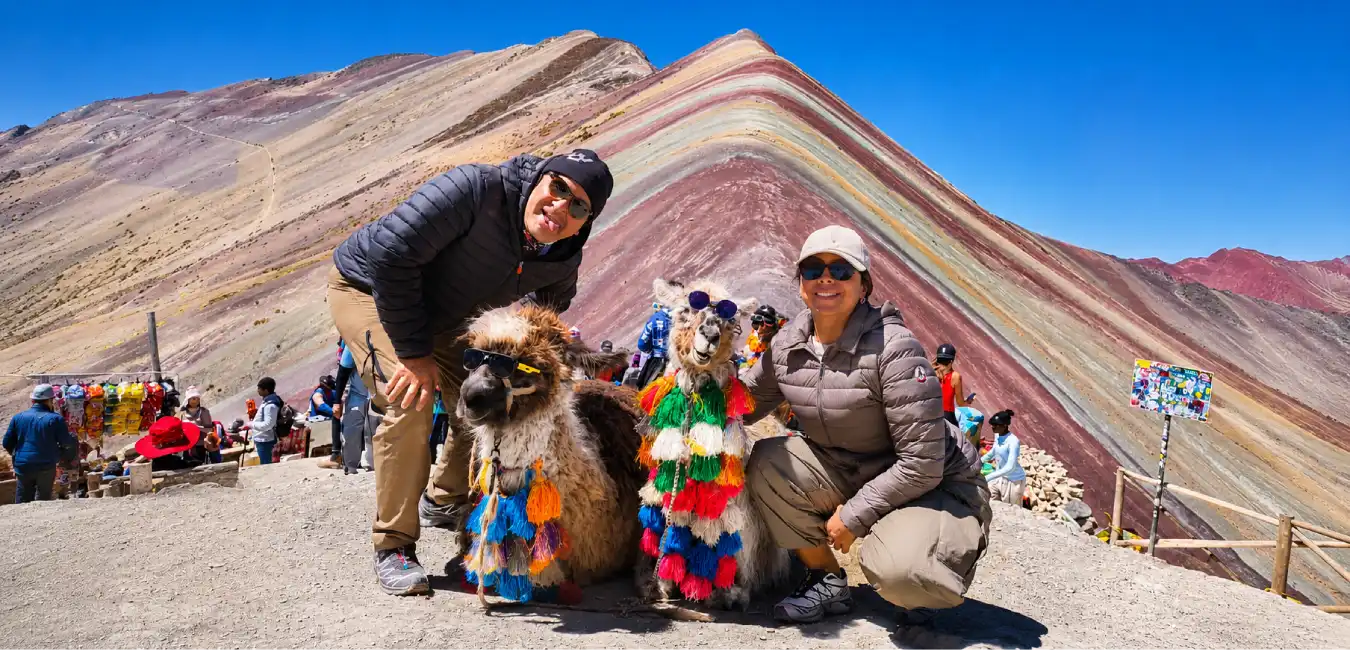
Vinicunca became famous when glacial retreat exposed its red, golden, and turquoise bands, formed by sediments deposited over millions of years. Although the trail is well marked and has no technical sections, hiking above 5,000 meters (16,404 feet) can be exhausting. That's why you should avoid visiting during your first few days in Cusco.
What most people don't tell you
On clear days, you can see Apu Ausangate (6,384 m / 20,945 ft) from the summit. Also, if you'd rather avoid the crowds, nearby Palcoyo Rainbow Mountain offers similar colorful scenery with a shorter hike.
Explore Colca Canyon
| Difficulty | Moderate to challenging. |
| Duration | 2 to 3 days from Arequipa. |
| Region | Arequipa. |
| Highest Point | 3,300 m (10,827 ft) at Cabanaconde · Canyon floor: 2,100 m (6,890 ft) at Sangalle Oasis. |
| Ideal For | Travelers combining a visit to Arequipa with nature, condors, and traditional Andean villages. |
Why choose this Trek?
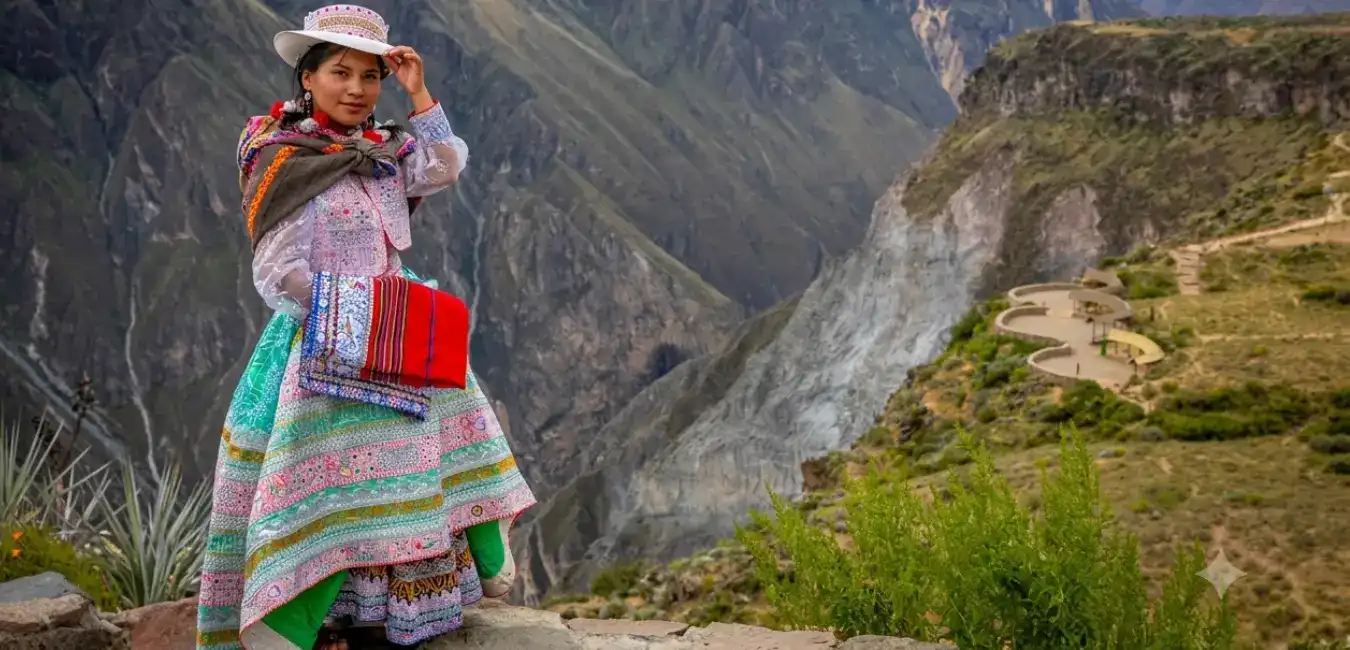
Colca Canyon is one of the deepest canyons in the world, and the hike works in reverse: first, you descend approximately 1,100 meters (3,609 feet) from Cabanaconde to Sangalle Oasis, then climb all the way back up the following day. So, the real challenge here isn't the altitude but your knees and the sun.
What most people don't tell you
The final climb usually starts around 5 a.m. to avoid the heat. That's why you should bring a headlamp and use trekking poles on the descent. Your knees will thank you.
Hike the Llama Trail: Qoricancha to Machu Picchu
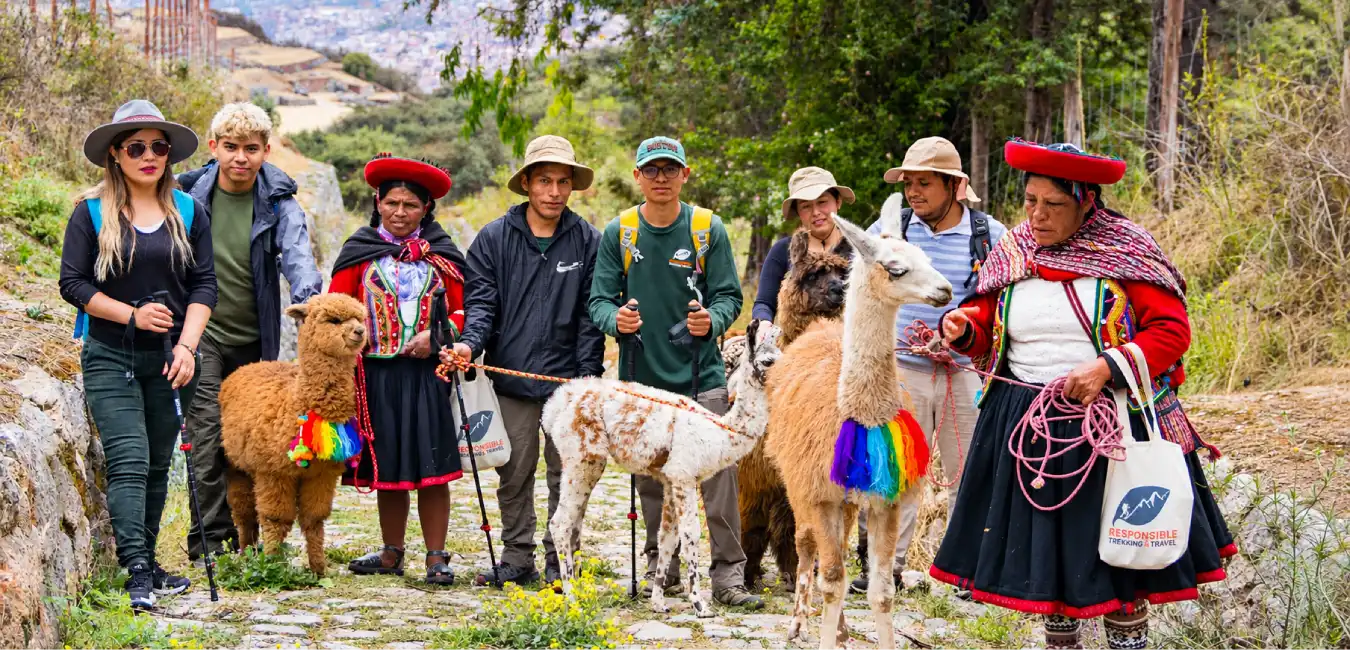
| Difficulty | Moderate to challenging. |
| Duration | 5 to 6 days from Cusco. |
| Region | Cusco and the Sacred Valley. |
| Highest Point | 4,215 m (13,829 ft) at Warmiwañusca Pass, if combined with the Classic Inca Trail. |
| Ideal For | Travelers who want to combine history, architecture, and nature, accompanied by llamas, or those looking for an alternative to the Inca Trail when it closes in february. |
Why choose this trek?
This route starts at Qoricancha, the most important temple of the Inca capital, and leaves the city on foot, accompanied by llamas, following ancient trails that pass by the Andes Sky Dome and Huchuy Qosqo. From there, you reach Machu Picchu via the Classic Inca Trail, the Short Inca Trail, or by train. Keep in mind that both Inca Trail options require a permit.
What most people don't tell you
The first few days are moderately challenging, making them a natural way to acclimatize. In other words, by the time you reach the toughest section, your body is already better prepared for the altitude.
Hike the classic Inca Trail via Inti Punku
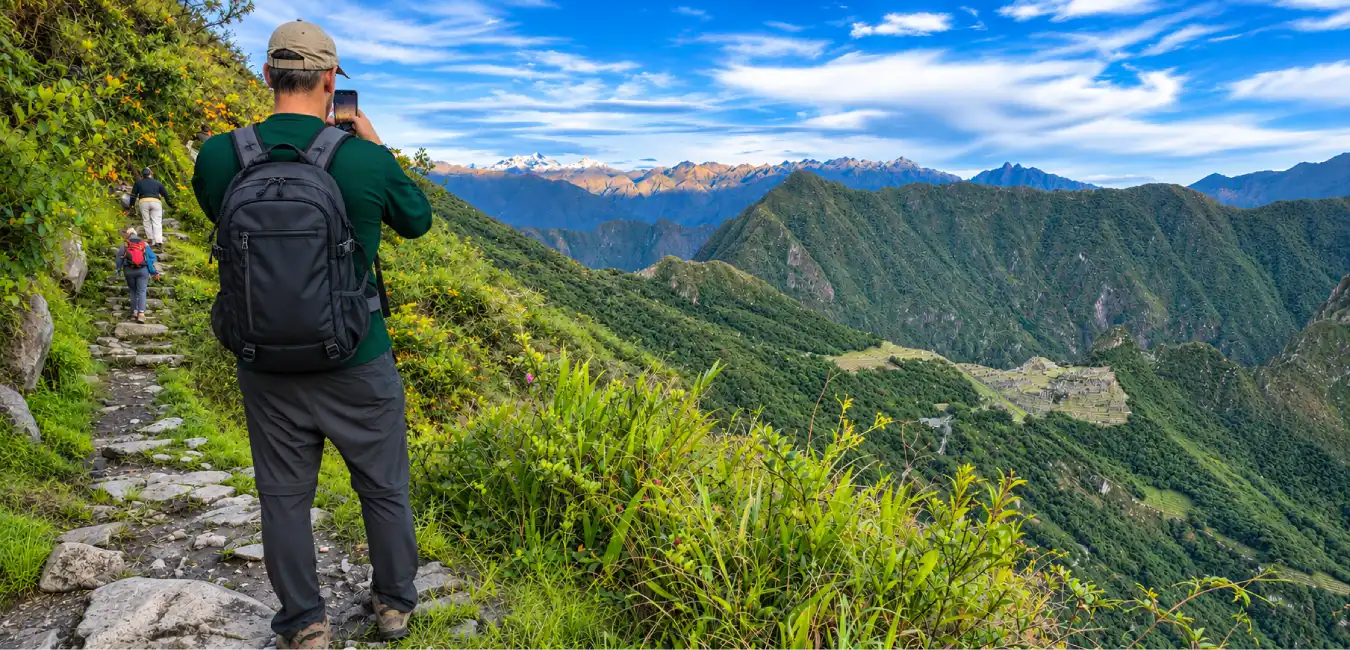
| Difficulty | Challenging. |
| Duration | 4 days / 3 nights (approximately 42 km / 26 miles from Km 82). |
| Region | Cusco, Machu Picchu Historical Sanctuary. |
| Highest Point | 4,215 m (13,829 ft) at Warmiwañusca Pass, also known as Dead Woman's Pass. |
| Ideal For | Travelers who want to reach Machu Picchu on foot through Inti Punku, or the Sun Gate. |
Why choose this trek?
It's the most famous trekking route in South America and forms part of the Qhapaq Ñan, the road network that connected the Inca Empire. Over four days, you'll climb and descend thousands of stone steps, pass archaeological sites such as Patallacta, Phuyupatamarca, and Wiñay Wayna, and enter the sanctuary through Inti Punku, or the Sun Gate.
What most people don't tell you
Day two is the toughest because you climb to Warmiwañusca Pass at 4,215 m (13,829 ft), followed by a steep descent. After that, the cloud forest and archaeological sites make you quickly forget how hard you worked to get there.
Take on the Salkantay Trek
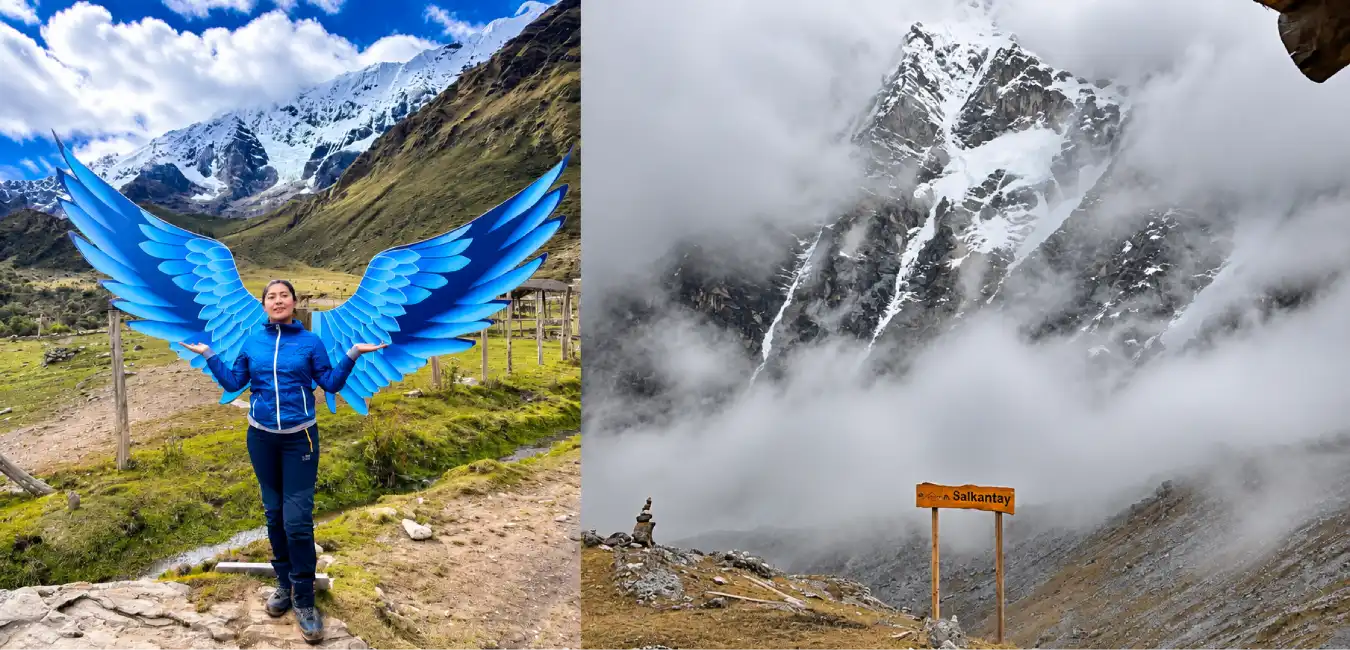
| Difficulty | Challenging. |
| Duration | 4 to 5 days (approximately 70 km / 43.5 miles). |
| Region | Cusco, Vilcabamba mountain range. |
| Highest Point | 4,600 m (15,092 ft) at Salkantay Pass, at the foot of the 6,271-meter (20,574-foot) mountain. |
| Ideal For | Travelers who couldn't get an Inca Trail permit or are visiting in February. |
Why choose this trek?
Salkantay is the ultimate alternative to the Inca Trail. It doesn't require a permit booked months in advance. Plus, it offers something few other routes can: in just two days, you'll go from freezing glacier temperatures to the edge of the jungle, passing coffee plantations, rivers, and orchids along the way. On the first day, you'll usually hike to Humantay Lake, and on the second day, you'll cross the mountain pass. Farther along the route, you can enjoy distant views of Machu Picchu from the Llactapata archaeological site before descending toward Aguas Calientes.
What most people don't tell you
You'll need clothing for both below freezing temperatures and hot, humid weather in the same backpack. That's why layering is essential on this trek, and insect repellent is a must, too.
Experience the Santa Cruz Trek in the Cordillera Blanca
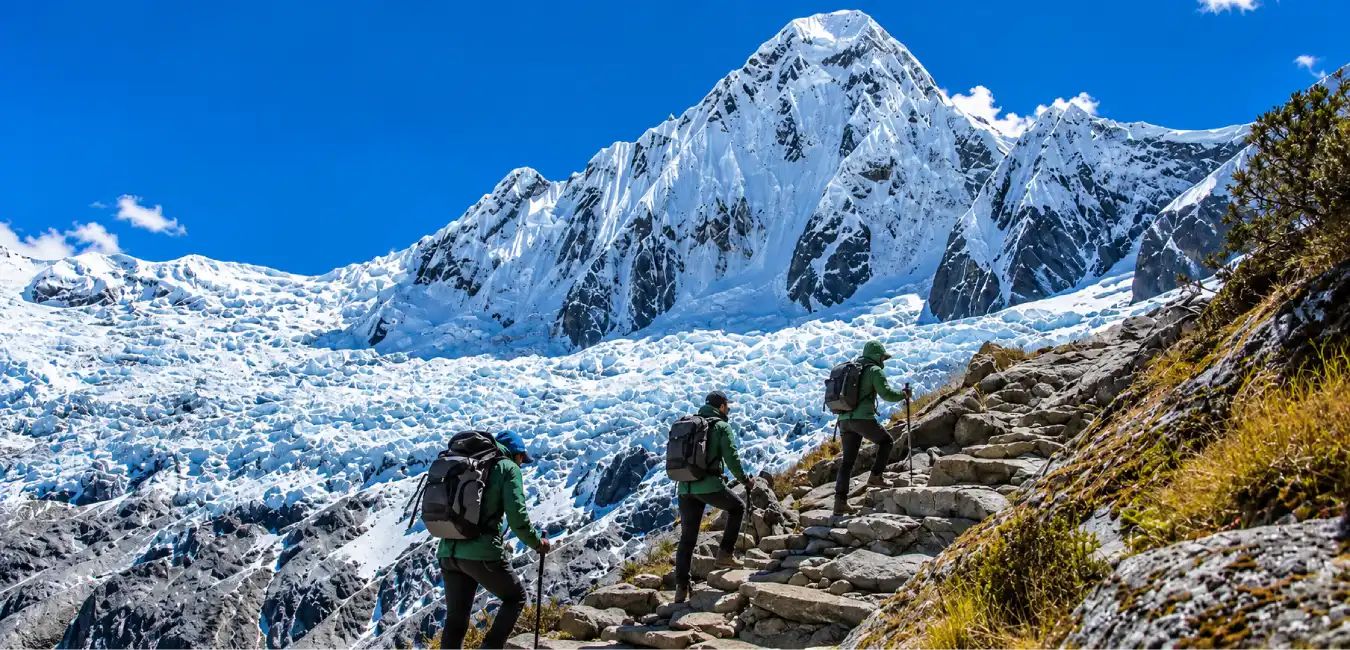
| Difficulty | Challenging. |
| Duration | 4 days (approximately 45 km / 28 miles between Vaquería and Cashapampa). |
| Region | Ancash, Huascarán National Park. |
| Highest Point | 4,750 m (15,584 ft) at Punta Unión Pass. |
| Ideal For | Those looking for their first multi-day high-altitude trekking experience. |
Why choose this trek?
Santa Cruz is a classic Huaraz trek and one of the best introductions to the Cordillera Blanca, the highest tropical mountain range in the world. Although the daily hiking distances are reasonable, the climb to Punta Unión is demanding, and much of the route sits above 3,700 meters (12,139 feet). Make sure you're properly acclimatized before starting.
What most people don't tell you
Huaraz sits at approximately 3,050 meters (10,007 feet), so you'll need time to acclimatize there, too. Many travelers use those days to take shorter hikes to nearby lakes before starting the trek.
Explore the Choquequirao Trek
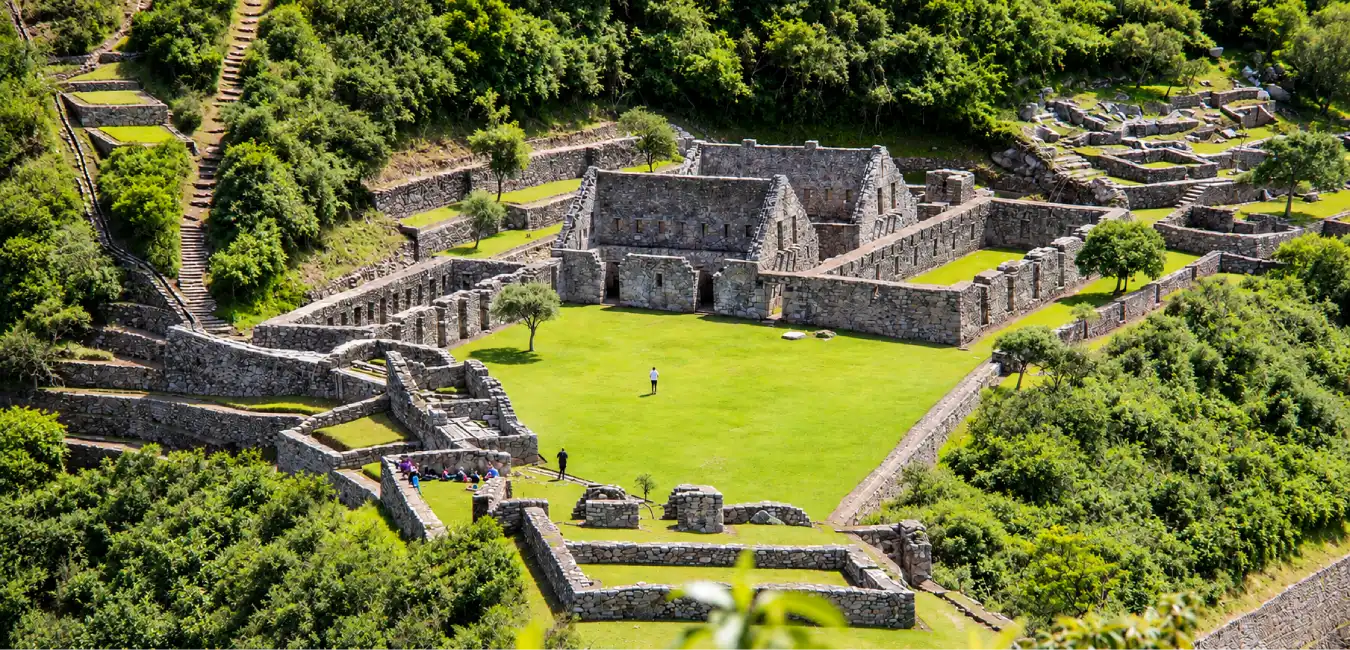
| Difficulty | Very challenging (due to the cumulative elevation gain and loss). |
| Duration | 4 to 5 days round trip from Cachora. |
| Region | On the border between Cusco and Apurímac. |
| Highest Point | 3,100 m (10,171 ft) · Apurímac Canyon floor: 1,500 m (4,921 ft). |
| Ideal For | Archaeology enthusiasts looking for a more remote and secluded experience. |
Why choose this trek?
Known as the "sacred sister" of Machu Picchu, Choquequirao receives only a fraction of Machu Picchu's visitors, allowing you to explore its terraces in near silence. However, you'll first descend almost 1,500 meters (4,921 feet) to the Apurímac River before climbing all the way back up. In short, the real challenge here is the elevation gain and loss.
What most people don't tell you
Trekking poles are practically essential on this route. Also, start each day early because the midday sun can be brutal at the bottom of the canyon.
Explore the Ausangate Trek
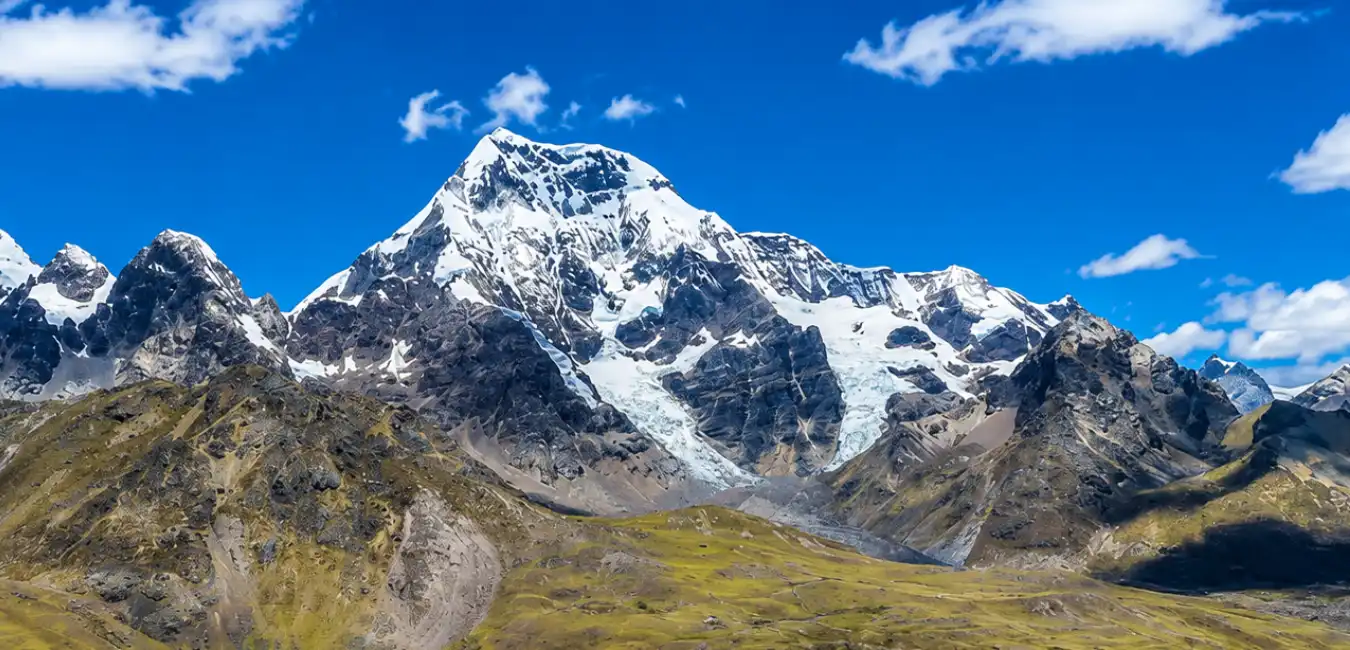
| Difficulty | Very challenging. |
| Duration | 5 to 6 days (approximately 70 km / 43.5 miles from Tinki). |
| Region | Cusco, Vilcanota mountain range. |
| Highest Point | 5,200 m (17,060 ft) at Palomani Pass. |
| Ideal For | Hikers with previous high-altitude trekking experience. |
Why choose this trek?
On this route, you'll hike around Apu Ausangate (6,384 m / 20,945 ft), a sacred mountain for local communities, spending much of the journey above 4,000 meters (13,123 feet). In return, each day brings colorful alpine lakes, herds of alpacas, and glaciers just a short distance away. Some variations of the route even include Vinicunca.
This trek is seriously challenging
This is a demanding trek, with several mountain passes reaching close to 5,000 meters (16,404 feet) and nighttime temperatures dropping below freezing. That's why it's best to hike with a guide, local muleteers, and a proper emergency response plan.
Take on the ultimate Huayhuash Challenge
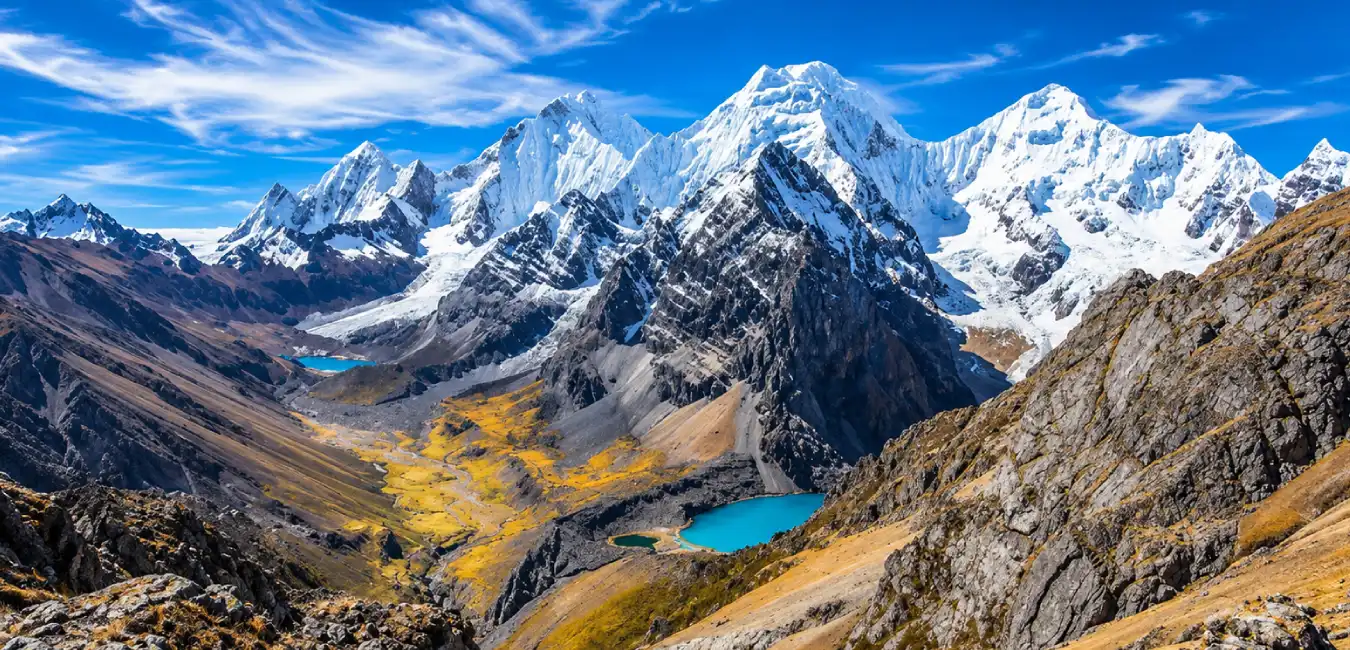
| Difficulty | Expert. |
| Duration | 8 to 12 days (approximately 120 km / 75 miles). |
| Region | Ancash, Huánuco, and Lima. |
| Highest Point | Several mountain passes above 5,000 m (16,404 ft). |
| Ideal For | Experienced trekkers comfortable with long-distance hikes and remote camping. |
Why choose this trek?
Huayhuash appears on almost every list of the best trekking routes in the world, and for good reason. It's a compact, rugged mountain range filled with alpine lakes beneath towering ice covered peaks. It's also home to Yerupajá, the second highest mountain in Peru, and Siula Grande, the mountain made famous by the true story told in "Touching the Void."
What most people don't tell you
Technical skills aren't necessarily the biggest challenge here; it's the cumulative physical endurance required. That's why we recommend this trek only if you've already completed several long distance high altitude hikes and can handle cold camping conditions.
Admire the peaks of Alpamayo
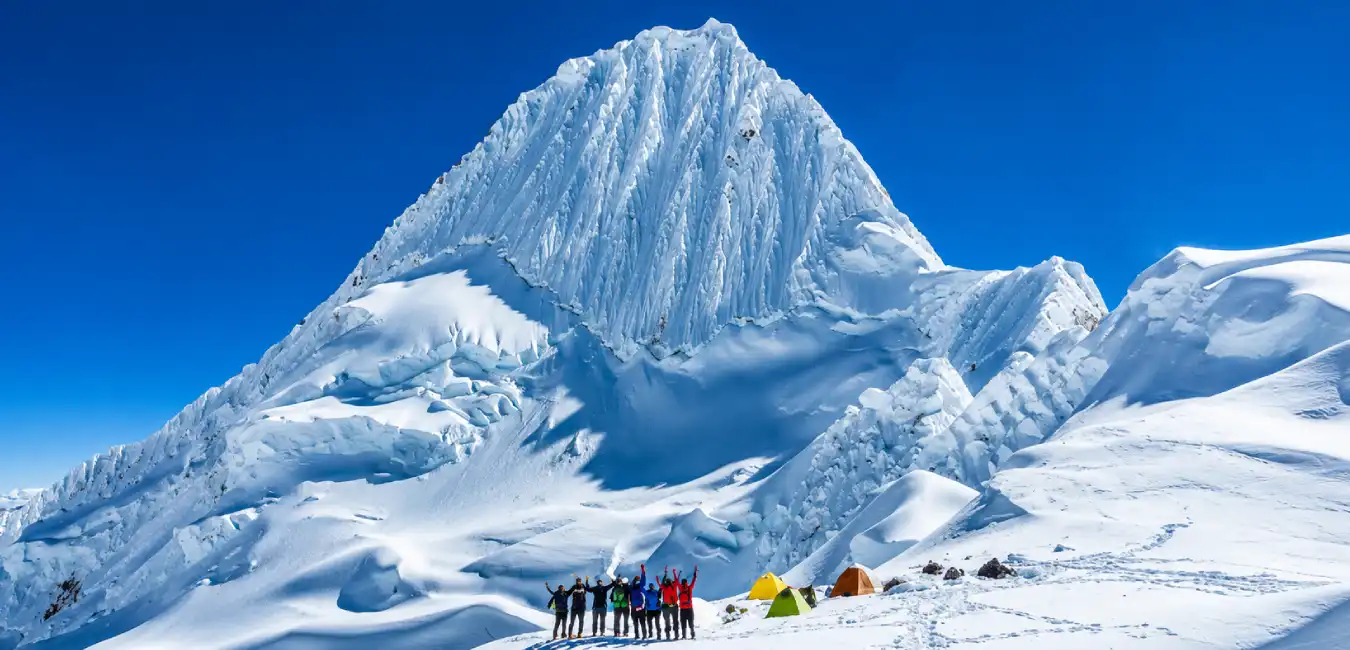
| Difficulty | Expert / Technical. |
| Duration | 7 to 10 days. |
| Region | Ancash. |
| Highest Point | 5,947 m (19,511 ft) at the summit. |
| Ideal For | Trekkers with experience in long-distance expeditions and camping. |
Why choose this trek?
Alpamayo is famous for being known as "The Most Beautiful Mountain in the World." This route combines demanding alpine trekking with highly technical mountaineering. Reaching its summit or crossing the surrounding high mountain passes requires advanced skills with crampons, ice axes, and rope techniques, as well as the support of certified high altitude mountain guides (UIAGM).
Which trekking route should you choose based on your experience and travel style?
If You Are... | We Recommend | Why? |
|---|---|---|
| New to high-altitude hiking or just getting started. | Humantay Lake or Huchuy Qosqo with llamas. | Both offer moderate physical challenges and are great options for acclimatization hikes. |
| Travelers with only one free day in their itinerary. | Vinicunca (Rainbow Mountain) or Humantay Lake. | Both are full-day excursions that depart from and return to Cusco on the same day. |
| Travelers who want to hike to Machu Picchu. | Classic Inca Trail or Llama Trail: Qoricancha to Machu Picchu. | These are the only treks that allow you to enter directly on foot through Inti Punku (the Sun Gate). |
| Travelers visiting in February or those who couldn't get an Inca Trail permit. | Salkantay Trek or Huchuy Qosqo with a train connection. | Neither requires reservations months in advance, and both offer spectacular scenery. |
| Travelers looking for living culture and less crowded trails. | Llama Trail – Huchuy Qosqo. | You'll follow ancestral trails alongside local communities and llamas. |
| Travelers combining their trip with a visit to Arequipa. | Colca Canyon. | Lower altitude and opportunities to see Andean condors soaring overhead. |
| Travelers looking for a serious high-altitude challenge. | Ausangate or Huayhuash. | Mountain passes reaching close to 5,000 meters (16,404 feet) or higher. |
Your essential packing list for hiking in the Andes
The right gear can make the difference between enjoying the scenery and having a miserable experience. On a single day, you might encounter intense sunshine, strong winds, hail, and nighttime temperatures below freezing. That's why dressing in layers is key. Here's what you should pack.
Layering system
- Base layer: Breathable thermal shirts made from synthetic fabrics or merino wool.
- Mid layer: A fleece jacket or down jacket.
- Outer layer: A waterproof, windproof jacket (Gore tex or similar).
Footwear and trekking poles
- Mid or high cut hiking boots that you've already broken in to prevent blisters.
- Trekking poles with rubber tips to help protect your joints.
- Sunscreen (SPF 50+), lip balm, and UV-protection sunglasses.
- A sun hat and a warm beanie for cold nights.
Camping gear and essentials
- A sleeping bag rated for temperatures between -5°C and -10°C (23°F to 14°F).
- A comfortable, ergonomic backpack: 30L for a day hike or 50–65L for multi-day treks.
- Water purification tablets or a portable water filter.
The things people often forget (and end up missing most)
A headlamp, portable power bank, Peruvian soles in small bills, trash bags, and a first aid kit with your personal medications. And please, don't wear brand new hiking boots on the trail. It's one of the quickest ways to end up with blisters.
Guided tour vs. Hiking independently
What changes? | With a tour operator | On your own (Independent) |
|---|---|---|
| Weight on Your Back | Light backpack: You only carry your water and jacket; mules or porters handle the heavier equipment. | Heavy backpack: You carry your tent, sleeping bag, camping stove, and food for the entire trek. |
| Meals and Camping | Hassle-free: You arrive at camp to find your tent already set up and a hot meal waiting for you. | Do it yourself: You have to set up your tent and cook your own meals after a long day of hiking. |
| Logistics | Stress-free: You're picked up from your hotel, and all transportation and entrance tickets are taken care of. | Adventure on your own: You arrange local shared transportation, negotiate taxi fares, and coordinate schedules yourself. |
| Safety | Peace of mind: Certified guides carry medical oxygen and emergency first-aid kits. | Independent: Your safety depends entirely on your experience, first-aid supplies, and GPS navigation. |
| Budget | Higher investment: You pay for convenience, complete logistics, and field support. | Budget friendly: You keep costs low by paying only for local transportation and groceries. |
| Schedule | Structured: A coordinated itinerary keeps everything on schedule, including campsite arrival times. | Flexible: You set your own pace and decide when to stop for photos or take a break. |
Have you decided which route sounds right for you? Tell us how many days you have available and how comfortable you feel hiking at high altitudes, and we'll help you plan a trek tailored to your needs, with small groups and local guides from Cusco. Message us on WhatsApp or get in touch through responsibletrekking.com.
Frequently Asked Questions
What is the easiest trekking route in Peru?
Humantay Lake is one of the most accessible options. It's a full-day trip from Cusco, with an uphill hike that takes about two hours. However, you should still spend at least two days acclimatizing beforehand, as the lake sits at 4,200 meters (13,780 feet).
What are the most scenic trekking routes in Cusco?
The highlights include the Classic Inca Trail and the Llama Trail for their historical significance, the Salkantay Trek for its transition from glaciers to the jungle, and the Ausangate Trek for its colorful alpine lakes.
Can you hike the Inca trail without a tour operator?
No. Both the Classic Inca Trail and the Short Inca Trail must be booked through a tour operator authorized by Peru's Ministry of Culture. Permits are issued in your name, linked to your passport, and are non-transferable.
Which trek should you choose if you couldn't get an Inca Trail Permit?
The most popular alternative is the Salkantay Trek, which takes you to Machu Picchu without requiring an advance Inca Trail permit. Another great option is the Llama Trail with a train connection, combining ancient Inca paths, llamas, and Huchuy Qosqo.
Can you go trekking during the rainy season?
Yes. Routes such as Salkantay, Humantay Lake, and Colca Canyon remain accessible from November through March, although you should expect muddy trails and fog. Bring waterproof clothing, and remember that the Inca Trail closes throughout February.
Do you need a guide for the Salkantay Trek?
A guide is not legally required, unlike on the Inca Trail. However, hiring a local guide makes logistics easier, provides valuable knowledge about changing weather conditions at the mountain pass, and ensures you have someone who knows how to respond to altitude sickness.
How do you choose certified Trekking Guides in Peru?
In Huaraz, check whether the agency works with guides affiliated with the AGMP, which is associated with the UIAGM/IFMGA. In Cusco and Arequipa, choose agencies registered with DIRCETUR and guides who hold an official license.