
Dare to travel to the Andes in November and experience the spirituality, traditions, and emotion surrounding Todos los Santos in Cusco, celebrated every year on November 1 and 2. During these days, families honor the saints and remember loved ones who have passed away and, according to Catholic faith, have attained eternal life. In this blog, we’ll tell you when it is celebrated, how local families observe the tradition, what traditional foods to try, where to buy T’anta Wawa, and what to do in Cusco during this special time of year.
The connection between death and life in Todos los Santos
The Andean tradition of Todos los Santos, which has pre-Hispanic origins, brings culture and spirituality together through celebrations held throughout the Andean world. So, if you are planning to travel during this time of year, you can experience an authentic and meaningful side of Cusco, the quintessential Quechua city.
When is Todos los Santos celebrated in Cusco?
The celebration of Todos los Santos in Cusco takes place every year on November 1 and 2. It also coincides with Día de la Canción Criolla and Halloween, which are celebrated on October 31. However, in the Andes, these days mark the return of the souls of the deceased to the earthly world, and families honor their memory with offerings of food, flowers, and drinks.
Keep in mind that November 1 is a national holiday in Peru, while November 2 is not.
Todos los Santos in Cusco: Differences Between November 1 and 2
| November 1 | November 2 |
|---|---|---|
| Name | Todo los Santos or "Day of the Living" | Day of the Deceased or All Souls' Day |
| Atmosphere | Family-oriented, festive, and centered around sharing | Remembrance, prayer, and music |
| Setting | Homes, markets, bakeries, and picanterías | Cemeteries and parishes |
| Main elements | Lechón, T'anta Wawas, and altars | Flowers, candles, Masses, and musicians |
| Holiday | Yes, national holiday | Regular working day |
How is Todos los Santos celebrated in Cusco?
This religious celebration emerged from the fusion of two cultures, with both pre-Hispanic and Catholic roots. In the Andean worldview, death is not an ending; instead, there is kutiy, a Quechua word meaning "to return" or "to continue." For this reason, Todo los Santos traditions in Cusco take place both at home and in the cemetery.
November 1, "Todos los Santos" or "Day of the living" in Cusco
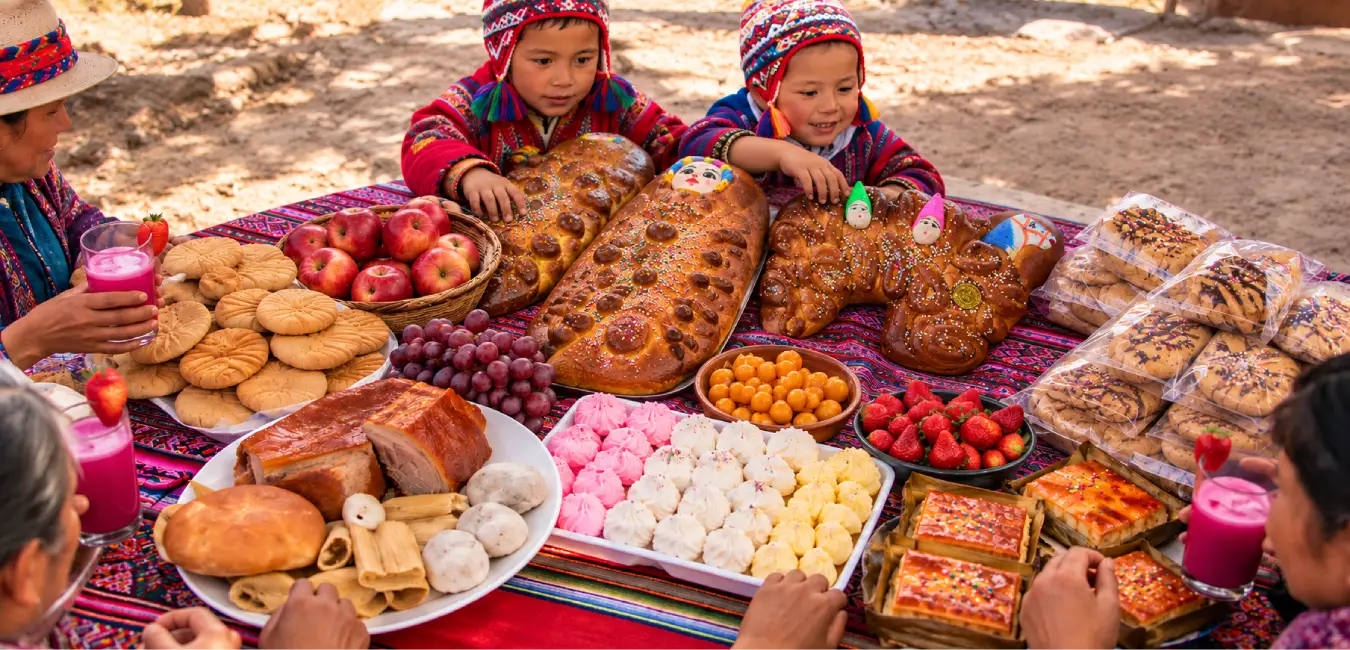
- Family gatherings: grandparents, children, grandchildren, and compadres gather at the family home to remember those who have passed away.
- Food: at noon, Cusco style lechón is served with tamales, carefully prepared and ordered several days in advance.
- T'anta Wawa: they are bought, given to children, and exchanged between compadres as a sign of affection.
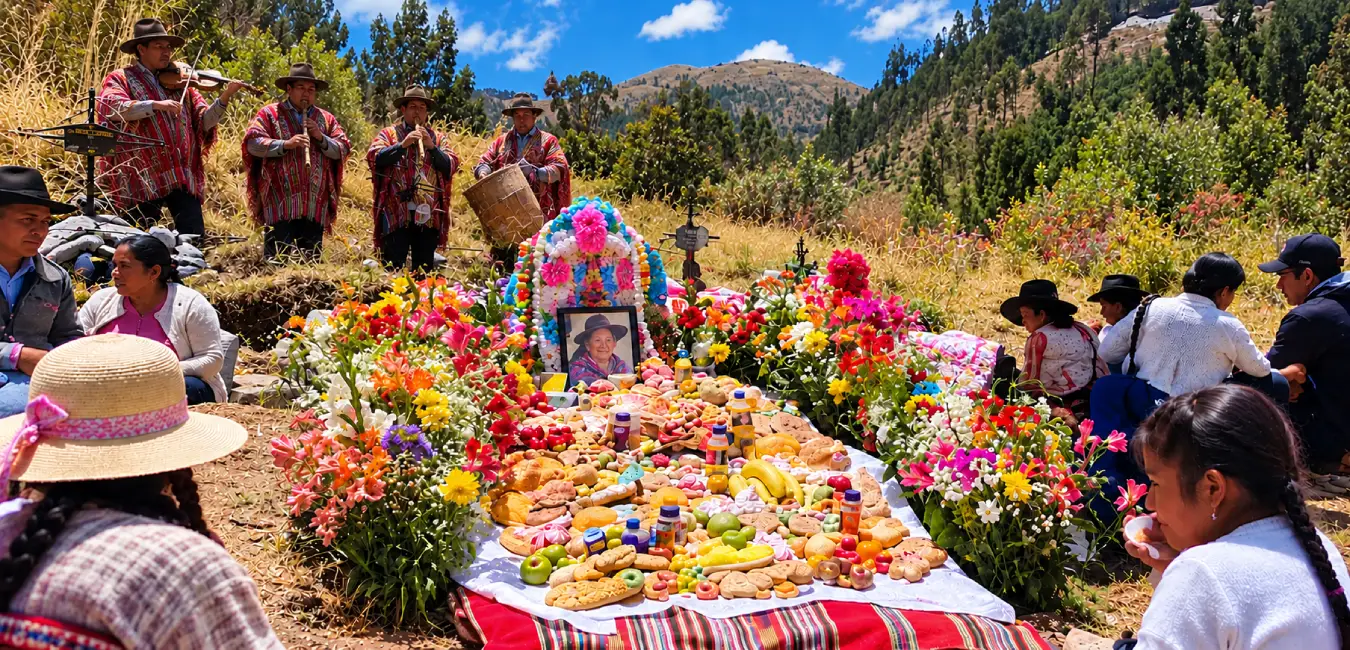
- Altars: an altar is prepared with food, sweets, and alcoholic drinks because people believe that the deceased return to visit their loved ones. The altar remains untouched until November 2, when the souls return to heaven.
- Visiting relatives: in the afternoon, people visit the homes of relatives and neighbors to pray before their altars and share bread and chicha.
November 2, Day of the faithful departed in Cusco
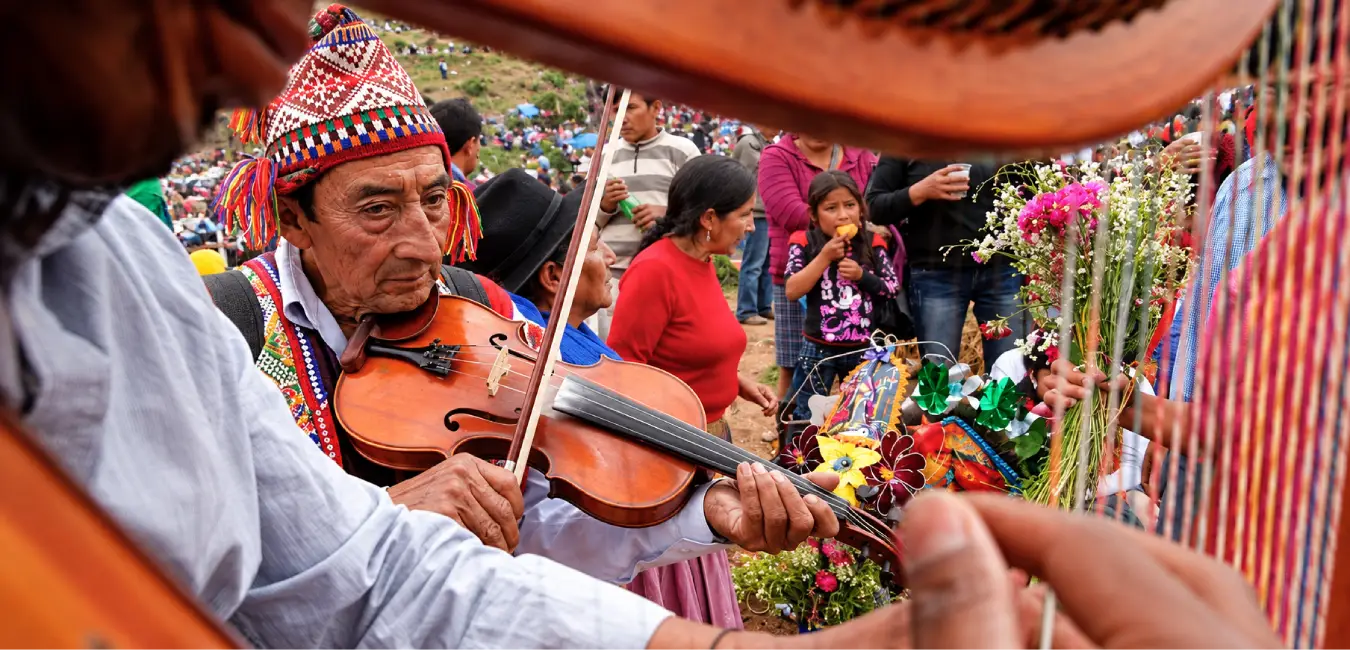
- Cemeteries: families take part in a romería, a tradition in which they visit cemeteries to pray and light candles in honor of their loved ones.
- Flowers: graves are decorated with flowers, symbolic objects, breads, and traditional foods offered to the deceased as a sign of respect and remembrance.
- Masses: parishes and cemetery chapels hold Masses for the faithful departed.
- Remembrance: families share food beside the grave and tell stories and memories about their loved one.
- Music: the atmosphere is festive; hymns and favorite songs of the deceased are performed in Quechua and Spanish, creating a space for celebration and remembrance.
History of the Todos los Santos celebration
To understand the Cusco celebration, it is helpful to first look toward Europe. The date we know today did not appear all at once; instead, it evolved over several centuries before reaching the Americas.
Origins of Todos Los Santos
Día de los Fieles Difuntos originated in France in 998, at the monastery of Cluny, when Saint Odilo decided on November 2 to pray for the souls of the dead. Meanwhile, Pope Boniface IV consecrated the Roman Pantheon to the Virgin Mary and all the martyrs in 610. Later, between 731 and 741, Gregory III moved the celebration to November 1, and Gregory IV extended it to the entire Church in the 9th century.
Year or century | Key event |
|---|---|
| Early 7th century | Boniface IV consecrates the Pantheon in Rome to the Virgin Mary and the martyrs (May 13). |
| 8th century | Gregory III dedicates a chapel to all the saints and establishes the feast on November 1. |
| 835 | Gregory IV extends the celebration to the entire Church. |
| 998 | Saint Odilo of Cluny establishes November 2 as a day of prayer for the deceased. |
| 16th century | The tradition reaches Peru and merges with Andean ancestor worship. |
The emergence of Todos los Santos in Peru
In the 15th century, the tradition reached Spain and from there spread to the Americas. In Peru, it merged with Indigenous customs and gave rise to a distinct local tradition. This is how a celebration combining Catholic and Andean elements emerged.
Andean traditions before the Incas
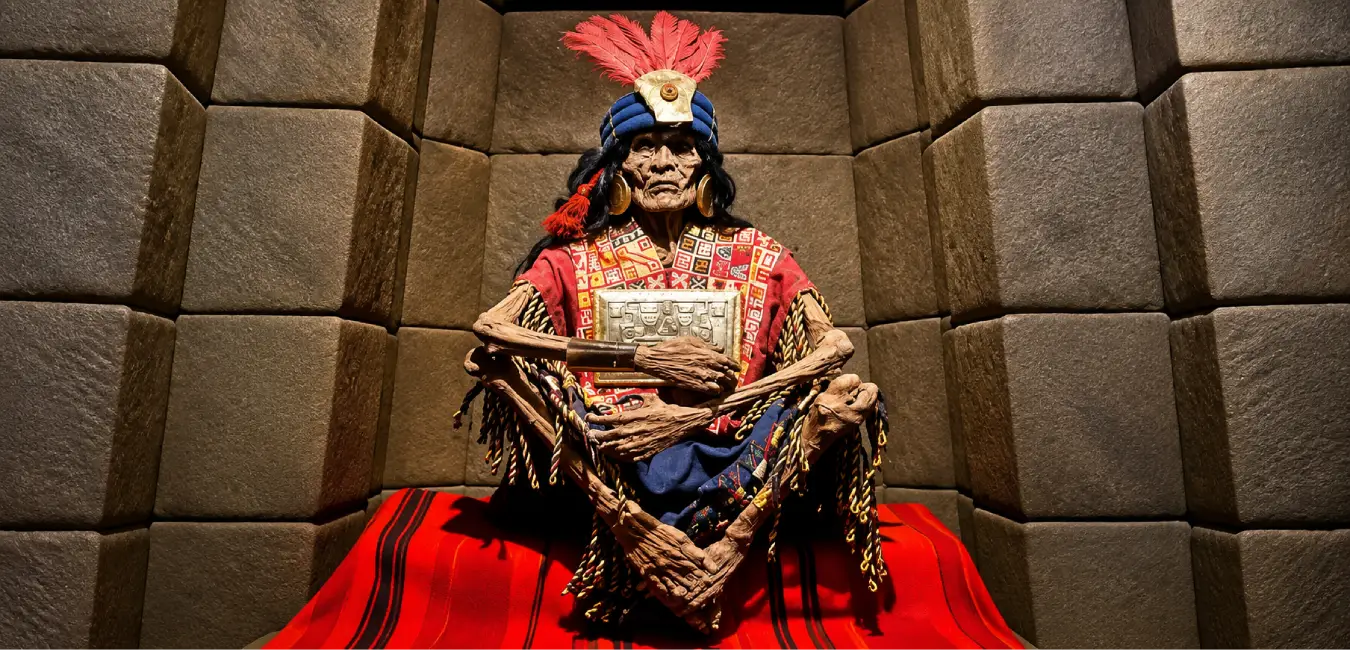
During the pre-Hispanic period, Andean peoples worshiped their ancestors, believing that the souls of the dead continued to accompany the living from another spiritual realm. During the pre-Inca and Inca periods, important figures or wise people were embalmed, placed in a fetal position, wrapped in textiles, and placed inside baskets or vessels. They were eventually taken to their chullpas, temples, caves, or machay.
Aya Markay Killa and the deceased during the Tahuantinsuyo
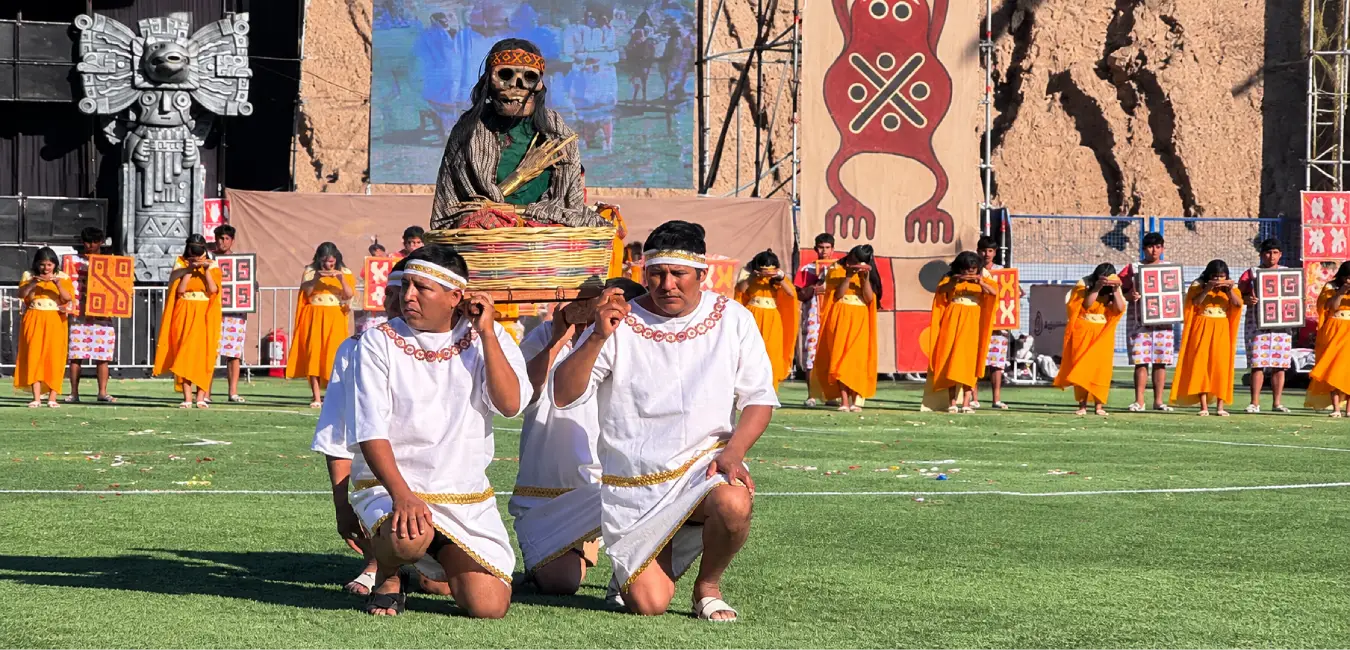
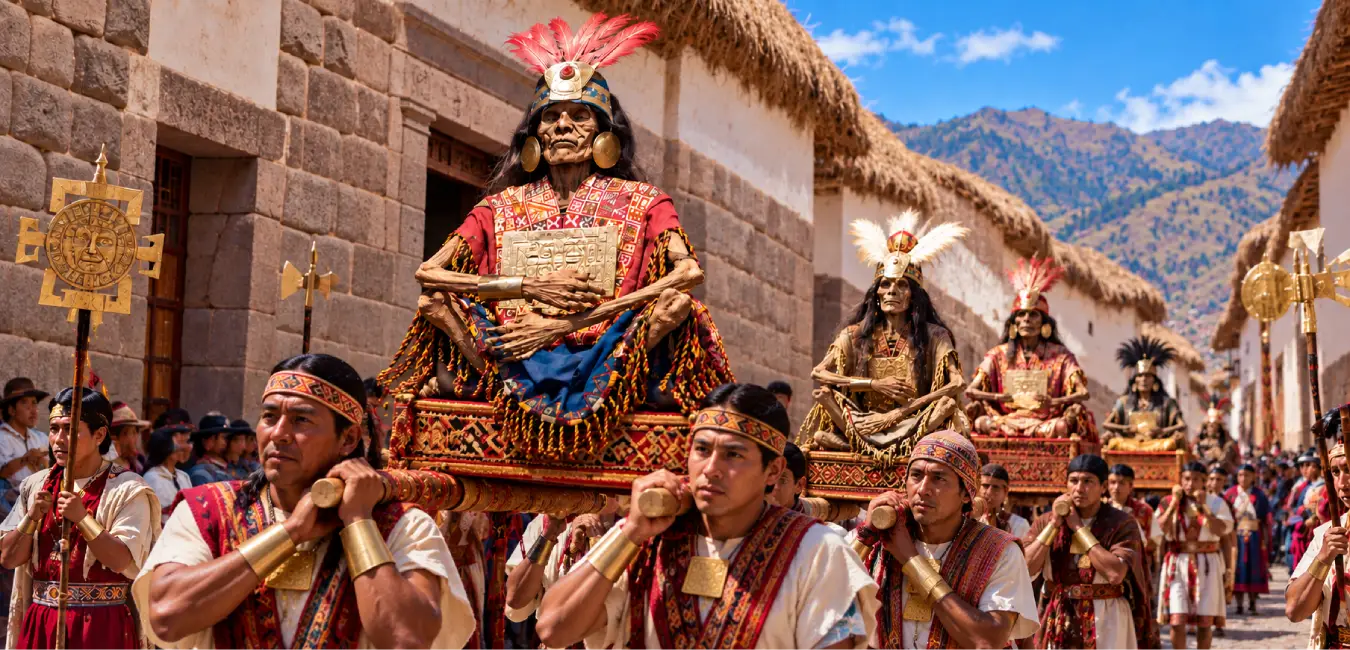
The festival known as "Aya Markay Killa," recorded by chronicler Felipe Guamán Poma de Ayala and translated as "month of carrying the deceased," was celebrated in November to honor the mallquis. The Ayllus, who were responsible for their care, dressed the mummies in their finest clothing and adorned them with feathers, gold, and silver.
Later, they carried them on litters through the streets, accompanied by dances, songs, and offerings of food and drink.
The worship of the Mallquis
This practice, which became stronger during the reign of Pachacútec, was carried out by the ayllus (families), who had a designated place to safeguard their mallquis (mummies). They offered them food, drink, and clothing and performed sacrifices in their honor. In addition, preserving the body of the deceased was crucial, as its guardianship granted power to the person responsible for caring for it.
Festivals in which the dead participated
The mallquis of the deceased Inca rulers participated actively in the life of Cusco: they were carried to the central plaza to be present and help facilitate alliances within the elite, while their achievements and conquests were recounted as they passed. They also played an important role in celebrations such as Cápac Raymi, Inti Raymi, Coya Raymi, and Cápac Cocha.
The transformation during the Colonial Period
When the Spanish arrived, the Church banned the worship of the mallquis, and many Inca mummies were destroyed during the 16th century. Even so, local traditions and the Catholic celebration merged, giving rise to the celebration of Todos los Santos and Día de los Muertos. According to a widespread interpretation, bread took the place of ancient offerings: bizcochos evoke the chullpas, while T'anta Wawas represent wrapped mummies.
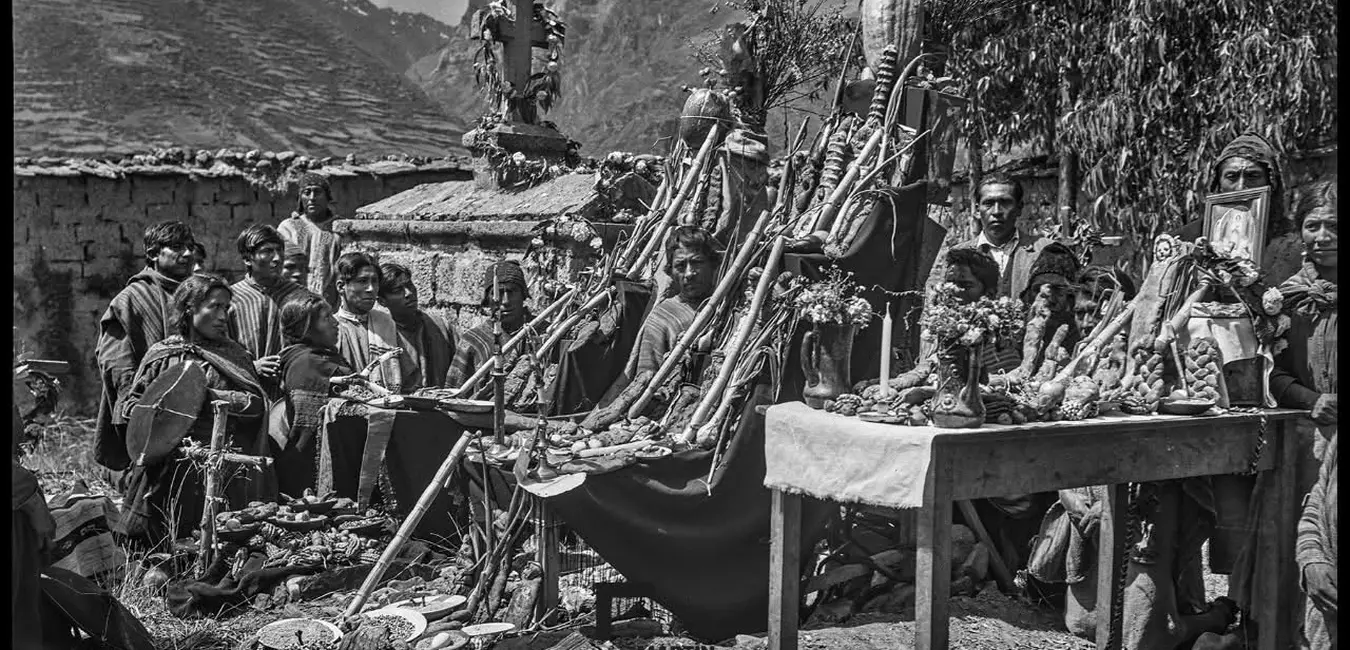
Todos los Santos in Cusco today
Today, the celebration marks the return of the souls of the deceased and symbolizes the connection between death and the cycle of life. Ultimately, it is one of the clearest examples of the syncretism that defines the Todos los Santos celebration in Cusco.
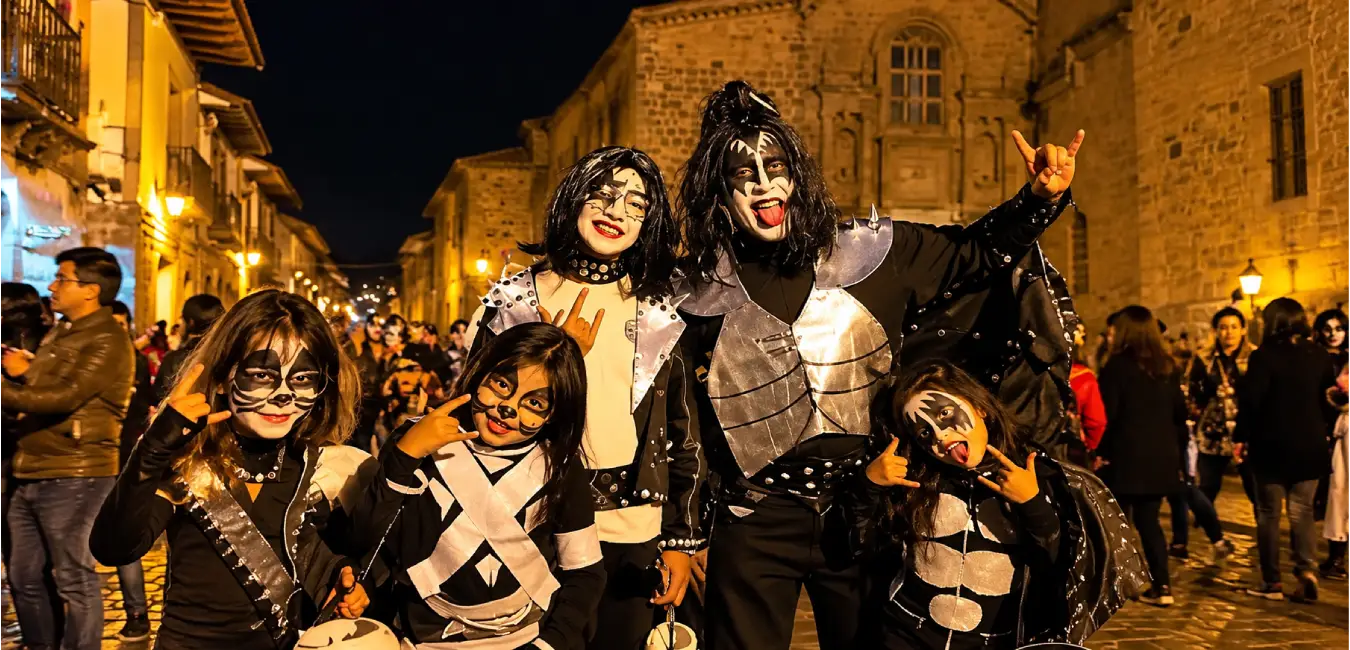
Todos los Santos vs. Halloween
Aspect | Halloween | Todo los Santos in Cusco |
|---|---|---|
| Main date | October 31 | November 1 and 2 |
| Focus | Popular celebration and costumes | Religious, family, and cultural tradition |
| In Cusco | Commercial activities and parties | Markets, families, food, cemeteries, and remembrance |
| Common elements | Costumes, candy, and decorations | T'anta Wawas, flowers, food, prayers, and music |
| Traveler participation | Mainly recreational | Respectful cultural observation |
T'anta Wawa in Cusco: History, meaning, and where to buy it
what is a T'anta Wawa?
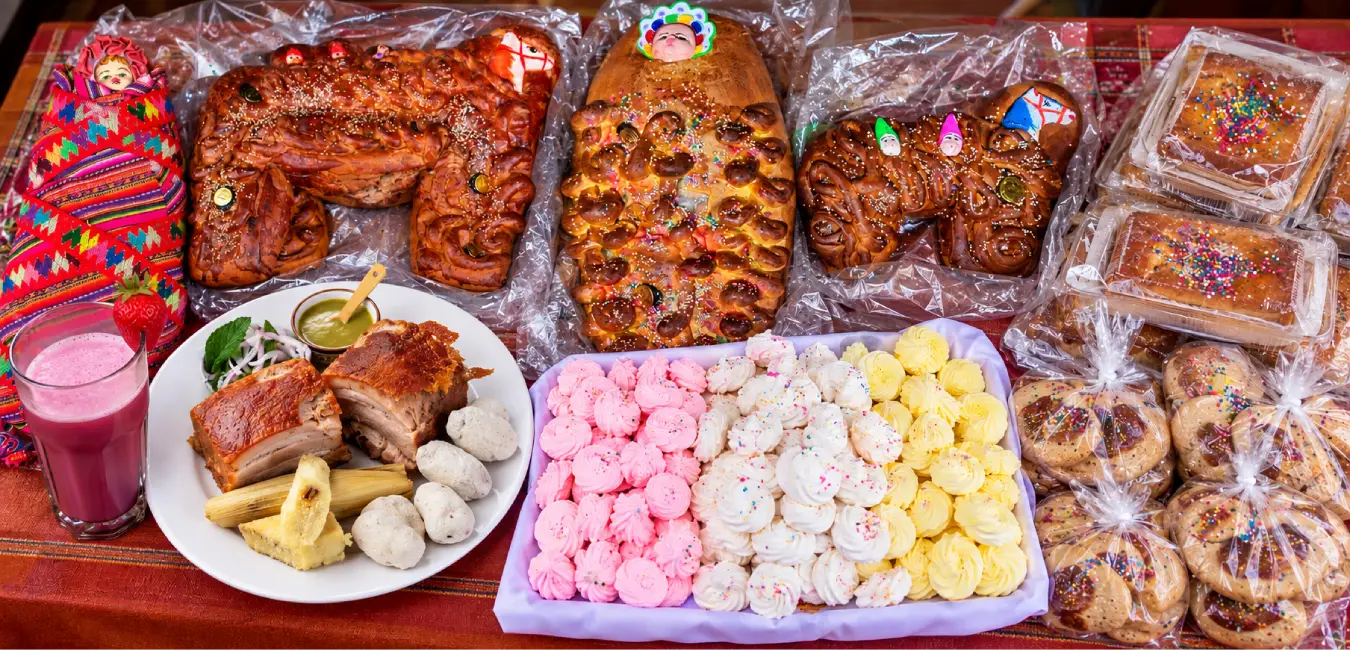
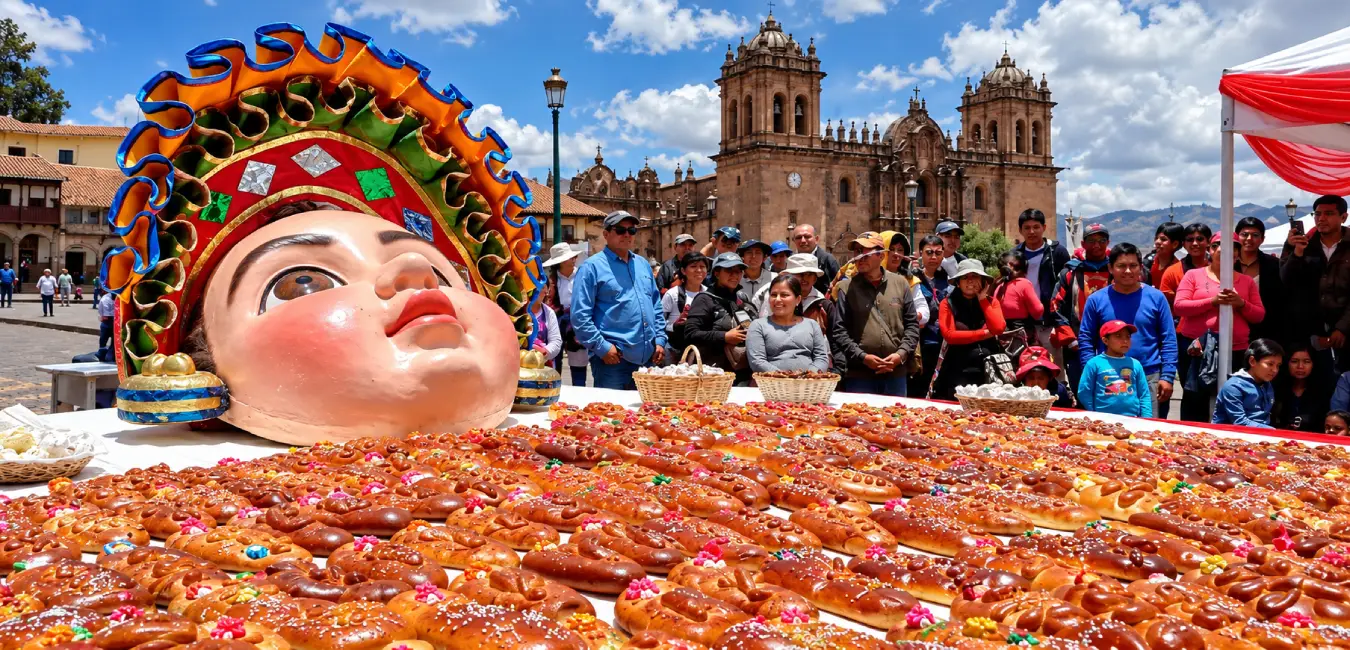
A T'anta Wawa is a sweet bread shaped like a baby. According to Peru's Ministry of Culture, these traditional breads represent babies, llamas, doves, or other figures and are made for November 1 and 2, as well as for Carnival, Holy Week, and patron saint festivals. Its origin is mestizo: it combines wheat bread brought by the Spanish with sanqu, the sacred corn bread that the Incas prepared for their ceremonies.
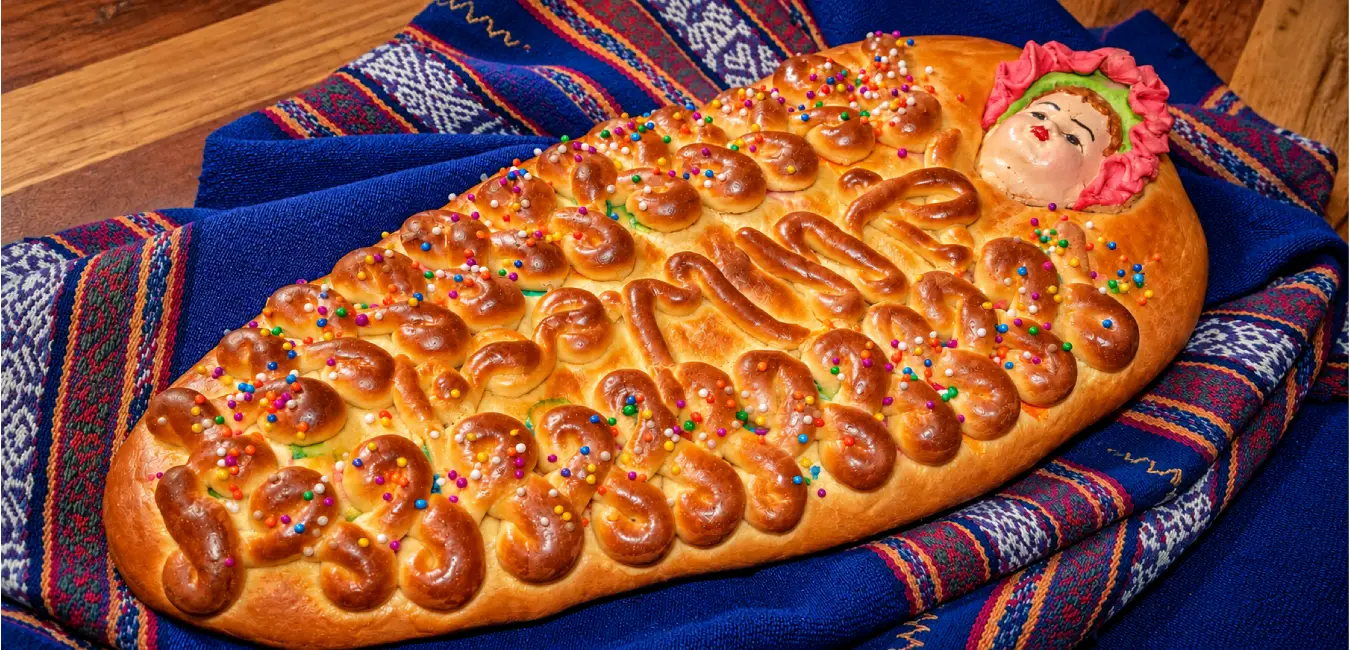
Origins of the T'anta Wawa
Oral tradition tells another story: in Potosí, after epidemics caused the deaths of many children, a group of women grieving the loss of their children made small baby-shaped pastries. During the colonial period, a mining widow in Cusco included these breads on her offering table, and the custom eventually spread throughout the city.
What does the T'anta Wawa mean?
The representation of a baby made from bread dough blends Inca and Spanish traditions: although it retains Andean clothing, it must be "baptized," symbolizing rebirth and the continuity of life. Traditionally, this offering is intended for girls.
What does the Pan Caballo represent?
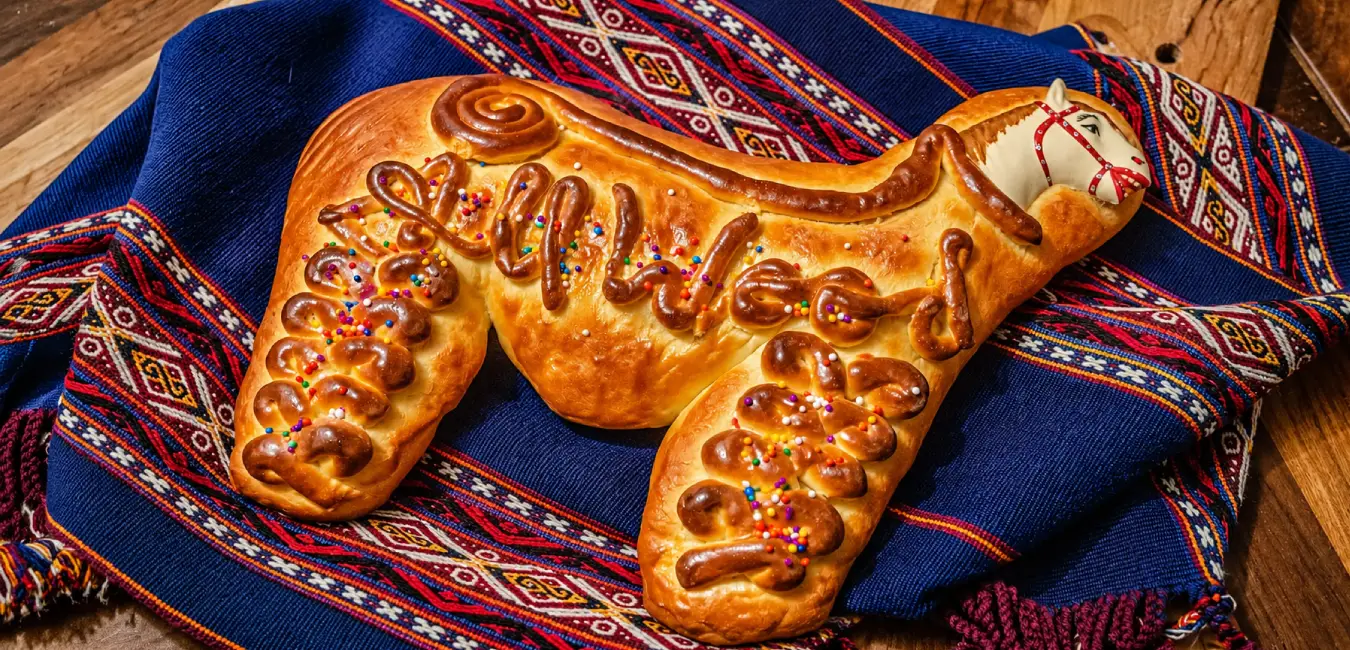
The representation of a horse made from bread symbolizes the means of transportation that carries the deceased's offerings, making the return journey easier. Traditionally, this offering is intended for children.
What does the bizcocho represent?
The bizcocho symbolizes the deceased's coffin and helps ensure that, when the soul returns to the earthly world, it does not become confused along the way.
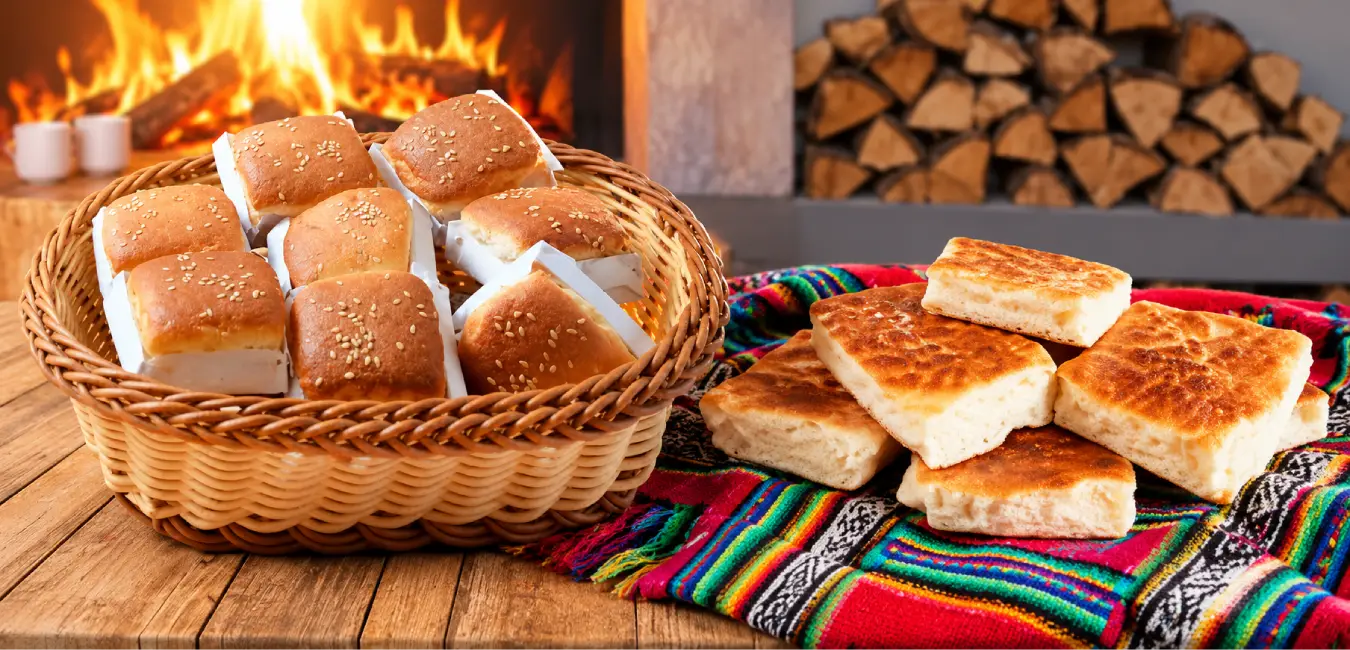
Bread | Shape | What It symbolizes | For whom |
| T'anta Wawa | Wrapped baby with a decorated face | The soul, rebirth, and the continuity of life | Girls |
| Pan caballo | Horse, sometimes with a rider | Transportation for the soul and its offerings | Children |
| Bizcocho | Elongated sweet bread | The coffin that guides the soul | The whole family |
Where to buy T'anta Wawa in Cusco
T'anta Wawa in Cusco is sold only in late October and during the first days of November.
Here are the best places to buy it:
- San Pedro Central Market: just a few blocks from the Plaza de Armas, with stalls selling T'anta Wawas, pan caballo, bizcochos, and flowers.
- District markets: those in San Jerónimo, San Sebastián, and Wanchaq offer more local prices.
- Traditional bakeries in the historic center: they bake T'anta Wawas in different sizes and with different decorations.
- Oropesa: about 25 km (15.5 mi) southeast of the city, it is known as the capital of Cusco bread.
Did you know?
T'anta Wawas vary depending on where they are made and may represent babies, llamas, doves, or other figures. The Ministry of Culture also notes that their characteristics, techniques, and shapes vary across different regions of the country.
What to eat during Todos los Santos in Cusco
The traditional food served during Todos los Santos in Cusco is carefully prepared at home. In fact, for many families, Todos los Santos in Cusco revolves around the table.
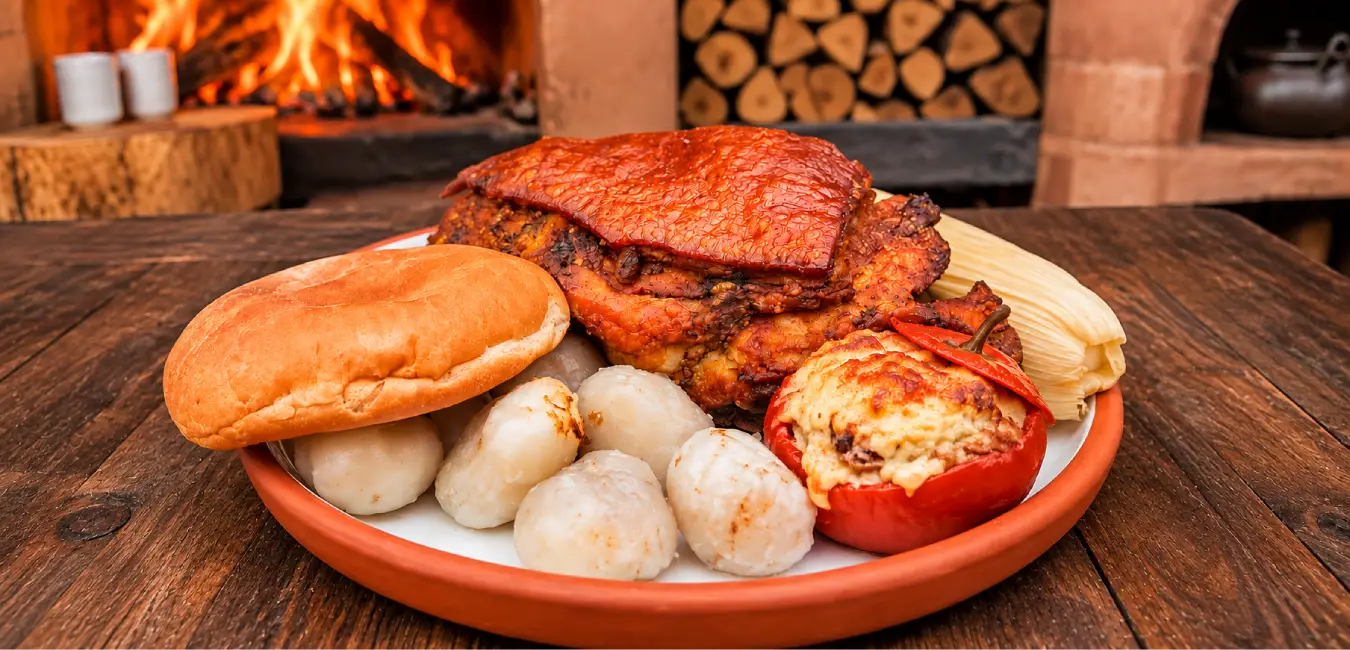
Where to try traditional food during Todos los Santos
To eat like a local in Cusco, look for a local picantería, where lechón often sells out before the afternoon; visit the markets to try traditional bread and chicha; or visit Saylla, just outside the city, which is famous for its lechón and chicharrones. And if you visit Oropesa, buy bread fresh from the oven.
Food | What it is | Where to try it |
|---|---|---|
| Cusco-style lechón | An iconic dish of the celebration; it is served with sweet tamales, moraya, rocoto relleno, and baked noodles. | Picanterías in Cusco and Saylla on November 1. |
| T'anta Wawa and pan caballo | Decorated seasonal sweet breads. | Markets, bakeries, and Oropesa. |
| Frutillada | A chicha-based drink made with strawberries, with a sweet and refreshing flavor. | Chicherías with a red flag at the entrance. |
| Empanadas | Cusco-style empanadas decorated with sprinkles. | Bakeries and markets. |
| Maicillos | Small corn breads or biscuits, also used in offerings. | Bakeries and market stalls. |
| Bizcochos | Soft, sweet dough served as part of the offerings. | Bakeries and markets. |
Where to experience Todos los Santos in Cusco
The cemeteries of Cusco during Todos los Santos are the setting for some of the most moving moments of the Todos los Santos celebration in Cusco. The two main cemeteries are both located in the district of Santiago.
Experience the vigil at the Cemeteries
The romería is one of the most moving traditions: families visit the cemeteries early in the day to pray and light candles in honor of their loved ones. They clean the graves, decorate them with flowers, wreaths, breads, and traditional foods, and at noon they share food beside the graves as a sign of respect and remembrance.
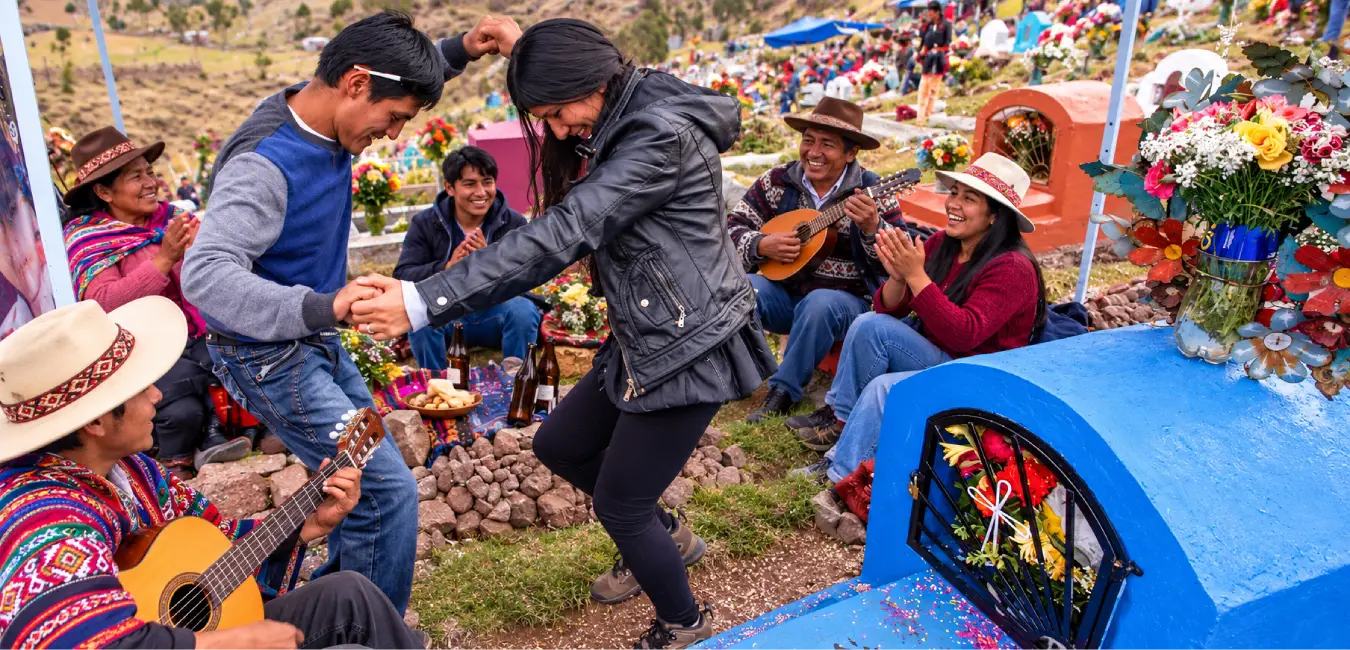
Visit the Almudena Cemetery Museum
- What happens: this is the city's historic cemetery, built beginning in 1846 on the site of a colonial cemetery. Presidents, intellectuals, and artists are buried here, and in November its pavilions fill with flowers, candles, and musical bands.
- When to go: November 2 is the busiest day.
- How to get there: it is about 1.5 km (0.9 mi) from the Plaza de Armas, next to the Almudena church; you can walk or take a taxi.
- What you can do: walk through its pavilions, observe the decorated graves, and listen to the musicians.
- What to avoid: walking on graves, interrupting prayers, or photographing families without permission.
Visit Huancaro Cemetery
- What happens: this is a newer and larger cemetery with a very local atmosphere, where families share food beside the graves and music can be heard throughout the day.
- When to go: November 2 as well, preferably in the morning.
- How to get there: it is located in the Huancaro area of Santiago; the most practical option is to take a taxi from downtown.
- What you can do: discreetly observe the romería and buy flowers or bread from the stalls at the entrance.
- What to avoid: arriving around noon, when it is more crowded, and carrying valuables in plain sight.
The cemeteries of San Jerónimo, San Sebastián, and those in each province have their own romería, often with an even more traditional atmosphere.
Enjoy the Music and songs
The atmosphere during Todos los Santos is surprisingly festive. Families sing hymns and their loved ones' favorite songs in Quechua and Spanish, and many hire musicians to play beside the graves. In this way, the cemetery becomes a place of celebration and remembrance.
Take part in the T'anta Wawa baptism
This colonial tradition is gradually disappearing, but it still survives in some families and communities in the region. It is a humorous ritual in which the bread is treated as if it were a baby: there is an improvised "priest," playful godparents, and, at the end, food and drinks for everyone.
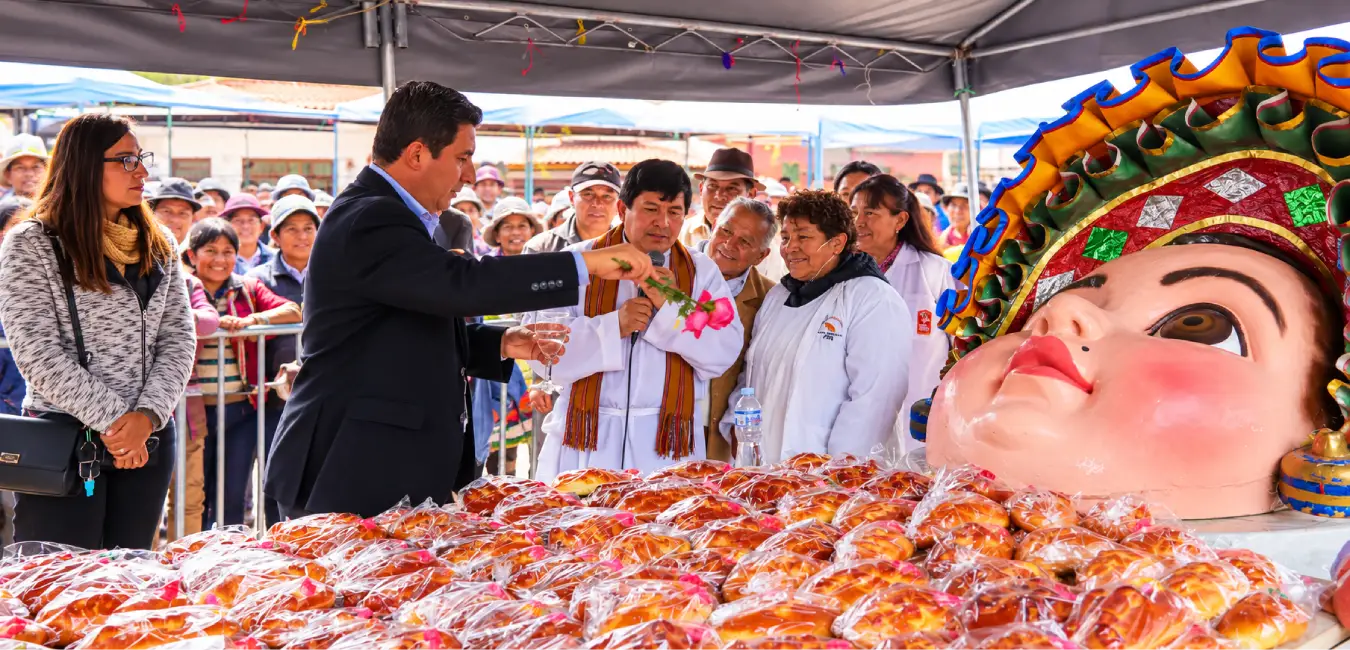
Beyond the laughter, the baptism strengthens compadrazgo relationships and symbolizes the close connection between life, death, and rebirth.
Practical tips for visitors
Don't confuse Día de Todos los Santos (November 1) with Día de los Santos Inocentes (December 28), which commemorates the children killed by order of King Herod and is associated with practical jokes in Peru.
Cultural etiquette in cemeteries and during celebrations
- Avoid taking photographs without permission, especially of altars, graves, or people; many families are experiencing genuine grief.
- Participate respectfully in local traditions and follow each family's customs.
- Maintain a calm and respectful attitude: speak quietly and do not sit on graves.
- Take part in traditional customs and games only if you are invited, and graciously accept bread or a glass of chicha if offered.
Recommendations for visitors
- Plan your visits in advance: during the Todos los Santos holiday, it is a good idea to book your accommodation ahead of time.
- Allow yourself time to acclimatize to the altitude to avoid soroche; rest at your hotel on your first day and avoid strenuous physical activity.
- Drink coca tea, which can help relieve symptoms of altitude sickness.
- Try local food and buy locally made products.
- Keep your belongings secure and avoid walking alone at night.
Essential items to bring
- Camera and mobile phone with an extra battery.
- Cash in Peruvian soles, since markets and bakeries rarely accept cards.
- Layered clothing and a poncho or waterproof jacket: November marks the beginning of the rainy season.
- Wide-brimmed hat and sunscreen.
- Candles and flowers if you are accompanying a family to the cemetery.
What to do in Cusco during Todos los Santos
If you're wondering what to do in Cusco during Todos los Santos, here's a complete plan to make the most of the Todos los Santos celebration in Cusco:
- Visit the historic center: the Plaza de Armas and San Blas have a special atmosphere, with stalls selling bread and flowers.
- Explore traditional markets and bakeries: start with the San Pedro Market.
- Try seasonal food: reserve lunch on November 1 for lechón with tamales.
- Visit a cemetery respectfully: on November 2, visit Almudena to experience the romería.
- Buy T'anta Wawas: take one home as a souvenir or give one to someone who welcomes you.
- Visit Oropesa: a half day trip to see traditional bread being baked.
- Combine the celebration with Machu Picchu or the Sacred Valley: take advantage of the holiday to add one or two days of sightseeing.
How much does it cost to buy Todos los Santo Products in Cusco?
Prices for seasonal products are not fixed. They may vary depending on size, ingredients, decoration, the establishment, and the purchase date.
Product | Approx. seasonal price | Where to find it |
|---|---|---|
| Small T'anta Wawa | S/ 25 | Markets and bakeries |
| Large T'anta Wawa | S/ 50 | Bakeries and markets |
| Pan caballo | S/ 25 | Markets and bakeries |
| Bizcochos | S/ 2 | Bakeries and markets |
| Flowers | S/ 10 | Markets and areas around cemeteries |
Traveler Tip
Compare prices at more than one stall before buying, especially if you're looking for a large or decorated T'anta Wawa.
Recommended 3-Day Itinerary for Todos los Santos
If you want to combine the celebration with sightseeing in Cusco, this itinerary allows you to spread out your activities instead of concentrating everything on the main celebration days.
Day | Date | Plan |
|---|---|---|
| 1 | October 30 or 31 | Arrival and rest → Historic Center → San Blas → San Pedro Market → traditional bakeries. |
| 2 | November 1 | Markets → T'anta Wawa → traditional lunch → Historic Center → cultural activities according to the schedule. |
| 3 | November 2 | Almudena Cemetery Museum or Huancaro → return to the Historic Center → lunch and a walk around Cusco. |
How to combine Todos los Santos with Machu Picchu
You don't have to choose between experiencing the celebration and visiting Machu Picchu. You can plan both experiences by organizing your days carefully. One practical option is to spend the main celebration days in Cusco and schedule Machu Picchu before or after November 1 and 2.
Date | Plan |
|---|---|
| October 30 | Arrival in Cusco and acclimatization |
| October 31 | Historic Center, San Blas, and markets |
| November 1 | Todos los Santos and local cuisine |
| November 2 | Cemetery visit and celebration |
| November 3 | Sacred Valley or transfer toward Machu Picchu |
| November 4 | Machu Picchu and return |
Experience Todos los Santos in a more personal way with Responsible Trekking, a 100% locally owned Cusco tour operator. Combine culture, nature, and community through an Andean cooking class, a pago a la tierra, a night in our Piedra Resbalada mountain domes, or a route to Huchuy Qosqo and Machu Picchu accompanied by llamas. Tell us what you would like to experience, and let's design your Cusco experience together.
Frequently asked questions about Todos los Santos
Is it safe to travel to Cusco in November?
Yes, Cusco is a safe destination. Even so, take normal precautions: keep your belongings secure in crowded places and avoid walking alone at night in poorly lit areas.
How long should I stay to fully enjoy the festivities?
Ideally, arrive on October 30 or 31 and stay for 3 to 5 days. This gives you time to acclimatize, experience both days, and visit Machu Picchu or the Sacred Valley.
Do I need to learn Quechua to communicate in Cusco?
No, it isn't necessary, but learning a few phrases in Spanish or Quechua can be very helpful, especially in markets and rural areas.
Can I participate in local ceremonies and rituals?
Yes, you can join the celebrations as long as you do so respectfully and follow the guidance of the families.
Can I take photographs in the cemeteries?
Yes, but always ask permission before photographing altars, graves, or people, as many families are experiencing a moment of grief.
What items are essential for preparing a Todos los Santos altar?
Photographs of the deceased, candles, flowers, fruits, sweets, drinks, their favorite dishes, T'anta Wawas, pan caballo, and bizcochos.
Should I bring cash or are cards accepted?
Bring cash in Peruvian soles for markets, bakeries, and rural areas. Hotels and restaurants in the city generally accept cards.
What other celebrations coincide with Todos los Santos?
It coincides with Día de los Fieles Difuntos (November 2) and, one day earlier, with Halloween and Día de la Canción Criolla (October 31).