
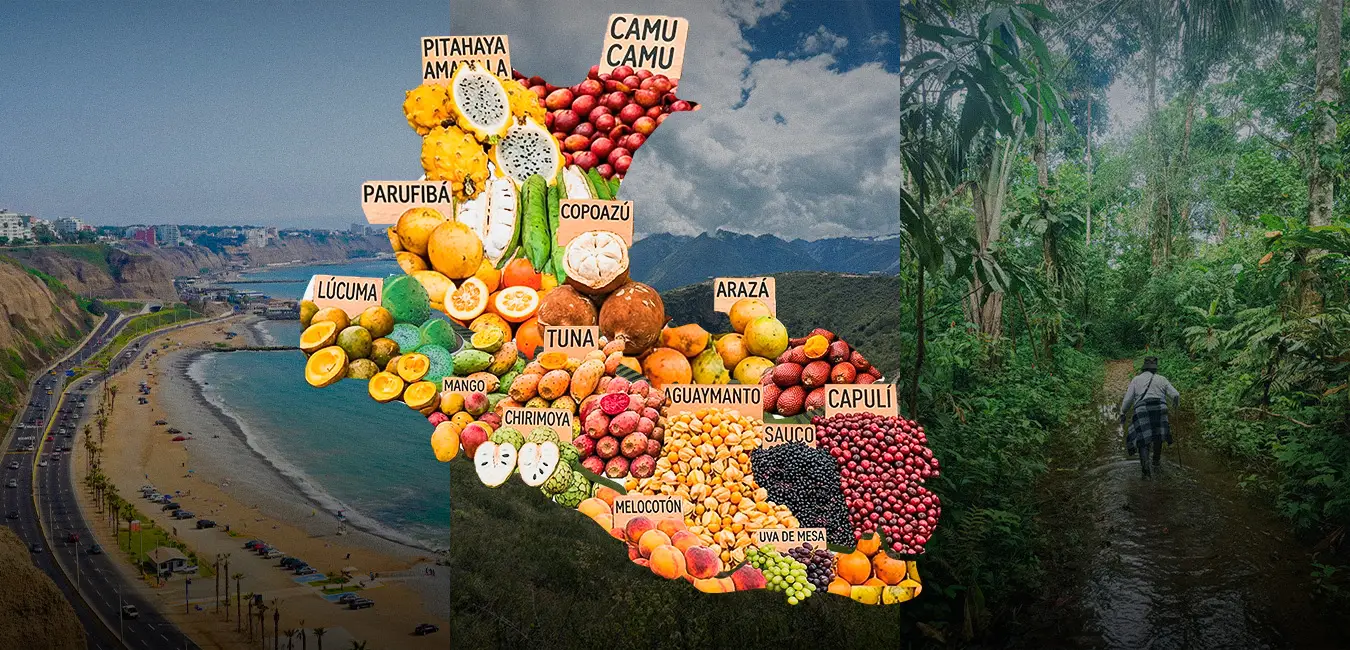
Peru is one of South America's most interesting destinations for discovering lesser known fruits. From the Amazon's aguaje and camu camu to the Andean lúcuma, cherimoya, granadilla, and sanky, its diverse climates offer fruits with surprising flavors, textures, and shapes.
Peruvian exotic fruits you should try at least once
In this blog, you'll discover the main exotic fruits of Peru, where they grow, when to find them, how to eat them, what makes them unique, and which markets you can visit to try them during your trip.
What are Peru's exotic fruits?
Peru's exotic fruits are fruits native to its different natural regions, especially the Amazon and the Andes. They are known for their unique flavors, aromas, colors, and nutritional properties, which reflect Peru's incredible biodiversity and make these fruits highly valued both as food and in Peruvian cuisine.
Why does Peru have such a wide variety of exotic fruits?
Peru is traditionally divided into three major geographical regions: the coast, highlands, and rainforest. Within these regions, there is an enormous variety of ecological zones ranging from sea level to elevations of 5,000 meters. So when you travel across the country from west to east, you're not just changing landscapes: you're also moving through different climates, soils, and, consequently, different varieties of fruit.
Did you know…
Peru's diversity of exotic fruits is no accident. It comes from a combination of altitude, climate, soil, and a long history of human cultivation and domestication. As a result, each region of the country offers its own unique list of flavors.
Exotic fruits of the Peruvian Amazon
Let's start in the east, where the Amazon covers around 60% of Peru's territory. Here you'll find the most surprising fruits of the Peruvian rainforest and their names, especially when it comes to their shapes, colors, and textures. Many are also sold as juices, ice cream, or frozen pulp because they spoil quickly in the heat.
1. Aguaje: A Peruvian Amazonian fruit
Fact | Details |
| Scientific name | Mauritia flexuosa - Family Arecaceae |
| Origin of the name | The term "aguaje" comes from the palm's natural habitat: the "aguajales," permanently flooded Amazonian wetlands where this species dominates the landscape. In other words, the name describes the place more than the flavor. |
| Region and departments. | It grows in the lowland rainforest: Loreto, Ucayali, San Martín, and Madre de Dios. It also forms huge forests within the Pacaya-Samiria National Reserve. |
| Altitude | Between 100 and 500 meters above sea level, always in waterlogged soils. |
| Season | Most abundant between December and July, although you can find it in the markets of Iquitos and Pucallpa almost year, round. |
| Flavor and texture | Dense, oily flesh with a slightly tart flavor and an aroma reminiscent of carrots and aged cheese. In short: it tastes like nothing else you've tried. |
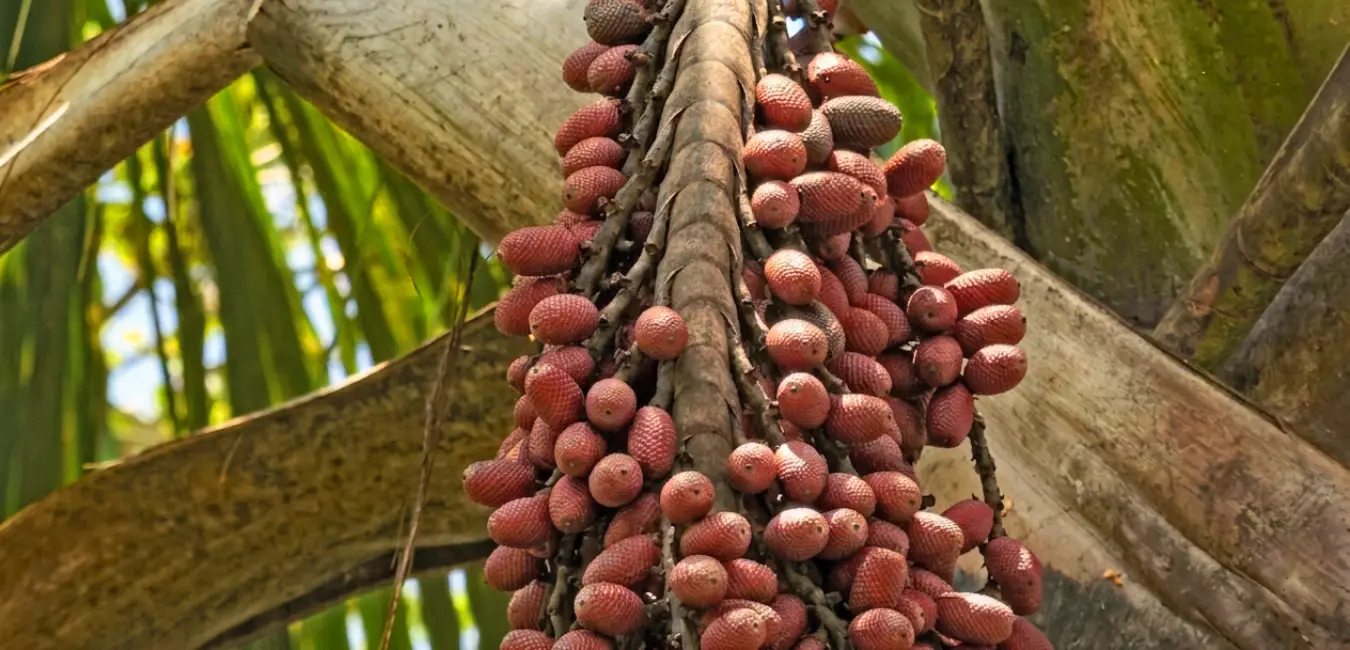
How to recognize Aguaje
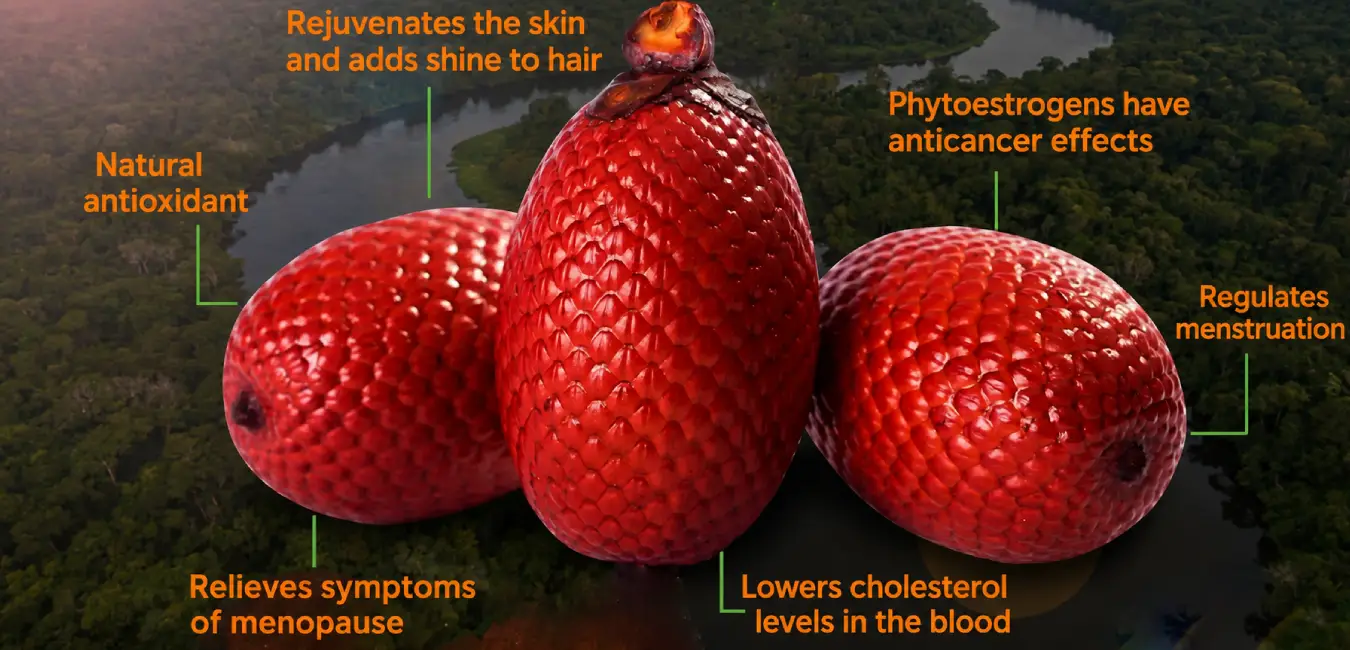
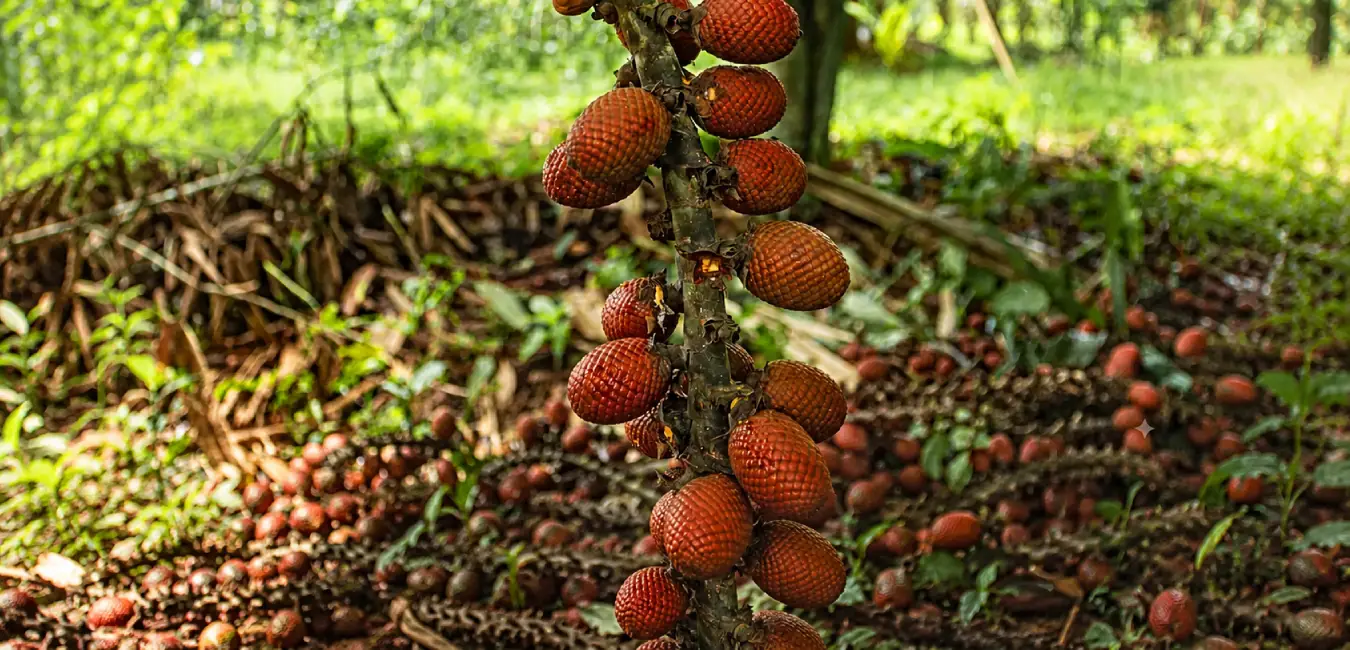
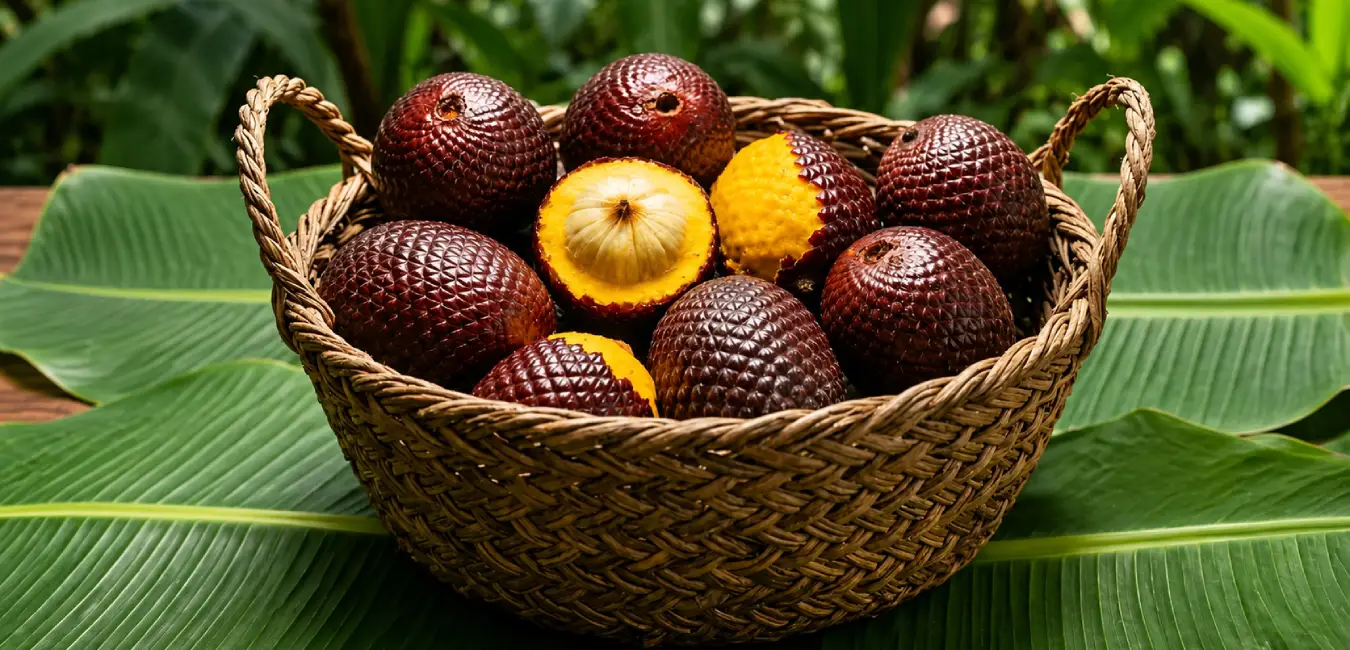
Aguaje is oval shaped, about 5 to 7 cm long, and covered with reddish or brown scales that overlap like roof tiles. Beneath this armor is a thin layer of orange flesh and, in the center, a large, hard seed. So if you see a fruit with "fish scales" sitting in a bucket of water, you've found aguaje.
Aguaje's nutritional profile
When it comes to its benefits, aguaje stands out for its high beta carotene content, which the body uses to produce vitamin A, and its levels are significantly higher than those found in carrots. It also provides plant oils valued by the cosmetics industry and contains phytoestrogens, plant compounds with a structure similar to human estrogens.
Traveler's recommendation
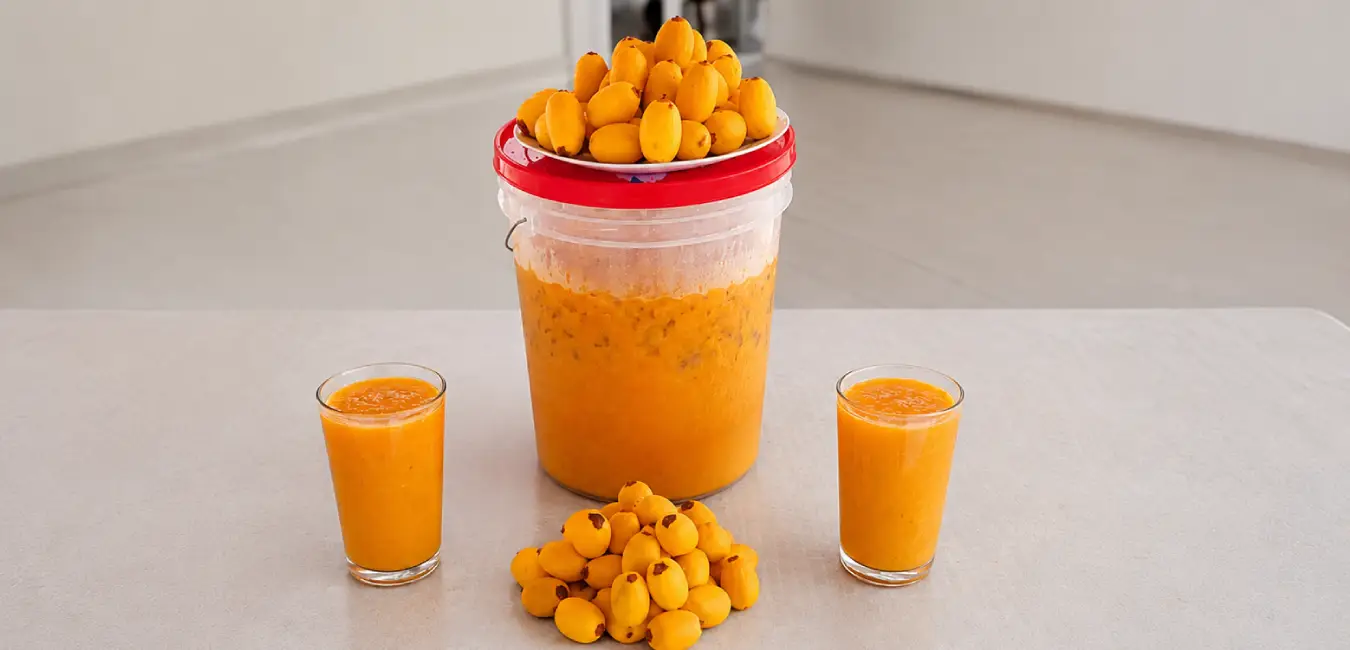
Locals eat it peeled and salted or drink it as "aguajina," a creamy beverage. You can also find it in ice cream and curichis. However, if you're trying it for the first time, start with the ice cream: the pure pulp can be quite intense on your first try.
2. Camu camu
Facts | Details |
| Scientific name | Myrciaria dubia - Family Myrtaceae |
| Origin of the name | The name comes from local Amazonian languages and became widely used because of the fruit's association with river communities; unlike other names, it does not come from Quechua or Spanish. |
| Region and departments | Loreto and Ucayali account for most of the production, while San Martín contributes smaller volumes. There are also natural stands along the Putumayo, Tigre, Ucayali, Napo, and Curaray river basins. |
| Altitude | Below 300 meters above sea level, along flood prone riverbanks and oxbow lakes. |
| Season | The main harvest takes place between November and March, during the river's rising season. |
| Flavor and texture | Extremely tart, almost sharp. That's why practically no one eats it raw. |
Identifying Camu camu
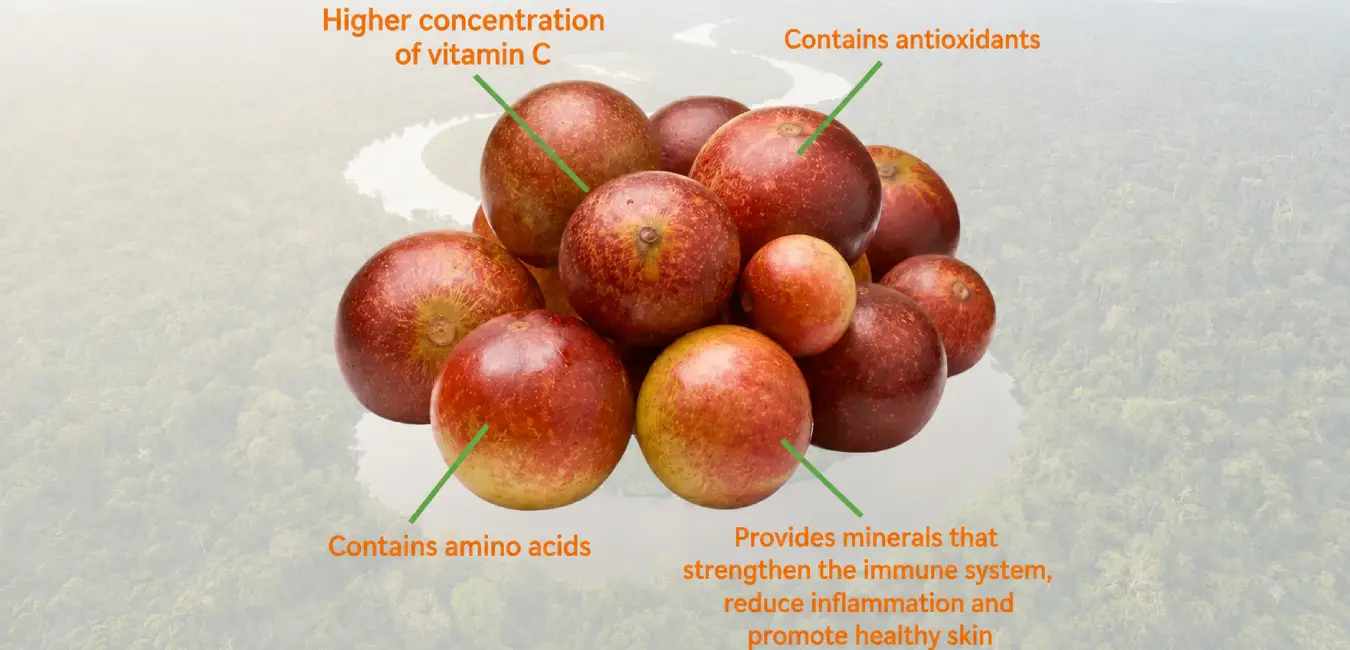
It is a round berry measuring 2 to 4 cm, with smooth, shiny skin that changes from green to deep red or purple as it ripens. It also grows on shrubs that can survive for months underwater, which is unusual among fruit bearing plants.
What makes Camu camu different?
Its reputation is scientifically backed. Camu camu can reach concentrations of ascorbic acid of around, and sometimes more than, 2,700 mg per 100 g of pulp, far more than an orange.
Why try Camu camu?
It provides real support for collagen synthesis, the immune system, and iron absorption. It also contains anthocyanins and other antioxidants that give it its dark color.
How Is Camu camu Consumed?
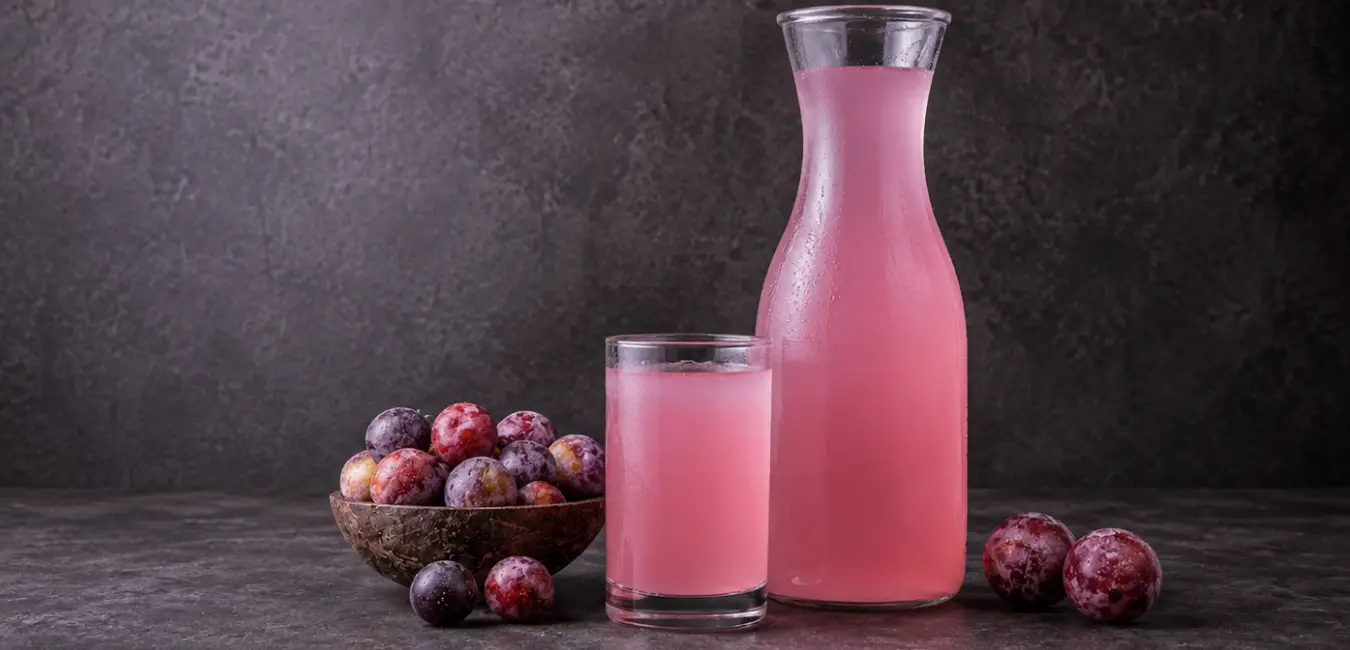
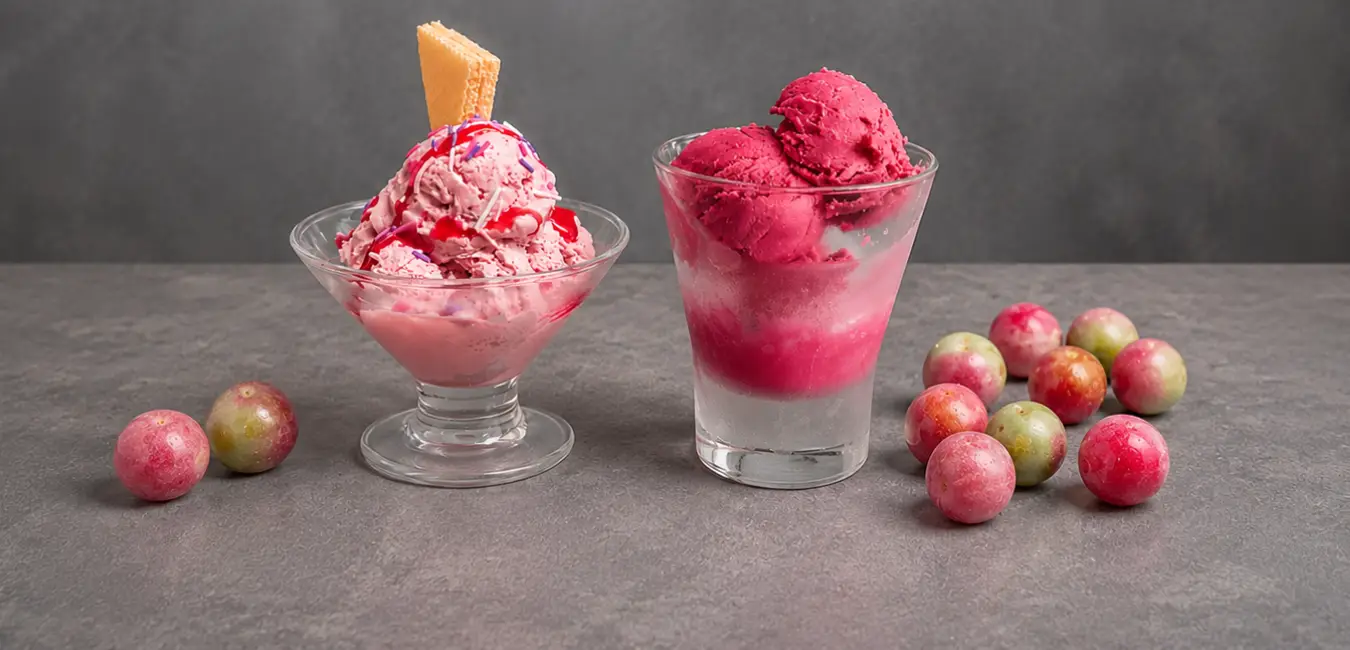
You'll find it as a refreshing drink, ice cream, jam, or in capsules. Frozen pulp and powder, on the other hand, are the main forms used for export. If you're looking for a practical option, order a "Camu camu drink" ice, cold after a hike; then you'll understand why locals prefer it over any industrial beverage.
3. Cocona
Fact | Details |
| Scientific name | Solanum sessiliflorum - Family Solanaceae |
| Origin of the name | "Cocona" comes from Amazonian languages and is widely used in Peru, Ecuador, and Colombia. In some areas, it is also called topiro. |
| Region and departments | Loreto, Ucayali, San Martín, Huánuco, Junín (Chanchamayo), and Madre de Dios. |
| Altitude | From the Amazon lowlands to around 1,000 meters above sea level in the high jungle. |
| Season | It produces practically year round because it is grown on family farms. |
| Flavor and texture | Tart and juicy, somewhere between a tomato and a lemon. That's why it works better in sauces and refreshing drinks than as a fruit eaten out of hand. |
Recognizing Cocona
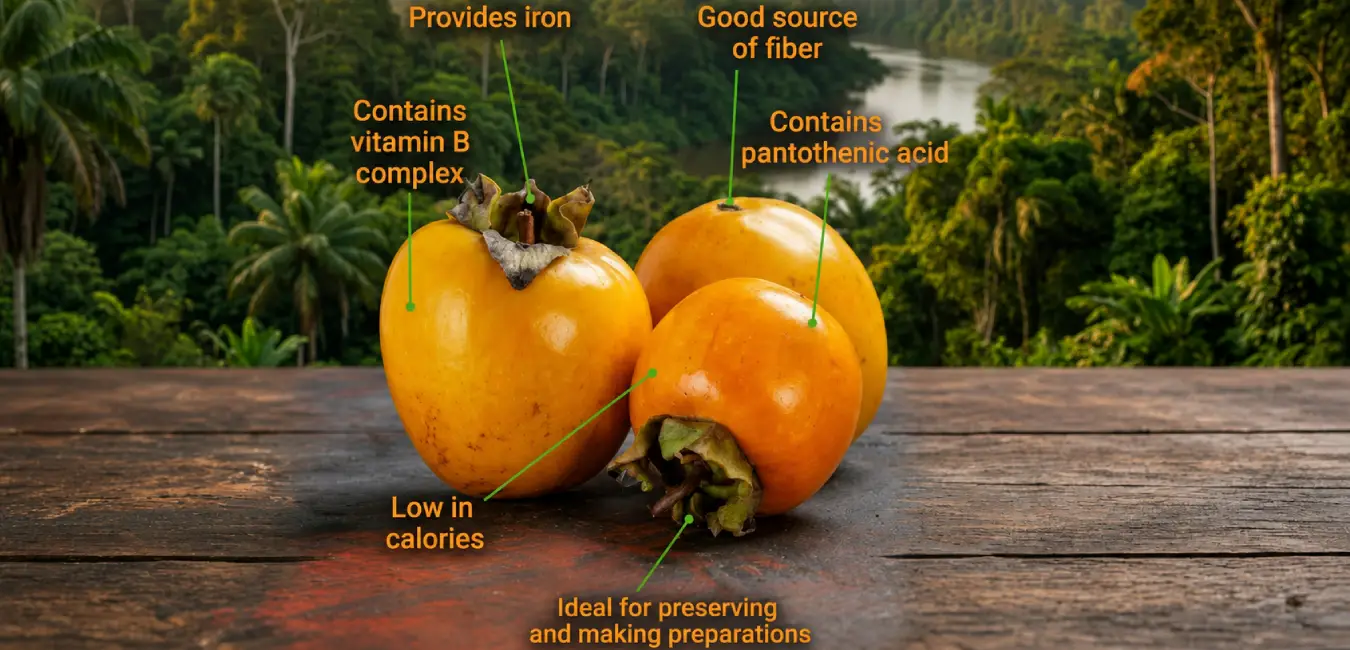
It is a round or oval berry measuring 4 to 10 cm, with yellow, orange, or reddish skin that is smooth and slightly waxy. When you cut it open, you'll find pale flesh filled with many flat seeds, very similar to the inside of a tomato.
Why Eat Cocona?
When it comes to its benefits, Cocona provides iron, B complex vitamins, especially pantothenic acid, and a good amount of fiber, while remaining low in calories. Its acidity also makes it an ideal ingredient for preserving and enhancing dishes.
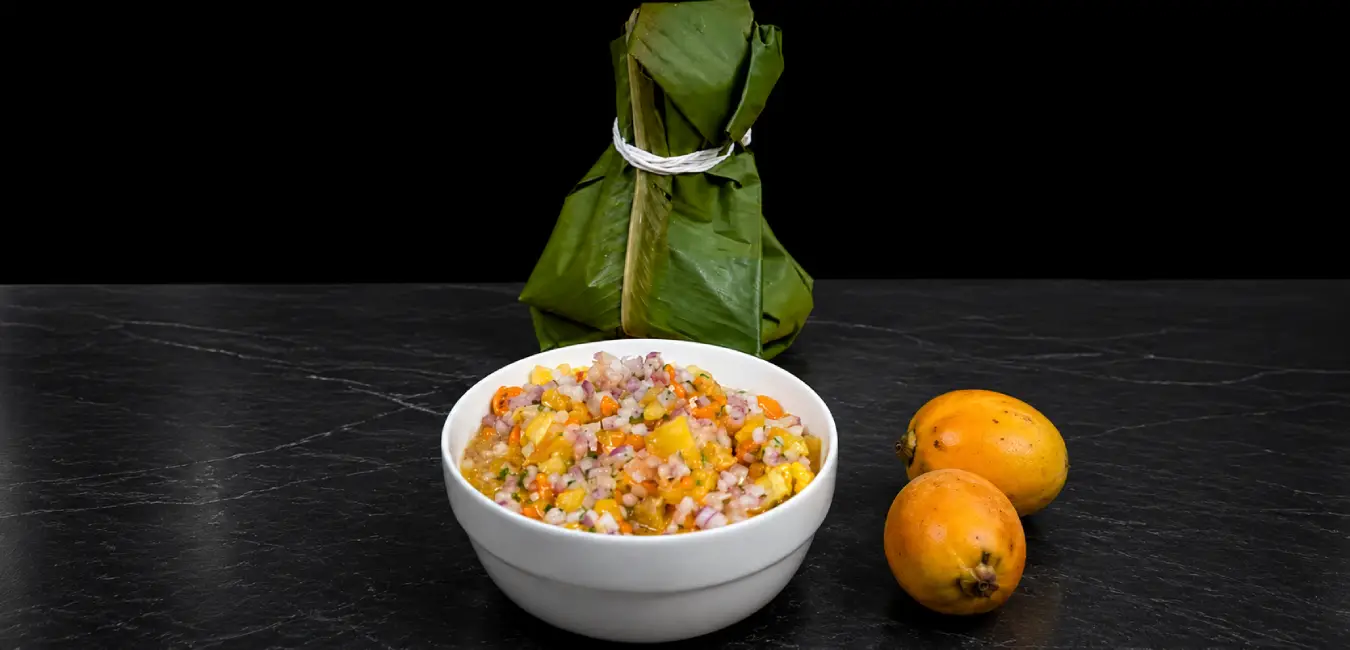
What is the most common way to eat Cocona?
You'll most often find it as "cocona chili sauce," a sauce served with juane, tacacho con cecina, and grilled fish. It is also used to make refreshing drinks and jams. So even if you don't eat it on its own, chances are you've already tried it without realizing it.
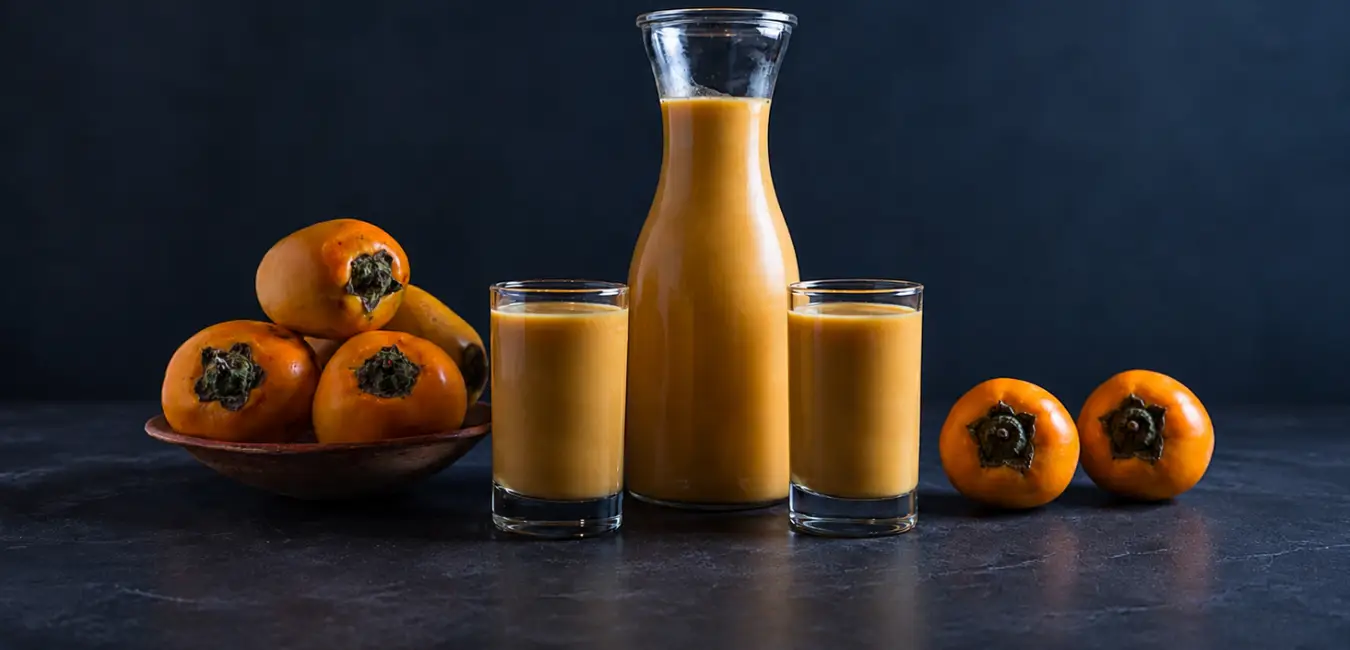
4. Yellow Pitahaya: Peru's dragon fruit
Fact | Details |
| Scientific name | Selenicereus megalanthus - Family Cactaceae |
| Origin of the name | "Pitahaya" comes from the Antillean Taíno language and roughly means "scaly fruit"; the Spanish carried the term throughout the Americas. Its commercial nickname, "dragon fruit," originated in Asia because of the appearance of its bracts. |
| Region and departments | Amazonas is the region most often cited, while San Martín, Cajamarca (Jaén and San Ignacio), Junín, and Cusco (La Convención) also produce it in the high jungle. |
| Altitude | Between 800 and 1,800 meters above sea level, along the transition between the Andes and the Amazon. |
| Season | Two peak seasons per year, generally between March and June and between October and December. |
| Flavor and texture | Sweet, delicate, and very juicy; the yellow variety is considerably sweeter than the red one. |
Identifying yellow Pitahaya
The most prized Peruvian variety has yellow skin with thorny bumps, while the Asian variety commonly found in supermarkets is usually pink. Inside, both have translucent flesh filled with small, crunchy black seeds.
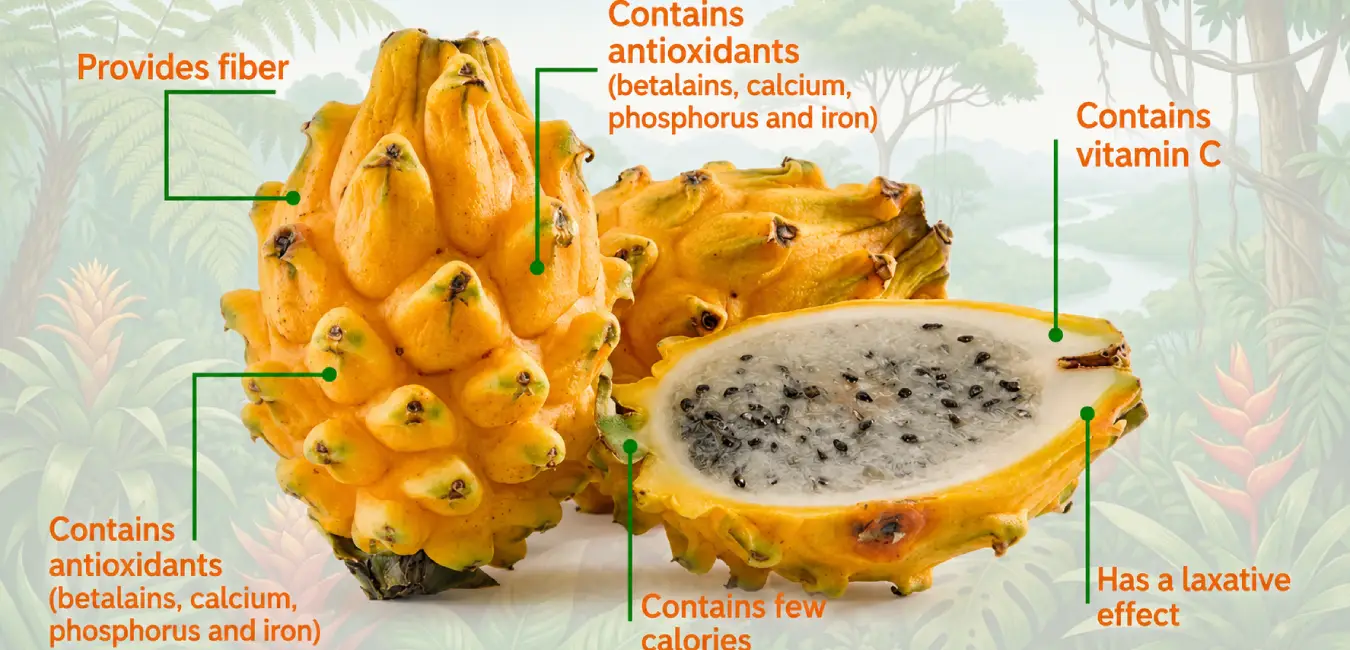
Benefits of yellow Pitahaya
Its main benefits are related to fiber and digestion. In fact, its seeds contain compounds that stimulate intestinal movement, which is why it is said to have a mild laxative effect. It also provides vitamin C, calcium, and phosphorus, while being low in calories.
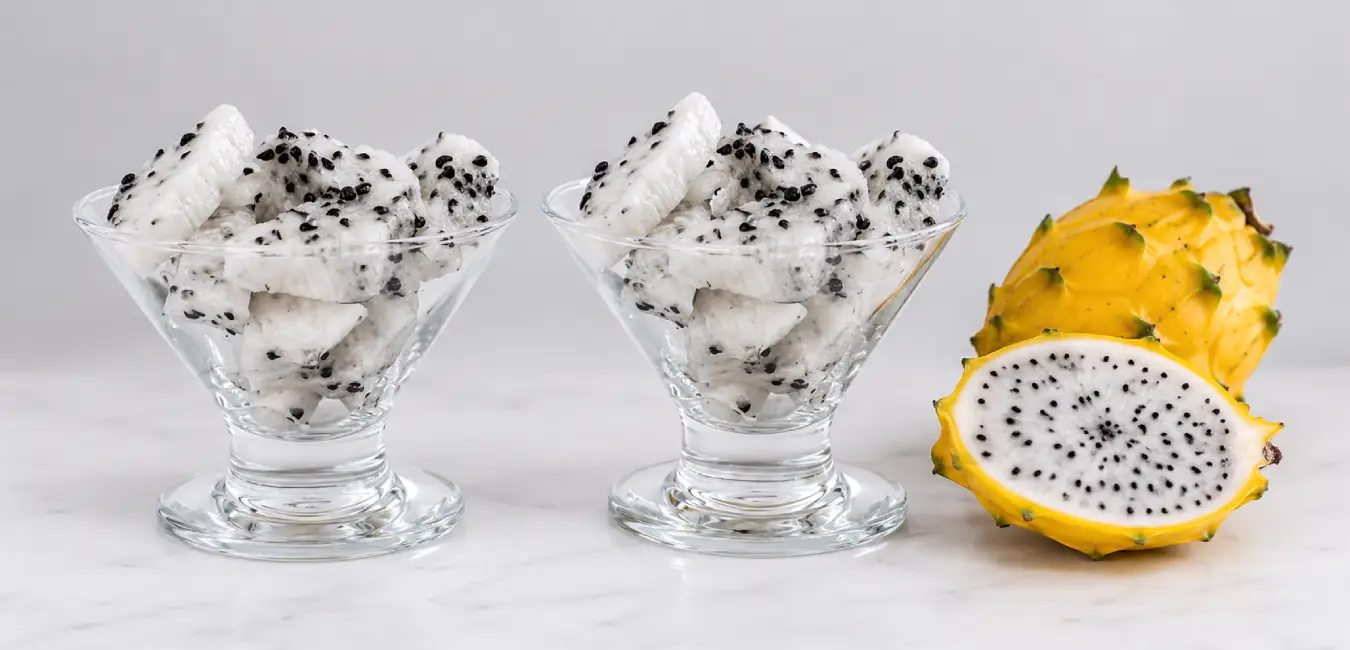
How should i eat yellow Pitahaya?
Eat it fresh and chilled, cut in half and scooped out with a spoon. However, go easy on the amount if you have a sensitive stomach: half a fruit is enough to notice its effect.
5. Copoazú: Cacao's white fleshed cousin
Facts | Details |
| Scientific name | Theobroma grandiflorum - Family Malvaceae |
| Origin of the name | It comes from the Tupi Guarani "cupu açu," which translates as "large fruit." That's why you'll also see it written as cupuaçu or cupuasú. |
| Region and departments | Madre de Dios, Ucayali, Loreto, San Martín, and Junín. |
| Altitude | Below 700 meters above sea level, in well-drained soils. |
| Season | Mainly between January and April. |
| Flavor and texture | Creamy, aromatic flesh with notes of pineapple, banana, and white chocolate, followed by a tart finish. |
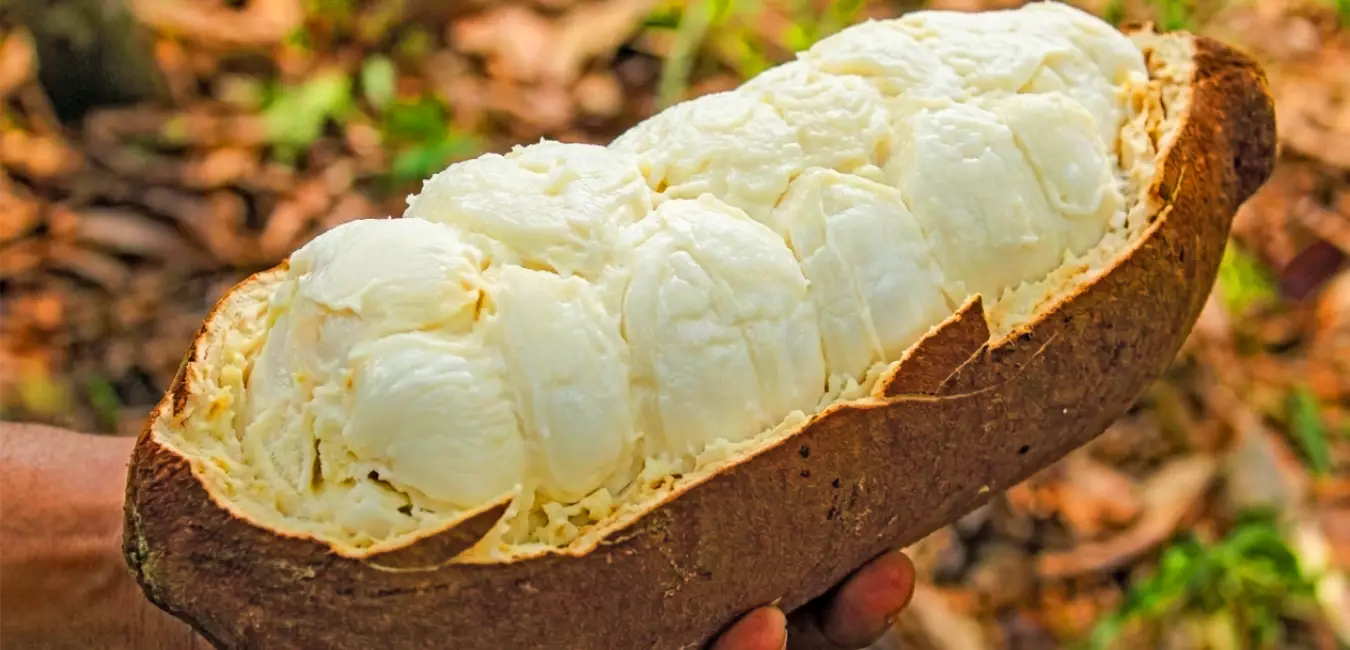
Recognizing Copoazú
You'll recognize it because it looks like a giant cacao pod: an oval fruit measuring 20 to 25 cm, heavy, with a hard brown shell and velvety surface. However, when you open it, you'll find fragrant white flesh surrounding large seeds.
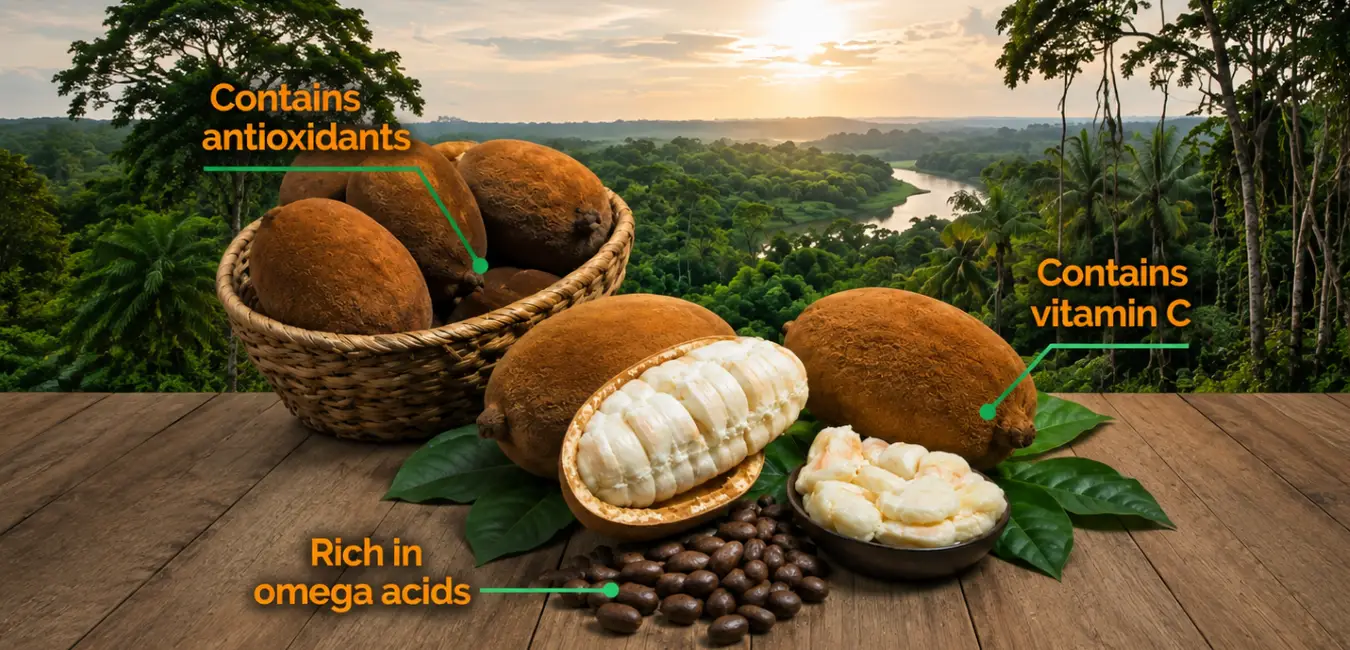
Benefits of Copoazú
Its benefits include antioxidant polyphenols, fiber, and theacrine, a compound related to caffeine but with a milder effect. The butter extracted from its seeds is also used in cosmetics because of its highly moisturizing properties.
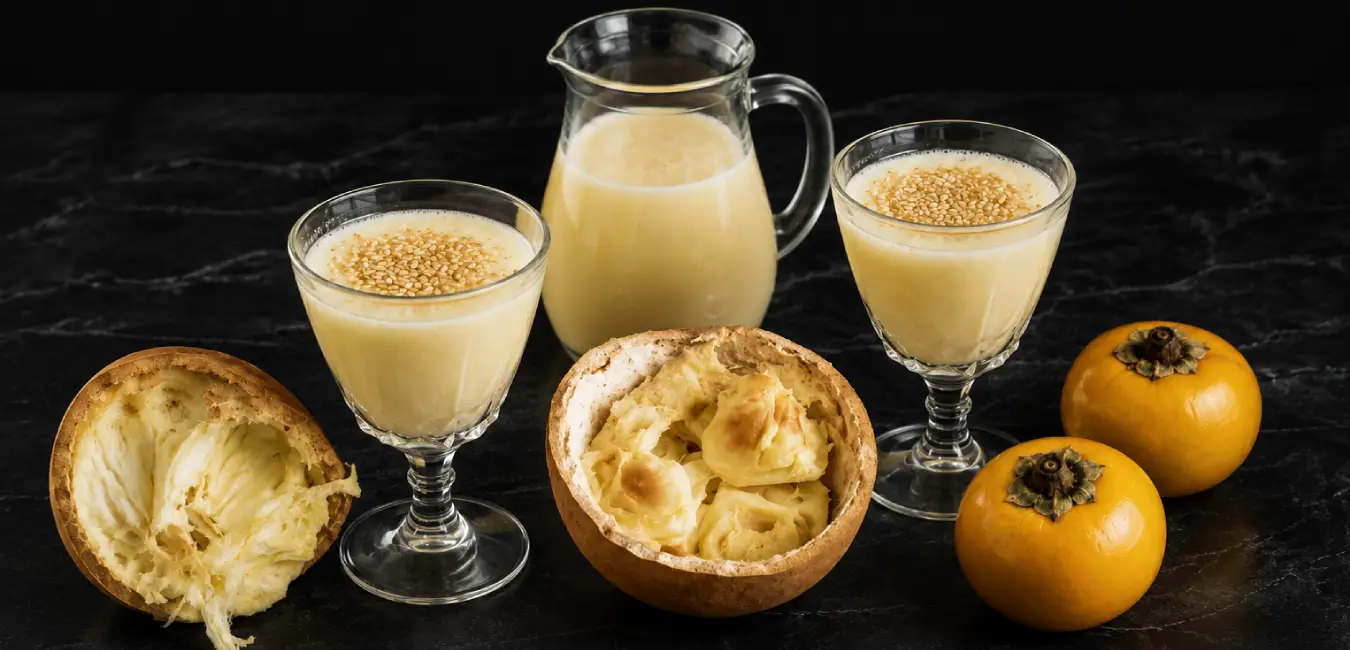
How is Copoazú consumed?
Try it as a juice, ice cream, or mousse. Also, look for "cupulate," a chocolate like product made from its seeds: it's a rarity you'll hardly find outside the Amazon.
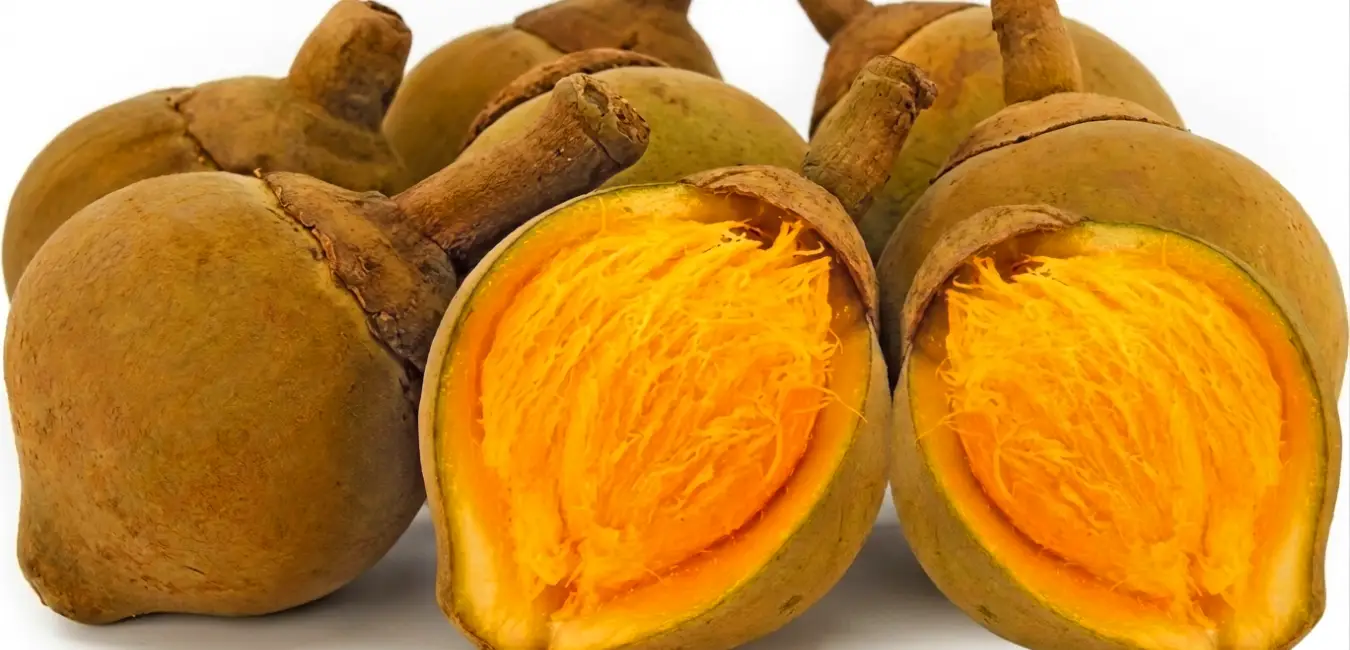
6. Macambo
Fact | Details |
| Scientific name | Theobroma bicolor - Family Malvaceae |
| Origin of the name | "Macambo" comes from Amazonian languages and refers to both the tree and its fruit. Its scientific epithet, bicolor, refers to the contrast between the shell and the flesh. |
| Region and departments | Loreto, Ucayali, San Martín, and Madre de Dios. |
| Altitude | Up to about 800 meters above sea level. |
| Season | Between February and May, depending on the area. |
| Flavor and texture | The flesh is fibrous and fragrant; the roasted seed, on the other hand, tastes like a mix of peanuts and chestnuts. |
Identifying Macambo
Identify it by its thick, hard, ridged yellowish green shell and its considerable size. Inside, you'll find flat, white seeds that are the real star.
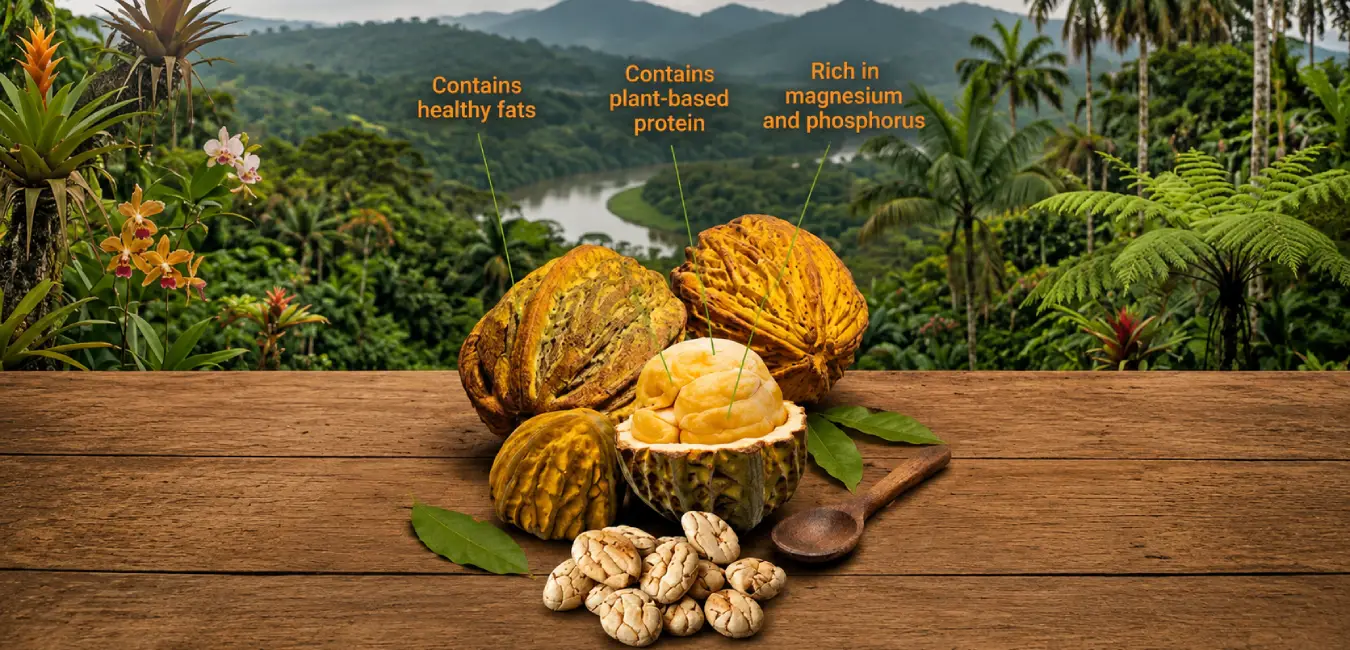
Benefits of eating Macambo
Most of its benefits come from the seeds, which provide healthy fats, plant based protein, magnesium, and phosphorus. That's why they make a great energy boosting snack before a hike.
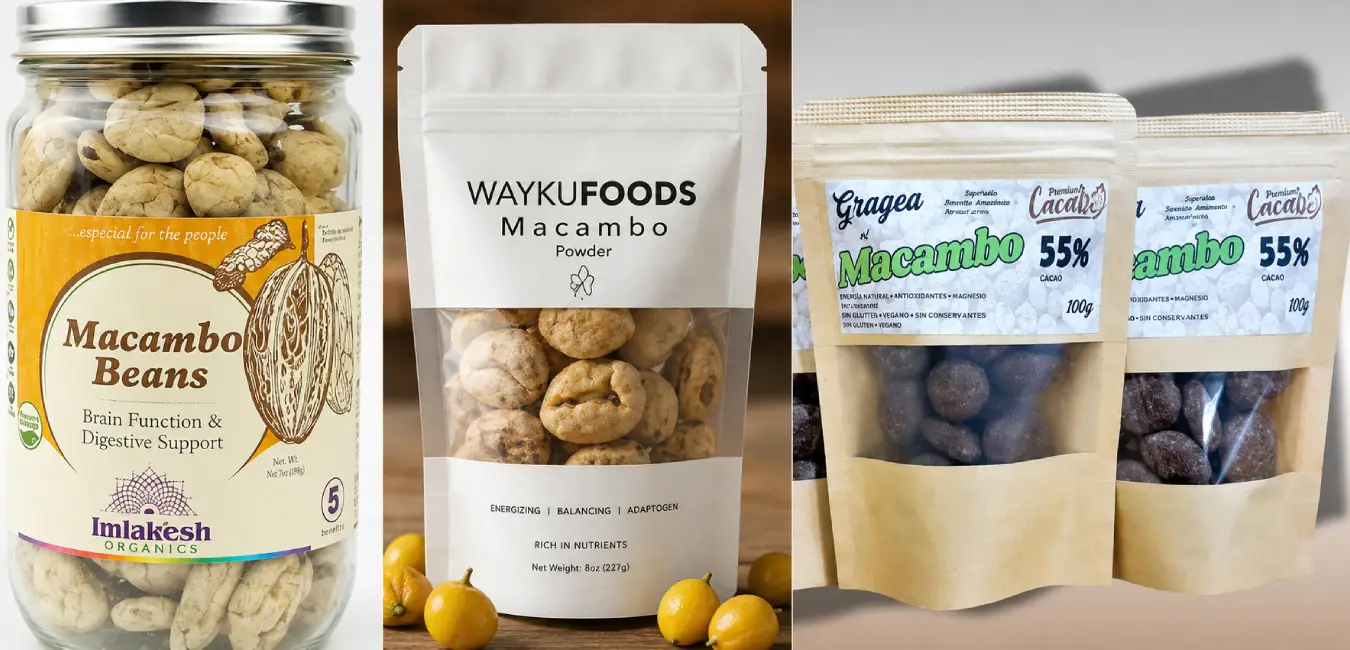
Spicy roasted Macambo covered in chocolate.
Where can i find Macambo?
In the markets of Iquitos and Pucallpa, you'll find them roasted and salted in small bags. Buy some and take them with you on your trek: they keep well and don't add much weight to your pack.
7. Ungurahui and Huasaí: The palms you drink
Fact | Details |
| Scientific name | Oenocarpus bataua and Euterpe precatoria - Family Arecaceae |
| Origin of the name | Both names come from Amazonian languages. "Huasaí" is the Peruvian form of the word pronounced açaí in Brazil, a Tupi term referring to the fruit that "cries" juice when mashed. |
| Region and departments | Loreto, Ucayali, and Madre de Dios, mainly in terrace and upland forests. |
| Altitude | Generally below 800 meters above sea level. |
| Season | Ungurahui, from January to May; Huasaí, from April to August, with local variations. |
| Flavor and texture | Thick, dark, not too sweet beverages with an earthy, oily undertone. |
How to tell Ungurahui and Huasaí apart
Both fruits are small, round, and deep purple, almost black, and they grow in hanging clusters. However, they differ in size: Ungurahui is more elongated and slightly larger, while Huasaí is distinctly spherical.
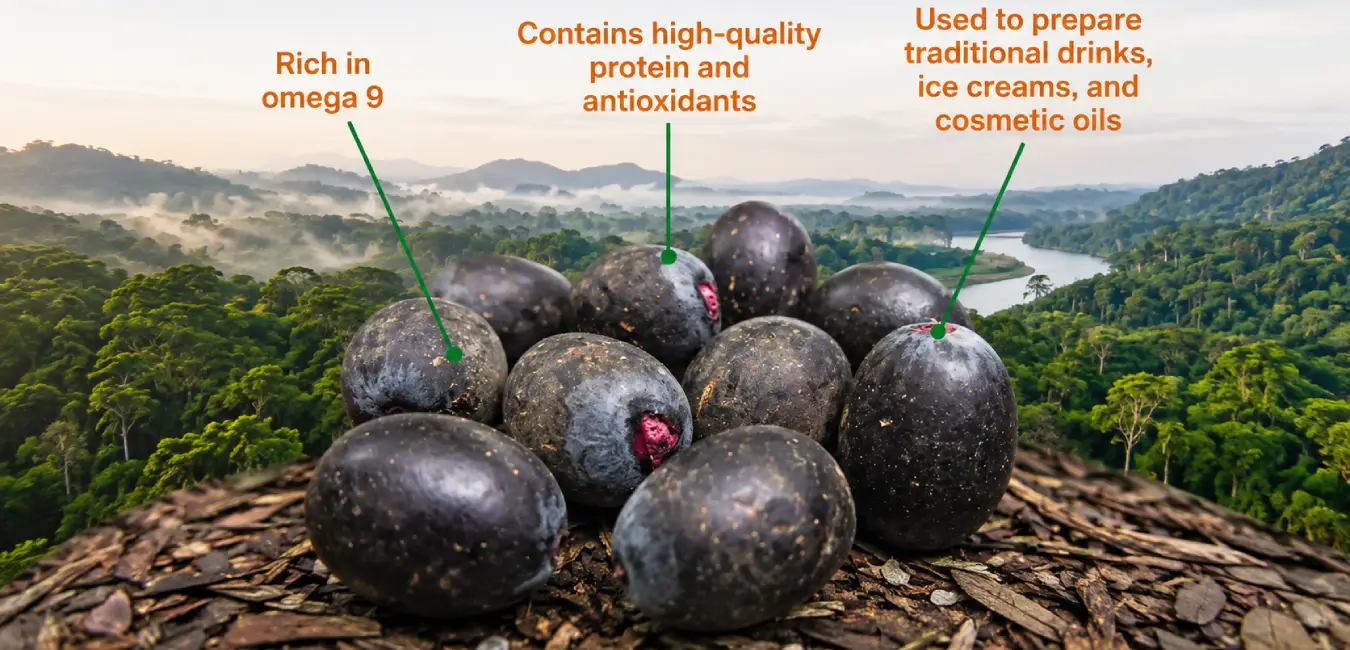
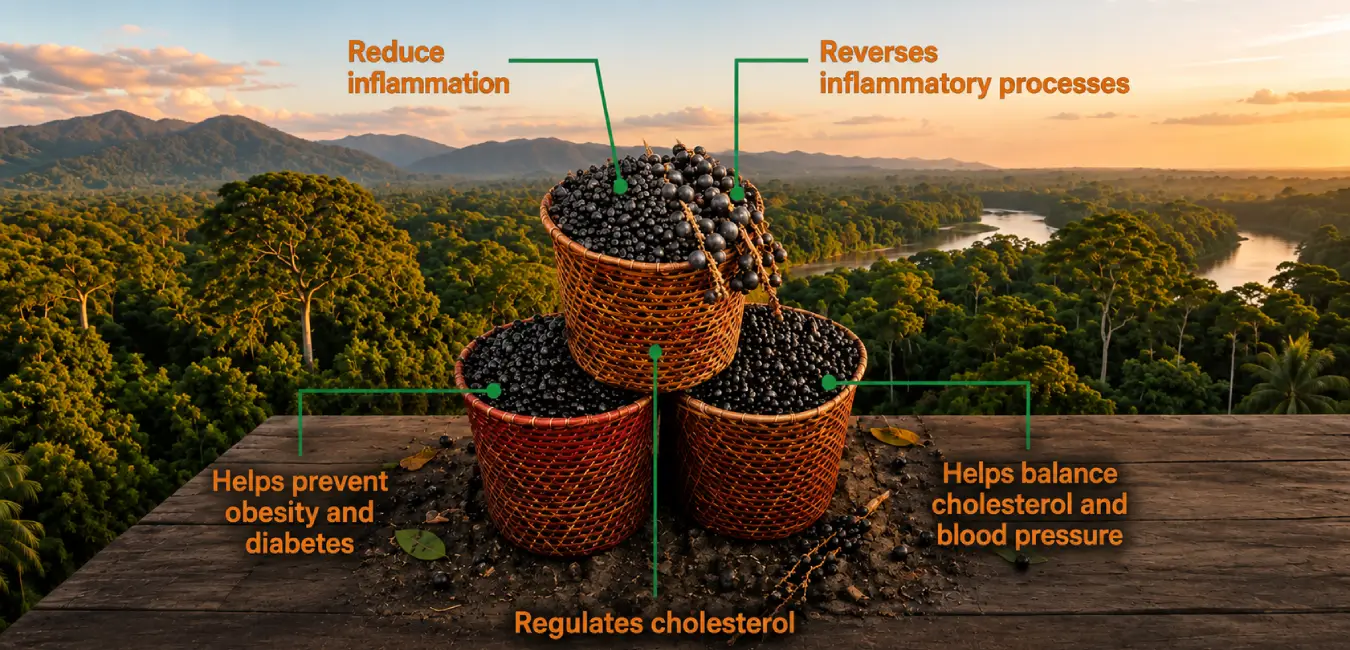
Benefits of consuming Ungurahui and Huasaí
When it comes to their benefits, Ungurahui oil has a fatty acid profile comparable to olive oil and is traditionally used for hair and skin. Huasaí, on the other hand, is rich in anthocyanins, the same antioxidant pigments that give blueberries their color.
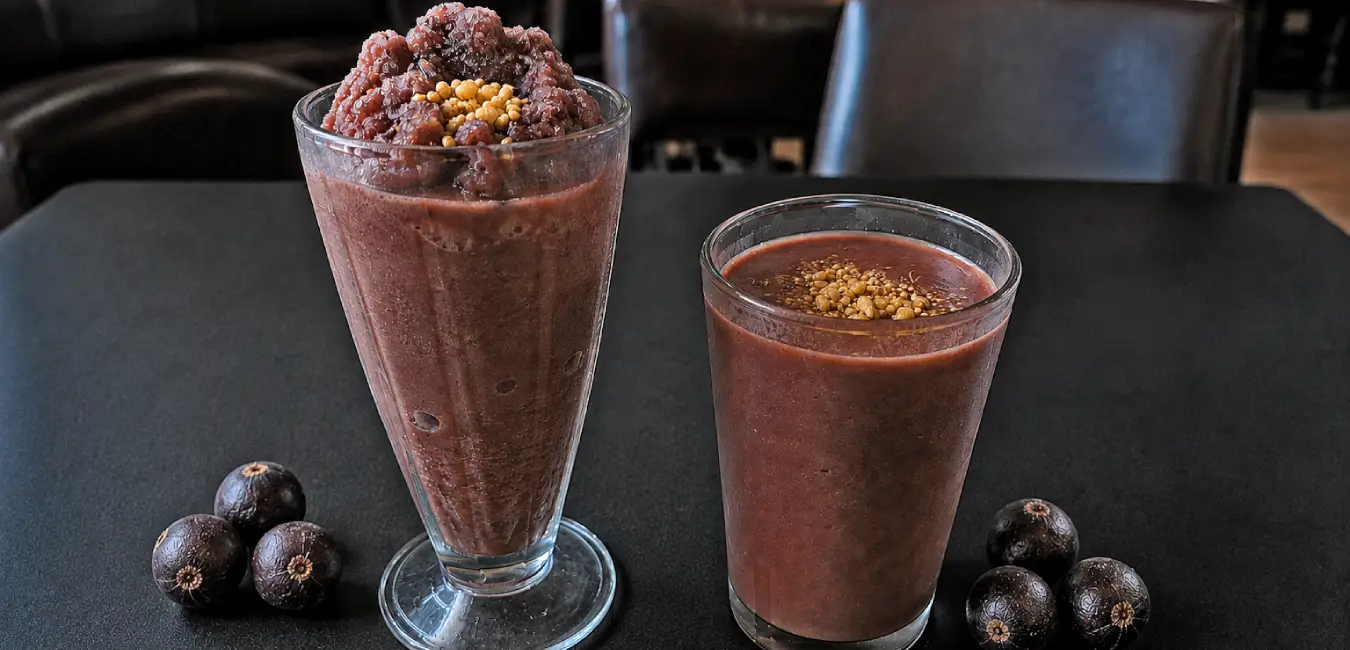
How can i order these fruits to try?
Ask for them as "chapo" or as a thick beverage at Amazonian markets. Keep in mind that they are almost never sweetened the Brazilian way; as a result, their more subtle flavor may surprise you.
Three native Peruvian fruits you can't miss
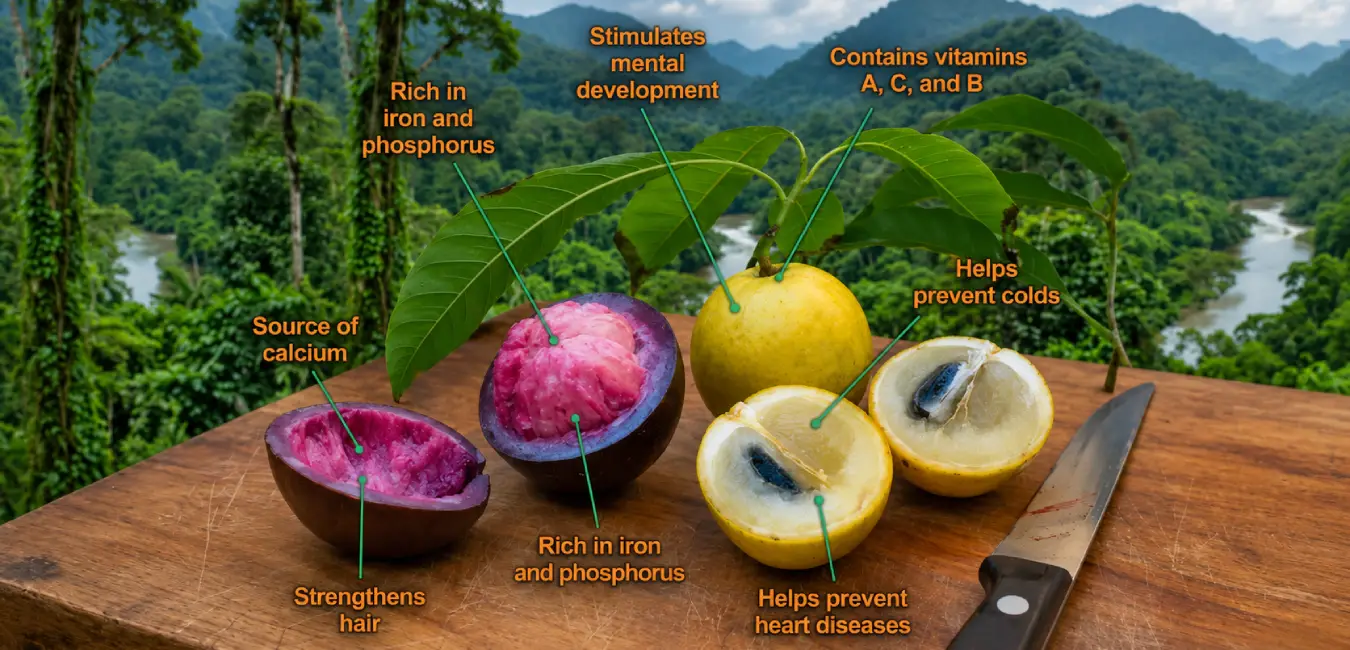
8. Caimito (Pouteria caimito)
It is round or oval shaped, with bright yellow skin and an almost toy like appearance. However, when you open it, it releases a sticky white latex, so it's a good idea to have a napkin handy. Its flesh is sweet, gelatinous, and fragrant, and it provides calcium, phosphorus, and vitamin A. You'll find it in Loreto, Ucayali, San Martín, and Madre de Dios.
9. Amazonian Sapote (Matisia cordata)
Don't confuse it with the Central American sapote. The Peruvian variety grows directly from the tree trunk, a phenomenon known as cauliflory, and has fibrous, orange colored, very sweet flesh with notes of melon and squash. It also provides potassium and magnesium. It is found in the lowland rainforest of Loreto, Ucayali, and San Martín.
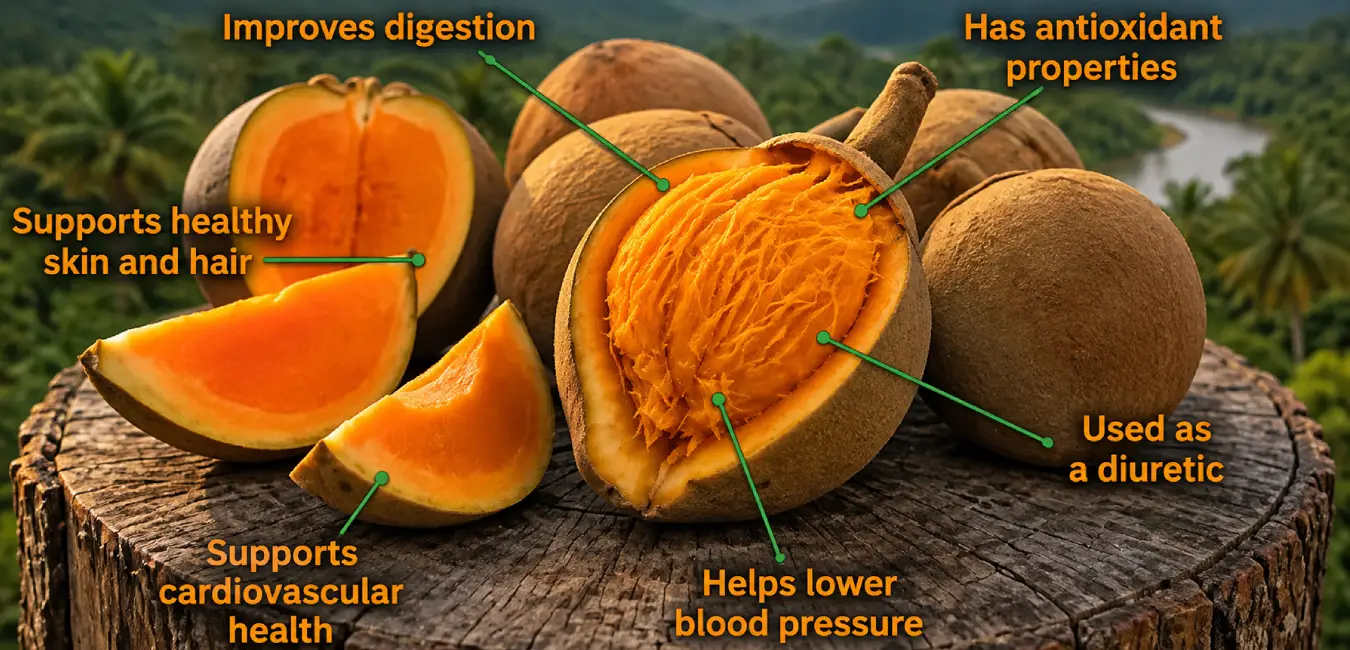
10. Taperibá or yellow mombin (Spondias mombin)
Its local name coexists with the Spanish name "mango ciruelo," which describes its appearance very well: thin yellow skin, about the size of a large plum, and juicy flesh surrounding a fibrous pit. It grows in Loreto, Ucayali, and San Martín, especially between December and March. In addition, its tart and aromatic flavor makes it perfect for juices, jams, and regional liqueurs.
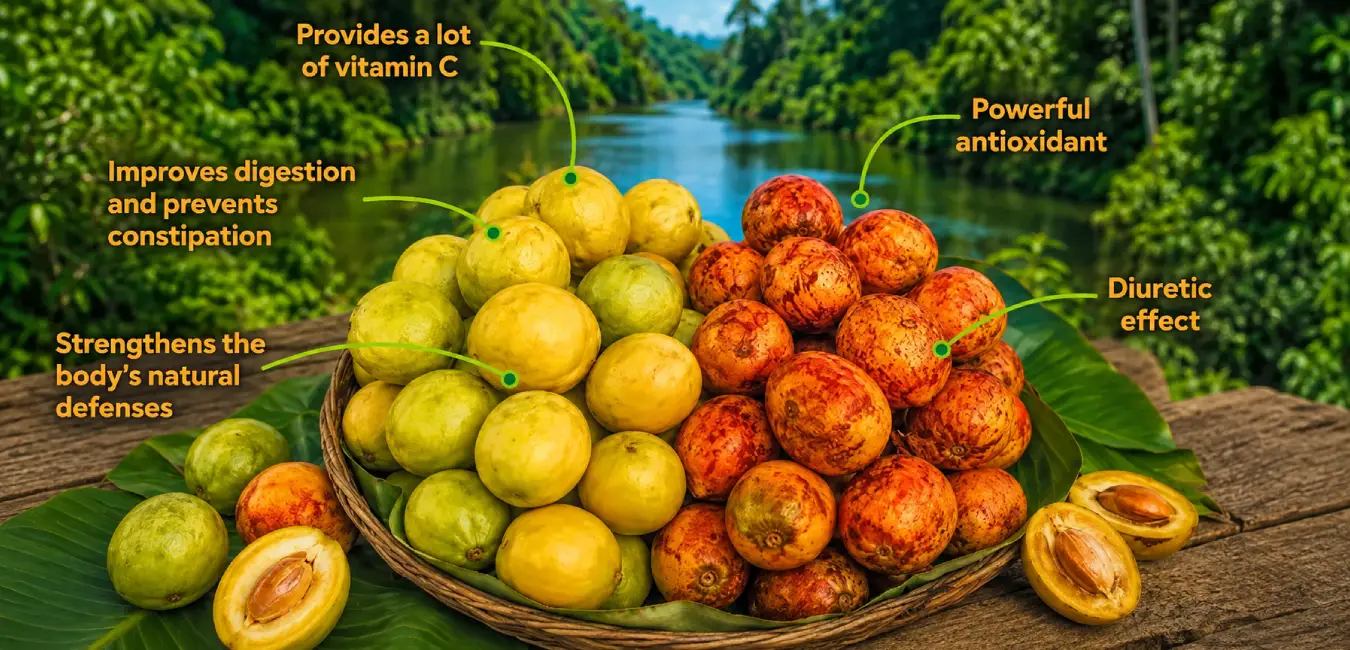
Fruits of the Andes and Inter Andean Valleys
Now let's head higher. In the inter Andean valleys and the highlands, you'll find fruits that withstand frost, intense solar radiation, and rocky soils. That's why many of them are packed with sugars, antioxidants, and aromas you won't find in temperate climate fruits.
11. Lucuma
Fact | Details |
| Scientific name | Pouteria lucuma - Family Sapotaceae |
| Origin of the name | It comes from the Quechua "rukma" or "lukma," the name used for the fruit long before the Spanish arrived. In fact, it appears in Moche pottery and pre-Hispanic textiles. |
| Region and departments | Inter Andean valleys and the central coast. Lima has the highest production, especially in Huarochirí and Huaral; it is also grown in Áncash, La Libertad, Cajamarca, Ayacucho, and Arequipa. |
| Altitude | Between 500 and 2,500 meters above sea level, although it can tolerate somewhat higher elevations. |
| Season | Main harvest from January to May. |
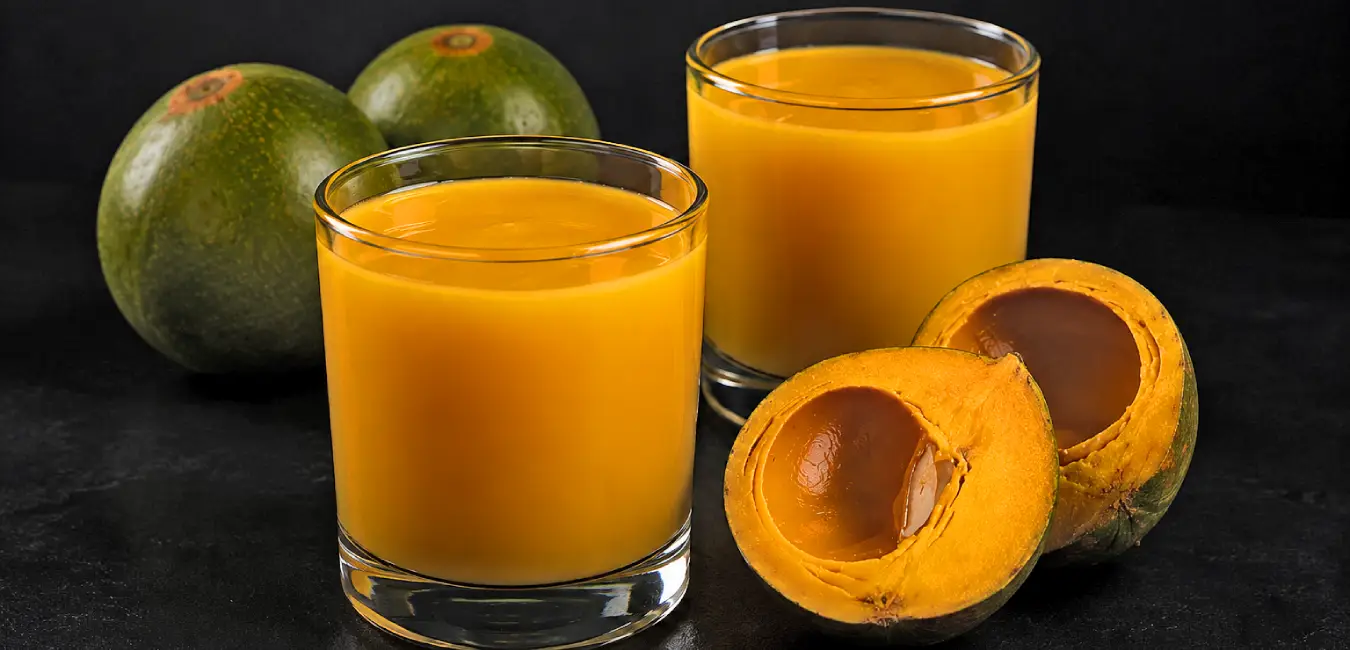
| Flavor and texture | Floury, dry to the touch, sweet flesh with notes of caramel, maple syrup, and sweet potato. |
How to identify Lucuma
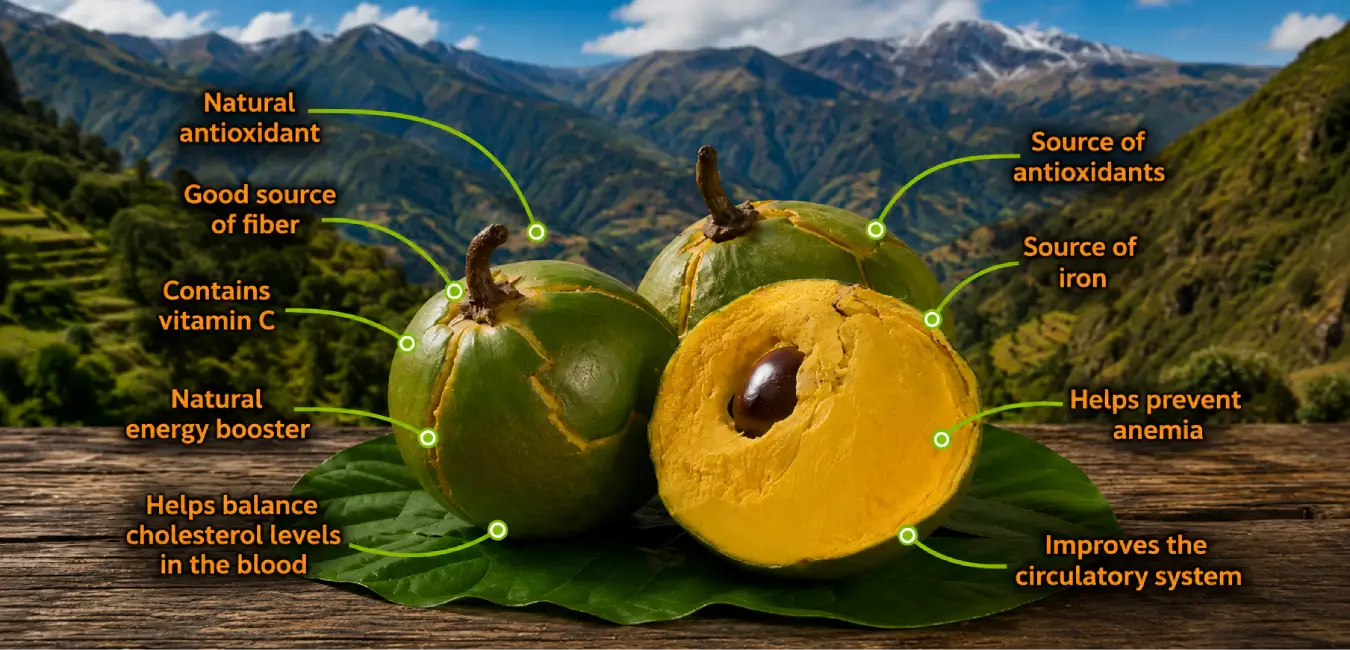
You'll recognize it by its round or oval shape, its bright green and thin skin, and its intensely yellow orange flesh. It also contains one or two large, glossy, dark brown seeds.
Benefits of eating Lucuma
When it comes to its benefits, lucuma provides complex carbohydrates, niacin (vitamin B3), beta carotene, iron, and fiber. Therefore, it works well as a source of slow release energy. However, don't eat it raw expecting it to be juicy: its dry texture surprises almost every traveler the first time.
How is Lucuma consumed?
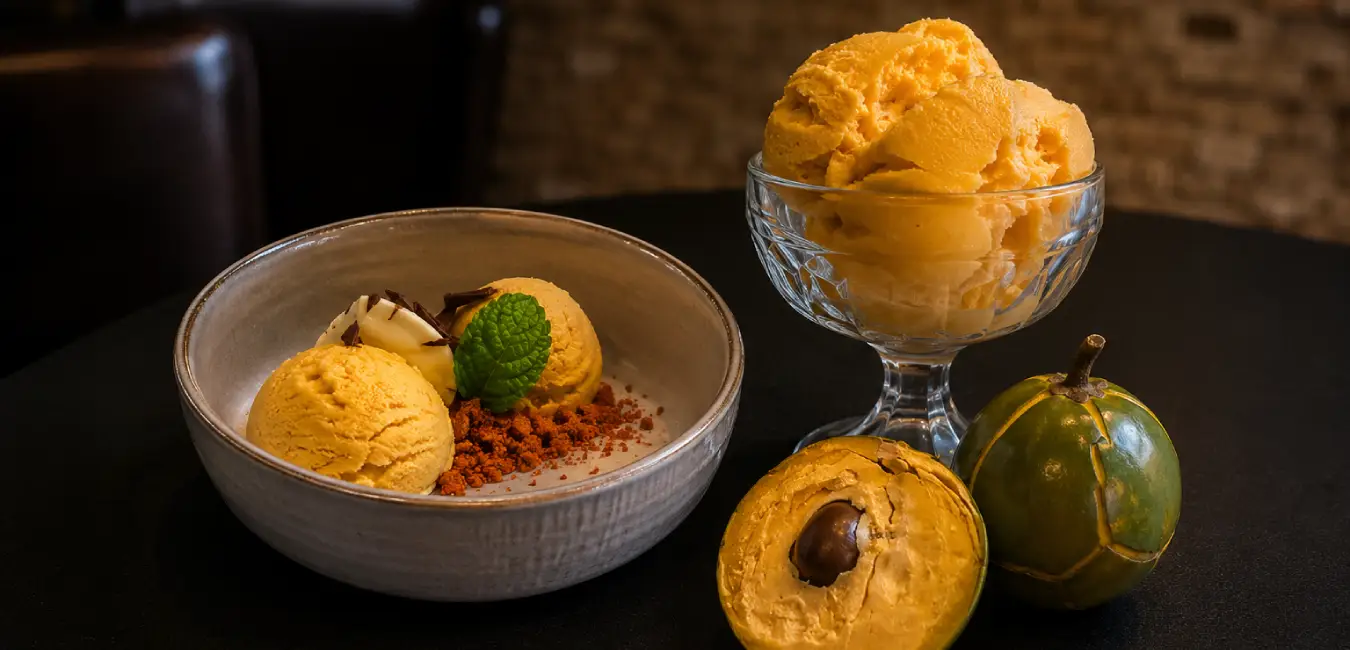
That's why Peruvians enjoy it in ice cream, mousse, pudding, or blended with milk. Lucuma is, by far, one of the country's most beloved ice cream flavors; it even goes head to head with chocolate and vanilla.
12. Cherimoya
Fact | Details |
| Scientific name | Annona cherimola - Family Annonaceae |
| Origin of the name | It comes from the Quechua "chiri muya," which translates as "cold seeds," referring to the cool, mild climate where the tree thrives. |
| Region and departments | Lima (Callahuanca and the Santa Eulalia Valley are famous), Áncash, Cajamarca, Apurímac, Huánuco, and Ayacucho. |
| Altitude | Above 1,500 meters above sea level, on the slopes of the Andes. |
| Season | Between April and September, with the peak in winter. |
| Flavor and texture | Creamy and very sweet, with notes of banana, pineapple, and vanilla. Its international nickname says it all: "custard apple." |
Recognizing a Cherimoya
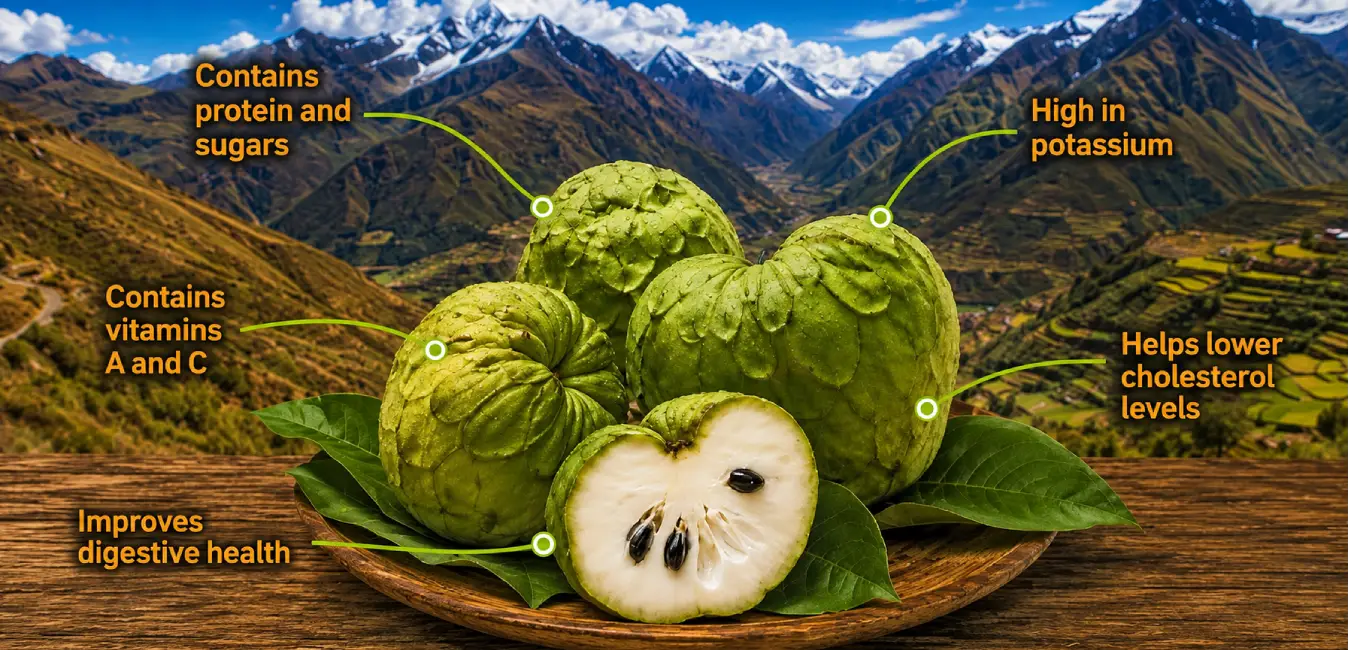
Look for its green skin with rounded scales that create a kind of mosaic pattern. A ripe fruit also gives slightly when you press it with your finger, just like an avocado that's ready to eat. Inside, you'll find white flesh and numerous shiny black seeds that are not edible.
Benefits of eating Cherimoya
It provides a good amount of carbohydrates, fiber, potassium, vitamin C, and B complex vitamins. As a result, it makes an excellent energy boosting and digestive snack for a day of hiking.
How should i eat Cherimoya?
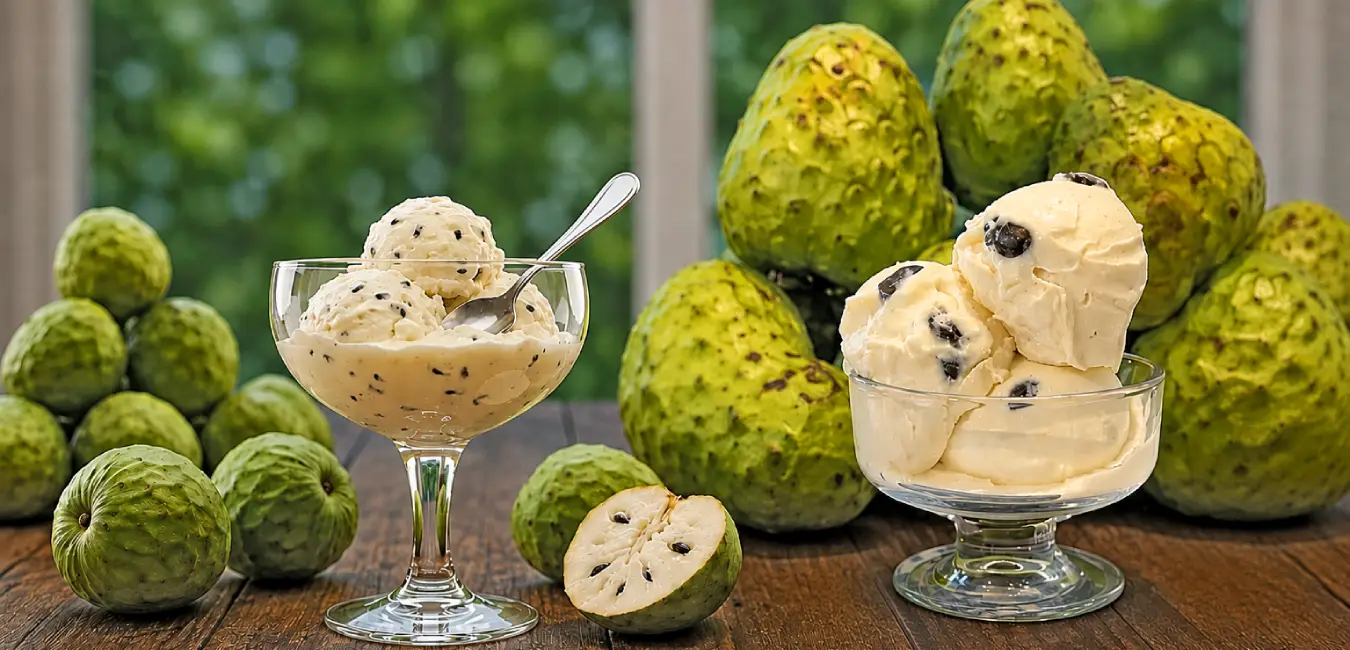
Eat it right away with a napkin in hand, removing the seeds, and try it in ice cream as well.
13. Aguaymanto
Fact | Details |
| Scientific name | Physalis peruviana - Family Solanaceae |
| Origin of the name | It comes from the Quechua "awaymantu." In other regions, it is called uchuva or uvilla, while in English it is known as goldenberry or Cape gooseberry. |
| Region and departments | Cajamarca leads production; Áncash, Cusco, Junín, Huánuco, Ayacucho, and La Libertad are also important producers. |
| Altitude | Between 1,500 and 3,000 meters above sea level, in the highlands and cloud forest. |
| Season | It produces almost year round, although yields are higher between May and October. |
| Flavor and texture | Small, juicy, and sweet tart, with a hint reminiscent of tomato and sour cherry. |
Characteristics for Identifying Aguaymanto
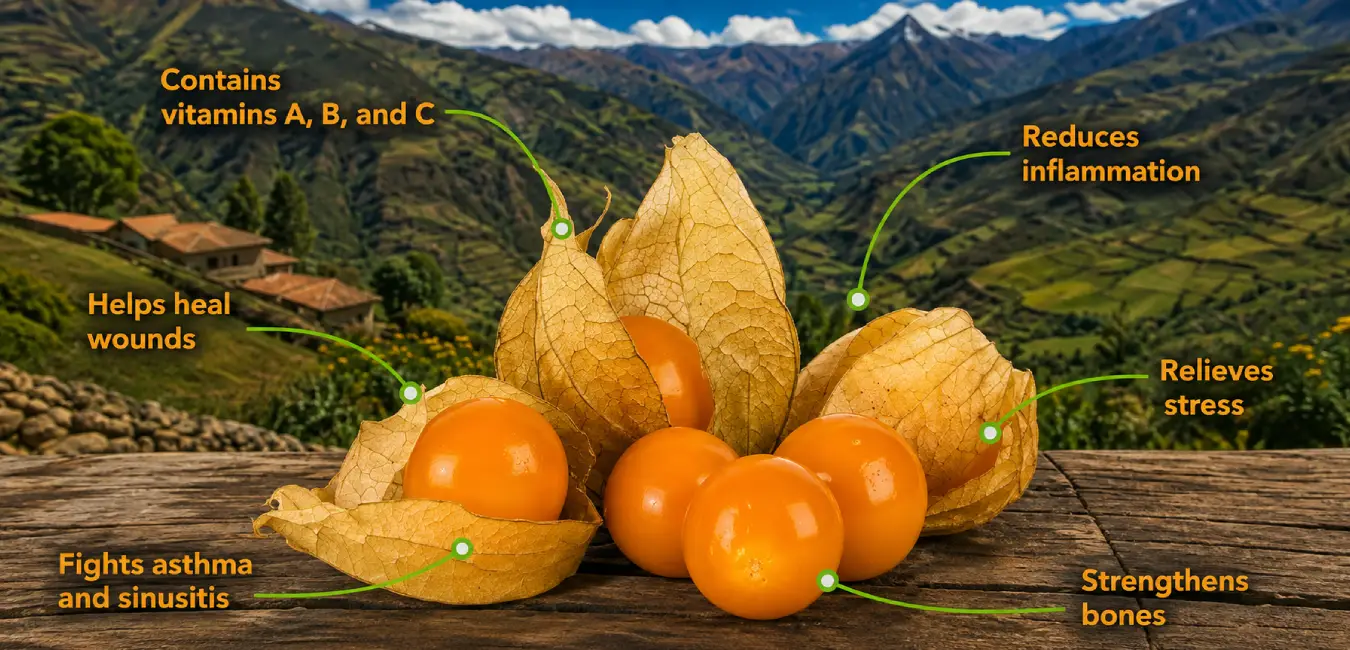
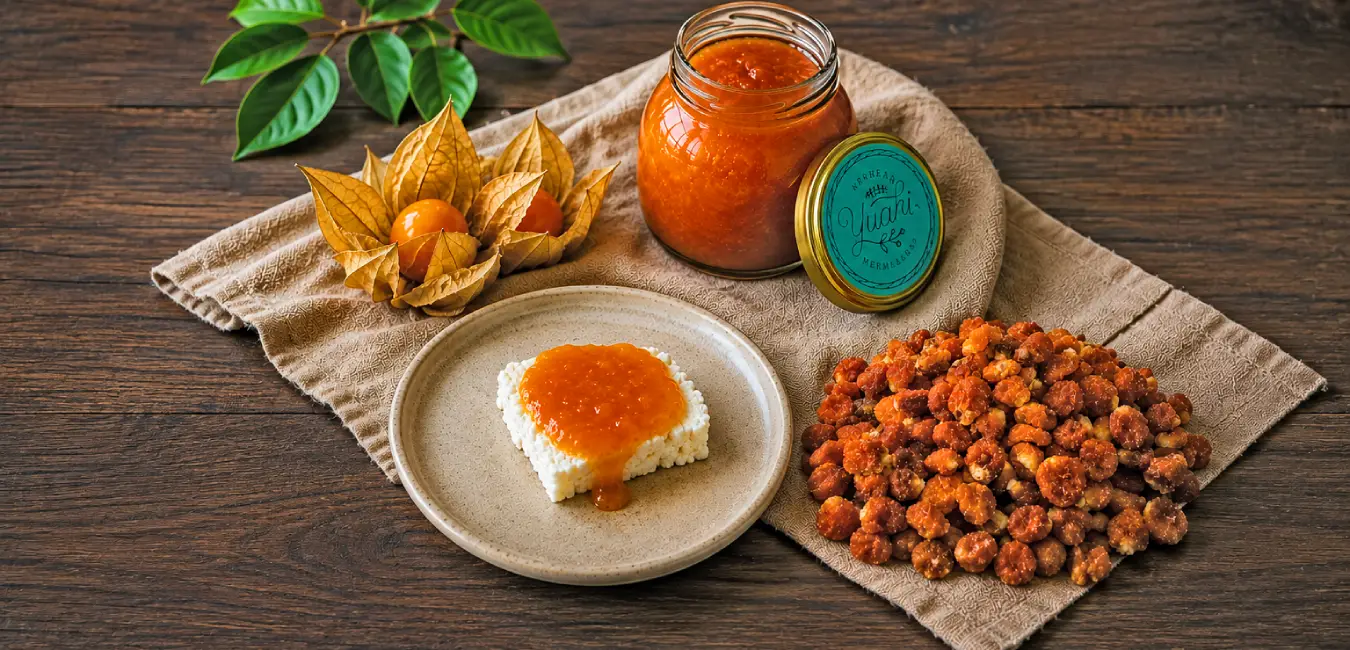
Each fruit comes wrapped in a papery husk, the "capacho," which opens like a little lantern and protects a 1 to 2 cm orange berry. So, if you see a pile of golden spheres covered in a dry husk, you've found it.
Benefits of Aguaymanto
It provides provitamin A, vitamin C, fiber, and antioxidant compounds such as withanolides. In addition, several studies are exploring its effects on glucose metabolism, although it cannot yet be claimed to replace any medical treatment.
How is Aguaymanto consumed?
Eat it fresh, as jam, dipped in chocolate, or dried. In fact, dried aguaymanto is one of the best edible souvenirs from Peru because it travels perfectly well in your luggage.
14. Tumbo Serrano
Fact | Details |
| Scientific name | Passiflora tripartita var. mollissima - Family Passifloraceae |
| Origin of the name | In Quechua it is called "tumbes"; in Ecuador and Colombia, it is known as taxo or curuba. "Tumbo" is the most commonly used Spanish form in Peru. |
| Region and departments | Cusco, Apurímac, Áncash, Cajamarca, Huánuco, Junín, and Ayacucho. |
| Altitude | Between 2,000 and 3,600 meters above sea level, climbing along fences and trees. |
| Season | Mainly between April and August. |
| Flavor and texture | Distinctly tart and highly aromatic, with gelatinous flesh and edible seeds. |
Getting to know Tumbo
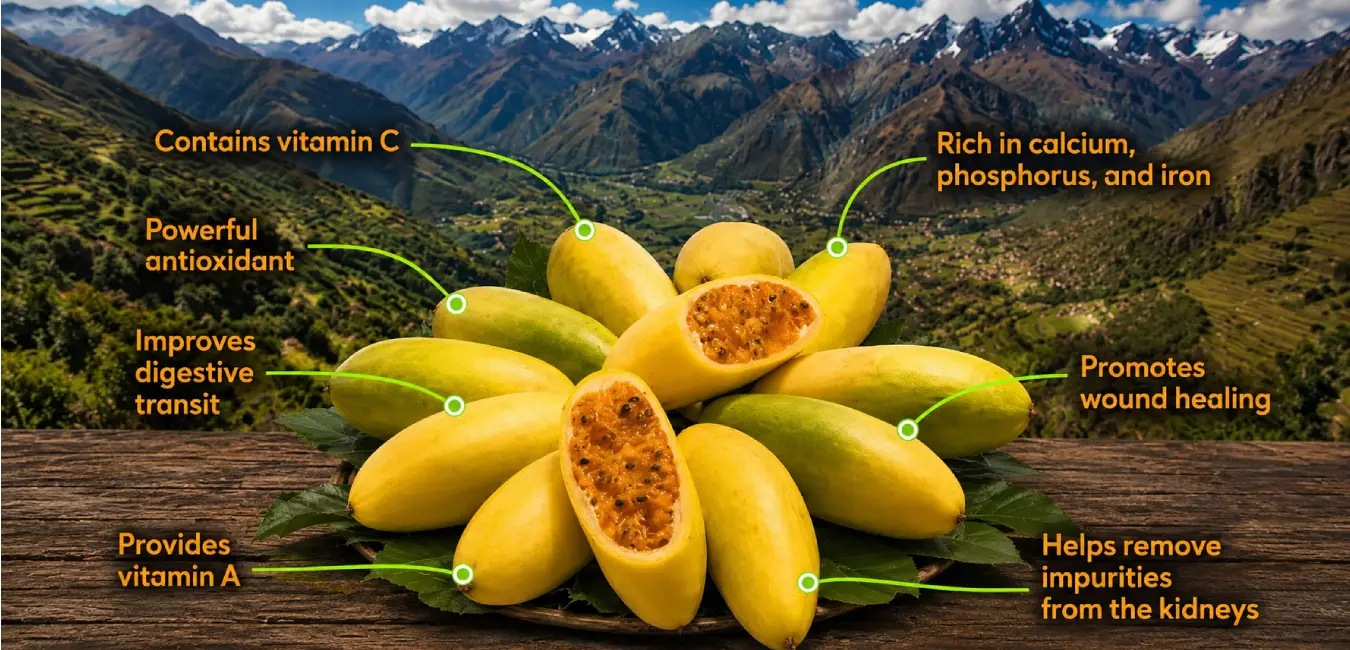
Recognize it by its elongated, almost cylindrical shape and its yellow skin, which is smooth and slightly velvety. Inside, it has elongated seeds surrounded by a yellow gel, with black, crunchy seeds that can also be eaten.
Benefits of eating Tumbo
It provides vitamin C, provitamin A, fiber, and potassium, while being very low in calories. Likewise, traditional Andean medicine attributes relaxing and digestive effects to it.
Don't miss trying Tumbo in:
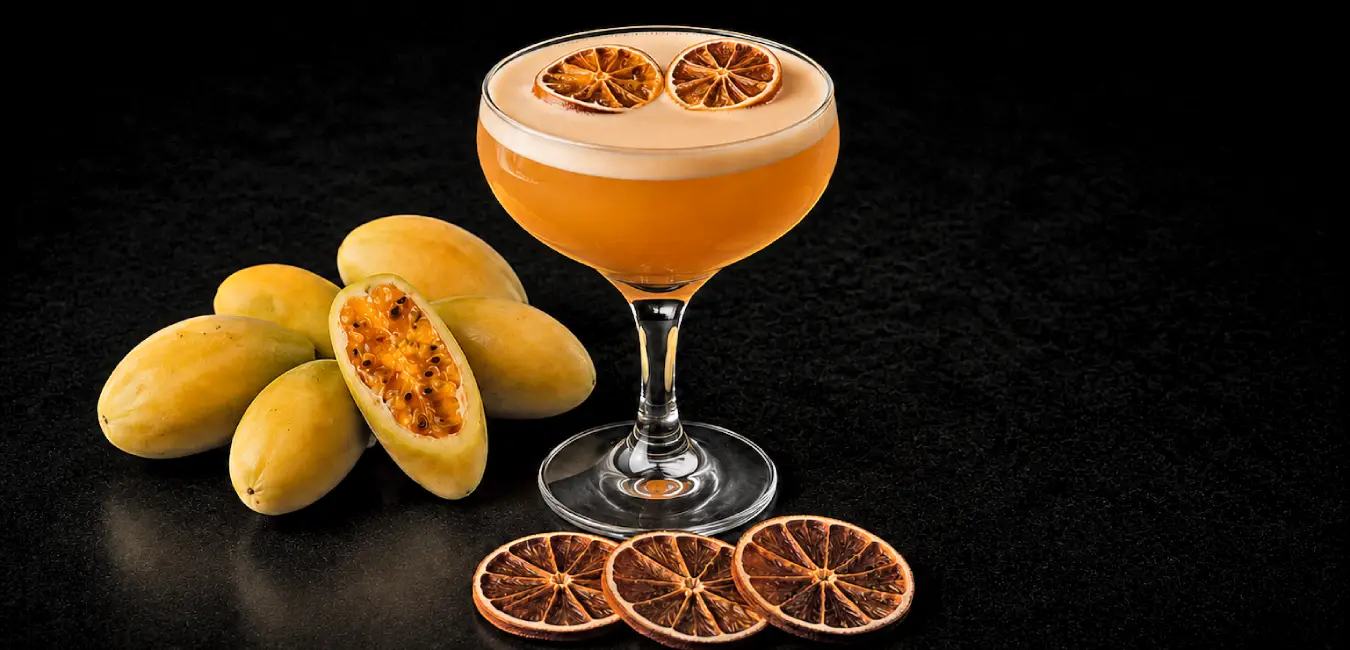
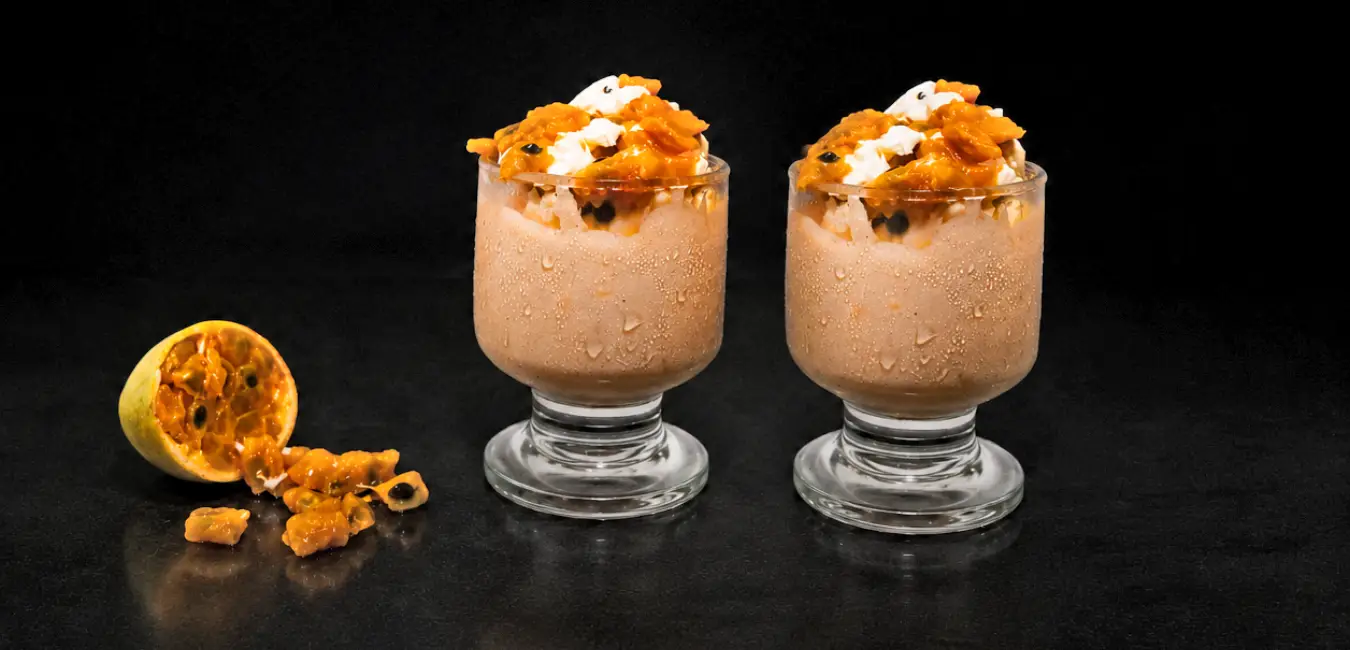
Try it as a juice, in a "Tumbo sour," a variation of the pisco sour, or as jam. It is also used to make artisan ice cream in Cusco and Huaraz.
Historical Fact
In pre - Hispanic times, this fruit was used to make ceviche.
15. Granadilla
Facts | Details |
| Scientific name | Passiflora ligularis · Family Passifloraceae |
| Origin of the name | It is the Spanish diminutive of "granada," because the conquistadors saw a resemblance between its numerous seeds and that Mediterranean fruit. |
| Region and departments | Cusco (Huayopata and La Convención), Junín (Chanchamayo), Pasco (Oxapampa), Cajamarca, Amazonas, and Huánuco. |
| Altitude | Between 1,200 and 2,600 meters above sea level, in the cloud forest. |
| Season | Available year round, with greater supply between March and August. |
| Flavor and texture | Sweet, slightly fragrant, and much less tart than passion fruit. |
Characteristics of Granadilla
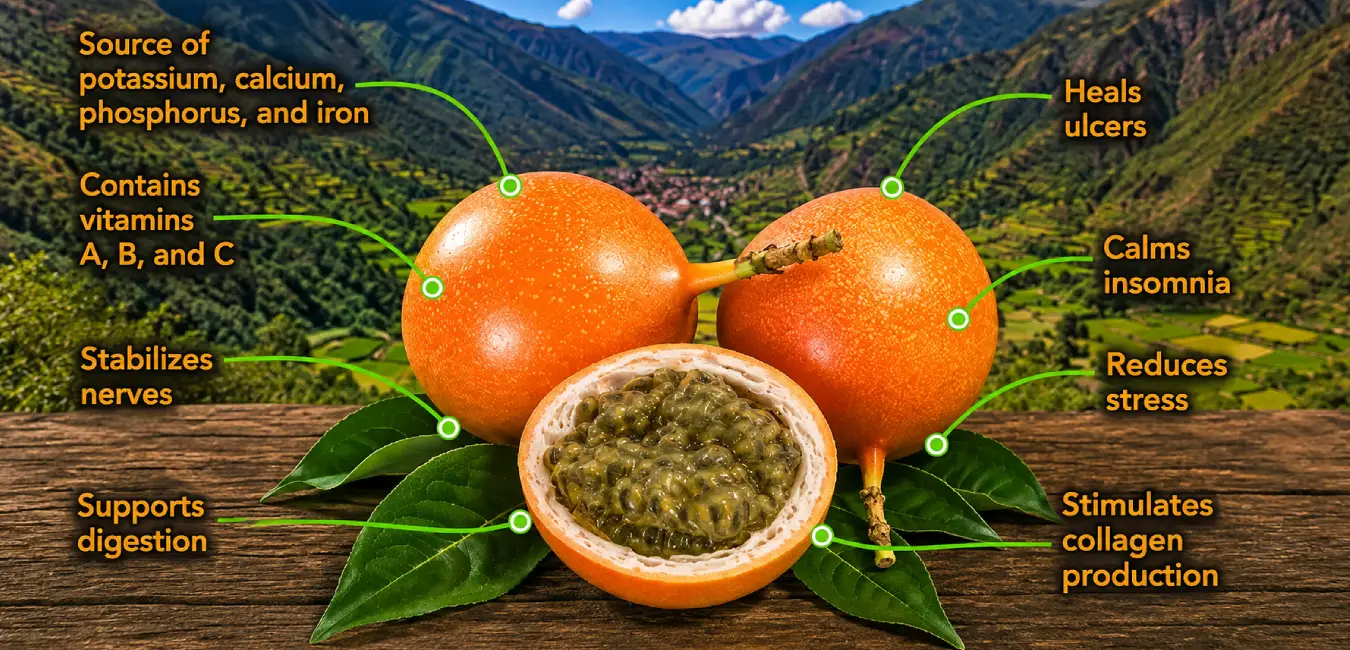
It has an oval shape, orange skin, smooth and brittle, with a short stem. When you cut it open, you'll find a white membrane and, inside, black seeds surrounded by translucent gel. However, that texture can surprise many travelers: get past the first visual impression, because the flavor more than makes up for it.
Benefits of consuming Granadilla
It provides fiber, calcium, phosphorus, iron, and vitamins A and C. In addition, in Peru it is considered beneficial for digestion and especially suitable for children.
How do you eat Granadilla?
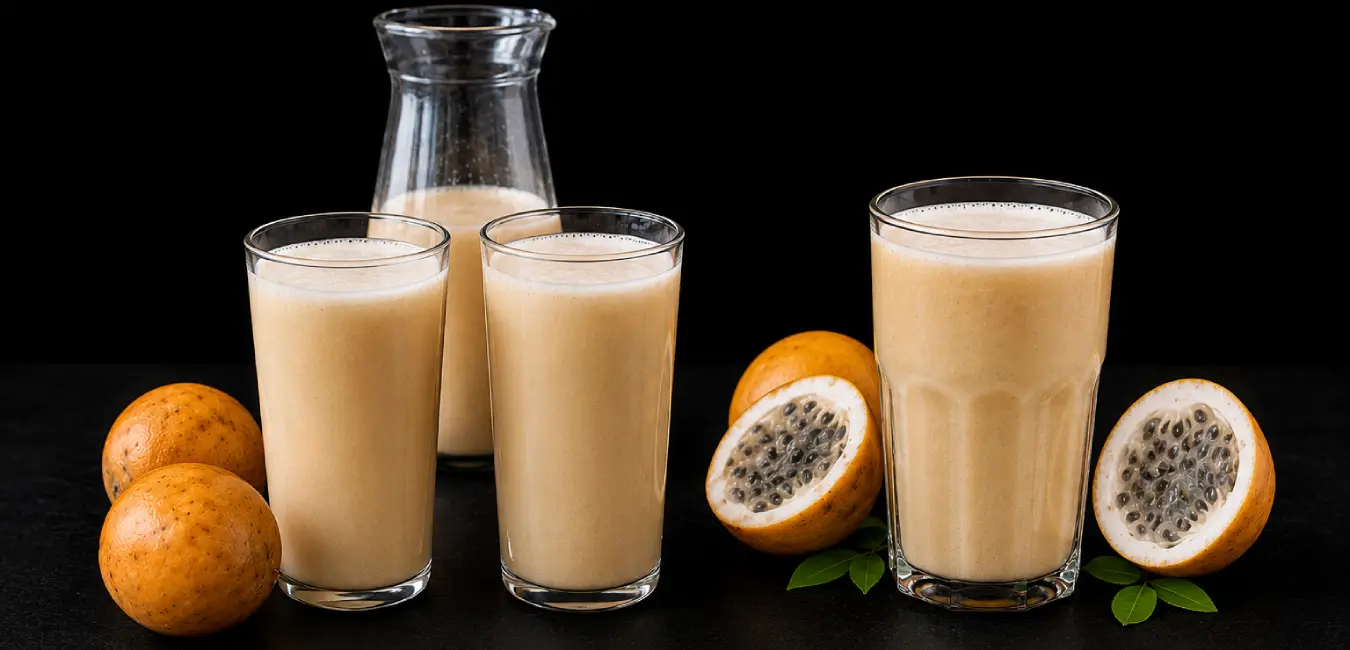
Eat it straight from the fruit with a spoon. It also works very well over yogurt or in juices. You'll find it fresh and inexpensive in any Peruvian market.
16. Pacay or Guaba
Fact | Details |
| Scientific Name | Inga feuillei - Family Fabaceae |
| Origin of the name | It comes from the Quechua "paqay." In addition, the tree was traditionally planted to provide shade for crops, a practice that is still preserved in the Sacred Valley. |
| Region and departments | Inter Andean valleys and cloud forest: Cusco, Apurímac, Ayacucho, Lima, Arequipa, Cajamarca, and Amazonas. |
| Altitude | From sea level to nearly 2,800 meters above sea level. |
| Season | Mainly from May to October. |
| Flavor and texture | The edible part is a white, cottony, sweet, and refreshing aril that resembles cotton candy. |
Recognizing Pacay or Guaba
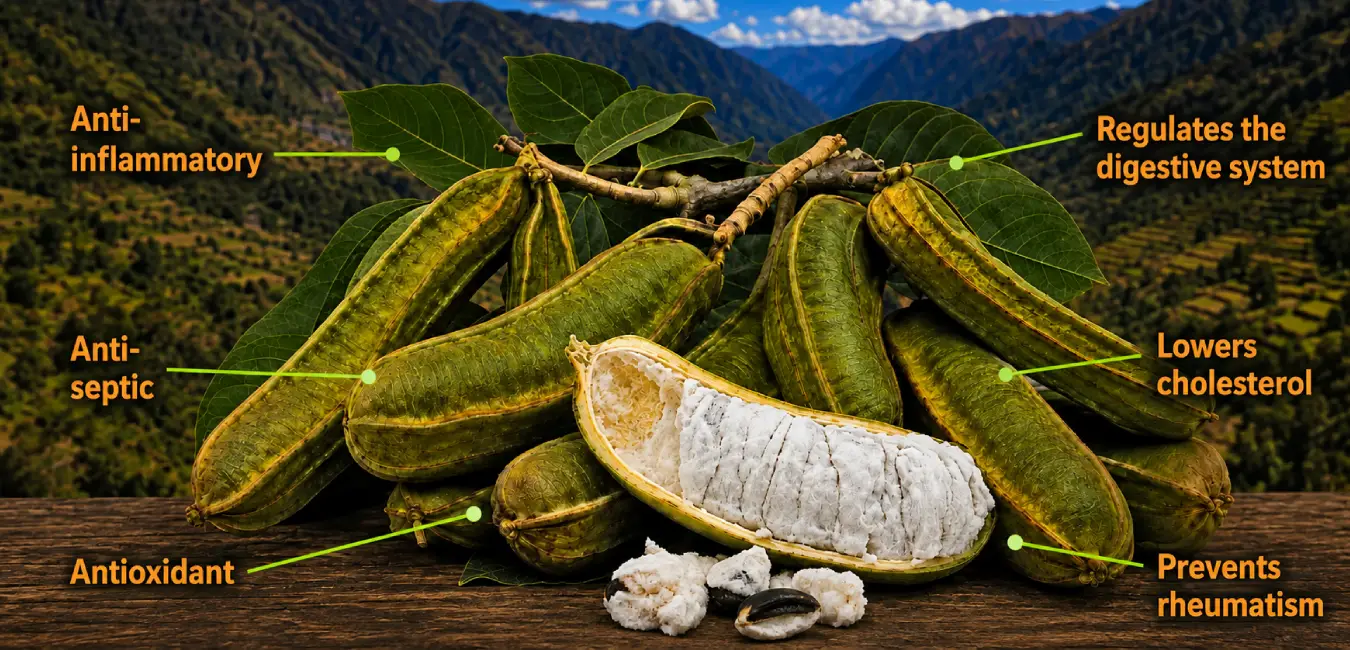
This fruit is enclosed in a green, flat, and elongated pod that can grow over 50 cm long. Therefore, it looks more like a giant legume than a fruit. When you open it with your hands, you'll see edible white, cotton-like pulp surrounding black seeds that are discarded.
Why try Pacay or Guaba?
It provides fiber, water, potassium, and antioxidants, with very few calories. Likewise, the tree fixes nitrogen in the soil, so growing it improves the fertility of Andean and Amazonian farmland.
I recommend...
Eat it fresh, sucking on the aril and discarding the seed. In fact, it's the ultimate fruit for the road: lightweight, hydrating, and easy to share.
17. Sanky: The Puna cactus almost no one knows
Fact | Details |
| Scientific name | Corryocactus brevistylus - Family Cactaceae |
| Origin of the name | "Sanky" (also spelled sancayo or sankayo) comes from Quechua and refers to both the cactus and its fruit. |
| Region and departments | Arid high Andean areas of Arequipa, Ayacucho, Huancavelica, Apurímac, Moquegua, and Tacna. |
| Altitude | Between 2,500 and 4,000 meters above sea level, on dry, rocky slopes. |
| Season | Mainly between December and April. |
| Flavor and texture | Very tart and refreshing, with gelatinous flesh and small seeds. |
Characteristics of Sanky
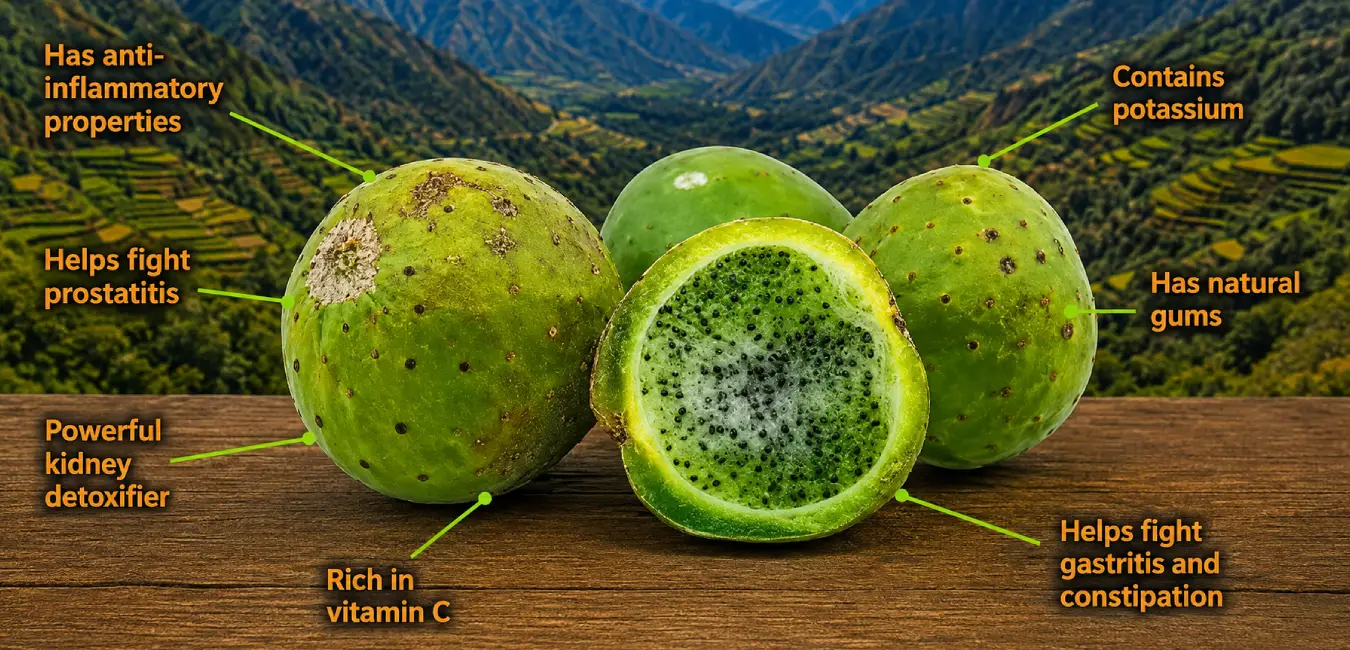
Recognize it by its spherical shape, yellowish green color, and the short spines covering its surface. However, don't try to peel it with your bare hands: the vendors do it for you, and for good reason.
Sanky's nutritional profile
Sanky stands out for its vitamin C content. Peruvian research reports around 57 mg per 100 g of fresh fruit, along with soluble fiber, potassium, and mucilage. Therefore, traditional Andean medicine uses it for gastritis and to lower body temperature.
Unique facts...
It is one of the hardest fruits to find outside Peru. So, if you're traveling through Arequipa, Ayacucho, or Huancavelica, take advantage of the opportunity and ask for it as a refreshing drink or artisan ice cream.
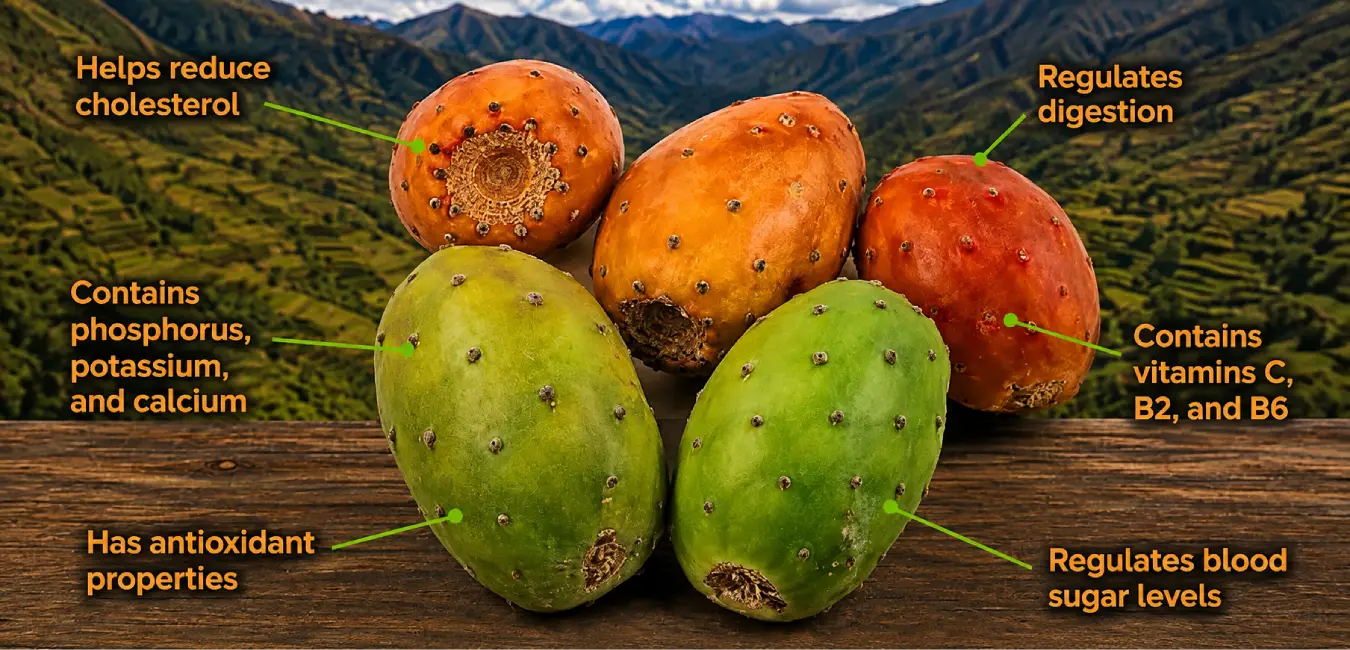
18. Prickly pear (Opuntia ficus indica)
It came from Mesoamerica, but today it defines the landscape of Ayacucho, Huancavelica, Apurímac, Arequipa, and Cusco. It is sweet, refreshing, and full of edible seeds. However, never peel it yourself: its microscopic spines, called glochids, can get stuck in your fingers and are very difficult to remove.
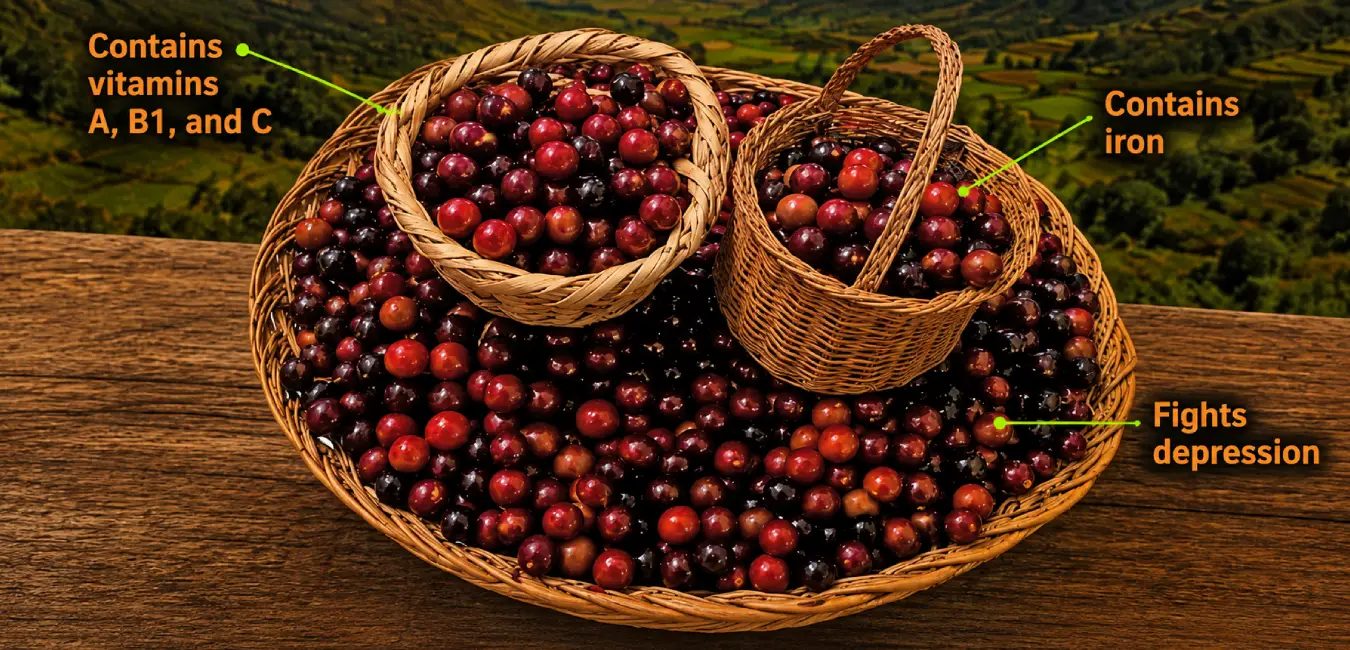
19. Capulí (Prunus serotina)
Capulí, also known as the "Andean cherry," is common in Peru, Ecuador, and North America. It is a small, dark fruit that grows in the highlands of the Andes, in the departments of Cajamarca, Áncash, La Libertad, Junín (Tarma and Huancayo), Cusco, Ayacucho, Arequipa, and Puno. With a sweet and slightly tart flavor, it has been consumed by Andean communities since pre-Hispanic times.
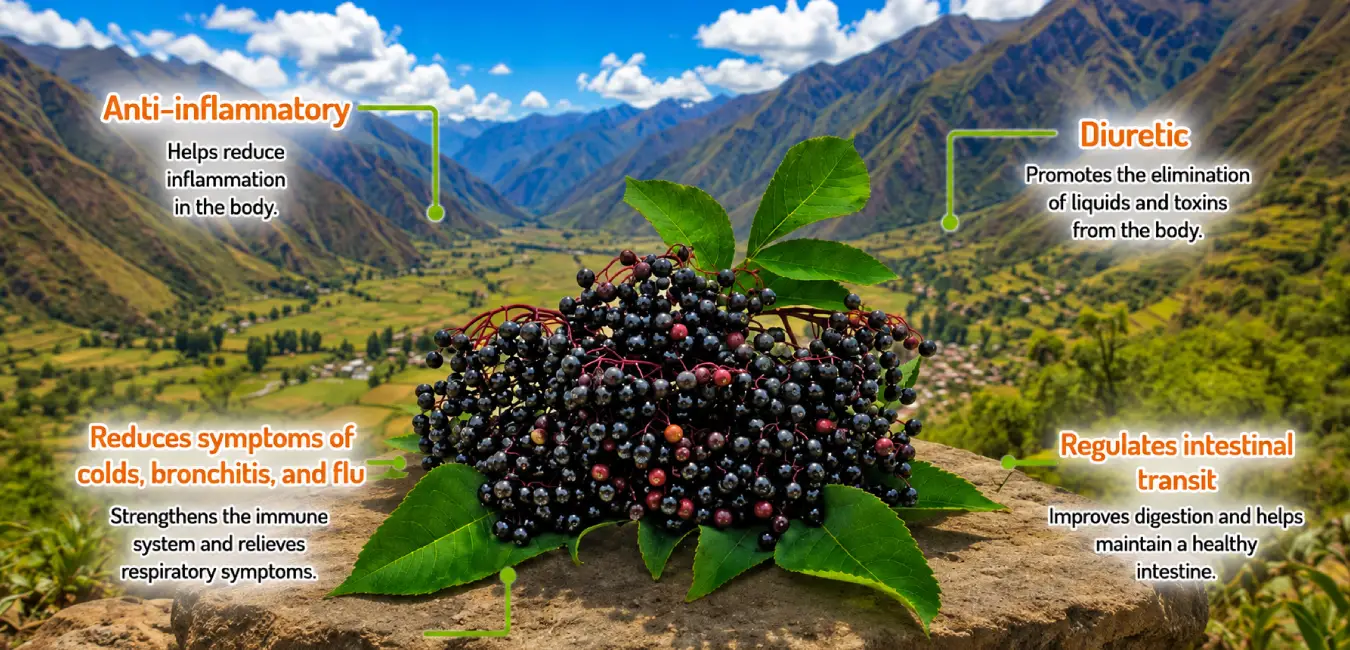
20. Elderberry
The elderberry (Sambucus peruviana) is the fruit of a tree native to the Peruvian Andes that produces small round berries grouped in clusters. At first, they are green and, when ripe, they turn dark purple or glossy black. They have a sweet and tart flavor and are rich in vitamin C, calcium, and antioxidants. In Peru, they grow in Cusco, Huánuco, Lima, Pasco, La Libertad, Huancavelica, Cajamarca, and Apurímac.
Which fruit should you try based on your taste?
If you like discovering new and unique flavors, go ahead and try the following fruits and choose the ones that best match your tastes!
Sweet flavors | Tart flavors | Something different |
| Lucuma | Camu camu | Aguaje |
| Cherimoya | Cocona | Macambo |
| Granadilla | Tumbo | Ungurahui |
| Pacay | Sanky | Copoazú |
The best season to enjoy Peru's exotic fruits
Seasonality is key. For example, if you're visiting the Amazon between November and March, you'll find Camu camu at its peak. On the other hand, if you travel to the Andes between April and August, you'll get to enjoy Cherimoya, Tumbo, and Capulí.
Recommended fruits to try if you're in:
In Cusco | In Iquitos | In Arequipa |
| Lucuma | Aguaje | Prickly Pear Sanky |
| Granadilla | Camu camu | |
| Tumbo | Copoazú | |
| Aguaymanto | Cocona | |
| Pacay | Macambo | |
| Cherimoya | Ungurahui |
Where to buy exotic fruits in Peru
Knowing what to look for isn't very useful if you don't know where to go. That's why here you'll find some of the markets where you can find these exotic fruits.
Market | City | What to look For | Best time |
| Belén Market | Iquitos - Loreto | Aguaje, Camu camu, Cocona, Ungurahui, Macambo, and Taperibá. | Morning |
| San Pedro Market | Cusco | Granadilla, Tumbo, Lucuma, Cherimoya, Pacay, and Aguaymanto. | Morning |
| San Camilo | Arequipa | Sanky, Papayita Arequipeña, and Prickly Pear | Morning |
| Surquillo | Lima | Offers fruits from all over the country. | Morning |
| Pucallpa | Ucayali | Copoazú, Huasaí, and Caimito | Morning |
| Puerto Maldonado Markets | Madre de Dios | Aguaje, Banana, Coconut | Morning |
Consume responsibly
- Buy directly from local producers and vendors; that way, the money stays in the community.
- Ask where the aguaje came from and prioritize fruit harvested using a harness, without cutting down the palm tree.
- Avoid buying fruit from threatened wild species or fruit taken from protected areas without permission.
- Bring your own bag or reusable container and avoid single use plastic whenever possible.
How do you eat these exotic fruits from Peru?
Fruit | Proper way to eat it | Common mistake to avoid |
| Aguaje | Peel the outer skin, eat the orange layer, and discard the seed | Trying to bite into it whole with the skin on |
| Camu camu | Have it as a refreshing drink, ice cream, or pulp | Eating it raw: the acidity is intense |
| Lucuma | In ice cream, smoothies, or desserts | Expecting a juicy fruit; its flesh is dry |
| Cherimoya | Eat it with a spoon, chilled, spitting out the seeds | Chewing the black seeds |
| Granadilla | Break the shell and scoop out the gel with the seeds | Throwing away the seeds: they're edible |
| Pacay | Open the pod and suck on the white aril | Eating the dark seed |
| Prickly Pear and Sanky | Let the vendor peel them for you | Peeling them with your bare hands |
| Cocona | In chili sauce, salsa, or a refreshing drink | Eating it by itself like a sweet fruit |
| Pitahaya | Cut it open and eat it with a spoon | Eating too much: it has a mild laxative effect |
| Macambo | Roasted seeds as a snack | Throwing away the seeds and eating only the pulp |
Tips for buying and eating exotic fruits
Buying and eating exotic fruits from Peru is a great way to discover new flavors while experiencing part of the country's biodiversity. However, it's important to know how to choose fresh fruit, recognize when it's ripe, and store it properly.
Eating exotic fruits from Peru can help you:
- Support a healthy immune system.
- Improve digestion thanks to their fiber content.
- Add vitamins, minerals, and antioxidants to your diet.
- Contribute to good hydration.
- Protect cells from oxidative damage.
Take care of your stomach without missing out on the experience
- Choose fruits with a peel that you can open yourself: Pacay, Granadilla, Cherimoya, and Aguaymanto are very safe options.
- When ordering juices, ask them to prepare them with bottled or boiled water and without ice if you've just arrived in the country.
- Introduce new fruits gradually. In fact, Pitahaya, Aguaje, and Camu camu can upset your digestion if you have too much of them on your first day.
- If you're traveling at high altitude, start slowly: during acclimatization, it's best to eat light.
"The exotic fruits of Peru tell the same story as its landscapes: every time you open a granadilla in Cusco, bite into a pacay in the Sacred Valley, or try an aguaje in Iquitos, you're literally tasting the geography of the country."
Frequently asked questions about exotic fruits of Peru
What is the most exotic fruit in Peru?
It depends on who you ask. However, Aguaje often wins because of its scaly appearance and unexpected flavor, while Sanky surprises people because hardly anyone imagines that a high-altitude cactus produces an edible fruit.
Are there fruits that grow only in Peru and nowhere else?
There are endemic species, although they rarely make it to the market. On the other hand, many famous Peruvian fruits also grow in Ecuador, Colombia, Bolivia, or Brazil. That said, in practice, there are fruits like Sanky, Macambo, Ungurahui, and fresh Aguaje that you'll only get to try if you travel to Peru.
Which Peruvian fruit has the most vitamin C?
Camu camu, without a doubt. Its levels exceed 2,000 mg per 100 g of fresh pulp, far higher than those of any citrus fruit.
Can i take these fruits back to my country?
Generally, no. Most countries prohibit bringing in fresh fruit for phytosanitary reasons. However, you can bring processed products such as dried Aguaymanto, Lucuma powder, Sacha Inchi oil, or powdered Camu camu pulp.
Which Peruvian fruits should i try if i only have one week?
Prioritize five: Cherimoya, Lucuma, Granadilla, Pacay, and Aguaymanto in the highlands; then, if you head down into the rainforest, add Aguaje, Camu camu, and Copoazú.
Is fruit from the market safe for travelers?
Yes, as long as you follow some basic guidelines: buy whole fruits, wash them with safe water or peel them yourself, and get juices from busy stalls where there's a high turnover.
What month has the greatest variety of fruit in Peru?
Between March and July, many highland and Amazonian harvests overlap. As a result, this period offers the greatest variety in the markets.