
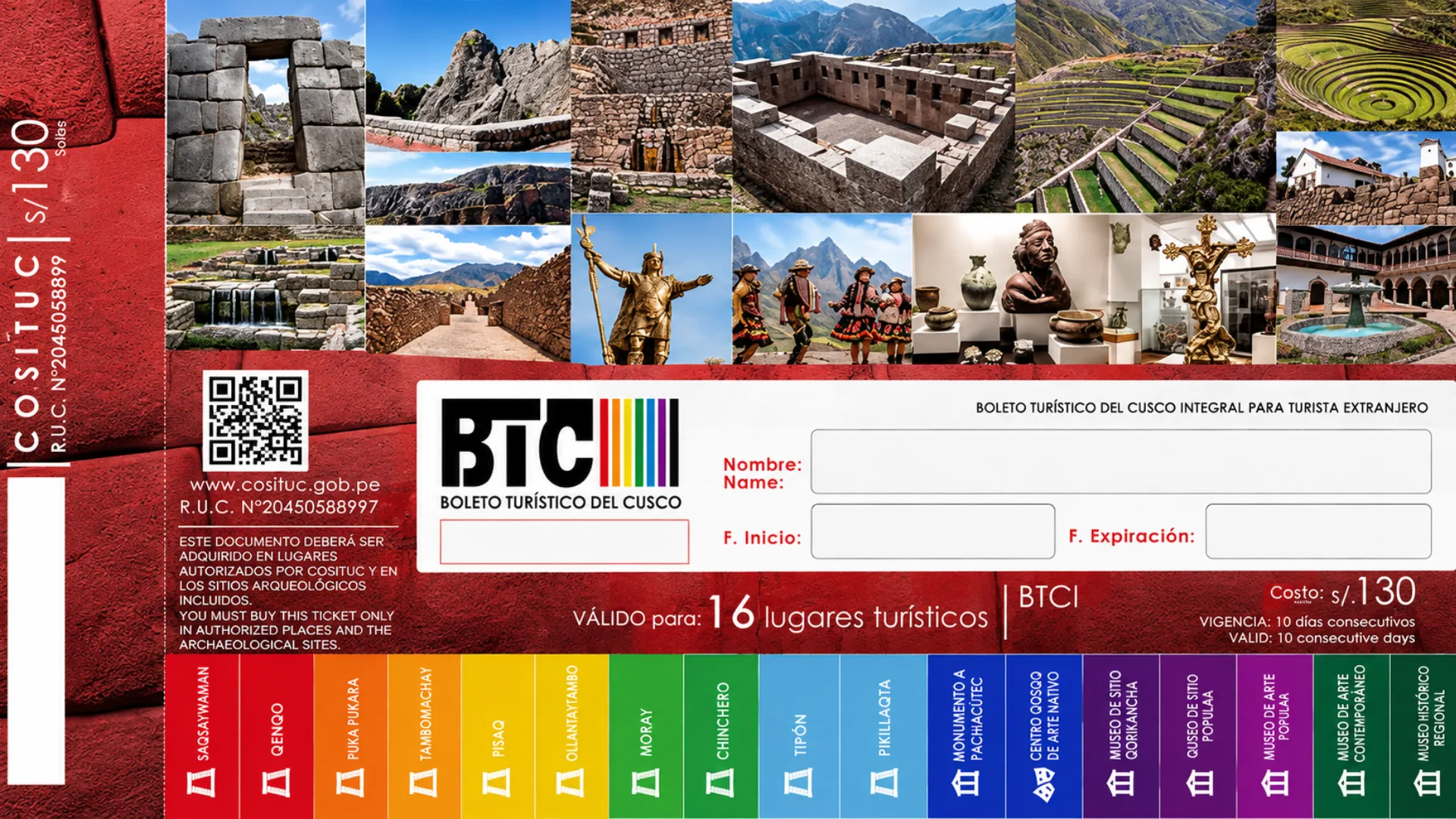
You land in Cusco, leave your bags at the hotel, and sooner or later you’ll probably hear the same question: “Do you already have your Cusco Tourist Ticket?” Also known as the Boleto Turístico del Cusco (BTC), this physical ticket gives you access to 16 archaeological sites and museums around Cusco, the South Valley and the Sacred Valley. For foreign tourists, the full ticket costs S/ 130. You’ll need it to visit popular sites such as Saqsayhuamán, Pisac and Ollantaytambo, so make sure you get the right ticket before heading out. Keep in mind that not every attraction is included, and choosing the wrong option could mean paying twice.
What Is the Cusco Tourist Ticket?
The boleto turístico Cusco is a single admission fee that covers a fixed list of state-run attractions in the Cusco region. It exists under Peruvian Law 28719, which is why staff at the gates treat it as a right of entry rather than a souvenir. Your name goes on the ticket, so it is personal and non-transferable. Rangers routinely ask for a passport or DNI alongside it, and you cannot pass a leftover ticket to a friend once you leave.
One ticket, one entry per site. That last detail surprises people who plan to return to Saqsayhuamán for sunset after visiting in the morning. The second visit means a second ticket.
Who Manages the Boleto Turístico?
COSITUC, the Comité de Servicios Integrados Turístico Culturales Cusco, sells and administers the ticket. It brings together the Provincial Municipality of Cusco, the regional office of the Ministry of Culture and DIRCETUR Cusco. The money collected funds conservation work at the same sites you visit, which is a decent argument for buying it even on a short trip.
Is It a Tour, or Only an Entrance Fee?
Only an entrance fee. COSITUC is explicit about this. The Cusco tourist ticket does not include a guide, transportation, food or hotel pickup. If you want a guide at Saqsayhuamán, you hire one at the gate or book a city tour that handles it. Plenty of travelers assume the S/130 buys a guided circuit and then feel shortchanged, so it is worth setting the expectation early.
How Much Does the Cusco Tourist Ticket Cost?
COSITUC publishes ten official fares. The cusco tourist ticket price depends on two things only: whether you are a foreign visitor or a Peruvian national or resident, and whether you qualify for the student rate. There is no high-season or low-season pricing, and the rates below are the ones printed on the official fare schedule.
Prices for Foreign Visitors
An adult foreign visitor pays S/130 for the integral ticket, which works out to roughly 35 US dollars depending on the day. Each partial circuit costs S/70. Do the arithmetic before you commit, because two partial tickets already cost S/140 and buy you less than the integral does.
| Code | Ticket | Price (PEN) | Validity |
| BTCI | Integral ticket, all 16 sites | S/ 130 | 10 days |
| BEE | Integral ticket, foreign students | S/ 70 | 10 days |
| BTCPI | Partial I : Saqsayhuamán circuit | S/ 70 | 1 day |
| BTCPII | Partial II : City and South Valley | S/ 70 | 2 days |
| BTCPIII | Partial III : Sacred Valley | S/ 70 | 2 days |
Foreign-visitor fares. Bring your passport, since the ticket is issued in your name.
Prices for Peruvians and Foreign Residents
Peruvian citizens and foreigners holding a valid carné de extranjería or permanent residency qualify for the boleto promocional, the domestic rate. That brings the integral ticket down to S/70 and each partial to S/40. Bring the document itself rather than a photo of it, because the counter checks it at the moment of purchase.
| Code | Ticket | Price (PEN) | Validity |
| BIN | Integral ticket, nationals and residents | S/ 70 | 10 days |
| BEN | Integral ticket, Peruvian students | S/ 40 | 10 days |
| BTCPS | Partial I : Saqsayhuamán circuit | S/ 40 | 1 day |
| BTCPC | Partial II : City and South Valley | S/ 40 | 2 days |
| BTCPV | Partial III : Sacred Valley | S/ 40 | 2 days |
Promotional fares. A DNI, carné de extranjería or permanent residency card is required at the counter.
Student and Child Discounts
Age and paperwork decide the reduced rate, and the rules are applied strictly at the gate. The table below covers what staff actually ask for.
| Age | What you pay | Document required |
| 0 to 9 years | Free | Any ID showing age. Centro Qosqo de Arte Nativo charges from age 6, since every attendee takes a seat |
| 10 to 17 years | Student rate | Passport or DNI, nothing else needed |
| 18 to 25 years | Student rate | Current university student card or a valid ISIC card. Expired cards are refused |
| 26 and over | Full rate | Passport, DNI or residency card |
A few discounts people ask about simply do not exist here. There is no reduction for teachers holding an ITIC card, none for IYTC holders, none for visitors from Andean Community countries, and no group rate no matter how many people you book for.
So that is the outlay. The next question is what it actually buys you, and the answer is organized into three circuits.
What Does the Cusco Tourist Ticket Include?
The integral ticket unlocks 16 attractions, organized into three circuits. Each circuit maps neatly onto a normal day of sightseeing, which is exactly how local agencies build their itineraries.
Circuit I : Saqsayhuamán and the Ruins Above the City
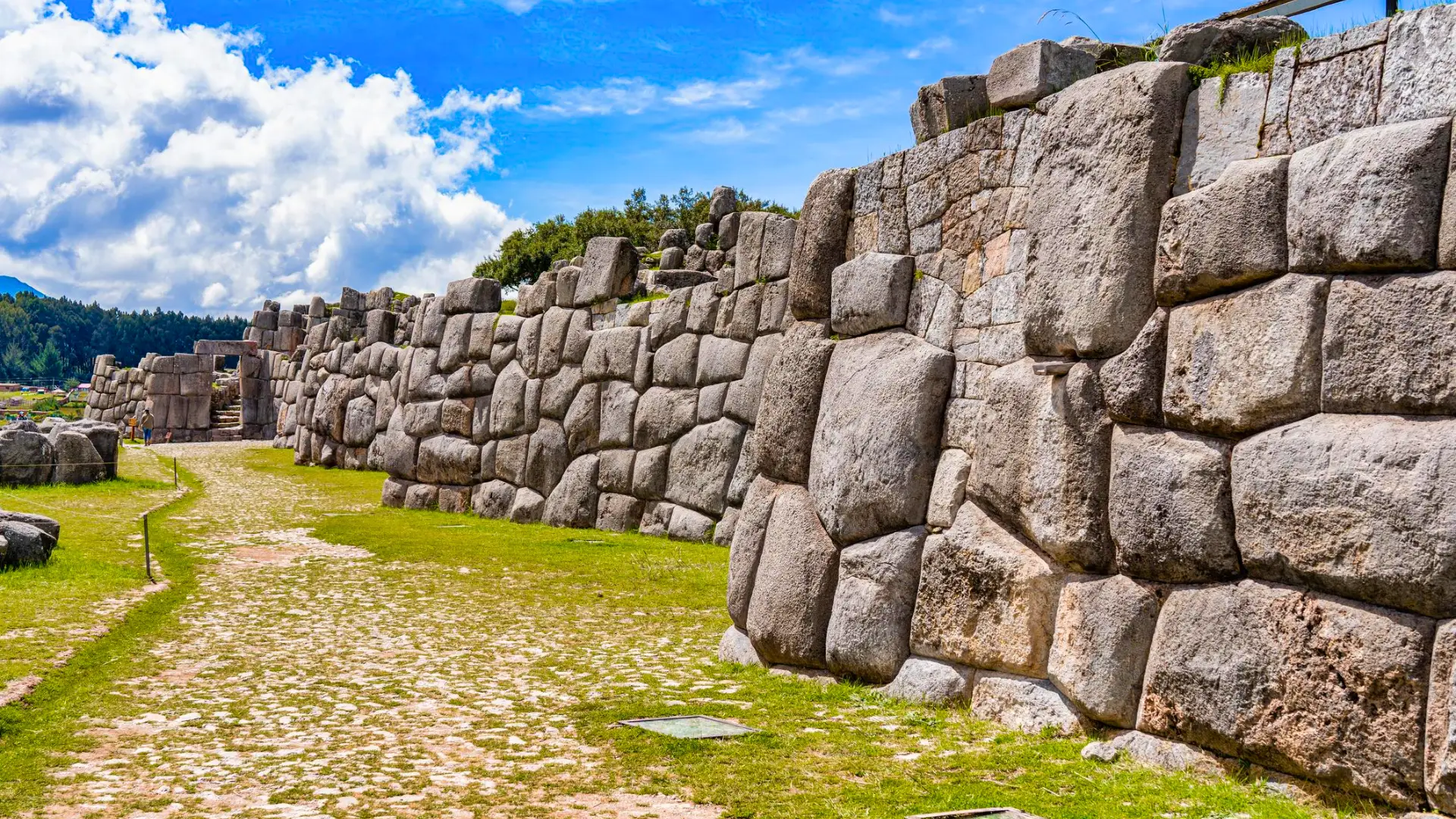
This is the circuit almost everyone uses first, because all four sites sit in a line on the hillside just above Cusco. Saqsayhuamán is the headline act, with its zigzag walls of stone blocks that still defeat modern explanation. Q'enqo is a carved limestone outcrop with an underground altar. Puka Pukara reads as a checkpoint or waystation, and Tambomachay is a spring shrine where water has been running through Inca channels for roughly five centuries. You can walk up from the San Cristóbal church, or take a taxi to Tambomachay and work your way downhill.
Circuit II : City Museums and the South Valley
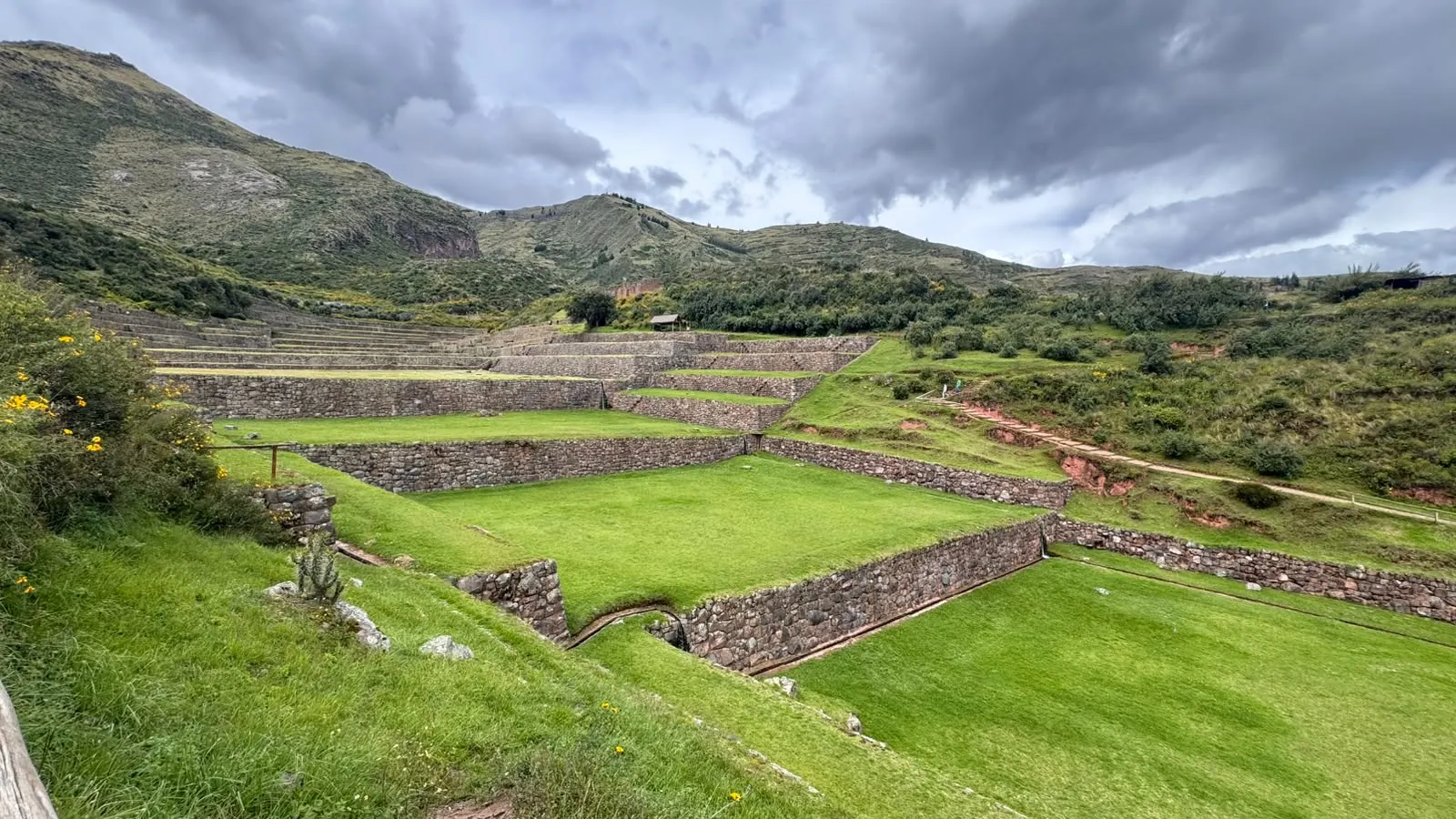
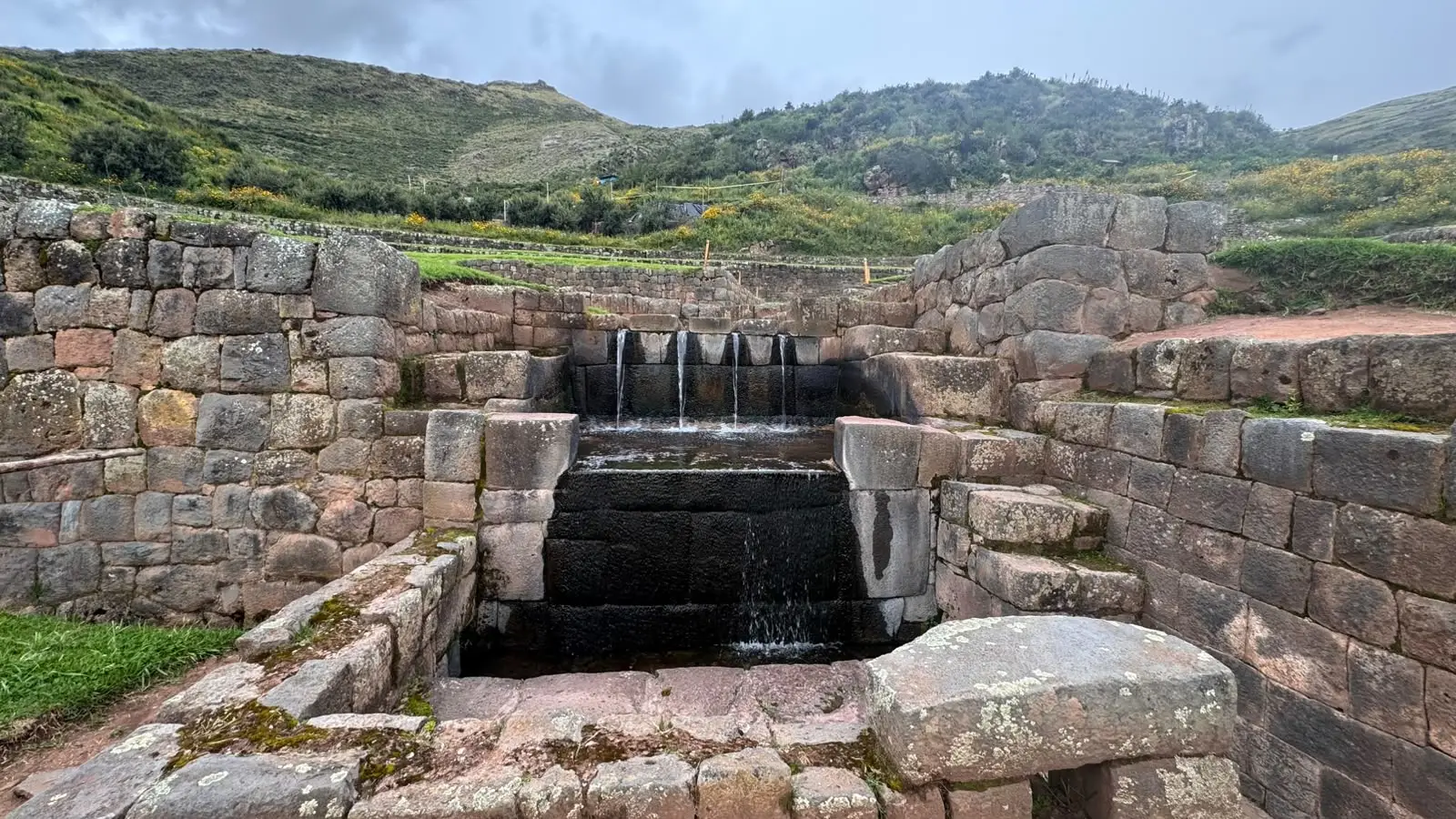
Circuit II combines the museums that are indoors in downtown Cusco with two big archaeological sites in the southeast part of the city. Inside the city walls, you can visit the Qorikancha Site Museum, the Historico Regional Museum in the house of the Inca Garcilazo de la Vega, the Museo de Arte Contemporaneo, the Museo de Arte Popular, the Centro Qosqo de Arte Nativo for its night dances, and the Pachacutec Monument that serves both as a viewpoint. Outside the city walls, Tipon displays the best Inca hydraulic constructions, while Pikillacta is a Wari pre-Inca city with a strictly geometric design.
Circuit III : The Sacred Valley
The important circuit for the Sacred Valley tour is Circuit III, which includes Pisac, Ollantaytambo, Chinchero, and Moray. A typical full day tour of the Sacred Valley includes visits to three or four out of these places, making Circuit III an essential circuit for such a tour. An interesting fact about Ollantaytambo is that it is the departure point for trains to Machu Picchu.
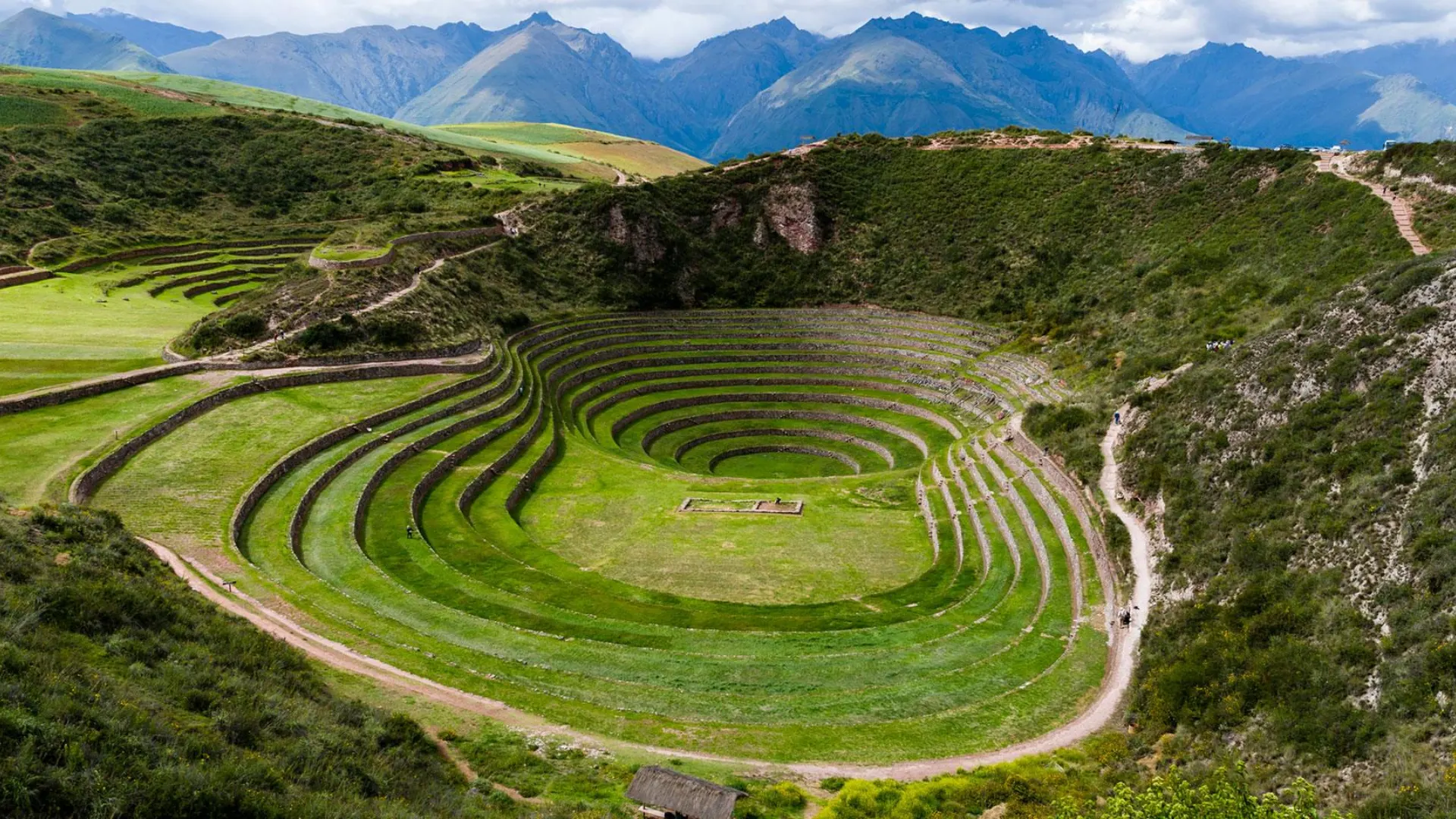
| Circuit | Sites included | How travelers usually visit |
| Circuit I | Saqsayhuamán, Q'enqo, Puka Pukara, Tambomachay | Half-day city tour or a self-guided walk uphill from the Plaza de Armas |
| Circuit II | Qorikancha Site Museum, Museo Histórico Regional, Museo de Arte Contemporáneo, Museo de Arte Popular, Centro Qosqo de Arte Nativo, Pachacútec Monument, Tipón, Pikillacta | Museums on foot in the historic center, plus a half-day South Valley trip |
| Circuit III | Pisac, Ollantaytambo, Chinchero, Moray | Full-day Sacred Valley tour, or two slower days if you overnight in Urubamba |
Quick sanity check
Moray is on the ticket. The Maras Salt Mines are not. They sit twenty minutes apart and get sold together on the same tour, which is why this is the single most common mix-up in Cusco.
How Long Is the Cusco Tourist Ticket Valid?
The integral ticket lasts 10 days, and this is when people start losing their money because validity begins from the day you purchase your ticket rather than when you actually start using it. If you collect your ticket on arrival and spend the next four days hiking Salkantay, you will lose four days out of your ten while being at a place where your ticket is useless.
Partial tickets are less valid than the full one. The Partial I ticket is good only for one day. Partial II and Partial III tickets are good for two days each. According to COSITUC, it takes at least three days to see all attractions, which is the realistic number.
Buy it on the morning you start
COSITUC recommends buying on the first day you actually plan to visit. There is no advantage to buying early, no advance-purchase requirement, and no risk of tickets selling out.
Integral or Partial : Which Ticket Should You Buy?
Do the math based on your schedule, not your gut. While the half ticket may seem cheaper at first, it only provides good value when traveling from Cusco for a short while, and visiting just one circuit.
| Your plan | Best ticket | Why |
| Two nights in Cusco, city tour only | Partial I (S/70) | Covers Saqsayhuamán, Q'enqo, Puka Pukara and Tambomachay for one day |
| Sacred Valley day tour and nothing else | Partial III (S/70) | Two days of validity, enough for Pisac, Ollantaytambo, Chinchero and Moray |
| City tour plus Sacred Valley | Integral (S/130) | Two partials would cost S/140 and cover fewer sites |
| Four or more days in the region | Integral (S/130) | Best value per site, and the museums fill acclimatization days |
| Trekking first, sightseeing later | Integral, bought after the trek | The 10-day clock starts at purchase, so buy it the morning you start visiting |
Where Do You Buy the Cusco Tourist Ticket?
For those who may be asking where to buy boleto turistico cusco prior to their flight, the simple answer is you cannot; it is all conducted upon the ground, whether it is at the official sales counter located downtown or the gate of most attractions. Both options take about the same amount of time.
At the COSITUC Counter on Avenida El Sol
The main ticket counter is located at Avenida El Sol 103, in Galerías Turísticas, just five minutes away by walking down the hill from Plaza de Armas. The counter is open on Monday to Sunday from 07:30 till 18:00. Be ready to present your passport. In case your group includes minors or students, be ready to show their documents as well because the clerk sells the ticket only under a particular name.
At the Archaeological Sites Themselves
You can also buy the ticket at the entrance of most included attractions, which is what a lot of independent travelers do on the way up to Saqsayhuamán. Four places do not sell it: the Museo Histórico Regional, the Centro Qosqo de Arte Nativo, the Museo de Arte Popular and the Museo de Arte Contemporáneo. If those museums are your first stop, buy the ticket beforehand.
Can You Buy the Boleto Turístico Online?
No, It is clearly stated by COSITUC that sales can only be made face-to-face, thus any web page providing the offer for buying the cusco tourist ticket online is simply an agency selling the service. The primary counter accepts credit cards but the booth in the archaeological area accepts payment through cash, hence you have to take soles. You can get them from ATMs in Plaza de Armas, although exchange houses in Avenida El Sol offer a better deal.
What the Cusco Tourist Ticket Does Not Cover
This section is the most economical compared to others. The BTC is only valid for a predetermined list of state-owned places, and there are some of the major attractions of Cusco that are not on this list.
Machu Picchu, Rainbow Mountain and Humantay Lake
All of these are excluded from the list of attractions, Machu Picchu uses its own ticketing system operated by the Ministry of Culture with timed tickets and fixed circuits, and is always sold out weeks in advance during the high season. Rainbow Mountain and Humantay Lake charge entrance fees for community usage paid at the site location.
The Qorikancha Temple and Cusco's Churches
Included in the ticket is the Qorikancha Site Museum, which is the underground museum located at Avenida El Sol. However, the ticket doesn’t cover the Qorikancha temple and Santo Domingo monastery above it, where the famous Inca wall with the curve lies. This particular property belongs to the Dominicans and charges their own entrance fee at the gate. The Cathedral, the Church of the Compañía and San Blas are also excluded from the ticket.
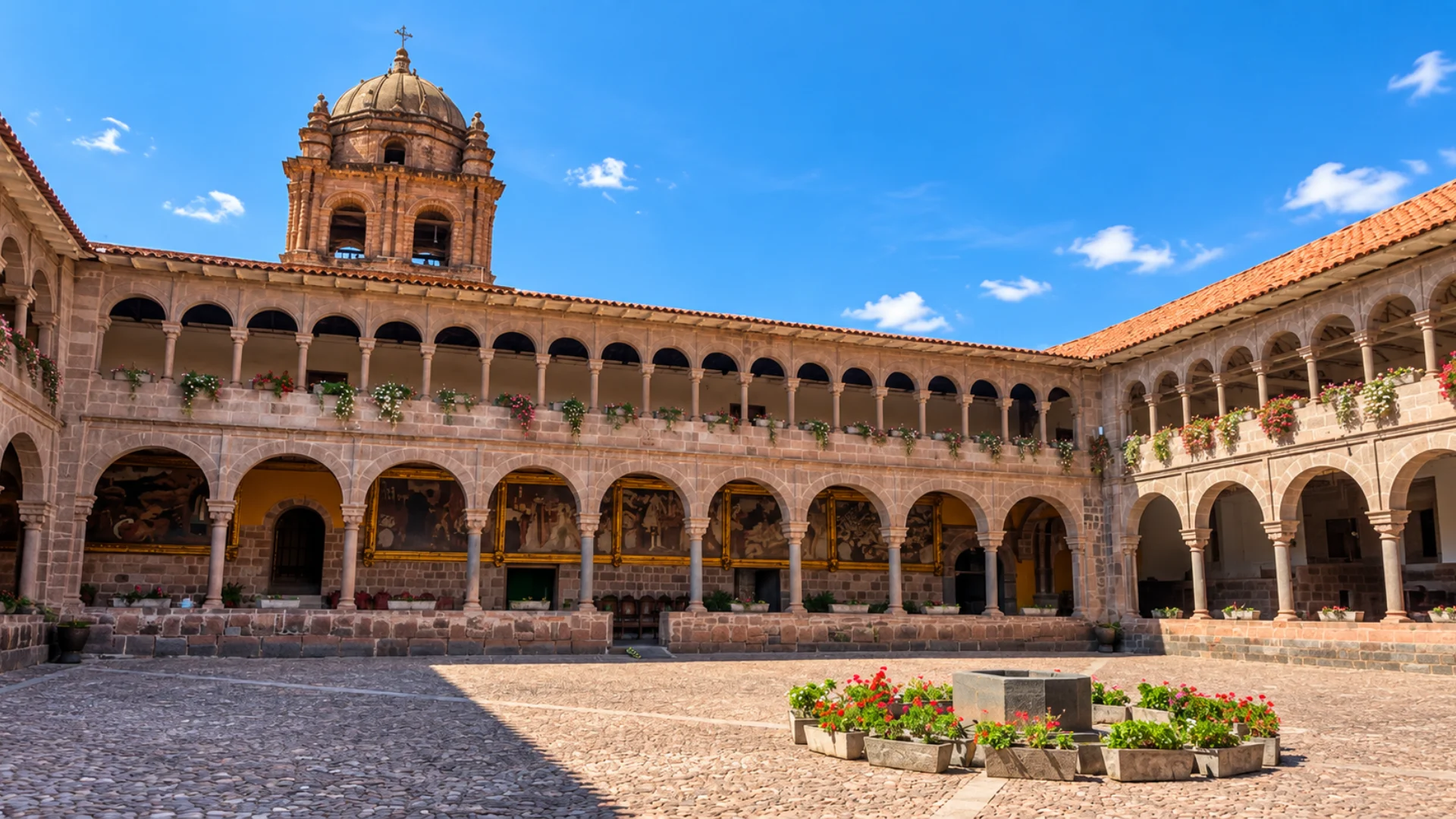
The Maras Salt Mines
The Salinas de Maras are owned by the local people of Maras, and thus the locals charge their entrance fee of S/20 per individual. The second site that we will visit after Maras is Moray, located twenty minutes away from the Salineras de Maras, and this particular location is included on the ticket. This is the exact reason why visitors come here thinking that everything is covered.
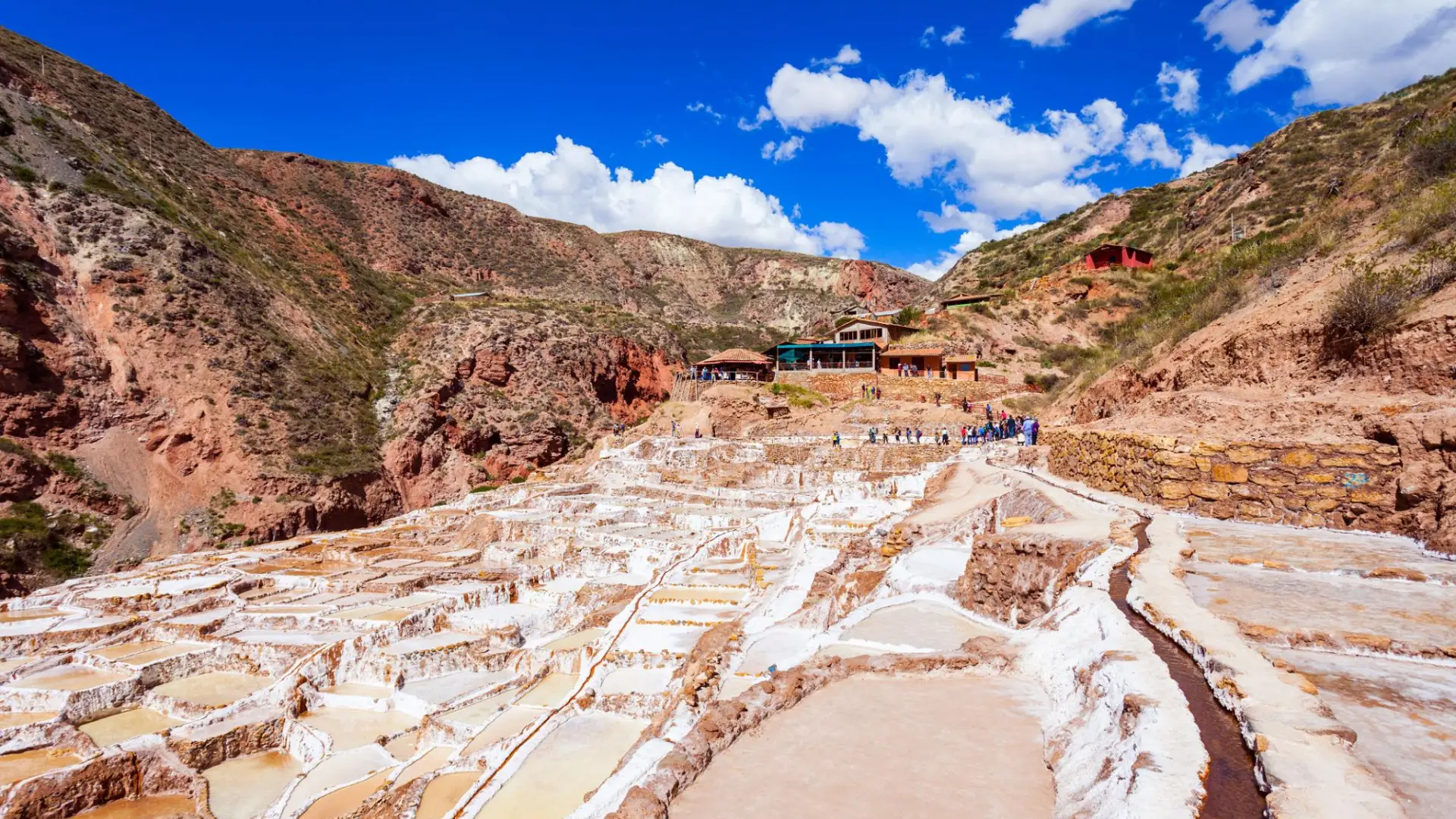
Guides, Transport and Private Museums
Guiding and transportation never go hand in hand. The same is true for the private museums like Museo de Arte Precolombino at Plazoleta Nazarenas and the Inka Museum, which are two great museums that have not been included on the Cusco tourism card.
| Included in the ticket | Paid separately |
| Saqsayhuamán, Q'enqo, Puka Pukara, Tambomachay | Machu Picchu, Huayna Picchu, Huchuy Qosqo |
| Pisac, Ollantaytambo, Chinchero, Moray | Maras Salt Mines, Rainbow Mountain, Humantay Lake |
| Tipón, Pikillacta | Qorikancha temple and Santo Domingo convent |
| Qorikancha Site Museum and four city museums | Cusco Cathedral and the religious circuit churches |
| Pachacútec Monument, Centro Qosqo de Arte Nativo | Guides, transport, private museums, Andean Explorer routes |
How to Plan Three Days Around the Ticket
Three days are the minimum that can be considered practical to use an integral ticket, and this period coincides with how altitude behaves. Cusco is 3,399 meters above sea level, thus making the first day easy.
| Day | Focus | What you actually do |
| Day 1 | Circuit II in the city | Museums in the historic center, the Qorikancha Site Museum, and the Centro Qosqo de Arte Nativo dance show in the evening. Low effort while you acclimatize. |
| Day 2 | Circuit I above Cusco | Taxi to Tambomachay, then walk downhill through Puka Pukara, Q'enqo and Saqsayhuamán back into town. Four to five hours at an easy pace. |
| Day 3 | Circuit III, Sacred Valley | Chinchero, Moray, Ollantaytambo and Pisac. Long day, lower altitude, and a natural lead-in to Machu Picchu. |
| Optional | Rest of Circuit II | Tipón and Pikillacta in the South Valley, often paired with the church at Andahuaylillas. |
Why Altitude Should Shape Your Order
Saqsayhuamán is just a couple of hundred meters away from the Plaza de Armas, yet hiking up to it on the first afternoon is what makes one get the headache that will ruin the second day. One odd thing about the Sacred Valley is that it lies below the level of Cusco. Nowadays, many tourists prefer to spend the first night in Urubamba or Ollantaytambo rather than in the city.
Practical Tips for Using the Boleto Turístico
- Carry the ticket flat. Rangers punch or stamp it at each site, and a shredded ticket creates arguments at the next gate.
- Photograph it when you buy it. A photo will not get you in, but it makes replacement conversations easier if it goes missing.
- Most archaeological sites open around 07:00 and close near 18:00, while museum hours are shorter and a few close for lunch. Check the day before rather than at the door.
- Sites do not accept the ticket after expiry, even by a day. There are no extensions.
- Bring small bills. Change is scarce at rural ticket booths, particularly at Maras and around Pikillacta.
- If your agency says the ticket is included, ask which circuit. Many city tours cover only the Circuit I entrance.
Frequently Asked Questions About the Cusco Tourist Ticket
How much is the Cusco Tourist Ticket?
S/130 for foreign adults and S/70 for foreign students on the integral ticket. Peruvians and residents pay S/70 and S/40 respectively. Each partial circuit ticket is S/70 for foreigners and S/40 for nationals.
Is the Cusco Tourist Ticket worth it?
If you plan to visit more than one circuit, yes. A single Sacred Valley day tour already requires a S/70 partial, so the S/130 integral pays for itself the moment you add Saqsayhuamán. If you are in Cusco for 48 hours and doing one city tour, the partial is the better call.
Does the Cusco Tourist Ticket include Machu Picchu?
No. Machu Picchu is ticketed separately by the Ministry of Culture, with a fixed entry time and a chosen circuit, and it needs to be booked well in advance.
Can I buy the boleto turístico at the airport?
No. Sales happen at the COSITUC counter on Avenida El Sol and at most of the included archaeological sites, not at Velasco Astete airport.
How many days is the ticket valid for?
Ten calendar days for the integral ticket, counted from the purchase date. One day for Partial I, two days each for Partial II and Partial III.
Can I enter the same site twice with one ticket?
No. The ticket grants one entry per attraction. Returning to Saqsayhuamán for sunset after a morning visit means buying again.
Can someone else use my ticket if I leave early?
No. Your name is printed on it and staff check identification at the gates, so it cannot be given away or resold.
Are the Maras Salt Mines included?
No. Maras is community-owned and charges its own entrance, normally about S/20 in cash. Moray, which is usually visited on the same trip, is included in Circuit III.
Do I need to book the ticket in advance?
No. It never sells out, and buying early only shortens the validity window. Buy it the morning you begin sightseeing.
What happens if I lose the ticket?
Treat it as cash. There is no reissue process for a lost ticket, so you would need to buy a replacement at full price.