
Planning one week in Peru may seem challenging, especially if it's your first visit. With ancient Inca ruins, vibrant cities, breathtaking mountains, and world-famous cuisine, it's easy to feel like seven days aren't enough.
The good news is that a well-planned 7-day Peru itinerary lets you experience the country's most iconic highlights without rushing. This route takes you from Lima to Cusco, through the Sacred Valley, and finally to the unforgettable Machu Picchu, while allowing time to enjoy each destination.
Created by local travel experts, this guide combines history, culture, nature, and practical travel advice to help you make the most of your trip. You'll also find tips on transportation, accommodation, travel costs, altitude, and the best time to visit Peru.
By the end of this guide, you'll have everything you need to confidently plan an unforgettable seven-day adventure through Peru.
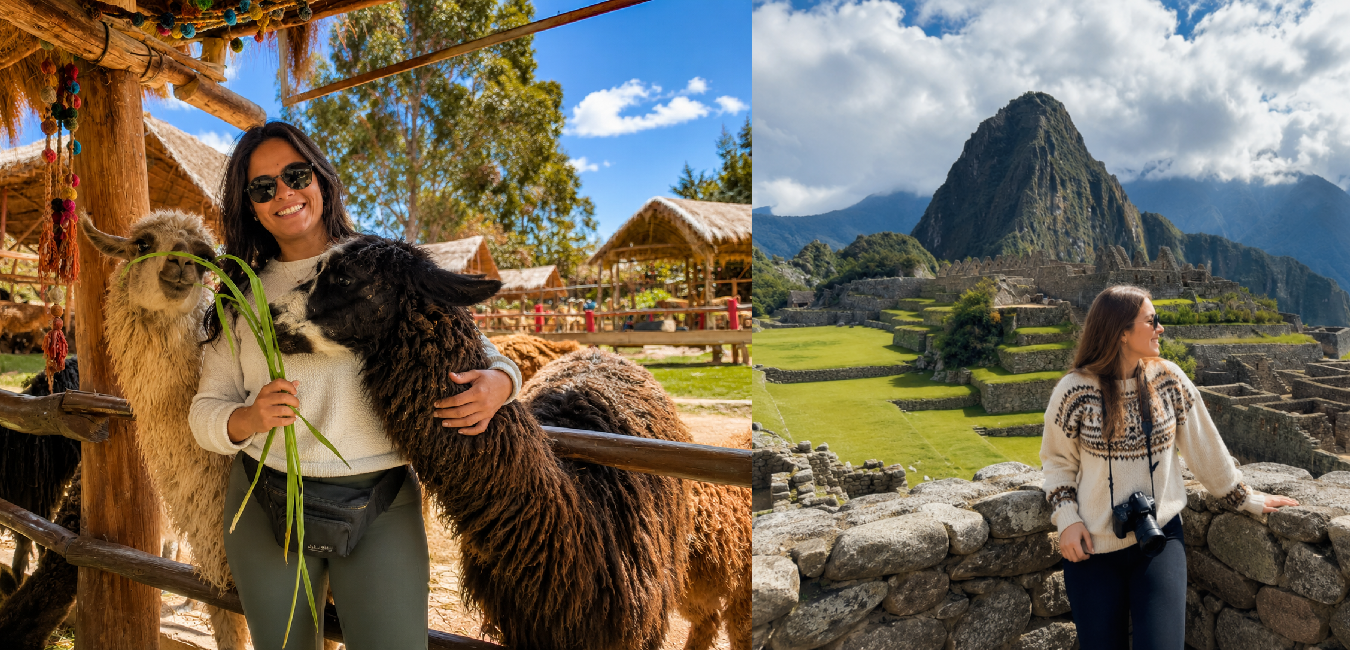
Why This Is the Best One Week in Peru Itinerary
Not all Peru itineraries are designed with first-time travelers in mind. Many try to fit too much into seven days in Peru, leaving little time to actually enjoy each destination.
This itinerary follows a smarter route, combining Peru's most iconic highlights while minimizing travel time. You'll explore Lima, Cusco, the Sacred Valley, and Machu Picchu at a comfortable pace, with time to acclimatize and truly experience each place.
Why you'll love this itinerary
- Covers Peru's must-see destinations.
- Reduces unnecessary travel time.
- Includes time to adjust to Cusco's altitude.
- Balances history, nature, and local culture.
- Perfect for budget, mid-range, and luxury travelers.
If you only have one week in Peru, this itinerary offers the perfect balance between adventure, comfort, and unforgettable experiences.
Local Tip: Many first-time visitors make the mistake of flying directly to Cusco and visiting Machu Picchu the very next day. Spending at least one full day acclimatizing significantly reduces the risk of altitude sickness and makes the rest of your trip much more enjoyable.
Is One Week in Peru Enough?
One week is enough to experience Peru's highlights, but not enough to see the entire country.
With seven days, you can comfortably visit Lima, Cusco, the Sacred Valley, and Machu Picchu while still enjoying local cuisine, cultural attractions, and stunning Andean landscapes. This route offers an excellent introduction to Peru without feeling overly rushed.
However, destinations such as Lake Titicaca, Arequipa, the Colca Canyon, the Peruvian Amazon, Paracas, Huacachina, or the Nazca Lines require additional travel time and are better suited for itineraries of 10 to 14 days or longer.
The table below shows what you can realistically experience depending on the length of your trip.
Trip Length | Recommended Destinations | Best For |
|---|---|---|
| 7 Days | Lima, Cusco, Sacred Valley, Machu Picchu | First-time visitors |
| 10 Days | Add Rainbow Mountain or Humantay Lake | Adventure travelers |
| 14 Days | Add Arequipa, Colca Canyon and Lake Titicaca | Complete Peru experience |
| 3 Weeks or More | Include the Amazon, Paracas, Nazca and northern Peru | In-depth exploration |
If this is your first visit, spending one week in Peru is the perfect way to experience the country's history, culture, gastronomy, and breathtaking landscapes while leaving plenty of reasons to return.
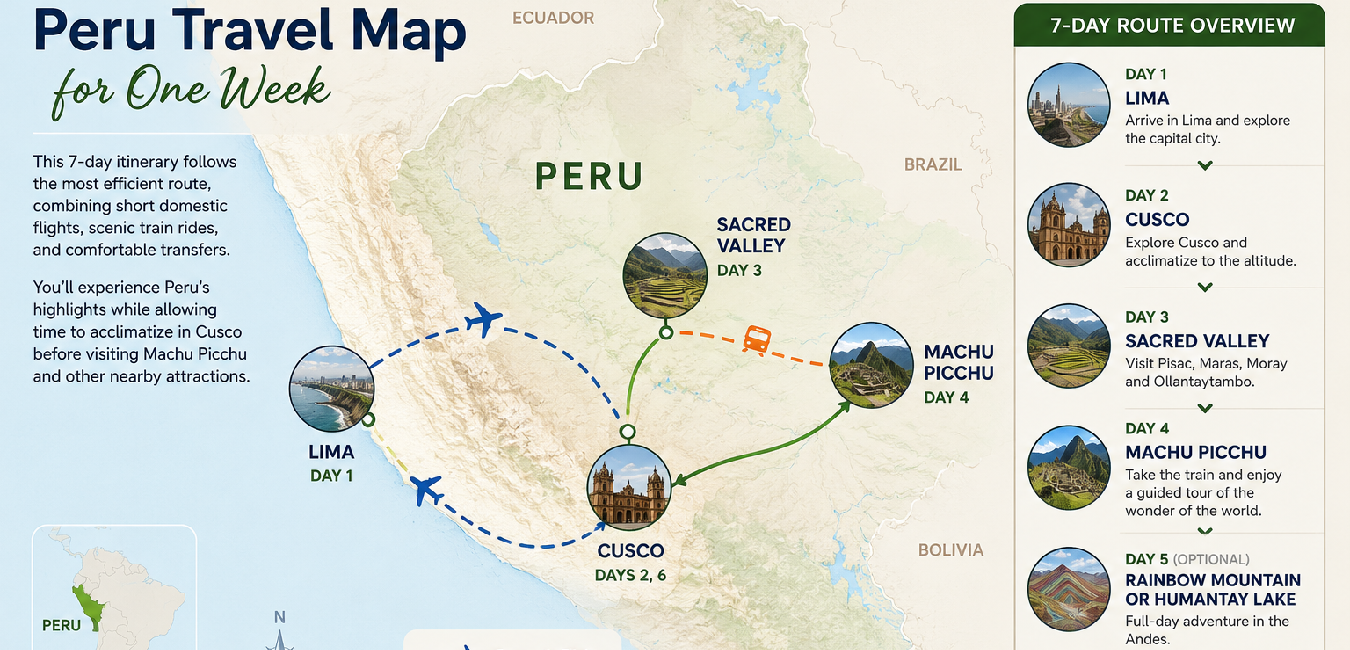
Peru Travel Map for One Week
If you're visiting Peru for the first time, choosing the right route is key. Since travel times can be longer than expected, a well-planned itinerary helps you see the country's highlights without feeling rushed.
This 7-day Peru itinerary follows the most efficient route, combining short domestic flights, scenic train rides, and comfortable transfers. You'll also spend several nights in Cusco, giving you time to acclimatize before visiting Machu Picchu and other nearby attractions.
Recommended Route
Lima - Cusco - Sacred Valley - Machu Picchu - Cusco - Lima
This route offers an ideal balance between cultural experiences, breathtaking landscapes, and manageable travel times, making it the best choice for first-time visitors.
Local Tip: Whenever possible, book an early morning flight from Lima to Cusco. You'll arrive with enough time to explore the city at a relaxed pace while beginning to acclimatize before visiting higher-altitude destinations.
One Week in Peru at a Glance
Before diving into the detailed itinerary, here's a quick overview of how your week will unfold.
Day | Destination | Main Highlights | Overnight |
|---|---|---|---|
| Day 1 | Lima | Historic Center, Miraflores, Pacific Coast | Lima |
| Day 2 | Cusco | Plaza de Armas, San Blas, Qorikancha | Cusco |
| Day 3 | Sacred Valley | Pisac, Moray, Maras, Ollantaytambo | Ollantaytambo or Cusco |
| Day 4 | Machu Picchu | Guided visit to the Inca Citadel | Cusco |
| Day 5 | Rainbow Mountain or Humantay Lake | Andes adventure | Cusco |
| Day 6 | Cusco | Sacsayhuamán, local markets, museums | Cusco |
| Day 7 | Lima | Return flight and departure |
This itinerary combines Peru's most iconic destinations while keeping travel time to a minimum. You'll experience the country's rich history, impressive archaeological sites, stunning mountain scenery, and world-renowned cuisine, all within one unforgettable week.
Detailed One Week in Peru Itinerary
Every day of this itinerary has been carefully planned to maximize your experience while allowing enough time to rest, adjust to the altitude, and enjoy each destination without unnecessary rushing.
Day 1 – Arrive in Lima and Explore Peru's Coastal Capital
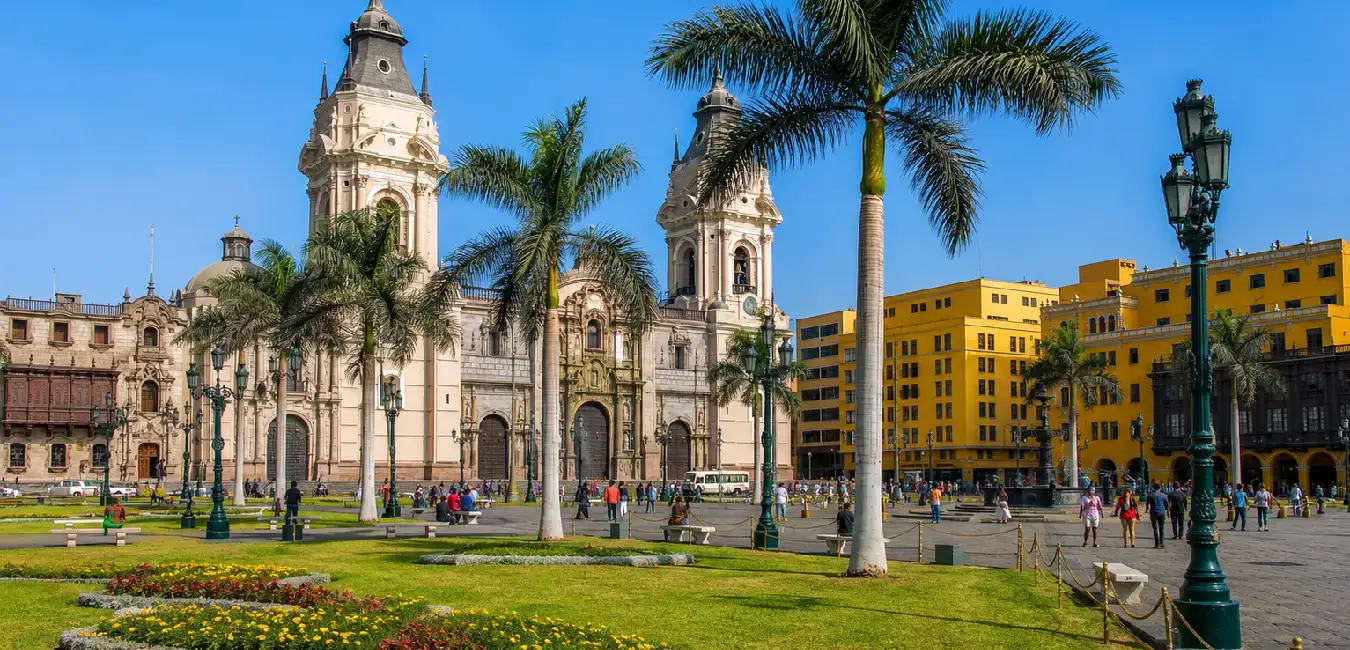
Your one week in Peru begins in Lima, the country's vibrant capital and main international gateway. Spend your first day recovering from your flight while exploring the city's rich history, coastal views, and world-famous cuisine.
Start in Lima's Historic Center, a UNESCO World Heritage Site, where you can visit Plaza Mayor, Lima Cathedral, and the Monastery of San Francisco. Later, head to Miraflores to walk along the Malecón, relax in Kennedy Park, and enjoy the ocean views from Parque del Amor.
If you have extra time, explore Barranco, Lima's colorful arts district, known for its murals, cafés, and lively atmosphere.
Before the day ends, treat yourself to Peru's famous cuisine by trying ceviche, lomo saltado, or causa limeña, the perfect introduction to your Peruvian adventure.
Today's Highlights
- Explore Lima's Historic Center (UNESCO World Heritage Site)
- Visit Plaza Mayor and Lima Cathedral
- Walk along the Miraflores Malecón
- Watch the sunset over the Pacific Ocean
- Discover Barranco's colorful streets
Where to Eat
| Restaurant | Best For |
|---|---|
| Maido | World-famous Nikkei cuisine |
| La Mar Cebichería | Fresh ceviche and seafood |
| Panchita | Traditional Peruvian classics |
| Isolina | Authentic Creole comfort food |
Where to Stay
| Budget | Hotels |
|---|---|
| Luxury | Miraflores Park Hotel, JW Marriott Lima |
| Mid-range | Casa Andina Select, Tierra Viva Miraflores |
| Budget | Pariwana Hostel, Selina Miraflores |
Recommended stay: 1 night
Estimated Daily Budget
| Category | Cost |
|---|---|
| Accommodation | US$30–250 |
| Meals | US$20–60 |
| Transportation | US$10–20 |
| Attractions | US$10–20 |
Travel Tips
Exchange only a small amount of cash at the airport, as exchange rates are generally better in Miraflores.
Use official taxis or ride-hailing apps for transportation.
Stay overnight in Lima instead of taking a late flight to Cusco. Starting your Andean journey well-rested will make the rest of your itinerary much more enjoyable.
Day 2 – Fly to Cusco and Discover the Historic Capital of the Inca Empire
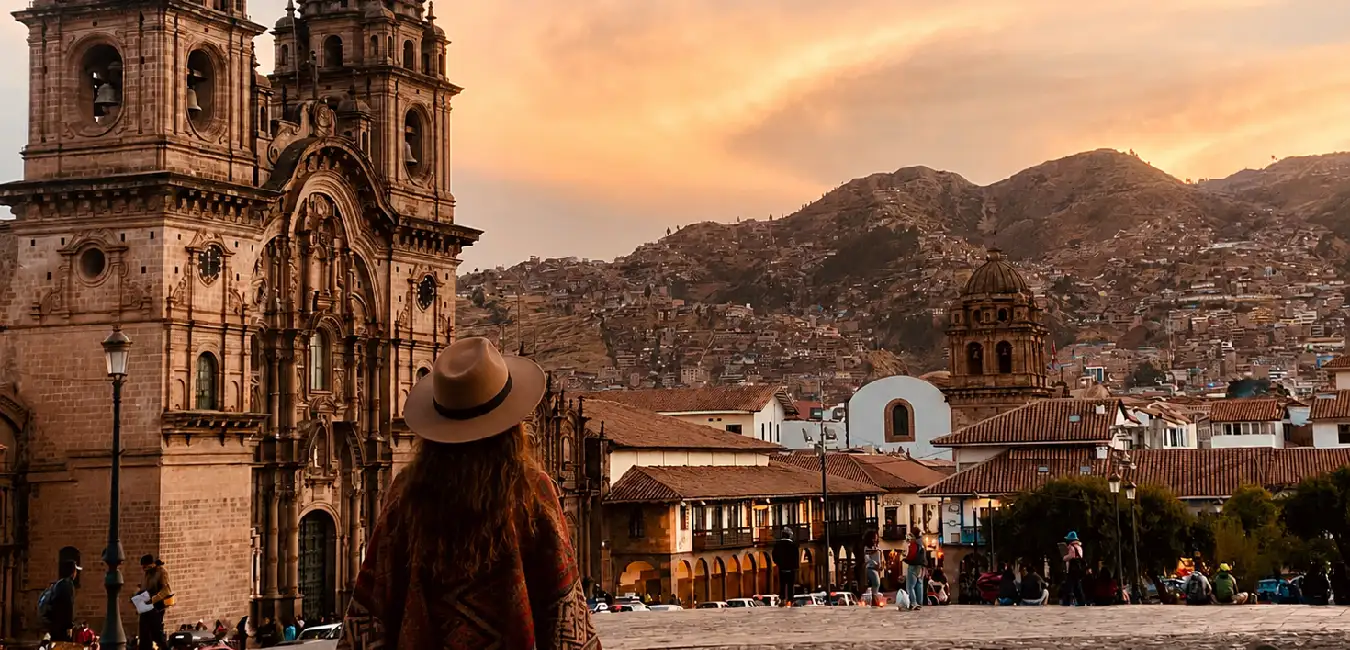
After exploring Lima, it's time to fly to Cusco, the former capital of the Inca Empire. The flight takes about 1 hour and 20 minutes, bringing you from the Pacific coast to the Andes at 3,399 m (11,152 ft) above sea level.
Since this is your first day at altitude, take it slow. Drink plenty of water, avoid strenuous activities, and enjoy a relaxed walk through Cusco's historic streets while your body acclimatizes.
Begin in the beautiful Plaza de Armas, then wander through the charming San Blas neighborhood, famous for its artisan workshops, cafés, and panoramic views. Continue to Qorikancha (Temple of the Sun), one of the most important Inca temples, before ending your day at San Pedro Market, where you can sample local food and shop for handmade souvenirs.
Rather than rushing between attractions, take your time and enjoy Cusco's unique atmosphere, it's one of the highlights of any one week in Peru itinerary.
Today's Highlights
- Fly from Lima to Cusco
- Explore Plaza de Armas
- Visit the artistic San Blas neighborhood
- Discover Qorikancha (Temple of the Sun)
- Experience San Pedro Market
- Begin acclimatizing to the altitude
Where to Eat
| Restaurant | Best For |
|---|---|
| Morena Peruvian Kitchen | Traditional Peruvian cuisine |
| Cicciolina | Mediterranean dishes and tapas |
| LIMO | Peruvian-Japanese fusion |
| Chicha by Gastón Acurio | Contemporary Andean cuisine |
| Green Point | One of Cusco's top vegan restaurants |
Where to Stay
| Budget | Hotels |
|---|---|
| Luxury | Palacio del Inka, JW Marriot, Belmond Monasterio |
| Mid-range | Sonesta Hotel, Hilton Garden, Casa Andina Premium |
| Budget | Pariwana Hostel, Viajero, Kokopelli |
Recommended stay: 3 nights
Estimated Daily Budget
| Category | Cost |
| Flight (Lima to Cusco) | US$50–150 |
| Accommodation | US$30–300 |
| Meals | US$20–60 |
| Attractions | US$5–20 |
| Local Transportation | US$5–10 |
Estimated total: US$110–540 per person
Travel Tips
Walk at a relaxed pace and drink plenty of water to help your body adjust to the altitude.
Coca tea is a popular local remedy that many travelers find helpful during their first day in Cusco.
Save demanding hikes, such as Rainbow Mountain or Humantay Lake, for later in the week after you've acclimatized.
Why Spend a Day in Cusco Before Visiting Machu Picchu?
One of the biggest mistakes first-time visitors make is heading straight to Machu Picchu after arriving in Cusco.
Spending a full day in Cusco helps your body adjust to the altitude, gives you more energy for the days ahead, and lets you explore one of Peru's most fascinating cities instead of simply passing through.
Why it's worth it
- Acclimatize before visiting higher-altitude attractions.
- Enjoy Cusco's history, architecture, and local culture.
- Reduce travel fatigue.
- Be ready for tomorrow's adventure in the Sacred Valley.
Day 3 – Explore the Sacred Valley of the Incas
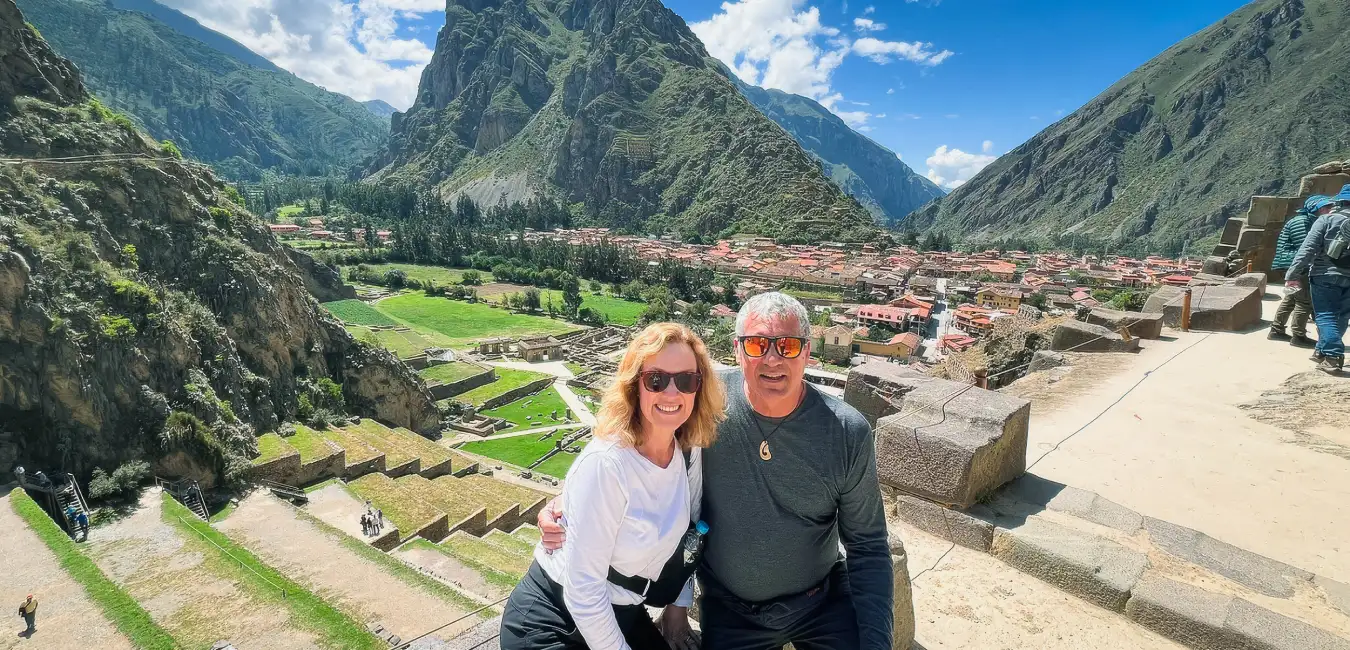
After acclimatizing in Cusco, spend the day exploring the beautiful Sacred Valley, one of Peru's most scenic regions and the perfect introduction to Machu Picchu. Surrounded by towering mountains and traditional villages, the valley is home to some of the most important archaeological sites of the Inca Empire.
Your first stop is Pisac, where you'll admire impressive agricultural terraces and browse the famous artisan market. Continue to Moray, a unique site of circular terraces believed to have been used by the Incas for agricultural experiments, before visiting the nearby Maras Salt Mines, where thousands of white salt pools have been harvested for centuries.
The day ends in Ollantaytambo, one of the best-preserved living Inca towns. Explore its cobblestone streets, visit the impressive fortress, and spend the night here to catch an early train to Machu Picchu the next morning.
Why Stay Overnight in Ollantaytambo?
- Avoid an early morning transfer from Cusco.
- Catch the first train to Machu Picchu.
- Enjoy a quieter atmosphere after the crowds leave.
- Wake up just minutes from the train station.
Today's Highlights
- Explore Pisac Archaeological Park.Visit Moray's circular terraces.
- Discover the Maras Salt Mines.
- Walk through Ollantaytambo.
- Stay overnight before visiting Machu Picchu.
Where to Eat
| Restaurant | Best For |
|---|---|
| Chuncho | Contemporary Peruvian cuisine |
| Apu Veronica | Traditional Andean specialties |
| El Albergue | Farm-to-table dining |
| Koricancha Café | Coffee, desserts, and light meals |
Where to Stay
| Budget | Hotels |
|---|---|
| Upgrate Hotels | El Albergue Ollantaytambo, Pakaritampu Hotel |
| Mid-range | Apu Lodge, Tunupa Lodge, Sol Natura Hotel |
| Budget | Las Portadas, Mama Simona Hostel |
Recommended stay: 1 night
Estimated Daily Budget
| Category | Cost |
|---|---|
| Sacred Valley Tour | US$40–90 |
| Accommodation | US$25–180 |
| Meals | US$20–50 |
| Tourist Ticket (BTC) | Varies |
| Transportation | Usually included |
Estimated total: US$90–320 per person
Travel Tips
Wear comfortable walking shoes, as archaeological sites have uneven stone paths.
Bring a reusable water bottle and stay hydrated throughout the day.
Carry some cash if you plan to shop at artisan markets.
Dress in layers, since temperatures can change quickly in the Sacred Valley.
Pack a small overnight bag if you're staying in Ollantaytambo and leave your larger luggage at your hotel in Cusco.
Day 4 – Visit Machu Picchu, the Lost City of the Incas
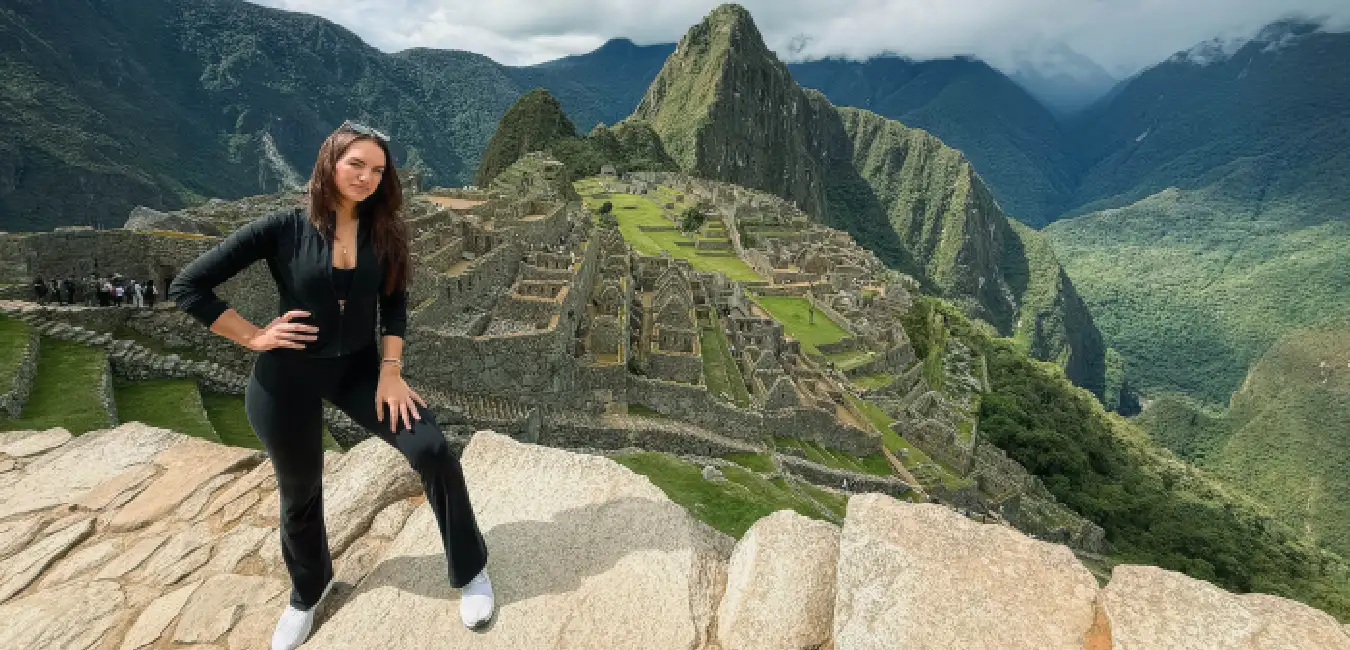
Today is the highlight of your one week in Peru. After exploring Cusco and the Sacred Valley, it's finally time to visit Machu Picchu, one of the New Seven Wonders of the World and Peru's most iconic destination.
Your journey begins with a scenic train ride from Ollantaytambo to Aguas Calientes, following the Urubamba River through breathtaking Andean landscapes. From there, a short shuttle bus takes you to the entrance of the ancient Inca citadel.
Built in the 15th century during the reign of Emperor Pachacuti, Machu Picchu is famous for its perfectly carved stone architecture, agricultural terraces, temples, and spectacular mountain scenery. Take your time exploring the site with a guide, learning about Inca engineering and history while enjoying one of the most unforgettable experiences in South America.
After your visit, return by train to Ollantaytambo and continue to Cusco, where you'll spend the night.
Choosing the Right Machu Picchu Circuit
To protect the archaeological site and improve visitor flow, Machu Picchu now operates with designated visitor circuits. Each route offers a different experience, so choosing the right one depends on your interests.
Circuit 2 – The Classic Experience
For most first-time visitors, Circuit 2 provides the most complete experience.
This route includes the iconic panoramic viewpoint where the famous postcard photos are taken before continuing through many of the site's most important sectors, including ceremonial plazas, residential areas, agricultural terraces, and impressive stone structures.
If your goal is to experience Machu Picchu for the first time, this is generally the best option.
Circuit 1
Designed primarily for panoramic viewpoints, Circuit 1 allows visitors to enjoy spectacular views of the citadel from above. However, access to many internal sectors is more limited.
Circuit 3
This shorter route explores the lower section of the archaeological complex and is commonly combined with optional mountain hikes, depending on ticket availability.
Because ticket availability changes throughout the year, always review the official circuit descriptions before making your reservation.
If you're planning to hike Huayna Picchu or Machu Picchu Mountain, remember that these require separate tickets and should be booked well in advance.
Today's Highlights
- Scenic train journey through the Sacred Valley.
- Visit Machu Picchu, one of the New Seven Wonders of the World.
- Explore the Inca citadel with an expert guide.
- Learn about Inca history and architecture.
- Return to Cusco in the evening.
Estimated Daily Budget
| Category | Cost |
|---|---|
| Machu Picchu Ticket | US$45–65 |
| Round-trip Train | US$140–250 |
| Shuttle Bus | US$24–30 |
| Guided Tour | US$20–60 |
| Meals | US$20–50 |
Estimated total: US$250–450 per person
Travel Tips
Book your Machu Picchu tickets and train several months in advance, especially during the dry season.
Arrive early to enjoy fewer crowds and better lighting for photos.
Bring the same passport used to purchase your entrance ticket.
Pack light, as large backpacks are not allowed inside the sanctuary.
Best Time to Visit Machu Picchu
Machu Picchu is open year-round, but weather conditions vary depending on the season.
The dry season, from May to September, offers the clearest skies and excellent hiking conditions. This is also the busiest period, meaning entrance tickets and train seats often sell out months in advance.
The shoulder seasons, particularly April, October, and early November, provide an excellent balance between pleasant weather and fewer crowds.
During the rainy season, from December to March, lush green landscapes create beautiful scenery, although showers are more frequent and morning clouds may temporarily reduce visibility.
No matter when you visit, arriving early in the morning often provides the best lighting for photography and a quieter atmosphere before larger tour groups arrive.
What to Bring to Machu Picchu
Packing light will make your visit much more comfortable. Since large backpacks are not permitted inside the archaeological site, bring only the essentials.
Recommended Packing List:
- Original passport
- Printed or digital entrance ticketComfortable hiking shoes
- Lightweight waterproof jacket
- Refillable water bottle
- Sunscreen
- Sunglasses
- Insect repellent
- Hat or cap
- Camera or smartphone
- Portable charger
Remember that weather conditions can change quickly, so dressing in layers is always a good idea.
How Long Should You Spend at Machu Picchu?
Most visitors spend between 2.5 and 4 hours exploring the archaeological site, depending on their ticket type and circuit.
If you're visiting for the first time, this provides enough time to appreciate the architecture, take photographs, listen to your guide's explanations, and enjoy the incredible scenery without feeling rushed.
Those planning to hike Huayna Picchu, Machu Picchu Mountain, or Huchuy Picchu should allow additional time, as these routes require separate tickets and have specific entry schedules.
Optional Mountain Hikes
If entrance permits are available, adding one of Machu Picchu's surrounding mountain hikes offers an even more rewarding experience.
Huayna Picchu
The steep mountain visible behind the citadel is famous for its narrow trails, dramatic viewpoints, and adventurous climb. Although physically demanding, the panoramic views are unforgettable.
Machu Picchu Mountain
This longer hike follows a wider trail and reaches a higher elevation than Huayna Picchu, rewarding hikers with breathtaking views of the surrounding Andes.
Huchuy Picchu
A shorter alternative suitable for visitors seeking panoramic views without the physical challenge of the larger mountains.
These additional hikes require separate entrance tickets and usually sell out well in advance.
Today's Highlights
- Scenic train journey through the Sacred Valley.
- Visit one of the New Seven Wonders of the World.
- Explore the ancient Inca citadel with an expert guide.
- Learn about Inca engineering, astronomy, and architecture.
- Capture unforgettable panoramic views.
- Return to Cusco in the evening after an extraordinary day.
Estimated Budget
| Category | Approximate Cost |
| Machu Picchu entrance ticket | US$45–65 |
| Round-trip train | US$140–250 |
| Shuttle buses | US$24–30 |
| Guided tour | US$20–60 |
| Meals | US$20–50 |
Estimated daily total: US$250–450 per person, depending on the train category and optional upgrades.
Common Mistakes to Avoid
- Many travelers make small planning mistakes that can affect their experience. Avoid these common pitfalls:
- Booking entrance tickets only a few weeks before traveling during the high season.
- Choosing the wrong circuit without understanding what each one includes.
- Forgetting to bring the passport used to purchase the entrance ticket.
- Carrying oversized backpacks that are not allowed inside the sanctuary.
- Underestimating the strength of the sun at high altitude.
Day 5 – Choose Between Rainbow Mountain or Humantay Lake
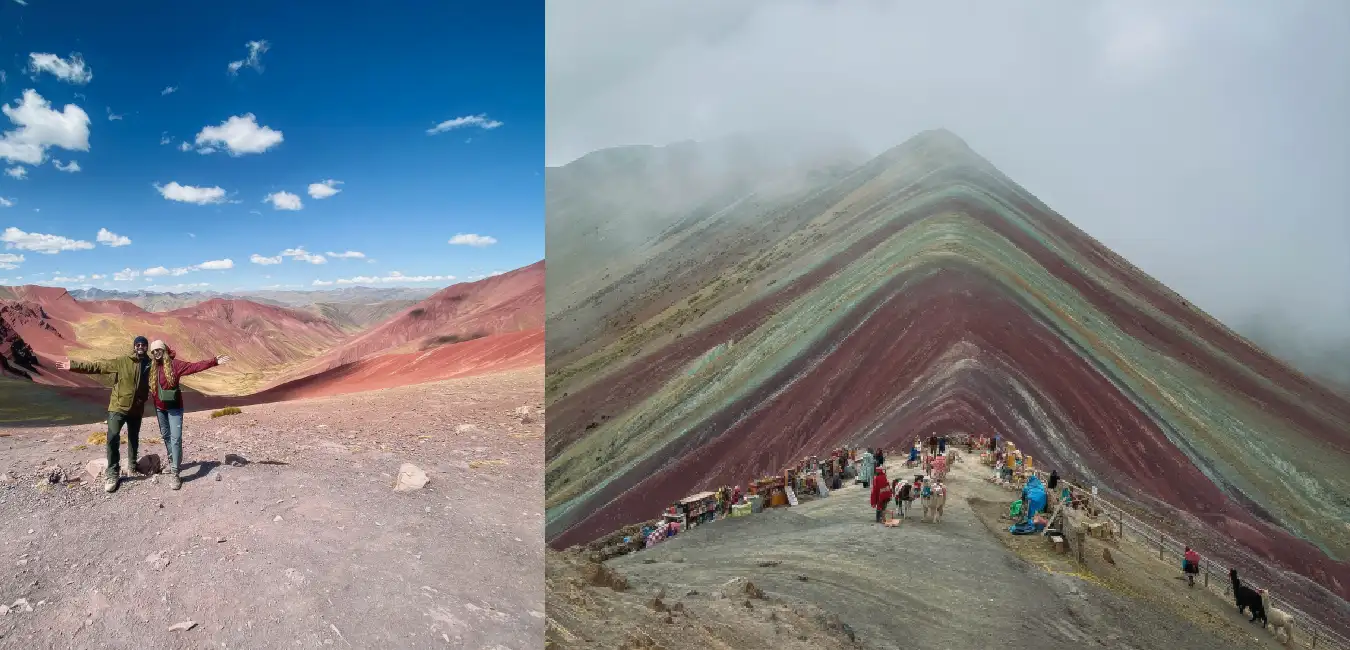
By day five of your one week in Peru, you'll be well acclimatized and ready for one of the most spectacular adventures in the Andes. Today, you can choose between Rainbow Mountain and Humantay Lake—two unforgettable day trips from Cusco.
If you're looking for colorful landscapes and panoramic mountain views, Rainbow Mountain (Vinicunca) is the perfect choice. If you prefer a peaceful hike leading to a stunning turquoise glacial lake, Humantay Lake is an excellent alternative. Both tours start early in the morning and return to Cusco in the evening.
Which One Should You Choose?
| Feature | Rainbow Mountain | Humantay Lake |
|---|---|---|
| Landscape | Colorful mineral mountain | Turquoise glacial lake |
| Maximum Altitude | 5,200 m (17,060 ft) | 4,200 m (13,780 ft) |
| Difficulty | Moderate to Challenging | Moderate |
| Best For | Adventure seekers | Nature lovers |
| Crowds | Busier | Usually quieter |
Choose Rainbow Mountain if you want to see Peru's famous colorful peaks and don't mind a more challenging hike.
Choose Humantay Lake if you prefer a shorter hike with breathtaking alpine scenery and fewer crowds.
Today's Highlights
- Explore the stunning Peruvian Andes.
- Hike to Rainbow Mountain or Humantay Lake.
- Enjoy incredible mountain landscapes.
- Spot llamas and alpacas along the trail.
- Return to Cusco for your final evening.
What to Pack
- Hiking shoes
- Warm jacket
- Waterproof layer
- Sunscreen and sunglasses
- Reusable water bottle
- Snacks
- Camera
- Cash for optional purchases or horse rentals
Estimated Daily Budget
| Category | Cost |
| Shared Tour | US$30–110 |
| Private Tour | US$120–250 |
| Horse Rental (Optional) | US$25–40 |
| Meals | Usually included |
Estimated total: US$30–100 per person (shared tour)
Can You Ride a Horse?
Yes. At both Rainbow Mountain and Humantay Lake, local residents offer horses to assist visitors with much of the uphill climb.
While horseback riding can reduce physical effort, you'll still need to walk the final section to reach the viewpoints, as horses are not allowed all the way to the top.
Travel Tips
Eat a light breakfast before the hike.
Walk at a steady pace and stay hydrated.
Wear layers, as mountain weather can change quickly.
Use sunscreen—the UV rays are much stronger at high altitude.
Stay on marked trails and respect the natural environment.
Day 6 – Discover the Best of Cusco at Your Own Pace
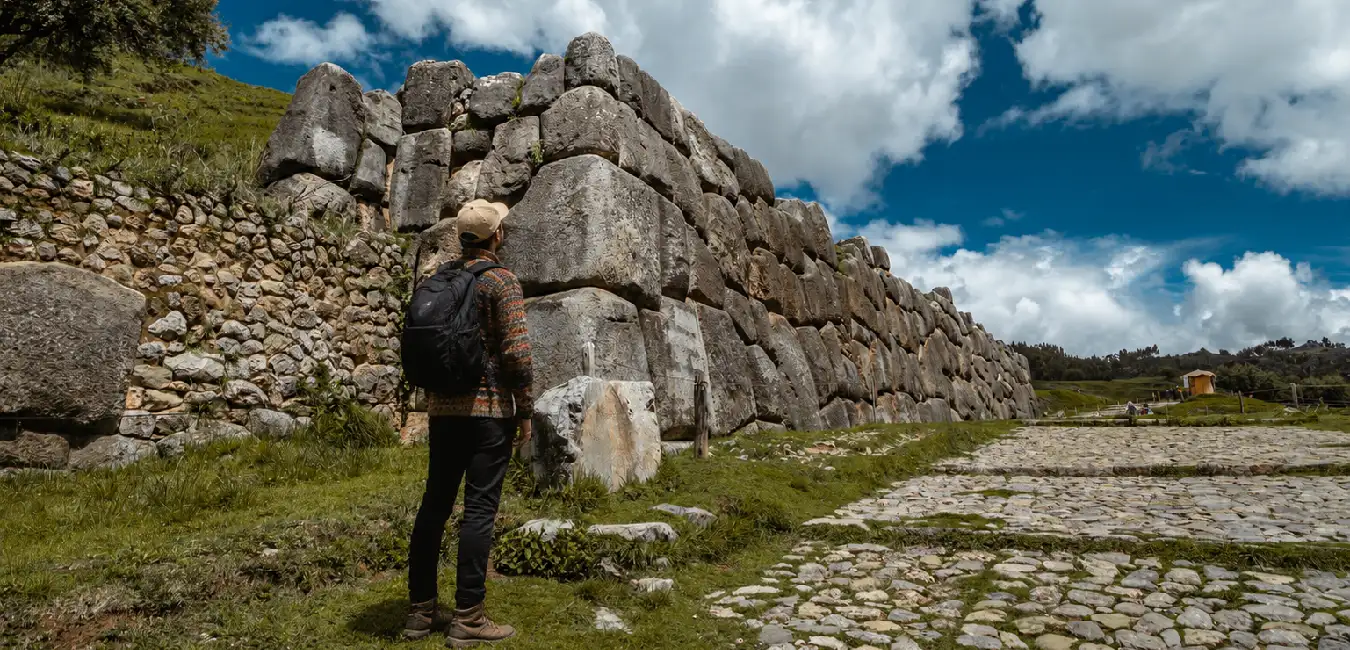
After several days of adventure, spend your final full day discovering Cusco at a slower pace. Beyond being the gateway to Machu Picchu, this UNESCO World Heritage city is one of Peru's greatest cultural treasures, where Inca heritage and Spanish colonial architecture blend beautifully.
Start your morning at Sacsayhuamán, an impressive Inca archaeological site overlooking the city. Its enormous stone walls and panoramic views make it one of Cusco's most remarkable landmarks. If time allows, continue to the nearby sites of Q'enqo, Puka Pukara, and Tambomachay, all located just a few minutes away.
In the afternoon, wander through the charming streets of San Blas, browse local artisan shops, or visit San Pedro Market to sample traditional Andean snacks and shop for handmade souvenirs. If you missed it earlier in your trip, Qorikancha (Temple of the Sun) is also well worth a visit.
Finish your day with a relaxing dinner overlooking Plaza de Armas and enjoy one last evening soaking up Cusco's unique atmosphere before continuing your journey.
Today's Highlights
- Visit the impressive fortress of Sacsayhuamán.
- Explore Q'enqo, Puka Pukara, and Tambomachay.
- Stroll through the San Blas neighborhood.
- Experience local life at San Pedro Market.
- Enjoy your final evening in Cusco.
Where to Eat
| Restaurant | Best For |
|---|---|
| MAP Café | Fine dining |
| Pachapapa | Traditional Andean cuisine |
| Uchu Peruvian Steakhouse | Grilled meats and Peruvian specialties |
| Organika | Healthy dishes made with local ingredients |
| Jack's Café | Breakfast and casual dining |
Estimated Daily Budget
| Category | Cost |
| Attractions | Varies (Tourist Ticket) |
| Meals | US$20–70 |
| Local Transportation | US$5–15 |
| Souvenirs | Optional |
Estimated total: US$40–120 per person
Travel Tips
- Wear comfortable walking shoes for Cusco's cobblestone streets.
- Visit popular attractions early to avoid the crowds.
- Carry small bills if shopping at local markets.
- If buying alpaca products, look for certified alpaca wool for the best quality.
- Leave some free time to simply enjoy the city's cafés, plazas, and historic streets.
Responsible Trekking Tip: Before leaving Cusco, support local artisans and family-owned businesses whenever possible. Every purchase helps preserve the city's traditions and contributes to sustainable tourism in the region.
Day 7 – Return to Lima and End Your One Week in Peru
Your one week in Peru comes to an end with a morning flight from Cusco back to Lima, where most international travelers catch their flights home.
If your schedule allows, make the most of your final hours by taking a walk through Miraflores, shopping for last-minute souvenirs, or enjoying one last Peruvian meal overlooking the Pacific Ocean. It's the perfect opportunity to savor favorites like ceviche, lomo saltado, or a traditional Peruvian coffee before heading to the airport.
Although your journey is ending, you've experienced some of Peru's most iconic destinations—from the historic streets of Lima and the cultural heart of Cusco to the breathtaking Sacred Valley and the unforgettable Machu Picchu.
For many travelers, one visit is never enough. Whether you return for the Inca Trail, Lake Titicaca, the Amazon Rainforest, or Colca Canyon, Peru always has more to discover.
Today's Highlights
- Fly from Cusco to Lima.
- Enjoy your final Peruvian meal.
- Shop for last-minute souvenirs.
- Depart with unforgettable memories of Peru.
Estimated Daily Budget
| Category | Cost |
| Domestic Flight | US$50–150 |
| Meals | US$15–40 |
| Airport Transportation | US$10–20 |
| Souvenirs | Optional |
Estimated total: US$75–210 per person
Travel Tips
Arrive at Lima Airport at least 2–3 hours before your international flight.
Keep your passport and travel documents easily accessible.
Pack any souvenirs carefully, especially ceramics or food products.
Double-check your baggage allowance before flying.
Alternative One Week Peru Itineraries
Not every traveler has the same interests, budget, or travel style. While the itinerary above is ideal for most first-time visitors, Peru offers plenty of opportunities to customize your trip based on what you enjoy most.
Whether you're looking for adventure, luxury, cultural immersion, or a more affordable experience, here are some alternative ways to spend one week in Peru.
Adventure Itinerary
If hiking, mountain scenery, and outdoor activities are at the top of your travel list, consider replacing some city sightseeing with more time in the Andes.
Suggested Route
- Day 1, Lima
- Day 2, Cusco
- Day 3, Sacred Valley
- Day 4, Machu Picchu
- Day 5, Humantay Lake
- Day 6, Rainbow Mountain
- Day 7, Return to Lima
This itinerary is physically more demanding but rewards travelers with some of Peru's most spectacular mountain landscapes.
It is best suited for active travelers who enjoy hiking and have already acclimatized to Cusco's altitude.
Cultural Itinerary
If you're passionate about history, archaeology, and local traditions, focus your week on Peru's fascinating cultural heritage.
Suggested Route
- Day 1,Lima Historic Center
- Day 2, Cusco
- Day 3, Sacred Valley
- Day 4, Machu Picchu
- Day 5, Museums and archaeological sites
- Day 6, Traditional cooking class and artisan workshops
- Day 7, Lima
This itinerary allows you to spend more time exploring museums, local communities, colonial architecture, and archaeological sites while enjoying authentic cultural experiences.
One Week in Peru with an Amazon Adventure
If you've always dreamed of exploring the Amazon Rainforest, you can still include it in a one-week Peru itinerary. While seven days won't allow you to see every corner of the country, replacing one destination with the Amazon creates a unique combination of ancient culture and extraordinary biodiversity.
The easiest option is to fly from Lima to Puerto Maldonado, the gateway to the southern Peruvian Amazon. From there, a short boat ride takes you to eco-lodges deep within the rainforest, where you'll spend one or two nights surrounded by incredible wildlife.
- Day 1 Arrive in Lima
- Day 2 Fly to Puerto Maldonado & Transfer to the Amazon Lodge
- Day 3 Explore the Amazon Rainforest
- Day 4 Fly to Cusco & Explore the City
- Day 5 Sacred Valley of the Incas
- Day 6 Visit Machu Picchu
- Day 7 Return to Lima & Departure
Best for: Nature lovers, wildlife enthusiasts, and travelers who want to combine the Amazon Rainforest with Peru's most iconic cultural attractions in just one week.This itinerary is perfect for travelers who want to experience both Peru's incredible biodiversity and its rich Inca heritage within a limited timeframe.
Top Amazon Activities
- Canoe trips through rainforest rivers.
- Wildlife observation at clay licks.
- Monkey and macaw spotting.
- Night walks in the jungle.
- Visits to oxbow lakes.
- Canopy towers for birdwatching.
- Indigenous community experiences.
Is the Amazon Worth Visiting in One Week?
If nature and wildlife are among your main travel interests, absolutely.
Although you'll spend less time in Cusco than the classic itinerary, you'll experience two completely different ecosystems in a single trip: the Amazon Rainforest and the Andes Mountains.
Luxury One Week in Peru
Travelers looking for comfort and exclusive experiences can easily upgrade this itinerary.
Some popular luxury additions include:
- Vistadome Observatory Train
- Belmond Hiram Bingham Train
- Five-star hotels
- Private guided tours
- Gourmet restaurants
- Boutique hotels in the Sacred Valley
- Private airport transfers
- Spa experiences
Luxury travelers can expect a significantly more relaxed pace while enjoying some of the finest hospitality in South America.
Family-Friendly Itinerary
Families traveling with children may prefer a slower pace with shorter travel days and activities suitable for all ages.
Good family-friendly options include:
- Lima's Magic Water Circuit.
- The Sacred Valley.
- Machu Picchu.
- Chinchero textile demonstrations.
- Chocolate-making workshops in Cusco.
- Easy walking tours around San Blas.
Avoid scheduling demanding hikes such as Rainbow Mountain unless everyone in the group is comfortable with high-altitude trekking.
Honeymoon Itinerary
Peru has become an increasingly popular honeymoon destination thanks to its spectacular scenery, boutique hotels, and exceptional gastronomy.
Couples may enjoy adding experiences such as:
- Luxury train journeys.
- Romantic dinners overlooking the Sacred Valley.
- Spa treatments.
- Boutique accommodations in Ollantaytambo.
- Sunrise at Machu Picchu.
- Private photography sessions.
The combination of breathtaking landscapes and rich cultural heritage creates an unforgettable romantic getaway.
How Much Does One Week in Peru Cost?
One of the most common questions travelers ask is how much they should budget for a week in Peru.
The answer depends largely on your travel style. Accommodation, transportation, dining preferences, and the types of tours you choose can significantly affect your overall expenses.
The table below provides a realistic estimate for a seven-day trip, excluding international airfare.
| Expense | Budget Traveler | Mid-Range Traveler | Luxury Traveler |
|---|---|---|---|
| Accommodation | US$180–280 | US$500–900 | US$1,500+ |
| Domestic Flights | US$80–180 | US$120–250 | US$300+ |
| Transportation | US$50–100 | US$120–220 | US$250+ |
| Tours & Entrance Fees | US$250–450 | US$450–700 | US$800+ |
| Food & Drinks | US$120–180 | US$250–400 | US$700+ |
| Shopping & Extras | US$50–150 | US$100–250 | Unlimited |
Estimated Total Budget
| Travel Style | Estimated Cost |
| Budget | US$800–1,200 |
| Mid-Range | US$1,500–2,300 |
| Luxury | US$3,500+ |
These estimates assume you're traveling independently or joining small-group tours and include accommodation, transportation within Peru, meals, and the main attractions featured in this itinerary.
Responsible Trekking Tip: While it may be tempting to choose the cheapest option for every service, investing in licensed guides, reputable tour operators, and locally owned accommodations often leads to a safer, more authentic, and more enjoyable travel experience. Responsible travel also helps support local communities and contributes to the preservation of Peru's cultural and natural heritage.
Peru Seasons at a Glance
| Season | Months | Weather | Best For |
| Dry Season | May – September | Sunny days and cool nights | Hiking, Machu Picchu, photography |
| Shoulder Season | April and October | Mild temperatures with occasional rain | Smaller crowds and pleasant weather |
| Rainy Season | November – March | Frequent afternoon showers | Lush landscapes and fewer tourists |
Visiting Peru During the Dry Season (May to September)
Peru is a year-round destination, but the best time to visit depends on your itinerary. For this 7-day Peru itinerary, which includes Lima, Cusco, the Sacred Valley, and Machu Picchu, the dry season offers the best weather, while the shoulder seasons provide a great balance between pleasant conditions and fewer crowds.
Dry Season (May to September)
The dry season is the best time to visit Peru if you plan to explore Machu Picchu, the Sacred Valley, Rainbow Mountain, or Humantay Lake. Expect sunny days, clear mountain views, and excellent hiking conditions. Since this is the busiest travel season, it's important to book flights, hotels, and Machu Picchu tickets well in advance.
Pros
- Clear skies and mountain views
- Excellent hiking conditions
- Minimal rainfall
- Perfect for photography
Things to Consider
- More visitors
- Higher prices
- Advance reservations are essential
Shoulder Season (April & October)
If you prefer fewer crowds without sacrificing good weather, April and October are excellent months to visit. You'll enjoy comfortable temperatures, greener landscapes, and better availability for hotels and tours.
Best for: Couples, luxury travelers, and photographers.
Rainy Season (November to March)
The rainy season brings lush green landscapes and fewer tourists. While showers are more frequent, they usually occur in the afternoon, leaving mornings suitable for sightseeing. Machu Picchu remains open year-round, although the Classic Inca Trail closes every February for maintenance.
Pros
- Fewer crowds
- Lower hotel prices
- Beautiful green scenery
Things to Consider
- Afternoon rain
- Muddy hiking trails
- Weather can change quickly
Best Month for Different Travel Styles
Every traveler has different priorities, so the "best" month depends on what you want to experience.
| Travel Style | Best Months |
|---|---|
| Hiking | May to September |
| Photography | May, June, August |
| Budget Travel | November and March |
| Honeymoon | April, May, September |
| Families | June and July |
| Luxury Travel | April and October |
| Wildlife & Nature | April to October |
Weather by Destination
One of the biggest surprises for first-time visitors is that Peru has several distinct climate zones. Packing for Lima alone is very different from preparing for Cusco or Machu Picchu.
| Destination | Average Day Temperature | Climate |
|---|---|---|
| Lima | 18–28°C (64–82°F) | Coastal desert |
| Cusco | 7–21°C (45–70°F) | Cool mountain climate |
| Sacred Valley | 8–23°C (46–73°F) | Mild Andean climate |
| Machu Picchu | 12–24°C (54–75°F) | Cloud forest |
| Puerto Maldonado | 22–33°C (72–91°F) | Tropical rainforest |
Responsible Trekking Tip: Weather in the Andes can change quickly, even during the dry season. Always carry a lightweight waterproof jacket, sunscreen, and a reusable water bottle. Being prepared for changing conditions will make your trip much more comfortable.
Essential Packing List for One Week in Peru
Packing for one week in Peru is simple if you plan for different climates. During this itinerary, you'll travel from the coast of Lima to the Andes around Cusco, the Sacred Valley, and Machu Picchu, where temperatures can change throughout the day. Packing lightweight layers is the best approach.
Packing Checklist
Category | What to Pack |
|---|---|
| Clothing | T-shirts, long-sleeve shirts, hiking pants, casual pants or shorts, fleece jacket, waterproof jacket |
| Footwear | Walking shoes, hiking boots (optional), sandals |
| Essentials | Passport, travel documents, cards, Peruvian soles, insurance, reusable water bottle, daypack |
| Electronics | Phone, charger, power bank, travel adapter, camera (optional) |
| Toiletries | Sunscreen, insect repellent, lip balm, medications, hand sanitizer |
| Optional Gear | Trekking poles, dry bag, binoculars, travel pillow, e-reader |
Where to Stay During Your One Week in Peru
Hotels in Lima
Best Areas
Miraflores – Best for first-time visitors, restaurants, shopping, and ocean views.
Barranco – Ideal for boutique hotels, art, cafés, and nightlife.
| Budget | Mid-Range | Luxury |
|---|---|---|
| Pariwana Hostel | Casa Andina Select | Miraflores Park, A Belmond Hotel |
| Selina Miraflores | Innside by Meliá | JW Marriott Lima |
| Black Llama Hostel | Tierra Viva Miraflores | Hilton Lima Miraflores |
Recommended Stay: 1 Night
Hotels in Cusco
Best Areas
Historic Center – Perfect for walking to major attractions.
San Blas – A quieter neighborhood with cafés, galleries, and beautiful streets.
| Budget | Mid-Range | Luxury |
|---|---|---|
| Kokopelli Hostel | Sonesta Hotel Cusco | Palacio del Inka |
| Viajero Cusco | Casa Andina Premium | Belmond Hotel Monasterio |
| Pariwana Cusco | Novotel Cusco | JW Marriott El Convento |
Recommended Stay: 3–4 Nights
Hotels in Ollantaytambo
Staying overnight here makes your visit to Machu Picchu much more relaxed and reduces travel time on the following morning.
| Budget | Mid-Range | Luxury |
|---|---|---|
| Las Portadas | Apu Lodge | El Albergue |
| Hostel Andenes | Sol Natura Hotel | Tierra Viva Ollantaytambo |
Recommended Stay: 1 Night
Aguas Calientes (Optional)
An excellent choice if you want extra time in Machu Picchu or have an early entrance ticket.
| Budget | Mid-Range | Luxury |
|---|---|---|
| Panorama B&B | El MaPi by Inkaterra | Sumaq Machu Picchu Hotel |
| Supertramp Hostel | Tierra Viva Machu Picchu | Inkaterra Machu Picchu Pueblo Hotel |
Recommended Stay: Optional 1 Night
Hotel Budget Comparison
| Destination | Budget | Mid-Range | Luxury |
|---|---|---|---|
| Lima | US$20–50 | US$80–180 | US$300+ |
| Cusco | US$20–45 | US$70–170 | US$350+ |
| Ollantaytambo | US$25–50 | US$80–160 | US$250+ |
| Aguas Calientes | US$30–60 | US$90–180 | US$400+ |
Getting Around Peru
Traveling around Peru is easier than many first-time visitors expect. For this one-week Peru itinerary, you'll use a combination of domestic flights, trains, and short road transfers to move efficiently between destinations.
Domestic Flights
The fastest way to travel between Lima and Cusco is by plane. Flights take about 1 hour and 20 minutes, with several departures available daily. For the best prices, book your tickets 2–3 months in advance.
Trains to Machu Picchu
All trains to Machu Picchu depart from Ollantaytambo (or Poroy during seasonal operations).
Popular Train Options
- Expedition
- Vistadome
- Vistadome Observatory
- Hiram Bingham Luxury Train
Each offers different levels of comfort, panoramic views, and onboard services.
Local Transportation
Taxis and ride-hailing apps are widely available in Lima and Cusco. If you use a traditional taxi, agree on the fare before your trip.
Many destinations—including Cusco's Historic Center, San Blas, Miraflores, Barranco, and Ollantaytambo—are best explored on foot.
Estimated Transportation Costs
| Transportation | Average Cost |
|---|---|
| Lima → Cusco Flight | US$50–150 |
| Train to Machu Picchu | US$70–250 (one way) |
| Taxi in Cusco | US$3–8 |
| Airport Transfer | US$10–20 |
| Sacred Valley Tour | US$40–90 |
| Rainbow Mountain Tour | US$30–60 |
Transportation Tips
Book domestic flights early for the lowest fares.
Reserve Machu Picchu train tickets as soon as your itinerary is confirmed.
Allow extra time when connecting flights and trains.
Carry your passport when traveling between destinations.
Download offline maps before your trip.
Keep small amounts of Peruvian soles for taxis and local purchases.
Essential Travel Tips for First-Time Visitors to Peru
A little preparation goes a long way. These practical tips will help you stay safe, travel smarter, and make the most of your one week in Peru.
Acclimatize to the Altitude
Cusco sits at 3,399 m (11,152 ft) above sea level, so give your body time to adjust before tackling high-altitude hikes.
To help prevent altitude sickness:
- Drink plenty of water.
- Avoid alcohol on your first day.
- Eat light meals.
- Walk at a comfortable pace.
- Save Rainbow Mountain or Humantay Lake for later in your trip.
Book Machu Picchu Early
Visitor numbers are limited, and tickets can sell out months in advance—especially during the dry season.
Book in advance:
- Machu Picchu entrance ticket
- Train tickets
- Guided tour
- Huayna Picchu or Machu Picchu Mountain (optional)
Carry Cash & Cards
Most hotels and restaurants accept credit cards, but small businesses often prefer cash.
Carry Peruvian soles (PEN) for:
- Local transportation
- Markets
- Tips
- Snacks
- Small purchases
Stay Connected
Wi-Fi is widely available in Lima, Cusco, and other tourist destinations. For reliable internet throughout your trip, consider buying a local SIM card or eSIM.
Useful for:
- Maps
- Translation apps
- Digital tickets
- Ride-hailing apps
Where to Exchange Money in Peru
Although credit cards are accepted in many hotels and restaurants, carrying some local currency is still recommended during your trip.
The official currency is the Peruvian Sol (PEN).
Best Places to Exchange Currency
Exchange Houses (Casas de Cambio)
Exchange offices usually offer the most competitive rates, especially in:
- Miraflores (Lima)
- Avenida El Sol (Cusco)
Always compare rates before making a transaction.
Banks
Major banks provide reliable exchange services, although rates may be slightly less favorable than specialized exchange offices.
ATMs
ATMs are widely available throughout Peru.
To minimize fees:
- Withdraw larger amounts less frequently.
- Choose ATMs located inside banks or shopping centers.
- Notify your bank before traveling.
Should You Bring US Dollars?
Yes.US dollars are widely accepted for exchange throughout Peru, and many hotels and tour operators also quote prices in USD.
Bring clean, undamaged bills, as torn or heavily worn notes may not be accepted.
Should You Carry Cash?
Yes, but not too much.
A good daily amount is usually enough for:
- Local markets
- Taxis
- Tips
- Snacks
- Small restaurants
- Souvenirs
Most larger establishments accept Visa and Mastercard.
Best Cooking Classes in Cusco
One of the most enjoyable cultural experiences in Cusco is learning to prepare traditional Peruvian dishes.
Many cooking classes begin with a guided visit to San Pedro Market, where participants discover local ingredients before preparing classic recipes under the guidance of experienced chefs.
It's an excellent way to gain a deeper understanding of Peru's culinary traditions while enjoying a hands-on activity.
Who Should Join a Cooking Class?
Cooking classes are ideal for:
- Couples
- Families
- Solo travelers
- Food enthusiasts
- Cultural travelers
No previous cooking experience is necessary.
Why Take a Cooking Class?
Beyond learning new recipes, cooking classes provide valuable insight into Peru's culture, agriculture, and culinary heritage.
You'll discover native ingredients such as quinoa, purple corn, ají peppers, potatoes, and aromatic herbs while hearing stories about their importance in Peruvian cuisine.
For many travelers, it's one of the most memorable experiences of the trip—and one they can recreate at home long after returning.
Frequently Asked Questions About Spending One Week in Peru
Planning your first trip to Peru often comes with plenty of questions. Below are answers to some of the most common concerns travelers have before visiting the country.
Is one week enough to visit Peru?
Yes. One week is enough to experience Peru's most famous destinations if you plan your route carefully.
A seven-day itinerary allows you to explore Lima, Cusco, the Sacred Valley, and Machu Picchu while enjoying Peru's rich culture, incredible food, and spectacular mountain landscapes. Although you'll miss destinations like Lake Titicaca, Arequipa, or the Amazon Rainforest, you'll still experience the country's most iconic highlights.
What is the best itinerary for one week in Peru?
For first-time visitors, the most balanced route is:
- Day 1 – Lima
- Day 2 – Cusco
- Day 3 – Sacred Valley
- Day 4 – Machu Picchu
- Day 5 – Rainbow Mountain or Humantay Lake
- Day 6 – Explore Cusco
- Day 7 – Return to Lima
This itinerary minimizes travel time while including Peru's most important attractions.
Can I visit Machu Picchu in one week?
Absolutely. Machu Picchu is the highlight of most one-week Peru itineraries and can easily be included alongside Lima, Cusco, and the Sacred Valley. Booking your entrance tickets and train several months in advance is strongly recommended, particularly during the dry season.
Should I stay overnight in Ollantaytambo?
Yes, if your schedule allows.
Spending the night in Ollantaytambo gives you a more relaxed journey to Machu Picchu, reduces early-morning travel, and allows you to enjoy one of Peru's best-preserved Inca towns after most day visitors have left.
Is Cusco safe for tourists?
Yes.Cusco is considered one of Peru's safest tourist destinations. As in any popular city, stay aware of your surroundings, keep valuables secure, and use licensed taxis or trusted transportation services, especially at night.
Do I need travel insurance?
Although not mandatory for most visitors, comprehensive travel insurance is highly recommended.
A good policy should cover:
- Medical emergencies
- Trip cancellations
- Lost luggage
- Flight delays
- Adventure activities, if applicable
Travel insurance provides peace of mind and can save significant expenses in unexpected situations.
How much money should I budget for one week in Peru?
The cost depends on your travel style.
Budget travelers typically spend US$800–1,200, while mid-range travelers should expect US$1,500–2,300. Luxury vacations can easily exceed US$3,500, especially when including premium trains, five-star hotels, and private tours.
Is Peru expensive?
Compared to many destinations in North America and Europe, Peru offers excellent value for money.
Accommodation, dining, transportation, and guided tours are available across a wide range of budgets, making the country suitable for backpackers, families, couples, and luxury travelers alike.
What is the best month to visit Peru?
For this itinerary, the best months are May through September, when dry weather provides ideal conditions for sightseeing and hiking.Travelers seeking fewer crowds often prefer April or October, which combine pleasant weather with greater availability and lower prices.
Do I need to acclimatize before visiting Machu Picchu?
Most travelers benefit from spending at least one day in Cusco before exploring higher-altitude destinations.
While Machu Picchu itself sits at a lower elevation than Cusco, acclimatizing first helps your body adjust and makes activities such as Rainbow Mountain or Humantay Lake much more comfortable later in the trip.
What should I buy as a souvenir?
Some of the most popular souvenirs include:
- Alpaca wool clothing
- Handmade textiles
- Silver jewelry
- Ceramic crafts
- Peruvian coffee
- Organic chocolate
- Gourmet Andean salt from Maras
- Traditional musical instruments
Purchasing directly from local artisans helps support community businesses and preserves traditional craftsmanship.
Is tap water safe to drink?
It is generally recommended that visitors drink bottled, filtered, or purified water throughout their trip.
Many hotels provide filtered drinking water, and carrying a reusable bottle that can be refilled is both convenient and environmentally friendly.
How far in advance should I plan my trip?
For travel during the dry season or around major holidays, planning three to six months in advance is ideal.
This gives you the best chance of securing Machu Picchu tickets, train reservations, preferred hotels, and domestic flights at competitive prices.