
Before deciding the perfect Peru itinerary starts with one simple question: how many days do you have?
With 5 days, focus on Cusco, the Sacred Valley, Machu Picchu and Rainbow Mountain. With 7 to 10 days, you can add Lima, Rainbow Mountain, Lake Titicaca or the Amazon in Tambopata. If you have 2 to 3 weeks, your Peru travel itinerary can start in Lima, Huacachina, Nazca and continue through Colca Canyon and Arequipa or include several days in the Amazon rainforest.
After more than 10 years of traveling across Peru and arranging trips for international travelers, we have learned that the best Peru itinerary is not the one that visits the most places. Instead, a well-planned route connects destinations in the right order, considers altitude to avoid altitude sickness, and also avoids spending half of your vacation in airports, train stations, or on overnight buses.
In this guide, we compare Peru itineraries from 5 days to 3 weeks and explain which route works best for your travel time, interests, and first trip to Peru.
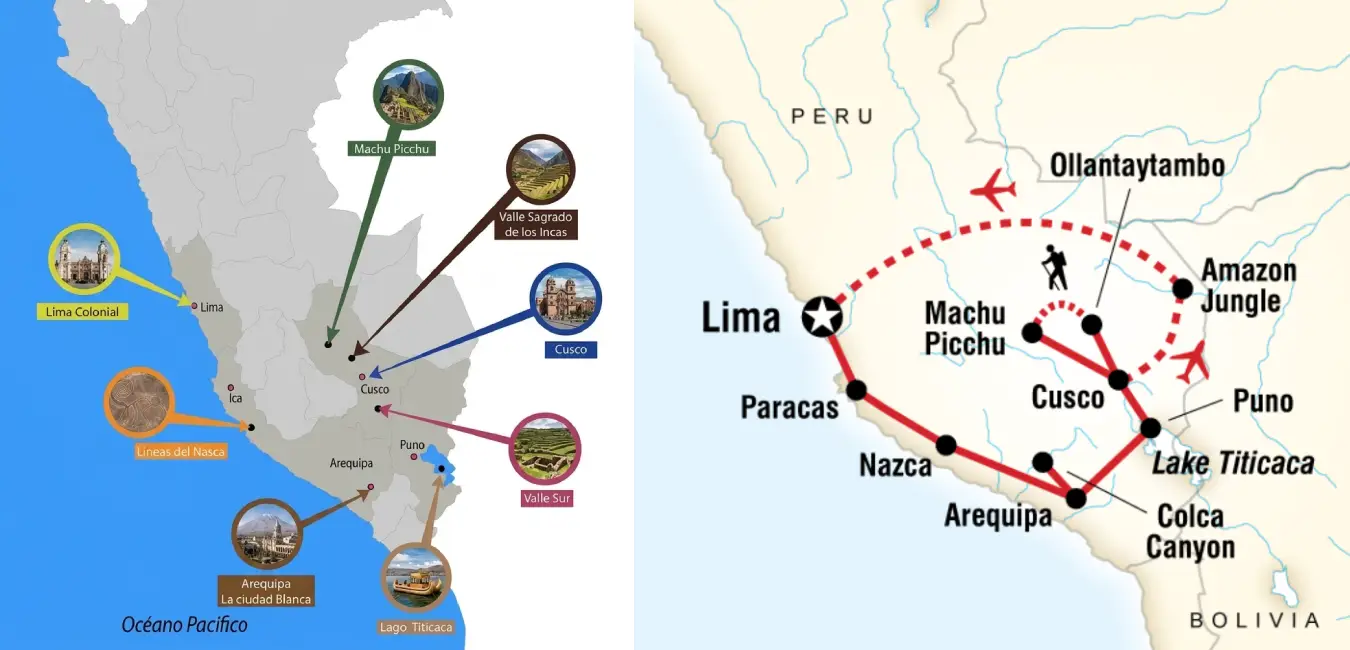
How Many Days Do You Need in Peru?
For a first trip to Peru, we recommend spending at least 10 days in the country. This gives you enough time to visit Lima, Cusco, the Sacred Valley, and Machu Picchu while still leaving room for another destination like Arequipa, Puno, or the Amazon.
However, there is no single perfect number of days.
Time in Peru | Best for | Recommended route |
|---|---|---|
| 5 days | Short first trip Just in Cusco Region | Cusco – Sacred Valley – Machu Picchu- Rainbow Mountain |
| 7 days | Classic Peru highlights | Lima – Cusco – Sacred Valley – Machu Picchu- Rainbow Mountain |
| 10 days | First-time visitors | Lima – Cusco – Sacred Valley – Machu Picchu – Rainbow Mountain – Lake Titicaca or the Amazon |
| 12 days | More time in the Andes | Lima – Cusco – Sacred Valley – Machu Picchu – Puno – Colca |
| 2 weeks | Complete southern Peru route | Lima – Paracas- Nasca – Arequipa – Colca – Titicaca – Cusco – Machu Picchu - Rainbow Mountain |
| 3 weeks | Complete Peru experience | Lima – Amazon – Cusco – Sacred Valley – Machu Picchu – Titicaca – Colca – Arequipa - Amazon |
Seven days can work if Machu Picchu is your main priority and mixing maybe with the Amazon or Lima region. Nevertheless, 10 days is our favorite starting point for first-time visitors because it allows you to combine Peru's archaeological sites, Andean landscapes, and local culture.
Meanwhile, two weeks gives you enough time to explore and enjoy southern Peru at a more comfortable pace.
Finally, within three weeks, your Peru trip itinerary can include the Amazon rainforest without sacrificing the classic Andean route.
Best Peru Itinerary by Trip Length
The number of days you have will completely change the route we recommend.
Below, we have proposals of several Peru travel itineraries based on the amount of time available.
5-Day Peru Itinerary: Machu Picchu and the Sacred Valley
The itinerary you will experience on this 5-day tour of Cusco, the Sacred Valley, and Machu Picchu and return to Cusco
This itinerary is the best and suite for the travelers with limited vacation time whose main goal is visiting Machu Picchu.
Day 1: Arrival in Cusco and transfer to the Sacred Valley
Arrive in Cusco and you can go directly to the Sacred Valley to acclimatize, Although many travelers automatically book their first night hotel in Cusco, we often recommend heading to the Sacred Valley first because it is lower. Places such as Urubamba and Ollantaytambo are best places to acclimatize due the lower elevation than Cusco and can provide a gentler introduction to the Andes.
Use your first afternoon to rest, drink plenty of water, and enjoy the mountain scenery.
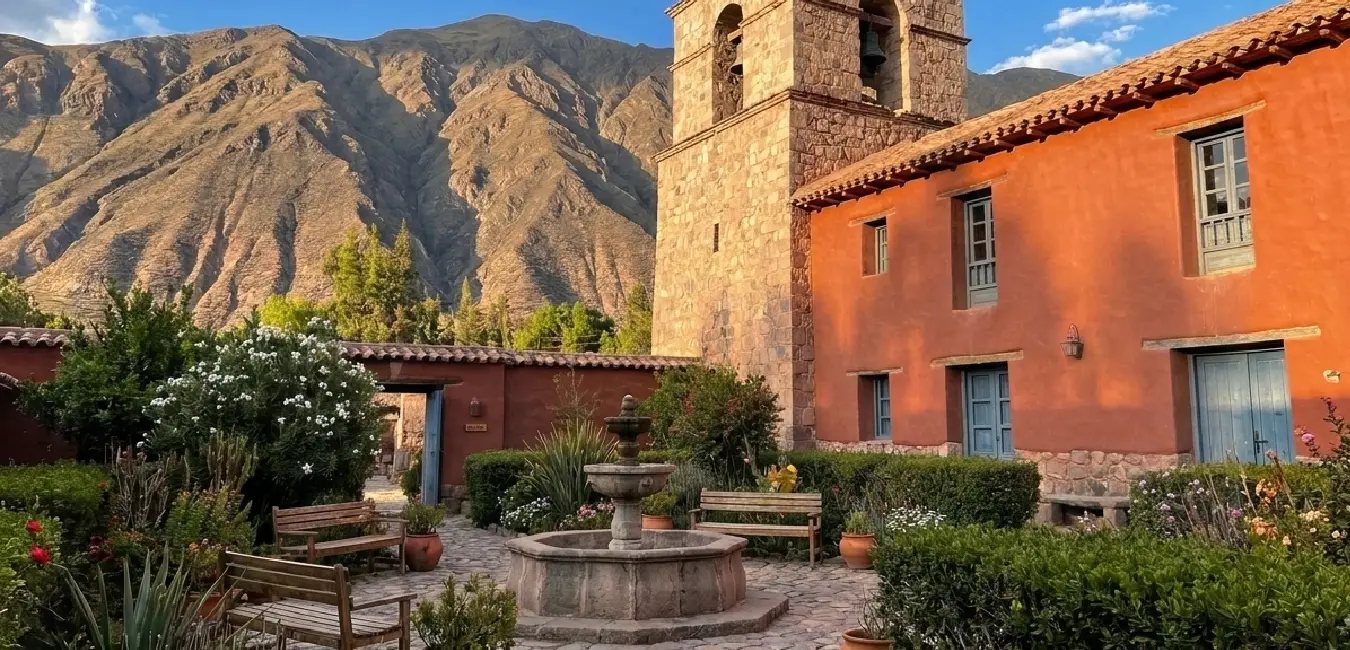
Where to stay in the Sacred Valley: You will find plenty of great options depending on where you want to stay.
Urubamba: Sonesta Hotel and Casa Andina Premium are great options, while Tambo del Inka and Rio Sagrado offer a more luxurious stay.
Ollantaytambo: Tunupa Lodge, El Albergue Ollantaytambo, and Tierra Viva are convenient options for staying close to the train station and the historic town.
Day 2: Sacred Valley , Pisac, Maras, Moray, and Ollantaytambo
Spend the day exploring some of the most important places and local communities in the Sacred Valley.
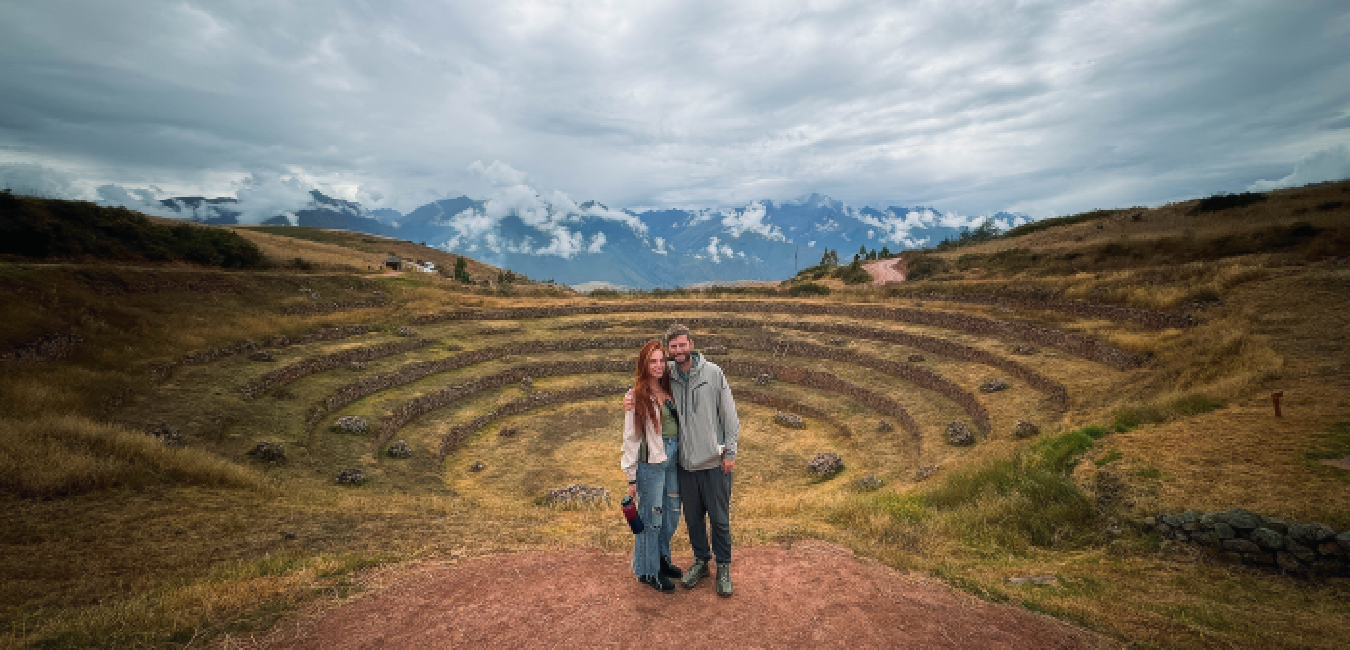
Start with Pisac before continuing toward the circular agricultural terraces of Moray and the Maras salt mines. Later, you can go to Ollantaytambo, where massive Inca terraces rise above one of the best-preserved historic towns in the valley. In the afternoon you can take the train and spend the night in Aguas Calientes.
Where to stay in Aguas Calientes: You'll find plenty of options for different budgets and travel styles.
3-star hotels: Machu Picchu Adventure House, Casa Andina, Ferre Machu Picchu or similar
4-star hotels: El MaPi by Inkaterra, Tierra Viva or Casa del Sol Machupicchu
Luxury: Sumaq Machu Picchu Hotel or Inkaterra Machu Picchu Pueblo Hotel
Day 3: Machu Picchu and return to Cusco
Take the train from Ollantaytambo toward Machu Picchu Pueblo, also known as Aguas Calientes.
From there, continue by bus to Machu Picchu.The circuit and entrance time on your ticket will determine your route through the archaeological site. Therefore, we strongly recommend planning your Machu Picchu visit before booking the rest of your Peru vacation.
After your visit, return to Aguas Calientes or travel back toward Cusco.
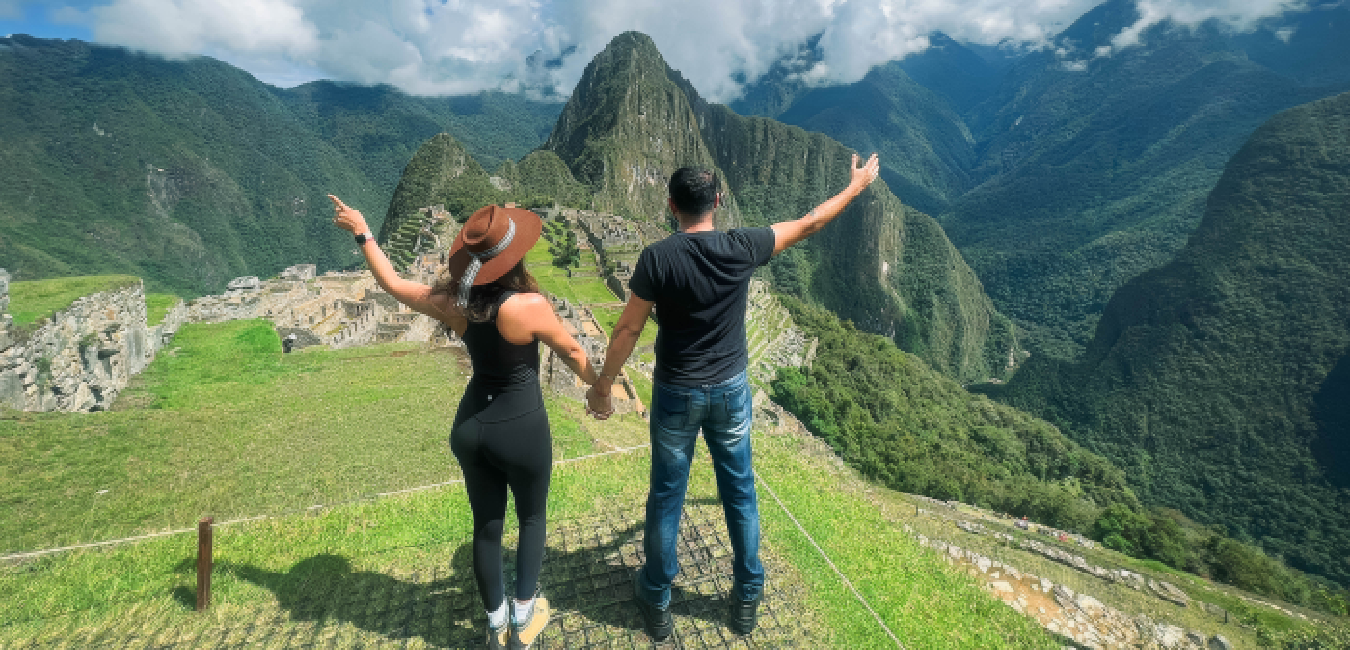
Some important tips about the Machu Picchu Visit
Get in line early around 4:30 am. If you're hoping to catch the sunrise at Machu Picchu, get to the bus line as early as possible. The first buses fill up quickly, and by 4:30 a.m., you may already find plenty of travelers waiting. Try to catch one of the first buses up the mountain so you have enough time to reach the entrance before sunrise.
There are no restrooms inside Machu Picchu citadel. The only facilities are located near the main entrance, so make sure to use them before entering the citadel, especially if you have a longer circuit.
Take your time at the viewpoints before heading down into the ruins. Machu Picchu follows designated circuits designed by the Ministry of Culture, and once you move forward, you generally can't go back to earlier sections. Enjoy the views, take your photos, and only continue when you're ready.
Day 4: Cusco City Tour
Explore Cusco City and its most important archaeological sites in the city and nearby.Walk through the historic center before visiting places such as Qorikancha, Saqsayhuaman, Qenqo, Puka Pukara, and Tambomachay.In the evening, explore San Blas or enjoy dinner near the Plaza de Armas.
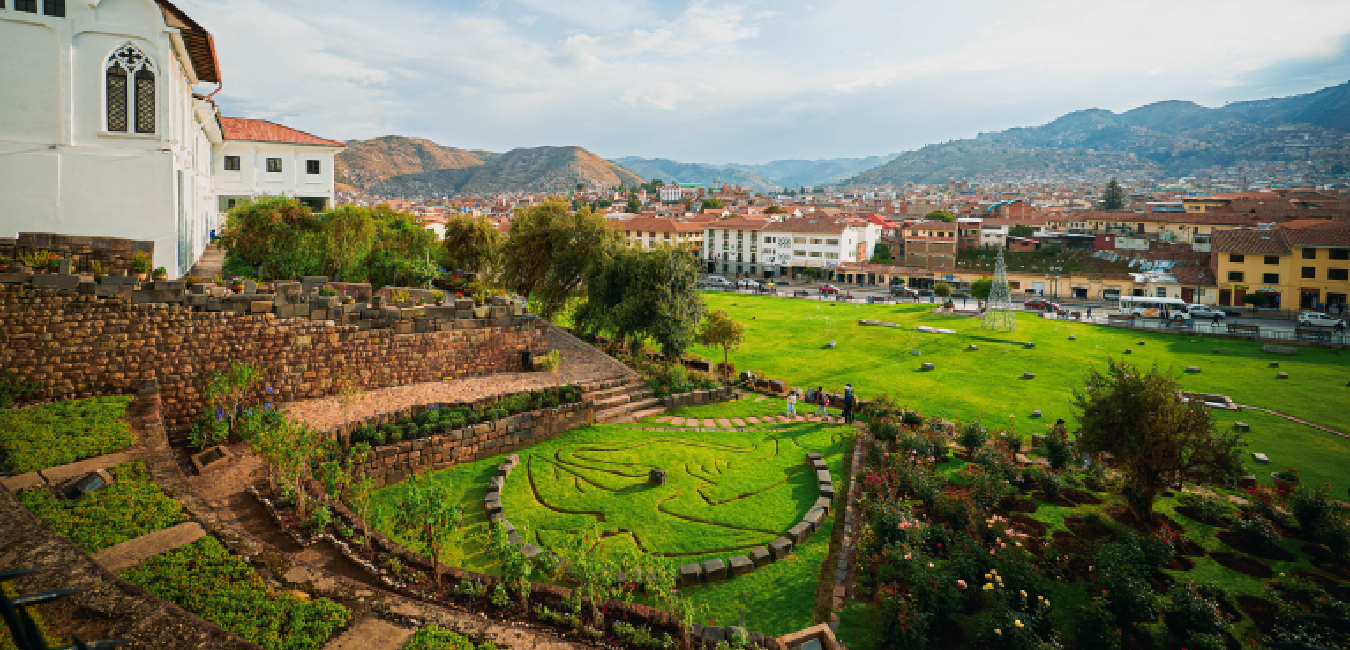
Where to stay in Cusco: The Historic Center is the most convenient area for a first visit, with plenty of hotels within walking distance of the Plaza de Armas.
3-star hotels: San Agustin Internacional, Maytaq Wasin, Munay Wasi, Tierra Viva
4-star hotels: Costa del Sol Wyndham Cusco, Sonesta or Novotel Cusco
Luxury: JW Marriott El Convento Cusco or Palacio del Inka
Day 5: Departure from Cusco
Depending on your flight schedule, enjoy a final morning in Cusco before transferring to the airport.
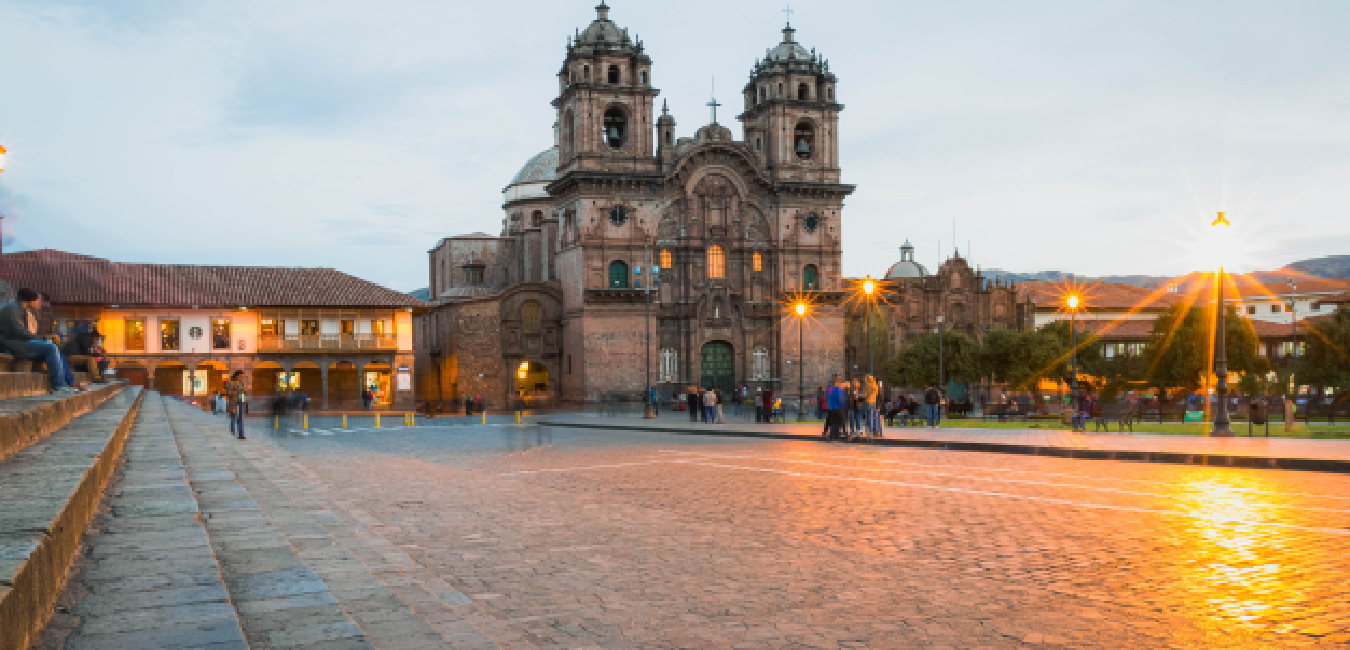
Is 5 days enough for Peru?
Five days is short, but sometimes some travelers have limited days in Peru and Cusco and it can work if Machu Picchu is your priority. However, we would not recommend adding Rainbow Mountain, Lake Titicaca, or Arequipa to this itinerary. Trying to visit too much will turn your vacation into a series of transfers.
7-Day Peru Itinerary: The Classic First Trip
Best for: First time travelers with one week in Peru.
This is the route you'll follow on this 7-day trip, from Lima to Cusco and through the Sacred Valley to Machu Picchu.
Day 1: Arrival in Lima
Welcome to Peru, Depending on your arrival time,you can take a travel company or uber or local taxi to transfer to your hotel and spend the rest of the day exploring Miraflores or Barranco.
If you arrive early, try your first Peruvian ceviche, walk along the Pacific coast, or visit the historic streets of Barranco.
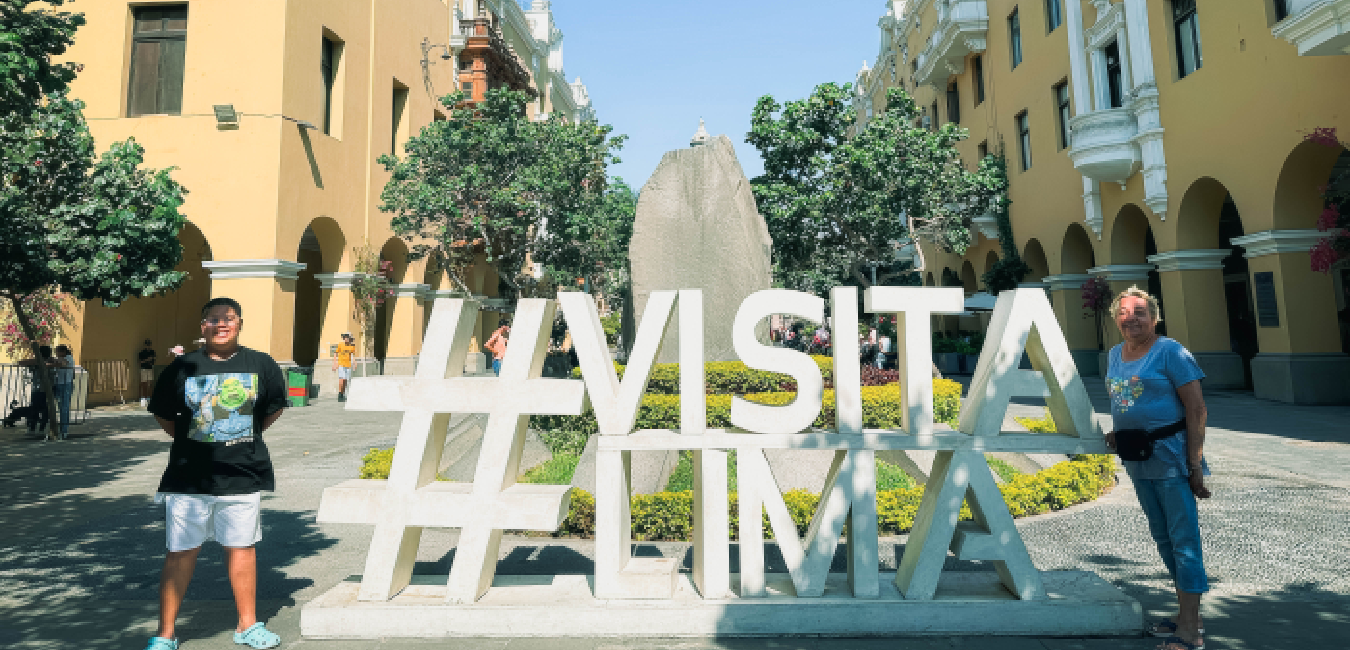
Where to stay in Lima: For a first trip, Miraflores is the easiest and most convenient area to stay, while Barranco is a great choice if you prefer a more artistic and relaxed atmosphere.
3-star hotels: Centro by Casa Andina, ibis Lima Larco, Dazzler, Hábitat, Tara Boutique
4-star hotels: Casa Andina Premium Miraflores or Pullman Lima Miraflores
Luxury: Miraflores Park, A Belmond Hotel, Costa del Sol
Day 2: Lima City Tour – Flight to Cusco
Explore Lima's historic center before flying to Cusco, Visit the Plaza Mayor, colonial streets, and one of the city's historic religious complexes, San Francisco. Afterward, transfer to the airport for your flight to Cusco.
Once in the Andes, keep the evening relaxed.
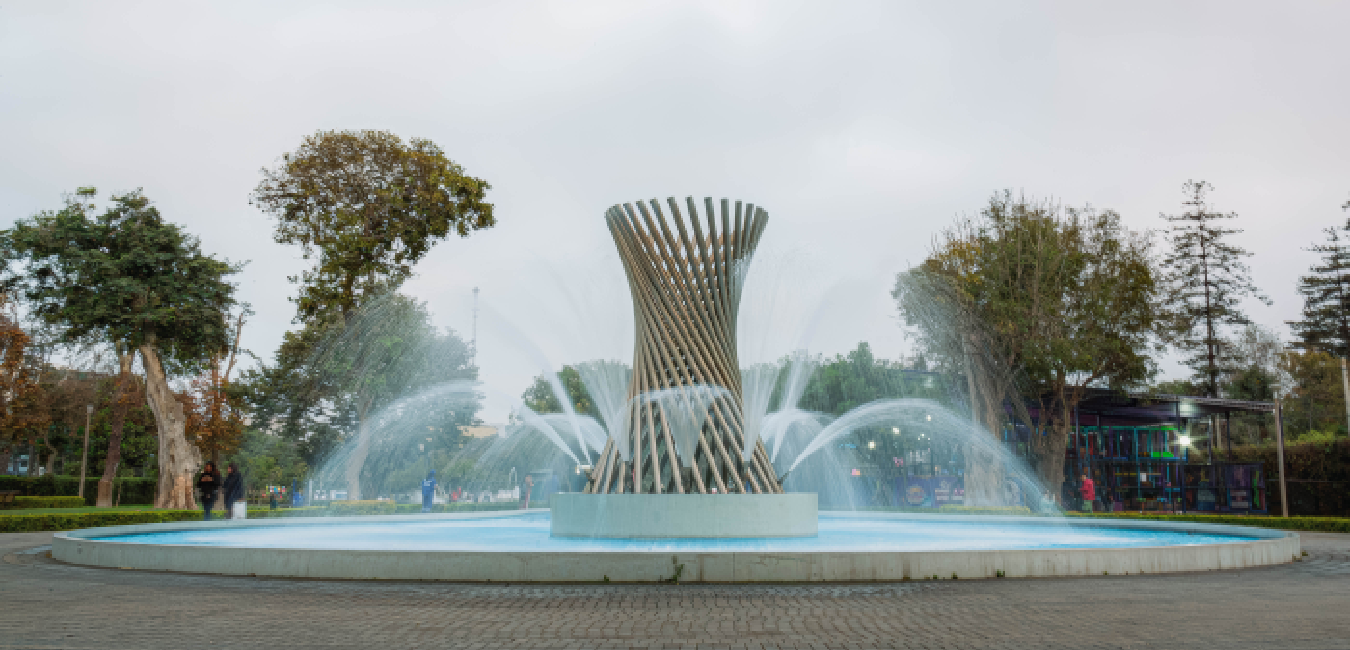
Day 3: Cusco City Tour
The tour generally starts at 9:00 am and 1:00 pm, also you can spend your morning exploring Cusco at a comfortable pace. Later, visit Qorikancha and the archaeological sites surrounding the city, including Sacsayhuaman.
Avoid scheduling a demanding hike on this day. Your body is still adjusting to the elevation.
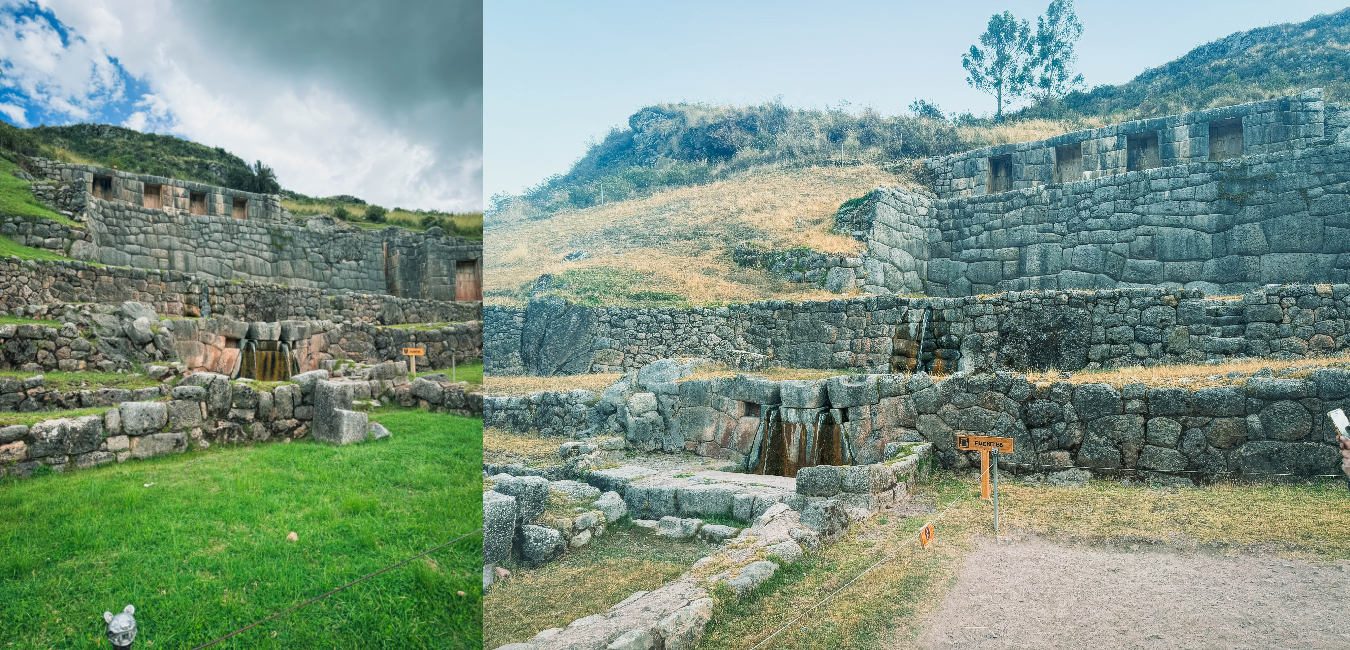
Day 4: Sacred Valley Tour
Travel through the Sacred Valley and visit local communities like Pisac, Maras, Moray, and finishing in Ollantaytambo. The route combines archaeological sites, agricultural landscapes, and traditional Andean towns.
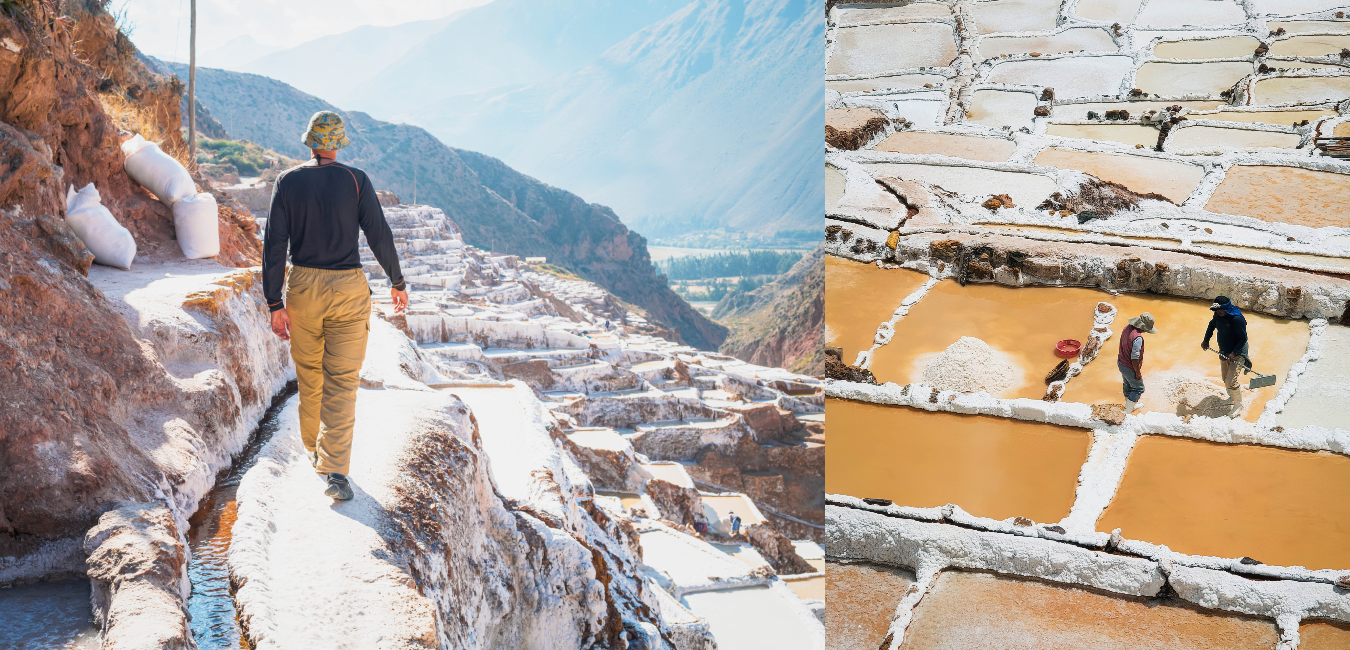
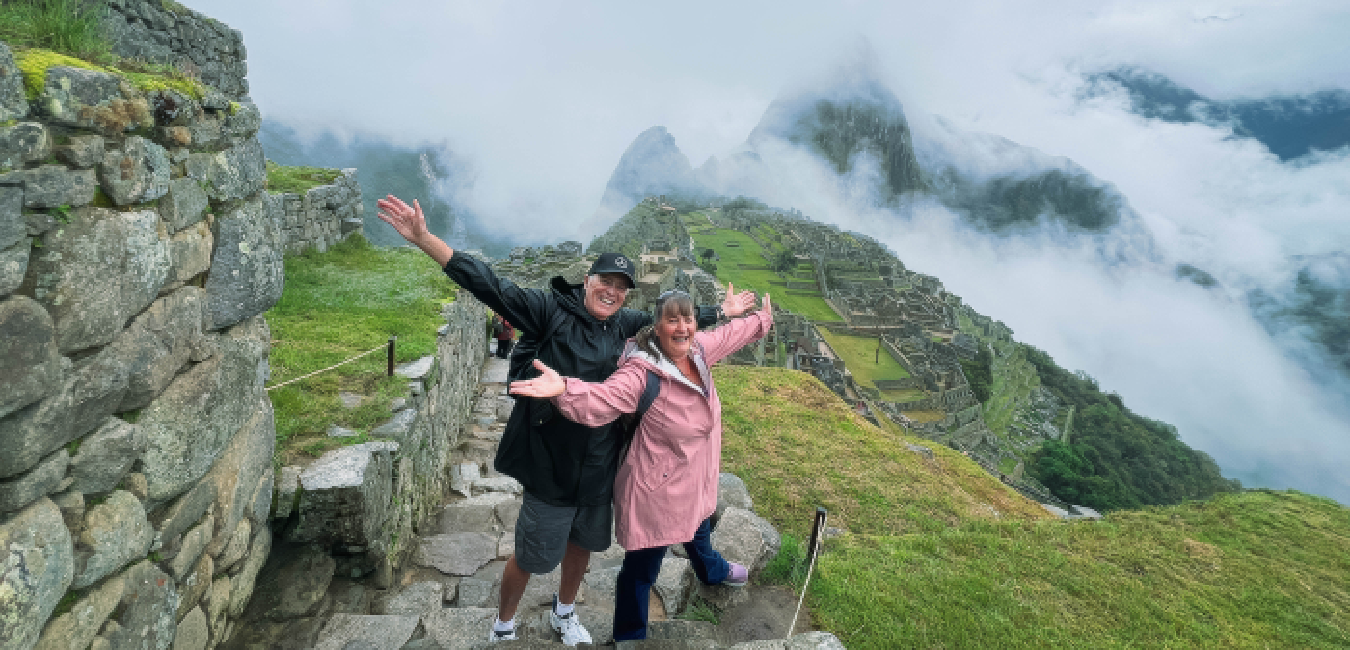
Day 5: Machu Picchu – Return to Cusco
Take the train to Machu Picchu Pueblo and continue to the archaeological site.
After exploring Machu Picchu with your guide, return by train and transfer to Cusco.
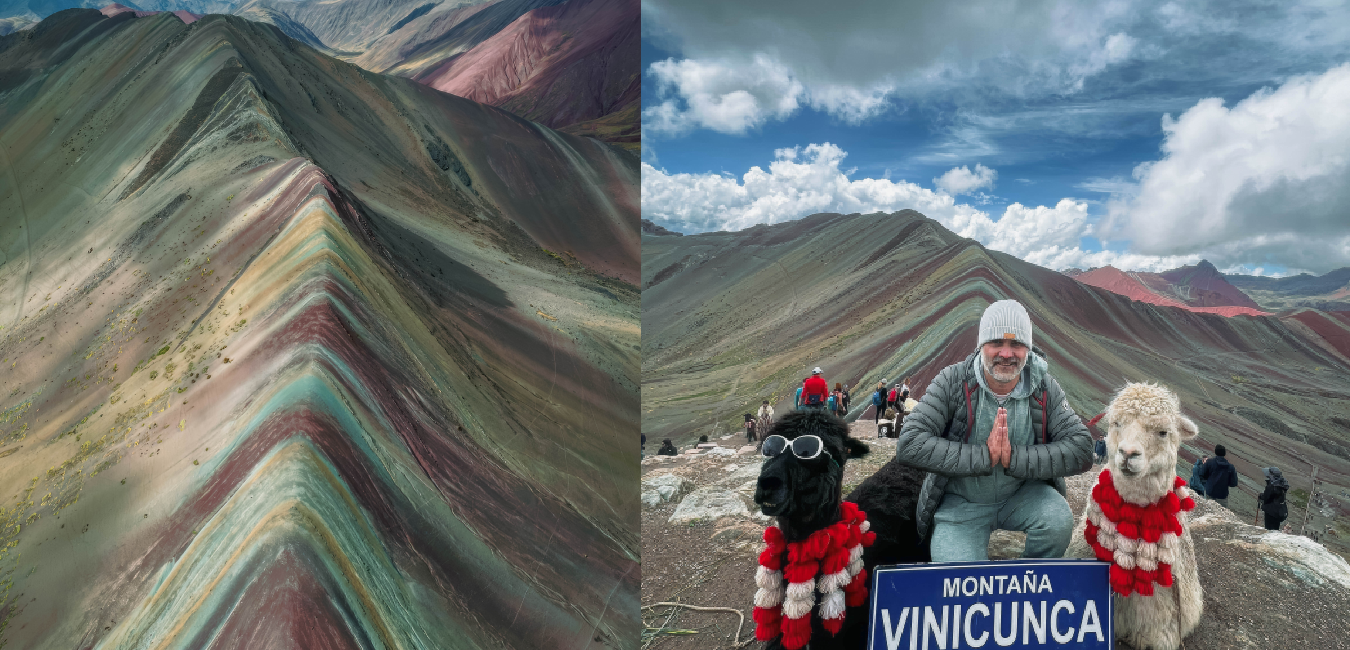
Day 6: Free Day in Cusco or Rainbow Mountain
If you have adjusted well to the altitude and enjoy hiking, you can consider visiting Rainbow Mountain.
However, not every traveler needs to add another 5,000-meter destination to their trip. A
Alternatively, spend a slower day exploring San Blas, San Pedro Market, local museums, and Cusco's restaurants.
Day 7: Departure
Transfer to Cusco Airport for your flight to Lima and your onward journey.
Our local recommendation: If you only have seven days, do not add Lake Titicaca or Colca Canyon. Save them for a longer Peru trip.
10-Day Peru Itinerary: Our Recommended Route for First-Time Visitors
Best for: First-time visitors who want to experience Peru's history, landscapes, culture, and Andes.
Route: Lima - Cusco - Sacred Valley - Machu Picchu - Rainbow Mountain - Puno - Lake Titicaca -Colca Canyon - Arequipa
If a first-time traveler asks us to plan one Peru itinerary that combines archaeological sites, mountain landscapes, local communities, and several of the country's most famous destinations, this is usually the route we start with.
Day 1: Arrival in Lima
Arrive in Peru and transfer to your hotel in Miraflores.
Use the first day to rest from your international flight. If you arrive early, walk along the Malecón or explore nearby restaurants.
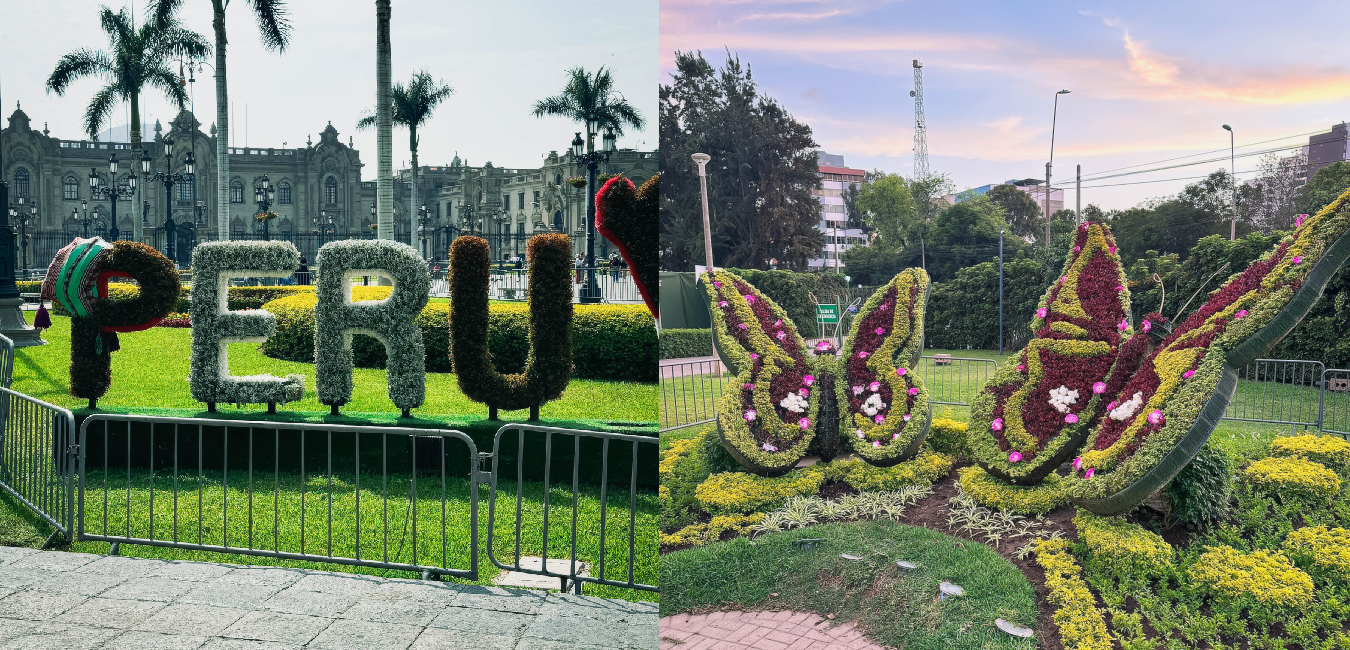
Day 2: Lima City Tour – Flight to Cusco
Explore the historic side of Lima before flying to Cusco
After arriving in the former capital of the Inca Empire, transfer to your hotel and rest.
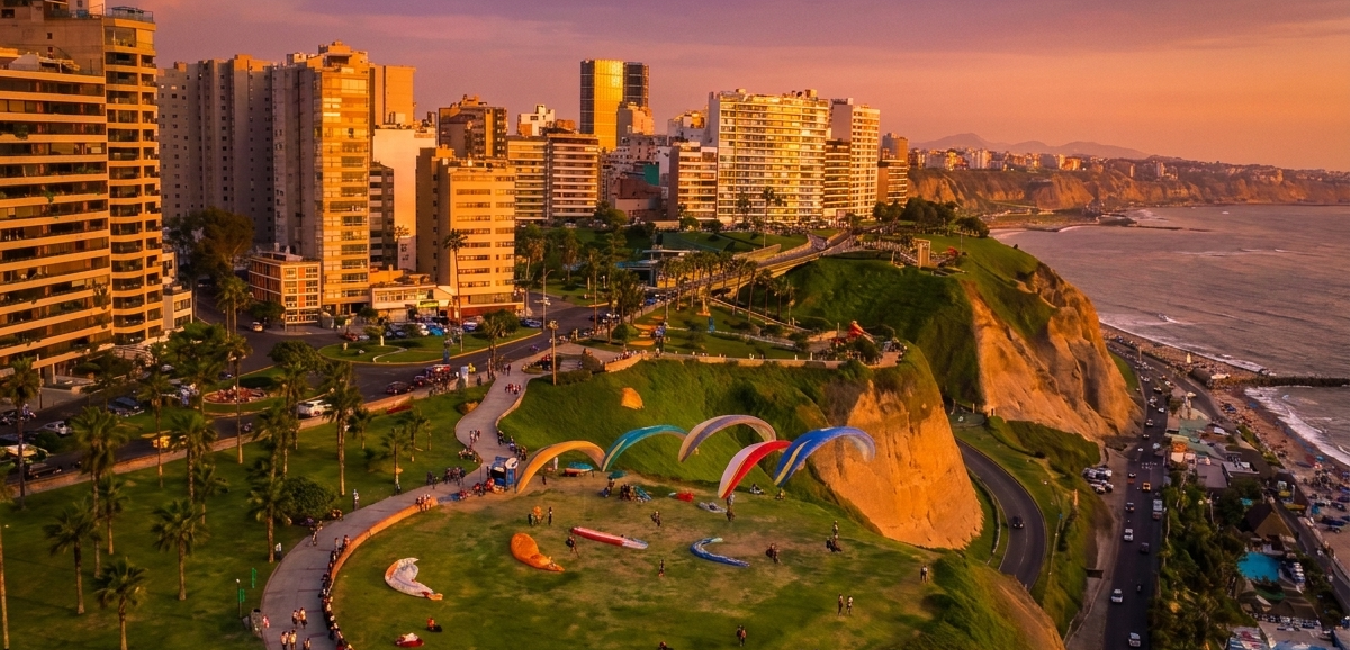
Day 3: Cusco City Tour
Discover Cusco's historic center and nearby archaeological sites.
Visit Qorikancha before exploring Sacsayhuaman and other Inca sites surrounding the city.
Because this is your first full day at altitude, keep a comfortable pace.
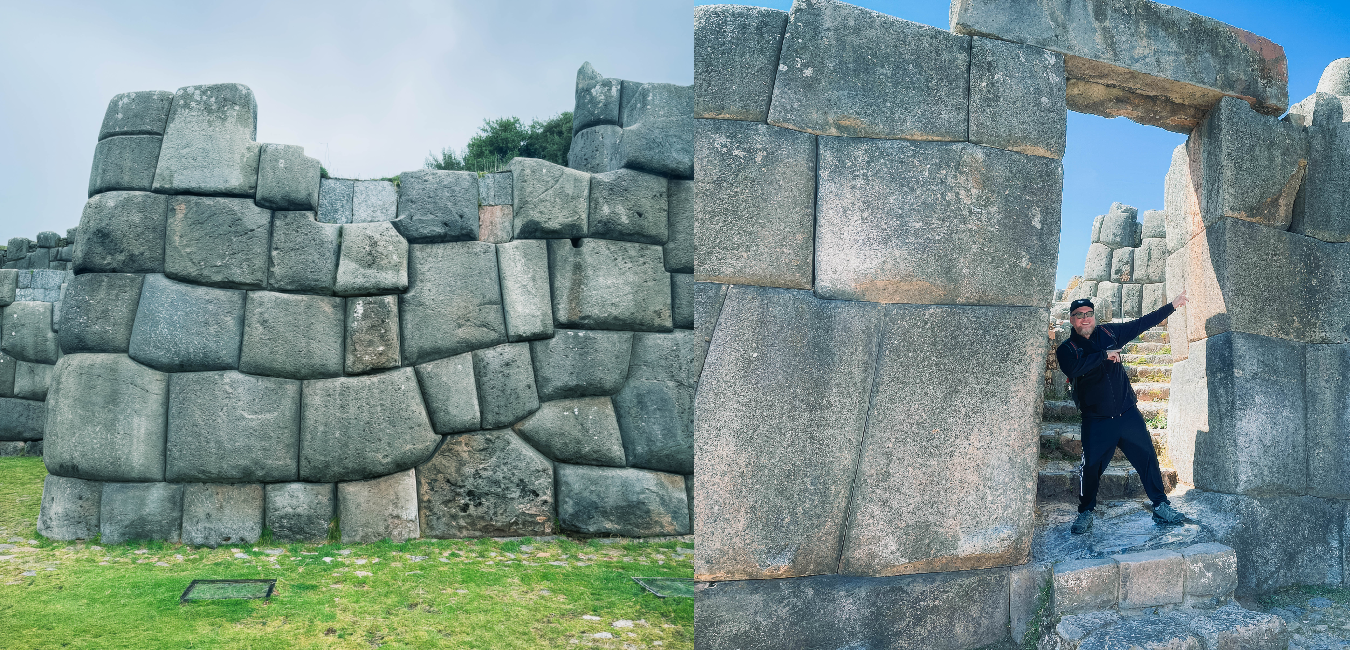
Day 4: Sacred Valley – Pisac, Maras, Moray, and Ollantaytambo
Leave Cusco and travel into the Sacred Valley.
Explore Pisac, the agricultural terraces of Moray, and the Maras salt ponds. Then continue to Ollantaytambo, one of the most important Inca towns in the valley.
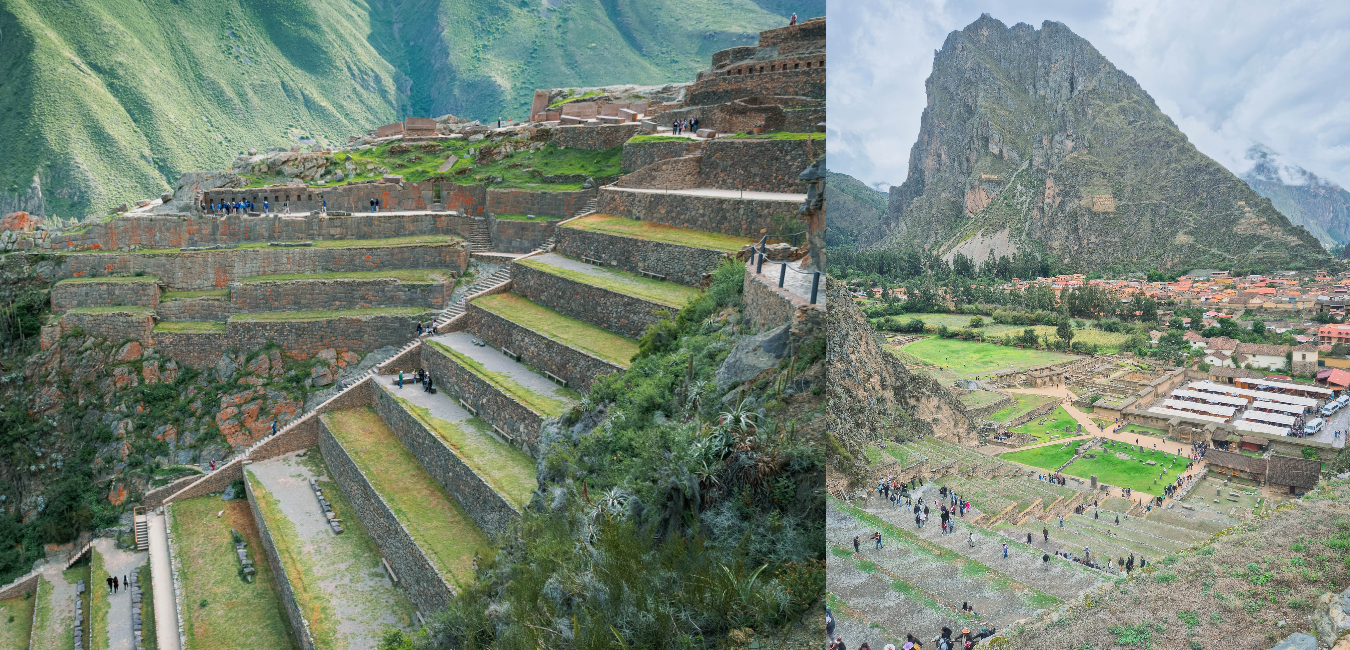
Day 5: Explore Machu Picchu – Return to Cusco
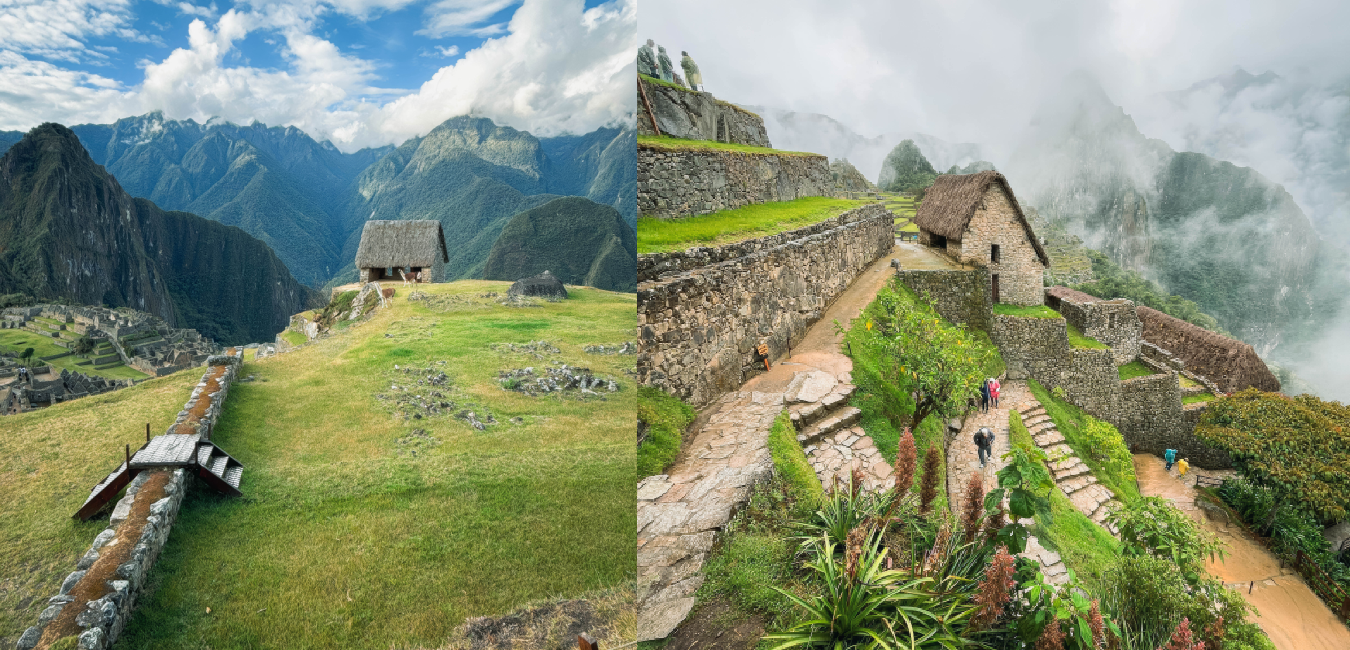
Travel by train toward Machu Picchu.After arriving in Aguas Calientes, continue to the archaeological site and explore your assigned circuit with a professional guide.
Later, return by train and transfer to Cusco.
Day 6: Rainbow Mountain and Red Valley
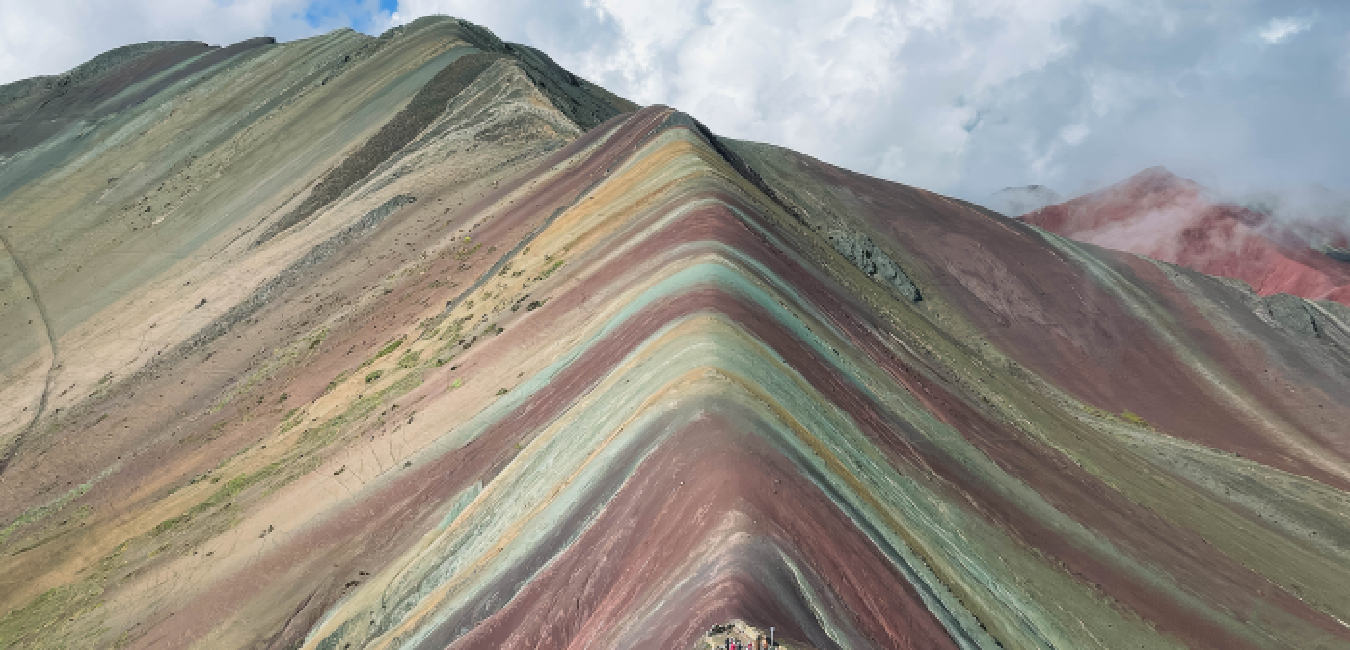
Now that you have spent several days in the Andes, you are better prepared for one of the highest points of the trip.
Hike to Rainbow Mountain and, depending on your route and physical condition, continue toward Red Valley. This is a demanding day due to the elevation rather than the technical difficulty of the trail.
Day 7: Route of the Sun – Cusco to Puno
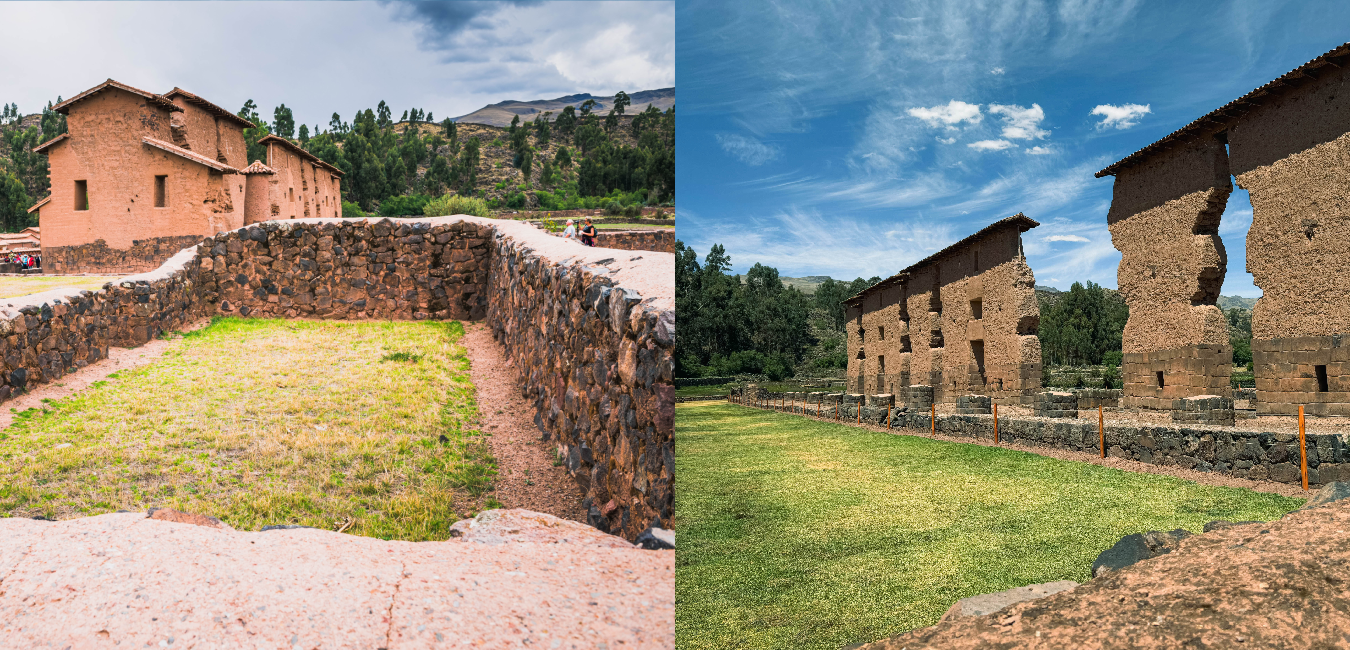
Instead of taking a direct overnight bus, travel from Cusco to Puno along the Route of the Sun.
The journey includes scenic and cultural stops in the southern Andes. Depending on the service, you may visit Andahuaylillas, Raqchi, La Raya Pass, and Pukara.
Arrive in Puno in the evening.
Day 8: Lake Titicaca – Uros and Taquile Islands
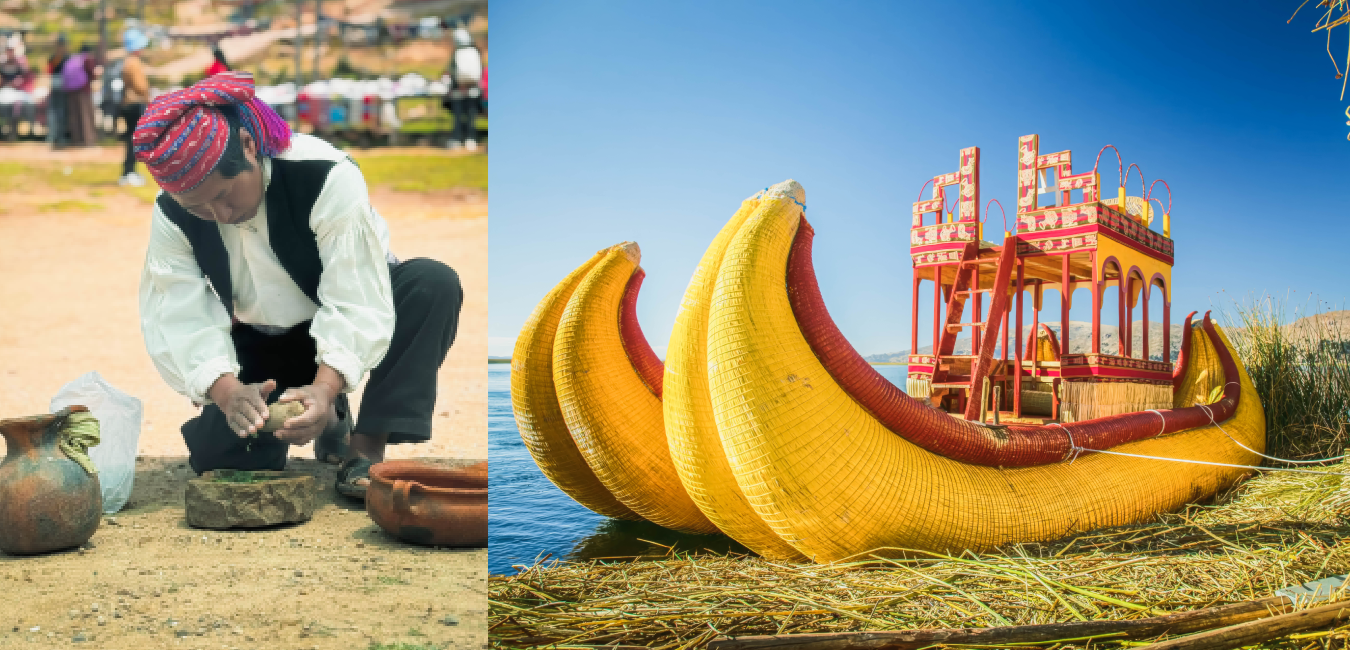
Explore Lake Titicaca and visit the Uros floating islands.
Later, continue to Taquile Island, known for its textile traditions and strong community organization.
Return to Puno after the tour.
Day 9: Puno to Colca Canyon
Leave Puno and travel across the high Andes toward Colca Canyon.
The journey passes through remote landscapes where you may see alpacas, llamas, and vicuñas.
Arrive in the Colca Valley and spend the night surrounded by mountains.
Day 10: Colca Canyon – Chivay – Arequipa – Flight to Lima
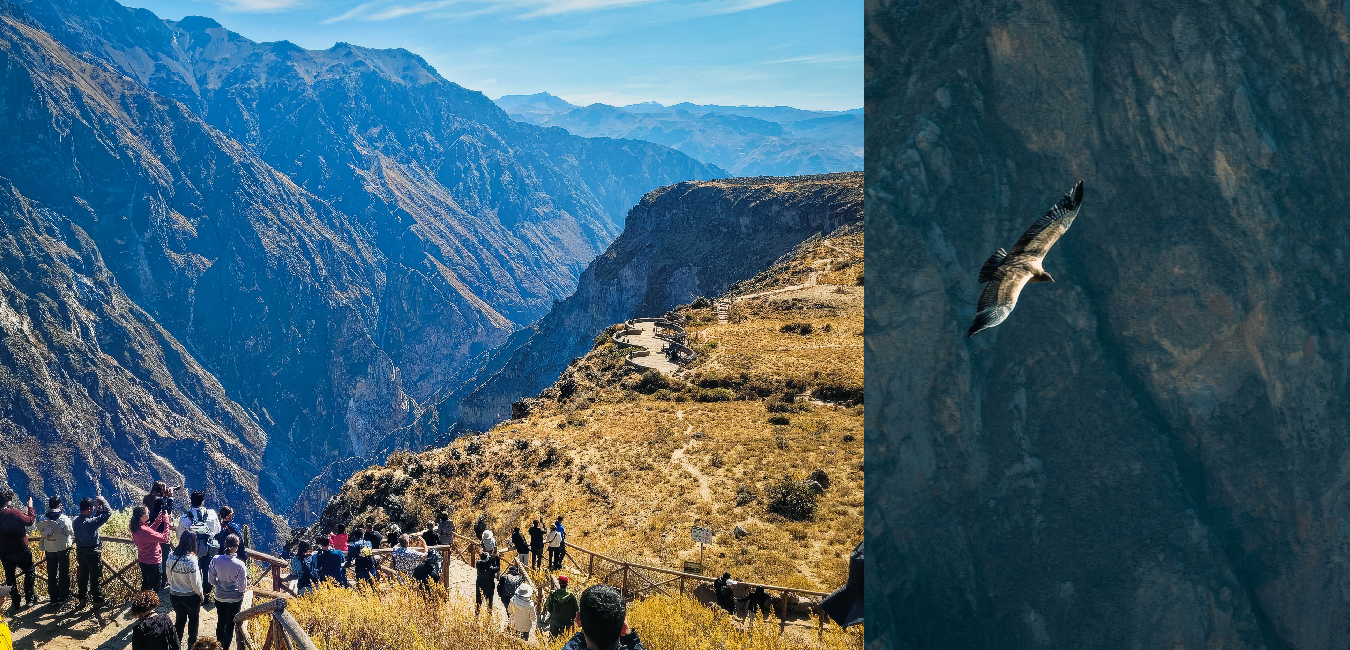
Start early and travel toward the Cruz del Condor viewpoint.
Here, Andean condors often use rising air currents to glide above the canyon.
Continue through the Colca Valley before traveling to Arequipa. Depending on your flight schedule, fly back to Lima.
Why This 10-Day Route Actually Works
Because it respects both geography and your lungs. Instead of forcing you to sprint between random spots, this flow moves naturally through the southern Andes so you aren’t wasting precious vacation days just sitting in transit.
But the absolute best part? We don’t force you onto Rainbow Mountain the minute you arrive.
Rushing straight up to over 17,000 feet right after landing in Cusco is the single biggest itinerary mistake we see. It’s a guaranteed recipe for severe altitude sickness. By pacing things out and letting your body adapt first, you actually get to enjoy the magic instead of gasping for air.
12-Day Peru Itinerary: More Time in the Andes
If you have 12 days, you do not necessarily need to add two completely new destinations.a
Instead, slow down. Use the 10-day Peru itinerary as your base and add one extra day in the Sacred Valley and one free day in Cusco.
- Day 1: Lima
- Day 2: Lima – Cusco
- Day 3: Cusco City Tour
- Day 4: Pisac and the Sacred Valley
- Day 5: Maras, Moray, and Ollantaytambo
- Day 6: Machu Picchu
- Day 7: Free Day in Cusco
- Day 8: Rainbow Mountain
- Day 9: Route of the Sun to Puno
- Day 10: Lake Titicaca
- Day 11: Puno to Colca Canyon
- Day 12: Colca Canyon – Arequipa
The extra time makes a noticeable difference.
One of the most common mistakes travelers make when planning a trip to Peru itinerary is assuming that more destinations automatically create a better Peru vacation than they do not.
Sometimes the best improvement is simply staying two nights in the same hotel.
2-Week Peru Itinerary: The Best Southern Peru Route
Best for: First-time visitors who want to explore the coast and Andes.
Route: Lima - Paracas - Huacachina - Arequipa - Colca Canyon - Lake Titicaca - Cusco - Sacred Valley - Machu Picchu
Two weeks is one of the best amounts of time for a first Peru vacation.
- Day 1: Arrival in Lima
- Day 2: Lima City Tour
- Day 3: Lima to Paracas
- Day 4: Ballestas Islands – Huacachina
- Day 5: Travel to Arequipa
- Day 6: Explore Arequipa
- Day 7: Arequipa to Colca Canyon
- Day 8: Cruz del Condor – Continue to Puno
- Day 9: Lake Titicaca
- Day 10: Route of the Sun to Cusco
- Day 11: Cusco City Tour
- Day 12: Sacred Valley
- Day 13: Machu Picchu
- Day 14: Departure
Why does this route work?
The itinerary connects Peru's southern destinations instead of repeatedly returning to Lima.
You begin on the Pacific coast before moving into the Andes. Then, you continue through Arequipa, Colca, Lake Titicaca, and Cusco. Nevertheless, altitude still requires attention. Patapampa, Lake Titicaca, and several points along the southern route exceed 3,800 meters.
Therefore, travel slowly, stay hydrated, and avoid scheduling demanding physical activities immediately after reaching high elevations.
3-Week Peru Itinerary: The Complete Peru Trip
Best for: Travelers who want nature, culture, archaeological sites, and wildlife.
Route: Lima - Amazon - Cusco - Sacred Valley - Machu Picchu - Lake Titicaca - Colca Canyon - Arequipa
Three weeks is where Peru stops feeling like a checklist. You have time to stay longer in the Sacred Valley, recover between high-altitude activities, and spend several nights in the Amazon instead of rushing between destinations.
Three weeks gives you time to see more of Peru without rushing from one place to the next.
- Day 1: Arrival in Lima
- Day 2: Lima City Tour
- Day 3: Fly to Puerto Maldonado – Amazon Lodge
- Day 4: Amazon Rainforest
- Day 5: Amazon Rainforest
- Day 6: Return to Puerto Maldonado – Fly to Cusco
- Day 7: Cusco City Tour
- Day 8: Free Day in Cusco
- Day 9: Pisac and the Sacred Valley
- Day 10: Maras and Moray
- Day 11: Ollantaytambo
- Day 12: Train to Aguas Calientes
- Day 13: Machu Picchu
- Day 14: Return to Cusco
- Day 15: Free Day in Cusco
- Day 16: Route of the Sun – Cusco to Puno
- Day 17: Lake Titicaca – Uros and Taquile Islands
- Day 18: Puno to Colca CanyonDay 19: Explore the Colca Valley
- Day 20: Cruz del Condor – Travel to Arequipa
- Day 21: Explore Arequipa – Departure
Which Peru Itinerary Is Best for You?
The best itinerary depends on how you travel.
Travel style | Recommended Peru itinerary |
|---|---|
| First trip to Peru | 10 days |
| Machu Picchu priority | 5–7 days |
| Hiking like Inca Trail and adventure | 10–14 days |
| Culture and history | 2 weeks |
| Wildlife and nature | 2–3 weeks |
| Slow travel | 3 weeks |
| Family trip | 10–14 days |
| Couples | 10 days–3 weeks |
Best Peru Itinerary for First-Time Visitors
For most first time travelers, we can recommend a 10-day Peru itinerary.
It combines Lima, Cusco, the Sacred Valley, Machu Picchu, Rainbow Mountain, Lake Titicaca, and Colca Canyon.
Best Peru Itinerary for Couples
Couples should consider spending 10 days to two weeks in Peru.
Add an extra night in the Sacred Valley and choose fewer early departures. Arequipa is also worth including if you enjoy architecture and food.
Best Peru Itinerary for Families
Families usually benefit from a slower 10-to-14-day route.
Avoid changing hotels every night and carefully consider high-altitude hikes when traveling with children.
Best Peru Itinerary for Adventure Travelers
Combine Cusco, the Sacred Valley, an Inca Trail route or Salkantay hike, Machu Picchu, and Colca Canyon. Allow 12 to 16 days if a multi-day hike is part of your trip.
Best Peru Itinerary for Food Lovers
Spend more time in Lima, Arequipa, and Cusco.Peruvian food changes considerably between the coast and Andes, so rushing directly to Machu Picchu means missing an important part of the country.
How to Plan a Peru Itinerary in the Right Order
A map alone is not enough to plan a trip through Peru.
Distances, altitude, train schedules, and entrance availability can completely change the logical order of your route.
Start With Your International Flights
Most international travelers arrive in Lima.
Before adding tours, confirm your international arrival and departure times.
A flight arriving at 11:00 p.m. should not be followed by a 5:00 a.m. domestic flight unless absolutely necessary.
Plan Machu Picchu Before the Rest of Your Trip
Machu Picchu should be one of the first parts of your itinerary that you confirm.
Entrance availability, assigned circuits, train schedules, and additional hikes can affect the order of your entire Peru trip.
Do not build a complete 14-day itinerary and leave Machu Picchu tickets until the final step.
Consider Altitude
Cusco sits at approximately 3,400 meters above sea level.
Lake Titicaca is higher, while Rainbow Mountain exceeds 5,000 meters.
Therefore, the order of your activities matters.We do not recommend arriving from Lima and hiking Rainbow Mountain the following morning, instead, explore Cusco and the Sacred Valley first.
Avoid Too Many One-Night Stays
One of the most common mistakes we see when reviewing Peru itineraries is changing hotels every night. Packing, checking out, transferring, and checking in again takes more time than travelers expect. Whenever possible, use destinations such as Cusco as a base.
Calculate Travel Time, Not Just Distance
Peru looks different on a map than it feels on the road.
Mountain roads, elevation changes, and limited direct connections can increase travel times.
For example, Cusco and Puno appear relatively close. However, a tourist journey with stops along the Route of the Sun can take most of the day.
Best Time to Visit Peru
Peru is a year-round destination. However, the best time to travel depends on the regions included in your itinerary which is mainly Cusco, you will find below the general best conditions from each regions:
Region | Best general conditions |
|---|---|
| Lima | December to April |
| Cusco | May to October |
| Machu Picchu | April to October |
| Inca Trail | May to September |
| Lake Titicaca | May to October |
| Colca Canyon | May to October |
| Amazon | Year-round |
The dry season in the Andes generally offers clearer conditions for hiking. Nevertheless, June, July, and August are also among the busiest months.
April, May, September, and October can offer a good balance between weather and visitor numbers.
During the rainy season, the Andes become greener. However, trails can be wet and cloud cover may affect mountain views.
The Classic Inca Trail closes every February for scheduled conservation and maintenance. Machu Picchu itself does not close for the entire month of February.
How to Plan Your Peru Itinerary Around Altitude
Altitude is one of the most important factors when planning a travel itinerary in Peru.
Approximate elevations include:
- Lima: near sea level
- Arequipa: 2,335 m
- Sacred Valley: approximately 2,800–3,000 m
- Cusco: approximately 3,400 m
- Puno: approximately 3,827 m
- Rainbow Mountain: above 5,000 m
After years of organizing trips in the Andes, one itinerary mistake we try to avoid is sending travelers to Rainbow Mountain immediately after they arrive from Lima, Give your body time to adjust.
Drink water, keep your first meals light, avoid excessive alcohol, and do not plan intense physical activity immediately after arriving at high elevation.
Peru Travel Itinerary Mistakes We See Most Often
After reviewing and organizing trips for travelers with very different schedules, these are some of the most common planning mistakes we see:
- Flying to Cusco and hiking Rainbow Mountain the next morning.
- Trying to visit too many regions in seven days.
- Leaving Machu Picchu planning until the last minute.
- Ignoring the time required for transfers.
- Changing hotels every night.
- Planning the route only by looking at Google Maps.
- Packing the same clothes for Lima and Cusco.
- Assuming Peru has one climate.
- Adding a multi-day hike without acclimatization days.
- Scheduling every hour without leaving room for rest.
The solution is not complicated: choose your priorities first.
Machu Picchu, the Amazon, Lake Titicaca, and Colca Canyon are all worth visiting. However, you do not need to see all of them on your first trip.
Where Should You Stay in Peru?
The best area to stay depends on your route.
City: | Best places |
|---|---|
| Lima: | Miraflores or Barranco. |
| Cusco: | Historic Center or nearby neighborhoods with easy access to the center. |
| Sacred Valley: | Urubamba for resort-style hotels or Ollantaytambo for train access and historic atmosphere. |
| Machu Picchu: | Aguas Calientes. |
| Puno: | City center or properties near Lake Titicaca. |
| Colca Canyon: | Chivay or Yanque. |
| Arequipa: | Historic Center. |
Instead of choosing hotels only by star rating, consider location.
A slightly more expensive hotel near your departure point can sometimes save an hour of transfers the following morning.
What to Pack for a Peru Trip
Peru's changing geography means layers are essential.
Bring:
- Lightweight clothing for warm days
- Warm layers for the Andes
- Waterproof jacket
- Comfortable walking shoes
- Sun protection
- Sunglasses
- Small daypack
- Reusable water bottle
- Portable charger
- Personal medication
Do not pack for “Peruvian weather.”
Pack for the specific regions in your itinerary.
Lima, the Amazon, Cusco, and Lake Titicaca can feel like four completely different trips.
Our Recommended Peru Itinerary for a First Trip
After planning Peru trips for travelers with different schedules and interests, our 10-day route is the itinerary we recommend most often for a first visit.
- Day 1: Arrival in Lima
- Day 2: Lima City Tour – Flight to Cusco
- Day 3: Cusco City Tour
- Day 4: Sacred Valley – Pisac, Maras, Moray & Ollantaytambo
- Day 5: Machu Picchu – Return to Cusco
- Day 6: Rainbow Mountain & Red Valley
- Day 7: Route of the Sun – Cusco to Puno
- Day 8: Lake Titicaca – Uros & Taquile Islands
- Day 9: Puno to Colca Canyon
- Day 10: Colca Canyon – Chivay – Arequipa – Flight to Lima
Why this route?
Because it combines Peru's most important archaeological sites with high-altitude landscapes and living Andean culture. More importantly, the destinations connect naturally.
Can We Customize Your Peru Itinerary?
No two travelers need exactly the same Peru itinerary.
Some travelers want to hike the Inca Trail. Others prefer more time in the Sacred Valley, comfortable hotels, food experiences, or several days in the Amazon rainforest.
Your age, travel dates, physical condition, hotel preferences, and available vacation time can completely change the route we recommend.
At Responsible Trekking, we plan tailor-made Peru trips based on your travel dates, pace, interests, and preferred hotel category.
Tell us how many days you have in Peru, and we will help you connect the destinations in the right order.
Frequently Asked Questions About Planning a Peru Itinerary
What is the best itinerary for Peru?
For first-time visitors, a good Peru itinerary usually combines Lima, Cusco, the Sacred Valley, and Machu Picchu. With 10 days or more, you can also add Lake Titicaca, Colca Canyon, Arequipa, or the Amazon.
How many days are enough for Peru?
We recommend at least 10 days for a first trip to Peru. However, seven days can work if you focus on Cusco, the Sacred Valley, and Machu Picchu.
Is 7 days enough for Peru?
Yes. Seven days is enough to visit Lima, Cusco, the Sacred Valley, and Machu Picchu. Avoid adding too many distant destinations.
Is 10 days enough for Peru?
Yes. Ten days is an excellent amount of time for a first Peru trip and allows you to combine several destinations without spending every day in transit.
Is two weeks enough for Peru?
Two weeks is ideal for exploring southern Peru. You can combine Lima, Arequipa, Colca Canyon, Lake Titicaca, Cusco, the Sacred Valley, and Machu Picchu.
What is the best Peru itinerary for first-time visitors?
For most first-time travelers, we recommend a 10-day route through Lima, Cusco, the Sacred Valley, Machu Picchu, Rainbow Mountain, Lake Titicaca, and Colca Canyon.
Should I visit Lima or fly directly to Cusco?
If your schedule allows, spend at least one day in Lima. However, travelers with limited time can connect directly to Cusco and focus on the Andes.
What order should I visit Peru?
The best order depends on your arrival point and destinations. In southern Peru, try to connect destinations geographically and consider altitude before scheduling demanding hikes.
How many days do I need for Machu Picchu?
Allow at least two days when traveling from Cusco. This gives you time to reach the Machu Picchu area, visit the archaeological site, and return without unnecessarily rushing the journey.
Should I stay in Cusco or the Sacred Valley first?
For many travelers arriving from sea level, staying in the Sacred Valley first can provide a more gradual introduction to altitude because several valley towns sit lower than Cusco.
Can I visit Peru during the rainy season?
Yes. Peru can be visited throughout the year. However, expect more rain in the Andes between December and March and plan outdoor activities accordingly.
How far in advance should I book Machu Picchu?
Book as early as possible once your travel dates are confirmed, especially if you want a specific circuit, entry time, or additional mountain hike. Machu Picchu availability can affect the structure of your entire Peru itinerary.