
Today, Cusco charms visitors with its Spanish-colonial churches, cobblestone streets, and bustling plazas. But long before the conquistadors arrived, this city was the beating heart of the Inca Empire and the absolute home of its rulers. The historic center we see today actually sits right on top of a massive grid of grand royal compounds built by successive emperors.
Unlike European monarchs who typically inherited the same family castle generation after generation, Inca rulers commissioned a brand-new palace whenever they took power. Over time, this custom transformed Cusco into a dynamic city of multiple royal estates, each tied to a specific dynasty and generation of rulers.
While centuries of upheaval mean these palaces no longer stand in their original forms, their spirits are very much alive. Many didn't completely disappear; they simply became the literal foundations for modern Cusco, hiding in plain sight as flawless stone basements beneath colonial buildings, churches, and museums.
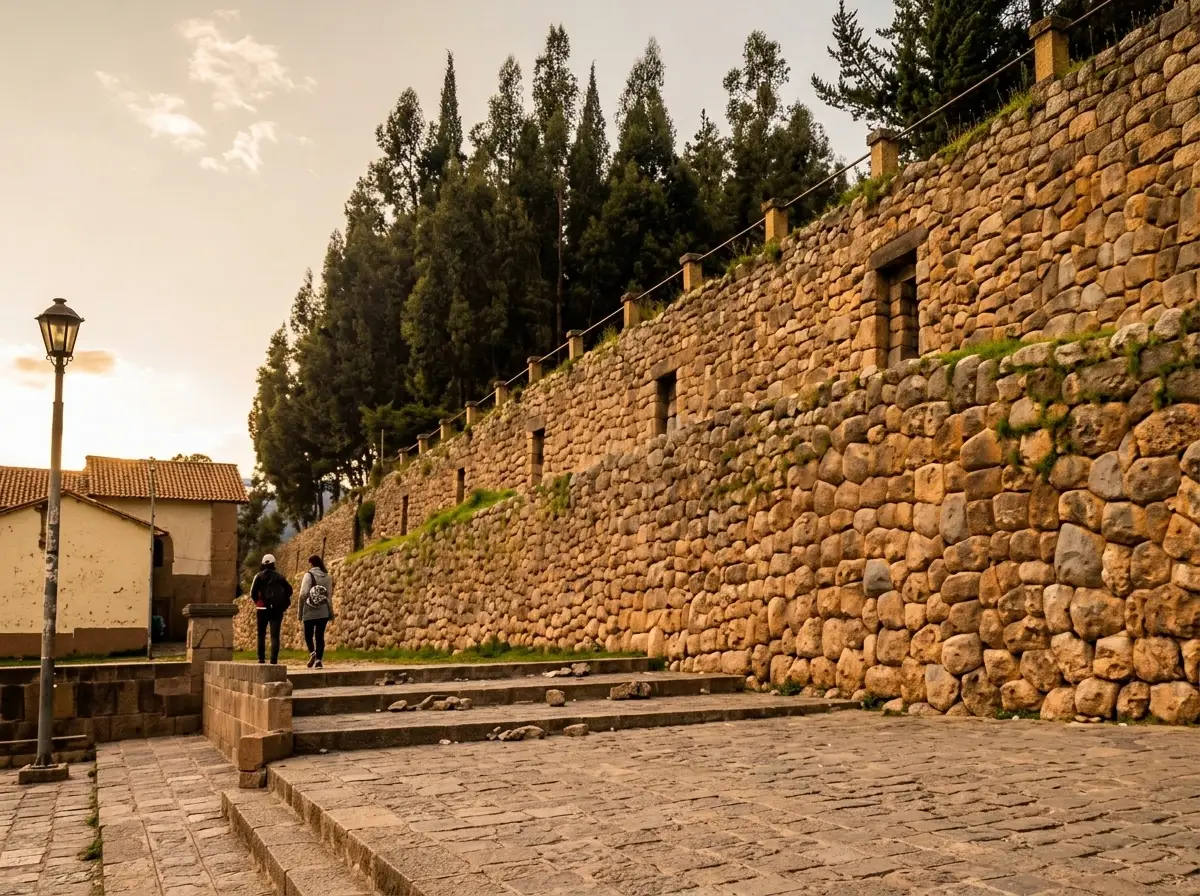
Qasana: Palace of Pachacutec
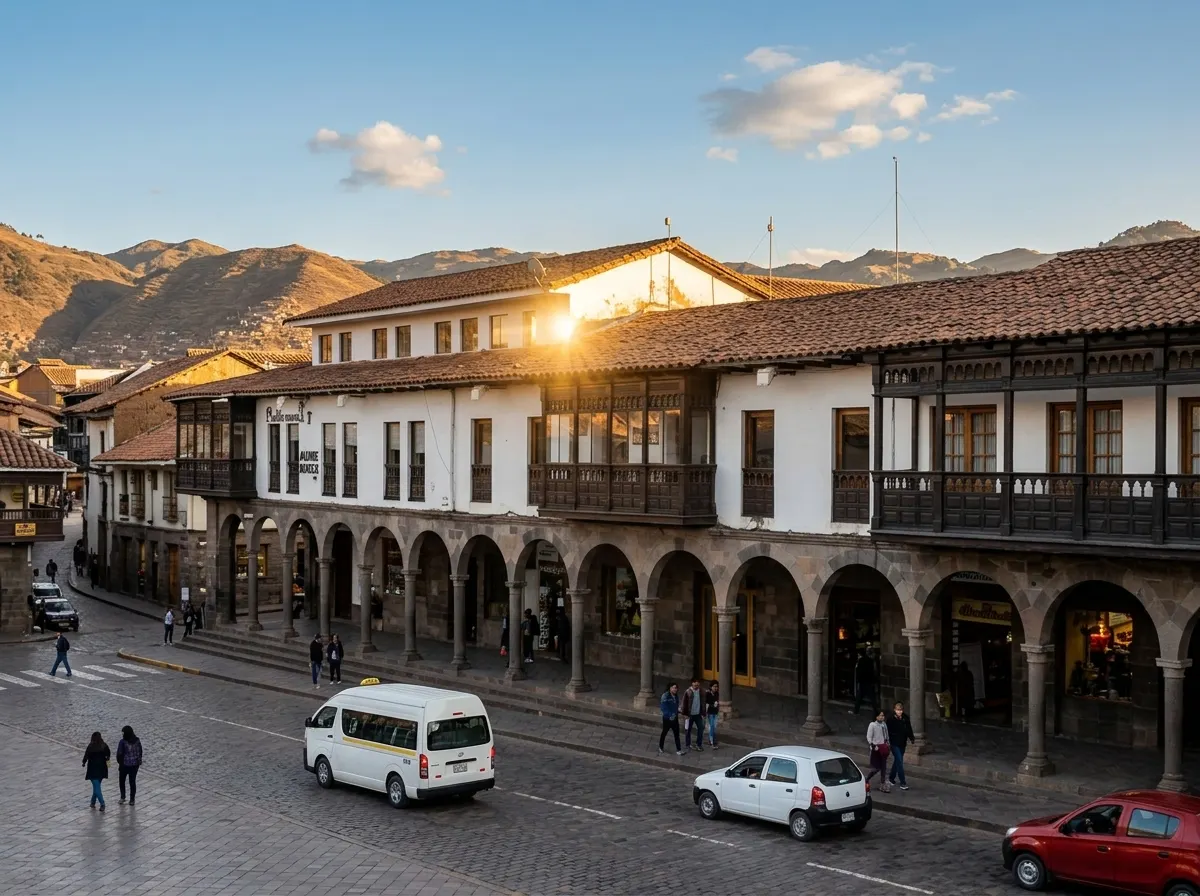
Qasana was built by Pachacutec in the 15th century and served as his principal residence in Cusco. Located near today's Plaza de Armas, the palace functioned as both a royal home and an administrative center where important political and ceremonial activities took place.
The complex was constructed during the period when Pachacutec was reorganizing Cusco and expanding the Inca Empire across the Andes. After the Spanish conquest, most of the palace was destroyed and replaced by colonial buildings. Although the original structure has disappeared, its location remains one of the most historically important areas of the city.
Amaru Kancha: Palace of Huayna Capac
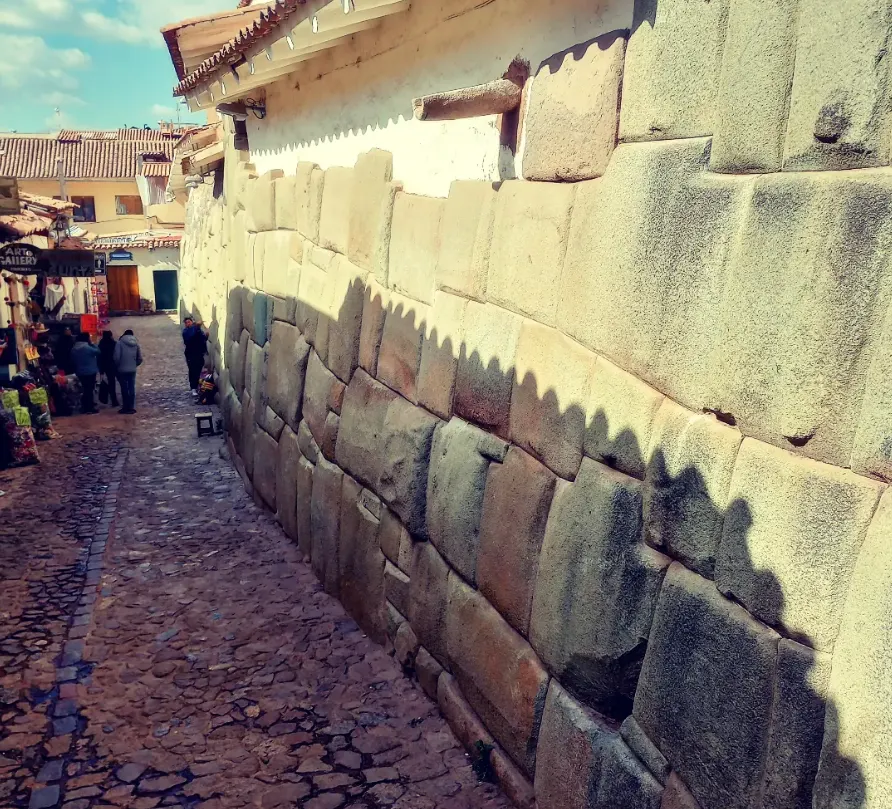
Amaru Kancha was the royal palace of Huayna Capac, the eleventh Sapa Inca and one of the last rulers to govern the empire before the arrival of the Spanish. Built in the late 15th or early 16th century, the palace occupied a large area just southeast of what is now Cusco's Plaza de Armas.
The complex served as Huayna Capac's residence and as an important administrative center during a period when the Inca Empire reached its greatest territorial extent. Like other royal compounds in Cusco, Amaru Kancha was organized around spacious courtyards surrounded by finely constructed stone buildings used for political, ceremonial, and residential purposes.
Following the Spanish conquest, much of the palace was dismantled and replaced by colonial construction. Today, the site is occupied by the Church of the Society of Jesus, one of Cusco's most prominent colonial landmarks. Despite these changes, sections of the original Inca stonework remain visible around the complex, preserving part of what was once one of the largest royal palaces in the Inca capital.
Hatun Kancha: Palace of Inca Yupanqui
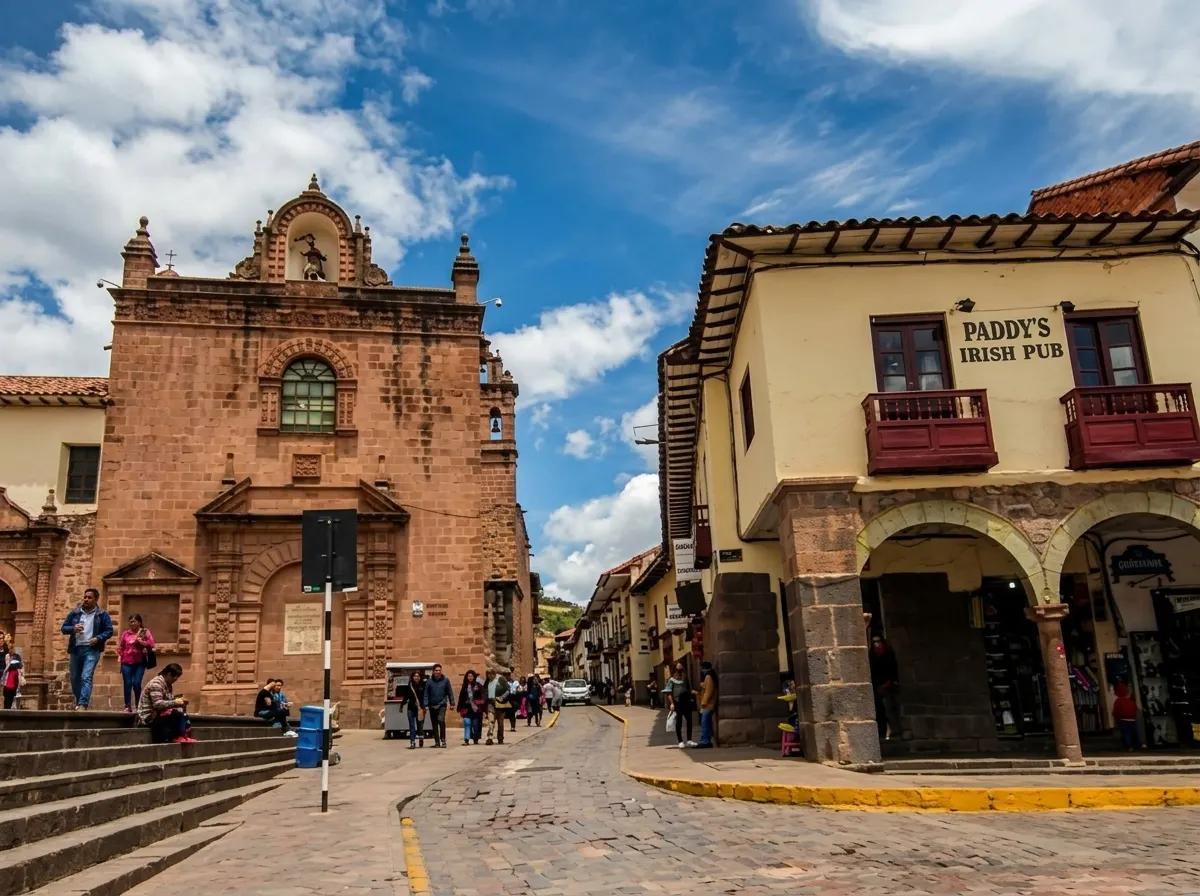
Hatun Kancha, meaning "Great Enclosure," was a large royal compound traditionally associated with Inca Yupanqui. Located in the heart of Cusco, the palace formed part of the network of residences occupied by the Inca elite and ruling families before the Spanish conquest.
Built using the characteristic Inca kancha design, the complex consisted of multiple buildings arranged around spacious central courtyards. These spaces served residential, administrative, and ceremonial functions, making Hatun Kancha much more than a simple palace. It was a place where political decisions, official gatherings, and daily activities took place.
Following the Spanish conquest in the 16th century, the original compound was gradually incorporated into the growing colonial city. Today, most of Hatun Kancha lies beneath later buildings, shops, and streets in Cusco's historic center. Although the palace itself no longer survives, archaeological remains and historical records confirm its importance as one of the major royal compounds of the Inca capital.
Qoraqora: Palace of Inca Roca
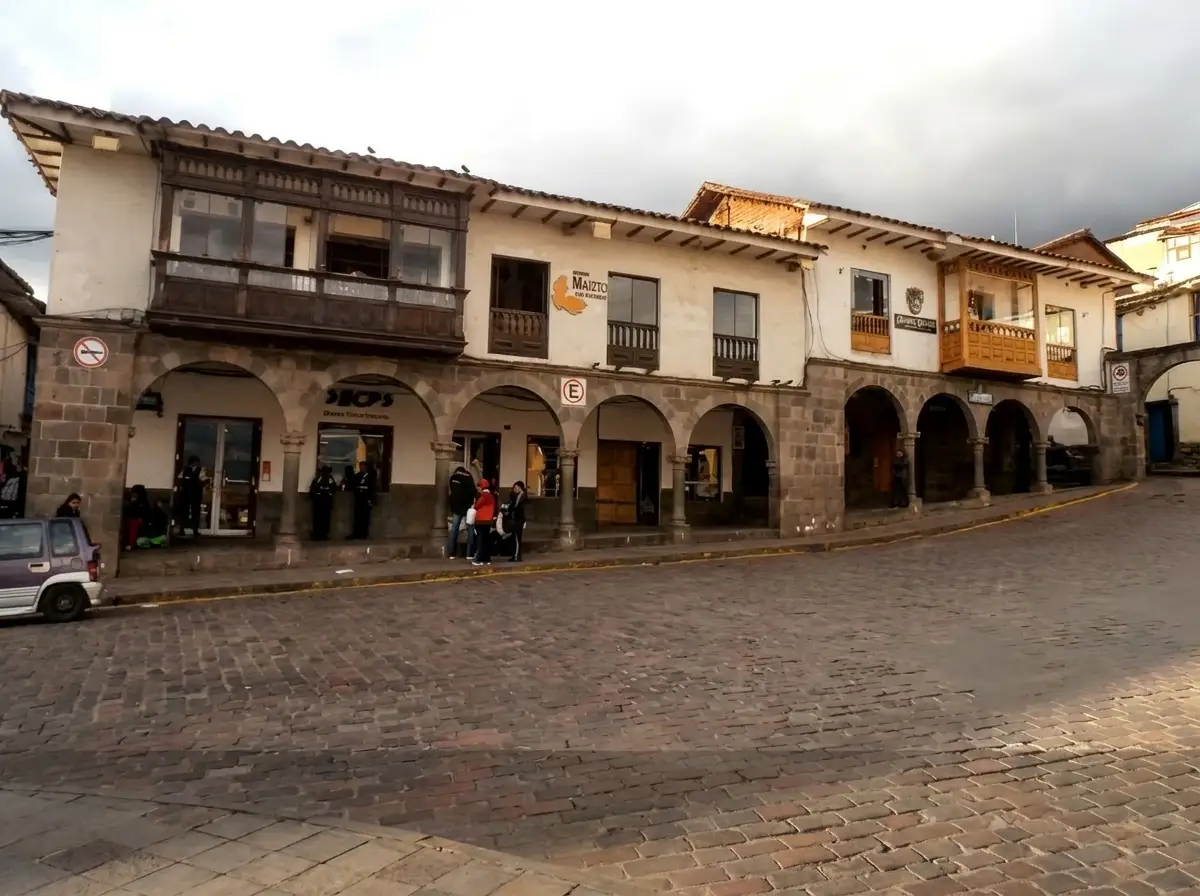
Qoraqora was the royal palace of Inca Roca, the sixth ruler of Cusco and the first king of the Hanan Cusco dynasty. Built during the 14th century, the palace belonged to a period when Cusco was still a growing regional kingdom, long before the Inca Empire expanded across the Andes.
Located within one of the city's important noble districts, Qoraqora served as both a residence and an administrative center for Inca Roca and his lineage. Historical traditions associate his reign with political reforms that strengthened the authority of the ruling class and helped shape the future organization of the Inca state.
Following the Spanish conquest, the palace was largely replaced by colonial construction. Although little of the original complex remains visible today, archaeological evidence suggests it was built using early forms of the masonry and urban planning techniques that would later characterize imperial Inca architecture. Qoraqora remains an important site for understanding the origins of Cusco's royal dynasties before the rise of the empire.
Kiswar Kancha: Palace of Viracocha
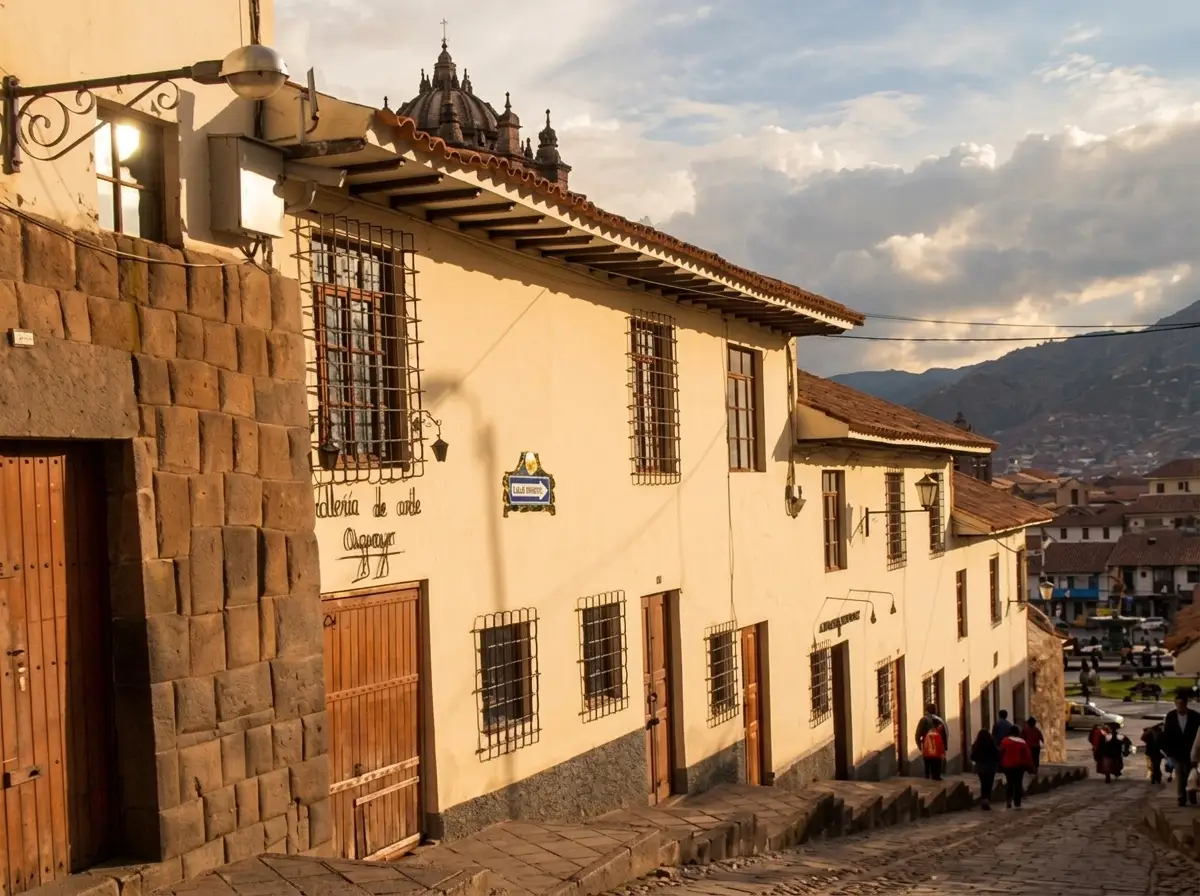
Kiswar Kancha was the royal palace of Viracocha Inca, the eighth ruler of Cusco and the father of Pachacutec. The palace was built in the early 15th century, during a period when the Inca Kingdom was facing growing pressure from neighboring groups and had not yet become a vast empire.
Located within the royal sector of Cusco, Kiswar Kancha served as a residence for Viracocha Inca and as a center for political and administrative activities. Like other Inca palaces, the complex was organized around large courtyards surrounded by stone buildings used for residential, ceremonial, and government functions.
The palace is closely associated with one of the most important turning points in Inca history. During Viracocha's reign, the Chanca invasion threatened Cusco, a conflict that ultimately led to the rise of Pachacutec and the beginning of the empire's rapid expansion. Although little of the original structure survives today, Kiswar Kancha remains an important reminder of the generation that witnessed the transformation of Cusco from a regional kingdom into the capital of the Inca Empire.
Colcampata: Palace of Manco Capac
Colcampata is traditionally considered the palace of Manco Capac, the legendary founder of the Inca dynasty. Located in the San Cristobal district above Cusco's historic center, the complex occupies one of the oldest and most historically significant areas of the city.
According to Inca tradition, Manco Capac established the first ruling lineage of Cusco, making Colcampata closely connected to the origins of Inca civilization. The palace was built on elevated terrain overlooking the city, a strategic location that also reflected the importance of high places within Andean culture and urban planning.
Unlike many former royal palaces that disappeared beneath colonial construction, portions of Colcampata have survived to the present day. Visitors can still see sections of original Inca stone walls integrated with later Spanish colonial additions. These remains make Colcampata one of the few places in Cusco where the architectural transition from the Inca period to the colonial era can be observed so clearly.
Today, the site remains an important landmark for understanding the legendary beginnings of the Inca dynasty and the early development of Cusco as the future capital of the empire.
Pucamarca: Palace of Tupac Inca Yupanqui
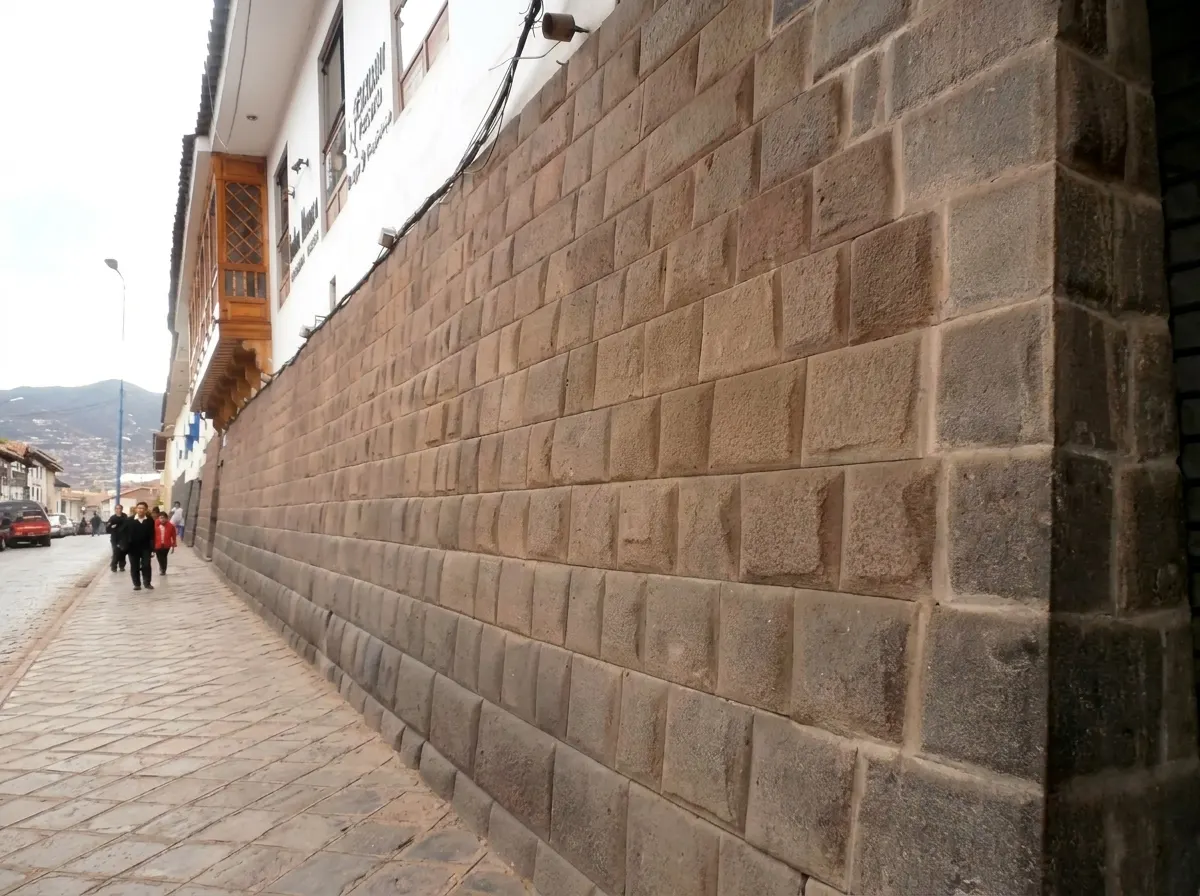
Pucamarca was the royal palace of Tupac Inca Yupanqui, the tenth Sapa Inca and successor of Pachacutec. Built during the late 15th century, the palace reflected a period when the Inca Empire was expanding rapidly across the Andes and consolidating control over vast territories.
Located within the royal sector of Cusco, Pucamarca served as both a residence and an administrative center. From here, officials and nobles managed affairs related to an empire that stretched across present-day Peru, Ecuador, Bolivia, Chile, and Argentina. Like other royal compounds, the palace featured residential quarters, ceremonial spaces, and courtyards surrounded by finely crafted stone buildings.
Following the Spanish conquest, much of Pucamarca was dismantled or incorporated into later colonial construction. Although the original palace no longer survives as a complete structure, remnants of Inca masonry can still be found within Cusco's historic center, preserving part of the legacy of one of the empire's most successful rulers.
Why Did the Incas Build So Many Palaces?
The large number of palaces down here comes down to a unique blend of politics and ancestor worship.
When an Inca emperor died, his successor didn't get to move into the old palace or inherit his wealth. Instead, the late king's property, lands, and palace were handed over to his panaca a powerful lineage made up of his descendants. Their job was to maintain his estate, preserve his memory, and look after his mummified body.
Because of this, the incoming emperor had to start from scratch and commission his own palace. As the generations rolled by, older estates stayed active while new ones were constantly being built. This created a capital packed with functioning royal compounds, allowing each new ruler to carve out his own legacy while keeping the memory of past emperors alive.
What Happened to the Inca Palaces?
The Spanish arrival completely flipped Cusco's landscape upside down. Many of the palaces were systematically dismantled so their perfectly carved stones could be recycled to build the churches, monasteries, and mansions of the new colonial elite.
But Inca engineering ended up getting the last laugh. The Spanish builders quickly realized that the original Inca foundations were incredibly stable and virtually earthquake-proof, unlike their own masonry. As a result, they chose to build directly on top of them. Because of that practical shortcut, some of the most stunning examples of Inca stonework you can see in Cusco today are actually the surviving base layers of ancient imperial palaces.
Visiting the Inca Palaces of Cusco Today
You don't need a ticket to an enclosed archaeological park to see these palaces; they are scattered throughout the historic center, completely integrated into the modern flow of the city.
Hunting them down just takes a little curiosity. As you explore Cusco, keep your eyes on the lower third of churches, museums, and colonial buildings. More often than not, those smooth, dark, perfectly interlocking stones at street level are the remnants of royal homes built over half a millennium ago. Beneath the colonial facades and modern storefronts lies the former capital of the Inca Empire, where generations of rulers built the residences that shaped the political heart of the Andes.