
A Humantay Lake day trip from Cusco is a full-day excursion of about 12 to 14 hours to a turquoise glacial lake sitting at roughly 4,200 m (13,780 ft) in the Peruvian Andes. Most travelers pay between US$25 and US$120 per person depending on group size and service level, leave Cusco between 4:00 and 5:00 a.m., drive about 3 hours to the trailhead at Soraypampa, and then hike 45 to 90 minutes uphill to reach the lake. No technical skills are needed, but the altitude makes it moderately demanding, so acclimatizing in Cusco for at least two days first is strongly recommended.
This guide answers, one by one, every question travelers ask us before they book: how much it costs, what is included, what time it starts, how hard the hike is, how to handle the altitude, when to go, what to pack, how to book, and how to pick a good operator. Each section opens with the short answer and then explains it in full, so you can skim for a quick fact or read the whole thing before your trip. All the numbers reflect the 2026 - 2027 seasons and our own experience running this route.
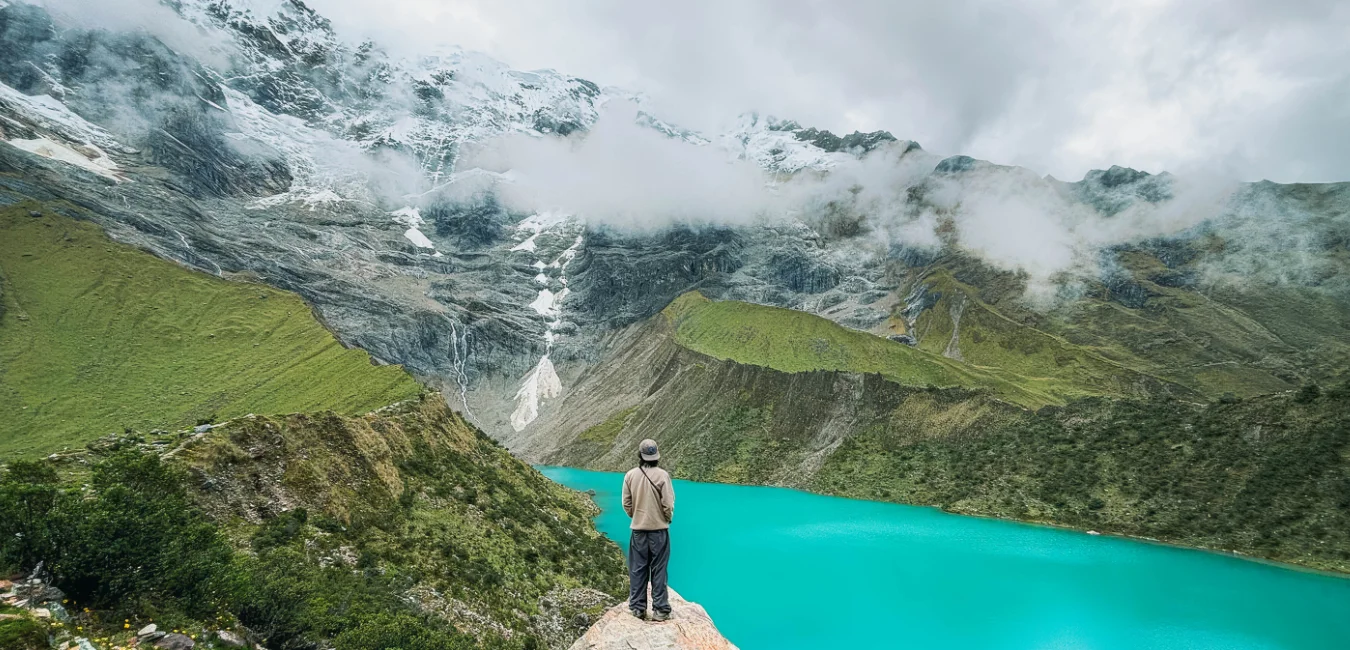
Humantay Lake Day Trip at a Glance
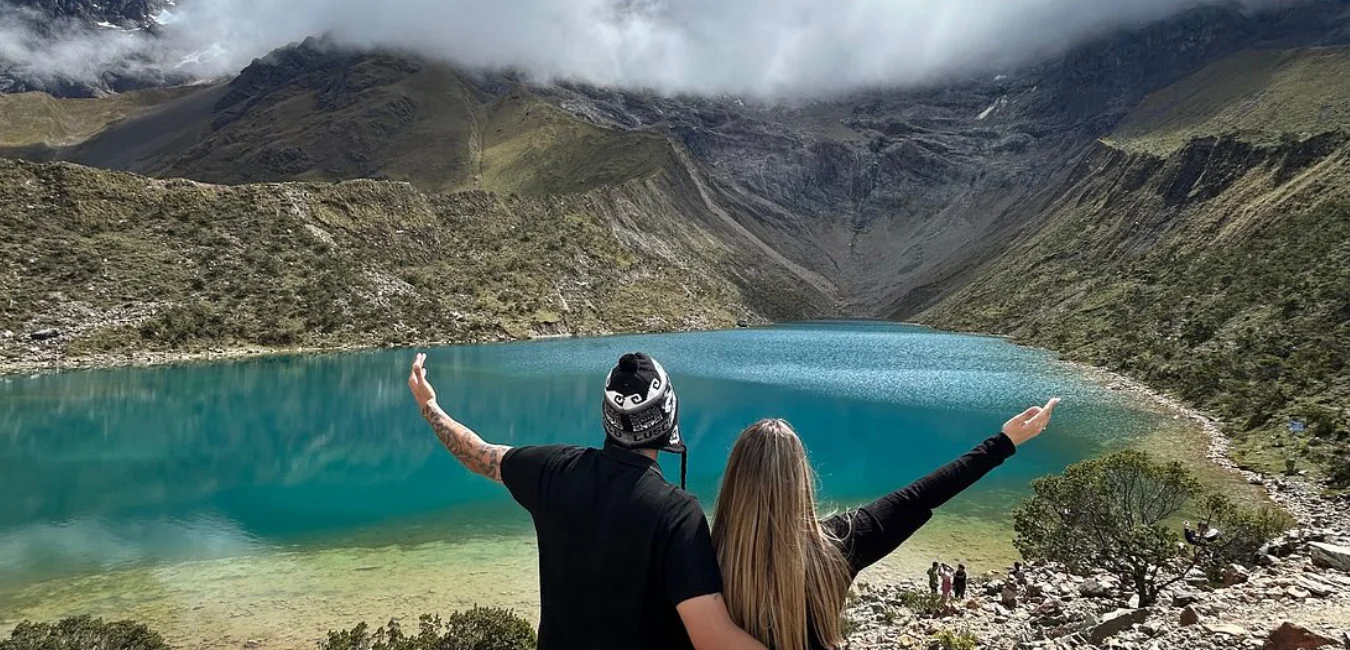
Before the detail, here are the key facts most travelers ask us before booking, gathered in one place. The figures below reflect a standard group day trip; your exact times and prices will vary slightly by operator and season, but the ranges hold true across the route.
| Detail | What to expect |
| Distance from Cusco | Approx. 120 km (about 3 hours by road to Soraypampa, via Mollepata) |
| Lake altitude | Approx. 4,200 m / 13,780 ft |
| Trailhead altitude (Soraypampa) | Approx. 3,900 m / 12,795 ft |
| Hike distance | Approx. 4–6 km round trip |
| Hike time | 45–90 min up, 40–60 min down (depending on pace and acclimatization) |
| Elevation gain on the hike | Approx. 300 m / 985 ft |
| Difficulty | Moderate short but steep at high altitude |
| Total tour duration | 12–14 hours door to door |
| Typical group price | US$25–US$120 per person (see cost section) |
| Best season for clear views | May to September (Andean dry season) |
How Much Does a Humantay Lake Tour Cost in 2026 and 2027?
A Humantay Lake day trip from Cusco usually costs between US$25 and US$120 per person in 2026 - 2027. Budget group tours sold on the street in Cusco can start around US$25 - US$45, well run small group tours with hotel pickup and a bilingual guide typically run US$50–US$90, and private tours generally start from US$120 and up. The entrance fee to the lake (around 20–25 soles) is sometimes included and sometimes paid separately, so always confirm before you pay.
Price is the first thing travelers compare, but the cheapest option is rarely the best value on this route. Very low prices are usually made possible by oversized groups, older vehicles, a skipped breakfast, or a guide managing more than twenty people at 4,200 m. What you are really paying for is group size, the condition of the transport on a rough mountain road, the quality of the meals, and whether the guide can actually attend to you if the altitude hits. To make the trade-offs clear, here is a realistic comparison of the options you will see advertised.
| Option | Typical price (per person) | Best for | Trade-offs |
| Budget group tour | US$25–US$45 | Backpackers, tight budgets | Large groups, basic transport, meals may be limited |
| Small-group tour | US$50–US$90 | Most travelers wanting comfort and attention | Costs more than street tours |
| Private tour | From US$120+ | Families, photographers, own pace | Highest price |
| Taxi + go on your own | US$60–US$120 per car (split between passengers) | Independent hikers, small groups sharing | No guide, no meals, you organize everything |
Beyond the headline price, budget for a few extras so nothing catches you out on the day. If the entrance fee is not included, you will pay around 20 - 25 soles in cash at the trailhead. Restrooms along the way cost 1 - 2 soles. Renting trekking poles is a few soles, and a horse to ride part of the climb usually costs 60 - 100 soles. Tipping is customary but not obligatory in Peru; many travelers give the guide and driver a small tip at the end of a good day. Carrying enough cash in soles matters, because card payment is not an option once you leave Cusco.
Prices also move with the season. Expect the top of these ranges during the peak dry months of June, July, and August and around Peruvian holidays, and softer prices in the wet low season from November to March. Booking a little further ahead in high season usually locks in a better small-group rate than waiting to negotiate on the street.
| Number of Travelers | Price per Person |
| 1 | US$ 320 |
| 2 | US$ 190 |
| 3 | US$ 150 |
| 4 | US$ 125 |
| 5 | US$ 115 |
| 6 | US$ 110 |
| 7 | US$ 100 |
| 8 | US$ 90 |
| 9 or more | Contact us for a personalized quote |
Why the Cheapest Tour Can Cost You More
The cheapest tour can end up costing you the whole experience, because the savings come out of the parts of the day that keep you safe and comfortable. On our own trips we have picked up travelers at the lake who joined a bargain tour, were placed in a group of more than twenty, and never got a proper explanation of the altitude or the route.
When someone in that group felt sick, a single guide could not help everyone at once, and the rest of the group waited in the cold. A slightly higher price for a smaller group is not an upsell at 4,200 m it is the difference between an enjoyable morning and a miserable one. When you compare quotes, ask the one question that reveals the most: how many people will be in the group? The answer tells you more about your day than the price does.
What Is Included in a Humantay Lake Day Trip?
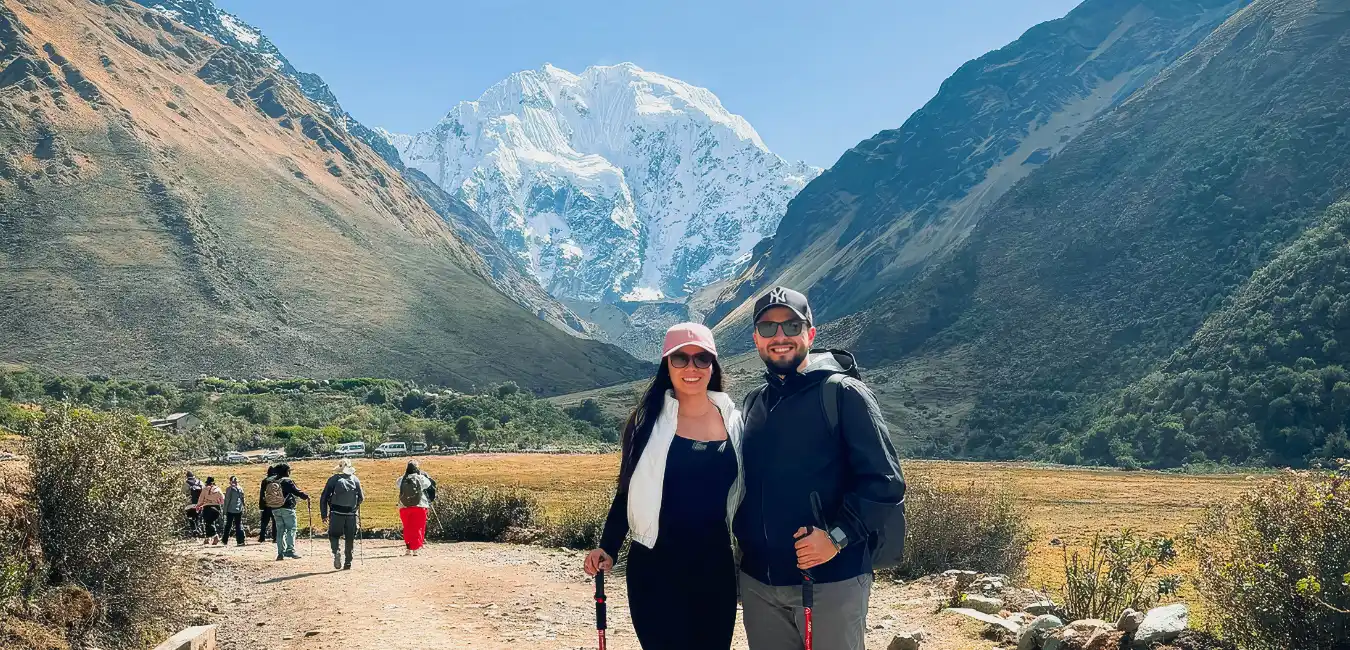
A standard Humantay Lake day trip usually includes round trip transport from Cusco, hotel or meeting point pickup, an early breakfast, a buffet lunch, and a professional bilingual guide. The lake entrance fee, trekking poles, horse rental, and tips are the items that vary most between operators, so check them line by line before you pay. The table below shows what is typically covered and what usually is not, and the paragraphs after it explain what each inclusion actually means on the day.
| Usually included | Usually not included |
| Round-trip transport Cusco–Soraypampa | Lake entrance fee (approx. 20–25 soles), unless stated |
| Pickup from your hotel or a central meeting point | Trekking poles (sometimes rented on site) |
| Breakfast in Mollepata | Horse rental for part of the climb |
| Buffet lunch after the hike | Tips for the guide and driver |
| Professional bilingual guide | Travel insurance |
| Basic first-aid support | Snacks and extra water beyond what is provided |
The transport is the backbone of the day. A good operator uses a well maintained van or bus for the roughly three-hour drive to Soraypampa, with a driver who knows the unpaved final stretch. Pickup usually happens at your hotel in the historic center; if you are staying farther out, you may be asked to meet at a central point, which is normal and worth confirming the night before.
The meals are more important than they sound. Breakfast in Mollepata, about two hours into the drive, is usually bread, eggs, fruit, and hot coca or muña tea light food that sits well before a climb at altitude. The buffet lunch after the hike is the reward: a spread of Andean dishes, soup, and hot drinks that most travelers are very ready for by early afternoon. If you have dietary needs, vegetarian and vegan options are widely available, but tell your operator in advance.
The guide is what you are really paying for. On a route where the altitude is the main risk, a licensed, bilingual guide who explains the pace, watches the group, and carries a first aid kit turns a potentially hard day into a smooth one. The reason the inclusions list matters so much is that two tours advertised at very different prices can look identical until you read it. A tour that excludes the entrance fee, poles, and lunch is not really cheaper - it just moves those costs to the trailhead, where you pay them anyway, often in cash and often at a worse rate.
What Time Does the Humantay Lake Tour Start and How Long Does It Last?
Most Humantay Lake tours pick you up between 4:00 and 5:00 a.m. and return to Cusco between 4:00 and 7:00 p.m., for a total of about 12 to 14 hours. The very early start is not a marketing gimmick: it is what lets you reach the lake before midday, when the sky is clearest and the wind is calmest. Afternoon clouds and wind roll in on most days, so groups that leave late often see a grey, choppy lake instead of a still, turquoise one. Starting early is the single easiest thing you can do to guarantee the view you came for.
Here is how a typical day unfolds. Your operator's exact times will differ slightly, but the shape of the day is the same across the route, and knowing it in advance helps you pace yourself and pack the right things within reach.
| Time (approx.) | What happens |
| 4:00–5:00 a.m. | Pickup at your hotel in Cusco |
| 6:30–7:00 a.m. | Breakfast stop in Mollepata |
| 8:00–8:30 a.m. | Arrive at the trailhead in Soraypampa |
| 8:30–10:00 a.m. | Hike up to Humantay Lake |
| 10:00–11:00 a.m. | Time at the lake for photos and rest |
| 11:00 a.m.–12:00 p.m. | Descent back to Soraypampa |
| 12:30–2:00 p.m. | Buffet lunch in Mollepata |
| 4:00–7:00 p.m. | Return to Cusco |
Two parts of the timeline surprise first-timers. The first is how early "early" really is: with a 4:30 a.m. pickup you should set an alarm for around 4:00, lay out your clothes the night before, and arrange breakfast-to-go if your hotel's kitchen is closed. The second is how long the return drive feels after a full day of hiking at altitude most people sleep through it. Building in a relaxed evening back in Cusco, rather than another activity, makes the day far more enjoyable.
You will have roughly 45 minutes to an hour at the lake itself. That is enough to walk along the shore, take photos, catch your breath, and, for those who want to, hike a little higher for a wider view. It is not enough to linger for hours, because the group needs to descend before the weather turns and the long drive home begins.
How to Get from Cusco to Humantay Lake
The most common way to reach Humantay Lake is on an organized day trip that drives you from Cusco to Soraypampa in about 3 hours, but you can also hire a private taxi and hike on your own. There is no public bus that goes directly to the trailhead, so your realistic choices are a guided tour or a private car.
For most first time visitors, especially anyone not fully acclimatized, the guided tour is simpler and safer, but the independent route is a legitimate option if you plan for it. Below, each option is explained in full so you can choose with your eyes open.
Guided Tour vs. Going on Your Own
A guided tour is the right answer for most travelers because it removes every logistical worry from a long, high-altitude day. The operator handles the pre-dawn pickup, the three-hour drive, the meals, the entrance fee, and most importantly provides a guide who reads the altitude and the weather and keeps the group together.
Going on your own gives you freedom over your pace and departure time, and it can be cheaper for a group of three or four sharing a car, but you take on all the planning: transport, food, the entrance fee, and managing altitude with no support if something goes wrong. If you are an experienced high altitude hiker who is already acclimatized and comfortable being self sufficient, the independent route is very doable. If this is your first big altitude day in Peru, a tour removes most of the ways the day can go sideways.
Hiring a Taxi to Humantay Lake and What It Costs
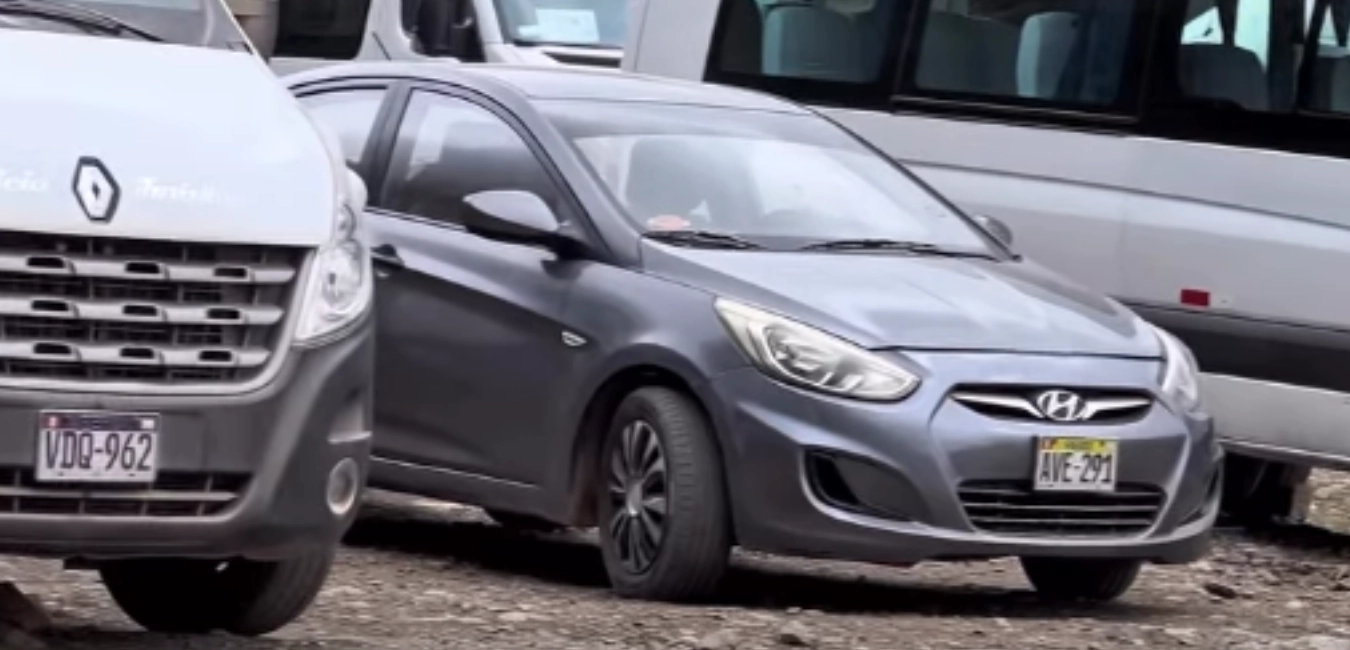
Hiring a private taxi from Cusco to Soraypampa and back typically costs US$60 to US$120 for the whole car, which becomes reasonable when three or four passengers split it. The key is to agree on the total price and the waiting time before you leave, because the driver will wait several hours at the trailhead while you hike and descend.
Confirm the car is in good condition and that the driver is comfortable with the rough, unpaved final section up to Soraypampa not every city taxi is. Arrange the pickup for around 4:00 a.m. yourself, since the whole point of going independently is lost if you leave late and reach the lake under afternoon cloud. Bring cash for the driver, the entrance fee, and food, as there is nowhere to withdraw money once you leave the city.
How Long Is the Drive to the Trailhead?
The drive from Cusco to Soraypampa takes about 3 hours in each direction: roughly 2 hours of paved highway to the town of Mollepata, then about an hour on a winding, unpaved road that climbs to the trailhead. It is a genuinely beautiful drive through the Apurímac valley, with terraced fields and snow peaks appearing as you gain height, but the final section is bumpy and full of switchbacks.
Travelers prone to motion sickness should sit toward the front, take medication before the rough part rather than during it, and keep a jacket handy, because the temperature drops sharply as you climb toward Soraypampa.
How Hard Is the Humantay Lake Hike? Difficulty, Altitude and Distance
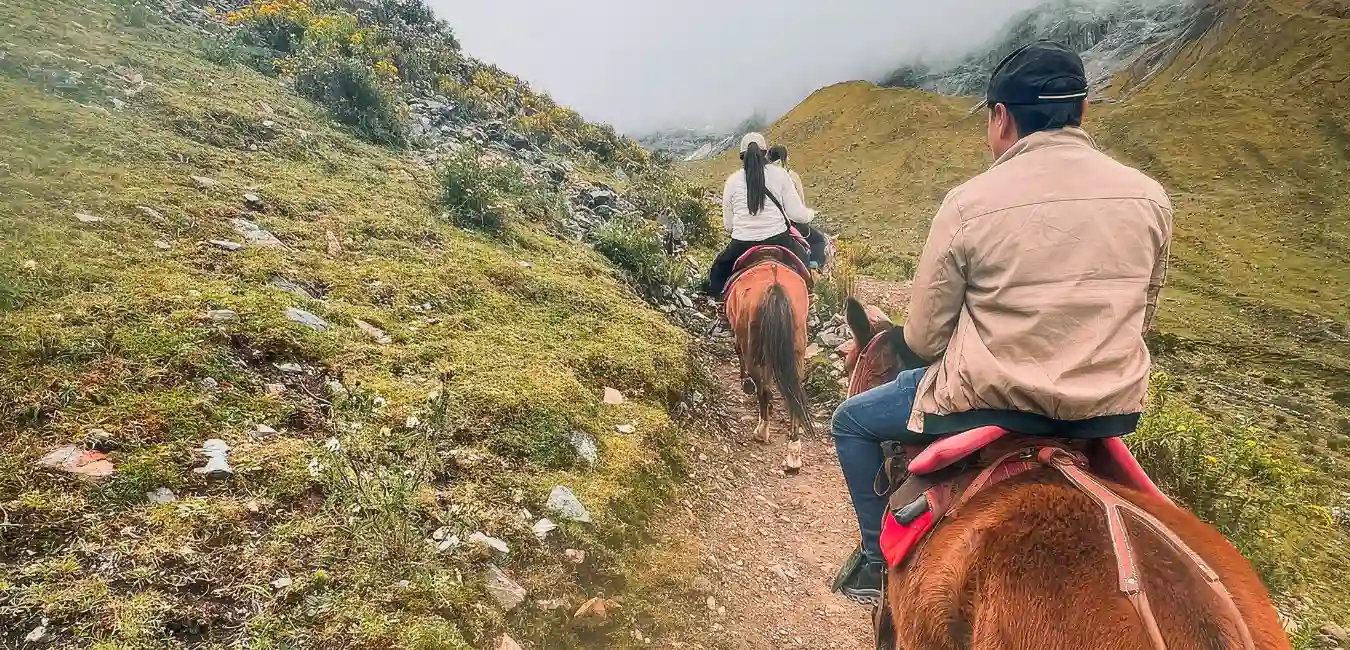
The Humantay Lake hike is short but genuinely challenging because of the altitude: about 4 - 6 km round trip with 300 m of climbing, done between 3,900 m and 4,200 m. A fit, well acclimatized hiker reaches the lake in 45 to 60 minutes; travelers who arrived in Peru recently often take 75 to 90 minutes and stop frequently to breathe. The trail itself is not technical there are no ropes, no scrambling, and no dangerous drop offs but the thin air turns a modest climb into real work, and that surprises people who expected an easy stroll.
The trail begins at Soraypampa and climbs steadily on a well worn path of dirt and loose stone. The first section is the steepest; the gradient eases near the top just before the lake reveals itself. There is no shade, so sun protection matters as much as warm layers. The single biggest factor in how the hike feels is not fitness it is acclimatization.
We have watched marathon runners struggle because they flew straight from sea level, while older travelers who had spent three days in Cusco walked up steadily and enjoyed every minute. Your body simply needs time to adjust to the reduced oxygen, and no amount of gym training substitutes for those days at altitude.
If the climb feels like too much, you have options and there is no shame in using them. Horses can be hired near the trailhead to carry you up most of the way, leaving only a short final section on foot. Walking slowly with frequent short breaks the "pole pole" rhythm guides teach gets almost everyone to the top. The table below sums up the questions travelers ask most about the difficulty.
| Question | Answer |
| How difficult is it? | Moderate steep in places, short in distance |
| How high is the lake? | Approx. 4,200 m / 13,780 ft |
| How long is the hike? | Approx. 4–6 km round trip |
| How long does it take? | 45–90 min up, depending on acclimatization |
| Do I need experience? | No technical skills required |
| Can I ride part of the way? | Yes, horses are usually available near the trailhead |
How to Prepare for the Altitude at Humantay Lake
To handle the altitude at Humantay Lake, spend at least two full days in Cusco (3,400 m) before the trip, walk slowly on the hike, drink plenty of water, and consider coca tea or altitude medication after talking to a doctor. Humantay is often one of the highest points travelers reach in the early days of a Peru trip, so it rewards a little respect. The good news is that altitude is manageable when you plan for it, and the steps below prevent the vast majority of problems.
How Many Days to Acclimatize in Cusco First
Two days in Cusco is the practical minimum before this hike, and three is noticeably better. Use those days for gentle activities rather than rest in bed: the Cusco city tour, an easy walk through the San Blas neighborhood, or a day in the Sacred Valley, which actually sits lower than Cusco and helps your body adjust. Avoid alcohol, keep meals light, and drink far more water than you normally would. Going straight from Lima or the airport to Humantay the next morning is the most common reason travelers feel awful on the trail, and it is entirely avoidable.
Do Tours Provide Oxygen or First Aid?
Reputable operators carry a basic first-aid kit and guides trained to recognize and respond to common altitude symptoms, and some also carry a bottle of emergency oxygen. This is not standard on every budget tour, however, so if altitude worries you, ask specifically what medical support the guide carries before you book, rather than assuming it is there. Knowing that trained help and oxygen are on hand is worth a great deal of peace of mind on a day at 4,200 m.
Our guides are trained in basic first aid and high-altitude safety and are prepared to assist travelers throughout the hike. Every group carries a first-aid kit and emergency oxygen, and our operations team remains available to provide support if needed. While most visitors complete the trek without any issues, these safety measures provide extra peace of mind during your visit to Humantay Lake.
What Altitude Symptoms Are Normal and What to Do
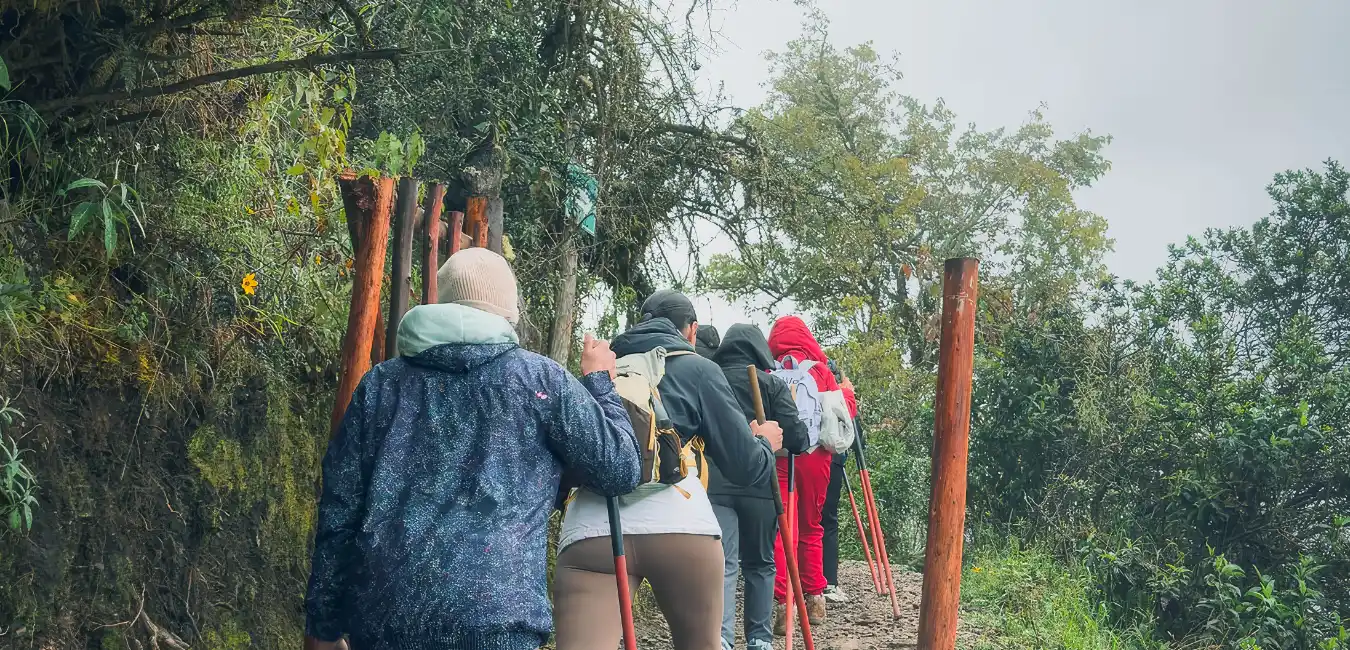
Mild shortness of breath, a light headache, a faster heartbeat, and some tiredness are common at this altitude and are usually nothing to worry about. What is not normal is persistent vomiting, confusion, a severe headache that does not ease, or difficulty breathing at rest those are signs to stop climbing and descend, and to tell your guide immediately. For the ordinary mild symptoms, the remedies are simple and effective: walk slowly, hydrate constantly, eat light carbohydrates for energy, and try coca tea or coca candies, which locals have used for generations. Descending even a few hundred meters resolves most symptoms quickly, which is one more reason this particular hike is forgiving you are never far from lower ground.
In our experience, most travelers who spend at least one or two days acclimatizing in Cusco complete the Humantay Lake hike without serious altitude-related problems. If anyone experiences mild symptoms, our guides adjust the pace, allow extra rest breaks, encourage hydration, and provide assistance when necessary using the emergency equipment they carry.
When Is the Best Time to Visit Humantay Lake?
The best time to visit Humantay Lake is during the dry season, from May to September, when skies are clearest and the lake shows its brightest turquoise. The wet season, from November to March, brings clouds, rain, and a real chance the lake is partly hidden when you arrive. April and October are pleasant shoulder months with a good balance of decent weather and thinner crowds. Whatever the month, the best time of day is always early morning, so aim to be standing at the lake before midday.
| Months | Season | What to expect |
| May–September | Dry season | Clearest skies, best views, coldest mornings, busiest trails |
| April & October | Shoulder | Good balance of decent weather and fewer crowds |
| November–March | Wet season | Green landscapes, frequent clouds and rain, fewer visitors |
Choosing your month is really a trade-off between views and crowds. June to August gives you the most reliable blue sky and the most vivid lake, but it is also the busiest and coldest, with mornings well below freezing at the trailhead. The wet season is far quieter and the surrounding hills turn a lush green, but you gamble on the weather, and heavy rain can make the trail slippery and the lake flat and grey. If clear photos are your priority, come in the dry season; if solitude matters more and you can accept some risk, the shoulder months are the sweet spot.
A detail many guides skip: even in the dry season the mornings are bitterly cold at the trailhead and warm up fast as the sun rises and you climb. The weather at 4,200 m can change within minutes, from still sunshine to wind and cloud, which is the real reason we push every group to start early rather than take a leisurely morning. The mountain gives its best light to the people who arrive first.
What to Pack for a Humantay Lake Day Trip
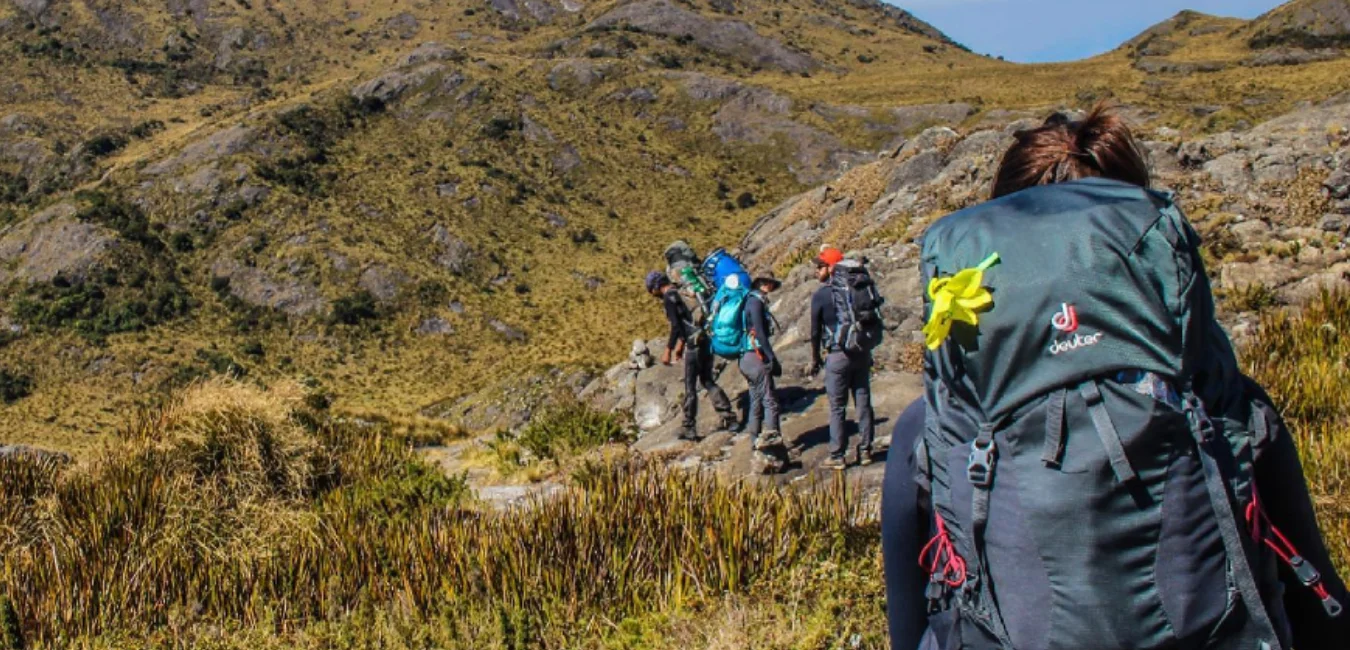
Pack layers, waterproof hiking shoes, sun protection, water, and some cash for the entrance fee and restrooms. You will feel near-freezing temperatures at dawn and strong high-altitude sun by mid-morning on the same day, so dressing in removable layers matters more than any single warm jacket. The table below is the essentials list we give our own travelers, and the notes after it explain the choices that people most often get wrong.
| Category | What to bring |
| Clothing | Base layer, fleece or warm mid-layer, waterproof jacket, hiking pants, gloves, hat |
| Footwear | Waterproof hiking shoes or boots with good grip |
| Sun protection | Sunscreen, sunglasses, brimmed hat, lip balm |
| Hydration and food | At least 1.5 L of water, energy snacks |
| Essentials | Cash for entrance fee and toilets, ID/passport, small daypack |
| Helpful extras | Trekking poles, reusable water bottle, coca candies, camera |
Layering is the whole secret to being comfortable on this trip. Start the pre-dawn drive in everything you have, shed layers as you climb and warm up, and pull the waterproof shell back on at the lake, where the wind can be sharp even on a sunny day. Footwear is the other thing worth getting right: the trail is dusty when dry and slippery when wet, so shoes with real grip beat sneakers, and waterproofing keeps your feet warm at the top. High-altitude sun is deceptively strong, so sunscreen and sunglasses are not optional even when the morning feels cold.
Can You Rent Hiking Gear in Cusco?
Yes, and it is easy and inexpensive. Cusco has many outdoor shops around the Plaza de Armas and in the San Blas neighborhood where you can rent or buy jackets, trekking poles, daypacks, and warm layers at low prices. If you are traveling light, arrived without proper gear, or simply do not want to carry a heavy jacket across South America for one hike, renting for the day is the practical choice. Sort it out the afternoon before your trip rather than the morning of, since the shops are not open at 4:00 a.m.
How to Book a Humantay Lake Day Trip
You can book a Humantay Lake day trip online in advance or in person once you reach Cusco, but booking ahead during the peak dry season is safer. Booking online lets you compare operators, read reviews, and secure a small-group spot before you arrive; booking in Cusco can be cheaper but risks sold-out dates and lower quality street tours in high season. The right choice depends on your dates, your budget, and how much certainty you want.
Booking Online vs. Last Minute in Cusco
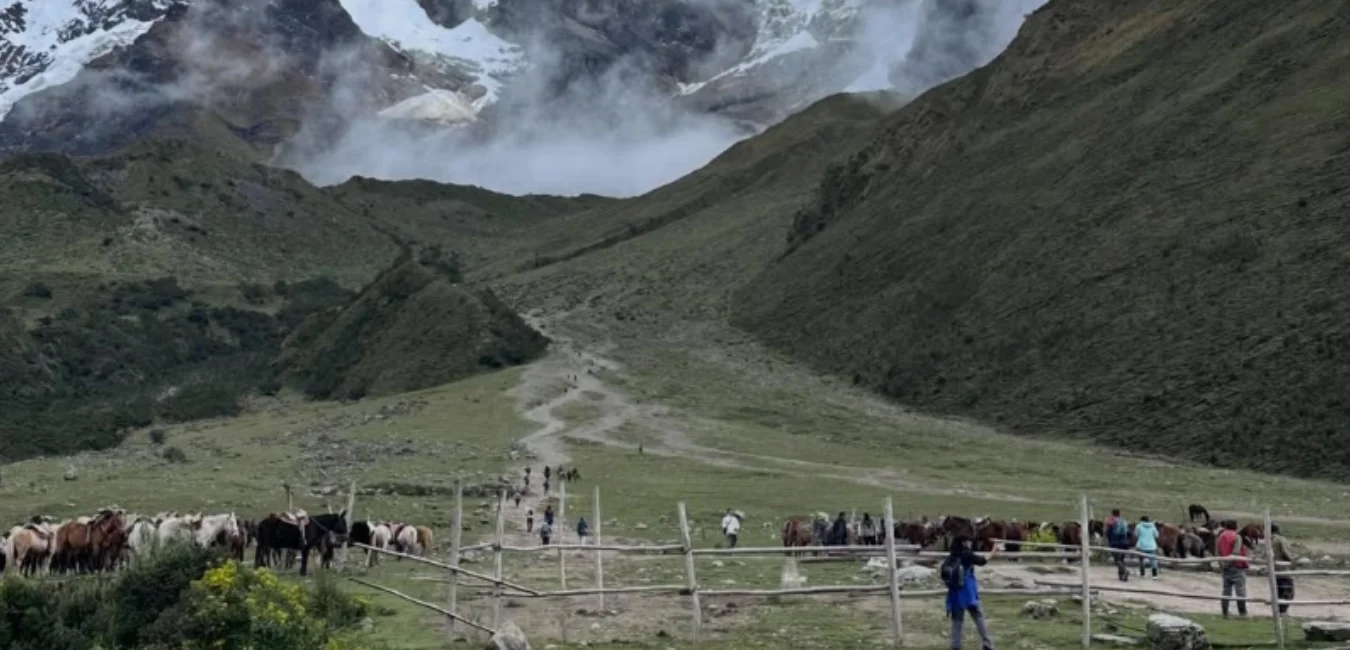
Booking online before you arrive is the better choice if you have fixed dates, want a specific small-group operator, or are traveling between May and September. It gives you time to read independent reviews, confirm exactly what is included, and lock in a spot before the popular tours fill.
Booking last minute in Cusco can work well in the low season and sometimes gets you a modest discount by dealing directly with an agency, but you have far less control over group size and vehicle quality, and in peak months you may find the good small-group tours already full. If your schedule is tight or your trip falls in high season, do not gamble on last-minute.
How Far in Advance Should You Book?
In the dry season and around Peruvian holidays, booking one to two weeks ahead is wise and usually secures a better small-group rate than negotiating on the street. In the low season you can often book comfortably just a day or two before. Whichever route you take, confirm the pickup time, the exact meeting point, and the full list of inclusions the day before you go, so there are no surprises at 4:00 a.m.
Cancellation and Refund Policies to Check
Before you pay, read the cancellation window, the refund terms, and the policy for weather or roadblocks in writing. Strikes and demonstrations occasionally close the roads around Cusco with little notice, so ask specifically what happens if the tour cannot run for reasons outside your control a reschedule, a partial refund, or a credit.
A clear, written policy is itself one of the best signs of a serious operator, because it shows they have thought about the things that go wrong and how they treat travelers when they do. [Insert here: your own cancellation and refund policy in plain language, including what you do in case of strikes or weather.]
How to Choose a Reliable Humantay Lake Tour Company
Choose a Humantay Lake operator based on group size, guide quality, transport condition, honest reviews, and clear communication not on price alone. The lake is beautiful no matter who takes you there, but the difference between a good and a bad operator shows up in the details that decide how your day feels: whether the guide explains the altitude, whether the van is safe on the rough road, and whether someone actually answers when you have a question the night before. Use the checklist and pointers below to judge an operator before you commit.
What to Look For and Red Flags to Avoid
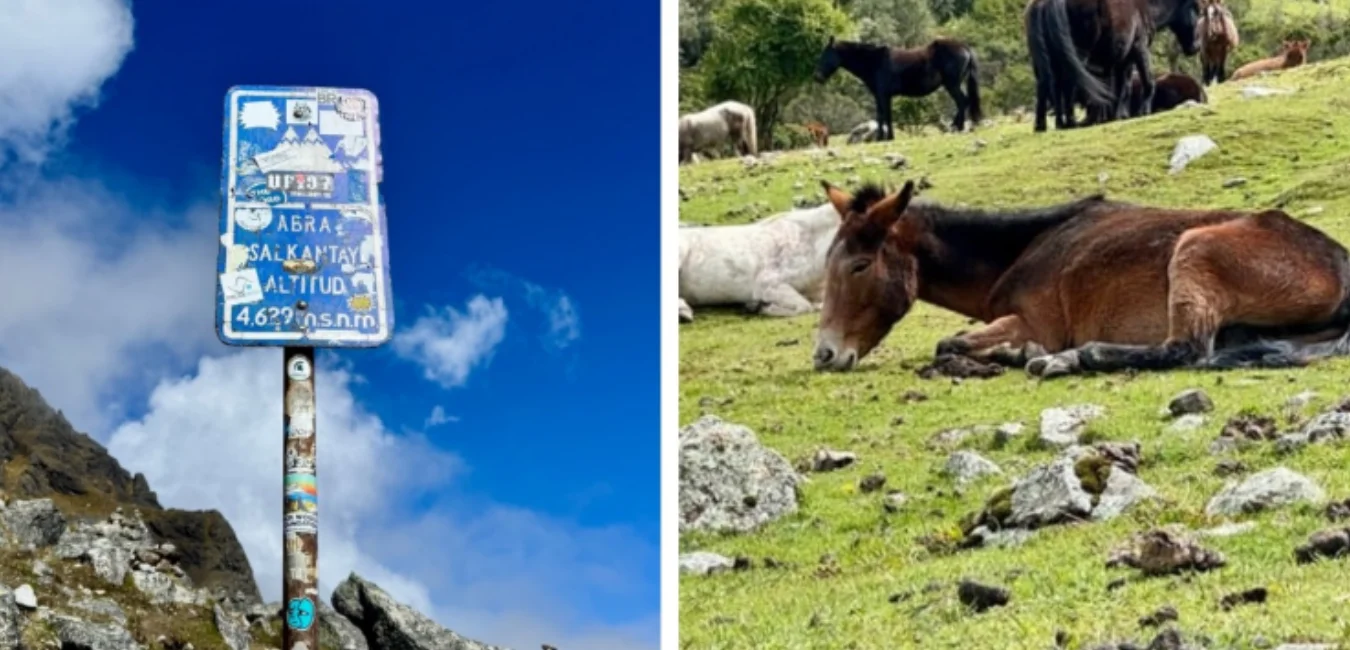
The strongest signals of a good operator are simple to check, and the warning signs are just as clear once you know to look for them.
- Small groups, ideally under 12–15 people, so the guide can attend to everyone.
- A licensed, bilingual guide with real altitude and first-aid training.
- Well-maintained transport suited to the unpaved road to Soraypampa.
- A written itinerary and a clear, itemized list of what is included.
- Responsive, patient customer service before you have paid a cent.
Treat the following as red flags: a price far below everyone else's, vague or evasive answers about group size, no written inclusions, pressure to pay cash immediately with no receipt, and reviews that mention being handed off to a different company than the one you booked. Any single one of these is a reason to ask more questions before you pay.
Where to Read Independent Reviews
Look for consistent, recent reviews across independent platforms rather than relying only on the glowing testimonials printed on a company's own website. The most useful thing you can do is read the three and four star reviews rather than only the five star ones, because they reveal how an operator handles problems a late van, a sick traveler, a weather change and that is exactly what matters most on a long day at altitude.
A company with mostly excellent reviews and a few honest, well-handled complaints is usually more trustworthy than one with nothing but perfect scores.
Languages, Family Friendly and Eco-Friendly Options
Most operators offer guides in English and Spanish, and some can arrange other languages such as French, German, or Portuguese on request if you ask ahead. Families with children and older travelers can do this trip comfortably by choosing a private tour with a slower pace and the option to hire a horse for part of the climb. If sustainability matters to you, ask how the operator manages waste, limits group size, and works with the communities of Mollepata and Soraypampa the answers separate genuine responsible-tourism operators from those who only use the label.
Our tours are led by experienced local guides who speak fluent English and Spanish. We offer both shared and private tours, including family-friendly options for travelers who prefer a more personalized experience. To ensure better service, greater comfort, and a more enjoyable pace, we keep our groups small, allowing our guides to provide individual attention throughout the hike.
Is the Humantay Lake Day Trip Safe?
The Humantay Lake day trip is safe for most travelers in reasonable health, as long as you respect the altitude and go with a prepared guide. The trail is non-technical, with no exposure or scrambling, so the real risks are altitude sickness, cold, and strong sun rather than dangerous terrain. Nearly every problem on this route is prevented by three simple habits: walk at your own pace instead of racing the group, drink water constantly throughout the day, and tell your guide the moment you feel unwell rather than pushing through in silence.
Weather is the other variable to watch an early start keeps you ahead of the afternoon wind and cloud, and a good guide will turn the group around if conditions demand it. Travelers with heart or respiratory conditions, and those who are pregnant, should check with a doctor before attempting any activity at 4,200 m.
Visiting Humantay Lake Responsibly
Humantay Lake is a fragile high mountain site, so responsible visitors carry out all their trash, stay on the marked trail, and respect the local communities who steward the area. The lake's popularity has grown enormously in a few short years, and that traffic puts real pressure on the environment and on the small towns along the route. The good news is that protecting it comes down to small, easy choices that every traveler can make.
Pack out everything you bring in, including fruit peel and tissues, and avoid single-use plastic by carrying a refillable water bottle. Stay on the established path rather than cutting across the fragile grassland, keep your distance from the water's edge where the ground erodes easily, and keep noise low so others can enjoy the stillness. Choosing to spend your money with local families the breakfast in Mollepata, a horse from a local owner, a community run operator keeps tourism benefiting the people who live here.
As a responsible tourism operator, this is the part of the day we care about most, because a turquoise lake is only worth visiting if it stays turquoise for the travelers who come after you. Responsible visiting is not about doing less; it is about leaving the place as beautiful as you found it.
Responsible tourism is at the heart of everything we do. We operate small groups to reduce our environmental impact, follow Leave No Trace principles, and encourage all travelers to carry out their own waste. We work closely with local communities whenever possible and are committed to providing fair wages and good working conditions for our guides, drivers, and support staff. By choosing our tours, you help support sustainable tourism that benefits both local people and the natural landscapes of the Peruvian Andes.
What It's Really Like: Our Experience Guiding This Trek
We have guided the Humantay Lake route through freezing dry-season dawns and misty wet-season mornings, and the lake still surprises us. The moment travelers crest the final rise and the water appears impossibly blue beneath the Humantay glacier, with the peak reflected on still mornings lands the same way every time, no matter how often we have seen it. People fall quiet, and then they laugh. That is the payoff for the 4:00 a.m. alarm and the thin-air climb.
What we have learned over the seasons is that this day rewards patience above everything else. The travelers who enjoy it most are not the fittest; they are the ones who take slow steps, start early, drink their water, and give the altitude the respect it asks for. Do those simple things and a hard climb becomes one of the best mornings of an entire Peru trip.
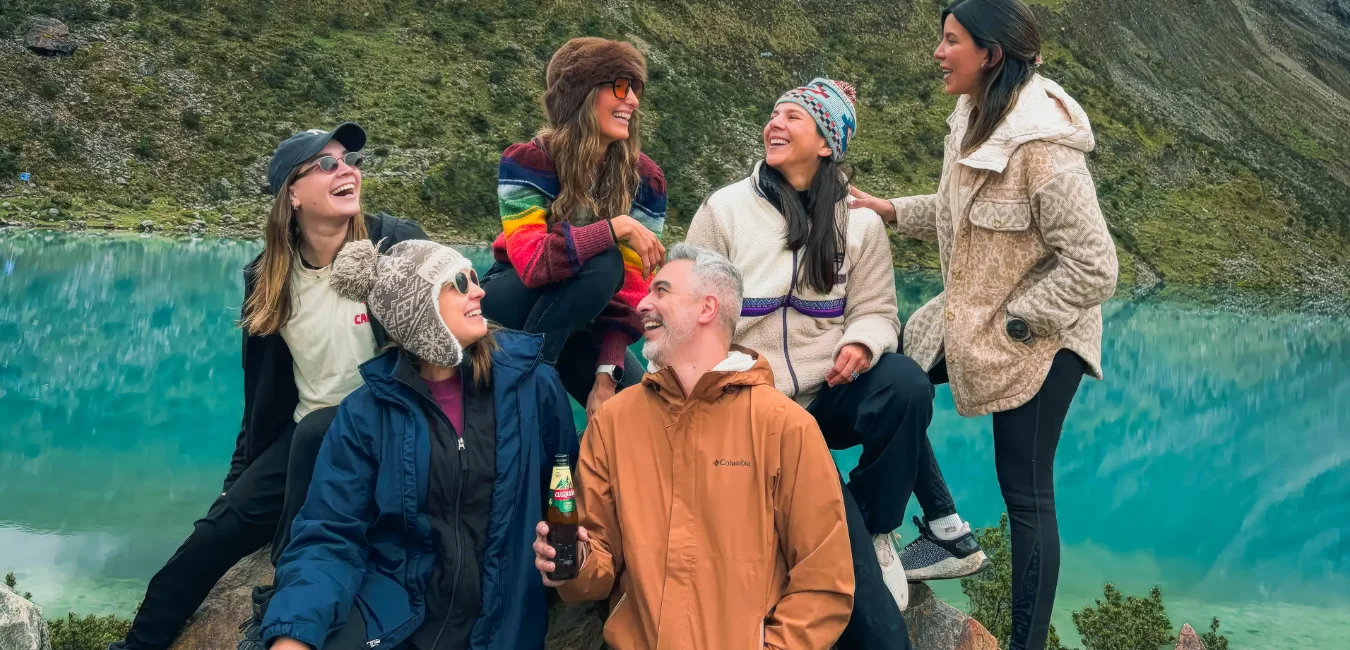
One of our guides, José, still remembers a morning when thick clouds covered Humantay Lake just as the group arrived. One traveler from Canada was feeling tired from the altitude and almost decided to wait behind instead of continuing the final section. After taking a short break, drinking some water, and walking at a slower pace, she reached the viewpoint with the rest of the group. A few minutes later, the clouds suddenly cleared, revealing the turquoise waters of Humantay Lake beneath the snow-capped peaks. The entire group stood in silence for a moment before celebrating together.
Moments like these remind us that every hike is different and that patience is often rewarded in the Andes. Below you'll find a photo taken by one of our guides during that tour, showing the group enjoying Humantay Lake after the skies cleared.
Humantay Lake Day Trip: Frequently Asked Questions
How much is a Humantay Lake tour?
A Humantay Lake tour from Cusco generally costs between US$25 and US$120 per person in 2026–2027, depending on group size and service. Budget group tours start around US$25–US$45, small-group tours run US$50–US$90, and private tours start from about US$120. Always check whether the entrance fee of roughly 20–25 soles is included.
What is included in a Humantay Lake day trip?
Most day trips include round-trip transport from Cusco, hotel pickup, breakfast, buffet lunch, and a bilingual guide. The lake entrance fee, trekking poles, horse rental, tips, and travel insurance are often not included, so confirm each item before booking.
What time does the Humantay Lake tour start?
Most tours pick you up between 4:00 and 5:00 a.m. so you reach the lake before midday, when the views are clearest. The full trip lasts about 12 to 14 hours and returns to Cusco in the late afternoon or early evening.
How difficult is the Humantay Lake hike?
The hike is moderate: about 4–6 km round trip with 300 m of climbing at high altitude. It takes 45 to 90 minutes to reach the lake and needs no technical skills, but the altitude makes acclimatization important. Horses are available if you prefer to ride part of the way up.
How high is Humantay Lake?
Humantay Lake sits at approximately 4,200 m (13,780 ft) above sea level, higher than Cusco. The trailhead at Soraypampa is around 3,900 m, so you climb about 300 m to reach the lake.
Can you visit Humantay Lake without a tour?
Yes. You can hire a private taxi from Cusco to Soraypampa and hike independently, since the trail is well-marked. This suits acclimatized, experienced hikers, but you handle transport, meals, the entrance fee, and altitude on your own with no guide support.
Is altitude sickness a concern on the day trip?
It can be, because the lake is one of the highest points many travelers reach early in Peru. Acclimatizing in Cusco for at least two days, walking slowly, hydrating well, and trying coca tea prevent problems for most people. Descend and tell your guide if symptoms become severe.
What is the best time of year to go?
The dry season from May to September offers the clearest skies and the brightest lake color. April and October are good shoulder months with fewer crowds, while November to March is wetter and cloudier but greener and quieter.
What should I wear and bring?
Dress in layers you can remove as you warm up, wear waterproof hiking shoes with good grip, and bring sun protection, at least 1.5 litres of water, snacks, and cash for the entrance fee and restrooms. You can rent jackets and trekking poles cheaply in Cusco the day before.