
Planning 2 weeks in Peru is the perfect way to experience the country's incredible cultural and natural diversity. This 14-day Peru itinerary takes you from Lima and the Ballestas Islands to the Nazca Lines, Arequipa, Colca Canyon, Lake Titicaca, Cusco, the Sacred Valley, and the iconic Machu Picchu.
Following Peru's famous Southern Circuit, the route combines the Pacific Coast, the Andes, colonial cities, ancient archaeological sites, and spectacular mountain landscapes while allowing gradual altitude acclimatization before visiting Rainbow Mountain.
Whether you're planning your first visit or looking for the best 2-week Peru itinerary, this guide includes a detailed day-by-day itinerary, travel costs, transportation tips, hotel recommendations, and practical advice to help you plan an unforgettable adventure.
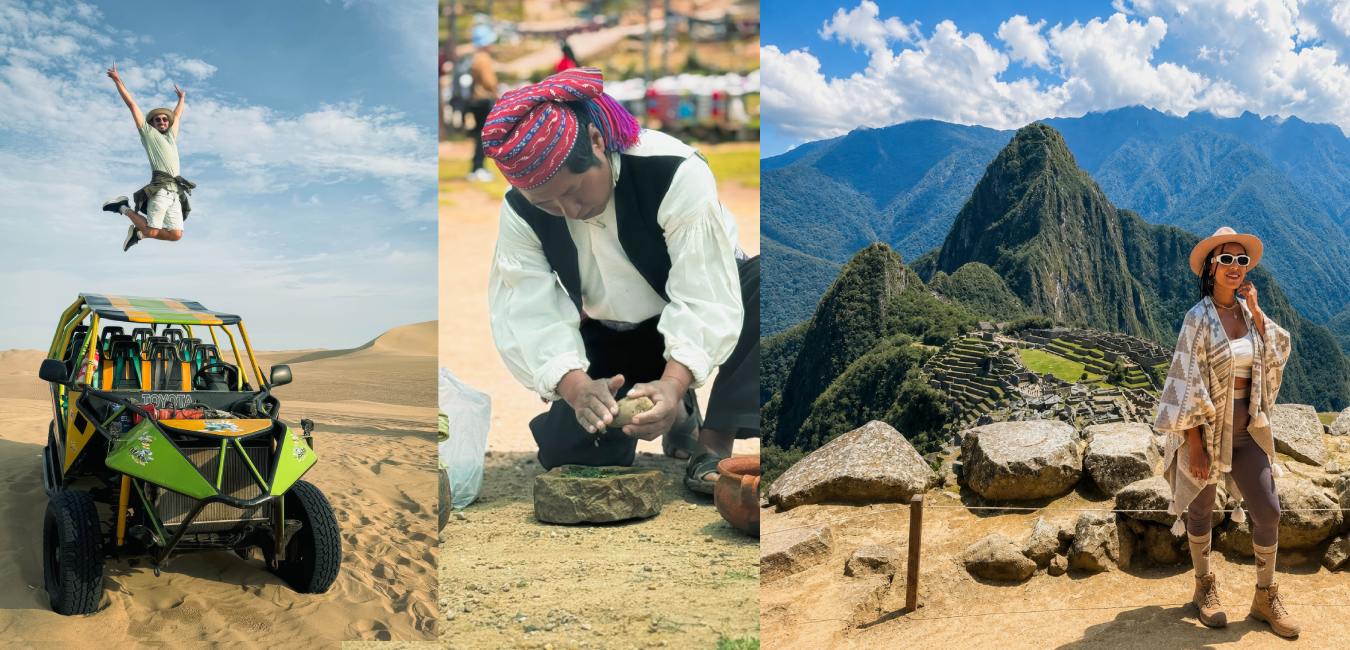
Quick Overview of This 2 Weeks Peru Itinerary
Duration | 14 Days |
|---|---|
| Perfect For | First-time visitors to Peru |
| Starting Point | Lima |
| Ending Point | Lima |
| Main Destinations | Lima, Paracas, Huacachina, Nazca, Arequipa, Colca Canyon, Lake Titicaca, Cusco, Sacred Valley, Machu Picchu, Rainbow Mountain |
| Highest Altitude | Rainbow Mountain (5,036 m / 16,522 ft) |
| Best Time to Visit | May to September |
| Transportation | Flights, tourist buses, trains, and private transfers |
| Recommended Travel Style | Mid-range or small-group tour |
Why Spend 2 Weeks in Peru?
Peru is one of the few countries where you can experience incredible cultural and natural diversity in a single trip. In just 2 weeks in Peru, you'll travel from the Pacific coast and the desert oasis of Huacachina to the Andes, exploring colonial cities, ancient archaeological sites, traditional villages, and breathtaking natural landscapes.
This 14-day Peru itinerary goes far beyond Machu Picchu. You'll enjoy Lima's world-famous cuisine, spot wildlife in the Ballestas Islands, fly over the mysterious Nazca Lines, explore Arequipa and Colca Canyon, visit the floating islands of Lake Titicaca, and discover the rich Inca heritage of Cusco and the Sacred Valley before reaching the iconic Machu Picchu.
Designed for first-time visitors, this route gradually gains altitude, making it easier to acclimatize before visiting Rainbow Mountain. The result is a well-balanced journey that combines culture, history, nature, and adventure, offering one of the best ways to experience Peru in just two weeks.
Peru 2 Weeks Itinerary at a Glance
Day | Destination | Overnight |
| 1 | Arrive in Lima | Lima |
| 2 | Lima City Tour | Lima |
| 3 | Paracas – Ballestas Islands – Huacachina | Huacachina |
| 4 | Nazca Lines Flight – Overnight Bus to Arequipa | Overnight Bus |
| 5 | Arequipa City Tour | Arequipa |
| 6 | Colca Canyon (Condor Cross) | Chivay |
| 7 | Colca Canyon – Puno | Puno |
| 8 | Lake Titicaca (Uros & Taquile Islands) | Puno |
| 9 | Route of the Sun to Cusco | Cusco |
| 10 | Sacred Valley – Ollantaytambo | Aguas Calientes or Ollantaytambo |
| 11 | Machu Picchu – Return to Cusco | Cusco |
| 12 | Rainbow Mountain or Palcoyo | Cusco |
| 13 | Cusco City Tour & Free Afternoon | Cusco |
| 14 | Flight to Lima – International Departure | — |
Why This Route Works Better Than Most Peru Itineraries
Many Peru itineraries either skip iconic destinations or include long travel days that leave little time to enjoy each stop. This itinerary follows Peru's famous Southern Circuit, one of the country's most scenic and rewarding travel routes.
Starting in Lima, you'll gradually travel from the Pacific coast into the Andes, allowing your body to acclimatize naturally before reaching Cusco and Rainbow Mountain. With stops in Arequipa, Colca Canyon, and Lake Titicaca, the route helps reduce the risk of altitude sickness while minimizing unnecessary backtracking.
In just 14 days, you'll experience UNESCO World Heritage Sites, ancient Inca ruins, colonial cities, coastal deserts, volcanic landscapes, high-altitude lakes, and the iconic Machu Picchu, all in a logical and well-balanced itinerary.
Best 2 Weeks in Peru Itinerary (Day by Day)
This 2 weeks in Peru itinerary follows the country's famous Southern Circuit, taking you from the Pacific coast to the heart of the ancient Inca Empire. Along the way, you'll explore vibrant cities, colonial landmarks, deserts, volcanoes, Lake Titicaca, the Sacred Valley, and the iconic Machu Picchu. Carefully planned to minimize backtracking, the route gradually increases in altitude through Arequipa and Colca Canyon, helping you acclimatize before reaching Cusco.
Each day offers a unique experience, combining history, culture, wildlife, gastronomy, and breathtaking scenery. Let's begin your 14-day journey through Peru.
Day 1 – Arrive in Lima: Peru's Vibrant Coastal Capital
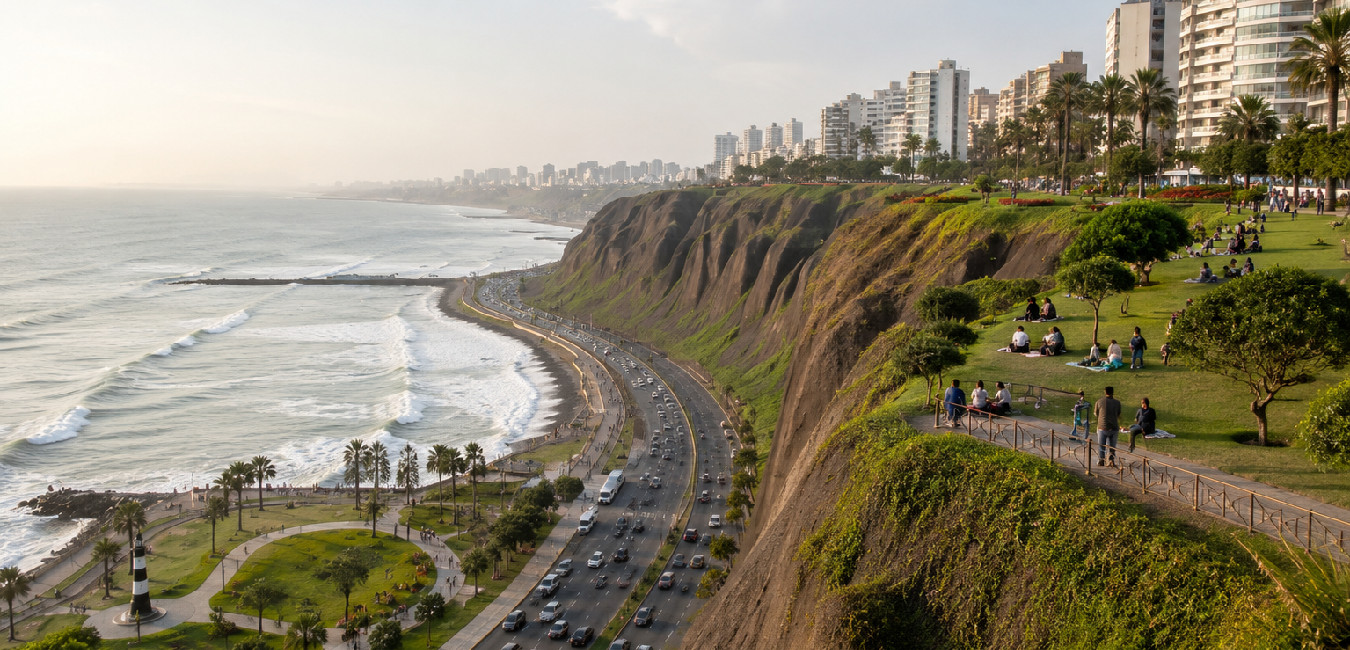
Most international flights arrive at Jorge Chávez International Airport in Lima, making Peru's capital the perfect starting point for your adventure. Rather than heading straight to Cusco, spending your first day in Lima gives you time to recover from your flight while exploring one of South America's top culinary destinations.
After checking into your hotel, visit Miraflores, a modern coastal district famous for its oceanfront parks, shopping areas, and spectacular Pacific views. Walk along the scenic Malecón before continuing to Barranco, Lima's colorful bohemian neighborhood, known for its street art, colonial architecture, cozy cafés, and the iconic Bridge of Sighs.
End the day with an authentic Peruvian dinner and try local favorites like ceviche, lomo saltado, or a refreshing Pisco Sour. Tomorrow you'll discover Lima's rich colonial history before continuing your journey along Peru's southern coast.
Highlights
- Arrive at Jorge Chávez International Airport
- Explore Miraflores and the Malecón
- Visit Barranco and the Bridge of Sighs
- Enjoy authentic Peruvian cuisine
- Overnight: Lima
Day 2 – Discover Lima's Historic Center
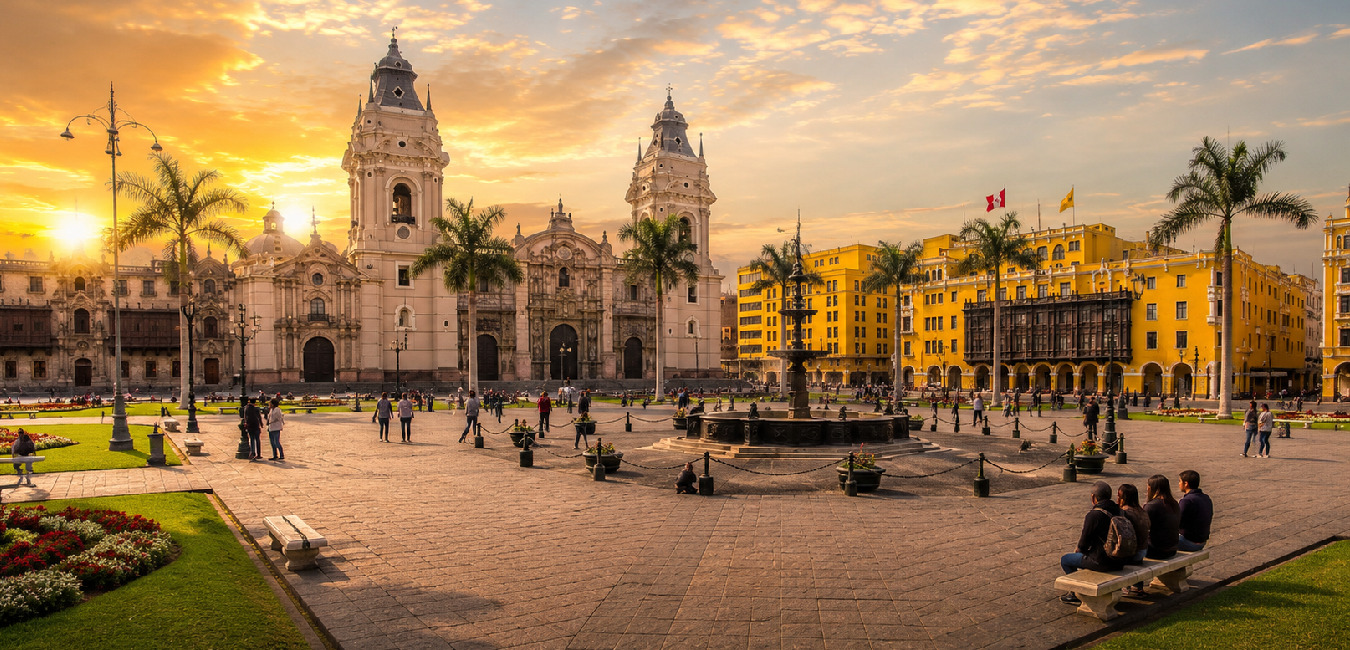
Today you will explore Lima's fascinating colonial heritage before heading south on your Peru adventure. Founded in 1535, Lima's Historic Center is a UNESCO World Heritage Site filled with impressive plazas, churches, and centuries-old architecture.
Begin at the beautiful Plaza Mayor, home to the Government Palace, and the Archbishop's Palace. Continue to the famous San Francisco Monastery, renowned for its colonial architecture, historic library, and underground catacombs.
In the afternoon, return to Miraflores to visit Parque del Amor, browse the shops at Larcomar, or enjoy panoramic views of the Pacific Ocean from the coastal cliffs. If you're a food lover, Lima is also the perfect place to experience one of the world's most celebrated gastronomic scenes before leaving the capital.
Tomorrow, your journey continues south to Paracas, the Ballestas Islands, and the stunning desert oasis of Huacachina.
Highlights
- Explore Lima's Historic Center
- Visit Plaza Mayor and Lima Cathedral
- Tour the San Francisco Monastery
- Walk through Parque del Amor and Larcomar
- Experience Lima's world-famous gastronomy
- Overnight: Lima
Day 3 – Paracas, Ballestas Islands & Huacachina
Leave Lima early and travel south along Peru's scenic Pacific Coast to Paracas, a charming seaside town known for its abundant marine wildlife. Your first adventure is a boat excursion to the Ballestas Islands, often called the "Poor Man's Galápagos" because of their incredible biodiversity.
During the cruise, you'll have the chance to spot sea lions, Humboldt penguins, pelicans, cormorants, and thousands of seabirds nesting on the rocky islands. Along the way, you'll also see the mysterious Candelabra Geoglyph, an enormous figure etched into the desert hillside whose origin remains uncertain.
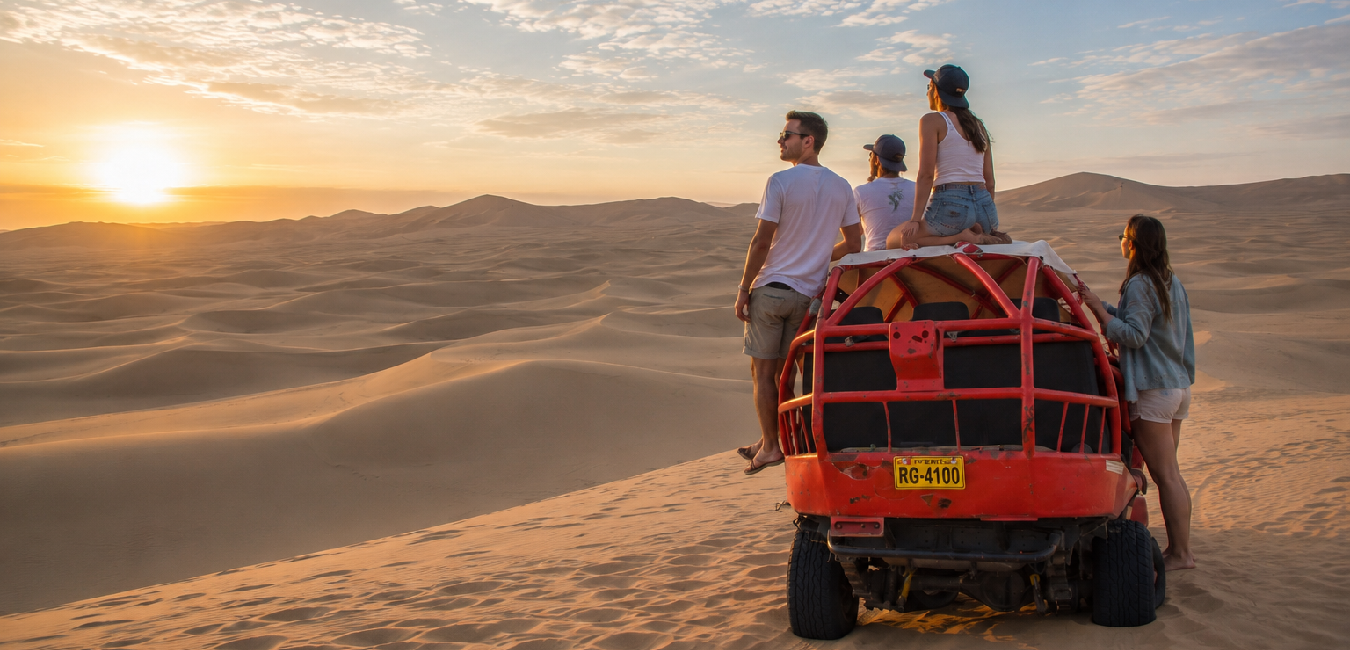
In the afternoon, continue to Huacachina, Peru's famous desert oasis surrounded by towering sand dunes. This tiny village is one of the country's most unique landscapes and the perfect place to experience thrilling dune buggy rides, try sandboarding, or simply relax while watching a spectacular desert sunset.
After an exciting first day outside Lima, spend the night in Huacachina and prepare for tomorrow's visit to one of Peru's greatest archaeological mysteries.
Highlights
- Boat tour to the Ballestas Islands
- Spot sea lions, penguins, and coastal wildlife
- Visit the Huacachina desert oasis
- Optional dune buggy and sandboarding adventure
- Sunset over the sand dunes
- Overnight: Huacachina
Day 4 – Nazca Lines Flight & Overnight Bus to Arequipa
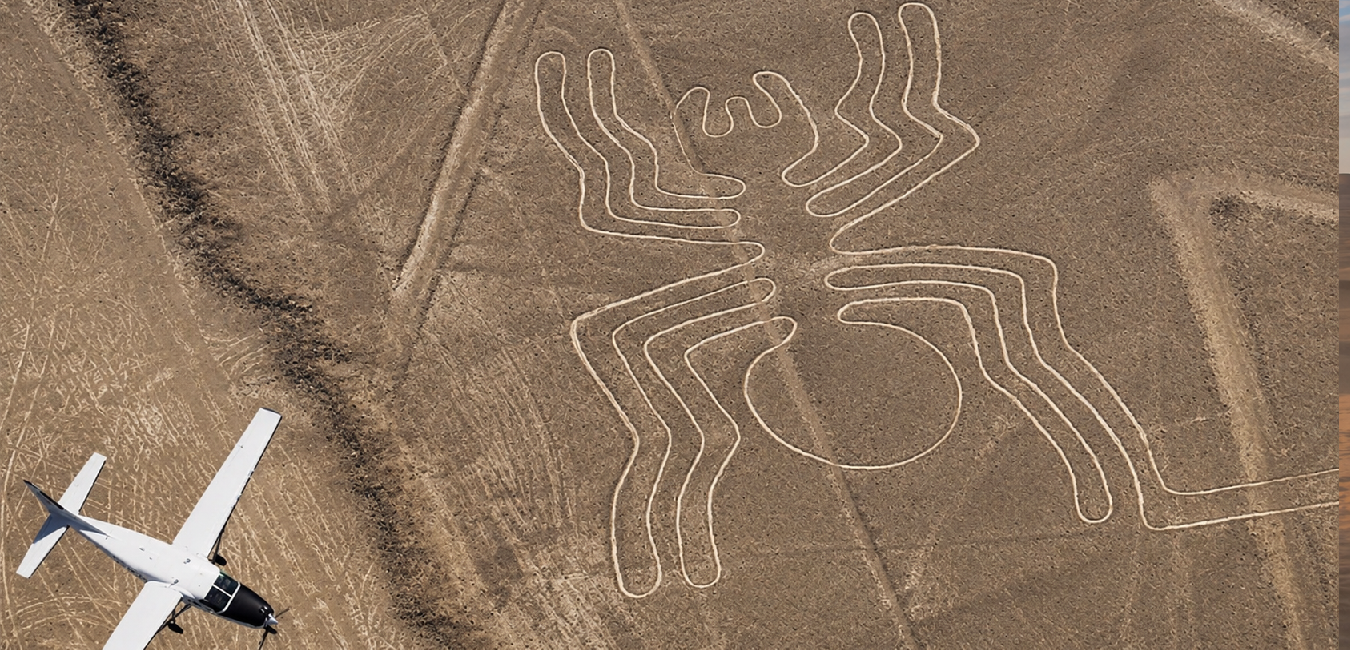
After breakfast, travel to the city of Nazca, home to one of the world's greatest archaeological enigmas. Created more than 1,500 years ago, the Nazca Lines are enormous geoglyphs carved into the desert, depicting animals, plants, and geometric figures that can only be fully appreciated from the air.
The highlight of the day is a scenic flight over the desert, where you'll admire famous figures such as the Hummingbird, Monkey, Spider, Condor, and Astronaut while learning about the many theories surrounding their origin.
Later in the evening, board a comfortable overnight bus to Arequipa, making the most of your travel time while waking up in Peru's beautiful White City the following morning and transfer to the Hotel to rest.
Highlights
- Scenic flight over the Nazca Lines
- View the Hummingbird, Monkey, Spider, and Condor geoglyphs
- Learn about one of Peru's greatest archaeological mysteries
- Overnight journey to Arequipa
- Overnight: Overnight Bus
Day 5 – Explore Arequipa, the White City
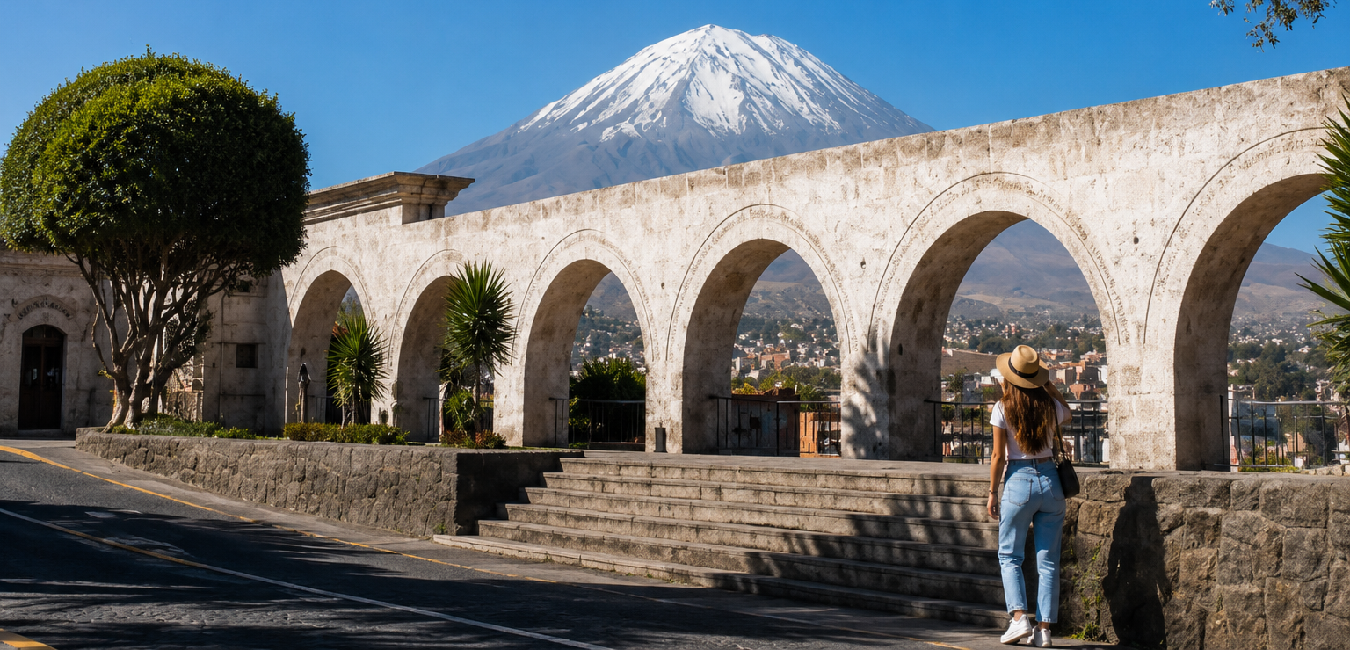
Wake up in Arequipa, Surrounded by the impressive volcanoes Misti, Chachani, and Pichu Pichu, the city is famous for its elegant buildings constructed from white volcanic stone, earning it the nickname "The White City."
Spend the day exploring the historic center, a UNESCO World Heritage Site, including the magnificent Plaza de Armas, the colorful Santa Catalina Monastery, the Cathedral, and the picturesque Yanahuara Viewpoint, where you'll enjoy panoramic views of the surrounding volcanoes.
Before ending the day, be sure to sample Arequipa's renowned cuisine. Local specialties such as rocoto relleno, adobo arequipeño, and the traditional dessert queso helado are not to be missed.
Highlights
- Plaza de Armas
- Santa Catalina Monastery
- Yanahuara Viewpoint
- Colonial architecture
- Traditional Arequipeña cuisine
- Overnight: Arequipa
Day 6 – Colca Canyon & the Majestic Andean Condors
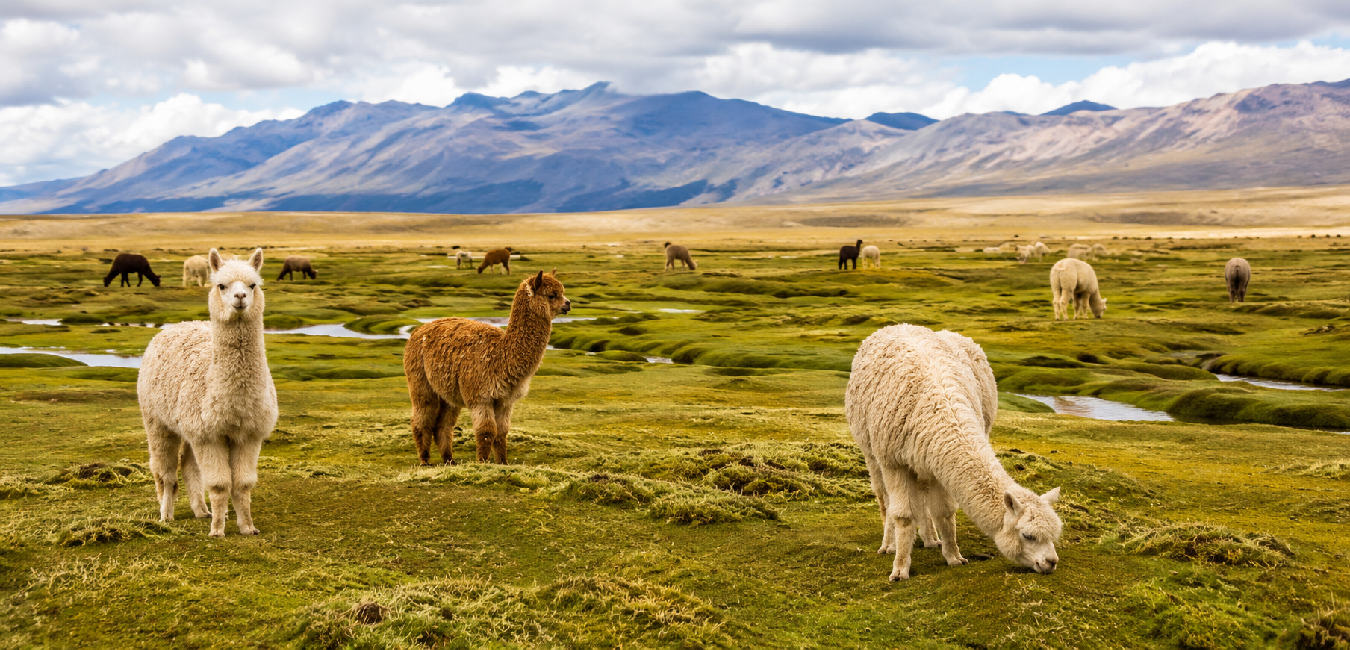
Leave Arequipa before sunrise and journey into the dramatic landscapes of the Colca Canyon. Along the way, you'll pass volcanic scenery, high-altitude plains, and herds of llamas, alpacas, and wild vicuñas roaming the Andean countryside.
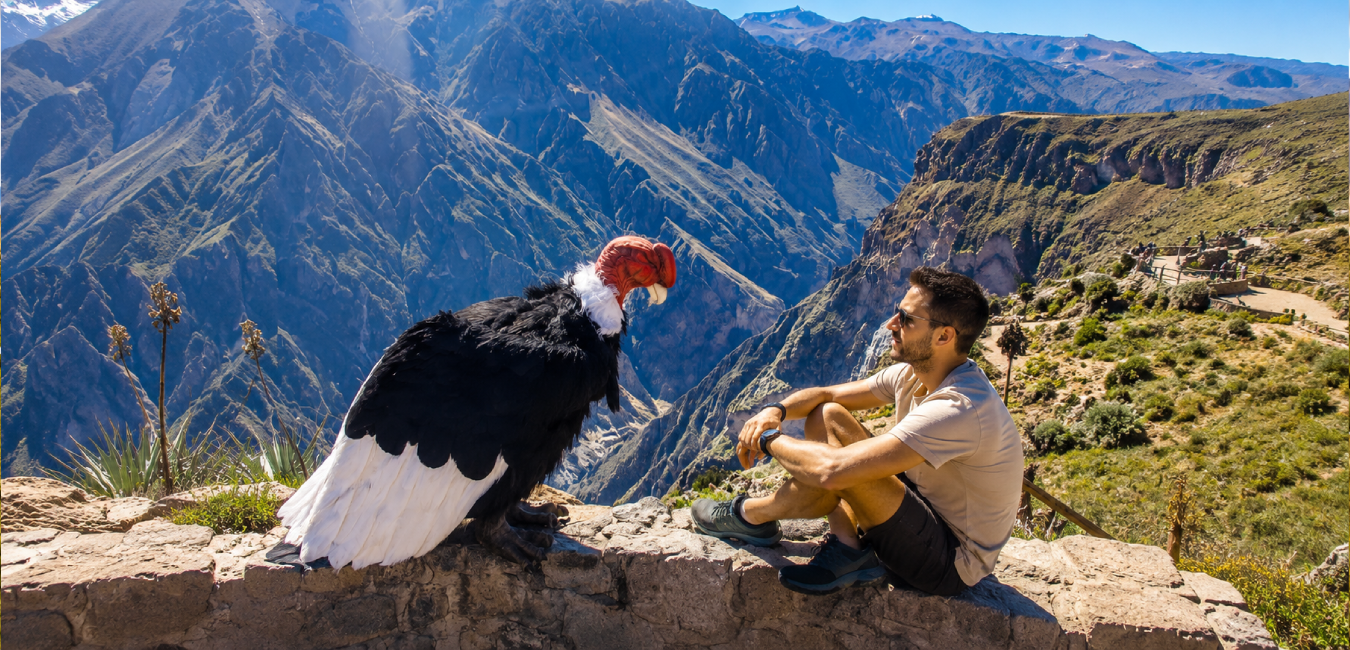
The highlight of the day is a visit to the famous Cruz del Cóndor (Condor Cross) viewpoint, where you'll have the chance to witness the breathtaking flight of the Andean condor, one of the largest flying birds on Earth. Early morning offers the best opportunity to watch these magnificent birds soaring above the canyon as they ride the warm air currents.
Afterward, continue exploring traditional Andean villages such as Maca and Yanque,
As the day comes to an end, arrive in Chivay, the gateway to Colca Canyon, where you'll spend the night before continuing your journey toward Lake Titicaca.
Highlights
- Cruz del Cóndor viewpoint
- Watch the Andean condors in flight
- Visit Maca and Yanque villages
- Inca and pre-Inca agricultural terraces
- Optional visit to La Calera Hot Springs
- Overnight: Chivay
Day 7 – Colca Canyon to Puno
After breakfast, continue your journey across the scenic Andean Altiplano toward Puno, the gateway to the legendary Lake Titicaca. This drive is considered one of Peru's most beautiful overland routes, passing through vast highland landscapes, wetlands, snow-capped peaks, and protected reserves rich in wildlife.
Upon arriving in Puno, enjoy a relaxing evening strolling along the shores of Lake Titicaca, the highest navigable lake in the world. Rest well, as tomorrow you'll explore its famous floating islands and discover the traditions of the local communities that have lived here for centuries.
Highlights
- Scenic drive across the Altiplano
- Spot wild vicuñas, llamas, and alpacas
- Panoramic Andean landscapes
- Arrival at Lake Titicaca
- Evening in Puno
- Overnight: Puno
Day 8 – Lake Titicaca, Uros Floating Islands & Taquile
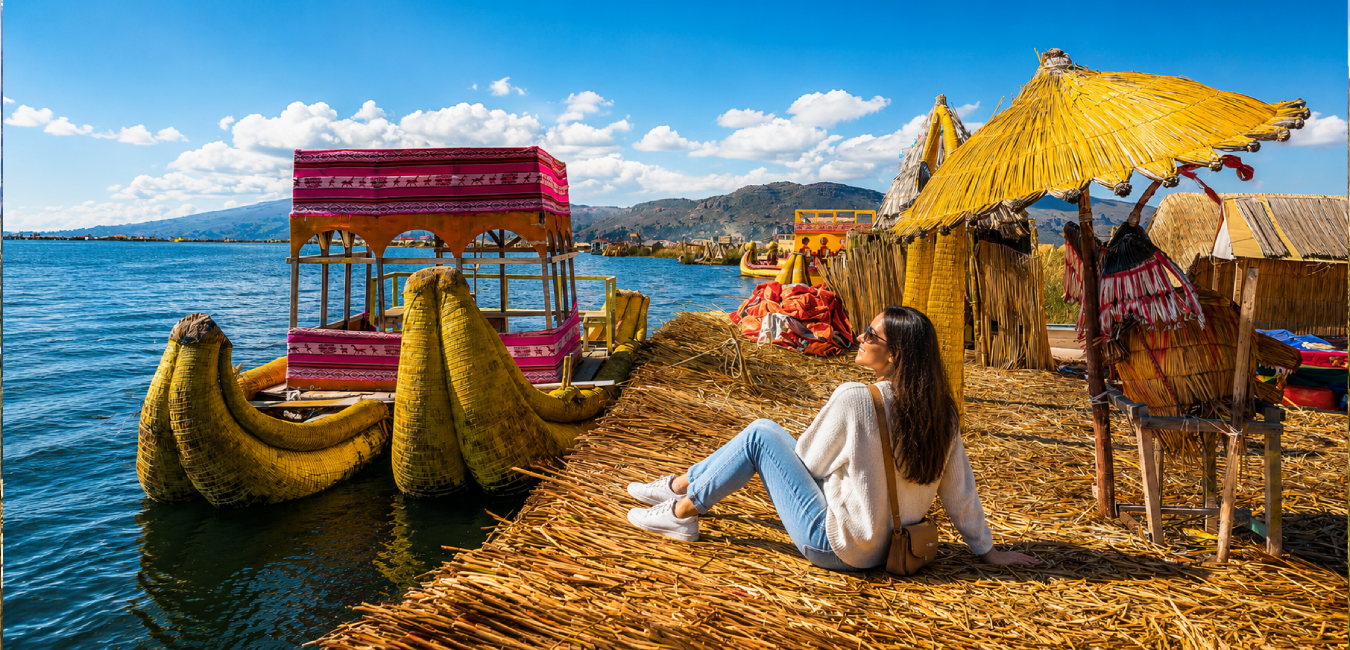
Today you'll discover one of Peru's most fascinating cultural destinations: Lake Titicaca, the world's highest navigable lake. Shared by Peru and Bolivia, this immense lake is home to communities that have preserved their traditions for generations.
Begin the day with a boat ride to the Uros Floating Islands, remarkable man-made islands built entirely from layers of totora reeds. Here you'll learn how the Uros people continue to maintain their unique way of life, constructing not only their islands.
Continue to Taquile Island, famous for its breathtaking lake views and its UNESCO-recognized textile tradition. After a leisurely walk through the island's peaceful trails, enjoy a traditional lunch prepared with fresh local ingredients while taking in the spectacular scenery.
Return to Puno in the afternoon after experiencing one of Peru's most authentic cultural encounters.
Highlights
- Boat tour on Lake Titicaca
- Visit the Uros Floating Islands
- Explore Taquile Island
- Learn about traditional Andean culture
- Enjoy panoramic views of the lake
- Overnight: Puno
Day 9 – Route of the Sun to Cusco
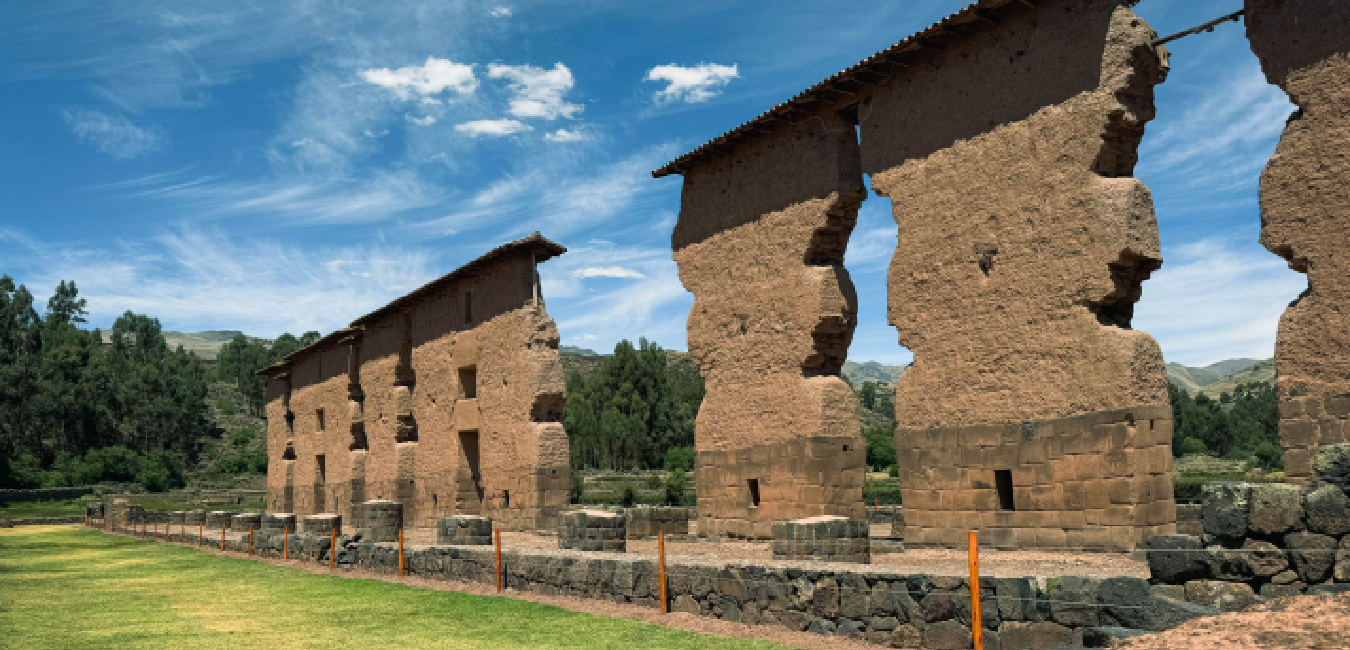
Travel from Puno to Cusco along the famous Route of the Sun, a full-day journey that transforms a transfer into one of the highlights of the trip. Rather than traveling directly, you'll stop at several historical and cultural landmarks that showcase the rich heritage of southern Peru.
Visit the beautiful Andahuaylillas Church, often called the "Sistine Chapel of the Andes" for its impressive artwork. Continue to the archaeological complex of Raqchi, one of the most important religious sites of the Inca Empire.
Cross La Raya Pass, the highest point of the route, where you'll enjoy spectacular views of the surrounding Andes before making a final stop at the Pukara Museum, known for its ancient pre-Inca culture and distinctive stone sculptures.
Arrive in Cusco in the evening, ready to begin exploring the former capital of the Inca Empire.
Highlights
- Scenic Route of the Sun
- Andahuaylillas Church
- Raqchi Archaeological Site
- La Raya Pass
- Pukara Museum
- Overnight: Cusco
Day 10 – Explore the Sacred Valley & Travel to Aguas Calientes
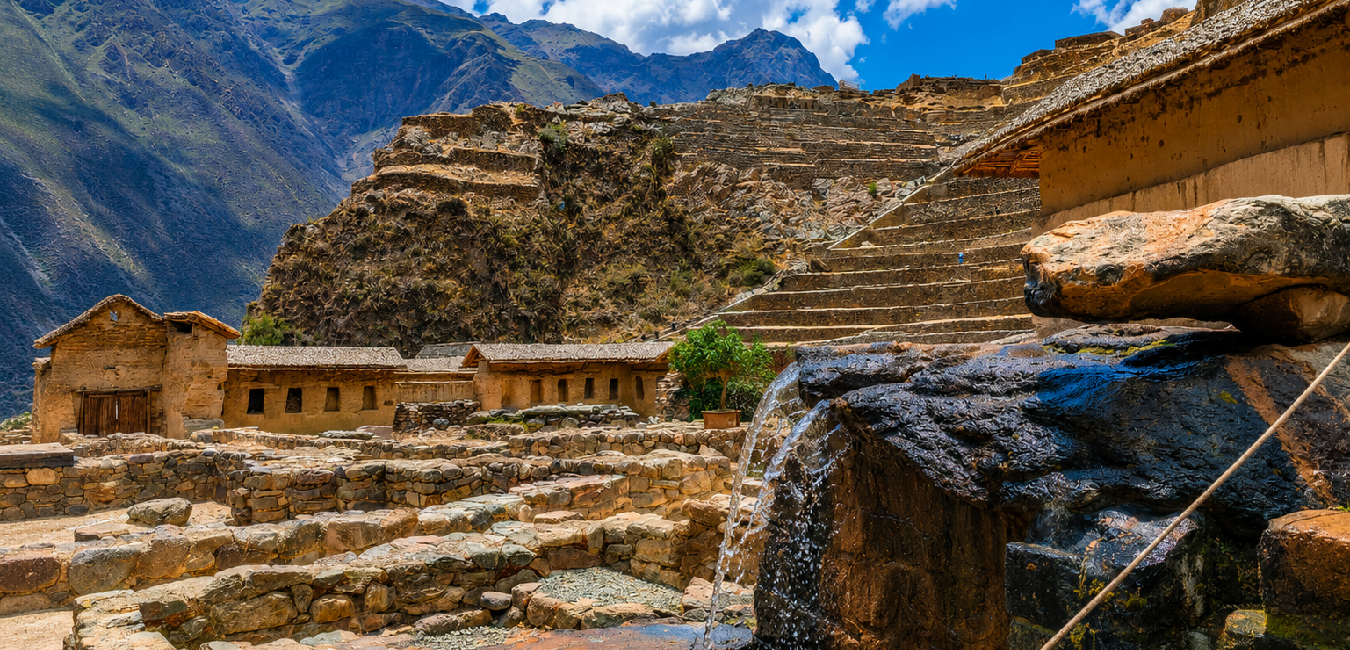
After breakfast, leave Cusco behind and explore the breathtaking Sacred Valley of the Incas, a region that played a vital role in the Inca Empire thanks to its fertile lands, strategic location, and impressive engineering. Surrounded by towering mountains and crossed by the Urubamba River, the Sacred Valley is home to some of Peru's most remarkable archaeological sites and traditional villages.
Your first stop is Pisac, famous for its impressive hillside ruins and colorful artisan market, where local communities continue centuries-old weaving and local handicraft traditions. Continue to Moray, an extraordinary archaeological site featuring circular agricultural terraces. Nearby, visit the Maras Salt Mines, where thousands of white salt pools have been harvested by local families since pre-Inca times.
Later, arrive in Ollantaytambo, one of the best-preserved Inca towns in Peru. Walk through its narrow stone streets before boarding the scenic train to Aguas Calientes, enjoying spectacular views of the Sacred Valley as the landscape gradually transforms into cloud forest.
Spend the evening relaxing in preparation for tomorrow's visit to one of the world's greatest archaeological treasures.
Highlights
- Pisac Archaeological Site
- Traditional Pisac Market
- Moray Circular Terraces
- Maras Salt Mines
- Ollantaytambo Fortress
- Scenic train ride to Aguas Calientes
- Overnight: Aguas Calientes (or Ollantaytambo, depending on your itinerary)
Day 11 – Discover Machu Picchu, the Lost City of the Incas
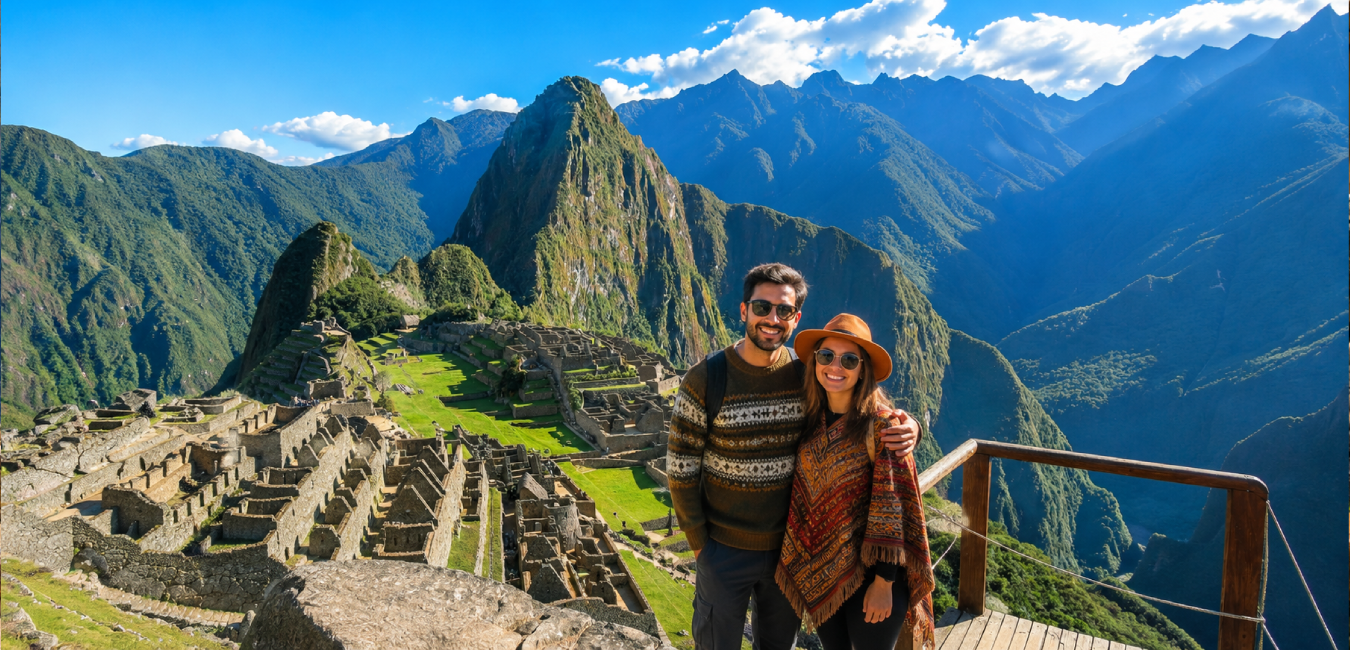
Today is the highlight of your 2 weeks in Peru itinerary as you visit the legendary Machu Picchu.
Rise early to take one of the first buses to Machu Picchu citadel, where the morning mist often creates an unforgettable atmosphere as the ancient citadel slowly emerges among the surrounding mountains. Built during the 15th century under the reign of Emperor Pachacuti, Machu Picchu remained hidden from the outside world until its rediscovery in 1911 and continues to captivate visitors with its remarkable architecture and breathtaking setting.
During your guided tour, explore some of the site's most famous landmarks, including the Temple of the Sun, the Main Plaza, the Temple of the Three Windows, the Sacred Rock, and the sophisticated agricultural terraces that showcase the Incas' extraordinary engineering skills.
If you've secured permits in advance, you may also choose to hike Huayna Picchu or Machu Picchu Mountain for spectacular panoramic views of the sanctuary.
Highlights
- Guided tour of Machu Picchu
- Temple of the Sun
- Temple of the Three Windows
- Inca agricultural terraces
- Optional hike to Huayna Picchu or Machu Picchu Mountain
- Scenic train journey back to Cusco
- Overnight: Cusco
Day 12 – Rainbow Mountain or Palcoyo
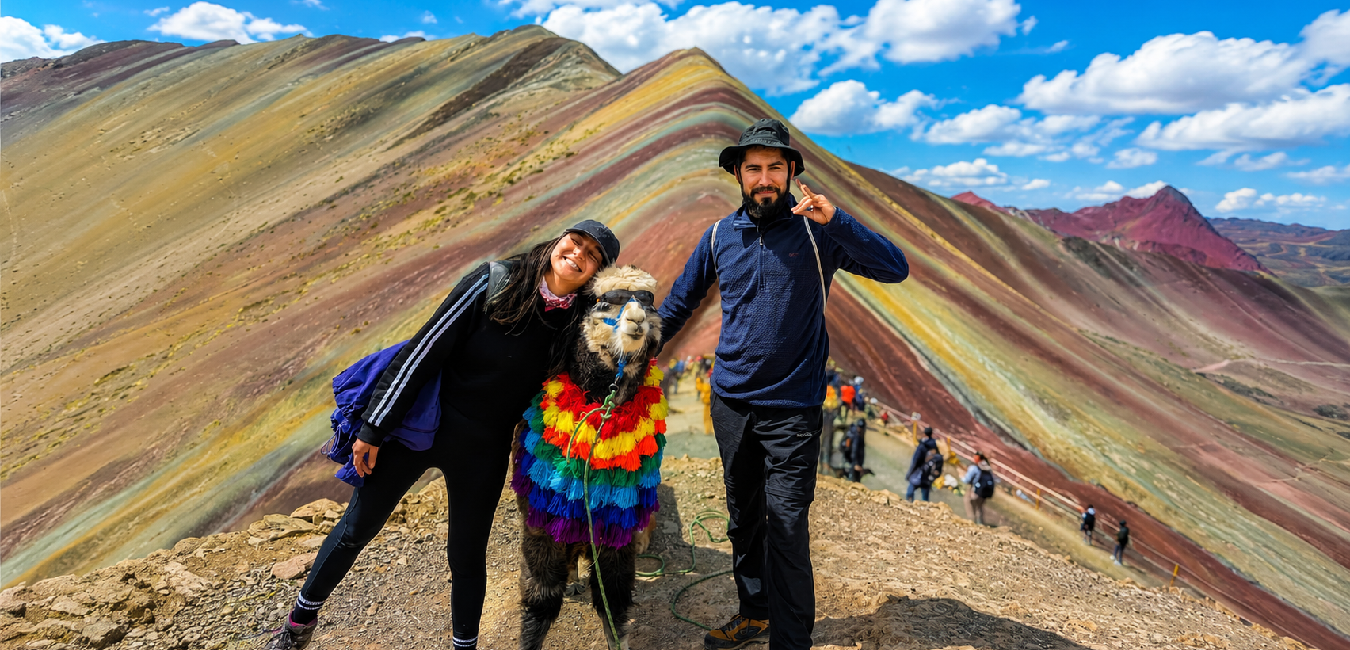
After several days of gradual acclimatization, you're ready to visit one of Peru's most spectacular natural attractions. Depart before sunrise for Rainbow Mountain (Vinicunca) or choose the quieter alternative, Palcoyo Rainbow Mountain, depending on your preferred hiking experience.
Rainbow Mountain sits at over 5,000 meters (16,400 feet) above sea level and has become one of Peru's most photographed destinations. For those seeking a less demanding experience, Palcoyo offers shorter walking trails, fewer visitors, and panoramic viewpoints overlooking several colorful mountains and unique rock formations.
Regardless of which option you choose, today's excursion offers an unforgettable glimpse into the dramatic beauty of the Peruvian Andes before returning to Cusco in the afternoon.
Highlights
- Rainbow Mountain or Palcoyo
- Stunning Andean landscapes
- Alpacas and traditional communities
- High-altitude hiking experience
- Spectacular mountain photography
- Overnight: Cusco
Day 13 – Discover Cusco & Enjoy a Free Afternoon
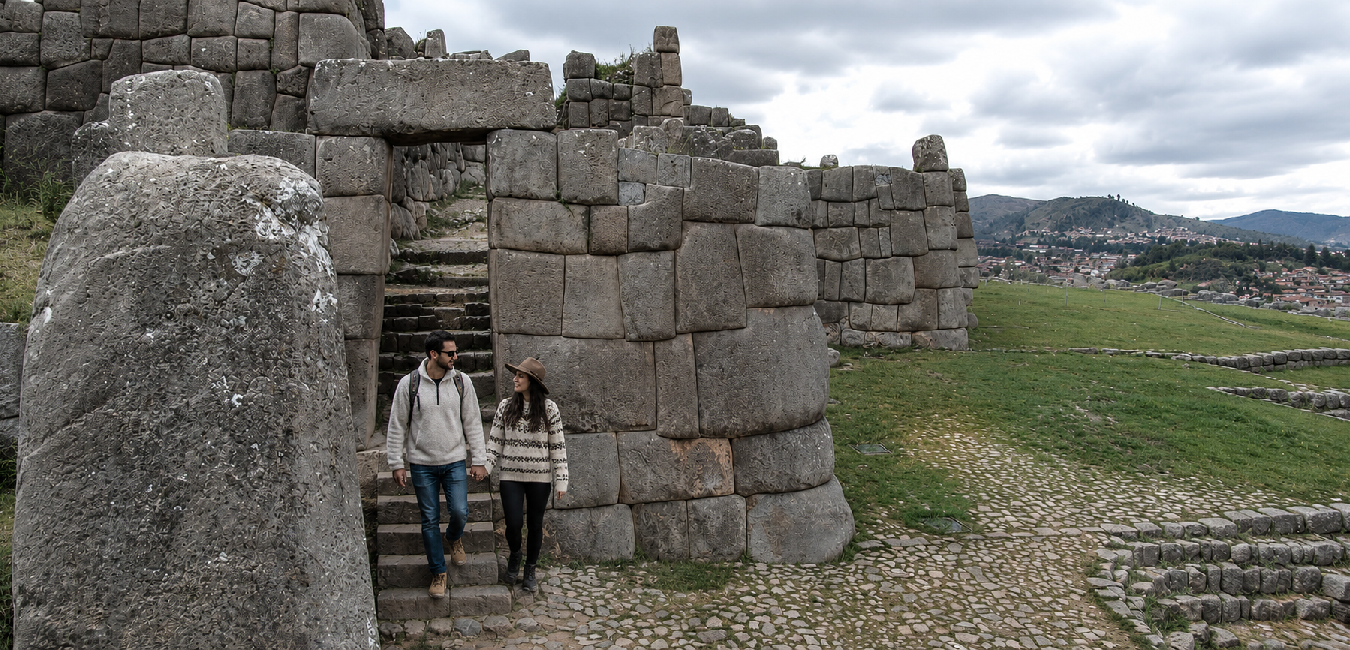
Spend your final full day exploring Cusco. (You can start at 9:00 am or 1 :00pm), the historic capital of the Inca Empire and one of South America's most fascinating cities. Blending impressive Inca stonework with elegant colonial architecture, Cusco has been recognized as a UNESCO World Heritage Site and remains the cultural heart of Peru.
Visit iconic landmarks such as Qorikancha (Temple of the Sun), the impressive archaeological sites of Sacsayhuamán, Qenqo, Puka Pukara, and Tambomachay, each offering a deeper understanding of Inca history and engineering.
In the afternoon, enjoy some free time wandering through the charming streets of San Blas, browsing artisan shops around the Plaza de Armas, relaxing in a local café, or shopping for handmade textiles and souvenirs before your journey home.
Highlights
- Qorikancha
- Cusco Cathedral
- Sacsayhuamán
- San Blas neighborhood
- Free time for shopping and cafés
- Overnight: Cusco
Day 14 – Return to Lima & International Departure
Your unforgettable 14-day Peru itinerary comes to an end today. After breakfast, transfer to Cusco Airport for your flight back to Lima and your international departure.
Over the past two weeks, you've experienced Peru's incredible diversity,from the Pacific coast and Colca Canyon to Lake Titicaca, the Sacred Valley, and the iconic citadel of Machu Picchu. Along the way, you've explored ancient Inca sites, colonial cities, breathtaking mountain landscapes, and vibrant local cultures.
We hope this journey inspires you to return and discover even more of Peru's remarkable natural beauty and rich cultural heritage. Safe travels!
Is 2 Weeks Enough for Peru?
Yes. Two weeks is considered the ideal amount of time for first-time visitors to Peru. Fourteen days allow you to experience the country's incredible diversity without feeling rushed, combining the Pacific coast, the Andes, colonial cities, archaeological sites, and some of South America's most spectacular natural landscapes.
This route focuses on Peru's famous Southern Circuit, offering a balanced mix of history, culture, adventure, and breathtaking scenery.
During this itinerary, you'll experience:
- Lima's historic center and world-famous gastronomy
- The Ballestas Islands and Huacachina Desert
- The mysterious Nazca Lines
- The colonial beauty of Arequipa
- The breathtaking Colca Canyon
- Lake Titicaca and its floating islands
- The former Inca capital of Cusco
- The Sacred Valley
- Machu Picchu
- Rainbow Mountain or Palcoyo
If you have more than two weeks, consider extending your trip to the Peruvian Amazon in Puerto Ladonado or Iquitos, Huaraz, or northern Peru. However, for most travelers, fourteen days offer the perfect balance between sightseeing and relaxation.
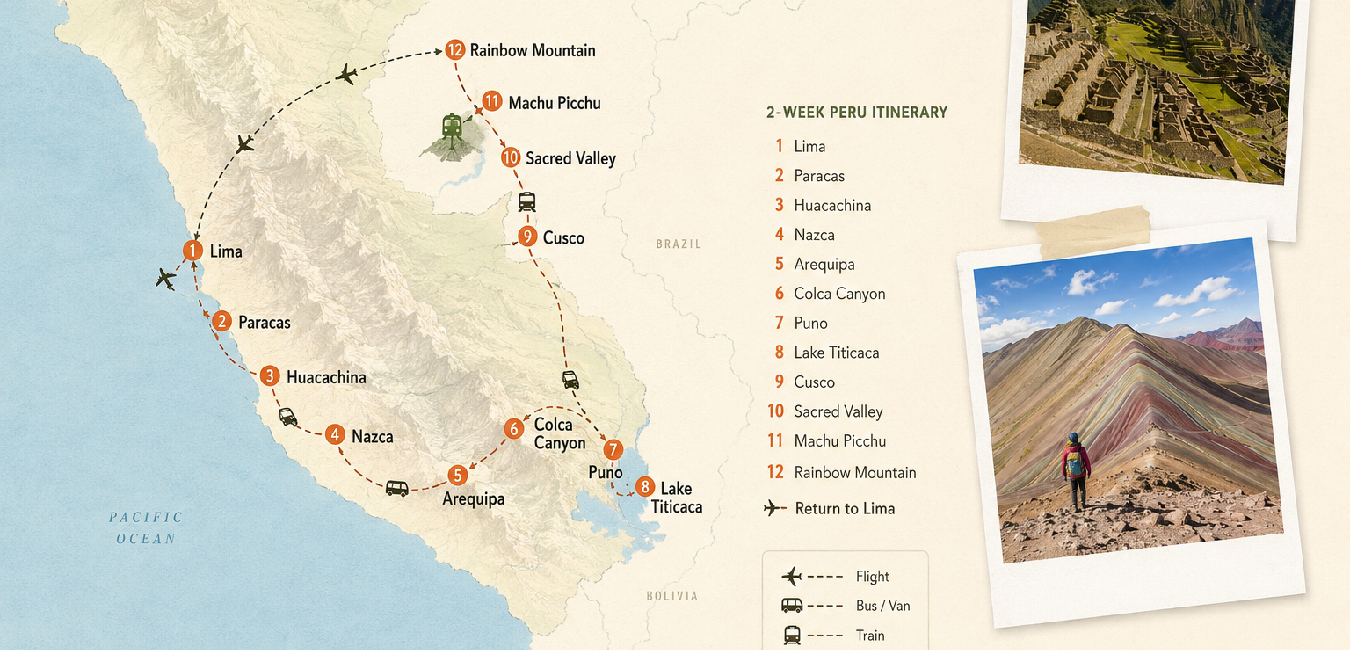
Peru Travel Map for 2 Weeks
The most efficient route follows Peru's classic Southern Circuit:
Lima - Paracas- Huacachina - Nazca -Arequipa- Colca Canyon - Puno -Lake Titicaca -Cusco-Sacred Valley - Machu Picchu- Rainbow Mountain - Lima
This route gradually increases in altitude, allowing your body to acclimatize naturally before reaching high-altitude destinations such as Cusco and Rainbow Mountain. It also minimizes unnecessary backtracking and combines flights, scenic train rides, and comfortable overland journeys for a smoother travel experience.
Before You Go: Essential Travel Information
Before beginning your 14-day adventure, there are a few practical details that will help make your trip smoother and more enjoyable.
Currency
Peru's official currency is the Peruvian Sol (PEN). Credit and debit cards are widely accepted in hotels, restaurants, and larger shops and most of them charge a fee per international transaction, so it's always a good idea to carry some cash for local markets, taxis, small businesses, and rural communities.
ATMs are available in all major cities, including Lima, Arequipa, Cusco, and Puno.
Language
Spanish is Peru's official language, although Quechua is still widely spoken throughout the Andes, most in the local community in the sacred Valley around Cusco. Around Lake Titicaca, you'll also hear Aymara, another indigenous language with deep historical roots.
English is commonly spoken in tourist destinations, hotels, and by professional tour guides, but learning a few basic Spanish phrases will make your trip even more enjoyable.
Altitude
One of the biggest challenges for travelers visiting Peru is adapting to the altitude. Fortunately, this itinerary has been designed to help your body acclimatize gradually before reaching the highest destinations.
| Destination | Altitude |
| Lima | Sea Level |
| Huacachina | 406 m (1,332 ft) |
| Arequipa | 2,335 m (7,661 ft) |
| Colca Canyon | 3,600–4,900 m (11,800–16,000 ft) |
| Puno | 3,812 m (12,507 ft) |
| Cusco | 3,399 m (11,152 ft) |
| Sacred Valley | 2,800 m (9,186 ft) |
| Machu Picchu | 2,430 m (7,972 ft) |
| Rainbow Mountain | 5,036 m (16,522 ft) |
To reduce the risk of altitude sickness:
- Drink plenty of water.
- Avoid alcohol during your first days in the Andes.
- Eat light meals.
- Walk at a relaxed pace.
- Get enough rest.
- Consult your doctor before traveling if you have any health concerns.
Most travelers experience only mild symptoms, and following this itinerary allows your body time to adjust naturally before reaching the highest elevations.
Why This Itinerary Works Better Than Most
Many Peru itineraries found online either skip incredible destinations or require exhausting travel schedules with multiple long overnight bus rides. Others focus almost entirely on Cusco and Machu Picchu, leaving travelers with only a partial view of what Peru has to offer.This itinerary has been carefully designed to create a more complete and comfortable experience.
Instead of flying directly to Cusco, you'll begin along Peru's Pacific coast before gradually climbing into the Andes. This progression helps reduce the effects of altitude while allowing you to experience the country's remarkable diversity, from marine wildlife and desert landscapes to colonial cities, volcanic canyons, traditional Andean communities, and the extraordinary legacy of the Inca civilization.
Best Time to Visit Peru for a 2-Week Trip
One of the most common questions travelers ask is "When is the best time to visit Peru?" The answer depends on the regions you plan to explore. Since this itinerary covers the Pacific coast, the Andes, and high-altitude destinations such as Cusco and Rainbow Mountain, choosing the right season can make a significant difference in your overall experience.
Fortunately, Peru is a year-round destination, but some months offer better weather, clearer mountain views, and ideal conditions for sightseeing and outdoor adventures.
Peru's Seasons at a Glance
| Season | Months | Weather | Recommended |
|---|---|---|---|
| Dry Season | May to September | Sunny days, little rainfall | Best |
| Shoulder Season | April & October | Mild weather, fewer crowds | Excellent |
| Rainy Season | November – March | Frequent afternoon showers in the Andes | Good |
If your main goal is to visit Machu Picchu, Rainbow Mountain, Colca Canyon, and the Sacred Valley, the dry season generally offers the best conditions. Blue skies, excellent visibility, and comfortable temperatures make hiking and sightseeing much more enjoyable.
Weather by Region
One of Peru's greatest attractions is its geographical diversity. In just two weeks, you'll travel through coastal deserts, volcanic valleys, high mountains, and alpine lakes, each with its own climate.
Region | What to Expect |
Lima & the Pacific Coast
| Mild desert climate with little rain year-round. Summer (Dec–Mar) is warm (25–29°C / 77–84°F), while winter (Jun–Sep) is cooler (15–20°C / 59–68°F) with the coastal fog known as garúa. |
| Paracas, Huacachina & Nazca | Sunny almost all year with very little rainfall. Expect warm days and cool evenings—ideal for Ballestas Islands, sandboarding, and Nazca Lines flights |
| Arequipa & Colca Canyon | Pleasant weather year-round. During the dry season, you'll enjoy clear skies and excellent views. Colca Canyon mornings are cool, especially at Cruz del Cóndor. |
| Lake Titicaca | Located at 3,812 m (12,507 ft), Lake Titicaca has cool temperatures year-round. The dry season offers sunny days, but nights, especially from June to August, can be very cold |
| Cusco, Sacred Valley & Machu Picchu | The dry season (May–September) offers sunny days and ideal hiking conditions, making it the best time to visit. The rainy season (November–March) brings greener landscapes, fewer crowds, and lower prices, although afternoon showers are common. |
Best Months to Visit Peru
If your travel dates are flexible, these months offer the best experience for a 2-week Peru itinerary.
Month | Why Visit? | Good to Know |
|---|---|---|
| May | Start of the dry season, pleasant temperatures, and lush green landscapes after the rains. | Fewer crowds than June and July. |
| June | Excellent weather and the famous Inti Raymi Festival in Cusco (June 24). | Book hotels, tours, and Machu Picchu tickets well in advance. |
| July & August | Peak travel season with sunny days, clear mountain views, and ideal trekking conditions. | Expect larger crowds, higher prices, and limited ticket availability. |
| September & October | Pleasant weather with fewer tourists after the peak season. | One of the best times to enjoy Peru with a more relaxed atmosphere. |
Should You Visit Peru During the Rainy Season?
The rainy season (January to March) isn't necessarily a bad time to visit Peru, but it can bring additional challenges, especially in the Andes. Heavy rainfall may affect hiking trails, mountain visibility, Rainbow Mountain excursions, and road conditions.
On the other hand, this season offers greener landscapes, fewer tourists, and lower hotel prices. If your trip focuses more on cultural attractions than trekking, Peru remains an excellent destination year-round.
Our Recommendation
For this 14-day Peru itinerary, the best travel window is from May to September, when you'll enjoy sunny days along the coast, excellent visibility in the Andes, and ideal conditions for visiting Machu Picchu, Colca Canyon, Lake Titicaca, and Rainbow Mountain.
If you prefer fewer crowds while still benefiting from pleasant weather, April, September, and October are excellent alternatives, offering a more relaxed travel experience without sacrificing too many sunny days.
How Much Does 2 Weeks in Peru Cost?
One of the best things about traveling through Peru is that it offers excellent value for every budget. Whether you're a backpacker or planning a luxury vacation, you'll find accommodations, transportation, restaurants, and tours to suit your travel style.
The cost of a 2-week Peru itinerary varies depending on your preferences, but even a comfortable 14-day trip to Peru is often more affordable than many other destinations. Below is a realistic budget estimate, excluding international flights.
Estimated Budget for 2 Weeks in Peru
| Travel Style | Estimated Cost (Per Person) |
|---|---|
| Budget Traveler | US$990–1,300 |
| Mid-Range Traveler | US$1,900–2,800 |
| Luxury Traveler | US$4,000+ |
These estimates generally include accommodation, domestic transportation, some meals, entrance fees, and guided tours.
Accommodation Costs
Peru offers an excellent range of accommodations, from affordable hostels to luxury hotels overlooking the Andes.
Budget Accommodation
Ideal for backpackers and independent travelers.
Average prices:
- Hostel dorms: US$12–25 per night
- Private hostel rooms: US$25–50
- Budget hotels: US$45–75
Mid-Range Hotels
The most popular option for first-time visitors.
Expect to pay approximately:
Destination | Average Price |
|---|---|
| Lima | US$80–160 |
| Arequipa | US$70–140 |
| Puno | US$60–120 |
| Cusco | US$80–160 |
| Sacred Valley | US$90–170 |
| Aguas Calientes | US$100–180 |
Most hotels include breakfast, Wi-Fi, private bathrooms, and convenient locations near major attractions.
Luxury Hotels
Travelers looking for premium experiences will find boutique hotels, historic mansions, and internationally recognized brands throughout Peru.
Typical prices range between US$280 and US$900+ per night, depending on the destination and season, in Machu Picchu and Cusco the Luxury Hotel can cost more than USD 3000 per night.
Luxury properties often include spa facilities, gourmet restaurants, personalized service, airport transfers, and spectacular views of the Andes or the Sacred Valley.
Transportation Costs
Transportation is one of the largest expenses during a two-week trip, especially when combining flights, trains, and overland travel.
Domestic Flights
Average one-way fares:
- Lima to Cusco: US$70–120
- Cusco to Lima: US$80–130
Booking several months in advance usually results in significantly lower prices.
Train to Machu Picchu
The journey through the Sacred Valley is one of the highlights of any trip to Peru.
Approximate round-trip prices:
Train Category andPrice
- Economy US$100–180
- Panoramic US$150–300
- Luxury US$600+
Many travelers choose panoramic trains because they offer large windows and spectacular views along the Urubamba River.
Tourist Buses & Private Transfers
Long-distance buses are comfortable, modern, and an excellent way to travel between Peru's main tourist destinations.
Typical fares include:
- Lima to Paracas: US$15–30
- Huacachina to Nazca: US$15–25
- Overnight Bus (Nazca to Arequipa): US$45–70
- Colca Canyon to Puno: US$30–60
- Route of the Sun (Puno to Cusco): US$50–90
Private transportation is also available for travelers seeking greater flexibility and comfort.
Food Budget in Peru
One of the highlights of any 2-week Peru itinerary is experiencing the country's world-famous cuisine. Whether you're eating at a local market or dining at an award-winning restaurant, Peru offers excellent food for every budget.
| Dining Style | Average Cost | What to Expect |
|---|---|---|
| Local Restaurants | US$6–12 | Traditional meals like ceviche, lomo saltado, ají de gallina, pollo a la brasa, and anticuchos. |
| Mid-Range Restaurants | US$15–35 | Comfortable restaurants serving authentic Peruvian cuisine with modern presentations. |
| Fine Dining | US$120–400+ | World-renowned restaurants, mainly in Lima. Reservations are recommended, especially during the high season. |
Entrance Fees & Tours
Some of Peru's top attractions require entrance tickets or guided tours.
Approximate prices include:
Attraction | Average Cost |
|---|---|
| Machu Picchu Entrance | US$45–65 |
| Sacred Valley Tour | US$40–80 |
| Rainbow Mountain Tour | US$30–60 |
| Lake Titicaca Tour | US$40–120 |
| Colca Canyon Tour | US$50–120 |
| Ballestas Islands Tour | US$20–60 |
| Nazca Lines Scenic Flight | US$90–150 |
Prices vary depending on whether transportation, entrance fees, meals, and professional guides are included.
Sample Daily Budget
The following table shows a realistic daily budget for a comfortable mid-range trip through Peru.
Category | Average Daily Cost |
|---|---|
| Hotel | US$100 |
| Meals | US$35 |
| Transportation | US$20 |
| Tours & Attractions | US$50 |
| Miscellaneous | US$20 |
| Estimated Total Per Day | US$225 |
While it's certainly possible to travel for less, this budget provides a comfortable experience with quality accommodations, guided excursions, and enough flexibility to enjoy Peru's incredible cuisine and attractions without constantly worrying about expenses.
How to Save Money During Your Trip
Traveling through Peru doesn't have to be expensive. With a little planning, you can significantly reduce your costs without sacrificing the overall experience.
Here are a few practical ways to save money:
- Travel during the shoulder season (April, May, September, or October) to find better hotel rates and fewer crowds.
- Book Machu Picchu entrance tickets and train tickets several months in advance to secure the best prices and availability.
- Use comfortable tourist buses for longer routes instead of domestic flights when your schedule allows.
- Stay in locally owned hotels or boutique guesthouses, which often offer excellent value and personalized service.
- Enjoy lunch at traditional menu restaurants, where you can find complete meals at very reasonable prices.
- Carry some cash for local markets, small shops, and rural communities where card payments may not be accepted.
With thoughtful planning, Peru remains one of South America's best-value destinations, offering unforgettable experiences for every type of traveler.
Where to Stay During Your 2 Weeks in Peru
Choosing the right accommodation can make your 2-week Peru itinerary more comfortable and efficient. To minimize travel time, we recommend staying close to each destination's main attractions and transportation hubs.
Destination | Best Area to Stay | Why Stay Here? | Recommended Stay |
|---|---|---|---|
| Lima | Miraflores or Barranco | Miraflores offers ocean views, restaurants, and shopping, while Barranco is known for its art, cafés, and nightlife. | 2 nights |
| Huacachina | Oasis Area | Stay within walking distance of the oasis, dune buggy tours, and sandboarding activities. | 1 night |
| Arequipa | Historic Center | Close to Plaza de Armas, Santa Catalina Monastery, museums, restaurants, and cafés. | 1 night |
| Chivay | Town Center | The ideal base for visiting Colca Canyon, with several hotels featuring natural hot springs. | 1 night |
| Puno | Lakefront or City Center | Lakefront or City Center Easy access to the harbor, restaurants, and Lake Titicaca boat tours. | 2 |
| Cusco | Historic Center or San Blas | Perfect for exploring Cusco, with easy access to the Sacred Valley, Machu Picchu, and Rainbow Mountain tours. 3 nights | 3 |
| Aguas Calientes | Town Center | Stay close to the train station and bus stop for an early visit to Machu Picchu. | 1 Night |
Accommodation Tips
Budget Travelers: Hostels and guesthouses are available in every destination.
Mid-Range Travelers: Boutique hotels offer excellent value, comfort, and convenient locations.
Luxury Travelers: Peru features luxury hotels in Lima, Cusco, the Sacred Valley, and Aguas Calientes with premium amenities and exceptional service.
Book Early: If you're traveling between May and September, reserve hotels well in advance, especially in Cusco, the Sacred Valley, and Machu Picchu, where accommodations fill up quickly during the high season.
How to Get Around Peru
Peru is the third-largest country in South America, so traveling between destinations requires careful planning. Fortunately, the country has an extensive transportation network that combines domestic flights, comfortable tourist buses, trains, and private transfers.
This itinerary uses the most efficient combination of transportation while allowing you to experience some of Peru's most scenic routes.
Domestic Flights
Flights are the fastest option for long distances, particularly between Lima and Cusco.
Typical routes include:
- Lima to Cusco
- Cusco to Lima
Most flights take approximately one hour and twenty minutes.
Tourist Buses
Long-distance buses in Peru are modern, comfortable, and widely used by both locals and international travelers. Premium companies offer reclining seats, onboard restrooms, air conditioning, and overnight services that help maximize your travel time.
Several segments of this itinerary, including the overnight journey from Nazca to Arequipa, are commonly completed by tourist bus.
Trains
The only railway access to Machu Picchu is through the Sacred Valley. The journey itself is considered one of Peru's most scenic experiences, following the Urubamba River through dramatic mountain landscapes and cloud forests.
Travelers can choose from economy, panoramic, or luxury train services depending on their budget and preferred level of comfort.
Private Transportation
Private transfers are ideal for families, small groups, or travelers seeking greater flexibility. Although more expensive than public transportation, they provide personalized schedules, additional comfort, and the opportunity to stop at scenic viewpoints along the way.
Transportation Between Destinations
The following table summarizes the main transportation used throughout this itinerary.
Route | Transportation | Approximate Travel Time |
|---|---|---|
| Lima to Paracas | Tourist Bus or Private Transfer | 3.5–4 hours |
| Paracas to Huacachina | Tourist Transfer | 2 hours |
| Huacachina to Nazca | Tourist Bus | 2–3 hours |
| Nazca to Arequipa | Overnight Bus | 9–10 hours |
| Arequipa to Colca Canyon | Tourist Bus | 4 hours |
| Colca Canyon to Puno | Tourist Bus | 6 hours |
| Puno to Cusco | Route of the Sun Tourist Bus | 10 hours (including sightseeing stops) |
| Cusco to Sacred Valley | Private Transfer | 1.5–2 hours |
| Ollantaytambo to Aguas Calientes | Train | 1.5–2 hours |
| Aguas Calientes to Machu Picchu | Shuttle Bus | 25 minutes |
| Cusco to Rainbow Mountain | Tourist Transport | 3–4 hours |
| Cusco to Lima | Domestic Flight | 1 hour 20 minutes |
Is This Itinerary Right for You?
This itinerary is designed for travelers who want to experience Peru's greatest highlights in just two weeks. It combines history, culture, wildlife, gastronomy, breathtaking landscapes, and unforgettable archaeological sites into one well-balanced journey.
It is especially recommended for:
- First-time visitors to Peru.
- Couples seeking a complete cultural and scenic experience.
- Families with older children who enjoy sightseeing and nature.
- Travelers interested in history, photography, and local traditions.
- Adventure lovers who want to combine iconic attractions with moderate outdoor activities.
Because the itinerary includes several high-altitude destinations and some long travel days, a moderate level of fitness and flexibility is recommended. However, the pace has been carefully planned to allow gradual acclimatization while minimizing unnecessary backtracking.
Best Restaurants to Try During Your 2 Weeks in Peru
One of the highlights of any 2-week Peru itinerary is experiencing the country's world-renowned cuisine. From fresh seafood on the Pacific coast to hearty Andean specialties, every destination introduces unique flavors that reflect Peru's incredible cultural and geographic diversity.
Where to Eat in Peru
Destination | Must-Try Dishes | Recommended Restaurants |
|---|---|---|
| Lima | Ceviche, Lomo Saltado, Causa Limeña, Anticuchos, Pisco Sour | Central, Maido, Isolina, Panchita, La Mar Cebichería |
| Arequipa | Rocoto Relleno, Adobo Arequipeño, Chupe de Camarones, Queso Helado | La Nueva Palomino, Sol de Mayo, Zig Zag |
| Puno | Grilled Trout, Quinoa Soup, Alpaca Steak, Fried Pejerrey | Lakeside restaurants serving traditional Andean cuisine |
| Cusco | Alpaca Tenderloin, Lomo Saltado, Quinoa Risotto, Chicha Morada, Cuy (optional) | Chicha, Morena, Cicciolina, Pachapapa, Organika |
| Aguas Calientes | Fresh Trout, Alpaca Steak, Peruvian Pasta, Coca Tea, Local Desserts | Mapachos, Full House, Indio Feliz, and the restaurants near the train station and town center |
Best Hotels for a 2-Week Peru Itinerary
Finding the right accommodation can make your 2-week Peru itinerary much more enjoyable. Whether you're traveling on a budget or looking for a luxury experience, Peru offers excellent hotels in every destination. Staying in the right neighborhood will also help you reduce travel time and make the most of your trip.
Destination | Best Area to Stay | Recommended Hotels | Recommended Stay |
|---|---|---|---|
| Lima | Miraflores or Barranco | Ibis Larco, Casa Andina Premium Miraflores, Arawi Miraflores Express, Tarata Boutique | 2 nights |
| Huacachina | Oasis Area | Hotel El Huacachinero, DM Hoteles Mossone, Casa Andina Nazca | 1 night |
| Arequipa | Historic Center | Casa Andina Premium Arequipa, CIRCA,Katari, Tierra Viva Arequipa Plaza, Le Foyer Hostel | 1 night |
| Chivay | Town Center | Colca Lodge Spa & Hot Springs, Casa Andina Standard Colca,Regugio Colca, Pozo del Cielo | 1 night |
| Puno | Lakefront or City Center | GHL Hotel Lago Titicaca, Sonesta Posadas del Inca, Tierra Viva Puno Plaza, Casa Andina Standard | 2 nights |
| Cusco | Historic Center or San Blas | Palacio del Inka, Casa Andina Premium Cusco, Tierra Viva Cusco Centro, Atoq San Blas | 3 nights |
| Aguas Calientes | Town Center | Sumaq Machu Picchu Hotel, El Mapi by Inkaterra, Tierra Viva Machu Picchu, Casa Andina Standard Machu Picchu | 1 night |
What to Pack for 2 Weeks in Peru
Packing for 2 weeks in Peru can be challenging because you'll experience everything from the Pacific coast and desert landscapes to high-altitude destinations like Cusco, Lake Titicaca, and Rainbow Mountain. The secret is to pack light and dress in layers, as temperatures can change significantly throughout the day.
Packing Checklist
Category | Essentials |
|---|---|
| Clothing | Lightweight T-shirts, long-sleeve shirts, fleece jacket, waterproof jacket, hiking pants, casual clothes, hat, beanie, gloves, hiking shoes, sandals. |
| Travel Essentials | Passport, travel insurance, credit cards, Peruvian Soles, power adapter, power bank, reusable water bottle, sunglasses, camera, daypack. |
| Health & Personal Care | Sunscreen (SPF 50+), lip balm, insect repellent, personal medications, pain relievers, hand sanitizer, wet wipes, blister pads, electrolyte tablets. |
Common Mistakes to Avoid During Your 2 Weeks in Peru
Even experienced travelers can make a few mistakes when planning their first 2-week Peru itinerary. Avoiding these common pitfalls will help you enjoy a smoother, safer, and more comfortable journey.
Common Mistake | How to Avoid It |
|---|---|
| Booking Machu Picchu Too Late | Machu Picchu tickets, trains, buses, and hotels often sell out months in advance, especially from May to September. Book as early as possible. |
| Flying Straight to Cusco | Avoid altitude sickness by following a gradual route: Lima -Arequipa to Colca Canyon - Lake Titicaca - Cusco before visiting high-altitude attractions |
| Underestimating Travel Distances | Peru is larger than it looks. Mountain roads and long journeys require careful planning, so leave enough time between destinations. |
| Packing for Only One Climate | During your trip you'll experience coastal deserts, the Andes, cloud forests, and high mountains. Pack light but bring layered clothing for changing temperatures. |
| Skipping Travel Insurance | Flight delays, altitude-related illnesses, and lost luggage can happen. Comprehensive travel insurance provides peace of mind throughout your trip. |
| Carrying Too Much Cash | Credit cards are widely accepted in major cities. Carry a moderate amount of Peruvian Soles for markets, taxis, and small businesses |
| Ignoring the Andean Sun | UV radiation is extremely strong at high altitude—even on cloudy days. Always carry SPF 50+ sunscreen, sunglasses, a hat, and lip balm |
Quick Tips for First-Time Visitors
Before starting your 2-week Peru adventure, remember these simple tips:
Book Machu Picchu tickets well in advance.
Allow time to acclimatize before arriving in Cusco.
Pack clothing for both warm and cold weather.
Carry some Peruvian Soles for small purchases.
Protect yourself from the high-altitude sun.
Purchase travel insurance before your trip.
Can This 2-Week Peru Itinerary Be Customized?
Absolutely! One of the biggest advantages of this 2-week Peru itinerary is its flexibility. Whether you're looking for more adventure, luxury, or family-friendly activities, you can easily customize the route to match your travel style.
Travel Style | Recommended Changes | Best For |
|---|---|---|
| Adventure Lovers | Replace Puno & Lake Titicaca with Puerto Maldonado (Amazon Rainforest). | Wildlife, jungle lodges, macaws, giant river otters, and nature photography. |
| More Time in Cusco | Skip Nazca and add Humantay Lake, South Valley, Huchuy Qosqo, Maras & Moray, or the Chocolate Museum. | Travelers interested in Inca history, archaeology, and hiking. |
| Luxury Travelers | Upgrade to luxury hotels, the Vistadome Observatory Train, private Sacred Valley and Machu Picchu tours, premium restaurants, and private transfers. | Couples, honeymooners, and travelers seeking a premium experience. |
| Family-Friendly | Replace Rainbow Mountain with Palcoyo Rainbow Mountain, Chinchero, Awanakancha, or horseback riding in the Sacred Valley. | Families with children looking for a more relaxed itinerary. |
Frequently Asked Questions About Spending 2 Weeks in Peru
Is 2 weeks enough to visit Peru?
Yes. Fourteen days is considered the ideal length for first-time visitors. It gives you enough time to explore Peru's most famous destinations, including Lima, Arequipa, Colca Canyon, Lake Titicaca, Cusco, the Sacred Valley, Machu Picchu, and Rainbow Mountain, without feeling overly rushed.
Is Peru safe for tourists?
Peru is generally a safe destination for travelers who use common sense. Tourist areas such as Miraflores, Barranco, Arequipa, Cusco, the Sacred Valley, and Machu Picchu are well-prepared for international visitors. As in any country, avoid displaying valuables, stay aware in crowded places, and use official taxis or trusted transportation services.
Do I need a visa to visit Peru?
Citizens of many countries, including the United States, Canada, the United Kingdom, Australia, New Zealand, and most European Union countries, can enter Peru without a tourist visa for short stays. However, entry requirements may change, so always check the latest regulations before traveling.
What is the best month to visit Peru?
For this itinerary, the best months are May through September, when you'll enjoy dry weather, clear mountain views, and ideal conditions for visiting Machu Picchu, Colca Canyon, and Rainbow Mountain.
If you prefer fewer crowds, April, September, and October are also excellent choices.
Is Rainbow Mountain worth visiting?
Absolutely. Rainbow Mountain is one of Peru's most spectacular natural attractions and a favorite among photographers and adventure travelers. If you prefer a shorter and less demanding hike, Palcoyo Rainbow Mountain offers a quieter alternative with equally impressive scenery.
Should I stay in Ollantaytambo or Aguas Calientes?
Both options have advantages. Staying in Aguas Calientes allows you to reach Machu Picchu early the next morning, while spending the night in Ollantaytambo gives you more time to explore one of the best-preserved Inca towns in Peru.
Can I visit Machu Picchu without hiking?
Yes. Most visitors reach Machu Picchu by train to Aguas Calientes, followed by a 25-minute shuttle bus to the entrance. Hiking is optional unless you choose routes such as the Inca Trail or Salkantay Trek.