
Today, Cusco charms visitors with its Spanish-colonial churches, cobblestone streets, and bustling plazas. But long before the conquistadors arrived, this city was the beating heart of the Inca Empire and the absolute home of its rulers. The historic center we see today actually sits right on top of a massive grid of grand royal compounds built by successive emperors.
Unlike European monarchs who typically inherited the same family castle generation after generation, Inca rulers commissioned a brand-new palace whenever they took power. Over time, this custom transformed Cusco into a dynamic city of multiple royal estates, each tied to a specific dynasty and generation of rulers.
While centuries of upheaval mean these palaces no longer stand in their original forms, their spirits are very much alive. Many didn't completely disappear; they simply became the literal foundations for modern Cusco, hiding in plain sight as flawless stone basements beneath colonial buildings, churches, and museums.
Qasana: Palace of Pachacutec
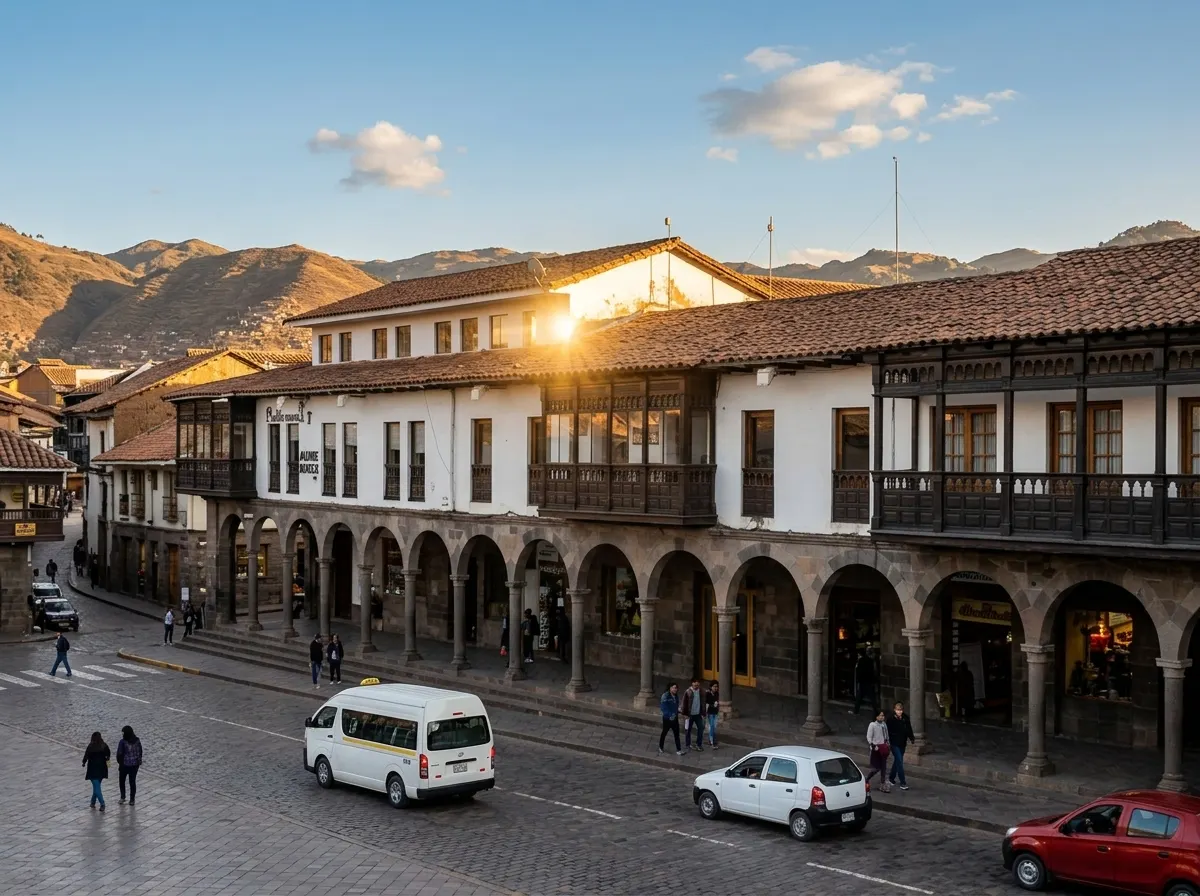
Qasana is generally associated with Pachacutec, the visionary ruler most often credited with taking Cusco from a modest regional kingdom and turning it into the center of a rapidly expanding empire during the 15th century.
Sprawling near today’s vibrant Plaza de Armas—which was already the sacred hub of the city in Inca times—Qasana wasn’t just a residence. It was the political, administrative, and ceremonial nerve center of the empire. Pachacutec’s reign (roughly 1438 to 1471) sparked a massive architectural overhaul of Cusco, and this palace stood as a symbol of that new imperial era.
Though most of Qasana was dismantled during the Spanish conquest, its prime location is a stark reminder of just how tightly royal power was woven into the very center of Cusco.
Amaru Kancha: Palace of Huayna Capac
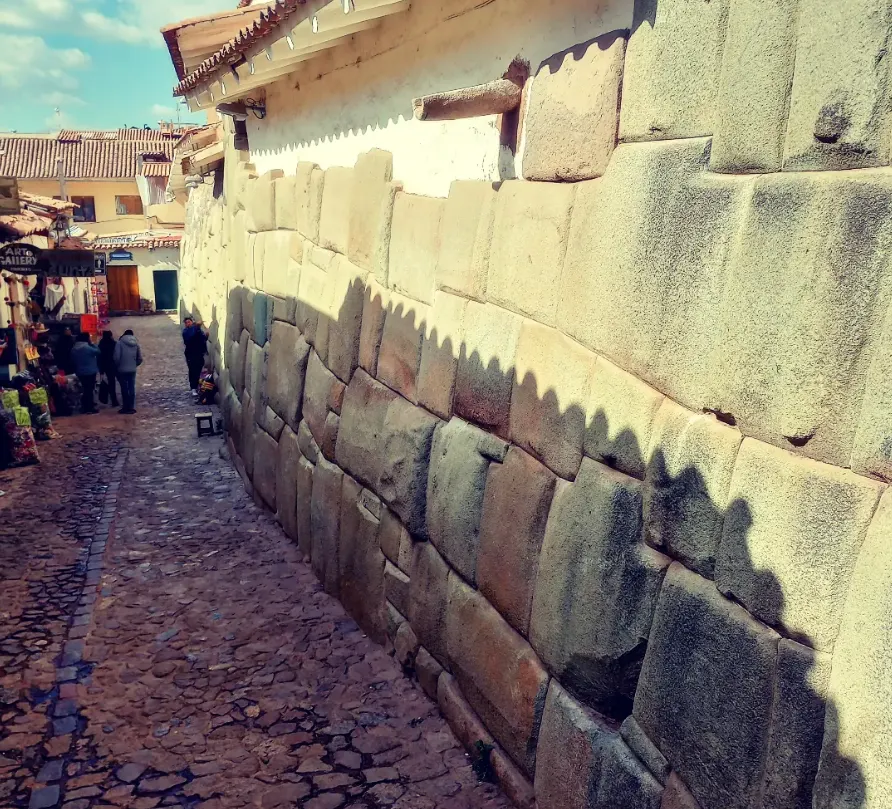
Amaru Kancha occupied a massive area southeast of the main square and is traditionally linked to Huayna Capac, one of the last great emperors to rule before the Spanish arrived.
By the time he took the throne, the Inca Empire had reached its absolute territorial peak, stretching across a huge swath of western South America. Given the wealth at his disposal, his reign (which lasted until about 1527) is synonymous with the empire at its largest and most powerful.
After the conquest, the site underwent a dramatic makeover: today, the striking Church of the Society of Jesus stands directly on the property. However, the past refused to be completely erased. If you walk around the complex and look closely, you’ll spot incredibly precise Inca stonework seamlessly supporting the heavy colonial structures—a quiet testament to the sheer scale and quality of what was once one of the city's premier compounds.
Hatun Kancha: Palace of Inca Yupanqui
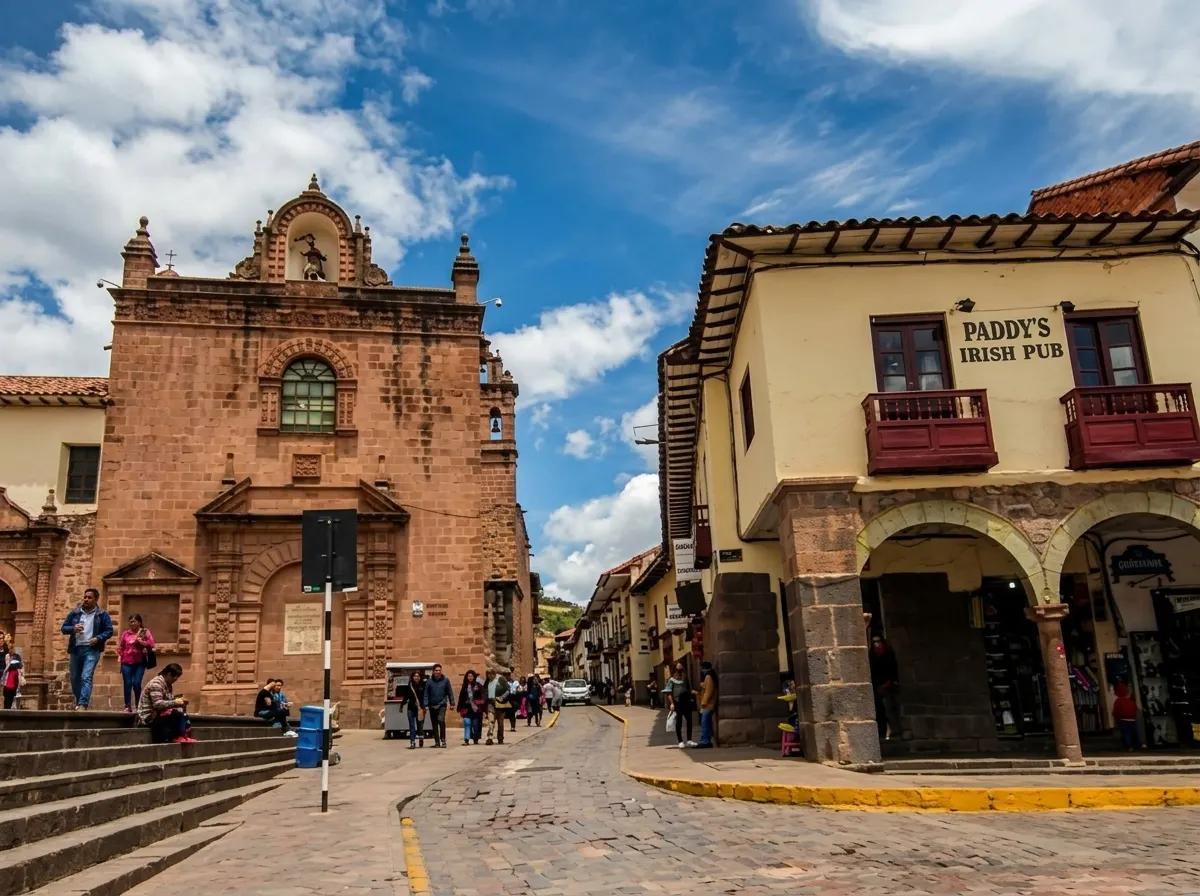
Hatun Kancha translates to the "Great Enclosure," a name that perfectly hints at the sheer scale and importance of the complex.
Attributed to Inca Yupanqui, this massive compound was a crucial piece of the royal real estate network covering central Cusco. True to Inca design, it wasn’t a single fortress but rather a neighborhood-sized complex organized around open courtyards. Here, everyday life blended with imperial bureaucracy and sacred rituals.
Centuries of rebuilding have buried Hatun Kancha beneath Cusco's modern shops and structures. It’s a wild thought when you're walking through this part of town today: it is incredibly easy to overlook the fact that these everyday modern businesses are standing right on top of former imperial residences.
Qoraqora: Palace of Inca Roca
Qoraqora is usually associated with Inca Roca, a ruler who governed long before the empire reached its legendary size.
He is remembered as the very first king of the Hanan Cusco dynasty and is often credited with pushing key political reforms that strengthened the city's ruling elite. His reign took place during a formative era when Cusco was still developing as a strong regional power rather than a sprawling empire.
The palace occupied an area that later became a prime piece of colonial Cusco. While very little of the original structure stands today, archaeological clues show that even back then, builders were using the foundational engineering principles that would later define imperial Inca architecture. Qoraqora gives us a fascinating connection to Cusco's earlier history, before the massive expansions that made the Incas famous throughout the Andes.
Kiswar Kancha: Palace of Viracocha
Kiswar Kancha is tied to Viracocha Inca, Pachacutec’s father and one of the final rulers before the kingdom entered its golden age of growth.
His reign was a stressful one, defined by a massive threat from a rival group called the Chancas, who nearly invaded and destroyed Cusco in the early 15th century. According to traditional accounts, this looming crisis is exactly what led to the rise of Pachacutec and the beginning of the empire's explosive expansion.
The palace itself followed the classic layout of residential buildings surrounding central courtyards. Though there is very little left to see on the surface today, the site holds immense historical value because it represents the ultimate transition period. It was during this specific generation that Cusco exploded from a local kingdom into an international superpower.
Colcampata: Palace of Manco Capac
Colcampata is easily one of the most symbolic palace sites in Cusco because it is traditionally linked to Manco Capac, the legendary founder of the entire Inca dynasty.
Perched up in the San Cristóbal area just above the historic center, the complex offers sweeping, panoramic views of the entire city. That elevated position wasn't just strategic; it reflected a deep spiritual connection to the surrounding landscape within Inca tradition.
Unlike other palace sites that are completely hidden under later layers of history, massive sections of Colcampata’s beautifully crafted walls are still completely visible. Today, visitors can pull up and admire original Inca walls standing side-by-side with later Spanish colonial additions. Whether Manco Capac was a real historical figure or a founding myth, standing next to these stones takes you right back to day one of the Inca story.
Pucamarca: Palace of Tupac Inca Yupanqui
Pucamarca was built for Tupac Inca Yupanqui, Pachacutec’s son and one of the most brilliant military commanders in Andean history.
Under his watch, Inca territory pushed deep into modern-day Ecuador, Chile, Argentina, and Bolivia, consolidating the massive conquests started by his father. Naturally, his palace reflected the staggering wealth and global influence the empire had accumulated by the late 15th century, serving as both a royal family home and a high-level administrative center.
Even though most of the original buildings vanished after the conquest, traces of this powerful emperor's home remain tightly woven into the city's architectural fabric today.
Why Did the Incas Build So Many Palaces?
The large number of palaces down here comes down to a unique blend of politics and ancestor worship.
When an Inca emperor died, his successor didn't get to move into the old palace or inherit his wealth. Instead, the late king's property, lands, and palace were handed over to his panaca—a powerful lineage made up of his descendants. Their job was to maintain his estate, preserve his memory, and look after his mummified body.
Because of this, the incoming emperor had to start from scratch and commission his own palace. As the generations rolled by, older estates stayed active while new ones were constantly being built. This created a capital packed with functioning royal compounds, allowing each new ruler to carve out his own legacy while keeping the memory of past emperors alive.
What Happened to the Inca Palaces?
The Spanish arrival completely flipped Cusco's landscape upside down. Many of the palaces were systematically dismantled so their perfectly carved stones could be recycled to build the churches, monasteries, and mansions of the new colonial elite.
But Inca engineering ended up getting the last laugh. The Spanish builders quickly realized that the original Inca foundations were incredibly stable and virtually earthquake-proof, unlike their own masonry. As a result, they chose to build directly on top of them. Because of that practical shortcut, some of the most stunning examples of Inca stonework you can see in Cusco today are actually the surviving base layers of ancient imperial palaces.
Visiting the Inca Palaces of Cusco Today
You don't need a ticket to an enclosed archaeological park to see these palaces; they are scattered throughout the historic center, completely integrated into the modern flow of the city.
Hunting them down just takes a little curiosity. As you explore Cusco, keep your eyes on the lower third of churches, museums, and colonial buildings. More often than not, those smooth, dark, perfectly interlocking stones at street level are the remnants of royal homes built over half a millennium ago. Beneath the colonial facades and modern storefronts lies the former capital of the Inca Empire, where generations of rulers built the residences that shaped the political heart of the Andes.