
If you've ever looked at a classic photo of Machu Picchu and thought you could see the profile of a giant face in the mountains, you're not imagining it.
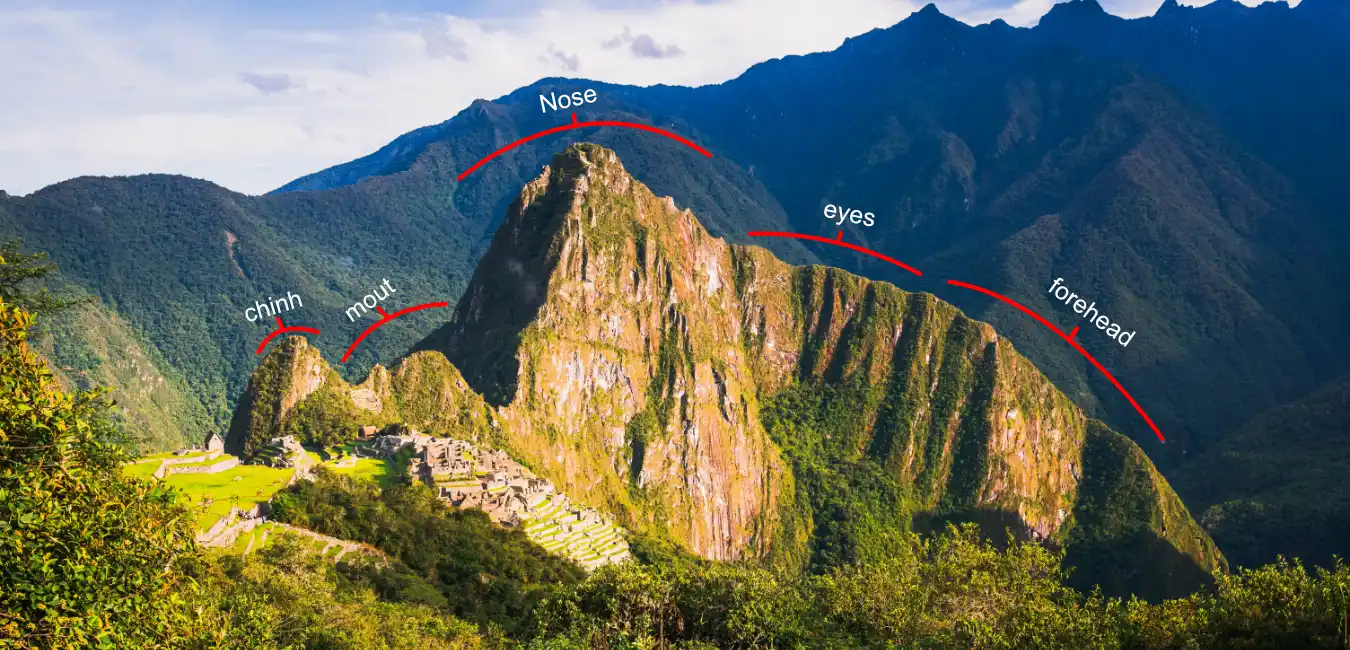
Known as the Inca Face, this natural formation appears in the landscape surrounding the ancient citadel and has become one of the most intriguing details hidden within the famous view. Once someone points it out, it's surprisingly easy to recognize the forehead, nose, lips, and chin outlined by the mountains. In fact, many travelers say the same thing after spotting it for the first time: they can't believe they missed it before.
Unlike the temples and terraces of Machu Picchu, the Inca Face wasn't built by human hands. It's a trick of geography, light, and perspective—but one that has captured the imagination of visitors for decades.
The Hidden Face in the Mountains
What makes the Inca Face so fascinating is that it isn't a monument or a carving. It's a natural formation created by the shape of the mountains surrounding Machu Picchu.
From the right viewpoint, several ridgelines seem to merge into the unmistakable profile of a human face looking upward toward the sky. The upper slopes create what appears to be a forehead, while a prominent ridge forms the nose. Below that, changes in the terrain suggest lips, a jawline, and a chin.
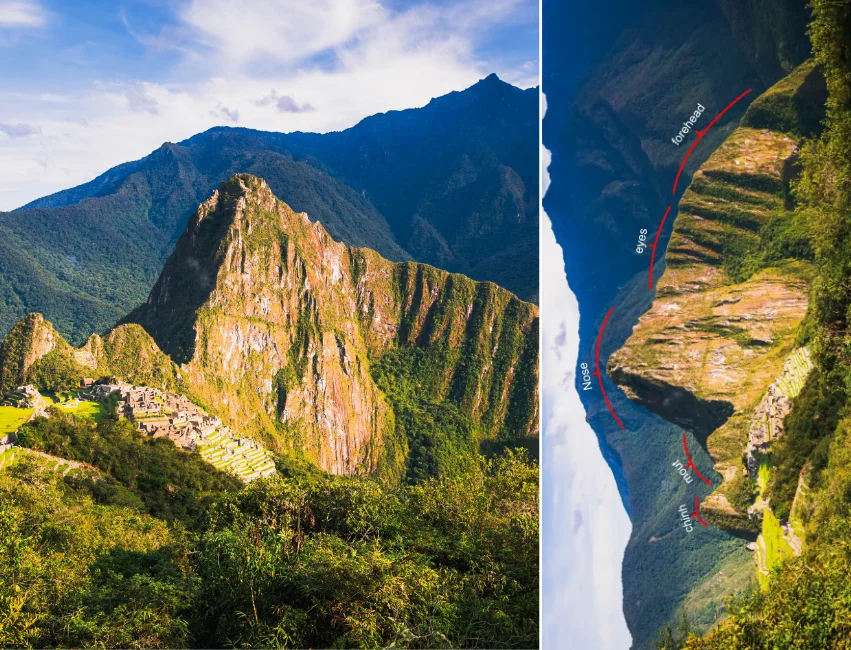
At first glance, many people don't notice anything unusual. The mountains simply look like part of the dramatic Andean scenery. Then something clicks. The profile suddenly emerges from the landscape, and the entire view changes.
It's one of those rare visual illusions that feels almost impossible to see until you recognize it—and almost impossible to ignore afterward.
Part of the appeal comes from how naturally the face blends into the environment. It doesn't look forced or exaggerated. Instead, it feels as though the mountains themselves are quietly revealing a hidden image.
Seeing the Inca Face in the Classic Photo
The reason so many people search for the Machu Picchu Face of the Inca is simple: they've already seen it in a photograph.
The formation appears in the same panoramic view that has become one of the most recognizable travel images in the world. When photographers capture Machu Picchu from the upper terraces, the ruins sit in the foreground while the surrounding mountains rise behind them. Hidden within that landscape is the face.
If you're looking at the classic postcard view, don't focus on the ruins first. Instead, let your eyes follow the mountain contours behind the site.
Try looking for the outline of an entire face rather than individual features. Once the profile appears, the details become much easier to identify.
The forehead is formed by the upper ridge. A prominent projection creates the nose. Beneath it, subtle shadows and contours suggest the lips. The lower section of the mountain becomes the chin and jawline.
Light conditions can make a noticeable difference. Early morning often provides the strongest contrast, helping define the facial features. On cloudy days, the profile may appear softer and take a little longer to recognize.
For many visitors, spotting the Machu Picchu Inca Face becomes one of those memorable moments when a familiar photograph suddenly reveals something completely new.
The Best Viewpoint for the Inca Face
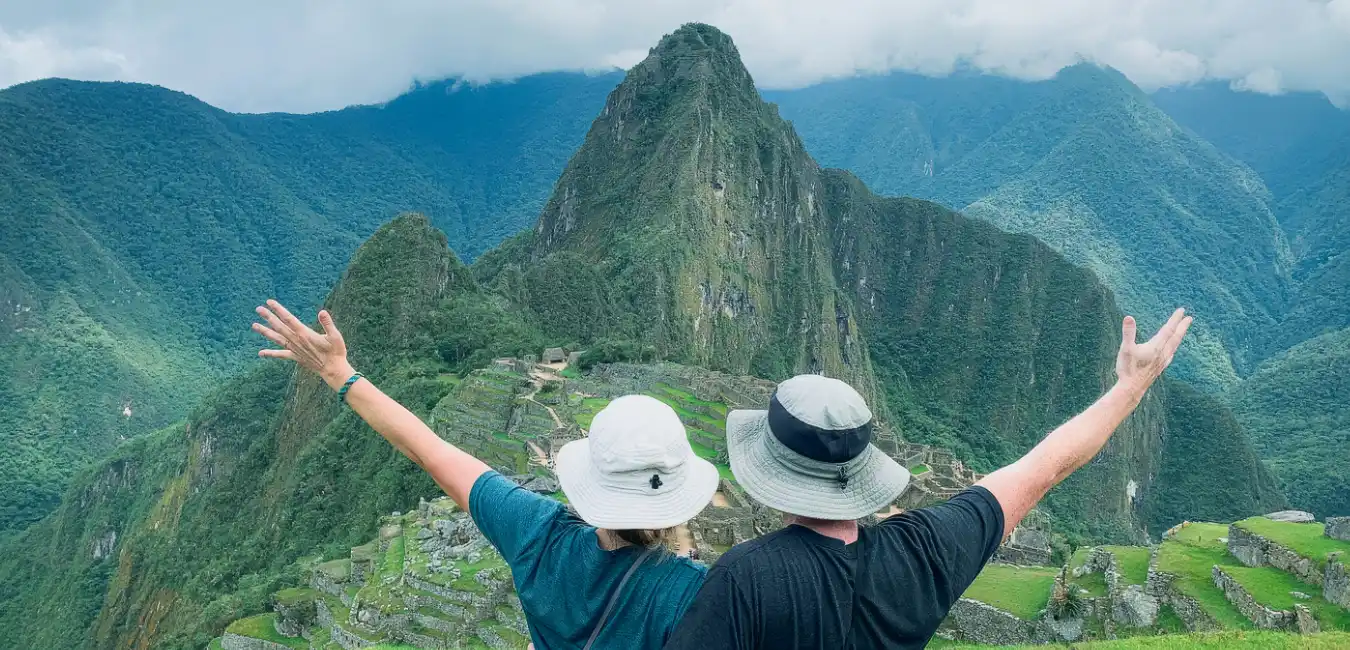
The easiest place to see the Inca Face is from the classic panoramic viewpoint overlooking Machu Picchu.
This is the area where most visitors stop to take the iconic photo of the citadel. From this elevated position, the alignment of the mountains creates the clearest version of the profile.
If you're entering Machu Picchu through the traditional circuit that leads to the upper terraces, take a few moments before rushing toward the ruins. Many people are so focused on getting their perfect photo that they overlook the landscape surrounding it.
The face is often easiest to recognize when you're standing still and studying the mountains rather than looking through a camera screen.
For photographers, early morning is usually the most rewarding time. Softer light creates deeper shadows along the ridges, helping define the shape of the profile. Changing weather conditions can also create unique opportunities. A layer of mist drifting through the mountains may partially hide the face one moment and reveal it dramatically the next.
If you're hoping to photograph the formation, capture both a wide shot and a zoomed-in image. The wider frame shows how the face relates to the entire landscape, while a tighter crop makes the facial features easier to distinguish.
The Meaning Behind the Formation
Standing above the terraces and looking toward the mountains, it's easy to understand why the Inca Face attracts so much attention.
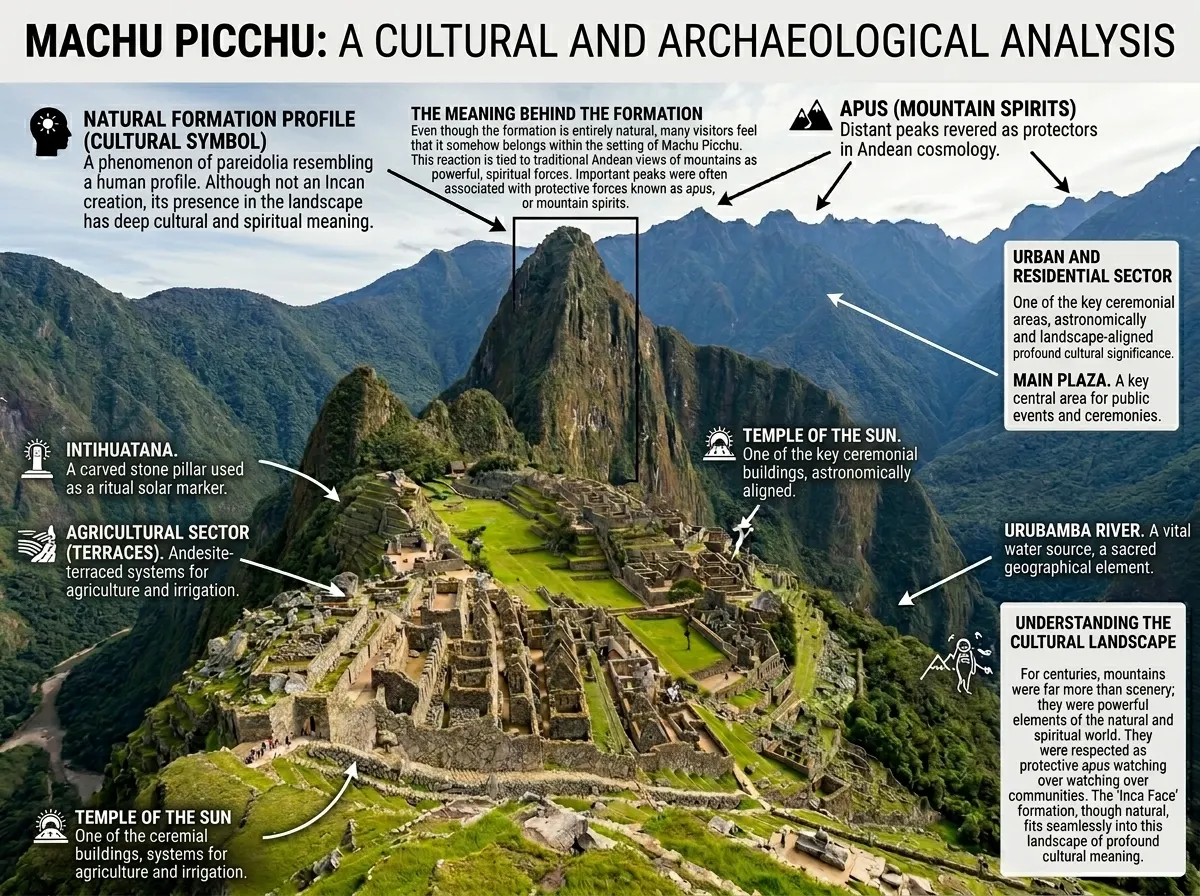
Even though the formation is entirely natural, many visitors feel that it somehow belongs within the setting of Machu Picchu. The profile seems almost too perfect to be accidental.
Part of this reaction comes from the way people have traditionally viewed mountains throughout the Andes. For centuries, mountains were far more than scenery. They were respected as powerful elements of the natural and spiritual world.
Important peaks were often associated with protective forces known as apus, mountain spirits believed to watch over surrounding communities. While there is no historical evidence that the Inca Face itself was officially recognized by the Incas, the formation fits naturally within a landscape where mountains held deep cultural significance.
That connection helps explain why so many people see more than just geology when they look at the profile. Whether viewed as symbolism, coincidence, or simply a remarkable natural illusion, the face encourages visitors to see the surrounding mountains as an essential part of the Machu Picchu experience.
Legends and Interpretations
Like many unusual features around Machu Picchu, the Inca Face has inspired countless stories.
Some guides describe it as the face of an Inca ruler watching over the citadel. Others interpret it as a guardian spirit protecting the sacred landscape. There are also modern theories suggesting that the profile reflects the Incas' extraordinary ability to build in harmony with the surrounding environment.
These interpretations are interesting, but it's important to separate local tradition from documented history.
No known historical records from the Inca period identify this mountain profile as a deliberate representation of a face. Most of the stories associated with it belong to modern folklore, guide narratives, and contemporary interpretations rather than verifiable historical sources.
That doesn't make them any less meaningful. Stories often emerge because people feel a connection to a place, and the Inca Face has a way of sparking curiosity and imagination.
In many ways, the legends surrounding the formation say as much about the experience of visiting Machu Picchu today as they do about the mountains themselves.
Seeing the Inca Face During Your Visit
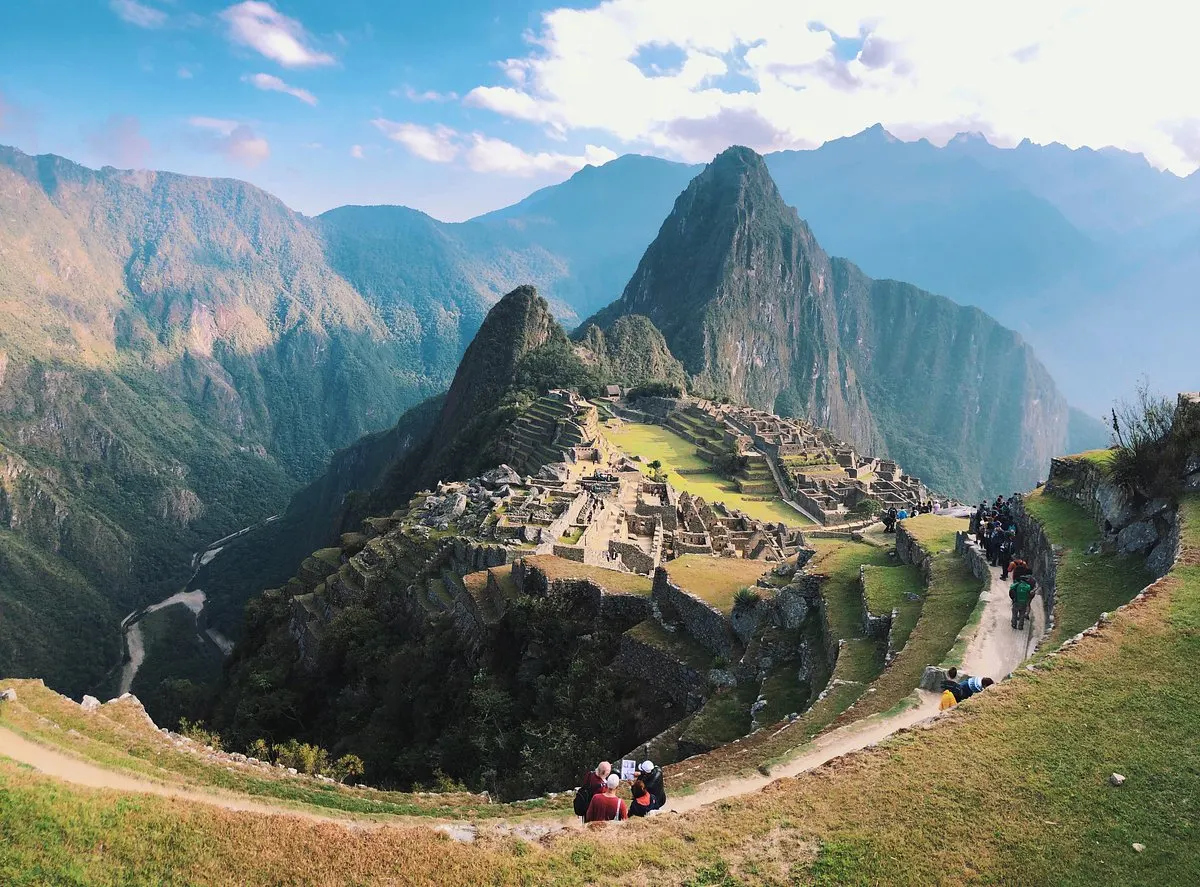
One reason the Inca Face remains such a memorable discovery is that many visitors never notice it.
They spend their time exploring temples, terraces, and pathways while the profile quietly remains hidden in plain sight above them.
If you'd like to see it for yourself, slow down when you reach the panoramic viewpoint. Before taking photos, spend a few minutes simply observing the mountains. Let your eyes trace the ridgelines rather than focusing on the archaeological site.
It can also help to look at a reference photo before your visit. Once your brain recognizes the overall shape, spotting it in person becomes much easier.
Patience is equally important. Mountain weather around Machu Picchu changes constantly, and shifting clouds can dramatically alter what you see. Sometimes the face appears immediately. Other times it gradually emerges as the light changes.
The Inca Face may not be listed among the major structures of Machu Picchu, but for many travelers it becomes one of the most memorable details of the entire visit.
After all, anyone can admire the ruins. Not everyone notices the giant face hidden in the mountains watching over them.